
A sudden heavy rainstorm in Metro Detroit can push raw sewage back into your basement through aging pipes. This costly problem leaves homeowners facing thousands of dollars in cleanup and repairs. The good news is that sewer line backup prevention detroit strategies are well understood and highly effective when applied correctly.
Schedule a sewer line inspection today and take the first step toward protecting your home from backups.
Detroit’s older combined sewer system puts many homes at risk during heavy rain events. Private sewer laterals , the pipes connecting your home to the city main , are your responsibility. Regular camera inspections, hydro jetting, and backwater valves form the core of a solid prevention plan. This guide walks you through everything Detroit homeowners need to know to keep their basements dry.
Why Detroit Homes Face Higher Sewer Line Backup Risks
Detroit homeowners deal with unique challenges when it comes to their sewer systems. While many modern cities use separate pipes for storm water and sewage, large parts of Detroit rely on a combined system that handles both in the same pipe. This design works well under normal conditions but creates real risks during heavy storms.
The Combined Sewer System
In many Detroit neighborhoods, rain water from roofs and streets flows into the same pipes as household sewage. This combined system sends all the water to a treatment plant before it enters the river. The problem arises during big rain events. When too much water enters the system at once, the pipes reach capacity. This pressure can push water backward through floor drains and into basements. The Detroit Water and Sewerage Department provides resources on flood safety and backup prevention for homeowners.
Aging Pipes in Older Areas
Many Detroit homes were built decades ago with clay or cast iron sewer lines. Clay pipes become brittle over time and can crack when the ground shifts. Cast iron pipes rust from the inside out, gradually thinning until they collapse. These aging pipes create entry points for tree roots, which grow into thick mats that block the flow of waste. Detroit’s mature tree canopy, while beautiful, means many properties have large root systems seeking the moisture inside sewer lines.
Your Role in Sewer Protection
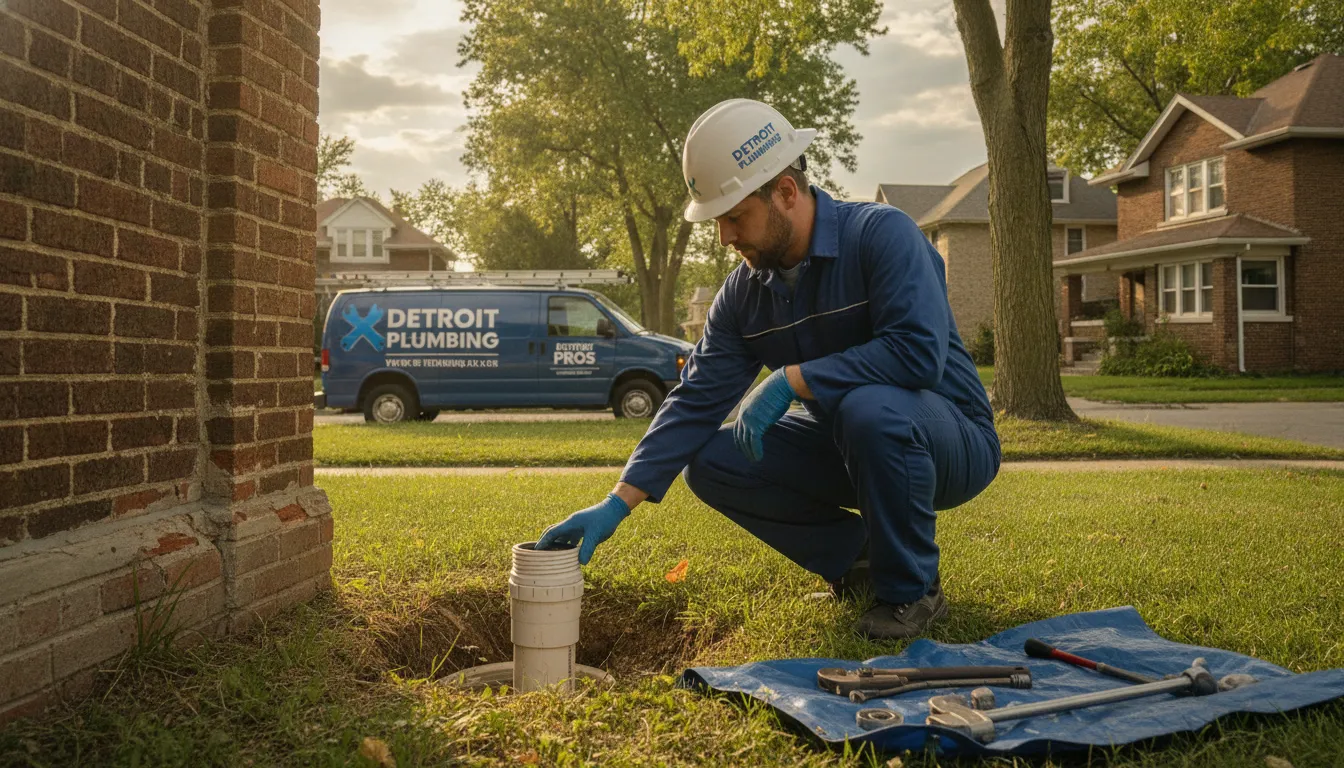
The city maintains the main sewer lines under the streets. But the pipe that connects your home to the city main , called the sewer lateral , is your responsibility. Keeping this line clear is the foundation of sewer line backup prevention detroit homeowners can rely on. Regular maintenance of your lateral reduces stress on the entire system during storms.
What Causes Sewer Line Backups in Detroit Homes?
Understanding what leads to a backup helps you take the right preventive steps. Detroit’s unique combination of old infrastructure, mature trees, and heavy storms creates specific risks that homeowners should know about.
Tree Root Growth
Tree roots naturally seek out water and nutrients. A tiny crack in your sewer line releases enough moisture to attract roots. Once inside, roots grow rapidly in the damp, nutrient-rich environment. They act like a net, catching grease and debris that would normally flow through the pipe. Professional hydro jetting removes roots without damaging the pipe, but annual inspections are the only way to catch root intrusion before it causes a blockage.
Grease and Household Waste Buildup
Fats, oils, and grease may be liquid when they go down the drain, but they solidify as they cool inside your pipes. Over time, these substances coat the inner walls of your sewer line, narrowing the passage and creating a sticky surface that catches other debris. Simple habits like disposing of cooking grease in the trash instead of the sink make a real difference in preventing buildup.
Storm Water Overload
Heavy rain events are becoming more common in the Great Lakes region. When the combined sewer system reaches capacity, the excess water has nowhere to go but back into home floor drains. A backwater valve is the most effective tool for preventing this type of backup, and the City of Detroit offers assistance programs for homeowners in high-risk areas.
Professional Sewer Line Backup Prevention Strategies for Detroit Homeowners
Keeping your Detroit home safe starts with a proactive plan. Professional prevention methods go far beyond what a homeowner can do with a plunger or a drain snake. These strategies address the root causes of backups and provide lasting protection.
Advanced Video Pipe Inspection
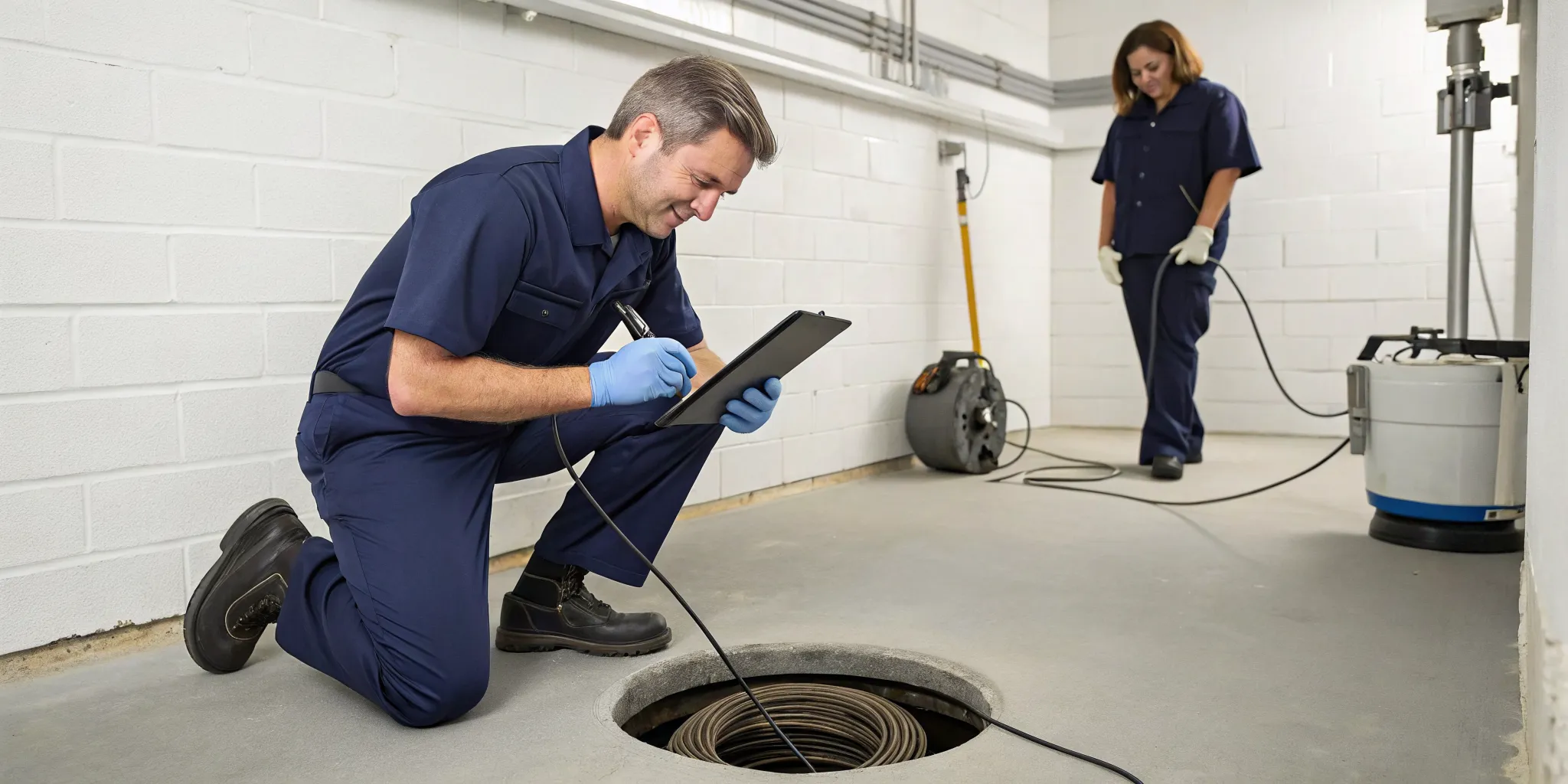
A sewer camera inspection is the most reliable way to assess the condition of your pipes. A waterproof camera on a flexible cable travels through your sewer line, sending real-time video to a monitor. This allows our plumbers to identify cracks, root intrusion, grease buildup, and pipe collapse without any digging or guesswork. Detroit homeowners with older clay or cast iron pipes should schedule this inspection every one to two years.
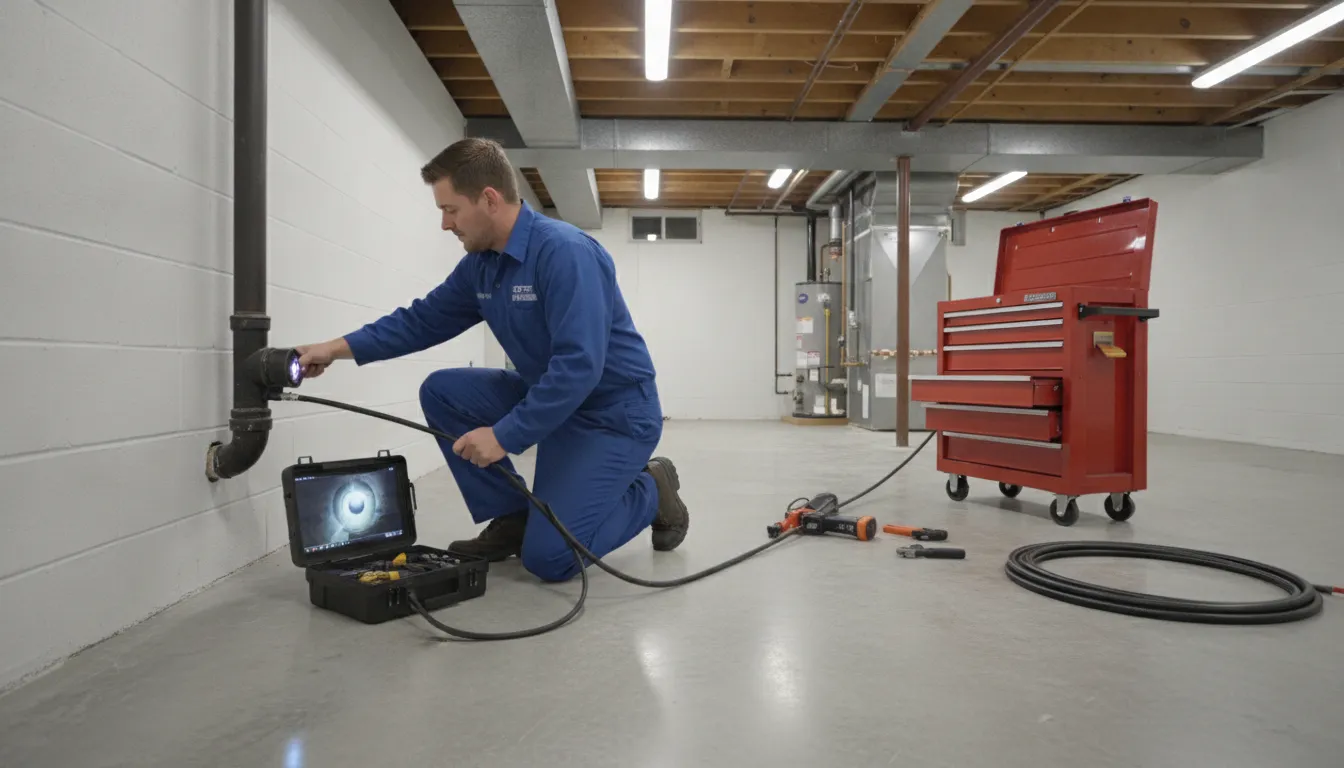
High-Pressure HydroScrub Jetting
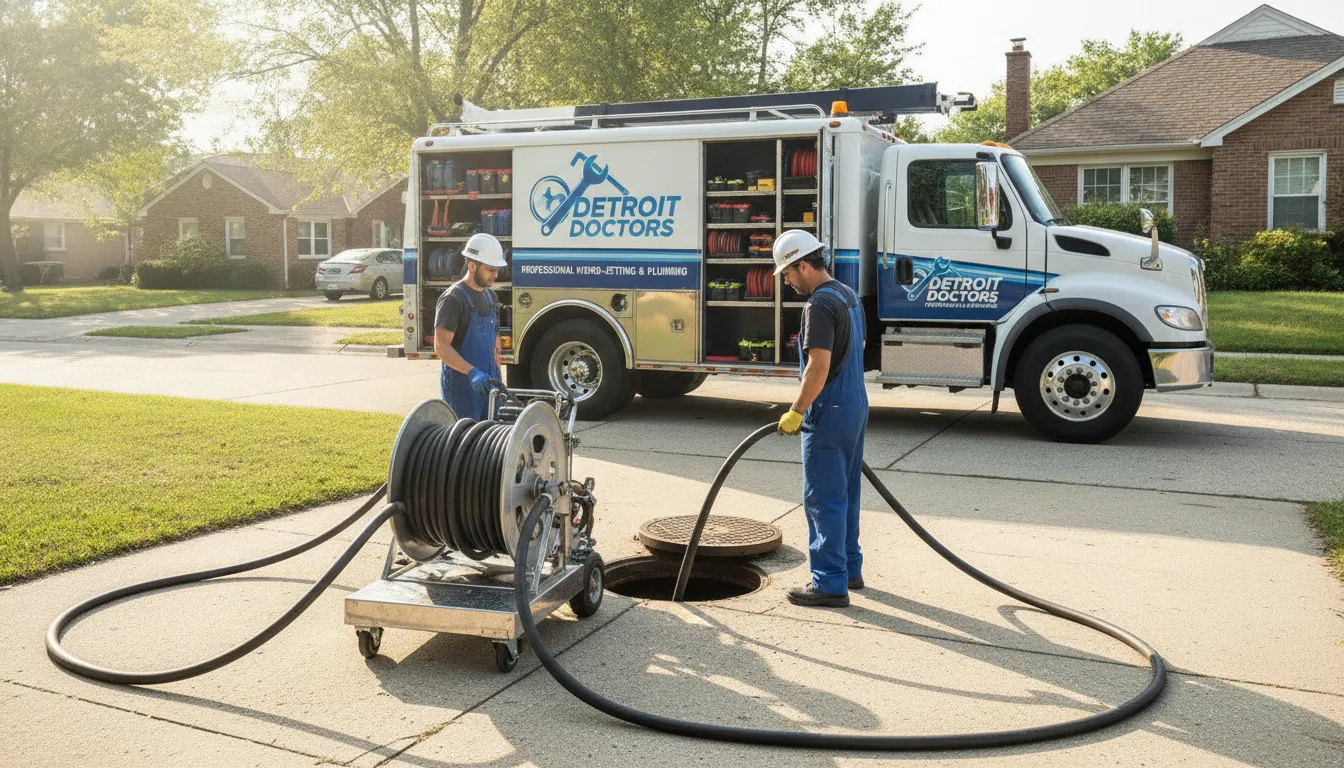
Standard drain snakes only poke a hole through a clog. HydroScrub drain jetting uses water pressurized to 4,000 PSI to blast away grease, sludge, and root masses from the entire pipe wall. This thorough cleaning restores your pipe to nearly its original diameter, improving flow and reducing the chance of future backups. Hydro jetting uses no harsh chemicals, making it safe for your pipes and the surrounding soil.
- Clears grease and mineral buildup that snakes cannot reach.
- Removes tree roots without damaging the pipe structure.
- Uses only water , no toxic chemicals that could harm your lawn.
- Keeps pipes clean longer than mechanical snaking.
Backwater Valves and Trenchless Repair
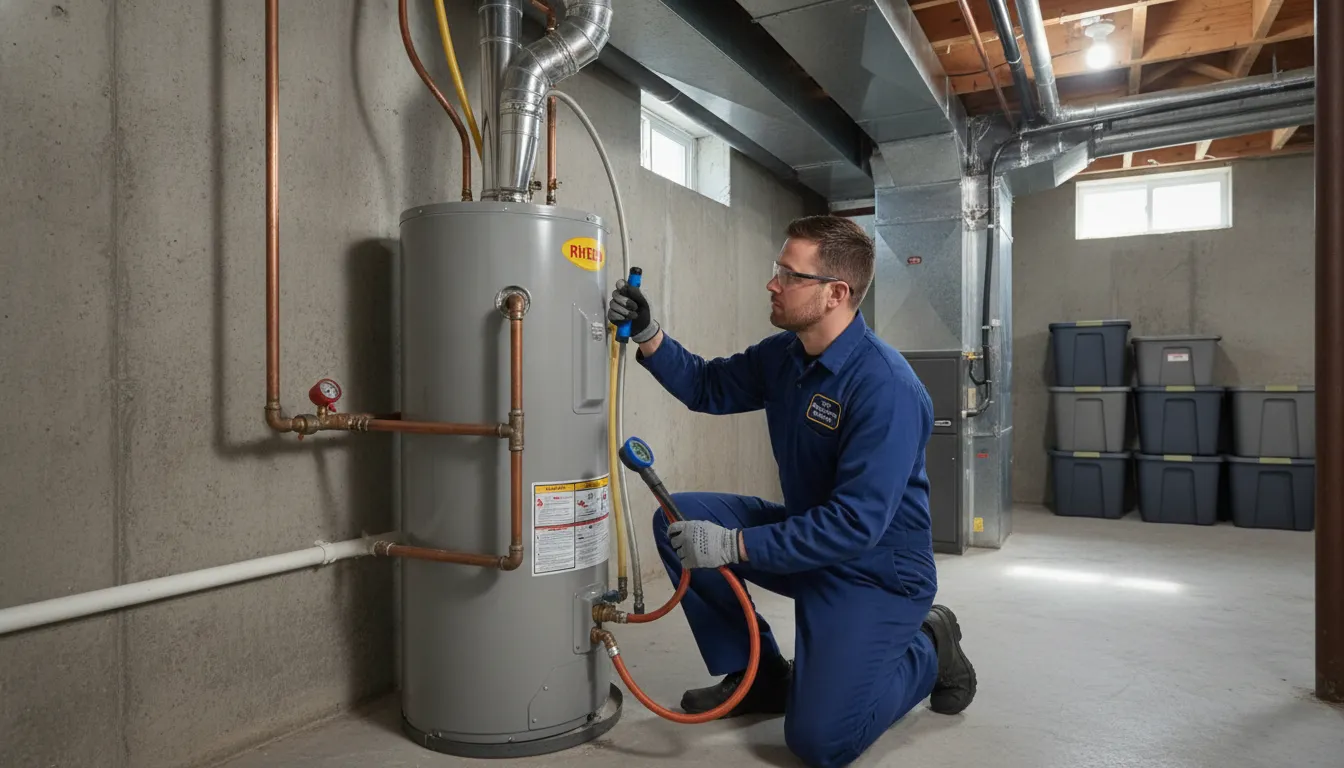
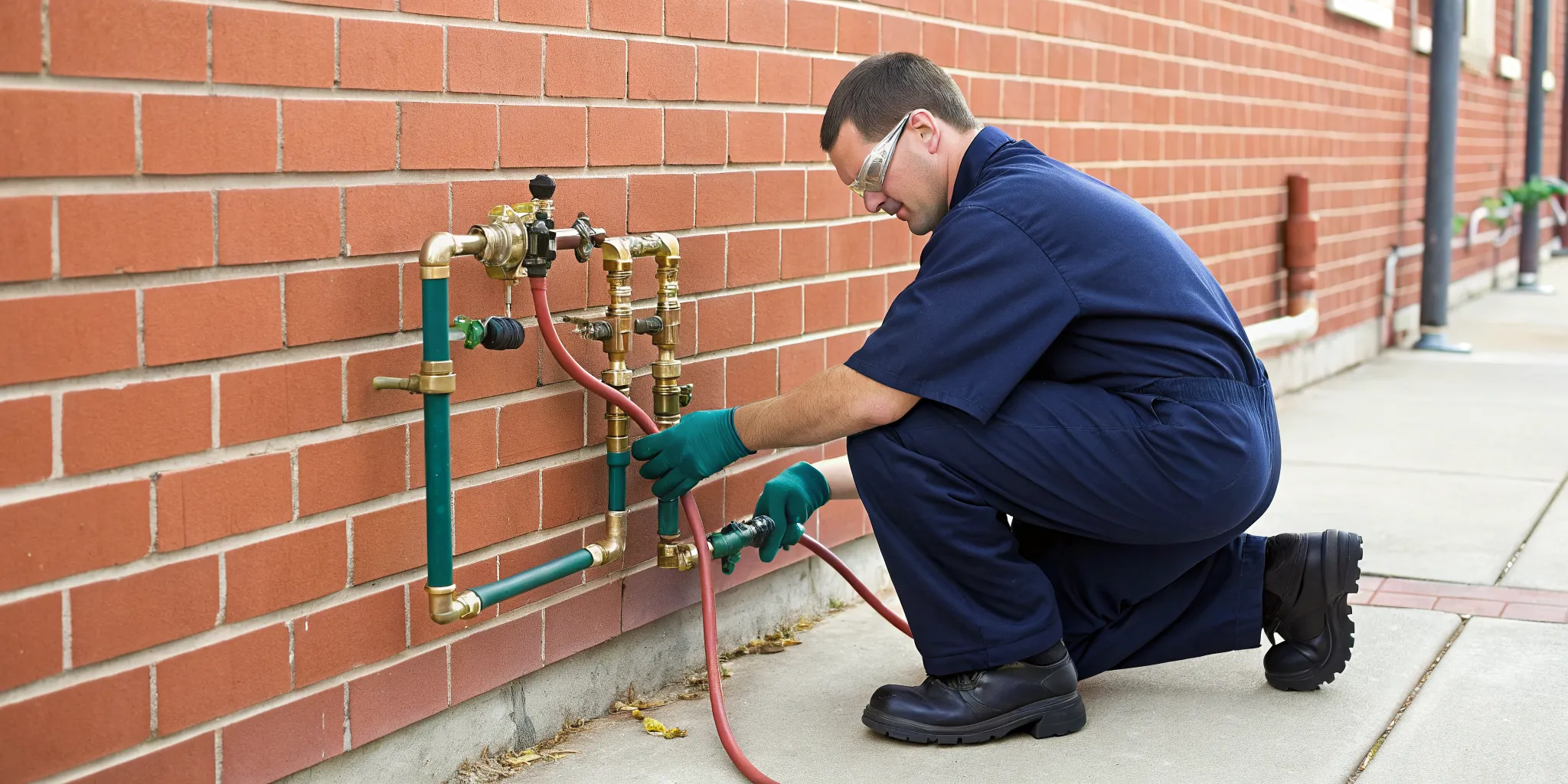
For homes in flood-prone areas, a backwater valve is an essential investment. This one-way gate allows waste to flow out of your home but closes automatically to prevent sewage from flowing back in during a storm. The City of Detroit recommends backwater valves for properties in high-risk flood zones. Mr. Pipey provides expert backflow preventer services to help keep your basement dry.
For pipes with cracks or root damage, trenchless sewer line repair offers a solution that does not require digging up your yard. A durable epoxy liner is inserted into the damaged pipe and cured in place, creating a new pipe within the old one. This trenchless method preserves your landscaping and provides a result that can last up to 100 years.
| Method | How It Works | Best For | Recommended Frequency |
|---|---|---|---|
| Sewer Camera Inspection | Video probe identifies cracks, roots, blockages | Early problem detection | Every 1-2 years |
| HydroScrub Jetting | 4,000 PSI water clears pipe walls | Grease and root removal | Every 2-3 years |
| Backwater Valve | One-way gate prevents backflow | Storm-related backup prevention | Inspect annually |
| Trenchless Pipe Repair | Epoxy liner creates new pipe inside old | Damaged or leaking pipes | Once (lifetime solution) |
Does Detroit Offer Help for Sewer Line Backup Protection?
The City of Detroit offers the Residential Basement Backup Protection Program to help homeowners in high-risk areas. This program focuses on 11 neighborhoods, including Jefferson Chalmers and Cornerstone Village, that face the highest risk of flooding during heavy storms. Eligible homeowners may receive assistance with the cost of backwater valves and sump pump systems. In early 2025, the city expanded the program to help with sewer line repairs on private property, as reported by Planet Detroit.
Phases 1 and 2 of the program are currently closed, but the city often reopens applications when additional funding becomes available. Homeowners should check the city website regularly for updates. Even if you do not live in one of the targeted neighborhoods, investing in professional sewer inspections and maintenance remains the most reliable way to protect your home.
Read our guide on sewer backup services for more information on how professional maintenance keeps your home dry year-round.
6 Warning Signs Your Sewer Line Needs Preventive Maintenance
Detroit homes with older plumbing systems often show clear warning signs before a full backup occurs. Catching these signs early allows you to schedule maintenance before water damage occurs.
- Gurgling toilets or drains. If your toilet bubbles when you run water in the sink or bathtub, air is trapped in the sewer line by a developing clog. This is often the earliest sign of a blockage.
- Multiple slow drains. When more than one drain in your home is slow, the problem is not a local sink clog. It signals a buildup in the main sewer line, often caused by tree roots in older Detroit neighborhoods.
- Sewer odors near drains. A properly functioning sewer system keeps gas contained. If you smell sewage near floor drains or in the basement, a crack or partial clog is allowing gas to escape.
- Water backing up in low spots. Basement floor drains and first-floor tubs are the lowest points in your home. Water appearing in these fixtures when you flush a toilet indicates the main line is full.
- Unusually green patches in the lawn. Leaking sewage acts as fertilizer. A patch of grass that is noticeably greener or faster-growing than the surrounding lawn may indicate a leak in the sewer line below.
- Recurring clogs that keep coming back. If the same drain backs up every few weeks despite plunging, the issue is deep in the sewer line. Professional hydro jetting is needed to clear the full pipe wall.
What to Do If You Have a Sewer Line Backup in Detroit
If sewage backs up into your home, quick action limits the damage. Stop using all water immediately , do not flush toilets, run sinks, or use the shower. Any water you send down the drain will come back up into your basement. Follow city safety guidelines to manage the situation safely.
Call a licensed plumber who offers 24/7 emergency service. Document the scene with photos and videos for your insurance claim. Avoid harsh chemical drain cleaners , they rarely reach the main line blockage and can damage older Detroit pipes. Mr. Pipey provides 24/7 emergency plumbing services with no extra charges for nights, weekends, or holidays and an average response time of 45 minutes.
After the immediate backup is cleared, a sewer camera inspection identifies the root cause , whether tree roots, collapsed pipes, or grease buildup. Understanding the cause helps you prevent a recurrence and plan for long-term protection. Learn more about basement drain backup solutions that address the specific issues Detroit homeowners face.
Contact Mr. Pipey for emergency sewer backup help if you are dealing with a backup right now. Our team is ready 24/7 to respond.
Frequently Asked Questions
Why does Detroit’s combined sewer system lead to basement backups?
Detroit uses a combined sewer system that carries both storm water and household waste in the same pipes. During heavy rain, the volume of water can exceed pipe capacity, causing pressure that pushes sewage back through floor drains and into basements. This risk is higher in areas with aging infrastructure.
How does a backwater valve protect my home from sewage backup?
A backwater valve installs in your sewer line as a one-way gate. It allows waste to flow out of your home toward the city main, but it closes automatically when water tries to flow back in. This simple mechanical device is one of the most effective tools for preventing storm-related basement flooding.
How often should I have my sewer line inspected?
Detroit homeowners should schedule a sewer camera inspection every one to two years. Homes with older clay or cast iron pipes, large trees on the property, or a history of slow drains may benefit from annual inspections to catch problems early.
What is the difference between drain snaking and hydro jetting?
Drain snaking pushes a cable through a clog to break it up, but it leaves debris on the pipe walls. Hydro jetting uses water at 4,000 PSI to blast the entire inner surface of the pipe clean, removing grease, mineral buildup, and root masses. Hydro jetting provides a more thorough and longer-lasting result.
Does homeowner insurance cover sewer line backup damage?
Standard homeowner policies often exclude sewer backup damage. Many insurers offer separate sewer backup riders or endorsements that provide coverage. Detroit homeowners should review their policy and consider adding this coverage, especially if they live in a flood-prone area.
Ready to protect your Detroit home from sewer backups?
Sewer line backup prevention detroit starts with a professional assessment of your home’s unique plumbing needs. Mr. Pipey has served Detroit-area homeowners for years with expert sewer camera inspections, hydro jetting, backwater valve installation, and trenchless pipe repair. Our team understands the specific challenges of Detroit’s older infrastructure and older homes.
Schedule your sewer line inspection with Mr. Pipey or call (313) 900-0700. Protect your home and your peace of mind with professional prevention services you can trust.