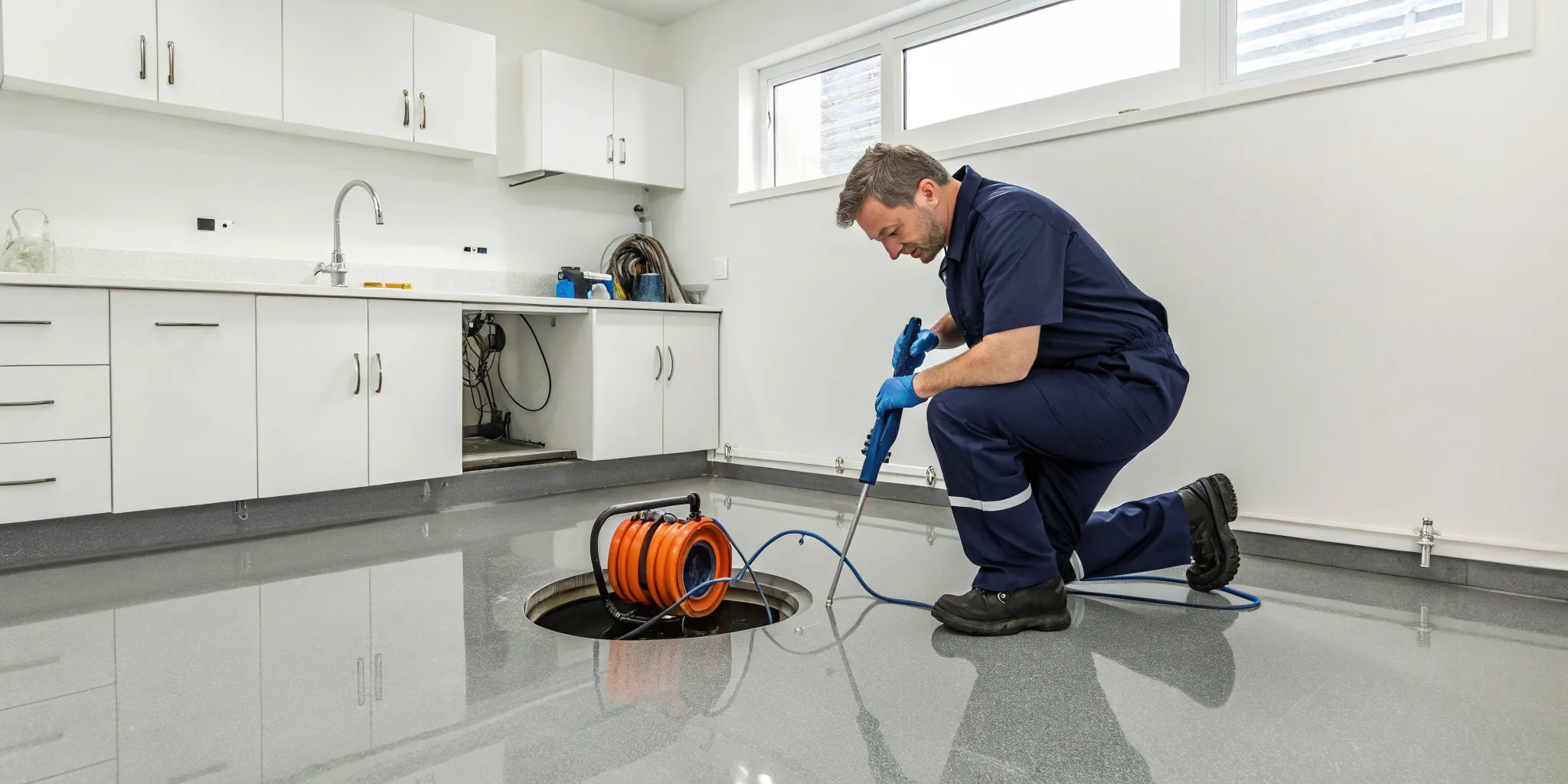
Nothing makes you feel more helpless than watching sewage back up into your home. It’s a messy, stressful situation that can leave you feeling completely out of control. But you don’t have to face it alone. Your best tool in a plumbing emergency is knowing what to do next. Understanding what causes a sewer line backup and recognizing the clear warning signs can make all the difference. This guide will give you the information you need to protect your home, minimize damage, and confidently find a trustworthy plumber to get the job done right.
Key Takeaways
- Prevention is your most powerful tool: You can avoid most major backups by being mindful of what goes down your drains (especially grease and wipes) and scheduling professional camera inspections to spot hidden problems before they escalate.
- Know the urgent warning signs: If you notice multiple slow drains, hear gurgling noises from your pipes, or see water backing up in unusual places, it’s a clear signal of a mainline clog that requires a professional instead of a DIY fix.
- Choose the right plumber to protect your home: Always verify that a plumber is licensed and insured, ask for a detailed written estimate before any work begins, and confirm they stand behind their repairs with a satisfaction guarantee.
Why Is My Sewer Line Backed Up? (And When to Call for Help)
A sewer line backup is one of the most stressful plumbing problems a homeowner can face. It’s messy, disruptive, and can feel completely overwhelming. But understanding what causes these backups and knowing how to spot the early warning signs can make a huge difference. It helps you know exactly when to stop what you’re doing and call for professional help. Let’s walk through the common culprits behind a backed-up sewer line and the clear signals that it’s time to bring in an expert.
Main Line vs. Secondary Line Backups
Not all backups are created equal, and knowing the difference between a main line and a secondary line issue is key to understanding the urgency of your situation. A main line backup is the more serious of the two. This happens when the primary pipe connecting your entire home to the municipal sewer system gets blocked. The tell-tale sign is multiple fixtures backing up at once—think your toilet, shower, and floor drain all causing problems simultaneously. As the experts at This Old House explain, the complexity and health risks mean “you need a professional for this.” This isn’t a DIY situation; it’s a clear signal to call for help right away.
On the other hand, a secondary line backup is much more localized and less severe. These are the smaller pipes that lead from individual fixtures, like a kitchen sink or a single bathtub, to the main line. If you have a clog in one of these, the problem will be isolated to that one spot. For example, your sink might not drain, but your toilet and shower will work just fine. While still a nuisance, a secondary line clog is often something a homeowner can address themselves and doesn’t typically constitute a full-blown plumbing emergency.
So, how do you know when to make the call? The rule of thumb is simple: one clogged drain might be a minor issue, but backups in multiple drains point directly to a main line problem. This is the kind of plumbing emergency that requires immediate professional attention to prevent widespread water damage and contamination. As plumbing specialists at Petersen Products note, “If sewage backs up from multiple drains or floor drains, you need a professional immediately.” Recognizing these signs helps you take the right action to protect your home.
What’s Causing Your Sewer Backup?
It’s easy to assume a sewer backup is the city’s problem, but most backups actually start in the private sewer line that connects your home to the municipal system. Over time, several things can go wrong inside that pipe. Grease buildup is a major offender; when you pour fats and oils down the drain, they solidify and create stubborn blockages. Foreign objects that shouldn’t be flushed, like paper towels or wipes, can also cause clogs. And let’s not forget about nature. Tree roots are naturally drawn to the moisture in sewer lines and can work their way into tiny cracks, growing into a dense web that obstructs flow and can even break the pipe.
Heavy Rain and Stormwater
Sometimes, the problem isn’t inside your pipes but outside your home. During a heavy downpour, municipal sewer systems can become overwhelmed with stormwater, especially in older urban areas. When the system can’t handle the sudden influx of water, it has nowhere to go but back up the pipes and into your home. This is particularly frustrating because it feels completely out of your control. While you can’t upgrade the city’s infrastructure, you can protect your home. Installing a backflow prevention device is one of the most effective ways to create a barrier that stops municipal sewage from entering your private sewer line during these events.
Sagging Sewer Lines
Over time, the soil around your sewer line can shift and settle, causing a section of the pipe to sink. This creates a low spot, or a “belly,” in the line. Water can still flow over it, but solid waste and debris get trapped in the dip, accumulating until they form a stubborn blockage. If you find yourself dealing with recurring clogs that keep coming back no matter what you do, a sagging sewer line could be the culprit. This isn’t a problem that can be cleared with a simple drain snake; it’s a structural issue that requires a professional camera inspection to diagnose and repair correctly.
Improper Plumbing Connections
Your home’s plumbing system is a network of different lines designed for specific purposes. The sanitary sewer line is only meant to handle wastewater from your toilets, sinks, and showers. Unfortunately, sometimes other systems are incorrectly tied into it. For example, connecting a sump pump or gutter downspouts to the sanitary sewer introduces a massive volume of stormwater that the system was never designed to manage. This can easily overwhelm your sewer line during a storm, forcing a messy backup into your home. Ensuring all your water-handling systems are properly installed and routed is key to preventing this kind of overload.
Don’t Ignore These Sewer Backup Warning Signs
Your plumbing system will usually give you hints that a backup is brewing. One of the most classic signs is water backing up in strange places. For example, if your toilets start to overflow when you run the washing machine, or you see water pooling around floor drains in the basement, you likely have a mainline clog. Other red flags include multiple slow-running drains throughout your house, gurgling sounds coming from your pipes, and persistent, foul odors that smell like sewage. If you notice any of these issues, it’s a clear signal that you need emergency plumbing services before the problem gets worse.
Unusual Changes in Your Yard
Sometimes, the biggest clues about your sewer line aren’t inside your house at all—they’re right in your yard. If you notice a patch of grass that’s suddenly much greener and lusher than the rest, or you find mysterious soggy spots and standing water when it hasn’t been raining, pay attention. These are classic signs of a leaking sewer line. The pipe running under your property might be cracked or broken, releasing wastewater into the soil. While it might seem like free fertilizer for your lawn, it’s a serious issue that can lead to sinkholes and a much bigger, messier backup problem if left unaddressed. This isn’t something to wait on; it’s a clear signal that you need a professional to assess the damage.
Bouncing Toilet Water Levels
Here’s a strange one you might not connect to a sewer issue: your toilet water seems to have a mind of its own. If you notice the water level in your toilet bowl “bouncing”—rising or falling when you use a sink or shower elsewhere in the house—it’s often a sign of a venting problem within your plumbing system. Your drain lines need air to flow properly, and a blockage can create negative pressure that pulls water from the toilet trap. You might also hear gurgling sounds from other drains when one is in use. This indicates that your system is struggling to find air, and a backup could be next. While it might seem minor, it points to a larger blockage that needs to be addressed by an expert in toilet repair and drain systems.
Why You Shouldn’t DIY a Sewer Line Repair
When faced with a clog, it’s tempting to reach for a bottle of chemical drain cleaner or try to snake the drain yourself. While these can work for minor clogs in a single sink, they are no match for a mainline sewer backup. In fact, trying to fix it yourself can be dangerous. Raw sewage contains harmful bacteria and pathogens that pose serious health risks. You could also end up damaging your pipes, turning a repairable issue into a costly replacement. Many homeowners wait until a backup occurs to think about their sewer line, but professional help is the only safe and effective solution for a major blockage.
Health and Safety Risks of a Sewer Backup
Beyond the obvious damage to your property, a sewer backup introduces serious health and safety issues that you need to address immediately. The water isn’t just dirty—it’s a hazardous material that requires careful handling. Understanding the risks involved is the first step in protecting yourself and your family during this stressful event. It’s crucial to prioritize safety over saving your belongings and to leave the cleanup to professionals who are equipped to manage the contamination safely and effectively.
Understanding the Health Hazards of Raw Sewage
A sewer backup is more than just a smelly mess; it’s a serious biohazard in your home. Raw sewage is filled with dangerous bacteria, viruses, and other pathogens that can make your family sick. Direct contact with the contaminated water can lead to skin infections or rashes, while inhaling airborne particles or mold spores can cause respiratory issues. Even worse, exposure can result in gastrointestinal illnesses like nausea, vomiting, and diarrhea. If anyone in your household starts feeling unwell after a backup, it’s important to see a doctor right away. This is why you should never try to handle a significant backup on your own. The health risks are simply too high, and it’s a job best left to professional emergency plumbers who have the training and equipment to manage it safely.
Essential Safety Gear for a Flooded Area
While the best course of action is to wait for professionals, sometimes you might need to briefly enter the affected area—for instance, to shut off your main water valve. If you absolutely must go in, you need to protect yourself from head to toe. At a minimum, wear waterproof rubber boots, heavy-duty gloves, and safety goggles to prevent contaminated water from touching your skin or eyes. An N95 respirator mask is also crucial to avoid inhaling harmful airborne contaminants. If you have them, disposable coveralls offer an extra layer of protection for your clothes and body. Remember, this gear is for very brief, emergency access only. The real cleanup and repair work should always be handled by trained experts who can safely restore your home.
When to Temporarily Leave Your Home
Sometimes, a sewer backup is so severe that staying in your house is no longer safe. If the sewage has spread to multiple rooms, if there are strong, overwhelming odors, or if the water is near any electrical outlets or appliances, it’s time to leave immediately. The combination of water and electricity creates a serious risk of electrocution. Your family’s safety is the top priority. In these situations, it’s best to find a temporary place to stay until the home has been professionally cleaned and sanitized. It’s a good idea to contact your plumber for an assessment and check with your homeowners’ insurance agent, as your policy might cover the cost of temporary housing.
What to Do During a Plumbing Emergency
Knowing when to call a professional is key. If sewage is backing up from more than one drain or you have standing sewage in your home, it’s time to call a plumber immediately. While you wait for help to arrive, there are a few steps you can take to minimize the damage. First, stop using all water in your home. Don’t flush toilets, run faucets, or start the dishwasher. If you can, locate and shut off your home’s main water valve. Finally, keep children and pets away from the affected area to prevent contact with contaminated water. Our team is always ready to handle your plumbing emergencies quickly and safely.
Who Is Responsible? Homeowner vs. City
When a sewer backup happens, the first question is often, “Who fixes this?” The answer can feel confusing, but it all comes down to where the blockage is located. Understanding the difference between your private sewer line and the city’s main line is the first step in getting the right help and avoiding unnecessary costs. This knowledge helps you know who to call and what to expect, turning a moment of panic into a clear plan of action. Let’s break down where your responsibility ends and the city’s begins.
Understanding Your Sewer Line Responsibility
As a homeowner, you are responsible for the maintenance and repair of your home’s sewer lateral. This is the underground pipe that connects your home’s plumbing to the municipal sewer main, which is usually located under the street. While it’s easy to think a major backup is a city issue, most problems actually start in this private line. Over time, common culprits like grease buildup from the kitchen sink, flushed items that don’t break down, and invasive tree roots seeking moisture can create a serious blockage. Any clogs or damage occurring within this lateral pipe are the homeowner’s responsibility to resolve.
Why You Should Call Your Local Utility First
Before you schedule a plumbing service, your first phone call should be to your local utility provider. They can dispatch a crew to inspect the public sewer main in your area, and they typically do this for free. If their inspection reveals that the blockage is in the city’s main line, their team will handle the repairs at no cost to you. If the main line is clear, they will inform you that the problem is located within your private sewer lateral. This simple step is invaluable—it confirms where the issue lies and ensures you only call for professional plumbing help when you know the problem is yours to fix.
How to Check Your Outdoor Sewer Cleanout
If you feel comfortable doing so, you can perform a quick check using your outdoor sewer cleanout. This is a capped pipe, usually located in your yard, that provides direct access to your sewer line. Carefully remove the cap to see what happens. If you see water and waste flowing out of the cleanout, it’s a strong sign that the blockage is downstream in the city’s main line. However, if you remove the cap and see no water or standing water that isn’t flowing, the clog is likely between the cleanout and your house. This confirms the issue is on your property and requires professional attention from a trusted plumber.
How a Pro Fixes a Sewer Line Backup
When you’re facing a sewer line backup, a professional plumber doesn’t just guess what’s wrong. They use a systematic approach with specialized tools to find the source of the problem and fix it right the first time. From powerful cleaning techniques to high-tech cameras, their goal is to get your plumbing flowing smoothly again with minimal disruption to your home and life. Understanding their process can help you feel more confident when you make that call for help.
Clearing the Clog: Sewer Cleaning and Hydro Jetting
One of the most effective ways to clear a stubborn sewer line is through hydro jetting. This method uses a high-pressure stream of water to blast away years of accumulated grease, sludge, and even invasive tree roots. Unlike a plumbing snake, which just pokes a hole through the clog, hydro jetting thoroughly cleans the entire pipe wall, helping to prevent future blockages. Because of the high pressure involved, this is a job that should always be left to a trained professional to avoid damaging your pipes. It’s a powerful solution for serious clogs that require immediate attention from an emergency plumbing expert.
Getting a Clear View: Sewer Camera Inspections
To get a clear picture of what’s happening inside your pipes, plumbers often perform a camera inspection. A small, waterproof camera is fed into your sewer line, sending a live video feed back to a monitor. This technology allows the plumber to see the exact cause and location of the backup, whether it’s a simple clog, a cracked pipe, or tree root intrusion. This accurate diagnosis is key because it takes the guesswork out of the repair process, ensuring the right solution is used from the start. It’s an essential first step before deciding on any major plumbing repair.
Fixing Your Sewer Line Without Ruining Your Yard
If the camera inspection reveals a damaged or broken sewer line, you might not have to dig up your entire yard to fix it. Modern plumbers often use trenchless repair methods, which are far less invasive than traditional excavation. Techniques like pipe lining create a new pipe inside the old one, sealing cracks and preventing leaks without major digging. This approach not only saves your landscaping but is also often faster and more cost-effective. If you suspect a serious issue with your sewer line, it’s worth asking a professional if a trenchless option is right for you. You can contact us to learn more about these solutions.
How Long Does a Sewer Repair Take?
When you find out you need a sewer repair, your mind probably jumps to images of a torn-up yard and days of disruption. It’s a valid concern, and one of the first questions we hear is, “How long will this take?” The good news is that the timeline can vary quite a bit, and it’s not always a long, drawn-out process. The duration really depends on the extent of the damage and the method used to fix it. Understanding the typical timelines for different types of repairs can help you prepare and feel more in control of the situation, knowing exactly what to expect from start to finish.
Typical Project Timelines
For most residential sewer line issues, you can expect the repair to take anywhere from one to three days. However, the specific method plays a huge role. A traditional repair that involves digging a trench can sometimes stretch from three to eight days, depending on the complexity. On the other hand, less invasive trenchless repair methods are often much faster, typically wrapping up in just one or two days. Simpler spot repairs might even be finished in a single day. Of course, factors like bad weather, the location of the pipe, and the specific damage can all affect the schedule. A full replacement will naturally take longer than a partial one, but a professional team will always aim to get your system back up and running as efficiently as possible.
Keeping Your Pipes Clear with Preventive Maintenance
The best way to deal with a sewer backup is to prevent it from happening in the first place. Many homeowners wait until they have a full-blown emergency, but routine maintenance is crucial for a healthy plumbing system. Addressing slow drains right away can save you from a much bigger headache later on. A professional can perform regular inspections and cleanings to catch potential problems before they escalate. By taking a proactive approach, you can extend the life of your pipes and avoid the stress and expense of unexpected backups. This commitment to long-term care is a core part of our customer-first philosophy.
The Cleanup and Restoration Process
Once the plumber has cleared the blockage and stopped the immediate backup, the next phase of work begins: the cleanup. Dealing with the aftermath of a sewer backup is just as critical as fixing the pipe itself. The water and waste left behind are not just messy; they pose significant health risks and can cause long-term damage to your home, like mold growth. Taking swift and thorough action is essential to protect your property and your family’s health. The process involves carefully removing the contaminated water, completely drying and sanitizing the area, and knowing when the job is too big to handle on your own.
Removing Water and Preventing Mold
When you’re dealing with a sewer backup, time is not on your side. The first and most urgent step is to remove all standing water and sewage as quickly as possible, ideally within 48 hours. This immediate action is your best defense against mold, which can begin to grow in damp environments very quickly. Before you start, it’s crucial to protect yourself. Raw sewage contains harmful bacteria and pathogens, so you should always wear protective gear, including waterproof boots, gloves, and a mask. You can use a wet/dry vacuum to remove the water, but for larger spills, you may need to rent a pump. Getting the water out fast is a critical part of any emergency plumbing response.
Drying and Sanitizing the Affected Area
After all the visible water is gone, your next focus is on drying everything out completely. Open up windows to get air circulating and use fans and dehumidifiers to pull moisture from the air and affected surfaces. Any porous materials that were saturated by the sewage, like carpets, padding, and drywall, will likely need to be removed and discarded since they are nearly impossible to sanitize fully. Once the area is dry, you must clean and disinfect every surface that came into contact with the sewage. A simple wipe-down won’t do; you’ll need a strong disinfectant to kill the dangerous bacteria and prevent future contamination.
When to Call a Professional Restoration Service
While it might be tempting to handle the cleanup yourself to save money, a sewer backup is one situation where calling in professionals is almost always the best choice. The health risks are simply too high, and the cleanup process is more complex than it looks. Professional restoration companies have the specialized training, industrial-grade equipment, and proper cleaning agents to do the job safely and effectively. They can ensure the area is not only clean but also properly sanitized and safe for your family. As experts recommend, it’s usually best to hire professionals with IICRC certification to handle sewage cleanup, giving you peace of mind that your home is truly restored.
Finding the Right Plumber for Your Sewer Repair
When your sewer line is backed up, the last thing you want is the added stress of hiring the wrong person for the job. Choosing a reliable plumber is the most important step you can take to protect your home and get your life back to normal quickly. A little bit of research now can save you from bigger headaches and expenses down the road. Think of it as a job interview; you want to find a qualified professional who is trustworthy, experienced, and transparent.
So, how do you sort through the options and find the best plumber for your sewer line emergency? It comes down to knowing what to look for and what questions to ask. We’ll walk through the essential checks, from verifying credentials to understanding what a company guarantees. Taking these steps will help you feel confident that you’re putting your home in capable hands.
Why Licenses and Certifications Matter
Before you let anyone start working on your home’s plumbing, your first step should always be to confirm they are licensed and insured. A license proves that the plumber has met the state’s requirements for training and expertise, so you know you’re not dealing with an amateur. Proper insurance is just as critical, as it protects you and your property from any accidental damage that might happen during the repair. Any reputable plumbing company will be upfront about their credentials. As a family-owned business, we believe this transparency is the foundation of trust with our customers.
Don’t Hire a Plumber Without Asking These Questions
Once you’ve confirmed a plumber is licensed and insured, it’s time to ask a few questions to see if they’re the right fit. Don’t be shy; a good plumber will be happy to answer your questions and explain their process.
Start with these basics:
- Do you have specific experience with sewer line backups?
- What is your process for diagnosing the problem? Do you use camera inspections?
- Can you provide a detailed, written estimate before work begins?
- Do you offer emergency plumbing services if I need help outside of business hours?
Their answers will give you a clear sense of their expertise, professionalism, and how they communicate with customers.
Warning Signs of a Bad Plumber
Just as important as knowing what to look for is knowing what to avoid. Keep an eye out for a few common red flags that might signal you’re dealing with a less-than-reputable company. A major warning sign is a plumber who gives you a firm price over the phone without inspecting the problem first. Vague answers, high-pressure tactics to get you to commit immediately, or an unwillingness to provide a written estimate are also causes for concern. Another red flag is a plumber who dismisses the idea of routine maintenance. A true professional wants to solve your current problem and help you prevent future ones.
Does Their Work Come with a Guarantee?
Finally, make sure you understand the plumber’s policies on guarantees and insurance. Ask if they have liability insurance, which protects your home in the event of an accident. You should also ask about their workmanship guarantee. This shows that the company stands behind the quality of their repairs. Many homeowners mistakenly believe their insurance will cover all sewer line damage, but that’s often not the case. Knowing your plumber guarantees their work provides an essential layer of protection and peace of mind. If you have questions about our 100% satisfaction guarantee, we’re always here to help when you contact us.
The Mr. Pipey 100% Satisfaction Guarantee
At Mr. Pipey, our 100% satisfaction guarantee isn’t just a marketing phrase; it’s our promise to you. We understand that when you’re dealing with a stressful situation like a sewer backup, you need to trust that the job will be done right. Our guarantee means we stand behind every repair and installation, ensuring the workmanship is reliable and long-lasting. It’s our commitment to providing you with not just a fix, but also complete peace of mind. As a family-owned business, we treat your home with the same care and respect we would our own, and our guarantee is a direct reflection of that customer-first approach.
How Much Does Sewer Line Repair Cost?
When you’re dealing with a sewer line backup, the first question on your mind is probably, “How much is this going to cost?” It’s a valid concern, and the answer depends on several factors. The price can range from a few hundred dollars for a simple cleaning to several thousand for a full replacement. Let’s break down what goes into the final price so you can feel prepared and make an informed decision.
What Factors Influence the Final Price?
The final cost of a sewer line repair isn’t a one-size-fits-all number. The biggest factor is the extent of the problem. Many sewer issues progress silently, so by the time you notice slow drains or foul odors, the damage might be significant. A professional plumber will assess the specific cause, whether it’s invasive tree roots, a collapsed pipe, or a major blockage. The location of the issue also matters; a problem under your lawn is much easier and cheaper to access than one under your driveway. The type of repair and the materials needed will also influence the final bill.
A Look at Average Sewer Repair Costs
While a precise quote requires a professional inspection, it helps to have a general idea of what to expect. Based on industry averages, a minor sewer backup cleanup might cost between $500 and $2,000. If the backup has caused structural damage, restoration costs can climb much higher. For a full sewer line replacement, traditional trenching methods can range from $8,000 to $15,000. However, modern trenchless methods, which are less invasive, are often more affordable, typically falling between $3,000 and $7,000, saving your landscaping and your budget.
How to Get an Accurate Estimate (and Avoid Hidden Fees)
To avoid surprises, always ask for a detailed, written estimate before any work begins. A trustworthy plumber should be transparent about their pricing and what the job entails. Don’t hesitate to ask questions to make sure you understand the scope of the work. It’s a good idea to ask about warranties and even request video proof of the fix from a camera inspection. This ensures the problem is fully resolved. At Mr. Pipey, we provide clear, upfront estimates so you know exactly what to expect. Feel free to contact us for a no-hassle quote.
Does an Emergency Call Cost More?
A sewer backup often happens at the worst possible time, and many homeowners worry that an emergency call will come with a massive price tag. While some companies do charge extra for nights, weekends, or holidays, others offer flat-rate pricing no matter when you call. When you’re on the phone with a plumber for an emergency plumbing service, make it a point to ask about their after-hours fees. A reputable company will be upfront about their pricing structure. Your peace of mind is important, and you deserve clear answers, especially during a stressful situation.
Insurance Coverage and Home Warranties
Figuring out who pays for the cleanup and repairs after a sewer backup can be just as stressful as the event itself. Many homeowners assume their standard insurance policy will cover everything, but that’s rarely the case. Understanding the difference between homeowner’s insurance and a home warranty—and what each one actually covers—is essential. Taking a few minutes to review your policies now can save you from major financial surprises during an already difficult time. Let’s clear up the confusion so you know exactly where you stand.
Understanding Your Homeowner’s Policy
Here’s a critical piece of information every homeowner should know: most standard homeowner’s insurance policies do not cover damage from a sewer backup. This is a common and often costly misunderstanding. To be protected, you typically need to add a special endorsement or rider to your policy specifically for water and sewer backups. The good news is that this extra coverage is usually quite affordable and can be a lifesaver, helping to pay for cleanup, repairs, and replacing damaged belongings. Don’t wait for a disaster to find out you’re not covered. Call your insurance agent and ask them to review your policy with you to ensure you have the right protection in place.
The Role of a Home Warranty
A home warranty is different from insurance; it’s a service contract that covers repairs for major appliances and systems that fail due to normal wear and tear. While a home warranty might cover the cost of repairing the actual broken sewer pipe, it almost never covers the secondary damage caused by the backup. This means the cost of water extraction, sanitizing your home, and replacing ruined floors or furniture will likely not be included. This gap in coverage is why working with a plumber who stands behind their work is so important. A company that offers a satisfaction guarantee on their repairs provides an essential layer of confidence and protection for your home.
How to Prevent Future Sewer Line Backups
Dealing with a sewer backup is stressful enough the first time. The last thing you want is a repeat performance. The good news is that you can take control and significantly reduce the risk of future problems. By adopting a few key habits and knowing when to call for a professional eye, you can keep your pipes flowing freely and protect your home. Here’s how to stay ahead of potential backups.
Good Habits for a Healthy Sewer Line
Many people think you only need to call a plumber after a backup happens, but waiting can lead to bigger, more expensive problems. A little proactive care goes a long way. Get into the habit of paying attention to your plumbing. Are your drains running slower than usual? Do you hear gurgling noises from your toilet? These are early warnings. This belief that service is only needed after a disaster leads many homeowners to skip routine maintenance altogether. Regularly cleaning your drain stoppers and using drain screens can also catch hair and debris before they cause a clog. These simple steps are your first line of defense in maintaining a healthy sewer line.
Using Sink Strainers and Disposing of Waste Properly
What you put down your drains has a direct impact on your plumbing’s health. In the kitchen, grease, oil, and fats are the biggest offenders. While they might go down as liquids, they quickly cool and solidify inside your pipes, creating stubborn blockages that can lead to a full-blown backup. The same rule applies to your toilet; never flush non-biodegradable items like paper towels and “flushable” wipes, as they don’t break down and are a primary cause of sewer clogs. One of the easiest and most effective tools you can use is a simple sink strainer. In the kitchen, it catches food scraps, and in the bathroom, it stops hair from going down the drain. It’s a small, inexpensive habit that makes a huge difference in preventing future plumbing emergencies.
Why Regular Professional Inspections Are Worth It
While your daily habits are important, some problems are hidden deep within your pipes. That’s where a professional inspection comes in. We use specialized cameras to look inside your sewer line, spotting potential issues like tree root intrusion, cracks, or buildup that you’d never be able to see. It’s best to address those slow drains as early as possible to prevent major plumbing issues down the line. Scheduling a regular inspection, especially if you live in an older home, can save you from the headache of an unexpected emergency plumbing situation. Think of it as a check-up for your home’s plumbing system.
What Not to Put Down Your Drains
Your toilet and drains are not trash cans. Treating them like one is a fast track to a serious clog. To keep your pipes clear, make a rule to never flush anything besides human waste and toilet paper. That means no so-called “flushable” wipes, paper towels, diapers, or personal care products. In the kitchen, you should never pour grease or oil down the drain. These substances solidify in your pipes, creating stubborn blockages that trap other debris. Scrape greasy pans into the trash before washing them. Being mindful of what goes down can prevent some of the most common causes of backups.
Is It Time to Upgrade Your Sewer System?
If you’re dealing with recurring backups despite regular maintenance, the problem might be the sewer line itself. Older homes in Metro Detroit often have pipes made from materials like clay or cast iron, which can degrade, crack, and collapse over time. While it’s easy to blame the city, most backups actually start from issues within the homeowner’s private sewer line. If you’re facing frequent clogs, it might be more cost-effective to consider a replacement rather than repeated repairs. Modern materials and trenchless repair methods can provide a long-term solution, giving you peace of mind for years to come. You can explore all of our plumbing solutions to find the right fit for your home.
Related Articles
- Basement Drain Backup: Your Step-by-Step Guide
- Drain Backup in Basement? A Step-by-Step Guide
- Sewer Line Repair 101: A Homeowner’s Guide
Frequently Asked Questions
How often should I have my sewer line professionally inspected? For most homes, a professional camera inspection every 18 to 24 months is a great rule of thumb. However, if you live in an older home with original pipes or have large, mature trees on your property, you might consider an annual inspection. This proactive step allows a plumber to catch small issues, like minor root intrusion or grease buildup, before they turn into a full-blown emergency.
Are so-called “flushable” wipes actually safe for my plumbing? This is a great question, and the short answer is no. Despite what the packaging says, these wipes do not break down in water the way toilet paper does. They can easily snag in your pipes, clump together with other debris, and create massive clogs in your sewer line. To be safe, the only things that should ever be flushed are human waste and toilet paper.
What’s the real difference between a simple clog and a main sewer line backup? A simple clog usually affects just one fixture, like a slow-draining kitchen sink or a single backed-up shower. A main sewer line backup, on the other hand, impacts your entire home. You’ll notice multiple drains are slow, hear gurgling sounds from toilets, or see water backing up in unusual places, like a basement floor drain when you run the washing machine. These are signs the problem is in the main pipe connecting your home to the city sewer.
Will my homeowner’s insurance policy cover the damage from a sewer backup? It really depends on your specific policy. Standard homeowner’s insurance often does not cover damage from sewer backups, and you may need to purchase a separate rider or add-on for that protection. It’s always best to review your policy or call your insurance agent directly to understand exactly what is and isn’t covered. Knowing this ahead of time can save you from a major financial surprise during an already stressful event.
Is hydro jetting a safe option for the pipes in an older home? Hydro jetting can be very safe for older pipes, as long as it’s done by a trained professional. Before starting, a plumber should always perform a camera inspection to assess the condition of your pipes. If they find significant cracks or weaknesses, they may recommend a different approach. For pipes that are still structurally sound, hydro jetting is an incredibly effective way to remove buildup and restore flow without causing damage.
Installing a Backwater Valve
One of the most effective ways to protect your home from a sewer backup is by installing a backwater valve. Think of it as a one-way gate for your main sewer line. It allows wastewater to flow out of your home as it should, but if the city’s sewer system gets overwhelmed during a heavy storm, the gate swings shut, blocking sewage from flowing back into your basement. This simple device can be a real lifesaver, especially in areas prone to flooding. It’s a proactive measure that provides significant peace of mind against messy and expensive water damage.
Installing a backwater valve isn’t a DIY project; it requires a licensed professional to ensure it’s connected correctly and meets local plumbing codes. An improper installation can actually cause backups instead of preventing them. A qualified plumber will ensure the device is installed correctly, and they can also perform regular backflow preventer testing to make sure your system is always ready to protect your home. Regular checks are important to keep the valve clear of debris and ensure it functions properly when you need it most.