

A basement drain backup can become a plumbing emergency quickly, especially when sewage or water is rising through the lowest drain in your home. Stop using sinks, toilets, showers, the dishwasher, and the washing machine. Keep children and pets away from standing water, and do not touch water near electrical equipment.
If multiple fixtures are slow, gurgling, or backing up, the problem may be in the main sewer line rather than the floor drain itself. Metro Detroit homes can also face backups during heavy rain, snowmelt, and freeze-thaw conditions. A professional sewer camera inspection can identify whether the cause is a clog, root intrusion, damaged pipe, or overloaded sewer connection.
Need emergency help in Metro Detroit? Call Mr. Pipey at (313) 900-0700. Our licensed and insured plumbers are available 24/7 with no overtime charges, and the work is backed by a 100% satisfaction guarantee.
Key Takeaways
- Keep your drains clear with simple habits: The best way to prevent a backup is through proactive care. Avoid pouring grease down the sink, only flush toilet paper, and schedule professional drain cleanings to clear out buildup before it causes a major clog.
- Recognize the signs of a serious problem: While a plunger can handle a minor clog, don’t ignore red flags. Multiple slow drains, recurring backups, or the smell of sewage are clear indicators of a main line issue that requires a professional plumber.
- Act quickly and safely if a backup happens: If you find standing water, your first moves are critical. Shut off the main water supply and the power to the basement, avoid all contact with the contaminated water, and take photos of the damage for your insurance claim.
Why Is Your Basement Drain Backing Up?
Discovering water pooling around your basement drain is a homeowner’s nightmare. It’s messy, stressful, and can feel overwhelming. But before you can fix the problem, you need to understand what’s causing it. A basement drain backup isn’t random; it’s a clear signal that something is wrong with your plumbing system. The issue could be a simple clog inside your home or a more complex problem with your main sewer line or even the city’s system. Let’s walk through the most common reasons you might be seeing water where it doesn’t belong.
To get to the root of the problem, it helps to understand the basics of your home’s drain system. Think of it like a tree: the drains from your sinks, showers, and toilets are the branches, and they all connect to one large trunk—the main sewer line that carries all wastewater away from your house. Your basement floor drain is the lowest point in this entire network. So, when a clog forms deep inside that main line, the water has nowhere to go and backs up until it finds the easiest escape route, which is almost always that floor drain. The water you see is just a symptom; the actual blockage is likely much further down the pipe, requiring a professional to diagnose the issue correctly. Since that floor drain is your first line of defense, it’s critical that you never cap or seal it. It might seem like a quick fix to stop the water, but you’d essentially be silencing your home’s alarm system for a major plumbing problem. That drain is designed to show you when a clog is forming deeper in the line, giving you a chance to handle it before it turns into a much bigger, more destructive mess. Ignoring this warning can lead to severe water damage and a far more stressful situation. If you see water coming up from your basement drain, take it as a clear signal that you need emergency plumbing services right away.
The Main Drain Clog: A Common Culprit
This is one of the most frequent culprits behind a basement backup. Your home’s main drain line is the primary pipe that carries all wastewater—from toilets, sinks, and showers—out to the municipal sewer or your septic tank. Over time, things like grease, hair, soap scum, and items that shouldn’t be flushed (like wet wipes) can build up and create a stubborn blockage. When this main artery is clogged, the wastewater has nowhere to go. It hits the blockage and flows back to the lowest point in your home, which is almost always the basement floor drain. This situation often requires immediate attention to prevent further damage and is a clear sign you need emergency plumbing help.
When Tree Roots Invade Your Sewer Lines
Sometimes the problem isn’t inside your house but underground. Tree roots are naturally drawn to the moisture and nutrients in your sewer line and can work their way into tiny cracks in the pipes. As the roots grow, they expand the cracks and can eventually block or even crush the pipe. This is especially common in older homes with clay or cast iron pipes, which can degrade over time. A damaged sewer line won’t just cause backups; it can lead to soggy spots in your yard or even sinkholes. Fixing this kind of issue is a complex job that requires professional expertise to diagnose and repair correctly, ensuring your home’s plumbing functions properly for years to come.
Can Heavy Rain Overwhelm Your Sewer System?
Have you noticed that your drain only backs up after a heavy downpour? If so, the problem might be the city’s sewer system. During intense storms, municipal sewer systems can become overwhelmed with rainwater. When the system can’t handle the sheer volume of water, it can force a mixture of stormwater and sewage back up through the pipes and into your basement. This is particularly true for homes with foundation drains connected to the sanitary sewer. A properly functioning sump pump is your best line of defense against this, as it works to pump excess groundwater away from your foundation before it has a chance to flood your basement.
When Your Sump Pump Can’t Keep Up
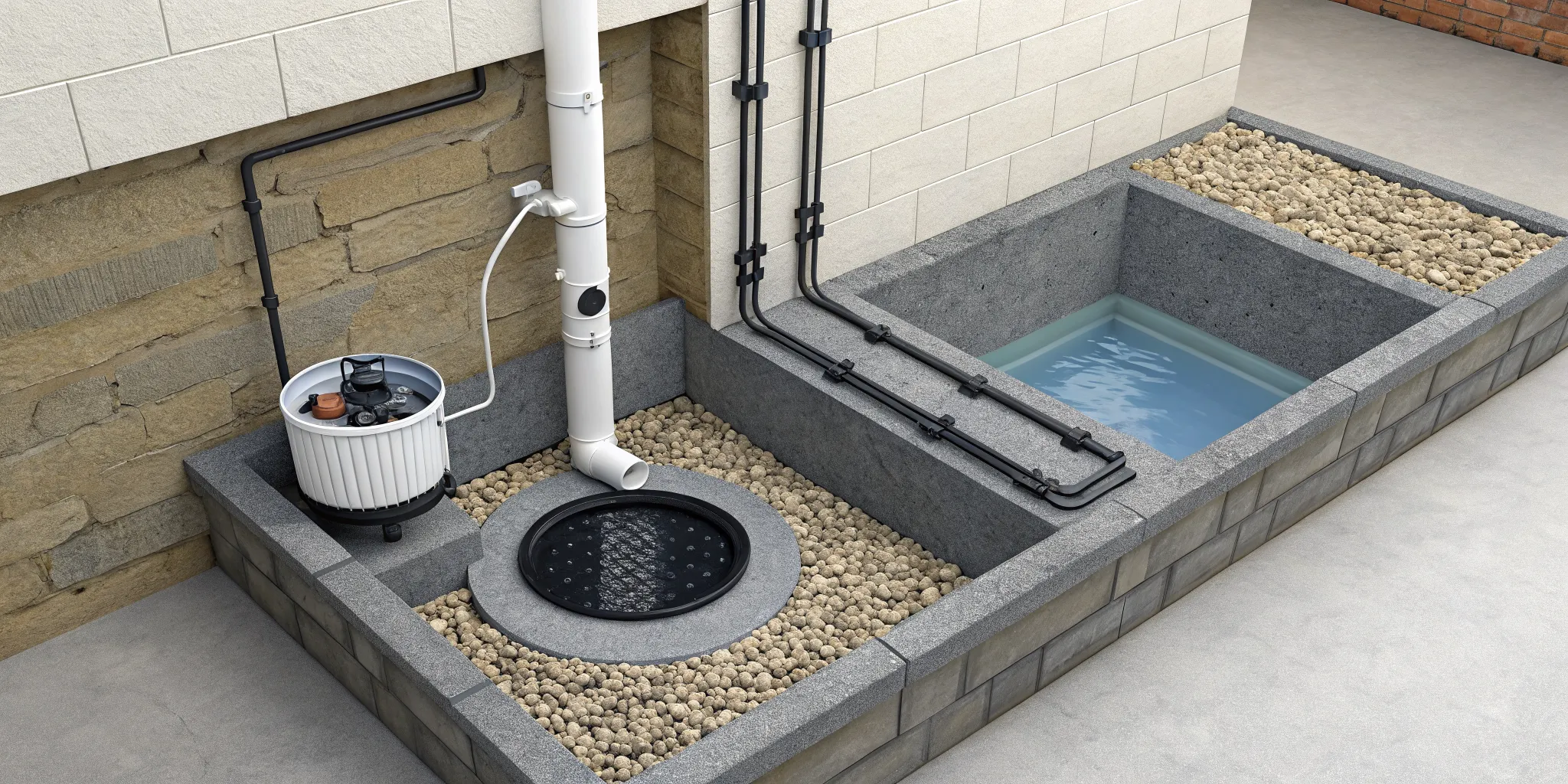
Your sump pump is your basement’s first line of defense against groundwater, working tirelessly to pump water away from your foundation. But if it fails, you can find yourself with a serious flood. Sump pump failure often happens at the worst possible time—during a heavy storm that knocks out the power. Without electricity, your pump is useless. It can also fail due to a mechanical issue, like a stuck float switch, or simply become overwhelmed by a volume of water it wasn’t designed to handle. Regular maintenance is key to ensuring it’s ready when you need it most. If you suspect an issue, it’s wise to have a professional inspect your system and discuss options like a battery backup for peace of mind. Having reliable sump pump services can prevent a water disaster.
Septic System Complications
For homes that aren’t connected to a municipal sewer, the septic system handles all wastewater. A septic tank needs to be pumped out every few years to remove the solid waste that accumulates. If the tank becomes full, there’s no room for any more water from your house to enter. Just like a clog in a sewer line, this forces wastewater to back up into your home, and the basement drain is where it will likely appear first. This is a clear sign that your system is overloaded and requires immediate attention. Following a regular maintenance schedule is the best way to prevent this messy and hazardous situation, ensuring your septic system functions correctly and protects both your home and the environment.
How Your Yard’s Slope Can Cause Problems
Sometimes, the source of your basement water problem is right outside your door. The ground around your home should be graded to slope away from the foundation, directing rainwater to flow away from the house. If your yard slopes inward or has low spots near the foundation, water will pool there during a storm. This creates immense pressure on your foundation walls and can force water through tiny cracks or overwhelm your weeping tile system. Over time, this constant moisture can lead to significant water damage and even compromise your home’s structural integrity. Correcting improper yard drainage might involve re-grading the soil or installing a French drain, but it’s a crucial step in keeping your basement dry.
Faulty Pipe Installation from the Start
Your home’s drain pipes rely on a simple but critical force: gravity. For wastewater to flow away from your house properly, the pipes must be installed with a precise downward slope. If the initial installation was done incorrectly—with a slope that’s too flat or, even worse, angled slightly uphill—water and waste will sit in the pipes instead of draining away. This creates a constant risk of clogs and backups. Similarly, if the pipes used are too small for your home’s needs, they can be easily overwhelmed. These types of foundational plumbing issues can be tricky to diagnose, but if you experience recurring backups, it’s worth having a professional plumber investigate the integrity of your drain system.
How a Shifting Foundation Affects Your Pipes
Your house naturally settles over time, and this gradual shifting can put a lot of stress on your plumbing. As the foundation moves, the pipes buried beneath it can crack, break, or develop “bellies”—low spots where water and waste collect instead of flowing away. This creates a persistent blockage that can lead to recurring backups. In other cases, cracks can form in the foundation itself, allowing groundwater to seep into your basement, especially after rain. While it might look like a drain backup, the water could be coming from the ground around your home. Identifying the true source is key to finding a lasting solution.
Is Your Washing Machine Clogging the Drain?
Your laundry routine could be contributing to your plumbing woes without you even realizing it. Every load of laundry sends lint, detergent, soap scum, and dirt down the drain. Over months and years, this debris can accumulate and form a tough clog in your laundry drain line. Running large or multiple loads back-to-back can also overwhelm the drainpipe, sending a high volume of water that a partially clogged pipe just can’t handle. If you notice water backing up near your washing machine, it’s a good indication that the drain line needs a thorough cleaning to clear the buildup and restore proper flow.
How to Spot a Basement Drain Backup Early
Your home’s plumbing system usually sends out an SOS before a major disaster strikes, and a basement drain backup is no exception. Paying attention to these early warnings can help you prevent a small issue from turning into a full-blown flood. If you notice any of these signs, it’s time to investigate before you have a serious mess on your hands.
Noticing Puddles Near Your Floor Drains
This is one of the most straightforward signs. If you see water pooling around the basement floor drain, it’s a clear indication that water isn’t flowing out as it should. The drain is there to carry water away, so any standing water means there’s a blockage preventing it from doing its job. Even a small puddle that never seems to dry up is a red flag. Don’t ignore it, as it’s often the first visible symptom of a clog forming deeper within your pipes.
Why Are Your Drains Gurgling or Slow?
Have you noticed strange sounds coming from your pipes? Gurgling or bubbling noises from your basement drain, toilet, or shower often mean there’s trapped air in the pipes. This happens when a clog is forming and water has to force its way past the obstruction. You might also notice that water is draining very slowly from sinks, tubs, or your washing machine. These sounds and slow drains are your plumbing’s way of telling you that a backup is likely on its way.
What’s Causing That Nasty Drain Smell?
A foul smell that you can’t seem to place is another common warning sign. If you notice unpleasant odors, especially the smell of raw sewage, coming from your basement drains, it’s a serious issue. Your drain pipes are designed with traps that hold water to block sewer gases from entering your home. If you can smell them, it could mean the trap is dry or that sewage is sitting in the pipes due to a clog. These odors aren’t just unpleasant—they can indicate a health hazard that requires immediate attention.
Why Your Drain Trap Might Be the Problem
Your basement drain isn’t just a straight pipe; it has a crucial U-shaped section known as a “trap.” This bend is designed to hold a small amount of water at all times, creating a seal that blocks unpleasant—and potentially harmful—sewer gases from wafting into your home. If your basement isn’t used often, or during long dry spells, this water can evaporate. When the trap dries out, that protective seal is gone, and you’ll start to notice that distinct raw sewage smell. Thankfully, the fix is often incredibly simple. Try pouring a bucket of clean water down the drain. This will refill the trap, restore the water barrier, and should get rid of the odor. If the smell persists after refilling the trap, it could signal a more serious issue within your plumbing system that needs a professional look.
When More Than One Drain Is Acting Up
If the problem isn’t isolated to just one drain, you’re likely dealing with a bigger issue. For example, does your toilet bubble when the washing machine drains? When multiple fixtures in your home are affected, it usually points to a problem with the main sewer line, not just a simple clog in one pipe. This is a definite sign that you need professional help, as main line blockages can quickly lead to widespread emergency plumbing situations that affect your entire home.
Is It a Floor Drain Clog or a Main Sewer-Line Backup?
A single slow basement drain can indicate a local clog. When several drains or toilets gurgle, slow down, or back up together, the blockage is more likely in the main sewer line and needs prompt professional diagnosis.
| Floor drain clog | Main sewer-line backup |
|---|---|
| One drain is affected | Several fixtures are affected |
| Standing water stays isolated near the drain | Toilets or showers react when another fixture drains |
| The issue happens once | The backup keeps returning |
| Local clearing may restore flow | Camera inspection and professional service are needed |
If sewage is present, water keeps rising, or several fixtures are affected, stop using water and call a plumber.
What Should You Do When a Basement Drain Backs Up?
Finding standing water in your basement is a homeowner’s nightmare. It’s stressful, messy, and can feel completely overwhelming. But before you panic, take a deep breath. The first few steps you take are critical and can significantly reduce the amount of damage to your home and belongings. Acting quickly and methodically can turn a potential disaster into a manageable problem. Your immediate goals are to stop more water from coming in, ensure your family’s safety, and begin the process of damage control. This isn’t about finding the root cause just yet—it’s about triage. Think of it as first aid for your home. By taking these immediate actions, you’re not just cleaning up a mess; you’re protecting your property’s value and your family’s health from issues like mold and structural weakness. Follow these steps right away to get the situation under control. Once the immediate threat is contained, you can then call in a professional to diagnose and fix the underlying issue for good, preventing it from happening again.
First Step: Turn Off the Main Water Supply
Your first move should be to stop the flow of water. If you have a washing machine, dishwasher, or utility sink running, turn them off immediately. This can prevent the backup from getting worse while you assess the situation. If you can’t identify a specific appliance causing the problem, it’s best to shut off your home’s main water supply. The main shut-off valve is usually located in the basement, crawl space, or near your water meter. Turning it off ensures no more water can enter your plumbing system, giving you a crucial window to deal with the water that’s already there.
Safety First: Cut the Power to the Basement
Water and electricity are a dangerous combination. If there is standing water, you must prioritize safety by cutting the power to the basement. Head to your home’s breaker box and flip the circuit breakers connected to your basement outlets and fixtures to the “off” position. If the breaker box is in the flooded area or you have to stand in water to reach it, do not touch it. If you see or smell sewage, avoid the area entirely. In these situations, your safest bet is to call for emergency plumbing assistance immediately and let a professional handle it.
Ventilate the Area and Assess the Situation
Once the power is off, your next priority is to make the area safer by improving ventilation. Open any basement windows and doors to help clear out potentially dangerous sewer gases that can accumulate during a backup. This is more than just an issue of bad smells; sewage contains harmful bacteria and viruses that can pose serious health risks to your family. While you’re taking these precautions, it’s also a good time to document the damage. Take clear photos and videos of the flooded area and any damaged items. This evidence will be essential when you file an insurance claim, so be as thorough as possible.
Know When to Call for Professional Help
It’s crucial to recognize what you can and cannot handle yourself. Under no circumstances should you try to remove the plugs from your main house sewer trap. Attempting this, especially if the public sewer system is backed up, can cause a massive and uncontrollable flood of municipal sewage into your home. This is a dangerous situation that can escalate the problem exponentially. If you suspect a main line clog or see signs of raw sewage, your immediate next step should be to call a professional. At Mr. Pipey, we handle these kinds of emergency plumbing situations with the urgency and expertise they require, ensuring the problem is contained safely and effectively.
Notify Your Local Water Company
Finally, it’s a good idea to place a call to your local water or sewer department. Sometimes, the root of the problem isn’t inside your home at all but is an issue with the municipal sewer system. Heavy rainfall or a blockage in the city’s main line can cause backups that affect multiple homes in your neighborhood. By notifying them, you’re not only helping them identify a larger issue but also confirming whether the problem is your responsibility or theirs. This simple phone call can save you time and money on unnecessary repairs and is a vital step in the diagnostic process.
How to Safely Get Rid of Standing Water
Once the area is safe, you need to get the water out as quickly as possible to prevent mold growth and structural damage. For small amounts of water, a mop and bucket might do the trick. For more significant flooding, a wet/dry vacuum is an excellent tool for sucking up water and small debris from the floor. If you have one, a sump pump can also help clear the water efficiently. The faster you can dry out the space, the less long-term damage you’ll have to deal with. This is a critical step in protecting your home’s foundation and air quality.
Don’t Forget: Document Everything for Insurance
Before you move any damaged items or start a major cleanup, pull out your phone and take plenty of photos and videos. Document the extent of the flooding, the high-water mark on the walls, and any belongings that have been damaged. This evidence is essential when you file a claim with your homeowner’s insurance company. Make a list of all damaged items, including furniture, electronics, and stored possessions. Having clear documentation will make the claims process much smoother and help ensure you get the compensation you need for repairs and replacements.
Why You Should Skip Chemical Drain Cleaners
When you’re faced with a clog, it’s tempting to reach for a bottle of chemical drain cleaner. Please don’t. While these products promise a quick fix, they often do more harm than good. The harsh chemicals can corrode your pipes, especially if they are older, leading to leaks and even more expensive repairs down the road. Furthermore, they rarely solve the root cause of a major backup, like tree roots in the sewer line or a main drain clog. Instead of pouring money and chemicals down the drain, it’s always safer and more effective to have a professional assess the problem with the right tools.
How to Handle Minor Basement Drain Clogs Yourself
If you’re dealing with a slow-draining floor drain, you might be able to fix it yourself before calling in a professional. A little bit of DIY can often clear up minor blockages caused by everyday buildup. These methods are straightforward and use tools you likely already have around the house. Just remember, these steps are for minor clogs. If you’re facing a major backup, see signs of sewage, or just don’t feel comfortable, it’s always best to stop and call for help. A stubborn clog could be a sign of a bigger issue, and our team is always ready to handle any emergency plumbing situation. But if you’re ready to roll up your sleeves, let’s walk through a few simple fixes you can try first.
Start by Clearing the Drain Cover
Your first move should always be the simplest one. Put on a pair of gloves and take a look at the drain cover. Often, the problem is right on the surface. Over time, things like leaves, dirt, pet hair, and lint can build up and block water from getting through. Use a screwdriver to pry off the grate if you need to, and clear away any gunk you can see. You might be surprised to find that this simple cleanup is all it takes to get your drain flowing freely again. Once it’s clear, run some water to test it out.
How to Properly Use a Plunger
If clearing the surface didn’t work, it’s time to bring out the plunger. For a floor drain, you’ll get the best results with a cup-style plunger that can create a strong seal. Make sure there’s enough standing water to cover the cup of the plunger—add a little if you need to. Place the plunger directly over the drain opening and press down firmly to create a tight seal. Then, pump it vigorously up and down for about 20 seconds. The pressure should be enough to dislodge or break up whatever is causing the minor blockage.
How to Use a Drain Snake (Auger)
For a clog that a plunger can’t handle, a drain snake (also called a plumber’s auger) is your next best tool. This flexible, coiled wire can reach deeper into the pipe to break up or pull out stubborn obstructions. Carefully feed the end of the snake into the drain until you feel resistance. Once you hit the clog, turn the handle to help the tip grab onto the blockage. You can then either pull the clog out or work the snake back and forth to break it apart so it can be flushed away. If you’re not comfortable using a snake, don’t force it. We offer a wide range of plumbing solutions for clogs big and small.
Mixing Up a Natural Drain Cleaning Solution
Instead of reaching for harsh chemical cleaners that can damage your pipes, try a simple and effective homemade solution. Pour about one cup of baking soda directly into the drain, followed by one cup of white vinegar. You’ll hear some fizzing—that’s the chemical reaction working to dissolve grime and buildup. Let the mixture sit in the drain for at least 30 minutes (an hour is even better). This natural combination is great for breaking down soap scum, grease, and other organic materials that can lead to slow drains.
The Hot Water Flush: A Simple Fix
After you’ve tried plunging or using the baking soda and vinegar mix, the final step is to flush the drain thoroughly. Heat up a large pot of water on the stove. You want it hot, but not boiling, as boiling water can potentially damage PVC pipes. Carefully pour the hot water directly down the drain. This helps wash away any remaining debris that was loosened by your efforts. Pouring hot water down your basement drain once a month is also a great preventative measure to keep things flowing smoothly.
When Should You Call a Plumber for a Basement Drain Backup?
While it’s great to have a few DIY tricks up your sleeve, some plumbing problems are more than a simple fix. Knowing when to put down the plunger and pick up the phone can save you from a much bigger headache, potential water damage, and costly repairs down the line. If you’re facing a stubborn backup, certain signs indicate it’s time to let a professional take over. Ignoring these red flags can turn a manageable issue into a full-blown plumbing emergency. When you’re out of your depth, calling in an expert isn’t giving up—it’s the smartest move you can make for your home and your peace of mind.
Recurring Backups or Multiple Clogged Drains
If you’ve tried the DIY methods and the clog comes right back, or if you notice multiple fixtures acting up at once, it’s a clear sign the problem is beyond a simple blockage. When flushing a toilet causes water to bubble up in the shower drain, or your washing machine draining makes the kitchen sink gurgle, the issue is almost certainly in your main sewer line. This is the central artery of your home’s plumbing, and a clog here affects everything. At this point, you’re past the point of a simple fix. A professional plumber can use specialized diagnostic tools to pinpoint the exact location and cause of the blockage, ensuring it’s resolved correctly the first time.
Professional Tools for Tough Clogs: Hydro Jetting
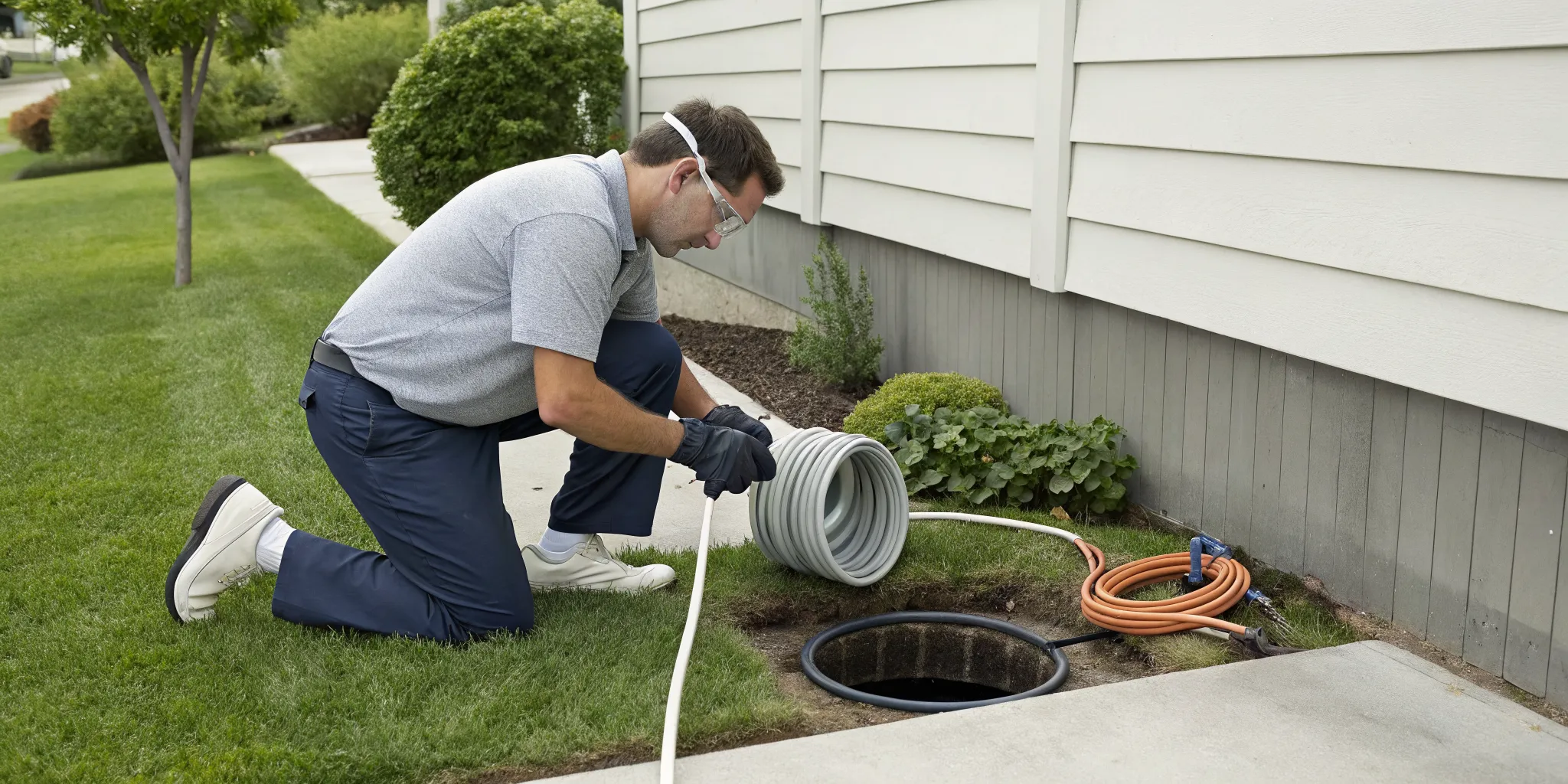
For stubborn or recurring clogs, a drain snake sometimes isn’t enough. That’s when professionals turn to hydro jetting. Think of it as pressure washing for the inside of your pipes. A specialized machine sends a high-pressure stream of water through the sewer line, which can obliterate the toughest blockages, from hardened grease and scale buildup to invasive tree roots. Before starting, a plumber will often perform a camera inspection to assess the condition of your pipes and locate the clog. This ensures the pipe is sturdy enough for the pressure and allows for a targeted cleaning that scours the pipe walls, making it much harder for new clogs to form.
Dealing with Serious Issues Like Tree Roots
Tree roots are one of the most destructive and persistent causes of sewer line backups. They are naturally drawn to the moisture in your pipes and can infiltrate even the smallest cracks, eventually growing thick enough to block or even crush the line. This is especially common in older homes with clay or cast iron pipes. Removing tree roots requires more than just a basic drain snake; it’s a complex issue that needs a professional diagnosis. An expert can determine the extent of the root intrusion and assess whether the pipe itself has been damaged, offering long-term plumbing solutions that may include pipe repair or replacement to prevent future invasions.
Understanding Your Responsibility: Your Line vs. The City’s
It’s important to know where your responsibility ends and the city’s begins. As a homeowner, you are typically responsible for the sewer line—often called the sewer lateral—that runs from your house to the point where it connects with the city’s main line at the street or property line. If the blockage is located anywhere in your lateral, the repair is up to you. If the backup is caused by an issue in the city’s main sewer line, they are responsible for the fix. A professional plumber can help you determine the exact location of the problem, providing the necessary proof if you need to involve the municipality. When in doubt, it’s always best to contact a professional to diagnose the issue correctly.
If You See or Smell Raw Sewage
This is the most urgent sign and one you should never ignore. If you see or smell raw sewage coming back up through your basement drain, it’s a clear signal of a major blockage in your main sewer line. This isn’t just unpleasant; it’s a serious health hazard for your family, as sewage contains harmful bacteria and contaminants. This situation requires immediate action and specialized equipment to resolve safely. Don’t hesitate—this is a true plumbing crisis that needs professional emergency plumbing services right away to protect your home and health.
The Problem Affects Multiple Drains
If your kitchen sink is slow to drain, it’s likely a localized clog. But if the sink, shower, and toilet are all backing up at the same time, you have a bigger problem on your hands. When multiple fixtures are affected, it almost always points to a blockage deep in your main drain system, which all your smaller drain pipes feed into. A simple drain snake from the hardware store won’t reach or clear this kind of obstruction. A professional plumber can identify the location of the main line clog and has the right tools to clear it effectively.
When Your DIY Efforts Don’t Cut It
You’ve tried everything—the plunger, the hot water flush, the baking soda and vinegar solution—but the water is still standing. If your best DIY efforts aren’t making a dent, it’s time to call for backup. Continuing to try different methods, especially with harsh chemical drain cleaners, can sometimes damage your pipes and make the problem worse. A persistent clog often means the blockage is too severe or too far down the line for standard home tools to handle. When you’ve given it your best shot, it’s time to contact a professional who can finish the job.
For Severe or Frequent Backups
A basement drain that backs up every time it rains or every few months is more than just an annoyance—it’s a symptom of an underlying issue. Frequent backups suggest a persistent problem like tree roots invading your sewer line, a broken or collapsed pipe, or a significant buildup of grease and debris. These are not problems that will fix themselves. A professional plumber can perform a camera inspection to diagnose the root cause of the recurring clogs and provide a lasting solution, saving you the stress of dealing with the same mess over and over again.
The Hidden Dangers: Health Risks of a Backup
A flooded basement is frustrating enough, but when the water comes from a backed-up drain, it brings a whole new level of concern. This isn’t just water; it’s a hazardous environment that can pose serious risks to your family’s health long after the puddle is gone. The financial and emotional toll of a backup is significant, and it’s easy to feel overwhelmed by the damage and the cleanup ahead. But understanding the hidden dangers is the first step toward protecting your home and your loved ones. From invisible bacteria and viruses in the water to airborne mold spores that appear days later, the aftermath of a basement backup requires careful and immediate attention. It’s about more than just cleaning up a mess—it’s about restoring a safe living space. Ignoring these risks can lead to lingering health problems and structural issues, turning a one-time problem into a long-term nightmare. That’s why knowing what you’re up against is so important for making smart, safe decisions for your family.
Exposure to Harmful Bacteria and Contaminants
The water from a sewer or drain backup is often called “black water” for a reason. It’s contaminated with a nasty mix of bacteria, viruses, and other pathogens from waste materials. Direct contact with this water can lead to serious health issues, including gastrointestinal illnesses and skin infections. Think of everything that goes down your drains—that’s what you could be dealing with. This is why you should never wade into the water without proper protective gear like waterproof boots and gloves. The health risks are simply too high to treat it like a simple water spill. Your priority should always be to keep kids and pets far away from the affected area until it’s been professionally cleaned and sanitized.
This contaminated water is a breeding ground for dangerous pathogens, including well-known bacteria like E. coli and Salmonella. Exposure to these microorganisms can lead to severe gastrointestinal problems, skin infections, and other serious illnesses that go far beyond a simple stomach ache. Even after the water is gone, these contaminants can linger on surfaces, posing an ongoing threat to your family’s health. This is why a simple mop-up isn’t enough. A situation involving sewage backup is a true emergency plumbing issue that requires professional sanitation to ensure your home is safe and thoroughly disinfected for your family again.
The Threat of Mold and Poor Air Quality
Once the immediate water threat is gone, a secondary, more silent problem begins: mold. Basements are already prime real estate for mold growth, and a backup creates the perfect damp, humid conditions for it to thrive. Mold can start to grow on surfaces within just 24 to 48 hours. As it grows, it releases spores into the air, which can significantly impact your home’s air quality. Inhaling these spores can trigger allergic reactions, asthma attacks, and other respiratory problems, especially in children, the elderly, or anyone with a compromised immune system. Simply drying the area isn’t enough to stop it; hidden moisture in drywall or under flooring can lead to a widespread problem if not addressed correctly.
How to Properly Clean and Sanitize the Area
Cleaning up after a basement backup is not a job for a mop and bucket. Proper sanitization is critical to eliminate the health hazards left behind. Any porous materials that have absorbed contaminated water—like carpet, drywall, upholstery, and wood—are often impossible to fully disinfect and usually need to be removed and discarded. Non-porous surfaces must be cleaned and then treated with a powerful disinfectant to kill any remaining pathogens. Because of the risks involved and the specific protocols required, this is a job best left to professionals. If you’re facing a serious backup, our emergency plumbing team can stop the source of the problem and guide you on the next steps for safe cleanup and restoration.
How to Prevent Future Basement Drain Backups
Dealing with a basement drain backup is something no one wants to go through twice. The good news is that you can take proactive steps to significantly reduce the chances of it happening again. A little prevention goes a long way in keeping your drains clear, your basement dry, and your peace of mind intact. By adopting a few simple habits and scheduling occasional professional check-ins, you can protect your home from future water woes. Let’s walk through some of the most effective strategies to keep your plumbing system happy and healthy.
Why Regular Drain Maintenance Matters
Think of drain maintenance like a regular check-up for your home’s plumbing. Over time, soap scum, hair, dirt, and other gunk build up inside your pipes, slowly narrowing the passage for water. If left unchecked, this buildup can lead to a stubborn clog and an unexpected backup. Having your drains professionally cleaned every year or two is one of the smartest ways to prevent this. A professional plumber has the tools to safely and effectively clear out any accumulation before it becomes a major headache. It’s a simple, preventative step that can save you from a messy and expensive emergency plumbing situation down the road.
If you know that tree roots are a recurring problem for your home, one of the best preventative measures you can take is scheduling professional drain snaking every two to three years. Tree roots are incredibly persistent; they naturally seek out the moisture in your sewer lines and can force their way into even the tiniest cracks, especially in older clay or cast iron pipes. Once inside, they grow and create dense blockages that can eventually lead to a serious backup. By having a professional clear your lines regularly, you can remove these invasive roots before they cause significant damage, keeping your plumbing system flowing freely and protecting your home from future emergencies.
Be Mindful of What Goes Down Your Drains
Your drains aren’t a trash can, and treating them like one is a fast track to a clog. Certain substances just don’t belong in your plumbing system. The biggest offenders are grease, fats, and oils, which solidify in pipes and create sticky blockages that trap other debris. Coffee grounds, eggshells, and fibrous food scraps are also major culprits. In the bathroom, be mindful of flushing anything other than toilet paper—even “flushable” wipes can cause serious problems. Being conscious of what goes down your drains is a free and highly effective way to maintain clear pipes and prevent backups.
Long-Term Solutions for a Dry Basement
Beyond daily habits, a few smart upgrades can provide lasting protection for your basement. One of the easiest and most affordable steps is to install strainers on your wash tub and washing machine drains to catch lint and other debris before it can cause a clog. Think of them as a first line of defense. For an extra layer of security, consider placing a few water sensor alarms in low spots around your basement. These small devices work like smoke detectors for water, sounding an alarm at the first sign of moisture. This early warning can give you precious time to address a leak or a slow backup before it turns into a full-blown flood, saving you from extensive damage.
If heavy storms are your main concern, safeguarding your sump pump is essential. A power outage during a downpour can render your pump useless right when you need it most. Installing a battery backup system ensures your sump pump keeps working, protecting your home even when the lights go out. For persistent issues like recurring tree root invasions, it might be time to consider a more permanent solution. Upgrading older, vulnerable clay pipes to modern PVC can stop roots in their tracks for good. This is a significant project, but for homeowners tired of frequent clogs, it provides invaluable peace of mind and is a job best left to a trusted professional.
Consider Installing a Backwater Valve
If your home is in a low-lying area or you’ve experienced backups during heavy rain, a backwater valve could be a game-changer. This simple device is installed on your main sewer line and acts as a one-way gate. It allows wastewater to flow out of your home but automatically closes if the city’s sewer system starts to back up, preventing sewage from flowing back into your basement. It’s a powerful line of defense against circumstances that are completely out of your control, like overwhelmed municipal sewers. We can help you determine if a backwater valve is the right solution for protecting your home.
Keep Your Gutters and Downspouts Clear
What happens outside your home can directly impact what happens inside. Your gutters and downspouts are designed to channel rainwater away from your foundation. If they are clogged or positioned incorrectly, a massive amount of water can saturate the ground around your home. This excess water can overwhelm your foundation drains and weeping tile, increasing the pressure on your plumbing system and potentially forcing water back up through your basement floor drain. Regularly clean your gutters and ensure your downspouts extend at least six feet away from your house. It’s a simple outdoor task that provides crucial protection for your basement.
The Importance of Sewer Line Inspections
The main sewer line connecting your home to the municipal system is your plumbing’s lifeline, but it’s also vulnerable to hidden problems. Tree roots are notorious for seeking out and breaking into pipes, causing blockages and serious damage. Older pipes can also crack, collapse, or shift over time. A professional sewer line inspection, often done with a special camera, can identify these issues before they lead to a catastrophic backup. Catching a small crack or a growing root problem early allows for a targeted repair, which is far less disruptive and costly than dealing with a full-blown sewage flood in your basement. Consider scheduling an inspection as part of your home’s regular maintenance.
Your DIY Toolkit for Drain Maintenance
Before you roll up your sleeves and tackle a minor clog, it helps to have the right equipment ready to go. You don’t need a professional-grade workshop, but a few key items can make all the difference between a quick fix and a frustrating afternoon. Keeping these tools on hand means you’re prepared to handle small issues as soon as they pop up, preventing them from turning into bigger, messier problems. Think of it as your first-aid kit for your home’s plumbing.
The Must-Have Homeowner Plumbing Kit
For most minor basement drain clogs, you only need a couple of simple tools. Start with a good quality flange plunger, which creates a better seal on floor drains than a standard cup plunger. The next essential is a small drain snake, also called a drain auger. This flexible tool can be fed down the drain to break up or pull out obstructions that the plunger can’t dislodge. Having these two items in your toolkit allows you to troubleshoot and often resolve common clogs yourself, saving you the immediate call for plumbing services for a simple blockage.
Choosing Safe and Effective Cleaning Supplies
When it comes to cleaning your drains, gentler is almost always better. Harsh chemical cleaners can damage your pipes over time. Instead, try a natural solution first. Pour about a cup of baking soda down the drain, follow it with a cup of white vinegar, and let the fizzing mixture sit for 30 minutes before flushing with hot water. For tougher organic buildup, enzymatic drain cleaners use bacteria to eat away at the gunk without harming your plumbing. They’re a much safer and more effective long-term solution than their chemical counterparts.
Don’t Forget Your Safety Gear
Safety should always be your top priority. Before you start any work, protect yourself with the right gear. At a minimum, you’ll want a pair of heavy-duty waterproof gloves and safety glasses to shield you from splashes. If you’re dealing with a sewage backup, do not attempt to clean it yourself. Sewage contains harmful bacteria and contaminants. In that situation, your first step should be to call for emergency plumbing assistance. If there’s standing water, it’s also wise to shut off the power to the basement to avoid any electrical hazards.
How Much Does Basement Drain Backup Repair Cost?
When you’re dealing with a backed-up drain, one of the first questions that comes to mind is, “How much is this going to cost?” The answer can vary quite a bit, depending on what’s causing the problem and how much damage has been done. A simple clog you can handle yourself might only cost you the price of a drain snake, but a major sewer line issue requires a professional and a bigger budget.
Understanding the potential costs can help you make informed decisions. It’s also smart to think about the cost of prevention, which is almost always less than the cost of a major repair. We’ll walk through the different factors that influence the price, from DIY fixes to professional services and how your insurance might play a role.
Breaking Down DIY vs. Professional Costs
If you’re dealing with a minor clog, a DIY approach is the most budget-friendly option. Basic tools like a plunger or a small drain snake are inexpensive and can often resolve simple blockages. However, if the problem is more serious, you’ll need to call in a professional. The cost for professional emergency plumbing services can range from a few hundred dollars for a straightforward clog to several thousand for more complex issues. Repair costs vary based on the cause, pipe access, cleanup needs, and whether repair or replacement is required. Ask for an inspection and written quote before approving work.
How Much Does Prevention Cost?
Investing in preventive maintenance is one of the best ways to avoid the high costs of an emergency repair. Think of it as a small expense now to save a lot of money and stress later. Scheduling regular professional drain cleaning can clear out buildup before it becomes a full-blown clog. Another smart investment is a backwater valve, which prevents city sewer water from flowing back into your home during heavy rains. This is especially important for homes in low-lying areas. Installing a backflow preventer is a proactive step that provides peace of mind and protects your basement from unexpected flooding.
Will Your Homeowner’s Insurance Cover It?
Many homeowners are surprised to learn that standard insurance policies often don’t cover damage from a sewer or drain backup. A typical policy might cover sudden and accidental water damage, like a burst washing machine hose, but excludes backups from sewers, drains, or sump pumps. It’s crucial to read your policy carefully to see what’s included. You may need to purchase a specific add-on or endorsement for homeowners water backup coverage. Taking the time to review your coverage now can save you from a massive, unexpected bill if a backup occurs. Always document any damage with photos and videos to support a potential claim.
Does Homeowner’s Insurance Cover a Basement Drain Backup?
It’s one of the most frustrating discoveries after dealing with a basement flood: finding out your standard homeowner’s insurance policy won’t cover the damage. This is a tough reality for many, as most basic policies specifically exclude damage caused by water that backs up through sewers or drains. While your policy likely covers sudden and accidental water damage, like a burst washing machine hose, insurers often view drain backups as a separate issue, sometimes linked to maintenance or problems originating from outside your home. It’s a fine-print detail that can have huge financial consequences. Before you find yourself in this situation, it’s essential to understand exactly what your policy protects you from.
The key to protecting your home is a specific add-on, often called a “water backup and sump pump overflow” endorsement. This is an optional coverage you can add to your existing homeowner’s policy for a relatively small cost, and it’s designed to fill that critical gap. This rider typically helps pay for damage to your flooring, walls, furniture, and other personal belongings affected by the backup. Coverage limits and exclusions vary by policy. Ask your insurance agent whether you have water-backup or sump-overflow coverage and what documentation is required before cleanup begins.
If you have water backup coverage and need to file a claim, your first steps are crucial. After ensuring the area is safe, document everything with photos and videos before you start cleaning up. Make a detailed list of all damaged items and their estimated value. Your insurance company will also need to know the cause of the backup, which is where a professional diagnosis comes in. A detailed report from a trusted plumber can provide the necessary documentation of the plumbing failure. At Mr. Pipey, we understand how stressful this process is and can provide a clear assessment to help support your claim, ensuring you have the information you need to get your home back to normal.
Frequently Asked Questions
What causes a basement floor drain to back up? A basement floor drain can back up because of a local drain clog, a blockage in the main sewer line, tree-root intrusion, damaged pipe, or an overloaded municipal sewer during heavy rain. If several fixtures are affected or sewage is present, stop using water and call a plumber.
Why does my basement drain only seem to back up when it rains heavily? This is a common issue, especially in areas with older infrastructure. During a heavy downpour, the city’s main sewer system can get overwhelmed with stormwater. When the system can’t handle the volume, the excess water and sewage has nowhere to go but back up the pipes, and it enters your home through the lowest point—your basement drain. Installing a backwater valve can be an effective way to protect your home from this kind of municipal backup.
Is a gurgling sound from my drain really that serious? Think of a gurgling sound as an early warning from your plumbing system. That noise is caused by air getting trapped in your pipes and being forced through a partial blockage. While it might not seem like an emergency at the moment, it’s a clear sign that a more significant clog is forming. Addressing it now, either with a drain snake or a professional cleaning, can prevent a full-blown backup before it happens.
My DIY attempts didn’t work. What will a professional plumber do differently? When your plunger or drain snake isn’t enough, a professional plumber comes equipped with much more powerful tools. We use high-powered augers that can reach much farther and cut through tough obstructions like tree roots. We can also perform a video camera inspection, sending a small camera down the line to see exactly what’s causing the clog and where it’s located. This takes the guesswork out of the problem and ensures we apply the right, long-term fix.
How can I tell if the problem is just one clog or a bigger issue with my main sewer line? The easiest way to tell is by observing your other plumbing fixtures. If only your kitchen sink is draining slowly, the clog is likely isolated to that specific pipe. However, if you notice that flushing a toilet causes water to bubble up in the shower and your sinks are all draining slowly, that points to a blockage in your main sewer line. Since all your home’s drains lead to that one pipe, a clog there affects everything.
I’ve cleaned up all the water, but is my basement truly safe now? Unfortunately, just removing the water isn’t enough, especially if it was a sewage backup. The water, often called “black water,” leaves behind harmful bacteria and contaminants that can seep into porous surfaces like drywall, wood, and carpet. Furthermore, the lingering moisture creates a perfect environment for mold to grow, which can happen in as little as 24 hours. Proper sanitization and drying are critical to ensure your basement is safe and to prevent long-term health risks and structural damage.