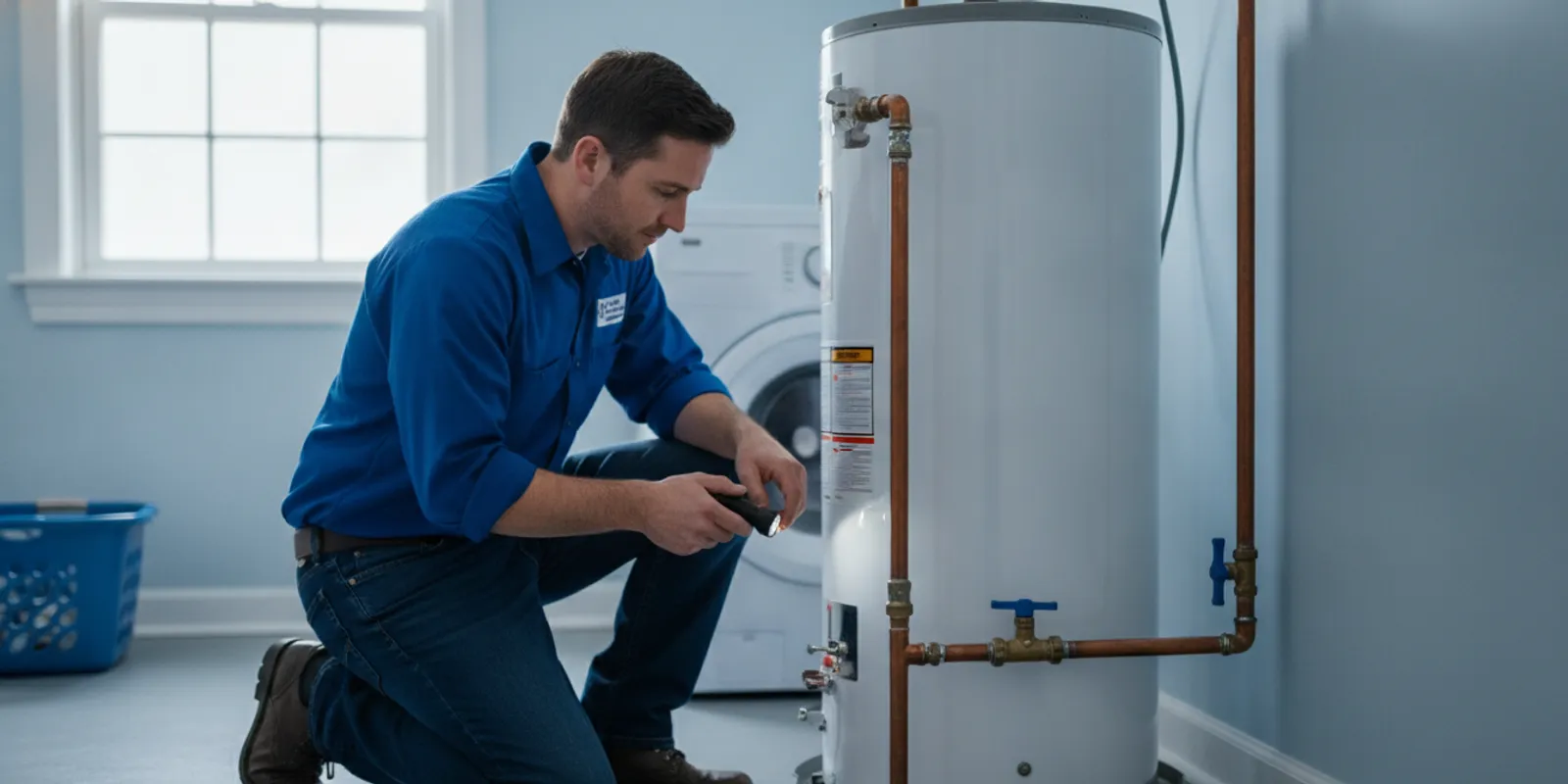
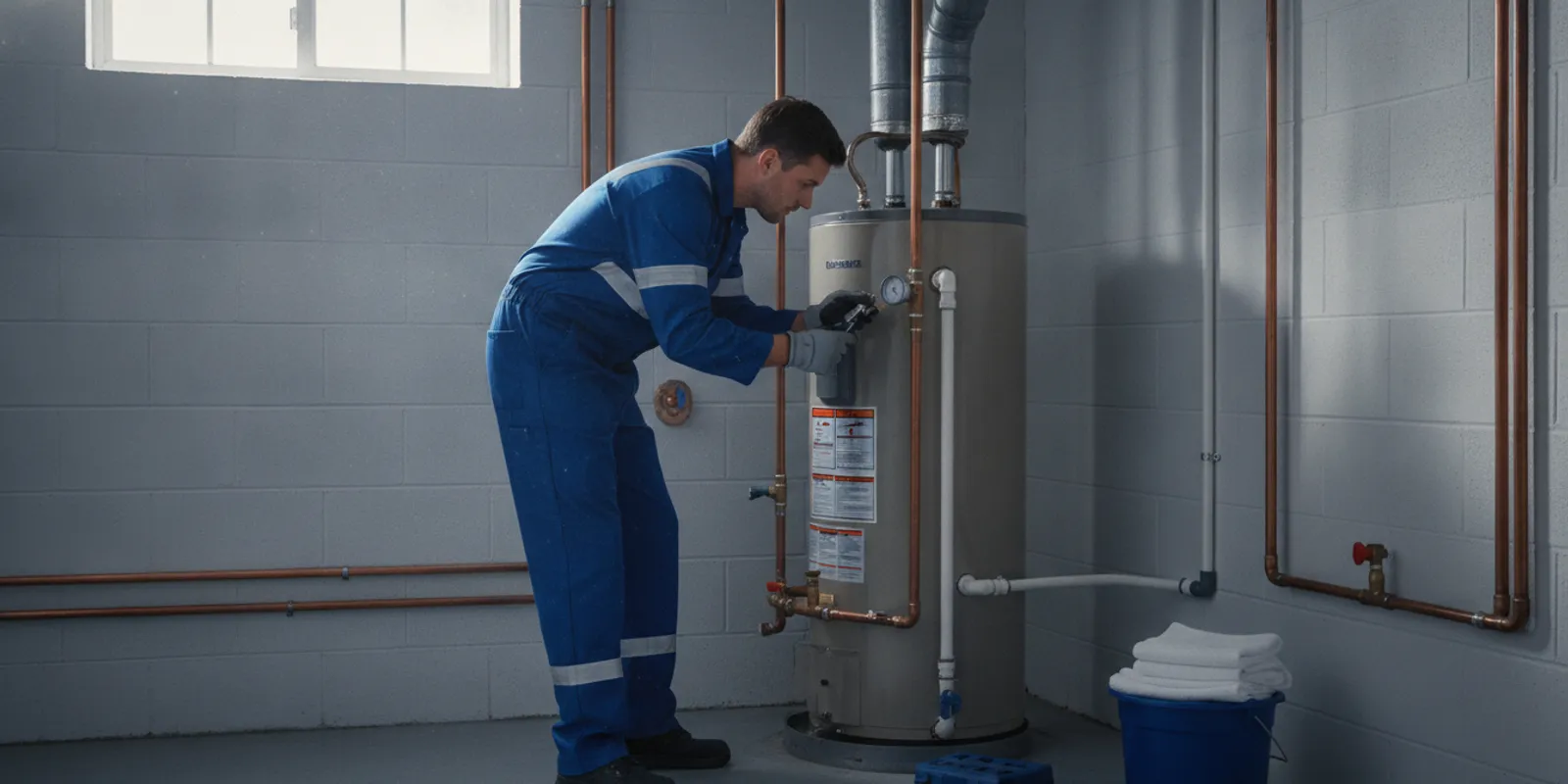
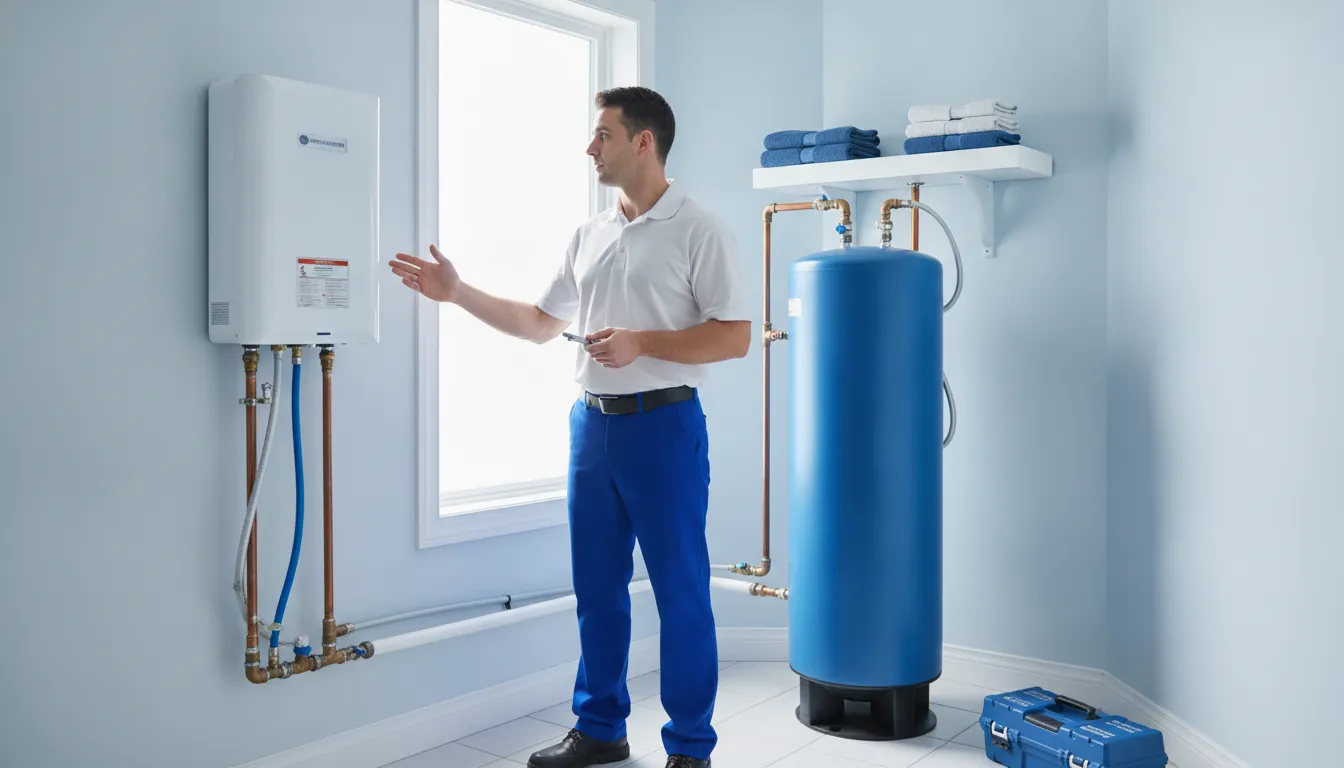
For Allen Park homeowners, an unreliable water heater can turn everyday routines into a scheduling problem. If you are asking how much does water heater replacement cost in Allen Park, the honest answer is that the installed total depends on the unit and the work the home requires. Fuel type, capacity, access, venting, connections, and permit requirements can all change the scope. This guide explains how to compare those factors, organize a practical estimate review, and decide what questions to ask before approving replacement.
Request a water heater replacement assessment
What determines water heater replacement cost in Allen Park?
A water heater estimate is not just an equipment price. It should account for removing the existing unit, installing the proposed one, connecting it to the home’s utilities, and addressing necessary changes. Two homes with similar heaters can have different totals because their layouts and existing conditions differ.
These are common cost drivers to review with a plumber:
- Equipment type and fuel: A storage tank, tankless model, and heat pump water heater have different equipment and installation needs. Switching fuel or technology can require more than replacing the existing model with a similar one.
- Capacity and household demand: The right size depends on how much hot water the household uses and when. Several showers, laundry, and a dishwasher running close together create a different demand pattern than occasional use by one or two people. Choosing a larger unit without assessing demand may add cost without addressing a real need.
- Existing connections: Water, gas, electrical, drainage, and exhaust components must be compatible with the proposed model. Their age, condition, and layout can affect the scope and may not be fully visible until the old heater is removed.
- Access and location: A narrow route, stairs, low clearance, or limited work area can affect removal and installation time. Relocating a unit adds planning and connection work.
- Additional components: A drain pan, expansion control, shutoff parts, or other components may be appropriate depending on the system and applicable requirements. Ask why each item is included and whether it is part of standard installation or a separate condition-specific change.
- Permits and inspection: Requirements vary by location and project. Ask whether permits apply, who will confirm them, and whether coordination or fees are included in the proposal.
For example, a similar-type replacement in an open utility room may involve fewer changes than switching from a tank to a tankless unit where venting or gas supply must be altered. A replacement in a crowded basement may also take more planning than one with a clear route to the installation area. Neither example establishes a universal price; it shows why a useful estimate should describe actual work rather than rely on a generic figure.
Location matters in a second way: the home’s configuration can differ even within the same neighborhood. One Allen Park property may have a heater near an exterior wall and straightforward exhaust routing. Another may have limited clearance, a finished area around the equipment, or connections that do not match a new model. A professional assessment turns those details into an installation scope that can be priced and compared.
How do water heater options compare?
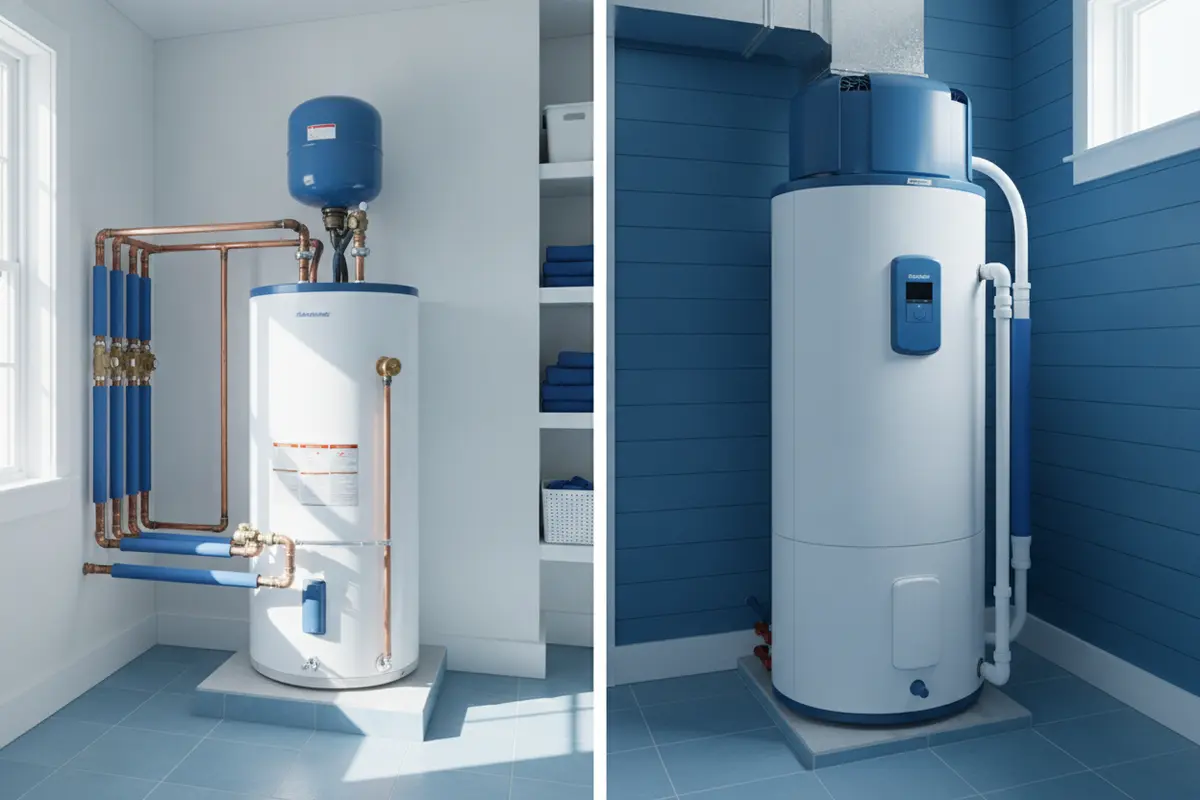
Equipment choice affects purchase cost, installation scope, and ongoing operation. The comparison below is general. The actual fit depends on the home, exact model, household use, and available utilities. Ask the professional to compare complete installed options rather than equipment categories alone.
| Option | How it works | Potential estimate considerations | Questions to resolve |
|---|---|---|---|
| Storage tank | Stores a volume of heated water for use. | A similar replacement can be more direct if location, fuel, and connections remain suitable. | Does capacity fit peak household demand? Are the existing connections compatible? |
| Tankless | Heats water as it is called for, subject to flow and capacity limits. | Conversion may involve gas supply, venting, electrical, or other installation changes. | Can it support simultaneous use? What changes are included? |
| Heat pump water heater | Uses electricity to move heat into water. | Space, electrical supply, and installation conditions must meet the model’s requirements. | Is the location suitable? What electrical and space conditions need review? |
Efficiency is one part of the decision, not a guarantee of a particular payback. NYSERDA recommends looking for ENERGY STAR certified water heaters when replacing a unit and provides general guidance on water heating at its water heater information page. Use that guidance to frame questions about specific models, then compare the installed scope and operating considerations for your home.
A practical comparison should keep the same categories for every proposal: equipment description, installation work, any utility changes, space requirements, removal, permit assumptions, and exclusions. If one estimate includes a more extensive conversion and another assumes a direct replacement, the totals are not directly comparable until those assumptions are clarified.
Does a like-for-like replacement cost less?
Keeping the same general fuel and equipment type can reduce conversion work, but it does not guarantee a simple swap. A new model may have different dimensions, connection locations, or venting requirements. The existing installation may also need changes to meet current project requirements. Have the setup assessed before choosing a unit based solely on the old model’s label.
Consider three common planning scenarios. First, the replacement fits the same location and the existing connections are suitable. The contractor may be able to define a limited scope centered on removal, installation, and connection. Second, the selected model has different venting or utility requirements. The estimate should identify those changes and explain the labor and materials involved. Third, the heater is being moved. The proposal should describe how new water, fuel, electrical, exhaust, and drainage routes affect the work, along with any access or finish considerations.
These scenarios help explain why an equipment label alone cannot settle the cost question. A same-capacity unit may still have a different footprint or connection arrangement. Likewise, a household may have changed since the existing heater was installed: more occupants, different schedules, or more simultaneous hot water use can make a review of capacity useful.
Ask the professional to distinguish necessary work from optional changes. If an estimate includes a different equipment type or a location change, ask what problem or goal it addresses. If the current system is still operating, you may have time to compare the options in writing before deciding. For information about water heater repair and replacement options, describe the symptoms and installation rather than choosing a model before the system is reviewed.
What should an Allen Park replacement estimate include?
A useful estimate makes the proposed scope understandable. Request the equipment description and a breakdown of the work, including assumptions about existing conditions. Then compare proposals on equivalent terms rather than looking only at the bottom-line figure.
- Equipment: Confirm type, fuel, capacity, and model, or ask for a clear description of the proposed equivalent. A category name alone may not tell you whether two options have comparable capacity or features.
- Removal and installation: Check that disconnecting, removing, and disposing of the existing heater and installing the replacement are addressed.
- Connections and venting: Ask which water, gas, electrical, exhaust, or drainage changes are included, if any. If the estimate assumes existing parts can remain, ask what happens if their condition is different once accessible.
- Permit and inspection handling: Clarify who determines what applies and who handles coordination or fees. Do not assume that two contractors have made the same permit assumptions.
- Price assumptions: Identify what the quoted total includes and what concealed or unexpected conditions could change it. Ask how a revised scope would be presented for approval.
- Completion details: Ask about expected scheduling, cleanup, warranty terms, and how follow-up questions are handled. Confirm the terms for the exact equipment and work being proposed.
A practical comparison might look like this: Proposal A lists a unit and installation but says little about removal or venting. Proposal B specifies a model, removal, connection work, permit assumptions, and exclusions. Even if Proposal A appears lower, it is not yet clear whether both offers cover the same work. Ask for the missing details before comparing totals or deciding that either estimate is more complete.
It can help to make a simple written comparison rather than relying on memory. Put each contractor’s total in one column and the scope categories in rows. Mark an item as included, excluded, or not yet clarified. This makes differences visible: one proposal may include disposal while another leaves it unspecified; one may include vent alterations while another assumes existing venting is suitable. The goal is not to select the longest estimate, but to understand what each total covers.
For related plumbing concerns uncovered during an assessment, Mr. Pipey provides water valve service and plumbing leak service. These are separate needs, so ask whether additional work is necessary and request its scope rather than assuming it is part of heater replacement.
How can you compare upfront cost and efficiency?
Compare the installed total alongside the model’s efficiency information, warranty terms, and suitability for household demand. Avoid assuming a higher-efficiency model will repay its added cost within a fixed period. Energy rates, hot water use, equipment performance, and installation conditions vary. A fair comparison is based on documented model information and the proposed scope, not a promise of savings that has not been calculated for your home.
Use a consistent set of questions for each option:
- What is the total installed price, and what work does it include?
- What fuel and capacity does the model use, and how does that relate to peak household demand?
- Does the proposal require changes to current venting, utility supply, drainage, or available space?
- What efficiency information applies to this exact model rather than the product category generally?
- Which parts and labor warranties apply, and what are their terms?
- What future maintenance or service considerations should be understood?
- Are there assumptions about permit handling, disposal, or access that could affect the final scope?
For instance, compare a conventional tank and a heat pump model by recording equipment price, installation changes, space requirements, and the product’s documented efficiency. If one option requires electrical or location modifications, keep that work visible in the comparison. Then ask whether those changes are practical in the home and whether the household values the expected operating characteristics enough to consider the additional scope. The goal is not to declare a universal winner; it is to see whether the upfront cost and installation fit make sense for this property.
Also distinguish a required installation change from an optional upgrade. Ask why a proposed component or modification is included, what it addresses, and whether it is required for the selected model or applicable standards. A clear explanation helps you make an informed decision without pressure. If an option is presented as a way to improve efficiency, ask which model documentation supports the comparison and whether the quoted figure covers the full installation.
Some estimates may emphasize equipment while others emphasize the final installed scope. To compare them, write down the specific proposed model or equivalent, installation assumptions, included materials, and any separate work. If an estimate changes after a site visit or after removal begins, ask for the reason in plain terms and request an updated amount before authorizing additional work. This keeps the decision tied to identified conditions.
What happens during a professional water heater assessment?
A professional assessment begins with the existing unit and the way the household uses hot water. The plumber may review the unit’s type and approximate capacity, visible connections, venting or electrical arrangement, available clearance, access route, and the condition of nearby components. Questions about household size, simultaneous use, and recurring performance concerns help establish what a replacement needs to support.
Before the appointment, useful context includes the current fuel and heater type if known, the approximate age from records or the product label, and the symptoms you have noticed. Be specific: does hot water run short during back-to-back showers, does the temperature vary at certain times, or is the concern limited to one fixture? These observations do not diagnose the cause, but they help the professional understand how the system is used.
The review then connects those observations to possible equipment and installation scopes. A nameplate can help identify specifications, but it cannot by itself confirm that the same size or configuration remains the best fit. A change in household demand, layout, or equipment technology may affect the plan. The estimate should explain feasible options and the work each requires.
Prepare the area by making sure the route and visible equipment are accessible, without attempting to disconnect or adjust plumbing, gas, or electrical components. If there are records from prior service or model paperwork, have them available. If the heater is in a finished or tight space, mention any access constraints when scheduling so the assessment can account for the location.
Before approving work, confirm the selected model and total scope in writing. If a condition becomes visible only after removal, ask what was found, why it changes the work, and how the revised cost is calculated. For example, a newly visible connection issue should be described specifically, along with the proposed correction and its price. Review and approve the updated plan before additional work proceeds.
If the assessment identifies a separate leak, the company’s leak detection and repair information may help explain that related service. For broader plumbing needs, review sewer and drain service details separately from the water heater proposal. Keeping separate projects distinct makes it easier to see which work addresses the replacement and which addresses another plumbing concern.
How can Allen Park homeowners plan a replacement?
If the heater still operates, planning an assessment gives you time to compare viable options and understand the installation scope. Note the current fuel and type if known, the approximate age from records or the label, and the performance issues you have noticed. These details are useful context, not a substitute for diagnosis.
When contacting a plumber, describe practical household needs. Explain whether hot water runs short during back-to-back showers, whether several fixtures are used at once, or whether temperature changes occur at particular times. Mention whether the heater is in a basement, utility closet, or another location with limited access. Specific observations help the professional assess demand and logistics without asking you to troubleshoot equipment.
If hot water has stopped or there is visible leaking, explain what is happening when you call. Do not handle gas or electrical components. A qualified professional can advise on appropriate next steps and review the system safely. Mr. Pipey serves Metro Detroit; confirm service availability for your Allen Park address when scheduling.
After the assessment, take time to compare proposals and clarify exclusions. If you receive different recommendations, ask each provider to explain the reasoning in terms of household demand, model requirements, and visible installation conditions. A recommendation is easier to evaluate when it identifies what the home needs and which work is included, rather than relying only on a product label or broad category.
You can review emergency plumbing information if the situation requires urgent guidance, or visit the Mr. Pipey plumbing service overview to learn about the company’s offerings. For replacement planning, a written assessment remains the practical way to understand the equipment and work that apply to your address.
Contact Mr. Pipey to discuss replacement options
Frequently asked questions
How much does water heater replacement cost in Allen Park?
The total depends on equipment, fuel, capacity, access, and installation work such as connection or venting changes. A home-specific written estimate is the best way to understand the full project cost.
Does replacing a heater with the same type always cost less?
It may avoid some conversion work, but the existing connections and the new model’s requirements still need review. Differences in dimensions, venting, or applicable requirements can affect the scope.
Should I choose a tank or tankless water heater?
Either may suit a home depending on demand, utilities, available space, and budget. Compare the exact model’s capacity and complete installation scope with a professional.
Can a plumber estimate the work before I choose a model?
Yes. An assessment can identify suitable options and explain installation work before you decide. Ask for the equipment and labor scope to be described clearly.
What if the estimate changes after the old heater is removed?
Ask the contractor to explain the newly visible condition, why it affects the work, and how the revised scope changes the total. Review and approve the updated plan before additional work proceeds.
With a clear assessment and comparable written proposals, Allen Park homeowners can understand the work behind the total and choose a replacement plan suited to their home.