

Weak water flow from your kitchen tap makes simple daily chores take much longer than they should. You should not have to wait several minutes just to fill a pot or rinse your dishes.
Ready to restore your home’s water pressure? Schedule an upfront, flat-rate inspection with Mr. Pipey in Detroit today or contact us online!
Dealing with low water pressure in house often stems from simple plumbing issues like a closed main shut-off valve or a failing pressure regulator. If the problem affects every tap in your home, you should check your main water valve first to ensure it is fully open and clear. You may also need to test your pressure-reducing valve to see if it keeps the 45 to 60 psi range suggested by WaterSense. When the low pressure only happens at one fixture, the cause is usually a clogged aerator or a local pipe blockage that limits your water flow. Deciding whether the issue is whole-house or local is the most important step toward finding a long-term fix and restoring your water flow for good.
You cannot find the right fix until you know where the problem starts in your home pipes. This process begins by checking every fixture to see if the drop is all over or just in one room. Here is how to decide if the problem Is the Low Water Pressure Isolated or Whole-House? as you start to look.
Low Water Pressure In House: Is the Low Water Pressure Isolated or Whole-House?
The first step to fix low water pressure in house systems is to find where the problem starts. You need to know if the weak flow happens at just one tap or throughout the entire home. This simple check helps you decide if you can fix it yourself or if you need a pro.
How to spot isolated issues
If the water flow is weak at only one sink or shower, you have a local issue. This usually means the problem is inside that specific fixture. Most of the time, a local blockage is the cause. Mineral buildup from hard water can clog the small parts of your tap over time. This buildup is a common reason for low water pressure in house fixtures that get used every day.
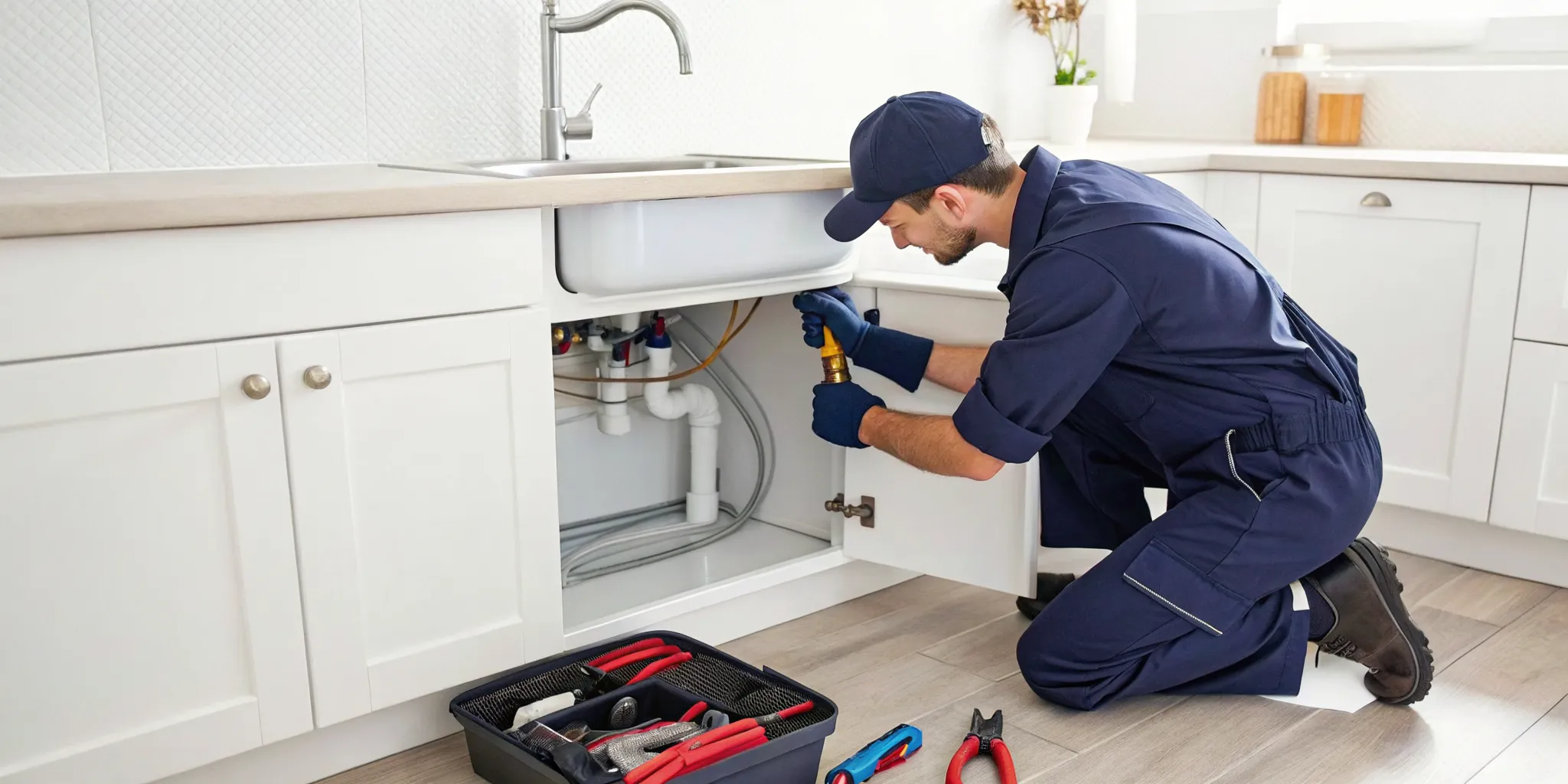
You should start by checking the faucet aerator. This is the small screen at the tip of the spout. Mr. Pipey experts suggest that you clean your faucet aerators every six months to keep water flowing well. To clean it, unscrew the aerator and soak it in vinegar to dissolve the scale. If the aerator looks clear but the flow is still weak, check the supply lines under the sink. A kinked hose or a partly closed supply valve can easily block the flow of water to that one fixture.
Signs of house-wide pressure drops
When every tap in your home has weak flow, you are dealing with a whole-house issue. This affects both hot and cold water in every room. A common cause is a main valve that is not fully open. If you just had work done on your pipes, the main shut-off valve might still be partly closed.
Problems with the city water supply or a broken pressure regulator can also cause a drop. The EPA suggests that a good range for home water pressure is between 45 and 60 psi. If your home stays below this level, you might need to test your pressure-regulating valve. A failed regulator can limit how much water enters your home from the main line.
Quick checks for fixtures and valves
You can do a few quick tests to narrow down the cause. First, turn on all the faucets one by one. If only the kitchen sink is slow, the issue is local. If the shower and the bathroom sink are both weak, the problem is likely in the main line. This helps you decide if troubleshooting your water heater is the next step. It may also show if you should look at the main house supply.
- Check the shut-off valves under each sink to make sure they are turned all the way to the left.
- Look at the main water meter to see if the shut-off valve is fully open.
- Check if you just had low water pressure after a water heater setup, as air in the lines can cause drops.
- Inspect the main line for any clear signs of wet spots in your yard or crawl space.
If these steps do not help, you may have a hidden leak. Small leaks can waste water and lower the force of the flow in your home. The EPA notes that you can check for leaks by reading your water meter. Wait two hours without using any water, then read it again. If the numbers change, water is leaking somewhere in your pipes. This simple test can save you money and protect your home from water damage.
What Causes Low Water Pressure in a House?
Finding the cause of low water pressure in a house is the first step to fixing it. Many issues can slow down the flow of water to your sinks and showers. Some problems are easy to spot, while others hide deep inside your pipes. Most whole-home issues come from a few common spots in your plumbing system.
Check your main valves
A common cause of a drop in flow is a main water shut-off valve that is not fully open. Your home has a main shut-off valve where the water line enters. If this valve was turned during a repair and not opened all the way, it will restrict flow. You should also check the water meter valve to make sure it is wide open.
Pressure regulator failure
Many homes use a pressure-regulating valve (PRV) to keep water at a safe level. This part helps stop high pressure that could damage your plumbing. If the PRV fails, it may block the flow of water or cause it to drop. The EPA recommends service pressure stay between 45 and 60 psi for the best results.
Pipe blockages and leaks
Old pipes can get mineral buildup over time. This is very common with steel pipes. The inside of the pipe gets smaller as minerals stick to the walls. This leaves less room for water to move. Hidden leaks can also steal water from your home. If you see a big rise in your bill, you may need professional water heater maintenance or lines checked for leaks.
- Check your main shut-off valve. Make sure the handle is turned all the way to the open position to allow full flow.
- Look at the water meter valve. Most homes have two main valves, and both must be fully open for your house to have full pressure.
- Test your pressure regulator. If your home has a PRV, it may be failing. You might need a pro to test or replace it.
- Inspect for leaks. Check your water meter while no one is using water to see if the dial is still moving.
- Clear faucet screens. Remove and clean the small mesh parts on your faucets to clear out any trapped dirt or minerals.
The Role of the Pressure-Regulating Valve (PRV)
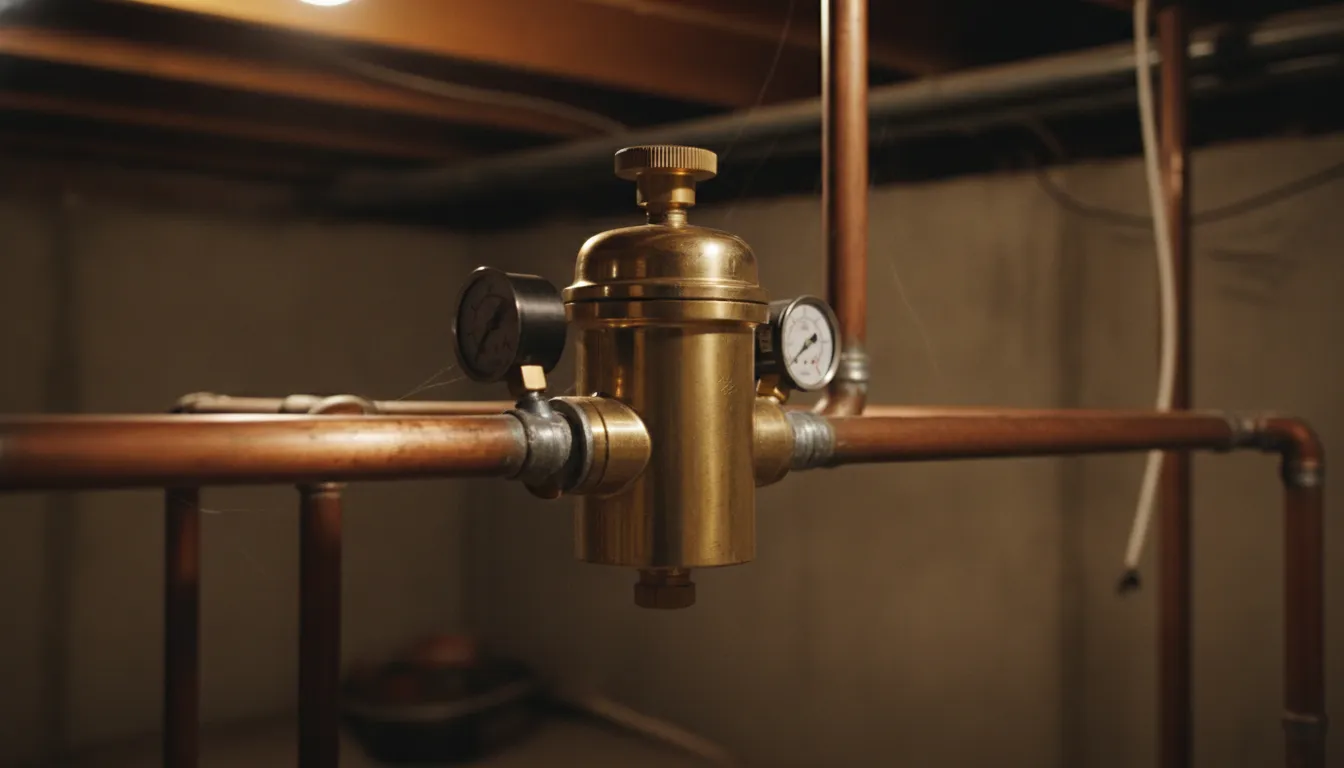
Your home relies on a small but vital part to manage how water enters your pipes. This device is the pressure-regulating valve, or PRV. It acts like a gatekeeper for your plumbing. Without it, the water from the city main could rush in with too much force. This extra force can lead to plumbing stress, which is why working pressure-regulating valves are so important to prevent pipe damage over time.
What is the ideal house pressure?
Most experts suggest keeping your water flow at a steady rate. A good range for a home is between 45 and 60 psi. You can find this goal in guides from the Environmental Protection Agency. If the water from the street stays above 80 psi, local codes often say you must use a PRV. This helps to stop leaks and keeps your home machines safe from wear.
Checking your own pressure is simple. You can use a basic gauge on an outside tap to see the current level. If your gauge shows a high number, your PRV may need a quick check or a new setting. Steady pressure helps your sinks and showers work well every day.
Signs of a failing valve
When a PRV stops working right, you will notice it quickly. A common sign is a sudden change in how the water feels. You might see a big drop in flow or a sharp spike that bangs against your pipes. Debris or rust inside the valve can clog the path and cause low water pressure in house systems. Here are a few signs that your PRV is at the end of its life:
- Water pressure that goes up and down without warning.
- Loud banging or shaking sounds when you turn on a tap.
- Slow leaks near the valve body or its joints.
If you still have issues after checking these components, calling a professional for emergency plumbing repairs is a smart choice. Fixing a bad valve can save your fixtures from high stress. It also prevents waste by keeping your water use in check.
Handling thermal expansion
Installing a new PRV changes how your pipes handle heat. A PRV creates what pros call a closed system. This means water cannot flow back out to the city main when it gets hot and grows in size. This growth is known as thermal expansion. If the extra pressure has nowhere to go, it can stress your water heater tank.
You may need an expansion tank to help with this extra load. A pro plumber can look at your setup to see if you need one. They will check local rules to make sure your home stays up to code. Solving this now will keep your system running smooth for years.
Clogged Pipes, Corrosion, and Water Softeners
Mineral buildup in your plumbing often leads to low water pressure in house. This happens when minerals or rust block the path water takes through your pipes. Over many years, these blocks get bigger and limit flow to your sinks and showers. Finding the source of the clog is the first step to fix the problem.
Corrosion in older steel pipes
Many older homes have pipes made of galvanized steel. These pipes have a zinc coating to stop rust. But as the years pass, the zinc wears away. The steel then starts to rust from the inside out. This rust creates a rough surface that catches minerals in the water. This buildup can make the inside of a pipe small.
You might notice your water looks brown or orange when you first turn on the tap. This is a big sign that your pipes are rusting. This rust does more than just make the water look bad. It slowly closes the pipe until little water can get through.
The EPA reports that good water pressure helps machines last longer and reduces waste. If your pipes are full of rust, you may need to replace them to get your pressure back. Expert plumbers can check your lines to see if they are clear.
Sediment in water heaters
Your water heater is another common spot for blockages. When water is heated, minerals like calcium and lime fall to the bottom of the tank. This creates a layer of sediment. If you do not flush your tank once a year, this layer can grow thick.
It can then block the pipes that send hot water to your home. This is why you might have great cold pressure but weak hot pressure. If you have low pressure only when using hot water, the heater is likely the cause. You might also hear popping or knocking sounds coming from the tank.
This is the sound of steam bubbles moving through the sediment layer. If you have just put in a new tank, you might still face low water pressure. This often happens if the valves are not fully open. Keeping the tank clean helps keep your water moving fast and hot.
Faulty water softeners
Water softeners are great for homes with hard water. They remove minerals that can clog your pipes. But the softener itself can also cause a drop in pressure. This happens if the resin bed inside the tank gets clogged with dirt or iron.
A broken valve can also stop water from flowing well through the system. You should check the salt levels and the brine tank for signs of a bridge or mush. You can test this by using the bypass valve on your softener. This valve lets water skip the softener and go straight to your pipes.
If your pressure gets better right away, you know the softener is the issue. You may need to clean the system or replace the resin. For those with tankless units, troubleshooting your water heater and softener at the same time is a smart move. Regular checks ensure your whole home has the pressure it needs for daily tasks.
How to Fix Low Water Pressure in Your House
Low water pressure in your house can make daily tasks hard. You can fix some causes on your own with a few tools. Other times, you may need a pro to help. Knowing where to start will save you time and money. It is best to check the easy things first. This helps you find the root cause without spending a lot of cash.
Check your shut-off valves
The main water shut-off valve must be all the way open. Most homes have two of these valves. One is near the street and the city meter. The other is inside your house where the main line comes in. Sometimes these valves get bumped or move over time. A valve that is only part way open will slow the flow of water to your home. Make sure both handles are turned to the full open spot. If the handle will not move, do not force it. Old valves can rust and break if you use too much force.
Test the pressure regulator
Many homes have a pressure-regulating valve or PRV. This part helps keep the water at a safe level for your pipes. If this part fails, your low water pressure may start at once. You can check your house psi with a simple gauge from a store. Most pros suggest a range of 45 to 60 psi for best system function. If the gauge shows a low number, your PRV might be old or clogged. High pressure is also bad. It can damage your pipes and lead to leaks.
Clean fixtures and pipes
If only one tap has low flow, the problem is likely local. Scale or dirt can build up in faucet aerators. You should clean these parts every six months to keep the water moving. Just unscrew the tip of the tap and soak it in vinegar. If cleaning the tap does not help, you may have a leak in your main line. You can check for leaks by reading your water meter. Read it, wait two hours without using any water, and read it again. If the meter moves, you likely have a hidden pipe break that needs a fix.
Clear hot water clogs
Low pressure can also happen just for hot water. This often means there is sediment inside your water heater tank. Over time, sand and minerals settle at the bottom. This gunk can block the hot water lines. You may need to flush the tank to clear out the trash. If that does not work, try troubleshooting your water heater to find the clog. In older homes, rust inside galvanized pipes can also limit flow. If your pipes are old, they might need to be replaced with new copper or PEX lines.
| Issue | Ease | Time | Pro Help? |
|---|---|---|---|
| Closed Valve | Easy | 5 mins. | No. |
| Dirty Aerator | Easy | 15 mins. | No. |
| Bad PRV | Hard | 2 hours. | Yes. |
| Main Leak | Hard | 4+ hours. | Yes. |
| Pipe Rust | Expert | 1 day. | Yes. |
How to Check for Hidden Plumbing Leaks
Hidden leaks are a quiet thief of water and pressure. While a burst pipe is easy to see, a small crack in a wall pipe can hide for months. This slow flow of water from hidden plumbing leaks can cause low water pressure in your house. It also wastes thousands of gallons of water over time. Finding these leaks fast is key to saving your home from rot and mold.
Perform a Simple Meter Test
Your water meter is the best tool to find a hidden leak. To start, make sure no one is using water in the house. Turn off the shower, the sink, and any machines like the washer. Go to your water meter and look at the dial. Some meters have a small mark that spins if water moves through the pipe.
Write down the meter reading and leave the water off for two hours. After two hours, check the meter again. If the numbers changed, you have a leak. The EPA suggests this test to help people find leaks before they cause big bills. If you find a leak, you should check for professional faucet repair or pipe repair next.
Track Bills and Spot Damage
A sudden spike in your water bill is a red flag. If your habits have not changed but your bill goes up, water is likely leaking. Most families use about the same amount of water each month. Compare this month’s bill to the same month from one year ago. If the cost is much higher, you might have a pipe break under your slab or in your yard.
Sometimes the signs are more subtle than a high bill. Walk through your home and look for these clues:
- Wet spots on floors or walls.
- Musty smells or mold growth.
- Grass that is greener in one spot.
- Puddles in the yard when it is dry.
These signs can help you find a leak that causes low pressure. If you see water damage, you should act fast to prevent more issues.
Find Leaks with Sound
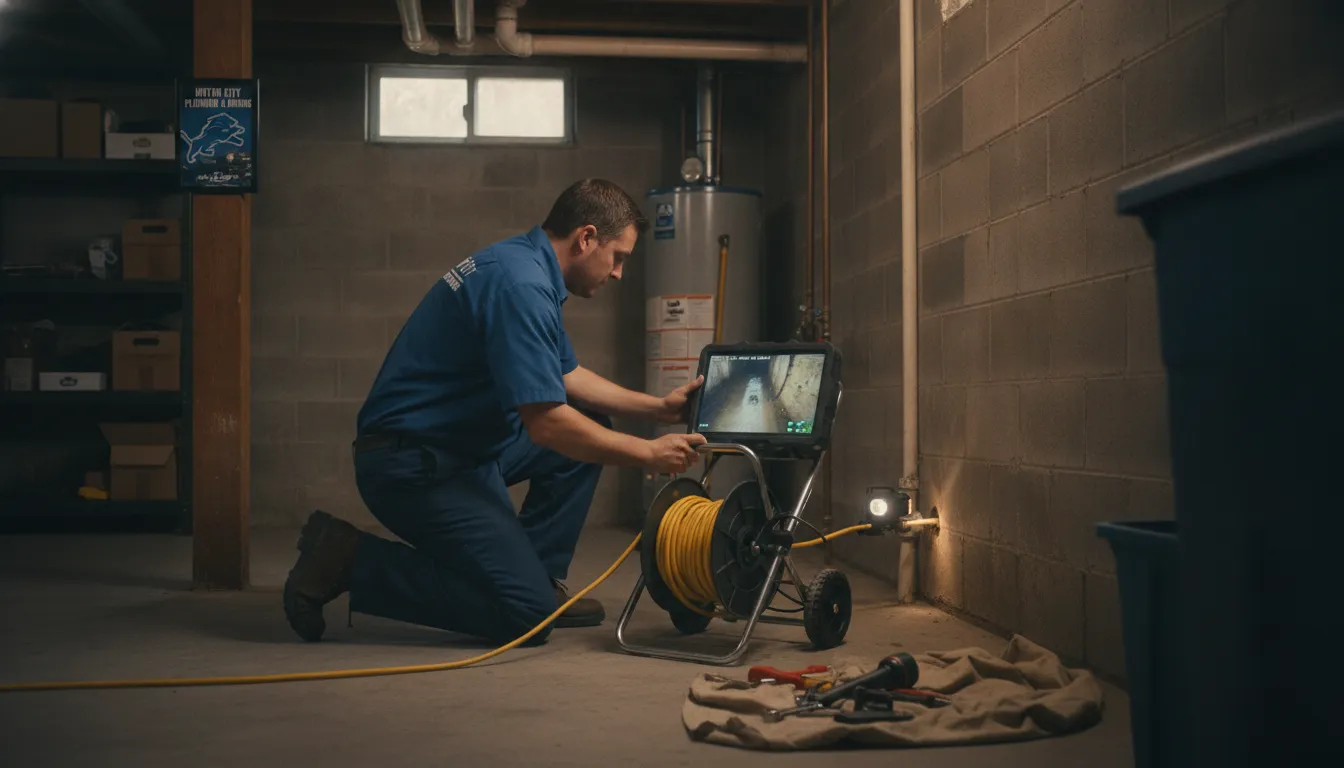
If you cannot find the leak, you need expert help. Mr. Pipey uses acoustic tools to find leaks deep inside walls or under concrete. These tools pick up the high-pitched sound of a leak that the human ear cannot hear. This helps us find the exact spot of the break. By finding the leak fast, we can restore your water pressure and stop the waste.
Frequently Asked Questions
How can I test my home water pressure?
You can check your house pressure with a simple gauge from a local store. Hook the gauge to an outdoor hose spigot and turn the water on to get a reading. According to the EPA, a healthy range for a home is between 45 and 60 psi. If your reading is lower than 40 psi, you likely have a problem in your main line or regulator.
Why is my hot water pressure low but cold water is fine?
If you only notice a drop when using hot water, the issue often sits in your water heater. Over time, hard water leaves grit at the bottom of the tank. This buildup can block the exit pipe and slow down the flow to your taps. You may need to flush the tank to clear the debris. If your heater is old, a pro might need to check if the inside parts are failing or if the lines are clogged.
How do I check for hidden water leaks?
A hidden leak in your main line or pipes can steal pressure from your home. To find one, read your water meter when no one is using any water. Wait for two hours and then read the meter again. If the number has changed, you likely have a leak. According to the EPA, fixing small leaks can save water and stop costly damage to your home over time.
How often should I clean my faucet aerators?
To keep your water flow steady, you should clean the aerators on your taps every six months. These small screens catch grit and scale that move through your pipes. Over time, this debris blocks the holes and makes your pressure feel weak. If you live in an area with hard water, you may need to do this more often. Simply unscrew the tip of the faucet, rinse the screen, and put it back to fix the flow.
Ready to fix your low water pressure today?
If you wait to fix your low water pressure, you may face high repair bills and damage to your home very soon. A small leak or a clogged pipe will only get worse and can lead to a sudden burst that causes major harm. You can avoid a plumbing crisis and save money by finding the root cause of the problem right now. Taking action today ensures your home stays safe and your water flows at full strength in every room. Our team will help you get your pipes back to good shape and give you peace of mind today.
Ready to fix the flow? Call (313) 900-0700 now to schedule a professional plumbing inspection and leak detection service for your home today.