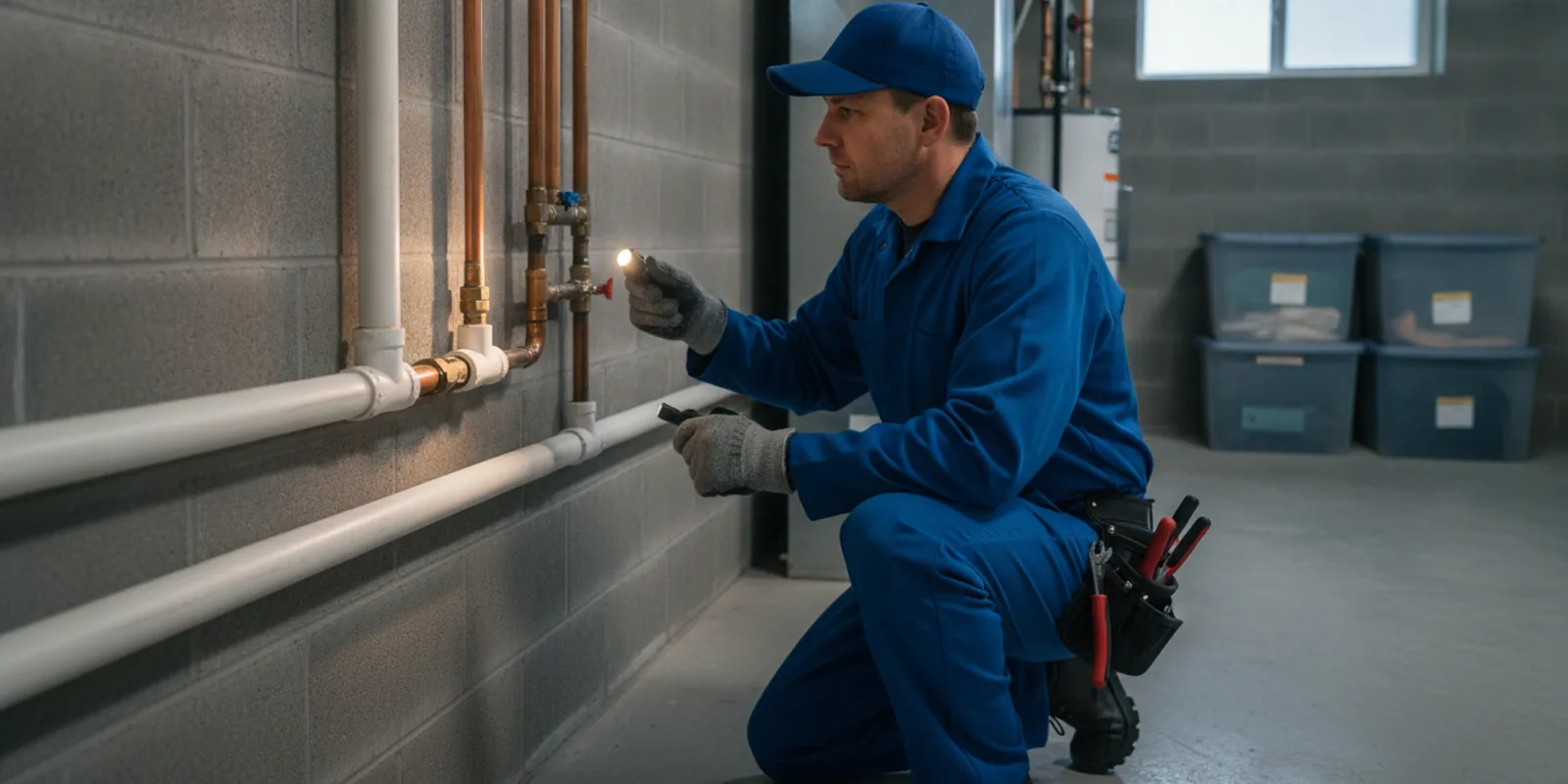
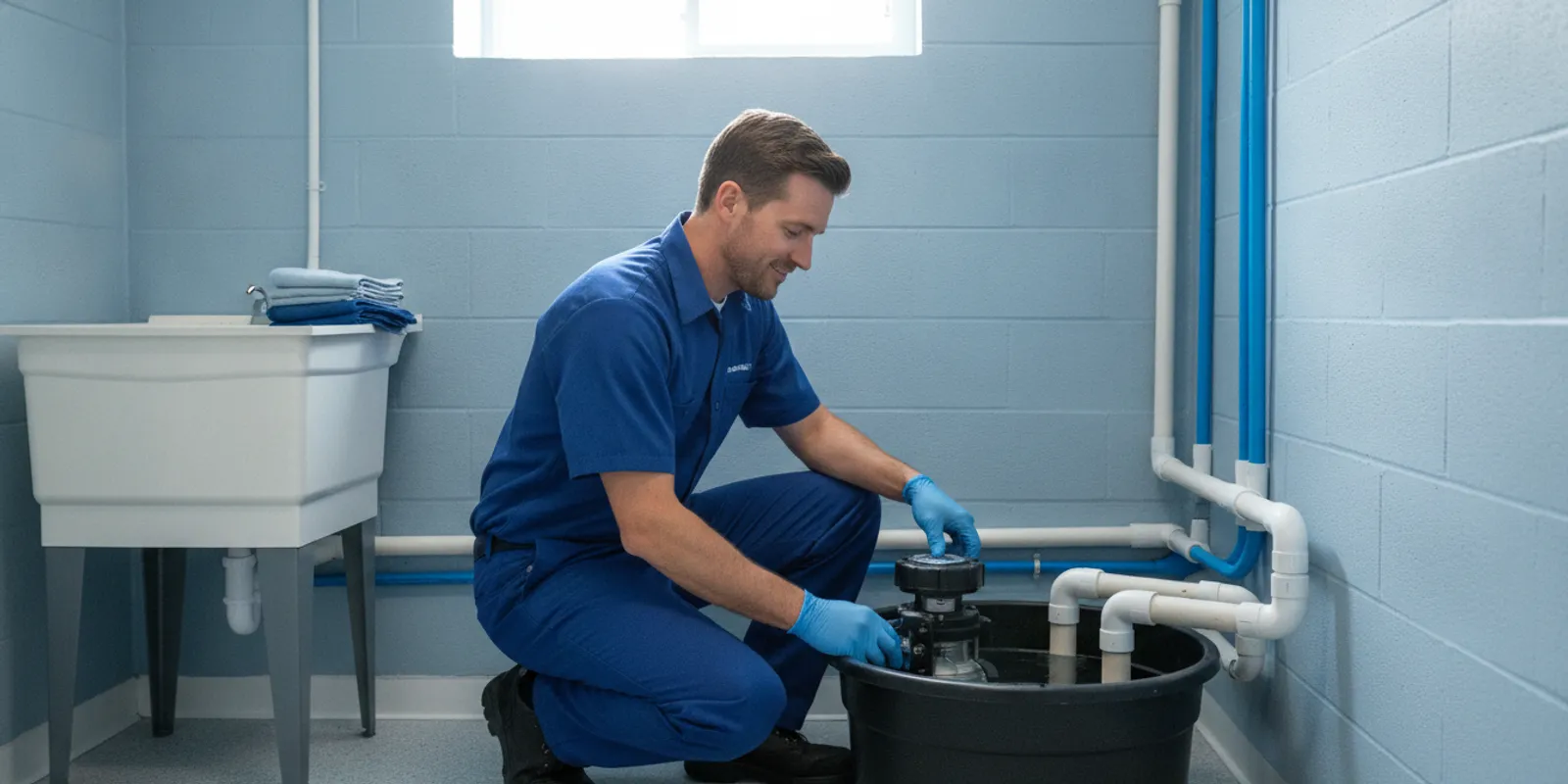
For Troy homeowners, a sewer backup is often preceded by changes that are easy to dismiss. Such as several slow drains, recurring clogs, sewage odors, or an unexpectedly wet area in the yard. Paying attention to those signals gives you a better opportunity to identify a developing sewer-line problem before it becomes an urgent disruption.
Contact Mr. Pipey for professional sewer-backup prevention guidance in Troy.
The most reliable way to understand how to prevent sewer backups in Troy is to reduce blockage sources. Watch for early warning signs, and schedule professional inspection when symptoms repeat or affect more than one fixture. A licensed plumber can help determine whether the concern involves household buildup, roots, damage, or another condition that routine cleaning alone may not resolve.
Prevention starts with understanding what can interfere with a sewer line and how those problems show up in a Troy home. The right response depends on the cause, so begin by looking at the common conditions behind sewer backups and the clues they leave behind.
What causes sewer backups in Troy homes?
For a Troy homeowner, a sewer backup can seem sudden, but the underlying condition often develops over time. A partial restriction may allow wastewater to move normally for months, then become noticeable when more water enters the line or a blockage shifts. Understanding the likely causes helps you decide when a recurring drain problem deserves professional evaluation.
Household blockages and buildup
Sanitary sewer lines carry wastewater from fixtures such as toilets, showers, dishwashers, and washing machines. Items that do not break down easily can collect in the line, catch other debris, and reduce the available opening. Troy’s public works guidance specifically says not to flush wipes, including products labeled “flushable,” diapers, paper towels, facial tissue, dental floss, cotton products, medications, or similar materials. It also advises residents not to pour fat, oil, or grease into drains. Troy’s flushable-items guidance explains that these materials do not belong in the sanitary sewer system.
Grease can cool and adhere to the inside of a sewer line, while paper products, wipes, and other debris can accumulate around it. Roots may also enter through small defects or joints and create a restriction as they grow. Public water-authority guidance identifies roots and fats, oils, and grease as common causes of sanitary sewer blockages. A recurring clog is therefore not always an isolated fixture issue. It may indicate a condition farther along the building sewer that needs to be located and assessed.
Rain-related system stress
Heavy rain can create a different type of pressure. Stormwater and sanitary wastewater have different functions: storm drainage manages rainfall runoff, while sanitary sewers carry wastewater toward treatment. In some systems, connections, inflow, or other conditions can introduce additional water into sewer pipes. During rain events, that added volume may exceed what portions of a system can convey, allowing water to move toward lower points such as basement drains or toilets. The Western Virginia Water Authority describes this relationship in its sewer-backup prevention guidance.
That explanation does not establish a specific infrastructure condition in Troy. It does show why a backup that appears during or after a major storm may require a different diagnosis than a kitchen or bathroom clog. A professional evaluation can help distinguish a localized household restriction from a building sewer problem, root intrusion, debris accumulation, or rain-related system stress. Inspection and maintenance can reduce uncertainty, although no approach can guarantee that a backup will never occur.
How can Troy homeowners prevent sewer backups?
Good prevention starts with what enters the plumbing system, then continues with timely attention to recurring symptoms. No household routine can guarantee that a sewer backup will never occur, but these practices can reduce avoidable blockages and help identify developing problems before they become disruptive.
- Flush only toilet paper and human waste. Troy’s municipal guidance says not to flush wipes, including products labeled flushable, diapers, facial tissue. Paper towels, tampons, condoms, bandages, dental floss, cotton balls, cotton swabs, cat litter, medications, or cigarette butts. These materials can collect in a sewer line or create problems farther downstream. Review the City of Troy’s flushable-items guidance when deciding how to dispose of an item.
- Keep fats, oils, and grease out of drains. Liquid grease can cool and adhere to the inside of a drain or sewer pipe. Over time, that buildup can narrow the passage available for wastewater. Let cooking grease cool, then place it in an appropriate container for disposal rather than pouring it into a sink, floor drain, or toilet. Scrape food debris into the trash before washing dishes, and do not rely on hot water to carry grease safely through the line.
- Limit debris at every drain. Hair, food particles, sediment, and other materials can contribute to localized clogs that become more serious when a line already has buildup or a damaged section. Use normal household drain covers where appropriate and address a recurring slow drain instead of repeatedly masking the symptom. Avoid chemical drain cleaners and improvised treatments that may not address the location or cause of a blockage.
- Pay attention when more than one fixture changes. A single slow sink may involve a nearby branch drain, while several slow fixtures, gurgling, sewage odors, or basement-drain symptoms can point to a larger drainage concern. If these signs recur, reduce unnecessary water use and arrange an evaluation. A licensed plumber can determine whether the issue is a routine obstruction, roots, debris, or a condition that requires a different repair plan.
- Use professional maintenance when the history calls for it. Homes with recurring clogs, slow drainage, odors, or known sewer-line concerns may benefit from a planned inspection or regular drain-cleaning schedule. Mr. Pipey’s team can use professional drain service, a sewer camera, or HydroScrub high-pressure water jetting when appropriate. These services help match the work to the condition of the line without relying on hazardous chemicals or guessing at the location of the problem. Maintenance should be based on the home’s symptoms and plumbing history, not an assumption that every property needs the same service.
For Troy homeowners, the most useful approach is consistent disposal habits combined with professional diagnosis when warning signs return. That keeps prevention practical and gives you a clearer basis for deciding whether cleaning, inspection, or additional sewer work is warranted.
What are the early signs of a sewer-line problem?
A sewer-line issue often develops through changes in several parts of the plumbing system rather than one isolated slow drain. Not every drainage problem points to the main sewer line. A single sluggish sink may have a local obstruction, while symptoms affecting multiple fixtures deserve a broader evaluation. Recognizing that difference helps Troy homeowners arrange the right inspection before a recurring problem becomes more disruptive.
Watch for these early indicators:
- Multiple slow fixtures: If toilets, showers, sinks, or floor drains become slow around the same time, the restriction may be farther downstream than one fixture trap. The more fixtures affected, the more useful a whole-system diagnosis becomes.
- Gurgling or bubbling sounds: Gurgling after a toilet flush, drain discharge, or washing-machine cycle can indicate trapped air or restricted flow in the drain and sewer system. It is more significant when it occurs in more than one fixture.
- Persistent sewer odors: A recurring sewage smell near floor drains, cleanouts, bathrooms, or the basement should not be treated as a normal household odor. It can signal drainage, venting, or sewer-line conditions that need professional assessment.
- Recurring clogs: A clog that returns after temporary clearing may reflect buildup, roots, or another restriction in the line. Troy homeowners can review additional sewer repair signs in Troy when repeated drainage trouble continues.
- Wet or unusually green yard areas: A persistently wet patch or unusually vigorous green growth along the sewer route can be a reason to investigate, especially when it appears with indoor drainage changes. These yard conditions have other possible causes, so they should be treated as a clue rather than proof of a broken line.
- Basement drain symptoms: Water or sewage seepage at a basement floor drain, repeated backup around a lower-level fixture, stains, or persistent basement odors warrant prompt attention. The guide to basement drain warning signs covers related drainage concerns.
A local fixture problem usually stays limited to one sink, toilet, or shower and may be diagnosed at that point of use. A possible main-line concern is more likely when several fixtures drain slowly, symptoms recur despite service, or lower-level drains react when water is used elsewhere in the home. A licensed plumber can compare those symptoms, inspect accessible drains, and determine whether a sewer camera inspection or another diagnostic step is appropriate. Early evaluation does not guarantee that a backup can never occur, but it can clarify the condition of the line and support a practical maintenance plan.
When should you schedule a sewer camera inspection?
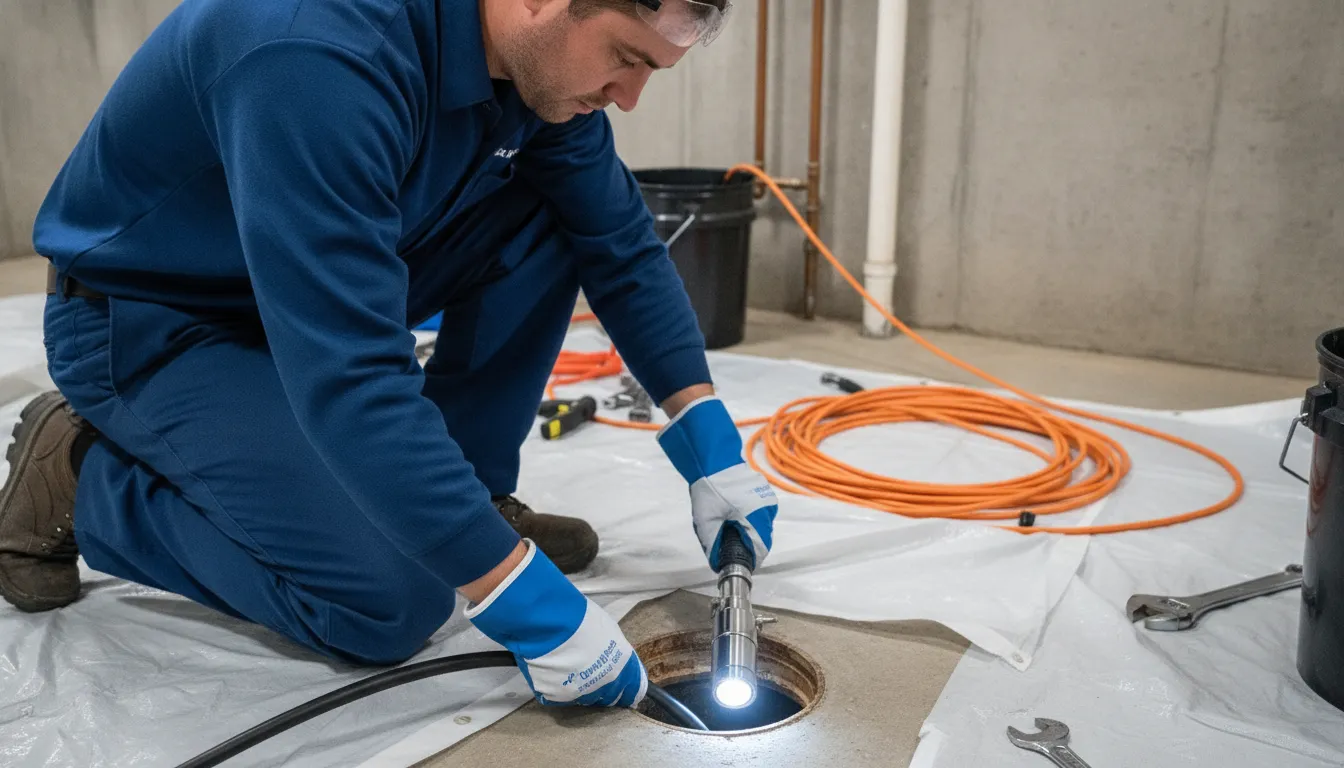
A professional sewer camera inspection is most useful when the cause of a drainage problem is not clear from the fixtures inside the home. A standard clog may respond to routine service, but recurring backups, several slow drains. Or symptoms that return after cleaning can point to a condition farther along the sewer line. In those situations, seeing the inside of the pipe helps a plumber recommend the right next step instead of relying on assumptions.
Schedule an inspection when you notice multiple fixtures draining slowly at the same time, repeated clogs, sewage odors, gurgling sounds, or water appearing near a basement floor drain. Wet areas or unusually green patches in the yard can also justify an evaluation when they occur near the buried sewer route. These signs do not identify one guaranteed cause, but they provide useful context for deciding whether the building sewer needs closer attention.
What can a sewer camera inspection locate?
A waterproof camera travels through an accessible section of the sewer line and sends images to the technician. The inspection can help locate the position of a blockage and show whether the obstruction is related to accumulated debris, a break, a misaligned section, or root growth. Specialized cable equipment may also include root-cutting heads when roots are contributing to the restriction. Locating the condition matters because the recommended service depends on where the problem is, how extensive it is, and whether the pipe remains structurally sound.
Camera work is particularly valuable after a backup has been cleared. Removing the immediate obstruction may restore flow, but it does not necessarily explain why the problem occurred or whether another restriction remains. A visual inspection gives the plumber information to discuss with the homeowner, including whether regular cleaning, professional jetting, repair planning, or continued monitoring is appropriate.
How does inspection clarify maintenance or repair scope?
Diagnosis helps separate a maintenance need from a repair need. A line with removable buildup may call for scheduled professional drain cleaning. A line with heavier debris may be a candidate for HydroScrub high-pressure water jetting, performed without hazardous chemicals. If the camera shows damage or persistent root intrusion, the findings can guide a more focused repair discussion and help avoid unnecessary excavation or service.
For Troy homeowners comparing options, professional sewer camera inspection provides a clearer basis for planning. It can support a practical prevention strategy for how to prevent sewer backups in Troy. But no inspection or maintenance method can guarantee that a backup will never occur.
Which professional maintenance options help prevent backups?
Professional maintenance is most useful when it matches the condition of the line. A routine cleaning may be appropriate for recurring buildup, while a camera inspection can clarify whether symptoms point to roots, a blockage location, or a repair concern. For Troy homeowners considering how to prevent sewer backups in Troy, the goal is not to schedule every service at once. It is to use the least invasive option that answers the question and addresses the underlying condition.
| Option | Best-fit signal | Professional outcome |
|---|---|---|
| Routine drain cleaning | Recurring slow drains, minor buildup, or a maintenance schedule for a property with a history of clogs. | Clears accessible buildup and helps establish whether drainage improves with regular service. |
| HydroScrub jetting | Stubborn debris, heavy buildup, or a line that needs more comprehensive cleaning than standard drain service. | Uses high-pressure water to remove clogs and debris without hazardous chemicals. The technician can assess the line before recommending this approach. |
| Sewer camera inspection | Multiple slow fixtures, recurring blockages, unusual odors, or symptoms that return after cleaning. | Locates blockage areas and helps identify conditions such as root intrusion or damage, so the next step is based on evidence. |
| Repair planning | Inspection findings show damage, repeated failures, or a section of sewer line that cannot be reliably maintained through cleaning alone. | Creates a defined repair path. When appropriate, trenchless sewer repair in Troy may offer a way to rehabilitate a line with less excavation than conventional replacement. |
These services can work together, but they serve different purposes. Cleaning addresses buildup. Jetting provides a more intensive cleaning method when the line and condition are suitable. Camera work supplies visibility, which is especially valuable when the same problem keeps returning. Repair planning addresses a structural issue rather than treating each new blockage as an isolated event.
A professional evaluation of sewer drains can help determine which combination makes sense for the property. If heavy buildup is suspected, homeowners can review the signs that may call for hydro jetting for sewer lines. The practical outcome is a documented recommendation focused on the line’s condition, not a one-size-fits-all maintenance routine.
What should you do if a sewer backup starts?
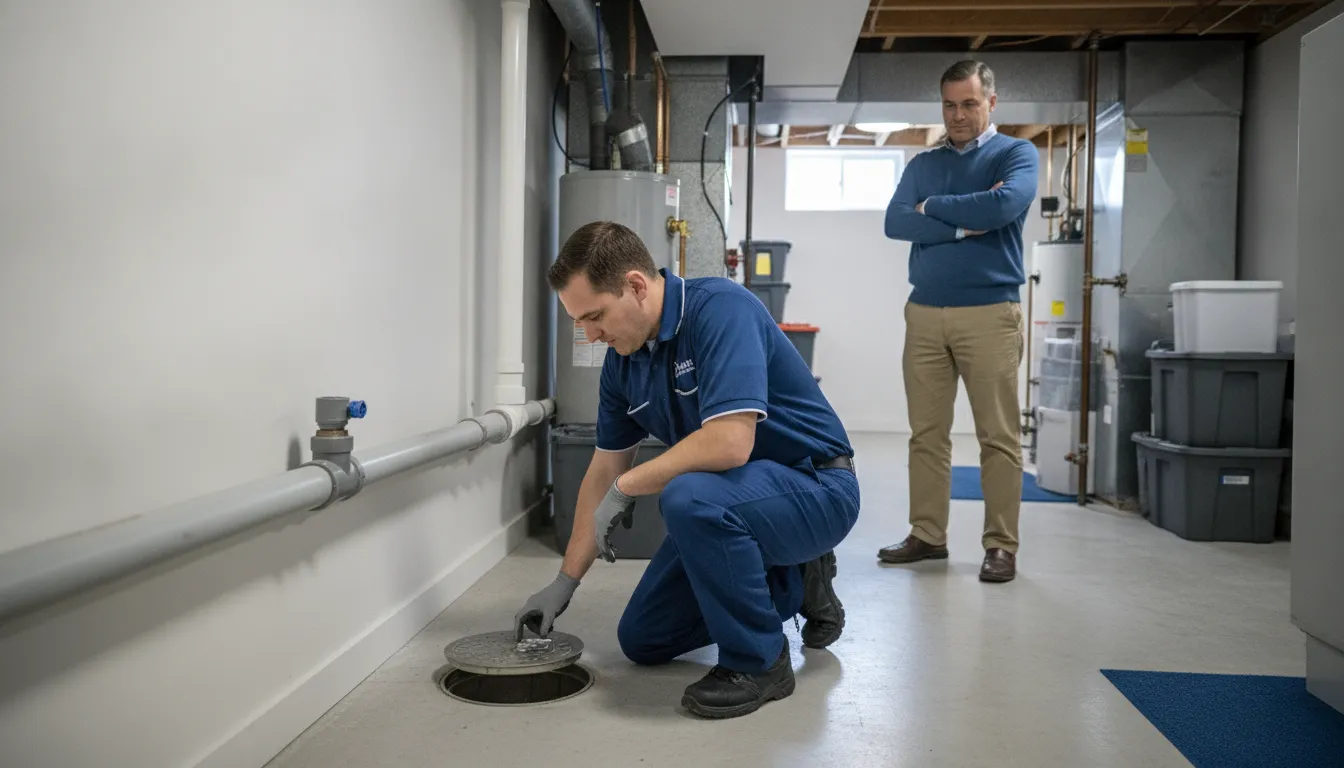
When wastewater begins backing up, pause normal plumbing use and focus first on limiting exposure. Stop using toilets, sinks, showers, washing machines, and other fixtures connected to the affected drain line. Continued use can add more water to a system that is not draining properly and may spread contaminated water into additional areas.
Keep children and pets away from standing water, and avoid skin contact with sewage or water that may contain sewage. Do not walk through the affected area unnecessarily. If contact occurs, wash exposed skin promptly and follow appropriate sanitation guidance. Any electrical concern near standing water should be treated seriously. Do not enter an area where water may have reached electrical outlets, appliances, or wiring.
A sewer backup is not the time to experiment with chemical drain cleaners, improvised flushing methods, or homeowner tools. Chemicals can create additional hazards for people and plumbing professionals, while a surface-level clearing attempt may not address a blockage deeper in the sewer line. The cause could require professional diagnosis, especially when multiple fixtures are affected or the backup returns after a temporary improvement.
Contact a licensed plumbing professional for emergency evaluation. Mr. Pipey provides 24/7 emergency plumbing for active sewage backups, with upfront flat-rate pricing and no overtime charges. A professional can assess the affected fixtures, determine whether the issue is within the building sewer or a connected drain, and recommend the next appropriate service.
For a broader explanation of immediate response considerations, see the related guide on how to handle a sewer backup in your basement. That resource addresses response intent, while this article focuses on the inspections and maintenance decisions that can help Troy homeowners reduce the likelihood of a future backup.
Schedule a professional sewer and drain evaluation for your Troy home.
Frequently Asked Questions
Can Troy homeowners prevent every sewer backup?
No prevention step can guarantee that a backup will never occur, but homeowners can reduce avoidable causes. Keep grease, wipes, paper towels, diapers, dental floss, cotton products, medications, and similar items out of household drains. The City of Troy’s flush guidance identifies these materials as items that should not be flushed. Professional inspection and scheduled maintenance can also identify developing blockage or pipe problems earlier.
How do I know whether the problem is one drain or the main sewer line?
A slow or blocked fixture may have a localized drain issue. When several fixtures slow down at once, gurgle, produce sewer odors, or show backup symptoms, the problem may be farther along in the building drain or sewer line. A professional sewer camera inspection can help locate the obstruction and clarify whether the appropriate next step is cleaning, root treatment, or repair.
What should I do if sewage starts backing up into my Troy home?
Stop using plumbing fixtures connected to the affected line and keep people away from contaminated water. Avoid experimenting with drain chemicals or tools, since those approaches may not address a main-line obstruction and can complicate service. Contact a licensed plumbing professional for an evaluation. For an active sewage backup, Mr. Pipey’s emergency plumbing team is available 24/7.
Are sewer drains and storm drains the same?
No. Sanitary sewers carry wastewater from homes and buildings, while storm drains handle rainwater runoff from streets and other outdoor surfaces. Because they serve different functions, a wet yard or drainage concern needs accurate diagnosis rather than an assumption that the sanitary sewer is responsible.
Ready to schedule a sewer and drain evaluation?
A professional evaluation can help identify recurring warning signs, clarify the condition of your sewer line, and support a practical maintenance plan for your Troy home. For guidance tailored to your property, contact Mr. Pipey to schedule a professional sewer and drain evaluation.