

A sewer backup is bad enough the first time. When it keeps happening, it’s more than just frustrating—it’s a clear warning sign. If you find yourself repeatedly cleaning up a mess from your basement drain, you’re not just unlucky. A recurring sewer backup in your basement points to a deeper issue that a simple drain snake can’t fix. The real culprit is often something more serious, like invasive tree roots, aging or broken pipes, or even trouble with the main sewer line. We’ll help you get to the root of the problem and find a permanent solution.
Key Takeaways
- Recognize the early warning signs: Slow drains throughout your house, gurgling pipes, and foul odors are your plumbing’s way of telling you something is wrong. Acting on these clues immediately by stopping all water use can prevent a minor issue from becoming a major flood.
- Distinguish between a DIY fix and a real emergency: While you might be able to clear a single clogged drain, a backup affecting multiple fixtures or involving raw sewage points to a main sewer line problem. These situations require professional tools and expertise to resolve safely.
- Make prevention a priority: You can avoid future backups by being mindful of what goes down your drains, scheduling regular professional cleanings for your sewer line, and installing a backwater valve to protect your home from municipal sewer overflows.
What a Sewer Backup in Your Basement Really Means
A sewer backup in your basement is exactly what it sounds like, and it’s a problem you need to address immediately. When the main sewer line connecting your home to the municipal system gets clogged, wastewater has nowhere to go but back into your house. The lowest point is usually the basement floor drain, making it the first place you’ll see the messy and unpleasant evidence. This isn’t just a simple clog; it’s a serious situation that can cause significant water damage to your home, ruin personal belongings, and create a hazardous environment. Understanding why this happens is the first step toward fixing it and preventing it from happening again.
What Causes a Basement Drain to Back Up?
Most of the time, a basement drain backs up because the main sewer line is blocked. Think of it as a major traffic jam in your home’s plumbing highway. Common culprits include everyday items like flushed wet wipes (even the “flushable” kind), excessive toilet paper, hair, and grease buildup from your kitchen sink. Over time, these materials can create a stubborn blockage. Another major cause, especially in areas with older homes, is tree roots. Roots are naturally drawn to the moisture in sewer lines and can break through pipes, causing a complete obstruction. When this happens, you often need emergency plumbing services to clear it quickly.
How Your Home’s Plumbing System Works
To understand a backup, it helps to know how your basement drain is supposed to work. Its main job is to collect and direct any water from leaks or minor flooding away from your foundation and into the sewer system. Every drain, including the one in your basement, has a U-shaped pipe called a “trap.” This trap is designed to hold a small amount of water at all times, which acts as a barrier to prevent sewer gases from creeping into your home. When the main line is clogged, however, that trap becomes an entry point for sewage to flow back into your basement, which is why maintaining all your home’s plumbing systems is so important.
Who Is Responsible for a Sewer Backup?
When your basement drain backs up, one of the first and most stressful questions is, “Who is responsible for this mess?” Figuring out whether the problem is yours or the city’s is key to getting it fixed quickly and correctly. The answer almost always comes down to where the blockage is located in the sewer system. Knowing this distinction not only tells you who to call but also who has to cover the cost of the repair, which can be a significant financial relief during a very stressful time. Let’s break down how to determine where the responsibility lies.
Your Responsibility vs. The City’s
As a general rule, property owners are responsible for the plumbing within their home and the sewer line that runs from their house to the city’s main connection. This means if a clog is caused by tree roots in your yard or items flushed down your toilet, the cleanup and repair costs fall on you. It’s also important to check your homeowner’s insurance policy, as most standard plans don’t cover sewer backups without a specific add-on or endorsement. Understanding this distinction can save you a lot of time and money when you’re deciding who to call for help with your plumbing.
Understanding the Sewer Lateral Line
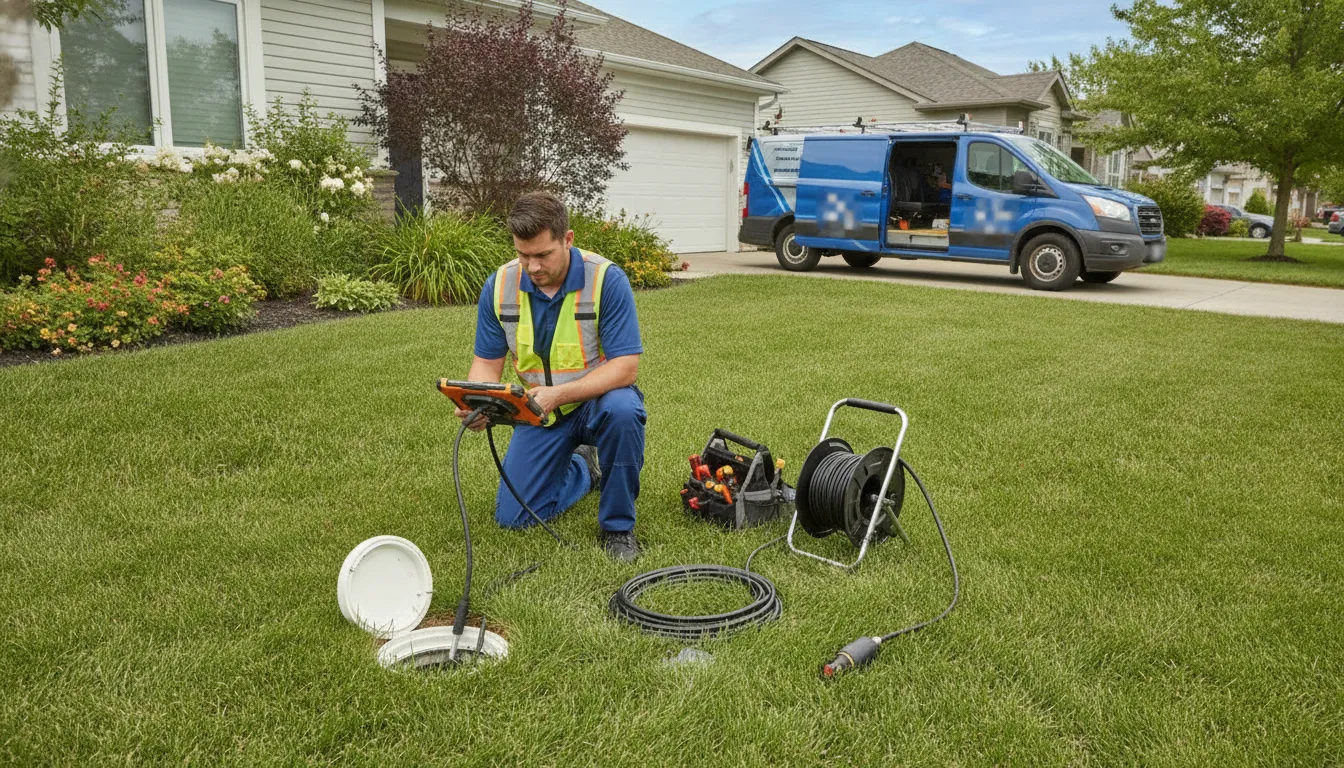
The pipe that connects your home’s plumbing to the public sewer main is called the sewer lateral line. It runs underneath your property, and you are responsible for maintaining it. Any issues within this lateral line, from simple clogs to cracks caused by shifting soil or invasive tree roots, are your responsibility to fix. A professional plumber can perform a camera inspection to diagnose problems within your lateral line without having to dig up your entire yard. This helps pinpoint the exact location of the blockage and determine the best course of action for a permanent repair.
When to Contact Your City’s Sewer Department
Before you call for emergency plumbing services, it’s worth doing a little investigating to see if the problem is bigger than just your home. If you notice your neighbors are also experiencing slow drains or backups, the issue is likely in the municipal sewer main. A widespread problem points to a city responsibility. In this situation, your first call should be to your local sewer or public works department. They can confirm if there’s a known issue in the area and dispatch their crews to handle it, saving you the expense of a service call for a problem that originates off your property.
Warning Signs of a Sewer Backup You Can’t Ignore
A sewer backup in your basement is one of those homeowner nightmares you hope to avoid. The good news is that they rarely happen out of the blue. Your home’s plumbing system usually sends out distress signals long before a major flood occurs, and the key is knowing what to look for. Most backups happen because of a clog or damage somewhere in your main sewer line, the pipe that carries all your home’s wastewater out to the municipal sewer. When that line gets blocked, the waste has nowhere to go but back into your house. Since the basement floor drain is the lowest point, it’s often the first place you’ll see a problem. Paying attention to the early clues can save you from a messy, expensive, and unhealthy situation. Learning to recognize these signs helps you take action before a small issue turns into a full-blown crisis.
Early Warning Signs to Watch For
The earliest signs of a sewer line problem are often subtle and can seem like minor annoyances. You might notice that your drains are running slower than usual all over the house. If flushing a toilet causes water to bubble up in your shower drain, that’s a classic red flag. Listen for gurgling sounds coming from your pipes or drains, especially after running water or flushing. Unpleasant, sewage-like odors wafting up from your drains are another tell-tale sign that waste isn’t flowing away properly. These problems often start small, maybe with a slight backup in your basement floor drain, but they can escalate quickly. If you spot any of these clues, it’s time to investigate before you’re faced with a much bigger mess.
Look for Clues Outside Your Home
Sometimes, the most telling signs of a sewer line issue are waiting right outside your door. Take a walk around your yard and inspect the lawn where your main sewer line is buried. An unusually green patch of grass could be getting extra fertilizer from a leaking pipe, while soggy spots or indentations in the ground can indicate a break. Another major culprit, especially in Metro Detroit neighborhoods with mature trees, is invasive tree roots. Drawn to moisture, roots can break through older pipes and create stubborn blockages that cause recurring backups. Clearing a root-filled pipe isn’t a DIY job; it requires specialized equipment to resolve the issue properly. If you spot these clues, it’s best to call for professional emergency plumbing services to diagnose and fix the problem permanently.
How to Know It’s a Plumbing Emergency
A minor drainage issue becomes an emergency when you see visible signs of a backup. If you find standing water or, worse, raw sewage coming out of your basement floor drain, you have a serious problem. Another clear sign of an emergency is when multiple plumbing fixtures back up at once. For example, if your toilet overflows and water also appears in the bathtub, the blockage is likely in your main sewer line. This isn’t just a mess; it’s a health hazard. The contaminated water can carry bacteria and viruses, and it can cause significant structural damage to your home in just a few hours. When this happens, you need to act fast and call for emergency plumbing help right away.
Sewage in Your Basement? Here’s What to Do First
Seeing sewage back up into your basement is alarming, but a clear head and quick action can make a huge difference. Your immediate priorities are keeping your family safe and preventing further damage. Let’s walk through the essential first steps to take as soon as you spot a problem.
Essential Safety Steps to Take Immediately
First things first: safety. Sewage contains harmful bacteria and contaminants that pose a serious health risk. Your top priority is to keep everyone, including pets, far away from the affected area. Block off the basement entrance to prevent anyone from accidentally wandering in. If you absolutely must enter the space, protect yourself properly. Wear waterproof rubber boots, gloves, and even safety glasses to avoid direct contact with the contaminated water. Don’t underestimate the hazards; treating this situation with caution is the most important thing you can do to protect your family’s health while you figure out the next steps.
Turn Off the Power to Prevent Electrocution
Water and electricity are a dangerous combination, so your next move is to cut the power to the basement. If you can safely access your home’s main breaker box, shut off the circuit that powers the flooded area. However, if the breaker box is in the basement and you would have to walk through water to get to it, do not attempt it. The risk of electrocution is far too high. In this scenario, stay out of the basement entirely and avoid touching any electrical appliances or cords. This is a clear sign you’re dealing with a serious situation that requires immediate professional help. Calling for emergency plumbing services is the safest and most effective next step.
Wear Protective Gear
If you must enter the basement for any reason, such as to open a window, you need to protect yourself from the contaminants in the water. Raw sewage contains bacteria, viruses, and other pathogens that can make you very sick. Before stepping into the affected area, put on the right protective gear. This includes waterproof boots, heavy-duty gloves, safety glasses or goggles to protect your eyes from splashes, and a facemask to avoid inhaling harmful airborne particles. Don’t treat this like regular water; exposure to the hazards in sewage is a serious health risk that you can easily avoid with the right precautions.
Ventilate the Area
Once you’ve addressed the immediate electrical and personal safety risks, it’s time to think about air quality. Sewer backups release unpleasant and potentially harmful gases into your home. To help clear the air, ventilate the basement as much as possible. If you can safely do so from outside or from the top of the stairs, open any basement windows and doors that lead outside. This will allow fresh air to circulate, helping to dissipate the foul odors and reduce the concentration of any harmful gases. It’s a simple step that can make the environment a little safer while you wait for professional help to arrive.
Minimizing the Mess: How to Contain the Damage
With everyone safe, your next goal is to stop more water from entering your plumbing system. Immediately stop using all water in your house. This means no flushing toilets, running sinks, taking showers, or using the dishwasher or washing machine. Every drop of water you use will only add to the backup in your basement. If you know where your home’s main water shut-off valve is and can access it safely, turning it off is a good idea. Taking these steps can help prevent the flooding from getting worse while you wait for professional help. This is a true plumbing crisis, so you’ll want to call for emergency plumbing support right away.
What to Keep and What to Throw Away
After you’ve contained the immediate mess, you’ll face the difficult task of sorting through damaged belongings. The rule of thumb is simple: if an item is porous and soaked in sewage, it has to go. Porous materials like carpet, drywall, upholstered furniture, and mattresses act like sponges, absorbing contaminated water deep within their fibers. It’s nearly impossible to clean and disinfect them completely, and trying to save them creates a serious risk of mold growth and lingering bacteria. While it’s hard to part with personal items, your family’s health is the top priority. Anything that can’t be thoroughly sanitized poses a long-term hazard and isn’t worth the risk.
Non-porous, hard-surface items like metal, glass, and hard plastics can often be salvaged. These items can be cleaned and disinfected with a solution of bleach and water. However, you should discard any contaminated food, medicine, or cosmetics. When it comes to cleanup, the safest route is always to call a professional water damage restoration company. They have the proper equipment and training to handle hazardous materials safely. Before any cleanup begins, the source of the problem must be fixed, which is why your first call should be for emergency plumbing services to stop the backup and assess the cause.
Knowing When to Call for Emergency Help
Now that you’ve secured the area and stopped the water flow, it’s time to call in the experts. A backup in a single drain might be a simple clog, but if you’re seeing water in the basement floor drain, the problem is likely in your main sewer line. Are other drains in your house, like toilets or tubs on the lowest level, also slow or gurgling? That’s another major sign of a main line blockage. This isn’t a DIY situation. A professional plumber has the right tools and expertise to diagnose the issue safely and correctly. Don’t wait for the problem to get worse; contact a trusted plumber immediately to get your home back to normal.
Can You Fix a Minor Backup Yourself?
When you see water pooling around your basement drain, your first instinct might be to grab some tools and tackle it yourself. And for a simple, isolated clog, a little DIY effort can sometimes save the day. It’s empowering to solve a home issue on your own, and we’re all for it when the situation is right. The key is knowing what a “simple” clog looks like and, more importantly, recognizing when the problem is bigger than it seems. A single slow drain might just be a local issue you can handle, but if you’re seeing backups in multiple places, you could be looking at a main sewer line problem that requires a professional touch.
Before you roll up your sleeves, take a moment to assess the situation. Is it just one drain acting up, or are other fixtures in your home also draining slowly or making strange noises? Is the backup just a bit of clear water, or is it something more serious? Answering these questions will help you decide whether to try a few simple tricks or to pick up the phone and call for professional help. Let’s walk through a few things you can try and when it’s best to leave it to the experts who can get the job done right.
Your DIY Toolkit for Minor Backups
If you’re dealing with a single, slow-moving basement drain, a couple of basic tools might be all you need. First, try a good old-fashioned plunger. For a floor drain, you’ll want to make sure you get a good seal around the opening to create effective suction. A few firm plunges can often dislodge whatever is causing the minor blockage. If the plunger doesn’t work, your next step could be a drain snake or a flexible auger. You can often rent or buy these at a local hardware store. Carefully feed the tool into the drain until you feel resistance, then work it back and forth to break up or pull out the clog. This can be effective for blockages that are close to the drain opening, like hair or small debris.
Safe, DIY Drain Cleaning Solutions
It can be tempting to reach for a bottle of harsh chemical drain cleaner, but these can be tough on your pipes and the environment. For a gentler approach, you can try a homemade solution. Start by pouring about a cup of baking soda directly into the drain, followed by a cup of white vinegar. The mixture will fizz and bubble, which helps break down grease and grime. Let it sit for about 30 minutes to an hour, then carefully flush the drain with a pot of very hot (but not boiling) water. This method is great for clearing minor clogs caused by soap scum or buildup, but it may not be powerful enough for more significant blockages. It’s a safe first step that won’t cause any harm to your plumbing system.
How to Safely Disinfect the Area
After the standing water is gone, you’re left with the critical task of cleaning up. This isn’t like tidying up a simple spill; sewage is contaminated with bacteria and viruses that can pose serious health risks. Before you touch anything, you must protect yourself with the right gear, including waterproof boots, heavy-duty gloves, and safety glasses. Honestly, handling this kind of cleanup yourself is a significant risk. It’s always safest to call in professionals who have the proper equipment and training to handle hazardous materials and ensure your home is thoroughly sanitized and safe for your family.
If you are tackling a very small, contained area, the disinfection process is key. For hard, non-porous surfaces, a solution of one cup of bleach mixed with one gallon of water is an effective cleaner. Use this to scrub down any hard surfaces that came into contact with the contaminated water. While you work, make sure the area is well-ventilated by opening windows and using fans to circulate fresh air. This will help the space dry faster and clear out any lingering odors. Keep in mind that any porous items like carpets, rugs, or furniture that were saturated by sewage should be discarded, as they are nearly impossible to decontaminate completely.
Don’t Make It Worse: When to Call a Pro
This is the most critical part: recognizing when a backup is a sign of a much larger problem. If your DIY efforts aren’t working, or if you notice any of these red flags, it’s time to stop and call a professional. If multiple drains in your house are backing up simultaneously, the issue is almost certainly in your main sewer line, not a single drain. Other warning signs include hearing gurgling sounds from your toilets or seeing water back up in the shower when you flush. If you suspect a main line clog, you can look for your sewer cleanout pipe. If you open it and see standing water or sewage, that’s a definite sign you need expert help. These situations require specialized equipment and knowledge to fix correctly and safely, so don’t hesitate to call for emergency plumbing services.
Why Does My Basement Drain Keep Backing Up?
Dealing with a basement drain that keeps backing up is incredibly frustrating. You clean up the mess, think the problem is solved, and then a few weeks or months later, it happens all over again. This recurring cycle is a clear sign that there’s a deeper issue at play than just a simple, one-time clog. To truly fix the problem and keep your basement dry for good, you have to identify the root cause.
Often, the source of the backup is hidden out of sight, located deep within your home’s plumbing or even in the main sewer line connecting to the city system. Ignoring a persistent backup isn’t just an inconvenience; it can lead to costly water damage, mold growth, and exposure to unsanitary conditions. Understanding what causes these issues is the first step toward finding a lasting solution. Below, we’ll explore the three most common reasons for recurring basement drain backups: hidden problems with your pipes, overwhelming weather events, and certain household habits that create blockages over time. Once you know what you’re up against, you can take the right steps to protect your home.
Common Culprits: Tree Roots and Old Pipes
If you live in an older home, your plumbing might be fighting a battle underground. Tree roots are naturally drawn to the water and nutrients inside your sewer lines. Over time, they can work their way into tiny cracks in older pipes, especially those made of clay or cast iron. As the roots grow, they create a web that catches debris and eventually forms a stubborn blockage. This forces wastewater to reverse course and come up through your basement drain. When this happens, you’re often looking at a serious clog that requires professional help to clear without damaging your pipes further. It’s one of the most common reasons we get calls for emergency plumbing assistance.
Issues With Older Pipe Materials
The pipes in many older homes, often made from materials like clay or cast iron, come with their own set of challenges. Over decades, these materials can degrade. Cast iron pipes, for instance, can rust from the inside, creating a rough, uneven surface that easily snags toilet paper and waste, leading to stubborn clogs. Clay pipes are prone to becoming brittle and cracking under the pressure of shifting soil, which creates the perfect entry point for invasive tree roots seeking water. Once roots get inside, they create a network that acts like a net, catching everything that flows down the drain and causing those frustrating, recurring backups. Because these problems are hidden underground, figuring out the exact condition of your pipes often requires professional emergency plumbing services to prevent further damage.
How Heavy Rain Can Cause a Sewer Backup
Sometimes, the problem isn’t inside your home at all, but with the weather. Metro Detroit is no stranger to heavy downpours, and these storms can overwhelm the city’s sewer system. When the municipal lines are flooded with excess rainwater, they can’t handle the volume. This pressure forces water and sewage back up through the pipes connected to your home, with your basement floor drain being the lowest and most common exit point. A backup like this can introduce contaminated water into your home, creating health risks and the potential for serious water damage. A properly functioning sump pump is your first line of defense against this kind of flooding, so regular sump pump services are essential.
Are Your Daily Habits Clogging Your Drains?
What goes down your drains has a huge impact on your plumbing’s health. Everyday habits can slowly lead to a major backup in your main sewer line. Pouring cooking grease down the kitchen sink is a big one; it cools and solidifies, creating a sticky trap for other debris. Flushing anything other than toilet paper and human waste can also cause trouble. Things like paper towels, cotton swabs, and even so-called “flushable” wipes don’t break down properly. Over time, these items build up and create a dense clog that stops water from flowing out, forcing it back into your basement. Being mindful of what you flush can prevent many future toilet repair calls.
Is Your Septic System the Problem?
If your home isn’t connected to the city sewer, your septic system could be the source of your recurring backups. A septic tank needs to be pumped every few years to remove the solid waste that settles at the bottom. If the tank gets too full, there’s simply no room for the wastewater from your home to enter, forcing it to back up into your pipes and, eventually, your basement. Another common issue is a failing drain field—the underground area where liquid waste is supposed to be absorbed into the soil. If the drain field becomes clogged or saturated, the entire system can come to a halt. Proper septic system maintenance is not just a suggestion; it’s essential for preventing messy and expensive backups.
How to Prevent Future Basement Drain Backups
No one wants to deal with a sewer backup twice. The good news is that you can take proactive steps to significantly lower the chances of it happening again. A little prevention goes a long way in keeping your drains clear and your basement dry. By adopting a few smart habits and making key upgrades, you can protect your home from future plumbing headaches. It’s all about being mindful of what goes down your drains and staying on top of routine maintenance.
Simple Habits for Clog-Free Drains
Keeping your plumbing in good shape is your first line of defense. Regularly clean the trap in your basement floor drain to stop hair and debris from building up. It’s also wise to visually inspect the drain for cracks or leaks. Catching these small issues early prevents bigger problems. For deeper prevention, have your main sewer line professionally inspected and cleaned annually, especially in older homes. A pro can spot issues like tree roots before they cause a backup. Our team offers a range of expert plumbing solutions to keep your system running smoothly.
The “Do Not Drain” List for Your Home
Remember that your drains aren’t trash cans. A simple rule is to only flush human waste and toilet paper. Items like paper towels, wet wipes (even “flushable” ones), and feminine hygiene products don’t break down and cause serious blockages. In the kitchen, never pour grease, fats, or oils down the drain, as they solidify into sticky clogs. Coffee grounds are another problem item. Scrape these into the trash to make a huge difference and help you avoid a call for toilet repair.
Is a Backwater Valve Right for Your Home?
Sometimes, backups are caused by issues outside your home, like heavy rain overwhelming the city sewer. To protect your property, install a backwater valve. This device acts like a one-way gate, allowing wastewater to flow out but automatically closing to prevent sewage from flowing back in. A backwater valve is a powerful safeguard, especially if your home is in a low-lying area. It’s a one-time installation that provides peace of mind and is far less costly than repairing water damage. Our experts can help with backflow preventer repair and testing to ensure your home is secure.
Buying an Older Home? Get a Sewer Scope Inspection
Older homes have so much character, but their charm can sometimes hide serious plumbing problems. If you’re considering buying a home with mature trees and decades-old pipes, a sewer scope inspection is one of the smartest investments you can make. Underground, tree roots are naturally drawn to the moisture in your sewer lines and can easily invade older pipes made of clay or cast iron. This can lead to stubborn blockages and recurring backups that a standard home inspection might miss.
A sewer scope inspection sends a camera down the main sewer line, giving you a clear view of its condition. It can uncover hidden issues like root intrusion, cracks, or collapsed sections before you sign on the dotted line. Discovering these problems early allows you to negotiate repairs or walk away from a potential money pit. Ignoring them can lead to emergency plumbing situations, costly water damage, and unhealthy living conditions down the road.
Think of it as an essential part of your due diligence. For a relatively small cost, you get the peace of mind that comes from knowing your new home’s plumbing is in good shape. It’s a simple step that can save you from thousands of dollars in unexpected repairs and a whole lot of future stress.
When Is It Time to Call a Professional Plumber?
While a simple clogged sink might be a manageable DIY project, a sewer backup is in a completely different league. Trying to fix a main line blockage without the right tools or expertise can make the problem worse and expose your family to harmful contaminants. Knowing the difference between a minor clog and a major problem is the key to protecting your home. If you’re on the fence, it’s always safer to call for professional help. A licensed plumber can diagnose the issue correctly and resolve it safely, giving you peace of mind.
Signs You Definitely Need a Plumber
Some plumbing issues are clear signals that you need to pick up the phone right away. If you notice several drains in your house are slow or clogged at the same time, the problem is likely deep in your main sewer line. Another major red flag is water backing up in unusual places, like the shower drain gurgling when you flush the toilet. Of course, the most urgent sign is seeing or smelling raw sewage coming from any drain. This is more than just a mess; it’s a health hazard that can cause serious water damage to your home’s structure. This situation requires immediate emergency plumbing services to prevent further damage and contamination.
What to Expect When the Plumber Arrives
When you call a professional plumber, they’ll do more than just clear the immediate blockage. First, they will perform a thorough diagnosis to find the root cause of the backup. This might involve a video camera inspection to see exactly what’s happening inside your pipes, whether it’s a stubborn clog, invasive tree roots, or a damaged pipe. Once they identify the problem, they’ll use specialized tools like a powerful drain auger or a hydro jet to clear the line completely. A professional will explain the issue, outline your options, and provide a clear solution to get your plumbing system running smoothly again.
Understanding Your Repair Options
After a plumber has used tools like a camera scope to pinpoint the cause of your recurring backup, they’ll lay out your repair options. This is where you move from diagnosing the problem to actively solving it. The solutions can range from a temporary fix that gets your drains flowing again to a permanent repair that addresses the underlying issue for good. Understanding the difference is crucial for making an informed decision that fits your budget and protects your home long-term. A trustworthy plumber will walk you through the pros and cons of each approach, ensuring you know exactly what you’re investing in.
Sewer Liners as an Alternative to Digging
If the problem is a cracked or root-infested pipe, you might picture your entire front yard being dug up, but that’s not always necessary. Modern plumbing offers less invasive solutions, and one of the best is a sewer liner. This trenchless repair method involves inserting a flexible, resin-coated tube into the damaged pipe. Once in place, it’s inflated and cured, essentially creating a brand-new, seamless pipe inside the old one. This technique is especially effective for fixing issues caused by tree roots without disturbing your landscaping or driveway. It’s a durable, long-lasting solution that restores your sewer line’s integrity from the inside out.
Temporary vs. Permanent Fixes
It’s important to distinguish between a quick fix and a real solution. Services like snaking or hydro jetting are excellent for clearing out a clog caused by buildup or tree roots, and they can get your water flowing again quickly. However, they are often temporary fixes. If the pipe itself is cracked, those roots will just grow back. A permanent fix addresses the source of the problem, such as replacing a broken section of pipe or installing a sewer liner to seal off cracks. While a temporary fix is less expensive upfront, investing in a permanent solution can save you from repeated service calls and the stress of another backup. When you’re facing a serious clog, you need professional help to find the right long-term plumbing solution.
Ask About Repair Warranties
Any significant plumbing repair is an investment in your home, and that investment should be protected. Before you agree to any major work, always ask about the warranty. A reputable company will stand behind their workmanship with a solid guarantee. This shows they are confident in the quality of their materials and the skill of their technicians. Find out exactly what the warranty covers and for how long, as some companies offer warranties that last for decades on major sewer line work. At Mr. Pipey, we are committed to providing reliable, long-lasting repairs, which is why we back our work with a 100% customer satisfaction guarantee, giving you peace of mind that the job is done right.
Why You Should Never Ignore a Sewer Backup
A sewer backup in your basement might seem like a problem you can put off, especially if it’s just a small puddle. But ignoring it is one of the biggest mistakes a homeowner can make. This isn’t just about a bad smell or a messy cleanup; it’s a serious issue that can have lasting consequences for your property and, more importantly, your family’s well-being. The longer you wait, the more severe the damage becomes, turning a manageable issue into a costly and hazardous crisis. Let’s break down exactly what’s at stake when you delay taking action.
How a Backup Can Damage Your Home and Budget
When sewage backs up, contaminated water can quickly flood your basement. This water soaks into everything it touches: drywall, flooring, wooden support beams, and personal belongings. The resulting water damage can compromise your home’s structural integrity, leading to warped floors and weakened foundations. What starts as a blocked pipe can escalate into a major renovation project that disrupts your life for weeks or even months. The financial fallout extends far beyond the initial plumbing fix. You’ll be looking at costs for water extraction, sanitization, and replacing damaged materials. A small clog from tree roots can grow until it completely blocks your main sewer line, causing a system-wide backup. Addressing the problem immediately with emergency plumbing services is the best way to protect your property and your wallet from spiraling costs.
The Health Risks Hiding in Your Basement
Beyond the structural damage, a sewer backup poses a significant threat to your family’s health. The water that comes up from your drains is not just dirty; it’s considered “black water,” which is highly contaminated with bacteria, viruses, and other pathogens. Exposure to these contaminants can lead to gastrointestinal illnesses and other serious health issues. The damp environment created by the flood is also a perfect breeding ground for mold and mildew, which can grow within 24 to 48 hours. Mold releases spores into the air that can trigger allergic reactions and respiratory problems, especially in children and individuals with asthma. Protecting your family’s health is the most important reason to address a sewer backup immediately and professionally.
The Cost of Cleanup and Repairs
The financial side of a sewer backup is often a major source of stress. Professional cleanup is not cheap, but it’s a necessary investment to restore your home safely. Costs for professional sewage cleanup can range anywhere from $2,000 to $15,000, and sometimes more in severe cases. This price typically includes water extraction, removing contaminated materials like carpet and drywall, and thoroughly sanitizing the entire area to eliminate health risks. The final cost depends on how much water there is and how long it has been sitting. While the price tag can seem high, handling it correctly from the start with professional plumbing and restoration services prevents much costlier long-term problems like structural rot and persistent mold issues.
Will Your Homeowner’s Insurance Cover It?
This is the million-dollar question for many homeowners. The answer is: it depends on your policy. Most standard homeowner’s insurance plans will cover sudden and accidental water damage from a backup that originates within your home’s plumbing. However, coverage can get tricky. For instance, backups caused by issues outside your home’s foundation, like a flood or a municipal sewer overflow, are often not covered unless you have a specific add-on or rider for that purpose. It’s crucial to review your policy carefully or call your insurance agent to understand exactly what is and isn’t covered. Knowing this ahead of time can save you from a major financial shock when you need to file a claim.
Documenting Damage for Your Insurance Claim
If you plan to file an insurance claim, your best tool is thorough documentation. Before any cleanup begins, take extensive photos and videos of the entire affected area. Capture the standing water, damaged belongings, and any visible signs of water damage on walls and floors. Once the professionals arrive, keep detailed records of everything. This includes all invoices and bills from your plumber and the cleanup company. A reputable restoration service will provide daily drying logs and moisture readings, which are critical pieces of evidence for your claim. The more proof you have, the smoother the claims process will be, helping you get the full reimbursement you’re entitled to.
Protecting Your Family’s Health
The most critical reason to act fast is to protect your family. The water backing up from a sewer line isn’t just dirty; it’s raw sewage filled with harmful bacteria, viruses, and parasites. Exposure to these contaminants can cause serious health issues, including gastrointestinal illnesses and skin infections. The risk is especially high for children, the elderly, and anyone with a compromised immune system. Simply mopping up the mess isn’t enough. Lingering moisture creates the perfect environment for mold and mildew to grow, which can trigger allergies and respiratory problems long after the water is gone. Because of these health hazards, it’s essential to call a professional who can safely handle the situation and ensure your home is properly cleaned and sanitized. Your family’s health is too important to risk.
The Dangers of “Black Water”
Professionals have a term for the water from a sewer backup: “black water.” This isn’t just a dramatic name; it signifies the highest level of contamination. Unlike gray water from a sink or clean water from a supply line, black water is raw sewage. It’s a toxic mix filled with harmful bacteria, viruses, and parasites that can cause serious illness. Your first and most important rule should be to keep everyone—family members and pets included—far away from the contaminated area. Trying to clean this up yourself without proper protective gear and training is a significant health risk. This is why a sewer backup is always a job for professionals who understand how to handle hazardous materials safely.
Specific Health Hazards from Sewage
The health risks from black water are both immediate and long-lasting. Direct contact with the contaminated water can lead to skin infections or serious gastrointestinal illnesses like E. coli. Even breathing the air in the affected area can be dangerous, as airborne pathogens can cause diseases like hepatitis. The danger doesn’t disappear once the water is gone, either. Any moisture left behind in your walls, floors, or belongings creates the perfect breeding ground for mold and mildew. This secondary effect can trigger chronic allergies and respiratory issues for your family long after the initial cleanup. Protecting your family’s health is the number one reason to address a sewer backup with urgency.
Related Articles
- Basement Drain Backup: Your Step-by-Step Guide
- Drain Backup in Basement? A Step-by-Step Guide
Frequently Asked Questions
How can I tell if the backup is my responsibility or the city’s? A good rule of thumb is to see if your neighbors are having similar issues. If the problem is isolated to your home, the blockage is most likely in the sewer line that runs from your house to the street, which is your responsibility to fix. If multiple homes on your block are experiencing backups at the same time, it probably points to a problem in the municipal sewer main, and you should contact your local water department.
My basement drain only backs up when it rains heavily. What does that mean? This usually happens when heavy rainfall overwhelms the city’s main sewer system. When the municipal pipes can’t handle the sudden volume of stormwater, the excess water and sewage get forced back into residential sewer lines. Since your basement drain is the lowest point in your home’s plumbing, it becomes the path of least resistance for the backup.
Are chemical drain cleaners a good idea for a basement backup? It’s best to avoid using chemical drain cleaners for a sewer backup. These products are designed for minor clogs in individual drains, like a sink or shower, not for a major blockage in your main sewer line. They are often ineffective against serious clogs like tree roots and can even damage your pipes, potentially making the situation worse.
What’s the difference between a sewer backup and a sump pump failure? While both result in a wet basement, they have different causes. A sewer backup happens when wastewater from your toilets, sinks, and showers flows back into your home. A sump pump failure, on the other hand, involves groundwater from around your foundation flooding your basement because the pump isn’t removing it properly.
If tree roots are clogging my pipes, does that mean I have to remove the tree? Not necessarily. Removing a mature tree is usually a last resort. A professional plumber has specialized tools, like a mechanical auger or a hydro jet, that can cut through the roots and clear the pipe without harming the tree. They can also perform a camera inspection to assess the pipe’s condition and recommend long-term solutions to prevent the roots from growing back.