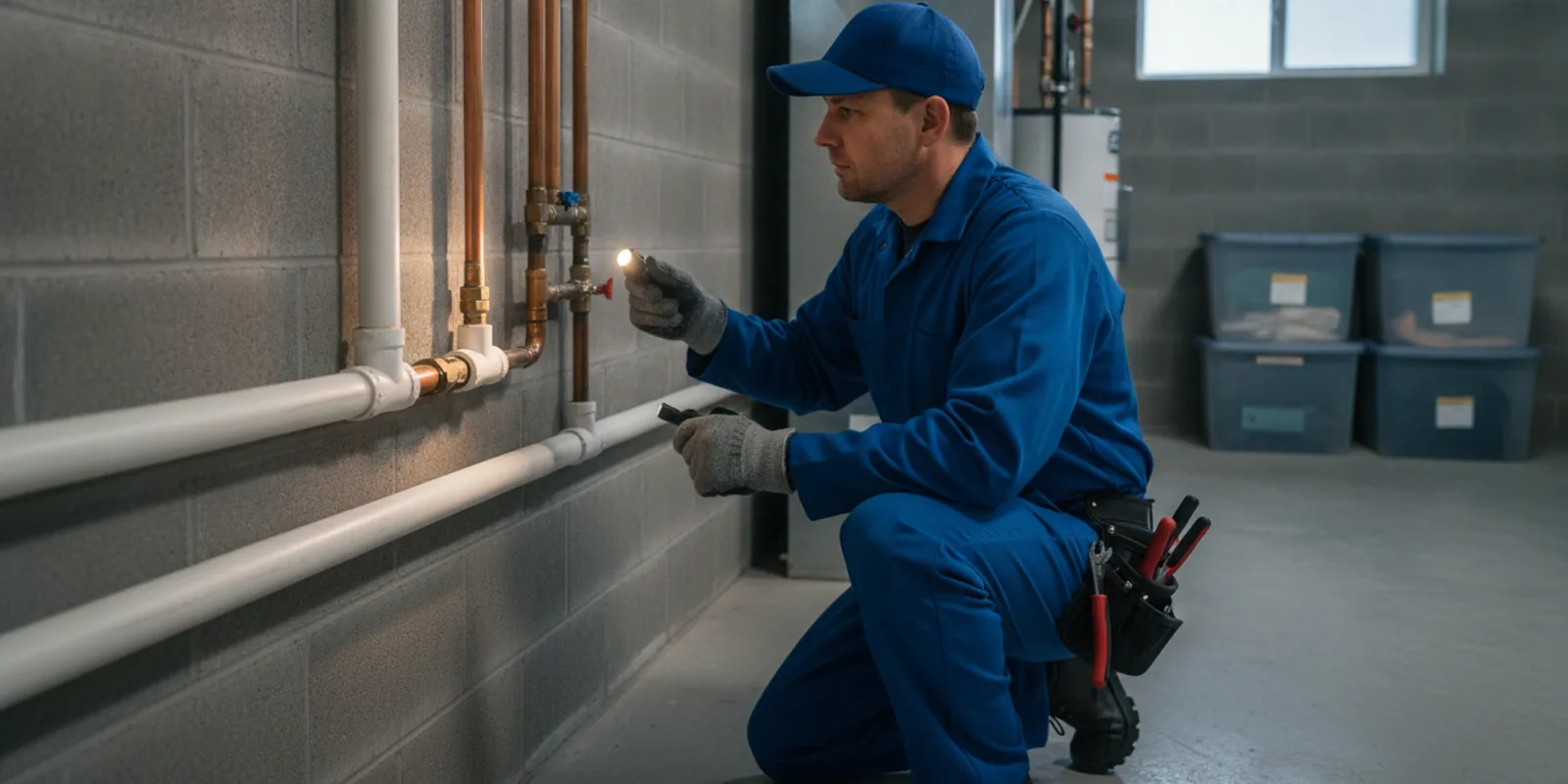
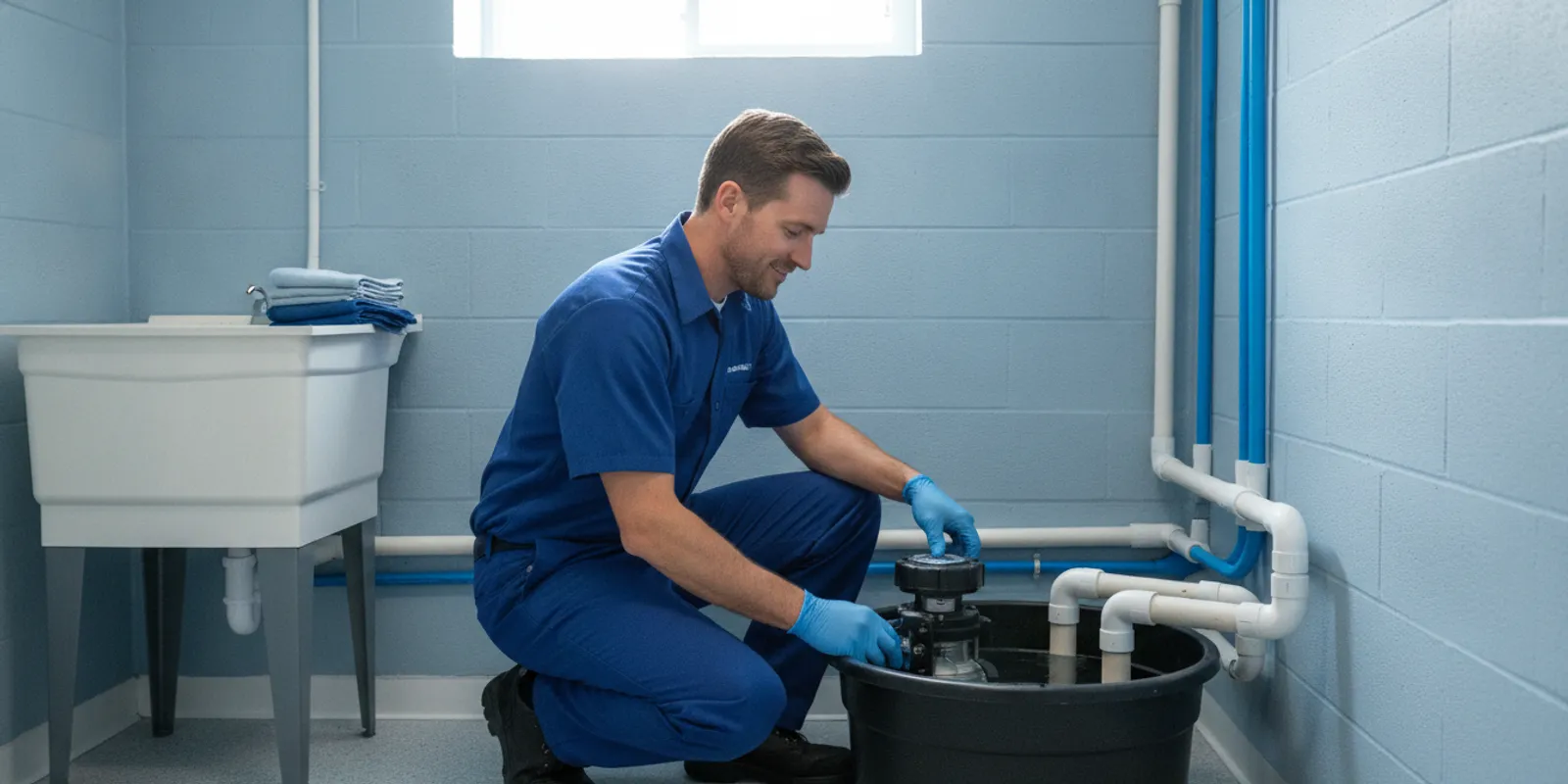
When a Dearborn home has several slow drains, a sewage odor, or water where it should not be, notice the pattern early. One symptom may be local, but several drainage changes can involve the private sewer lateral or a broader system condition.
Contact Mr. Pipey for a professional sewer-backup prevention assessment in Dearborn.
Learning how to prevent sewer backups in Dearborn starts with professional diagnosis, responsible drain use, and a prevention plan suited to the property. Blockages, roots, line defects, and stormwater or groundwater entering through damaged joints are among the conditions that can contribute to overflows, according to the U.S. Environmental Protection Agency.
The right next step is not to assume every home has the same sewer connection or needs the same service. Understanding the local context and the common pathways to a backup makes it easier to choose an appropriate inspection, cleaning, or repair plan.
What causes sewer backups in Dearborn homes?
For a Dearborn homeowner, a backup can begin with a problem inside the property, in the private sewer lateral, or farther downstream in the public system. The same symptom does not identify the location by itself, so an accurate diagnosis matters before anyone recommends cleaning, repair, or replacement.
Blockages are one of the causes identified by the U.S. Environmental Protection Agency. Fats, oils, and grease can accumulate inside sewer piping, while some products labeled flushable, including certain wipes and personal-care items, may also contribute to a blockage. These materials can restrict flow gradually or create a more sudden obstruction. Tree roots are another possibility when they enter through cracks, defects, or openings in a sewer line. See the EPA’s overview of sanitary sewer overflows for the broader causes and system context.
Line defects can change the problem from a simple obstruction to a condition requiring further investigation. Breaks, faulty connections, or other defects may interrupt wastewater flow. Roots can exploit those openings, but their presence does not prove that roots are the original cause. A sewer camera inspection can help locate a blockage and show whether the line has a structural concern.
Inflow and infiltration describe water entering a sanitary sewer from outside sources. The EPA notes that stormwater, groundwater, and snowmelt may enter through cracks, faults, or leaky joints. Connections involving sump pumps, roof leaders, foundation drains, or area drains can also overload a sanitary sewer. That does not mean every Dearborn property has these connections, or that every rain-related backup has the same explanation. Patterns during heavy rain or snowmelt are useful information for a professional assessment.
Finally, the affected pipe may be the home’s private lateral or part of the public sewer system. Responsibility and next steps can differ, and a homeowner should not assume either one without confirmation. Mr. Pipey provides sewer drain inspection and cleaning for Dearborn and Metro Detroit properties, helping separate a property-side condition from a wider system concern.
How to prevent sewer backups in Dearborn with a professional plan
For a Dearborn homeowner, learning how to prevent sewer backups in Dearborn starts with identifying the condition that needs attention. A recurring slow drain may involve a localized fixture, while several slow fixtures, sewage odors, or a wet spot in the yard can justify a broader sewer-line evaluation. Symptoms do not prove a single cause, so a professional plan should match the diagnosis rather than rely on a routine chosen in advance.
| Option | Purpose | Limit |
|---|---|---|
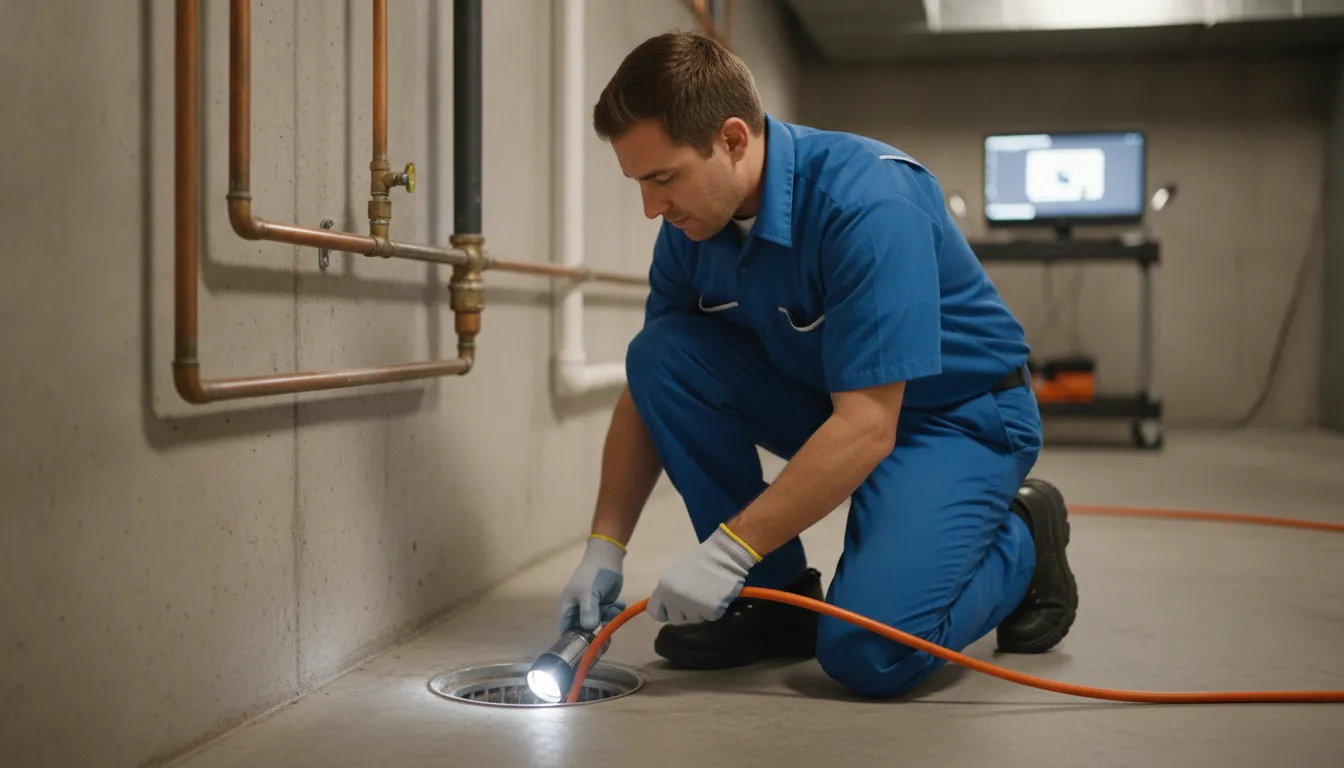
| Sewer camera inspection | Shows the interior condition of the line and can help locate a blockage or other trouble area. | It identifies conditions, but cleaning or repair may still be needed after the findings are reviewed. |
| HydroScrub drain jetting | Provides professional sewer cleaning when buildup or a blockage calls for more than basic drain service. | Cleaning does not correct every structural defect, line break, or recurring source of inflow. |
| Professional sewer line repair | Addresses a confirmed damaged section when repair or replacement is more appropriate than repeated cleaning. | The right repair depends on the line’s actual condition, location, and the diagnosis. |
| Scheduled sewer drain service | Creates a documented maintenance approach that can include regular drain-cleaning schedules and plumbing inspections. | There is no universal interval that fits every Dearborn property or sewer-line history. |
The plan should also consider whether stormwater, groundwater, snowmelt, or connected sources such as sump pumps, roof leaders, foundation drains, or area drains may be adding flow to a sanitary sewer. The EPA identifies these conditions as potential contributors to overload, but a local home should be evaluated on its own configuration. A professional can separate private-line concerns from conditions outside the property owner’s control and explain the next appropriate step.
Mr. Pipey provides plumbing service in Dearborn and across Metro Detroit, including sewer inspection, cleaning, repair, and replacement. A documented evaluation is especially useful when a backup has recurred because it gives the homeowner a clearer basis for choosing maintenance, cleaning, or repair instead of repeating an ineffective response.
What should Dearborn homeowners check before heavy rain?
Ahead of a major storm, a Dearborn homeowner can look for patterns that deserve professional attention without assuming the cause. The goal is to identify conditions that may increase the load on a private sewer lateral or household drainage system, then arrange an appropriate evaluation before water is moving through the system at peak demand.
- Note recurring drainage symptoms. Multiple slow-draining fixtures, sewage odors, or wet spots in the yard can indicate sewer-line trouble, although none of these signs proves a specific defect by itself. Record where and when the symptoms occur, particularly if they become more noticeable during wet weather. Mr. Pipey’s sewer drain inspection and cleaning service can help determine whether the concern is localized or involves the sewer line.
- Ask whether stormwater connections have been evaluated. The EPA explains that stormwater, groundwater, and snowmelt can enter sanitary sewers through cracks, faulty sections, or leaky joints. It also identifies connections from sump pumps, roof leaders, foundation drains, and area drains as potential sources of added flow. A professional can assess the property’s drainage arrangement and explain what work, if any, is appropriate. Do not assume that every Dearborn home has the same connections or sewer configuration.
- Consider the line’s maintenance history. Improper or inadequate sewer maintenance and cleaning can contribute to overflows. If the property has recurring clogs, prior backups, or no reliable inspection history, schedule an evaluation rather than waiting for the next storm. A camera-based assessment may help locate a blockage or identify a line condition that routine surface observations cannot confirm.
- Know when the concern is urgent. If wastewater is actively backing up, stop using water in the home and avoid contact with contaminated water or potentially affected electrical areas. Contact a licensed professional promptly. For additional context, read about drain backups during heavy rain, then request plumbing service in Dearborn when symptoms require a site-specific diagnosis.
These checks support a measured prevention plan. They do not replace a professional inspection, especially when symptoms recur or the property’s private line condition is unknown.
Which warning signs mean a sewer inspection is worthwhile?
A single slow drain can have a simple, local cause. When several fixtures change at about the same time, however, the pattern deserves professional attention. These clues do not prove that the main sewer line is blocked or damaged, but they can help a Dearborn homeowner decide when diagnosis is more useful than repeated drain treatment.
- Multiple slow-draining fixtures: Sluggish movement at a bathroom, kitchen, and basement fixture may point beyond one trap or branch drain. A professional can evaluate whether the restriction is localized or farther along the private sewer lateral.
- Gurgling or unusual drainage sounds: Bubbling, gurgling, or air movement after a toilet flush or appliance discharge can indicate that water and air are not moving normally. The sound is a clue, not a diagnosis, and should be considered alongside other symptoms.
- Recurring clogs: A clog that returns after cleaning may reflect an underlying obstruction, root intrusion, line defect, or capacity issue. EPA lists blockages and line breaks among possible causes of sanitary sewer overflows, but the symptom alone cannot identify which condition is present.
- Sewage or persistent drain odors: Unusual sewage smells inside or near the property can accompany sewer-line trouble. They may also come from a dry trap, venting issue, or another plumbing condition, so an inspection helps separate those possibilities.
- Wet or unusually soft spots in the yard: A localized wet area, especially where drainage patterns have not changed, is worth reporting. Mr. Pipey’s service guidance identifies wet yard spots as a symptom associated with sewer-line trouble, not as proof of a leak.
When symptoms repeat or appear in combination, a sewer camera inspection can help locate a blockage and clarify whether the next step is cleaning, monitoring, or repair. Mr. Pipey also provides sewer drain inspection and cleaning for homeowners who need a broader evaluation. The goal is a measured diagnosis, so the recommended work matches the actual condition rather than the most alarming possibility.
When should a professional diagnose, clean, or repair the line?
When a Dearborn home has recurring drainage trouble, the most useful next step is usually an accurate diagnosis rather than another temporary clearing. Multiple slow-draining fixtures, sewage odors, wet spots in the yard, and repeated clogs can point to sewer-line trouble, but none of these symptoms identifies the exact cause by itself. A professional assessment helps separate a localized drain issue from a problem farther along the private sewer lateral.
Start with camera diagnosis
A sewer camera inspection can help locate a blockage and show whether the line has roots, a break, a defect, or another condition that affects flow. That visual information gives the plumber a basis for recommending the least disruptive appropriate service. It also helps avoid treating every backup as if it were caused by the same problem.
Camera findings may support professional cleaning when buildup or a blockage is restricting the line. Mr. Pipey offers HydroScrub drain jetting as a sewer-cleaning service. The cleaning approach should match the condition and construction of the line, so it is best selected after the system has been evaluated rather than treated as a universal answer.
Know when repair or replacement is the better path
If the inspection shows a damaged, collapsed, or repeatedly compromised section, cleaning alone may not provide a durable solution. A plumber can explain whether professional sewer line repair, replacement, or another corrective option fits the observed condition. Review the available options through professional sewer line repair, especially when backups return after prior cleaning.
For homeowners building a prevention plan, regular drain-cleaning schedules and annual plumbing inspections can create a useful maintenance record. Mr. Pipey provides sewer drain inspection and cleaning for homes in Dearborn and across Metro Detroit. If sewage is actively backing up, stop using affected fixtures and avoid contact with contaminated water or electrical hazards. 24/7 emergency plumbing is available for sewage backups, with no overtime charges stated by the company.
What should you do during a sewer backup?
An active backup calls for a calm, safety-first response. The immediate goal is to limit additional water, keep people away from contaminated areas, and arrange a professional assessment without attempting a repair or cleanup yourself.
- Stop using water throughout the home. Do not flush toilets, run faucets, start the washing machine, or use other fixtures until the source of the backup has been assessed. Additional flow can increase the amount of wastewater entering the affected area.
- Keep children and pets away from the affected water. Sewage may contain bacteria, viruses, parasites, molds, and fungi. The EPA notes that direct contact with sewage in basements, lawns, or streets is a possible exposure route. Avoid walking through the water, even briefly, and do not handle contaminated items unnecessarily. The EPA explains sewage-overflow exposure concerns.
- Stay clear of electrical hazards. If water is near outlets, appliances, electrical panels, extension cords, or other powered equipment, do not enter the area or touch the equipment. Leave electrical decisions to a qualified professional or emergency responder.
- Document the situation from a safe location. If you can do so without entering contaminated water, take photographs or notes showing where the backup occurred, which fixtures were affected, and whether the issue followed heavy rain. Do not move furniture, remove flooring, or begin disinfecting before receiving appropriate guidance.
- Contact a qualified plumbing professional promptly. Mr. Pipey provides 24/7 emergency plumbing for sewage backups and can help determine whether the problem involves the home’s drainage, private sewer lateral, or another condition. A professional assessment should guide any cleaning, repair, or follow-up prevention plan.
Once the immediate risk is controlled, ask for a clear diagnosis rather than assuming the first visible drain is the source. That distinction helps prevent repeat backups and supports the right next step.
How can Dearborn homeowners build a long-term prevention routine?
Prevention works best as a record-based service plan rather than a one-time response. Keep a simple history of backups, recurring clogs, slow fixtures, odors, wet areas, prior cleaning, and any camera findings. This gives a plumber useful context and helps separate an isolated drain problem from a pattern that may involve the private sewer lateral.
Schedule professional maintenance around the condition of the line and the home’s history. Mr. Pipey’s preventive options include regular drain-cleaning schedules and annual plumbing inspections. The right interval depends on what a qualified inspection finds, not on a universal calendar. A home with repeated symptoms may need closer monitoring, while a line with no concerning history may call for a different plan.
Ask for the sewer line’s condition to be documented after professional evaluation. A sewer camera inspection can help locate a blockage and clarify whether the next decision is cleaning, continued monitoring, repair, or replacement. When cleaning is appropriate, HydroScrub drain jetting is one available professional cleaning service. The goal is not to select a treatment by symptom alone, but to match the service to the evidence.
Also keep responsibility clear. A home’s private drainage and sewer connections may require a different response from a broader public-system concern, and not every Dearborn property has the same configuration. A licensed professional can help identify which portion needs attention and explain the available options. Mr. Pipey serves homeowners throughout Metro Detroit, including Dearborn, with preventive and emergency plumbing services. For a routine review or a recurring concern, plumbing service in Dearborn can provide a local starting point.
Contact Mr. Pipey for a professional sewer prevention plan backed by a 100% satisfaction guarantee.
Frequently Asked Questions
Is there a reliable way to prevent sewer backups?
Prevention starts with reducing avoidable blockages and identifying line problems before they become emergencies. Keep fats, oils, grease, and non-flushable wipes out of the sewer, and have a professional review recurring clogs, drainage symptoms, and property drainage conditions. The EPA identifies blockages, roots, line breaks, sewer defects, and excess stormwater or groundwater as possible contributors to overflows: EPA sewer-overflow guidance.
Why does my sewer line keep backing up?
Repeated backups can result from a persistent blockage, root intrusion, a damaged section, or a drainage condition that has not been corrected. A single cleaning may restore flow without identifying the underlying cause. A video sewer camera inspection can help locate a blockage and guide the appropriate next step, whether that is cleaning, repair, or replacement.
How can I tell whether the problem is in my home or the public sewer?
Home symptoms alone cannot establish responsibility. Multiple slow fixtures, sewage odors, recurring clogs, or wet spots in the yard can indicate sewer-line trouble, but the affected section and local system conditions still need to be evaluated. A professional can help distinguish household drainage or a private lateral concern from a broader public-system issue. Do not assume every Dearborn property has the same sewer configuration.
What should I do if sewage is actively backing up?
Stop using water in the home, keep people and pets away from contaminated water, and avoid contact with potentially affected electrical equipment. The EPA notes that sewage can carry bacteria, viruses, and other hazards, including through direct contact in basements, lawns, or streets: EPA health guidance. Contact a professional through 24/7 emergency plumbing service for safe assessment and next steps.
Ready to build a sewer backup prevention plan?
A professional assessment can help clarify whether your Dearborn home needs inspection, cleaning, repair, or a simple maintenance schedule. Mr. Pipey can review the symptoms and property context before recommending an appropriate next step. To discuss sewer backup prevention with a trusted Metro Detroit plumbing team, contact Mr. Pipey and request a professional assessment.