
When winter temperatures settle over Ann Arbor, homeowners want to keep their plumbing dependable, especially in basements, crawl spaces, garages, and rooms along exterior walls. Knowing how to prevent frozen pipes in Ann Arbor starts with a practical review of the places where cold air reaches water lines, followed by consistent heat, proper insulation, and professional attention to vulnerable plumbing.
Schedule professional frozen pipe prevention support from Mr. Pipey Plumbing.
The most reliable way to prevent frozen pipes is to keep the home heated, remove water from outdoor lines, limit drafts near plumbing, and insulate exposed supply pipes. Ann Arbor homeowners should pay particular attention to garages, crawl spaces, basements, exterior walls, and plumbing beneath cabinets. A licensed plumber can identify weak points and install suitable pipe insulation before severe cold arrives.
Freezing protection is not one single product or one last-minute task. It is a short seasonal plan that combines homeowner preparation with a professional inspection when access is difficult or the plumbing has frozen before. The steps below explain what to review, what to leave to a licensed plumber, and what to do if a pipe begins to freeze.
How to Prevent Frozen Pipes in Ann Arbor Before Winter Arrives
Ann Arbor homeowners can reduce freezing risk by preparing exposed plumbing before the first sustained cold spell. Start with a walk-through of unheated areas, then address outdoor water connections, air leaks, pipe insulation, and thermostat settings. The goal is to keep cold air away from water lines and maintain enough indoor heat throughout the home.
- Locate vulnerable supply lines. Check basements, crawl spaces, garages, attics, utility rooms, and cabinets along exterior walls. Look for pipe sections that are exposed, poorly insulated, or close to drafts.
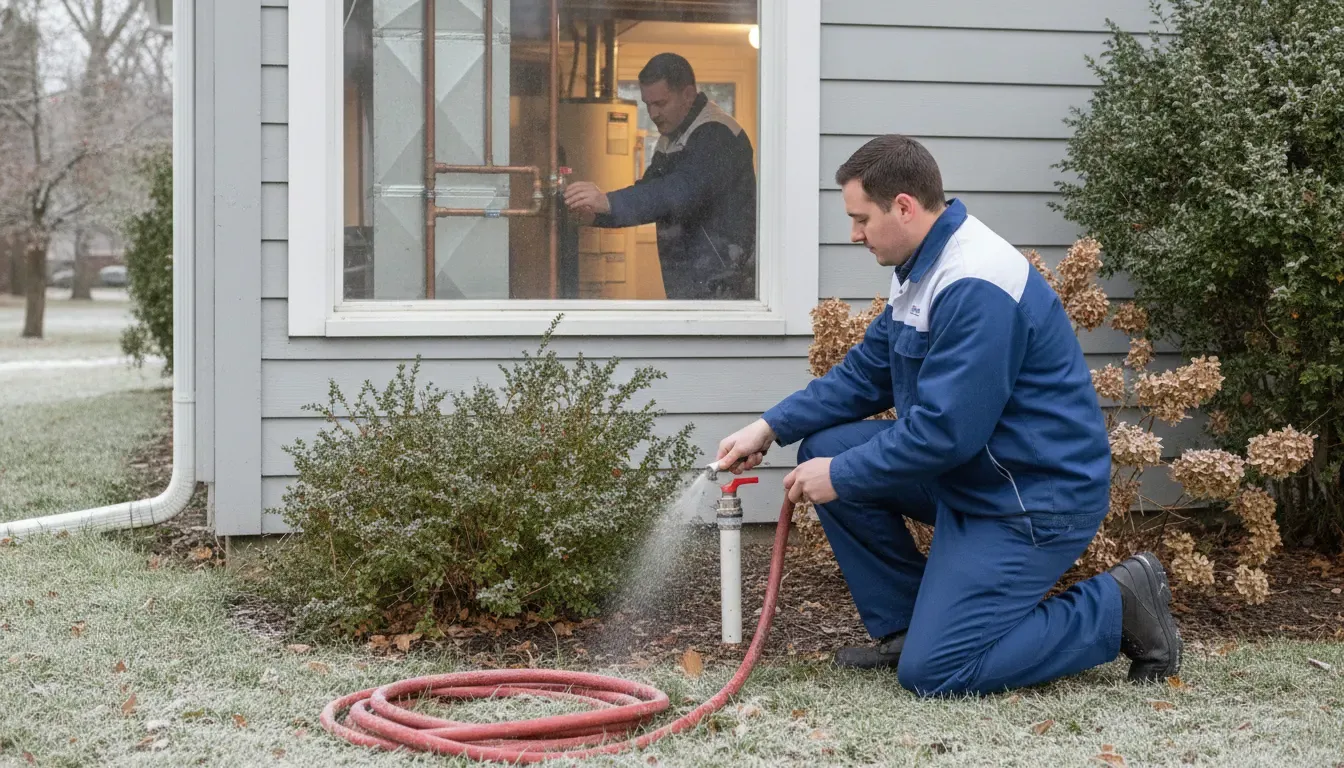
- Disconnect outdoor hoses. Remove garden hoses, close the indoor shutoff where one is present, and drain the line leading to the exterior faucet. A licensed plumber can check hose bibs that do not drain properly.
- Keep cold air out. Seal drafts around pipe penetrations, dryer vents, wiring, doors, and windows near plumbing. Air movement can cool a pipe even when the surrounding room feels comfortable.
- Maintain steady heat. Keep the thermostat at a consistent setting during cold weather. Avoid large overnight temperature reductions when vulnerable pipes run through unheated areas.
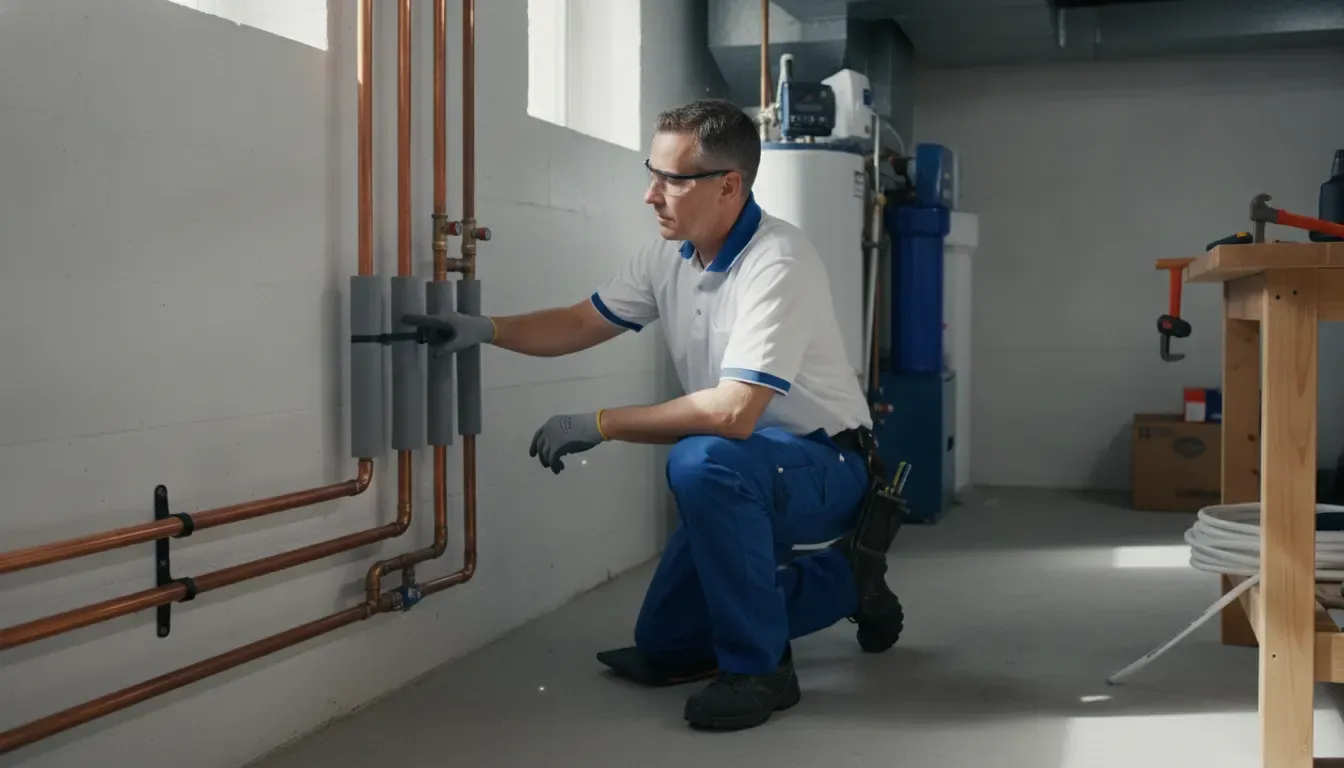
- Plan insulation work early. Have exposed water lines assessed and insulated with suitable materials. Insulation should be continuous and fitted to the full exposed section rather than stopping at the easiest point to reach.
- Arrange a winter check for an empty home. If you will travel, keep the heat on and have a trusted person check that the home remains warm. The State of Michigan recommends setting the thermostat no lower than 55 degrees Fahrenheit while away.
For a broader regional checklist, see Mr. Pipey’s Detroit winter pipe protection guide. The Ann Arbor plan follows the same cold-weather principles, while this article gives extra attention to local home layouts and professional prevention decisions.
Which Pipes in an Ann Arbor Home Need the Most Protection?
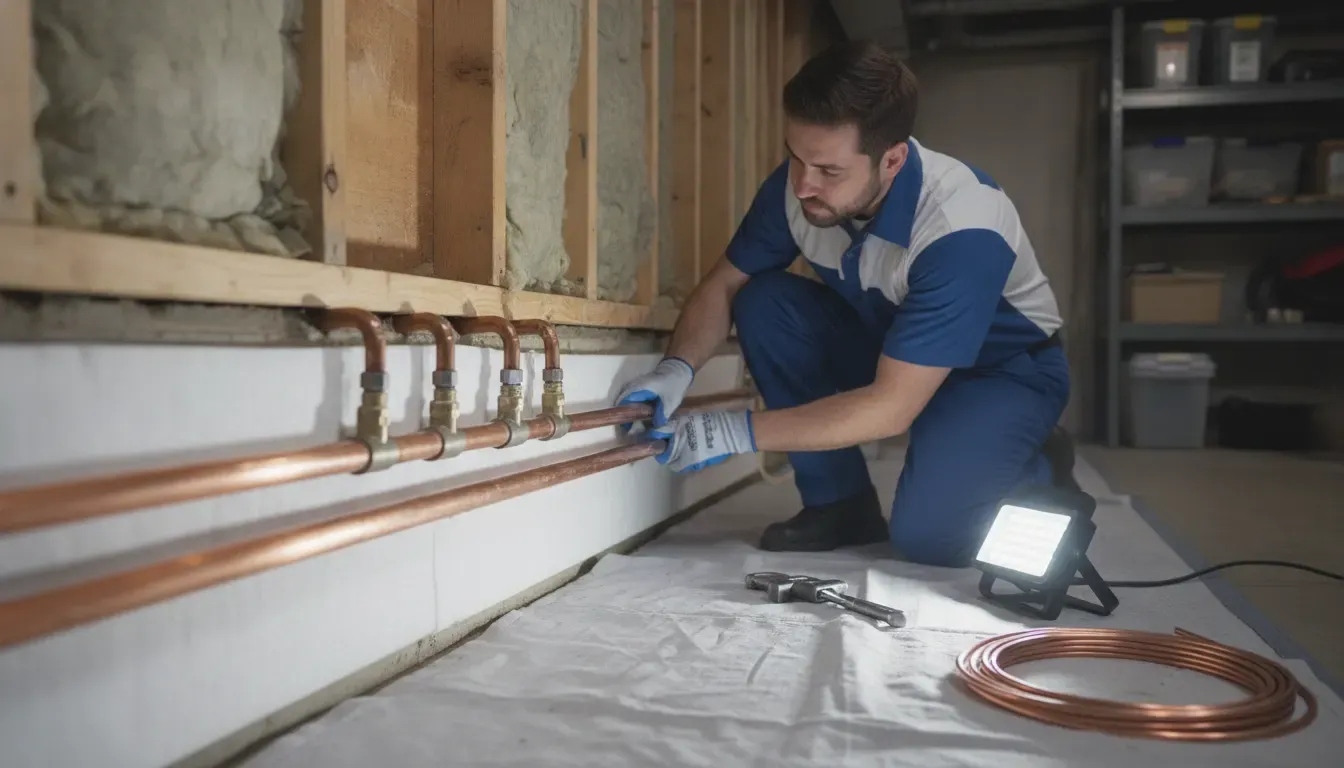
The pipes most likely to freeze are supply lines exposed to severe cold or located in unheated parts of the home. Outdoor hose connections, plumbing in garages and crawl spaces, and lines along exterior walls deserve priority. The American Red Cross frozen-pipe guidance identifies these locations as common freeze points in residential plumbing.
Water expands when it freezes, placing pressure on the pipe and its connections. A blockage can also trap pressure between the ice and a closed faucet, so a pipe may split at a point that is not visibly frozen. That is why a careful inspection should look beyond the first frosty section.
Basements and crawl spaces
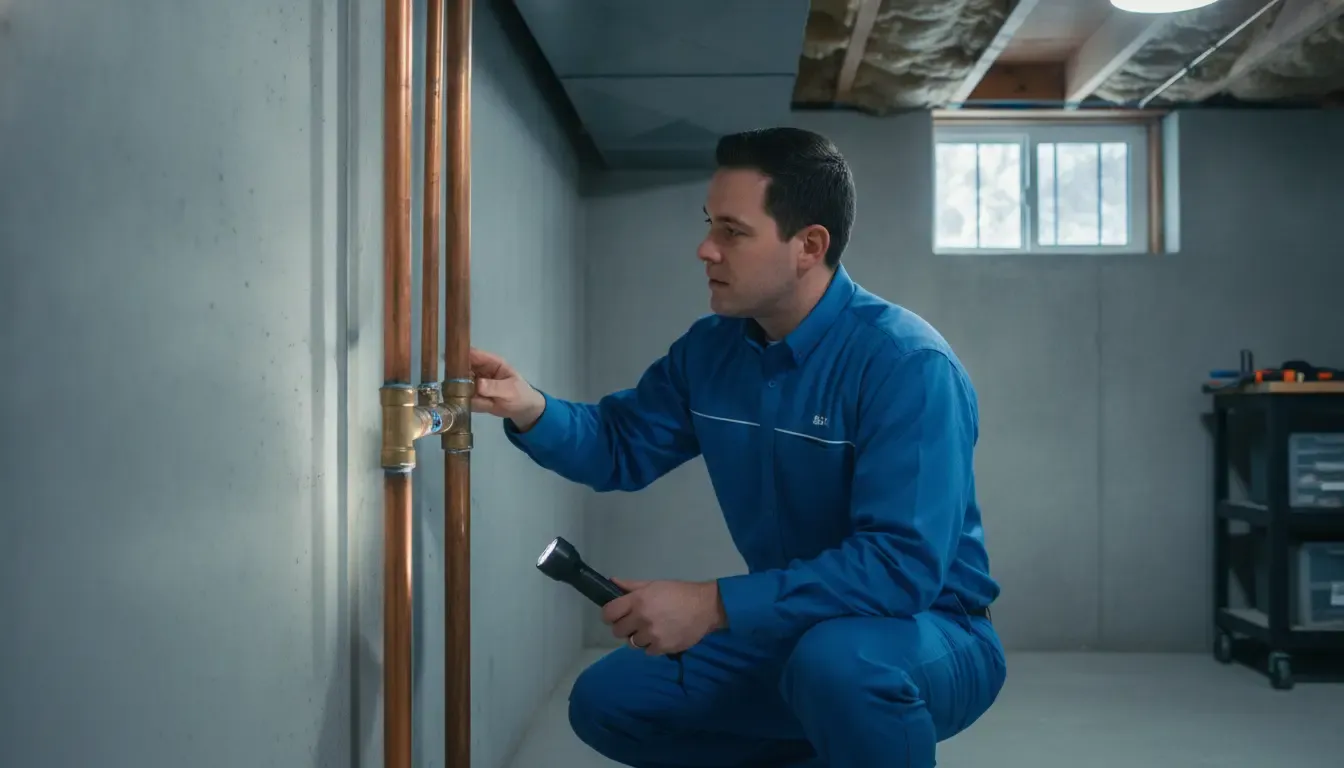
Basements are often warmer than outdoors, but a rim joist, foundation opening, or poorly sealed window can expose nearby plumbing to moving cold air. Crawl spaces can be more difficult because pipe runs may be close to the ground, outside walls, or unconditioned vents. Insulation and air-sealing decisions should account for moisture, access, and the complete route of the pipe.
Garages and utility rooms
A garage can become nearly as cold as the outdoors during a prolonged freeze. Pipes serving a laundry area, sink, bathroom, or exterior fixture may pass through the garage before entering the heated part of the home. Keep garage doors closed when water lines are present and ask a plumber to review any exposed runs before winter.
Exterior walls and cabinet plumbing
Kitchen and bathroom supply lines installed near exterior walls can lose heat faster than pipes routed through interior partitions. Opening cabinet doors during very cold weather can allow warmer household air to circulate around the plumbing, provided household cleaners and other hazards are kept away from children and pets.
Outdoor hose bibs and irrigation connections
Outdoor connections are exposed to cold on one side of the system and can hold water after a hose is removed. Disconnecting the hose alone may not drain the interior section. An indoor shutoff and proper drainage reduce the amount of water left in the line. Irrigation systems and specialty connections should be winterized according to their design, with professional help when the shutoff or drain path is unclear.
How Does Professional Pipe Insulation Help Prevent Frozen Pipes?
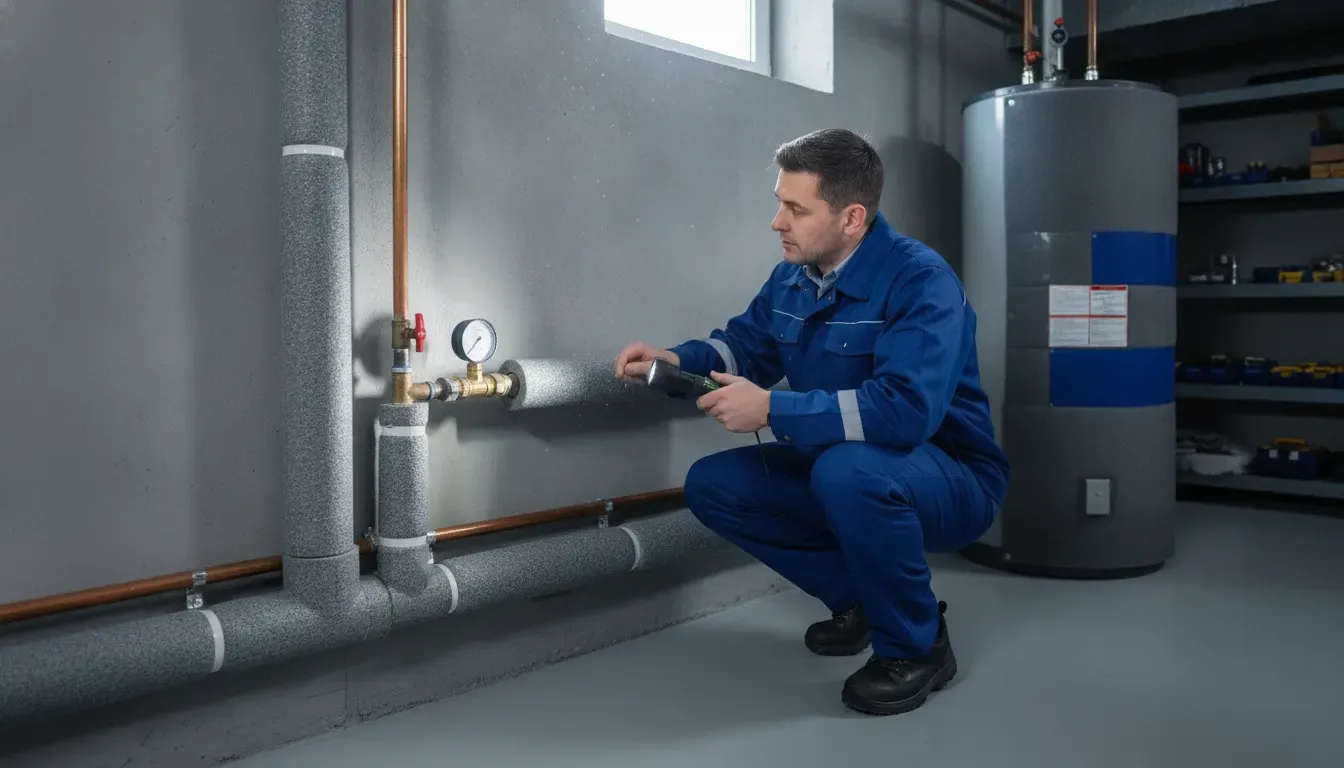
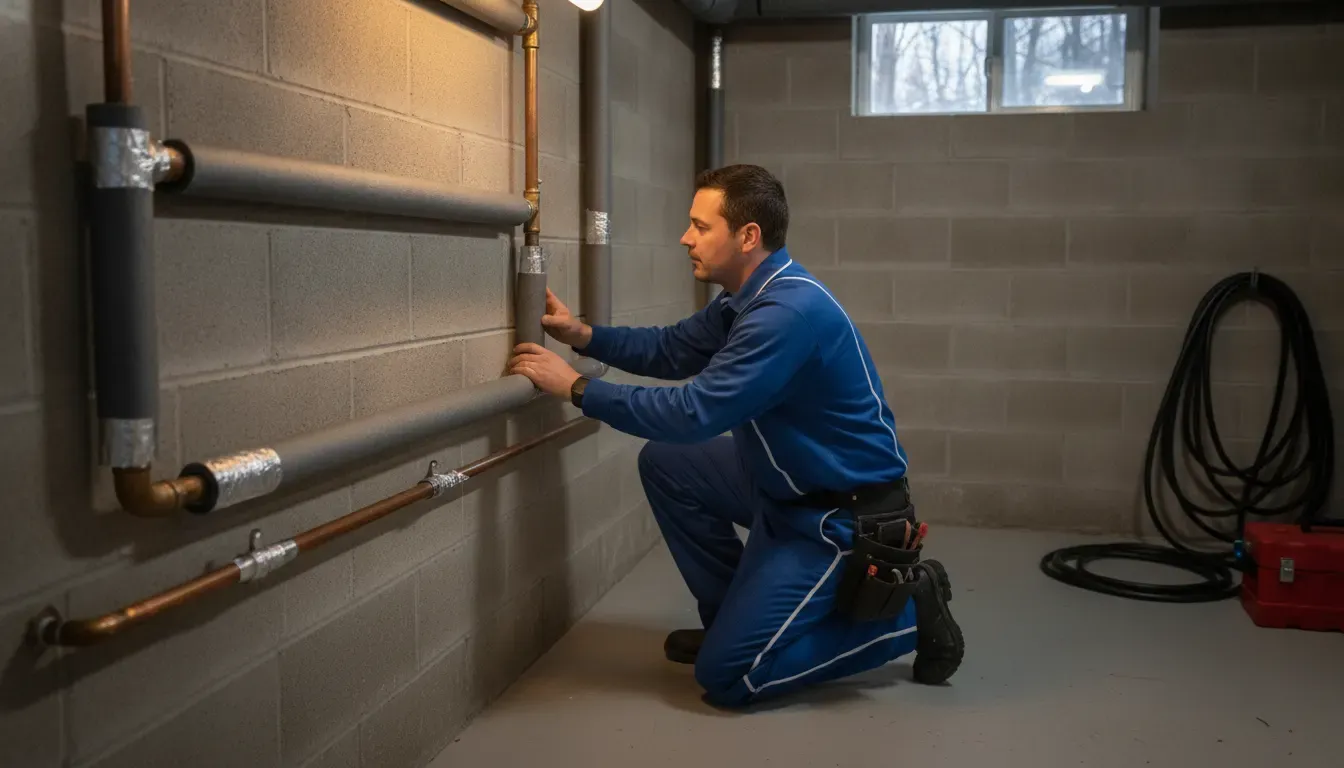
Pipe insulation slows heat transfer from the water line to the colder air around it. It does not create heat or correct every draft, but continuous, properly fitted insulation can help an exposed pipe stay above freezing longer. The U.S. Department of Energy’s installer guidance emphasizes complete coverage, secure seams, and appropriate clearance around water-heating equipment.
Mr. Pipey provides professional pipe insulation service for indoor and outdoor plumbing. A technician can evaluate the pipe material, location, access, moisture exposure, and nearby equipment before recommending an appropriate solution.
What a professional assessment should include
- A visual review of exposed hot and cold water lines.
- Identification of gaps near joints, wall penetrations, rim joists, and supports.
- Inspection for drafts, moisture, condensation, corrosion, or signs of prior freezing.
- Review of outdoor hose bib shutoffs and drain paths.
- Selection of insulation suitable for the pipe location and surrounding conditions.
- Confirmation that insulation does not interfere with vents, controls, access panels, or other equipment.
The U.S. Department of Energy’s pipe insulation job aid provides technical guidance for water-heating pipe insulation, including continuous coverage and clearance around venting. Homeowners do not need to interpret every specification alone. A licensed plumber can translate the conditions in a specific Ann Arbor home into a safe installation plan.
Ask Mr. Pipey Plumbing to assess exposed pipes and winterize your Ann Arbor home.
What Should You Do Before Leaving an Ann Arbor Home in Winter?
An unoccupied home still needs heat and monitoring during a Michigan cold snap. Before traveling, confirm that the heating system is operating, outdoor supply lines are drained as appropriate, and someone can check the home. If the property has a fire sprinkler system or other water-dependent equipment, a plumber should review any plan to shut off and drain the water.
| Preparation item | Why it matters | Professional check when needed |
|---|---|---|
| Thermostat | Steady indoor heat helps keep nearby plumbing warmer. | Heating or plumbing evaluation if rooms remain unusually cold. |
| Outdoor hose connections | Draining the line reduces water exposed to freezing temperatures. | Shutoff, drainage, or hose bib inspection if water remains. |
| Basement and crawl space | These areas may contain exposed runs and cold drafts. | Pipe insulation and air-leak assessment. |
| Daily check | A trusted person can notice loss of heat or a plumbing leak sooner. | Emergency response if a pipe freezes or bursts. |
| Main shutoff plan | Knowing its location can limit water flow during a burst. | Valve repair or replacement if it is difficult to operate. |
Do not lower the thermostat substantially to save energy while you are away. Michigan’s official winter guidance recommends no lower than 55 degrees Fahrenheit for an unoccupied home. If the home has a history of frozen plumbing, a professional winterization visit can provide more confidence than relying on a thermostat setting alone.
What Are the Warning Signs That Pipes Are Starting to Freeze?
Early warning signs include little or no water from a faucet, a sudden change in pressure, frost on exposed piping, and unusual sounds when a fixture is opened. A musty odor or damp area can also indicate a leak after a pipe has cracked. Treat these signs as a reason to stop using the affected fixture and arrange professional evaluation.
- A faucet produces only a trickle or no water.
- One fixture loses pressure while other fixtures work normally.
- Frost appears on an exposed pipe, valve, or connection.
- Pipes make unusual banging, cracking, or bubbling sounds.
- Water stains or damp areas appear near a wall, ceiling, cabinet, or basement pipe.
- A water meter continues moving when all fixtures are closed.
- The area around a pipe becomes unusually cold or drafty.
If a faucet stops producing water during freezing weather, do not wait for the line to thaw on its own. The State of Michigan advises turning off the home’s main water shutoff if a water pipe has frozen and calling a plumber. Never use a torch or open flame to thaw a pipe, and do not use electrical appliances in standing water.
Mr. Pipey’s frozen pipe repair and insulation team can assess the affected line, check for a burst, and recommend repair or prevention work. If water is already escaping, use the main shutoff if it is safe to do so and contact 24/7 emergency plumbing service.
When Should You Call a Plumber About Frozen Pipes?
Call a plumber when a pipe has frozen before, a vulnerable line is difficult to access, water pressure changes suddenly, a faucet stops flowing, or you find a leak or burst. Professional help is also appropriate when insulation is missing or when outdoor shutoffs do not drain correctly. Early assessment supports prevention and avoids unsafe thawing attempts.
Professional service is especially valuable in these situations:
- Repeated freezing: The same line freezes each winter, suggesting a persistent exposure, draft, or insulation gap.
- Hidden plumbing: The vulnerable pipe runs inside a wall, ceiling, crawl space, or other area that cannot be safely inspected.
- Loss of water: A faucet stops flowing or multiple fixtures experience an unusual pressure change.
- Visible damage: You see frost, a split connection, water staining, or active leakage.
- Unclear shutoff: The main valve or an outdoor line shutoff is missing, stuck, or difficult to operate.
- Winterization planning: You are leaving the home, managing a vacant property, or protecting plumbing in a commercial building.
Mr. Pipey is a family-owned plumbing company serving Ann Arbor and communities across Metro Detroit. The team offers professional frozen pipe repair, pipe insulation, emergency plumbing, and other residential and commercial services. Service is backed by a 100% satisfaction guarantee and no overtime or double-time charges for after-hours or emergency calls.
The Ann Arbor community page also provides a direct starting point for local service information: Mr. Pipey Plumbing in Ann Arbor.
Contact Mr. Pipey Plumbing for a professional frozen pipe prevention plan in Ann Arbor.
Frequently Asked Questions
What temperature causes pipes to freeze?
Water freezes at 32 degrees Fahrenheit, but a pipe can become vulnerable based on exposure, airflow, insulation, and how long cold conditions last. Pipes in exterior walls, garages, crawl spaces, and other unheated areas may need protection before outdoor temperatures remain below freezing.
Should I leave my faucet dripping to prevent frozen pipes?
A small flow of water may help in some situations, especially when a vulnerable line is exposed to severe cold. It is not a substitute for insulation, steady heat, and draft control. Ask a plumber for guidance when a pipe has frozen before or the correct fixture is unclear.
Is pipe insulation enough to prevent freezing?
Pipe insulation slows heat loss, but it does not correct every cold-air leak or protect a line that is exposed to severe conditions. A professional assessment should consider the entire exposed run, surrounding insulation, air movement, moisture, and the location of shutoff valves.
What should I do if I suspect a frozen pipe in my Ann Arbor home?
Stop using the affected fixture, locate the main water shutoff, and call a licensed plumber. If water is leaking, turn off the main supply if it is safe. Never use an open flame, and do not use electrical appliances where standing water is present.
Does Mr. Pipey provide frozen pipe service in Ann Arbor?
Yes. Mr. Pipey serves Ann Arbor with frozen pipe repair, pipe insulation, and emergency plumbing support. Contact the team for a professional assessment of exposed lines, recurring freezing, a suspected burst, or winter preparation needs.
Protect your Ann Arbor plumbing this winter. Contact Mr. Pipey Plumbing today.