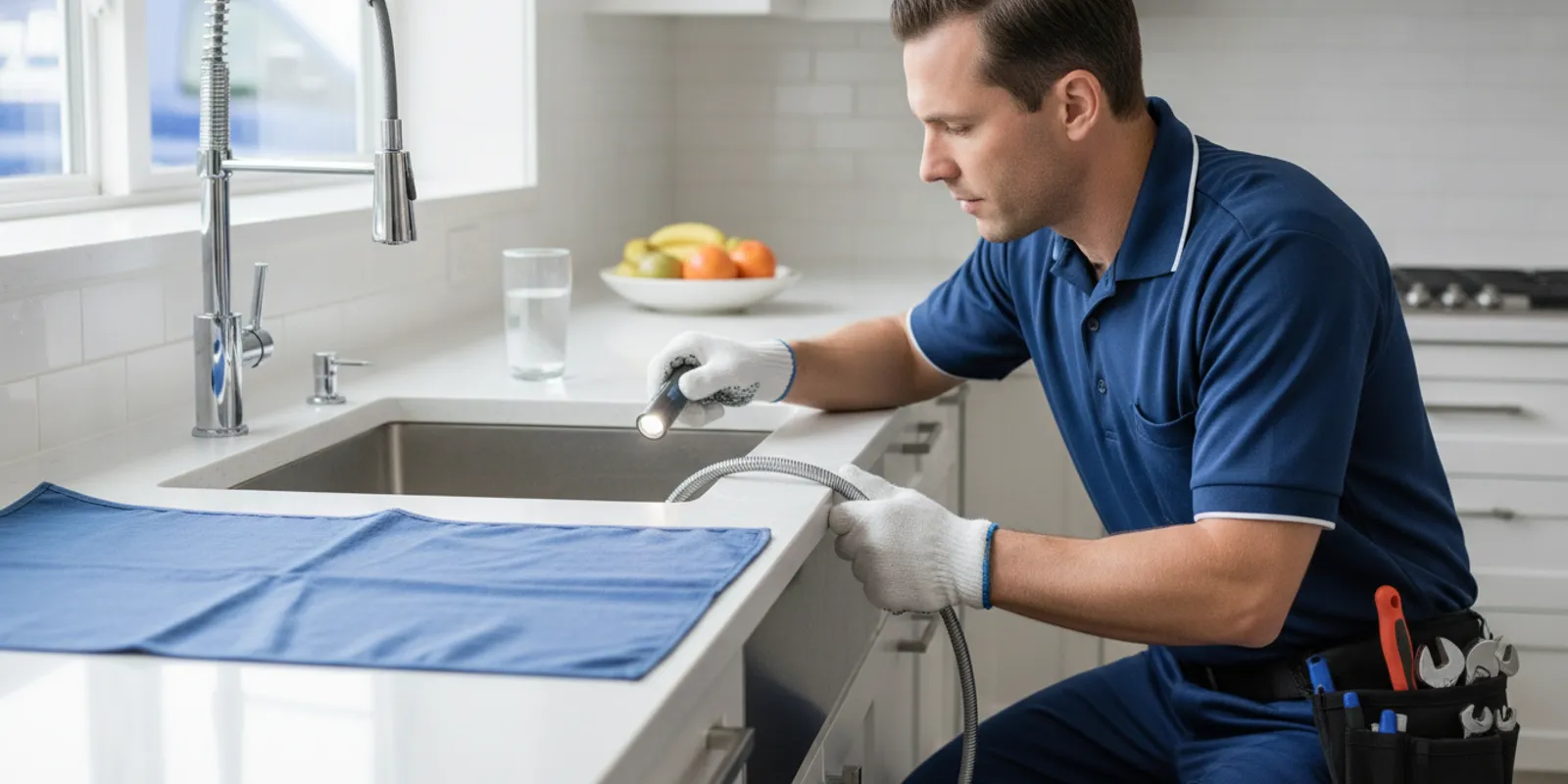
Drain habits are rarely identical from one Allen Park home to another. A kitchen sink used heavily, a shower that repeatedly slows, and a household with no history of clogs may each call for a different maintenance decision.
For the question “how often should you clean your drains Allen Park,” there is no single interval that fits every home. Mr. Pipey’s guidance recommends professional cleaning at least once a year as preventive maintenance, while the right timing depends on the home’s plumbing history, use, and symptoms.
A calendar reminder can be a useful starting point, but it should not replace attention to recurring changes in how fixtures drain. Looking at the recommended baseline alongside a home’s own pattern helps Allen Park homeowners decide when routine service makes sense and when an assessment is more useful.
Contact Mr. Pipey to discuss a drain-cleaning schedule for your home.
How Often Should You Clean Your Drains in Allen Park?
There is no single schedule that fits every home. Mr. Pipey recommends considering professional drain cleaning at least once a year as preventive maintenance, while emphasizing that the right interval depends on a household’s plumbing conditions and history. That is company-specific guidance, not a universal rule that every Allen Park home must follow.
For a household with no recurring drain problems, annual service can be a useful starting point for discussing maintenance. A plumber can consider whether that cadence makes sense after learning which drains have needed attention and how they have performed since. If clogs return between appointments, or drainage has changed, waiting for the next annual date may not address the reason. The schedule should respond to what the plumbing is doing, not just the calendar.
| What you notice | What it may mean | Reasonable next step |
|---|---|---|
| No recurring symptoms | Preventive service can be discussed based on home history. | Ask whether an annual baseline suits your plumbing. |
| One drain slows or clogs repeatedly | The fixture may need assessment beyond the calendar schedule. | Share its service history with a plumber. |
| Several fixtures slow or affect one another | The concern may involve connected plumbing. | Arrange a professional evaluation before choosing a cleaning interval. |
Mr. Pipey’s published drain-cleaning guidance describes annual professional cleaning as a way to identify potential issues. It also notes that frequency varies with household conditions and maintenance history. The recommendation is best treated as a baseline for a conversation with a plumbing professional, rather than a guarantee that annual cleaning will prevent every clog.
What should shape the interval?
Consider the pattern across the home, not just one appointment date. A kitchen drain that has repeatedly slowed or clogged may call for a different assessment from bathroom drains that continue to work normally. Household size and water use can affect how much activity the plumbing handles, while the home’s plumbing condition and prior service history provide useful context. These factors help guide a recommendation, but they do not establish a precise interval without knowing the system.
Keeping a simple record can make that conversation more useful. Note which fixture was affected, whether the problem cleared or returned, and when a plumber last serviced the drain. If one drain has needed repeated attention, share that history instead of treating each visit as an unrelated event. Recurring clogs can have different underlying causes, so a professional assessment is more helpful than automatically scheduling more frequent routine cleanings.
Should you wait for the annual visit?
No. A yearly preventive appointment is not a reason to ignore a new or worsening change. Slow drainage that persists, clogs that repeatedly return, unusual odors, or water backing up are reasons to seek professional guidance when they occur. These symptoms do not by themselves identify the cause, but they can indicate that the current schedule should be reconsidered. If several fixtures are affected, mention that as well, since the scope of the issue may be different from an isolated sink or shower drain.
In practical terms, use Mr. Pipey’s annual recommendation as a starting point if you are planning preventive care, then adjust based on your home’s track record and current symptoms. A professional can help determine whether routine cleaning is appropriate, whether an earlier assessment makes sense, or whether repeated trouble warrants diagnosis before setting another interval.
Which Household Factors Change the Cleaning Schedule?
What passes through a drain and how often it is used can affect its buildup pattern. A frequently used kitchen sink handles different material from a shower or little-used basement sink. Those details help explain why one calendar interval may not fit every fixture in the same home.
Cooking oils, fats, and grease can contribute to sewer blockages, the EPA explains. A kitchen drain’s use and history are worth discussing with a plumber, especially if that sink repeatedly slows or clogs. This is general sewer-blockage guidance, not a rule for household cleaning intervals. (EPA guidance on sanitary sewer overflows and blockages)
Hair shed during bathing can contribute to buildup in shower and bath drains. A University of Nebraska-Lincoln Extension guide lists hair as a possible cause of household drain problems. A bathroom used by several household members may see more activity at that drain, but the effect varies with the fixture, existing buildup, and plumbing condition. A service professional can assess recurring slow drainage in context rather than assume that household size alone determines when cleaning is due (University of Nebraska-Lincoln wastewater troubleshooting guidance).
The drain’s history matters, too. Note which fixture has clogged and whether earlier professional cleaning resolved the issue for a meaningful period. A single blockage and a recurring problem are not necessarily the same maintenance need. Repeated clogs can justify a closer assessment of the underlying cause instead of repeating the same service on a fixed schedule.
Age or damage in a pipe may also be relevant, but it should be treated as a possibility, not a conclusion based on a home’s age. The EPA lists fats, oils, grease, some products labeled flushable, and tree roots entering defects or openings as possible contributors to sewer blockages. That does not establish local conditions or a drain-cleaning schedule. (EPA sanitary sewer overflow FAQs)
Consider the type and use of each drain alongside its service history and current symptoms. If a drain repeatedly slows or clogs despite prior service, a plumber can determine whether the issue is ordinary accumulation or whether the line needs further evaluation. This helps tailor preventive service without imposing a rigid schedule on every household.
What Are the Early Signs That a Drain Needs Attention?
A single drain that empties slowly once may reflect a brief, localized obstruction. If it returns to normal and the same issue does not recur, that alone does not establish that the whole plumbing system needs cleaning. Pay attention to whether the slowdown persists, comes back, or appears alongside other symptoms. A drain that slows or stops deserves attention, and repeated signs are a stronger reason to schedule professional assessment.
Watch for changes such as:
- Persistent or recurring slow drainage: Water continues to drain sluggishly, or the same fixture repeatedly slows after it seemed to clear.
- Frequent clogs: The same drain blocks again, rather than experiencing one isolated episode.
- Unpleasant or sewer-like odors: Odors coming from a drain can accompany a clog or another plumbing concern and warrant evaluation.
- Pooling or water backing up: Water stands around a drain or rises in a sink instead of flowing away normally.
- Gurgling or bubbling: A drain gurgles after an appliance runs, or toilet water bubbles when another fixture is used.
These symptoms do not identify the cause on their own. A recurring clog may need diagnosis rather than another assumption that the same routine cleaning is enough. If one fixture repeatedly slows or blocks, a plumber can assess the pattern and determine whether the issue is localized. For more on how a professional evaluates a recurring problem, see this guide to professional drain diagnosis.
Take particular note when water backs up, odors persist, or more than one fixture begins acting differently. Those patterns are more useful to a plumber than a one-time slowdown because they help show whether the problem is recurring or affects multiple parts of the home. Mr. Pipey identifies slow drainage, recurring clogs, odors, pooling, gurgling, and bubbling as reasons to consider professional service. The appropriate next step depends on what is happening and how often, not on a symptom checklist alone.
If the drain has stopped moving water, is backing up, or repeatedly develops the same symptoms, arrange an assessment rather than waiting for a calendar-based cleaning date. Share which fixtures are affected, when the symptoms occur, and whether they return after clearing. That history helps guide a more useful evaluation without presuming a specific pipe defect.
When Do Several Slow Drains Suggest a Sewer-Line Issue?
A slow kitchen sink or shower drain can have a localized cause. Look more closely when several fixtures drain slowly together, or when using one fixture affects another. For example, a toilet that bubbles while a sink or appliance drains may point to a concern in plumbing the fixtures share. These signs make a sewer-line issue one possibility, but they do not identify the cause by themselves.
The City of Fargo lists simultaneous fixture backups, slow drains, and one fixture affecting another as possible signs of a sewer blockage. This is general sewer-system education, not guidance from Allen Park, and it cannot establish what is happening in a particular home. Mr. Pipey likewise notes that multiple slow-draining fixtures and sewage odors can warrant attention to the sewer line. Other plumbing conditions may produce similar symptoms, so inspection is needed before drawing conclusions.
Notice whether symptoms recur and whether they involve more than one part of the home. A single drain that slows briefly differs from repeated clogs, persistent odors, or drainage changes across connected fixtures. A plumber can assess the pattern and decide whether the concern is local to a fixture or farther along the system.
Depending on the findings, a professional may use a plumbing video camera to inspect the line and locate a blockage. Camera inspection is a diagnostic service, not a reason to assume a damaged pipe or sewer-line failure. Mr. Pipey’s sewer camera inspection options explain how this type of assessment can help clarify where a concern is located.
For Allen Park homeowners, multiple affected fixtures or a recurring clog are useful reasons to schedule an assessment rather than simply shorten a routine cleaning interval. Sharing which fixtures are involved and whether symptoms return after service can help the plumber evaluate the issue. The goal is to identify the relevant cause and choose a next step, not diagnose a sewer-line problem from one symptom alone.
What Happens During Professional Drain Cleaning?
A professional visit starts with understanding what the homeowner has noticed. The plumber may ask which drain is affected, how often the problem returns, whether drainage has changed, and what was previously done to address it. Those details help distinguish a one-time slowdown from a recurring issue that deserves a closer assessment. A repeat clog is a reason to look for its underlying cause rather than assume what is happening inside the pipe.
The next step is to assess the affected fixture and plumbing conditions. Depending on the symptoms and findings, a plumber may recommend a video camera inspection to locate a blockage and better understand where attention is needed. Camera inspection is one of the professional services Mr. Pipey uses in diagnosing drain concerns; it is not necessary to assume every routine cleaning requires one. The appropriate evaluation depends on the problem being addressed.
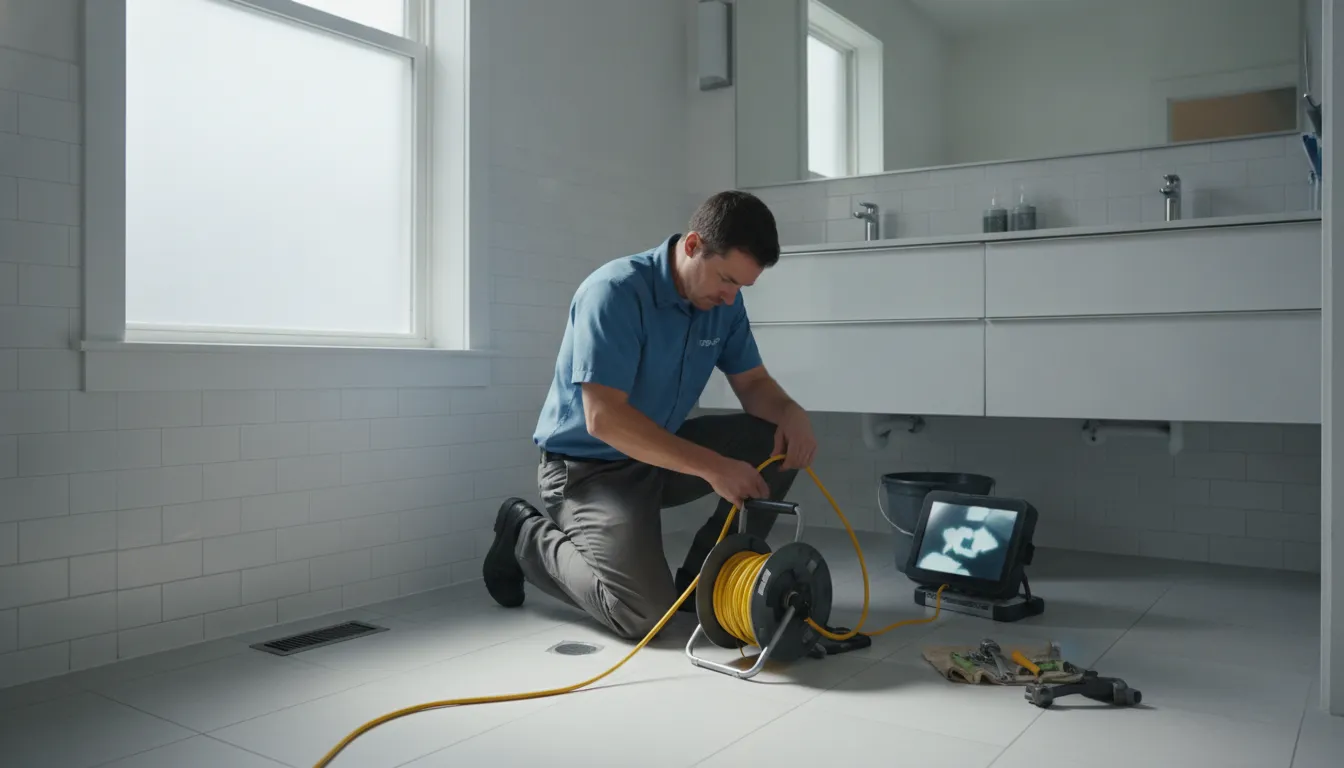
After assessment, the plumber selects a professional cleaning approach suited to the findings. Mr. Pipey offers HydroScrub, which the company describes as high-pressure water cleaning and chemical-free drain clearing. It may be appropriate for some blockages, while other situations call for a different response based on what the inspection indicates. The goal is to address the drain concern with a method selected for the conditions, not to apply the same service automatically to every home.
For homeowners comparing professional options, professional hydrojetting for drains explains the service in more detail. The visit should leave you with a clear understanding of what was observed, what cleaning was performed, and whether any further assessment is recommended. If the same drain slows or clogs again, share that history with the plumber. Recurrence can help guide the next diagnosis, but it does not by itself establish a specific pipe defect.
That measured process also makes maintenance scheduling more useful. Rather than relying only on a calendar, a homeowner can consider the drain’s history and the plumber’s findings when deciding when to reassess it. Mr. Pipey’s drain-cleaning guidance recommends professional cleaning at least annually as preventive maintenance, while noting that the suitable interval depends on household conditions and history. An evaluation can help determine whether that recommendation fits the home’s circumstances.
How Can Allen Park Homeowners Plan Preventive Drain Care?
A useful maintenance plan starts with what your home’s drains have actually experienced, not an arbitrary calendar rule. Keep a simple record of professional cleanings and recurring symptoms. Note which fixture was affected, when it happened, whether the problem returned, and whether another drain or toilet behaved differently at the same time. Those details help a plumber distinguish an isolated fixture issue from a pattern that may need a closer assessment.
When arranging service, share that history and ask what interval makes sense for your household and plumbing. Mr. Pipey’s drain-cleaning guidance recommends regular professional attention while emphasizing that the right timing depends on conditions and history, rather than being a universal requirement for every home. A schedule should be revisited if symptoms change or the same drain begins clogging again, rather than treated as a guarantee that problems cannot occur between visits.
- Keep cooking grease and oil out of household drains. This helps limit buildup; the EPA recommends this specifically for septic systems. (EPA septic-system care)
- Record service dates and repeat symptoms, then review them with the plumber before setting the next visit.
It also helps to separate indoor plumbing from outdoor storm drains when deciding what needs attention. Household sinks, showers, and toilets carry wastewater through the home’s plumbing. Storm drains handle rainwater outdoors and are part of a different system, so an issue with a yard or street drain should not automatically be treated as a household drain-cleaning problem.
With a clear service history, a plumber can make a more informed recommendation based on observed conditions instead of assigning the same interval to every Allen Park home. If the pattern changes, report it rather than waiting for a routine appointment.
Contact Mr. Pipey to discuss a preventive drain-care plan for your home.
Frequently Asked Questions
How often should I schedule professional drain cleaning?
There is no interval that fits every home. Mr. Pipey recommends at least annual professional cleaning as preventive maintenance, while noting that the right schedule depends on the plumbing’s history and symptoms. A drain that has stayed clear may need a different plan from one with repeat clogs or persistent slow drainage.
Do kitchen and bathroom drains need different cleaning schedules?
They can, because what enters each drain differs. Grease and food residue may accumulate in kitchen plumbing, while hair can contribute to shower-drain clogs. Consider how often each fixture is used and whether it has a history of slow flow or blockages. Those details are more useful for setting a schedule than applying the same calendar interval to every drain.
What signs mean a drain should be checked before its next scheduled cleaning?
Arrange an assessment if water repeatedly drains slowly, a clog returns after service, an unpleasant odor persists, or water backs up or pools. Gurgling or bubbling sounds can also warrant attention, especially when they occur alongside another symptom. A single temporary slowdown is not the same as a recurring pattern, so note when and where symptoms occur.
Does a recurring clog mean routine cleaning is enough?
Not necessarily. A clog that keeps returning, or symptoms affecting more than one fixture, is a reason to ask a plumber to identify the cause rather than simply repeat the same service. The issue may be local to one drain or involve a larger part of the plumbing; inspection helps determine what is happening before a solution is chosen.
Contact Us About Drain Cleaning
A drain-cleaning interval is most useful when it reflects your household’s use and plumbing history. Contact Mr. Pipey to discuss professional drain cleaning and an interval that fits your situation.