

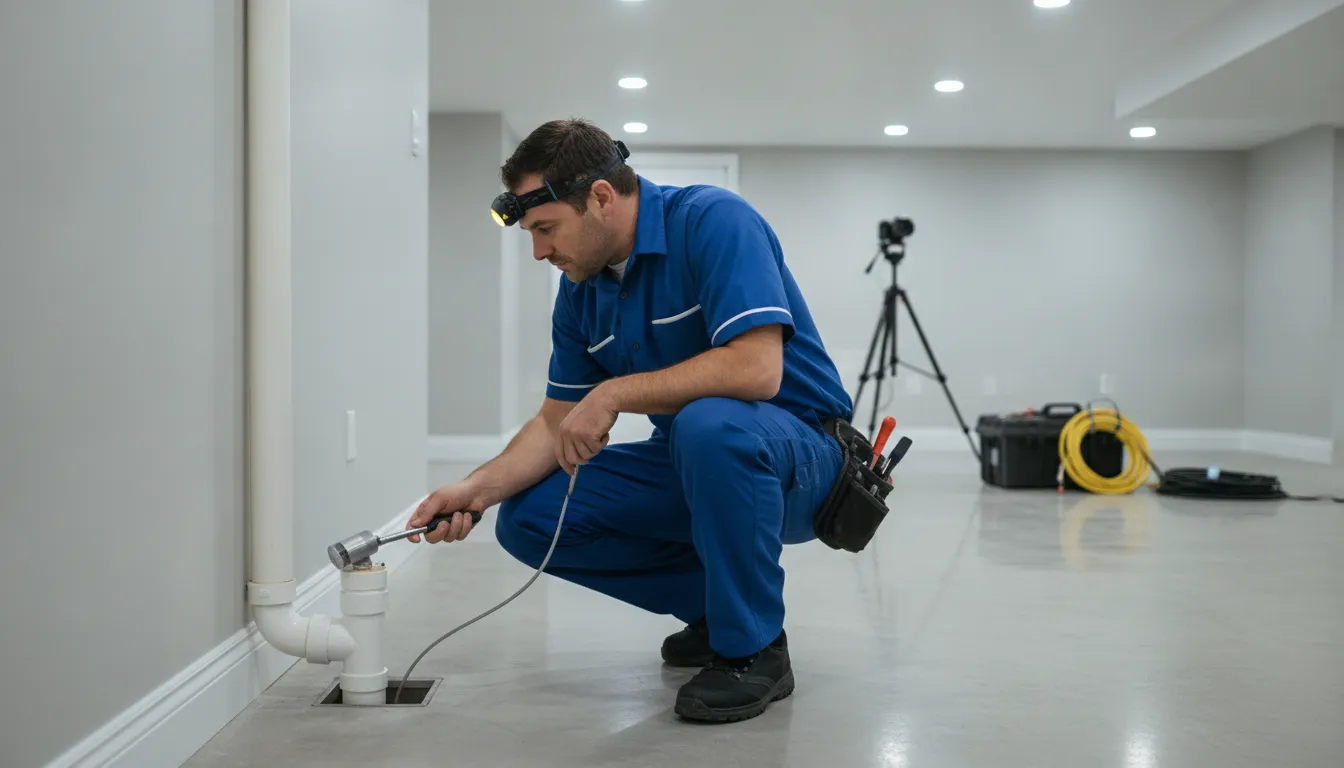
A drain that slows down again after a temporary improvement is giving you useful information. The visible blockage may not be the whole problem. In a West Bloomfield home, recurring backups, gurgling, unpleasant odors, or several affected fixtures can point to buildup deeper in the drain system or a shared sewer-line issue.
For how to unclog a drain in West Bloomfield, the professional answer is to identify the blockage’s location and cause before choosing a service. A visual assessment, plumbing video camera, or HydroScrub cleaning may be appropriate, depending on what the inspection reveals. This approach helps distinguish a localized clog from a condition that needs drain or sewer-line repair.
That distinction matters because the right next step depends on the evidence, not simply on how quickly water begins moving. Understanding the warning patterns and diagnostic process can help you recognize when professional evaluation is the most practical path.
Contact Mr. Pipey for professional drain diagnosis in West Bloomfield.
What is the professional answer to how to unclog a drain in West Bloomfield?
For a stubborn or recurring clog, the professional answer is not simply to restore water flow for a few hours. A licensed plumber first determines where the restriction is located and what caused it. The plumber also checks whether the problem affects one fixture or a larger section of the home’s drainage system. That distinction guides the right service and helps prevent the same blockage from returning.
A localized fixture clog usually affects one sink, tub, shower, or toilet while the rest of the home’s plumbing drains normally. The plumber can evaluate that fixture and its nearby branch drain for buildup or a concentrated obstruction. By contrast, several slow or backed-up fixtures can indicate that the restriction is farther downstream in a shared branch or sewer line. Gurgling, sewer odors, bubbling toilets, or water appearing in an unexpected drain provide additional context during the assessment.
How does a professional locate the restriction?
The visit begins with a visual assessment and a review of the symptoms. The plumber considers which fixtures are affected and when the problem occurs. The plumber also asks whether it has returned after previous cleaning and whether the home has signs of a broader drainage issue. When the location or cause is not clear, a plumbing video camera can inspect the line and identify the blockage point. It may also reveal conditions such as heavy buildup, roots, cracks, or other damage that a surface-level clearing would not address.
This diagnostic step matters because the appropriate solution depends on the condition of the pipe. Professional drain cleaning may be suitable for recurring debris or buildup. If the restriction is stubborn, a trained plumbing team may recommend a specialized cleaning service after the line has been evaluated. If inspection shows damaged plumbing, cleaning alone may not solve the underlying problem, and repair or replacement may need to be considered.
What should West Bloomfield homeowners expect from the service?
Mr. Pipey serves West Bloomfield as part of its broader Metro Detroit service area. The team uses professional drain-cleaning methods and plumbing video cameras to diagnose problems, explain the available options, and provide written pricing before work begins. Homeowners can learn more about professional drain cleaning when a slow, blocked, or recurring drain needs a properly matched solution rather than a temporary fix.
Which warning patterns help identify a stubborn drain clog?
A drain that slows once may have a localized obstruction. A pattern that returns, spreads, or affects several fixtures offers more useful diagnostic information. Instead of judging the problem by one sink or tub, consider what is happening throughout the home. The location, timing, and combination of symptoms can help a licensed plumber determine whether the issue is limited to a branch drain or involves a larger shared line.
- Recurring slow drainage: If the same drain repeatedly slows after it has been cleared, the remaining buildup or obstruction may be deeper than the visible fixture opening. Recurrence is a reason to identify the cause rather than rely on another temporary flow improvement.
- Several affected fixtures: Slow drains in a bathroom, kitchen, or lower level at the same time can point toward a shared drain or sewer-line concern. The more fixtures involved, the less likely it is that each symptom has an unrelated local cause.
- Backups or bubbling toilets: Water backing up into a sink, tub, or floor drain, or bubbling sounds from a toilet, can indicate restricted flow farther along the system. These symptoms deserve prompt professional assessment, particularly when they appear together.
- Gurgling sounds: Gurgling may occur when air and water move through a partially restricted line. It is not a diagnosis by itself, but it becomes more meaningful when paired with slow drainage, backups, or repeated recurrence.
- Unpleasant or sewer odors: Persistent odors around drains can accompany trapped debris, stagnant water, or a sewer-drain issue. Odors that continue after normal use has stopped should be included in the service description so the technician can evaluate the broader system.
- Lower-level or floor-drain symptoms: A basement floor drain or lower-level fixture that backs up can reveal a restriction affecting the path shared by fixtures above it. Pooling or wastewater in this area should be handled as a professional plumbing concern.
- The same problem keeps returning: Repeated clogs suggest that the original cause may still be present. The cause may be persistent debris buildup or a condition in the drain or sewer line. A professional evaluation can determine whether cleaning, camera inspection, or another service is appropriate.
These clues are most helpful when reported together. Note which fixtures are affected and whether the symptoms occur at the same time. Also note whether the issue has returned before. Mr. Pipey can use that history alongside visual assessment and professional diagnostic equipment. For a broader overview of symptoms, see this guide to drain clog warning signs in West Bloomfield.
When does a slow drain call for a sewer camera inspection?
A slow drain does not always mean the same thing. A small, isolated obstruction may respond to professional drain cleaning, while a recurring slowdown can point to buildup. A damaged section of pipe, root intrusion, or a blockage farther along the sewer line. A camera inspection is appropriate when the cause or location is unclear, the problem returns after service, or more than one fixture is affected.
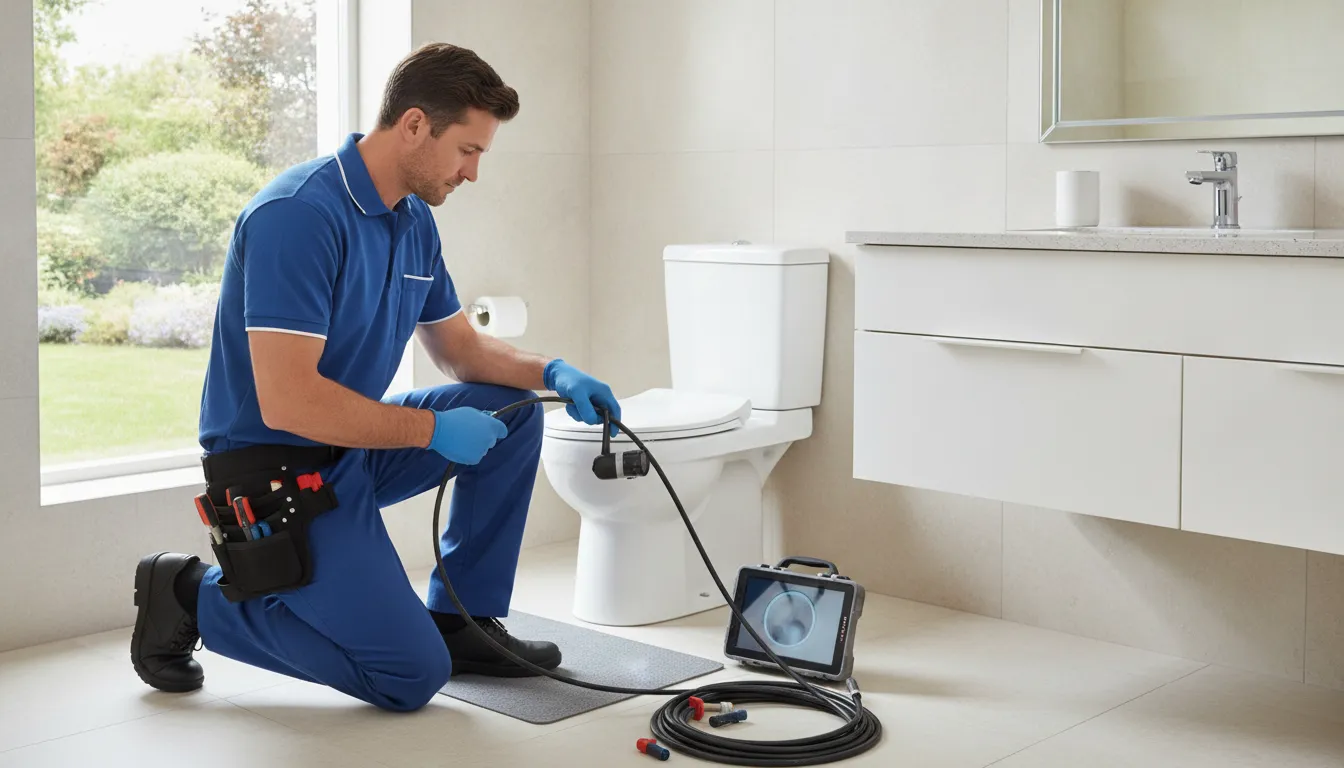
During a professional sewer camera inspection, a trained plumber uses a waterproof camera to view the inside of the drain or sewer line. This can help identify the exact blockage point and reveal conditions that cannot be confirmed from the fixture alone. Those conditions may include cracks, breaks, offsets, heavy buildup, or roots entering a line. The Environmental Protection Agency identifies camera and closed-circuit television inspection as established methods for evaluating internal sewer conditions. The agency also notes that inspections can produce a video record for future reference. Learn more about sewer inspection methods from the EPA.
Several warning patterns make inspection especially useful. If a kitchen sink, bathtub, toilet, or floor drain is slow at the same time. The issue may involve a shared branch or the main sewer path rather than one fixture. Gurgling sounds, sewer odors, wastewater backing up, or repeated backups also justify a closer evaluation. In West Bloomfield, a homeowner may be responsible for the sanitary sewer lead from the home to the Township main. So knowing where a condition exists helps guide the next decision.
The inspection findings inform whether cleaning is likely to solve the problem or whether repair should be considered. If the pipe is intact but restricted by debris or buildup, the plumber may recommend a professional cleaning method such as HydroScrub after discussing the diagnosis. If the camera shows structural damage or a persistent defect, cleaning alone may provide only temporary relief. The appropriate next step may instead involve targeted repair or replacement, based on the actual condition and location of the line.
Mr. Pipey’s professional sewer camera inspection gives West Bloomfield homeowners a clearer basis for service decisions, rather than relying on repeated, short-term attempts to restore flow.
How does HydroScrub help with stubborn drain buildup?
When a drain keeps slowing down after a temporary improvement, the issue may be more than a small, isolated obstruction. Grease, soap residue, organic debris, and other buildup can collect along the inside of a drain line. In those cases, restoring a narrow path for water may not address the condition that caused the recurring problem. A licensed plumber first evaluates the symptoms, affected fixtures, and likely location of the restriction before deciding whether HydroScrub is appropriate.
HydroScrub is a professional high-pressure water cleaning method used to clear stubborn buildup from plumbing lines. The water works through the line to break up and carry away accumulated material, helping clean more of the pipe interior than a short-term opening alone. It is a service performed with specialized equipment and training, not a homeowner drain-care method. The correct pressure, access point, and cleaning approach depend on the pipe, the blockage, and the condition of the system.
Why is diagnosis important before HydroScrub?
High-pressure cleaning is selected after the plumbing professional understands what is happening in the line. A visual assessment may be enough for a straightforward problem, while recurring clogs, multiple slow fixtures, backups, odors, or uncertain blockage locations can call for a professional sewer camera inspection. Camera information can help identify where the restriction is and whether the line appears suitable for cleaning. It can also reveal conditions that require a different service, such as repair or replacement.
This distinction matters because cleaning is not a substitute for correcting damaged plumbing. If a line has a structural problem, severe deterioration, or another condition that prevents reliable flow, the appropriate next step may be professional drain repair rather than repeated cleaning. A clear diagnosis allows the homeowner to understand the service decision before work begins.
How does HydroScrub differ from hazardous chemical treatment?
Mr. Pipey uses HydroScrub as a professional cleaning option for stubborn buildup without recommending hazardous chemical drain treatments. Chemical products can introduce safety concerns and may not address the underlying location or cause of a recurring blockage. Homeowners should not combine drain chemicals or attempt to operate professional jetting equipment. A licensed plumber can evaluate the line and explain a safer, appropriate path based on the actual plumbing conditions.
For West Bloomfield homeowners comparing options for a persistent clog, the HydroScrub drain jetting service page explains the cleaning approach in more detail. You can also review this local guide to the HydroScrub drain cleaning service and why professional assessment comes before selecting it. The goal is not simply to make water move briefly. It is to match the cleaning method to the pipe’s condition and the home’s actual drainage problem.
How can you tell whether the blockage is in a drain or sewer line?
The number and location of affected fixtures often provide the first useful clue. A blockage limited to one sink, tub, or toilet may be close to that fixture. When several fixtures begin draining slowly or backing up together, the restriction may be farther downstream in a shared branch or the home’s sewer lead. That distinction matters because restoring flow at one fixture may not address the condition affecting the larger system.
| Possible location | Typical pattern | Diagnostic focus | Professional response |
|---|---|---|---|
| Localized fixture issue | One sink, tub, shower, or toilet is slow or blocked while nearby fixtures operate normally. | Assess the affected fixture, trap area, and immediately connected drain section for buildup or a localized obstruction. | Professional drain cleaning may be appropriate after the plumber identifies the restriction and confirms that the surrounding system is functioning normally. |
| Shared branch restriction | Two or more fixtures in the same area drain slowly, gurgle, or back up around the same time. | Trace how the fixtures connect and determine whether the restriction is in a shared branch rather than at one fixture. | The plumber evaluates the connected line, explains the available service, and verifies flow across the affected fixtures after cleaning. |
| Possible sewer-line issue | Multiple fixtures throughout the home are affected, or backups return after temporary improvement. Sewer odors, a wet area in the yard, or unusually lush grass can add context. | Locate the blockage and inspect the sewer lead for buildup, roots, cracks, collapse, or another condition that cleaning alone may not resolve. | A professional sewer camera inspection can guide the decision between cleaning, repair, or replacement. The recommended response depends on the pipe’s actual condition. |
These patterns are helpful, but they cannot establish the blockage location by themselves. Plumbing systems connect in ways that are not visible from the surface. A single fixture can appear to be the problem even when a restriction lies farther along the line. A camera inspection can show where the obstruction is and whether the pipe has a structural concern. The U.S. Environmental Protection Agency identifies camera and closed-circuit television inspections as established methods for evaluating internal sewer conditions. The agency also notes that inspection records can support future maintenance decisions.
West Bloomfield also has separate sanitary-sewer and storm-drain systems. A private sanitary sewer lead, the Township mainline, and interior plumbing components are distinct parts of the system. So responsibility and the right service response depend on where the issue is found. For recurring or multi-fixture problems, professional diagnosis is the clearest way to determine whether the next step is cleaning, a camera inspection, or professional drain repair.
What happens during a professional drain unclogging visit?
A professional visit is designed to identify why the drain is not flowing, not simply create a temporary opening. The plumber first connects the reported symptoms with the home’s plumbing layout, then selects a cleaning or repair method based on what the inspection shows. That approach is especially useful when a clog returns, several fixtures are affected, or the blockage may involve a sewer line.
For West Bloomfield homeowners, the process typically includes these stages:
- Intake and symptom review. The visit begins with questions about which fixture is affected, when the problem started, whether the drain is slow or backing up. And whether there are related signs such as gurgling, bubbling toilets, unpleasant odors, or water pooling around another drain. The plumber may also ask whether the issue is isolated to one fixture or appears in multiple areas of the home. This information helps establish whether the concern is likely local or may involve a shared drain or sewer line.
- Visual assessment and symptom mapping. The plumber examines accessible fixtures, drain openings, cleanouts, and surrounding areas while comparing the reported symptoms with the home’s plumbing configuration. Mapping where water moves, backs up, or drains slowly helps narrow the likely location of the obstruction. It also identifies conditions that may require more than routine cleaning, such as recurring blockage or possible pipe damage.
- Camera diagnosis when needed. If the blockage location or cause is unclear, a professional sewer camera inspection can show the inside of the drain or sewer line. Video inspection may help locate the obstruction and reveal buildup, roots, damage, or another condition affecting flow. This gives the homeowner a more specific explanation than choosing a service based only on surface symptoms.
- Explanation and written options. After reviewing the findings, the plumber explains what is causing the problem and what service options fit the pipe’s condition. Depending on the diagnosis, that may include professional drain cleaning, HydroScrub drain jetting for stubborn buildup, camera inspection, drain repair, or a more involved sewer-line recommendation. Mr. Pipey provides upfront written quotes before work begins, with transparent options and no hidden or overtime charges.
- Selected cleaning or repair. Once the homeowner approves an option, the plumber performs the appropriate professional service. HydroScrub uses high-pressure water to clean stubborn buildup without hazardous chemicals when that method is suitable. If the inspection identifies damaged piping or another condition that cleaning cannot correct, the recommendation may instead focus on repair or replacement. The selected work should match the diagnosed cause rather than rely on a one-size-fits-all treatment.
- Flow verification and final explanation. The plumber checks drainage after the work and confirms whether water is moving as expected. The homeowner receives an explanation of what was addressed, any conditions that should be monitored, and whether follow-up service is recommended. This final verification helps distinguish a completed cleaning from a partial opening that may leave the underlying issue unresolved.
A licensed professional can also explain whether ongoing maintenance or a broader inspection makes sense for the home’s plumbing. When you need a clear diagnosis instead of repeated temporary fixes, professional drain cleaning provides a practical starting point.
When should West Bloomfield homeowners request drain repair?
A drain that slows down once may only need professional cleaning. A drain that repeatedly returns to the same problem deserves a closer look. Recurring clogs can indicate buildup that was not fully removed or a damaged section of pipe. They can also indicate a restriction farther down the line or a connection problem affecting more than one fixture. In those situations, restoring flow without identifying the cause may provide only temporary relief.
Drain repair becomes a more appropriate recommendation when a professional inspection finds a physical defect. Cracks, separated joints, collapsed sections, corrosion, or a pipe that has shifted out of alignment can continue to collect debris and restrict flow. Cleaning can remove material inside a pipe, but it cannot correct structural damage. If a camera inspection shows that the pipe itself is failing, the service plan should address that condition rather than repeat the same cleaning cycle.
What findings can change the service recommendation?
Camera findings are especially useful when the symptoms do not clearly identify the problem. A video inspection can help locate the blockage and show whether roots have entered through a joint or damaged area. It can also distinguish ordinary debris buildup from a persistent restriction, a break, or another sewer-line condition. The result gives the homeowner a clearer basis for choosing among cleaning, repair, or replacement.
Roots deserve particular attention because they can return after a blockage is cleared when the entry point remains open. In that case, a cleaning service may restore drainage for a period, while repair or replacement may be needed to correct the damaged connection. The right recommendation depends on the condition, location, and extent of the affected pipe, not simply on how severe the backup feels on a given day.
Several symptoms together can also shift the conversation toward repair or sewer-line assessment. These include multiple fixtures draining slowly, repeated backups, persistent sewer odors, gurgling from fixtures, or drainage problems that return soon after professional cleaning. Wet areas or unusually green patches in the yard may also warrant evaluation when they occur alongside indoor sewer symptoms. These signs do not prove that a repair is required, but they support investigating the shared drain or sewer path instead of treating one fixture in isolation.
Mr. Pipey can use visual assessment and plumbing camera technology to explain what the line needs before work begins. If the diagnosis shows a damaged or failing section, review the options for professional drain repair and replacement. A licensed plumber can then outline the recommended scope, provide a written quote, and explain why repair, replacement, or targeted cleaning best fits the pipe’s actual condition.
Frequently Asked Questions
What is the fastest way to address a recurring drain clog?
The fastest reliable approach is professional diagnosis, especially when a clog returns after temporary flow restoration. A plumber can identify whether the problem is limited to one drain, involves a shared branch, or points toward the sewer line. The plumber can then recommend cleaning, inspection, repair, or replacement based on the pipe’s condition.
When should a slow drain receive a camera inspection?
Camera inspection is appropriate when the blockage location is unclear, symptoms keep returning, several fixtures drain slowly, or backups and sewer odors suggest a line problem. The camera helps locate the obstruction and can reveal conditions such as damage or root intrusion before the next service decision is made.
How does HydroScrub help with stubborn drain buildup?
HydroScrub uses professionally controlled, high-pressure water to clean stubborn buildup from appropriate drain or sewer lines without relying on hazardous chemicals. It is selected after the plumbing condition is assessed, because cleaning is not a substitute for repairing a damaged or compromised pipe.
How can I tell whether a clog affects my drain or sewer line?
A problem limited to one fixture may be local, while multiple slow or backing-up fixtures. Bubbling toilets, gurgling, sewage odors, or floor-drain activity can indicate a shared drain or sewer-line concern. A professional assessment is needed to confirm the location rather than relying on symptoms alone.
What should I do if sewage backs up into my West Bloomfield home?
Limit contact with the affected water and arrange professional plumbing assessment promptly. If the backup caused property damage, document the condition and review Township reporting guidance. Responsibility can depend on whether the issue is in private plumbing, a sewer lead, or the public system.
Contact us about your West Bloomfield drain
Recurring or stubborn clogs are easier to address when a licensed professional identifies the blockage. The recommendation should match the condition of the drain or sewer line. Mr. Pipey can evaluate the problem and explain the appropriate next step, whether that involves cleaning, camera inspection, or another professional service. Contact Mr. Pipey to schedule an evaluation.


