

I love the character of our Metro Detroit homes, but let’s be real—that charm often comes with older, unpredictable plumbing. When a sewer line fails, your first question is probably, “How much is this going to cost?” The final price tag varies widely based on your property, local permits, and even your soil. We’ll break down what goes into a quote, from the typical sewer line replacement cost per foot to how trenchless options can save your landscaping. My goal is to give you a clear picture of the investment so you can protect your home and get the job done right.
Key Takeaways
- Know what drives the price: Sewer line replacement costs, typically $60 to $250 per foot, are determined by the method used, your choice of pipe material, and the accessibility of the damaged line.
- Factor in landscape restoration: Traditional trenching often requires expensive repairs to your lawn, driveway, or patio; consider that trenchless methods can help you avoid these significant secondary costs.
- Plan for the other essentials: A complete budget should also account for necessary expenses beyond the plumbing work itself, including city permits, inspections, and potential fees for emergency service.
Signs You Need a Sewer Line Repair or Replacement
Your home’s plumbing system often gives subtle hints before a major problem occurs, and the sewer line is no exception. Paying attention to these early warnings can be the difference between a straightforward fix and a costly, disruptive emergency. It’s easy to dismiss a slow drain or an odd sound, but these can be symptoms of a much larger issue brewing underground. Recognizing the signs of a failing sewer line allows you to act quickly, protecting your property from significant damage and saving you from the stress of a plumbing crisis. Let’s walk through what you should be looking for and why it’s so important to address these issues right away.
Common Warning Signs to Watch For
Keep an eye—and nose—out for a few key indicators that your sewer line needs attention. If you’re dealing with frequent drain backups in multiple fixtures, like your toilet and shower, it’s a strong signal that the problem lies in the main line, not an isolated clog. Unpleasant sewage odors in or around your home are another telltale sign. Outside, you might notice unusually green, lush patches of grass or soggy spots in your yard, which can point to a leak underground. Gurgling sounds from your drains or toilets are also common warnings. If you notice any of these issues, it’s best to call for a professional inspection before a small problem escalates into a full-blown plumbing emergency.
The Risks of Delaying Repairs
It can be tempting to adopt a “wait and see” approach with plumbing issues, but delaying a sewer line repair is a gamble you don’t want to take. A small crack or blockage can quickly worsen, leading to a complete pipe collapse. This can cause sewage to back up into your home, creating a hazardous and expensive mess to clean up. Ignoring the problem can also lead to more extensive property damage, such as foundation cracks or sinkholes in your yard. What might have been a manageable repair can turn into a much larger and more costly replacement project. Addressing sewer line issues promptly is the best way to protect your home, your health, and your budget from the consequences of a major failure.
Repair vs. Full Replacement: Making the Right Call
Once a sewer line problem is confirmed, the next step is deciding between a repair and a full replacement. A repair is often a great solution for isolated issues, such as a single crack, minor damage in one section, or a small amount of root intrusion. However, if your pipes are over 50 years old, have suffered a collapse, or are plagued by constant clogs and widespread damage, a full replacement is usually the more reliable long-term solution. Making the right call isn’t something you have to do alone. A professional plumber can perform a camera inspection to accurately diagnose the extent of the damage and help you understand the best course of action for your home’s specific needs. When you’re ready for an expert opinion, our team at Mr. Pipey is here to provide a clear assessment.
How Much Does Sewer Line Replacement Cost Per Foot?
Facing a sewer line replacement can feel overwhelming, especially when you start thinking about the cost. It’s a significant home repair, and the final price tag depends on a lot of different variables. The total length of the pipe, the material it’s made from, and the method used for the replacement all play a major role in the final estimate. A simple, straightforward job on a small property will cost much less than a complex replacement that requires digging under a driveway or navigating around mature trees.
Think of it less as a single fixed price and more as a range that we can narrow down once we understand your specific situation. To give you a clearer picture, let’s break down the costs. We’ll look at the price per foot, how different pipe materials compare, and what you can generally expect to pay here in the Metro Detroit area. Understanding these components will help you see where your money is going and why one quote might differ from another. Our goal is to make sure you feel informed and prepared, not surprised by the final bill. This way, you can feel more prepared and confident when you get a quote for your project.
How Repair Methods Affect the Price Tag
When plumbers talk about sewer line replacement costs, they often use a “per foot” measurement. Generally, you can expect sewer line replacement to cost between $60 and $250 per linear foot. The wide range comes down to the complexity of the job and the replacement method used. For example, a straightforward replacement on a clear, accessible property will be on the lower end of that scale. However, a more complicated job that requires special equipment or extensive digging will push the cost toward the higher end. This per-foot pricing helps create a baseline before factoring in other details.
Traditional Digging Costs
The traditional method involves excavating a trench along the entire length of the old sewer line to remove it and lay a new one. While the direct plumbing cost can sometimes be on the lower end of the spectrum, it’s the secondary expenses that add up. This method is highly disruptive to your property, meaning you’ll have to budget for repairing your lawn, garden, driveway, or patio after the work is done. These restoration costs are often significant and aren’t included in the initial plumbing quote. It’s a reliable method, but it’s important to consider the total project cost, not just the price per foot for the pipe itself.
Trenchless Pipe Lining (CIPP) Costs
Trenchless pipe lining, also known as Cured-in-Place Pipe (CIPP), is a fantastic, minimally invasive technique. It costs about $90 to $250 per linear foot. With this method, we insert a flexible, resin-coated liner into the existing damaged pipe and inflate it. The resin then hardens, creating a brand-new, seamless pipe inside the old one. While the per-foot cost can be higher than some traditional jobs, you save a tremendous amount on landscape restoration. Since there’s no major digging involved, your yard and driveway remain intact, making it a very cost-effective solution when you factor in the total expense and hassle you avoid.
Trenchless Pipe Bursting Costs
Pipe bursting is another excellent trenchless option that typically costs about $60 to $200 per linear foot. This method involves pulling a new pipe through the old, damaged one while simultaneously fracturing the old pipe outward. It only requires small access pits at either end of the line, leaving the rest of your property untouched. Pipe bursting is ideal when the existing pipe has collapsed or is too damaged for lining. It offers a great balance of affordability and minimal disruption, allowing you to get a completely new, durable pipe without the headache and expense of major excavation and property repairs.
How Pipe Materials Affect Your Budget
The type of pipe you choose also has a direct impact on your budget. Modern plumbing offers several durable options, each with a different price point. For a standard 50-foot replacement, durable plastic pipes like ABS or PVC are the most common and cost-effective choices, typically running from $80 to $400 for the materials alone. On the other hand, if you opt for heavy-duty cast iron pipes, known for their long lifespan, the material costs can be significantly higher, ranging from $1,200 to $3,700. Our team can walk you through the best options for your home’s needs and budget during an expert consultation.
Common Pipe Material Costs (PVC, Copper)
Plastic pipes like PVC and ABS are the standard for most residential sewer lines because they offer a great balance of durability and affordability. As a practical choice for many homeowners, these materials resist corrosion and have a smooth interior surface that helps prevent clogs. For those seeking maximum longevity, copper is another reliable option known for its strength and resistance to root intrusion. It does come at a higher price, typically costing between $30 and $80 per foot. While the upfront investment is greater, copper’s resilience can make it a worthwhile choice for a long-term solution. We can help you weigh the pros and cons of each material for your specific property and budget.
Specialty Materials like HDPE
In certain situations, a specialty material like High-Density Polyethylene (HDPE) pipe is the best fit. HDPE is known for its incredible flexibility and strength. While it’s often used in areas with seismic activity, that same flexibility is a huge advantage right here in Michigan. Our intense freeze-thaw cycles cause the ground to shift, putting significant stress on more rigid pipes. HDPE can withstand this movement without cracking, making it a smart long-term investment for some properties. Though it’s a more expensive option than PVC, its resilience can prevent future breaks and costly repairs, offering valuable peace of mind. A professional assessment of your property is the best way to determine if this is the right solution for you.
What’s the Going Rate in Metro Detroit?
Here in Metro Detroit, the total cost to replace a main sewer line can range anywhere from $3,000 to over $30,000. This broad range reflects the unique character of our local homes and properties. Factors like the age of your home, the depth of the sewer line, soil conditions, and local permit requirements all influence the final price. Whether your line runs under a historic brick patio or a simple front lawn makes a big difference. That’s why getting a detailed, on-site estimate from a trusted local plumber is so important for understanding the true cost of your plumbing project.
What Factors Increase Your Sewer Line Replacement Cost?
When you get a quote for a sewer line replacement, the final number depends on much more than just the length of the pipe. Several factors can make the job more complex, which in turn affects the overall cost. Understanding these variables helps you see exactly what you’re paying for and why one quote might differ from another. From the depth of the pipe to the type of soil in your yard, each element plays a role in the project’s scope. Let’s break down the key factors that can influence your final bill.
Why Pipe Depth and Accessibility Matter
One of the biggest cost drivers is how difficult it is to get to the damaged pipe. A shallow pipe in an open yard is the most straightforward scenario. However, the deeper the pipe is buried, the more soil needs to be excavated, which increases labor and time. Access becomes even more complicated if the pipe runs under your house. To reach it, our team might need to carefully work through a basement floor or foundation. The longer the section of pipe that needs replacing, the more extensive this work becomes, adding to the total cost of your plumbing services.
How Soil and Terrain Affect the Price
The type of ground we have to dig through here in Metro Detroit can also impact the price. Soft, loamy soil is relatively easy to excavate. But if your property has dense clay, large rocks, or is filled with tree roots, the digging process becomes much more challenging and time-consuming. This often requires specialized equipment to handle safely and efficiently. Similarly, the terrain of your yard matters. A flat, level surface is ideal, but a steep slope may require extra safety measures and equipment to manage the excavation, which can add to the labor costs.
How Your Pipe Choice Affects the Total Cost
The materials used for the new sewer line will also be a line item on your invoice. Modern pipes are typically made from durable PVC or ABS plastic, which are cost-effective and resistant to root intrusion. In some cases, you might opt for cast iron, which is incredibly durable but comes with a higher price tag. The best choice for your home depends on your budget, local building codes, and specific needs. We can walk you through the pros and cons of each option to find a solution that offers reliable, long-lasting workmanship and fits your budget.
What About Pipes Under Your Driveway or Patio?
What happens when the damaged pipe is located under your beautiful paver patio or concrete driveway? This is a common challenge that can significantly increase costs. To access the pipe, the hardscaping must be carefully cut and removed. After the new pipe is installed, that area needs to be repaired or replaced. This adds costs for both the demolition and the restoration. In some situations, trenchless repair methods can be an alternative to avoid this disruption. If you’re facing a complex repair, it’s best to get a professional assessment to explore all your options.
The Impact of Tree Root Intrusion
It’s amazing how something as beautiful as a mature tree can cause such a major plumbing headache. Tree roots are naturally drawn to the moisture and nutrients inside your sewer lines, and they can be surprisingly aggressive, forcing their way into tiny cracks and pipe joints. Once inside, they don’t just cause clogs; they can expand and split the pipe wide open. This kind of damage is often what turns a simple repair into a full-blown replacement. According to some plumbing industry reports, the repairs needed to fix root damage can add anywhere from $100 to $1,500 to the final bill. It’s one of the most common and costly issues we see with older sewer systems.
On top of the damage inside the pipe, that same root system makes the physical job of excavation much more difficult. A yard filled with dense, stubborn roots is one of the biggest challenges that can increase costs. Digging through that tangled web is far more time-consuming and labor-intensive than working with clear soil, often requiring specialized equipment to get the job done safely and correctly. This added complexity means more time on the job, which naturally affects the labor portion of your quote. The more extensive the root system, the more this factor will influence the final price of the replacement.
How Do Trench and Trenchless Methods Compare?
When your sewer line needs replacing, you generally have two paths to choose from: the traditional trench method or a more modern trenchless approach. Each has its own process, price tag, and impact on your property. The traditional method involves digging a long trench across your yard to access the entire pipe. It’s effective but can be quite disruptive. On the other hand, trenchless methods, like pipe bursting or lining, require only a couple of small access points, leaving your lawn and landscaping mostly untouched.
Understanding the differences between these two options is the first step in making an informed decision for your home and your budget. Your choice will depend on factors like your property’s layout, the extent of the pipe damage, and how much disruption you’re willing to handle. We’ll break down the costs and benefits of each so you can see which one makes the most sense for your situation.
The True Cost of Traditional Digging
This is the classic method most people picture when they think of major plumbing work. A team digs a large trench to expose the old sewer line, remove it, and lay a new one. While effective, the labor and heavy machinery required make it expensive. When you add up the digging, pipe replacement, and backfilling, total project costs can run anywhere from $12,000 to $25,000. The price depends on how deep the pipe is and how long of a section needs replacing. This approach is a major undertaking, but it’s a reliable way to handle a full sewer line replacement.
Trenchless Repair: What You Pay For and What You Get
Trenchless repair is a less invasive alternative. Methods like pipe lining (creating a new pipe inside the old one) or pipe bursting (pulling a new pipe through the old one while breaking it apart) require only small entry and exit holes. The cost for trenchless methods typically ranges from $60 to $250 per linear foot. While the per-foot price can sometimes be higher than traditional methods, the biggest perk is the minimal disruption. You won’t have a massive trench running through your yard, which saves your landscaping, driveway, and patio from destruction. It’s a faster, cleaner process that’s perfect for many emergency plumbing situations.
Pipe Lining Explained
Pipe lining is a clever trenchless method that essentially creates a brand-new pipe right inside your old, damaged one. The process involves inserting a flexible, resin-coated tube into the existing sewer line through a small access point. Once it’s in place, we inflate the liner and allow the resin to cure, forming a hard, seamless, and durable pipe. This approach minimizes disruption to your property, as it requires only a couple of small access points, leaving your lawn and landscaping mostly untouched. The cost for pipe lining typically ranges from $60 to $250 per linear foot. While the per-foot price can be higher than traditional digging, you save significantly on the secondary costs of restoring your yard, patio, or driveway, making it one of our most popular plumbing solutions.
Pipe Bursting Explained
Pipe bursting is another highly effective trenchless technique we use, especially when the old pipe is too damaged for lining. This method involves pulling a new, high-density polyethylene pipe through the old one while simultaneously breaking the old pipe apart. A specialized “bursting head” is attached to the front of the new pipe, fracturing the old cast iron or clay pipe outward as it moves through. Like lining, this technique only requires small entry and exit holes, which helps preserve your landscaping. The cost for pipe bursting also falls within the $60 to $250 per linear foot range. This method is particularly great for emergency plumbing situations because it’s faster and cleaner than traditional digging and can even increase the pipe’s diameter for better flow.
What’s the Cost to Fix Your Yard Afterward?
With traditional excavation, the plumbing bill is just the beginning. After the new pipe is in, you’re left with a torn-up yard. You’ll need to budget for resodding your lawn, replanting gardens, and possibly even repairing a damaged driveway or patio. These restoration costs are what can push a traditional sewer repair project into the $12,000 to $25,000 range. When you get a quote, it’s crucial to ask if landscape repair is included or if you’ll need to handle that separately. This is often the biggest hidden cost of the trenching method.
Which Method Offers Better Long-Term Value?
It’s easy to focus on the upfront cost, but it’s also important to think about long-term value. Trenchless repairs often use seamless, durable pipe materials that resist root intrusion and corrosion, potentially lasting for 50 years or more. While the initial investment might seem higher in some cases, you save a significant amount of money and hassle by avoiding property restoration. Choosing a durable, modern solution is a smart investment in your home’s future, and working with a team you trust ensures the job is done right. As a family-owned business, we believe in providing solutions that last.
What Hidden Costs Should You Plan For?
The initial quote for your sewer line replacement covers the core of the job, but it might not be the final number you see on the bill. Several other factors can pop up, and it’s smart to plan for them from the start. Thinking about these potential expenses ahead of time helps you create a realistic budget and avoids any stressful surprises down the road. From city permits to fixing up your flower beds, let’s walk through the common hidden costs so you can feel fully prepared for your project.
The Upfront Cost of a Camera Inspection
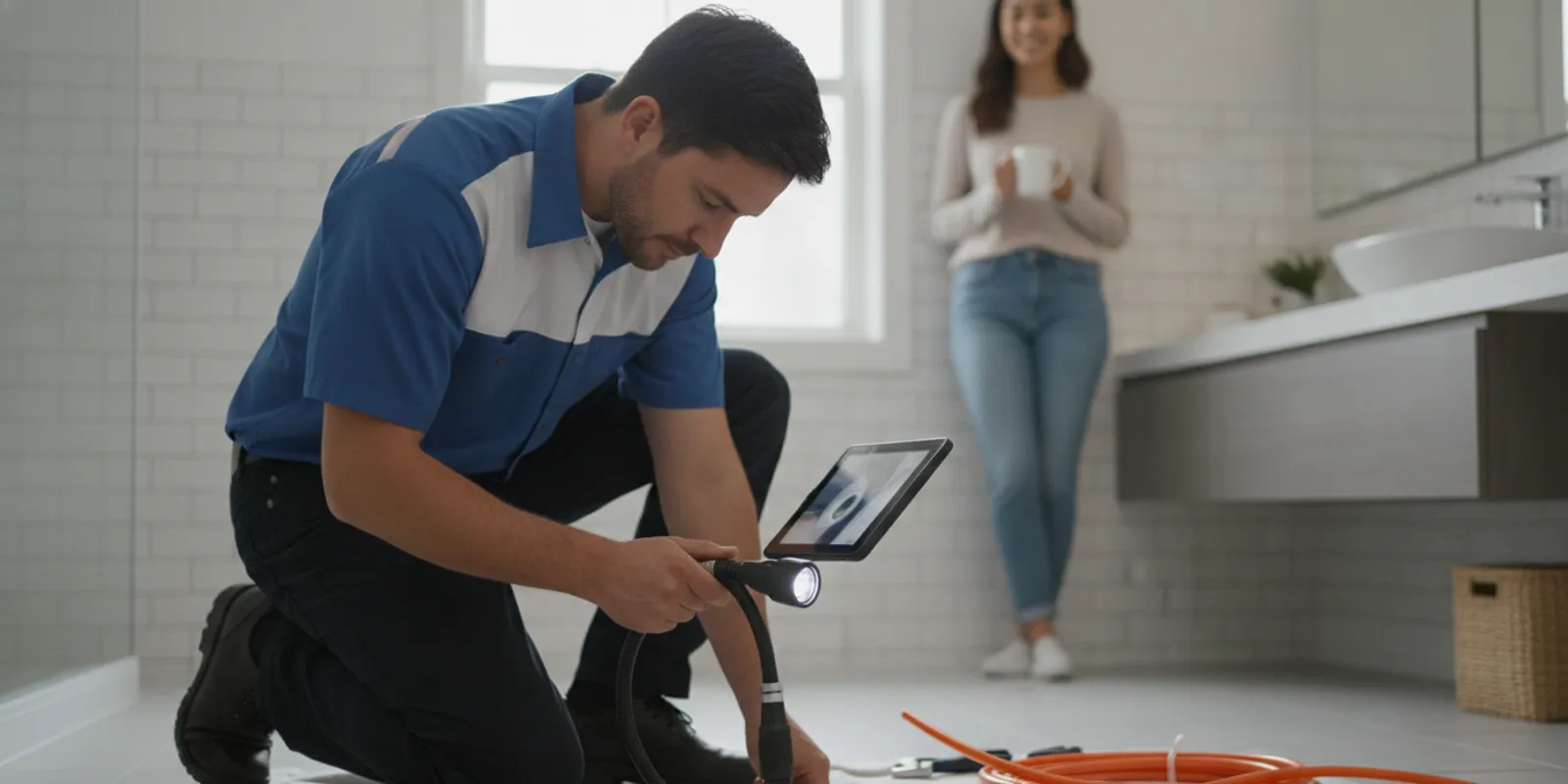
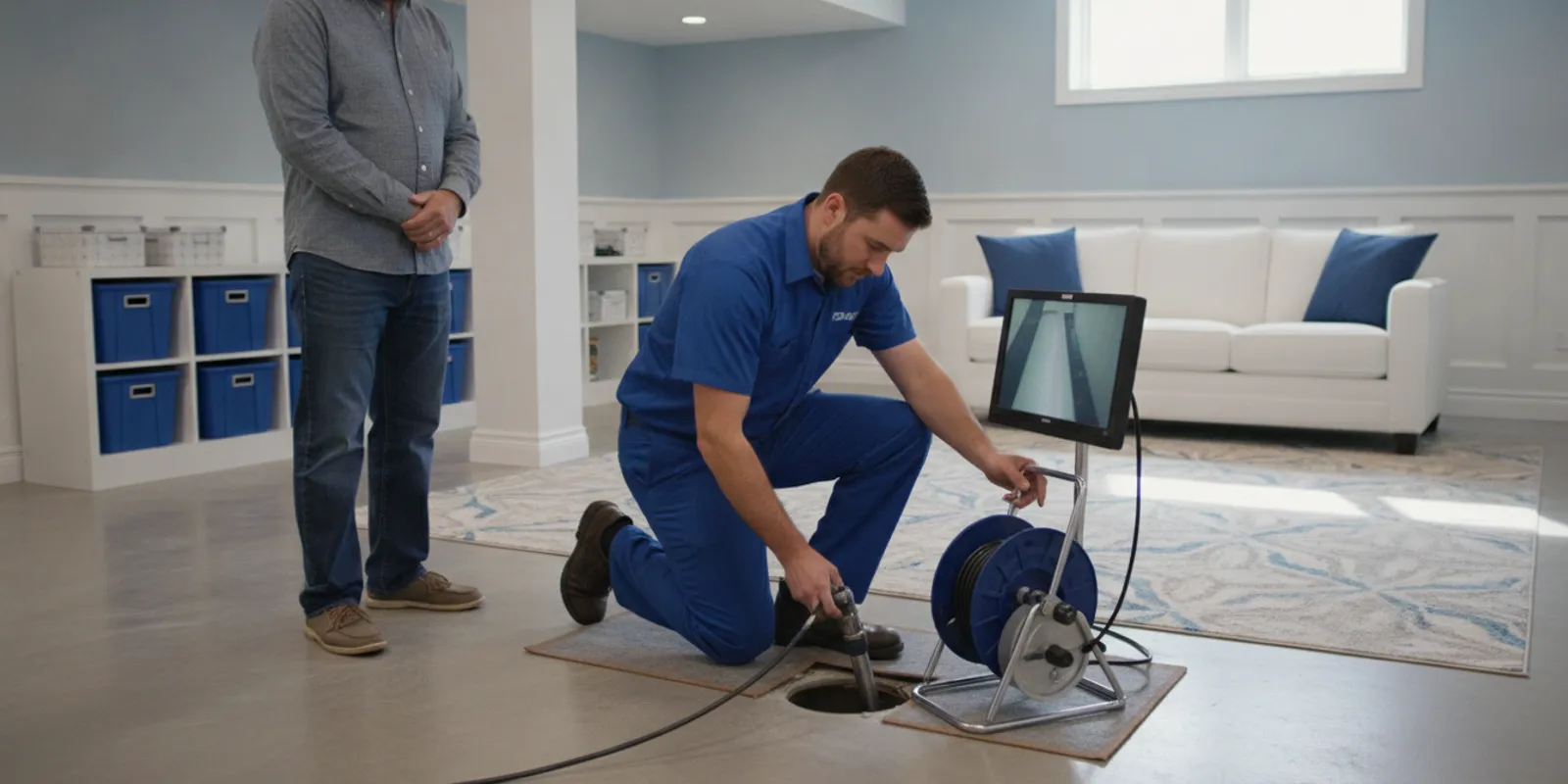
Before you commit to a major sewer line replacement, it’s smart to consider a camera inspection first. Think of it as a small upfront investment that can save you a significant amount of money and stress down the line. This service, which typically costs between $175 and $350, allows a professional to see exactly what’s happening inside your pipes. Instead of guessing, we can pinpoint the precise location and cause of the issue, whether it’s a stubborn clog, a crack from shifting soil, or invasive tree roots. This diagnostic step ensures we can create a targeted and efficient plan, preventing unnecessary digging and making sure you only pay for the plumbing services you actually need.
Will You Need to Pay for Permits and Inspections?
Before any digging begins, your project needs a green light from the city. Most municipalities in the Metro Detroit area require permits for major plumbing work like sewer line replacement. This isn’t just red tape; it’s a process that ensures the work is done correctly and safely, protecting both your home and the public sewer system. The cost of pulling these permits and scheduling the necessary inspections will be added to your total project cost. A professional plumber will handle this process for you, but it’s an essential line item to include in your budget.
Planning Your Budget for Landscape Repairs
If your sewer line replacement requires traditional excavation, your yard is going to be disrupted. The cost to repair your lawn, garden, driveway, or patio after the new pipes are in is rarely included in the plumbing quote. Restoring your landscape can be a significant expense, sometimes costing thousands depending on the extent of the digging. You’ll need to budget for things like new sod, plants, concrete work, or paver replacement. This is one reason why trenchless methods are so popular, as they help minimize the damage to your property and save you from these hefty restoration costs.
Do Emergency Repairs Cost More?
When a sewer line fails unexpectedly, you don’t have time to shop around for quotes. You need help, and you need it fast. Calling for emergency plumbing services, especially outside of regular business hours, often comes with a premium charge. The urgency of the situation can increase your costs significantly compared to a planned replacement. While you can’t always predict a plumbing disaster, addressing known issues with your sewer line before they become a full-blown emergency is one of the best ways to keep your final costs under control and avoid those extra fees.
Will Your Homeowner’s Insurance Cover It?
Many homeowners are surprised to learn that their standard insurance policy probably doesn’t cover sewer line replacement. Most policies exclude damage from normal wear and tear, corrosion, or tree root intrusion, which are the most common causes of sewer line failure. According to GEICO, coverage typically only applies if the damage is from a “sudden and accidental” event. Before you start your project, call your insurance agent to clarify what your policy covers. You might be able to add extra service line coverage for future protection, but it’s unlikely to help with a pre-existing problem.
How a Pro Contractor Prevents Future Costs
Choosing the cheapest quote might save you money upfront, but it can lead to much bigger problems later. Hiring a trusted, professional plumbing company is an investment in your home’s future. An experienced team ensures the job is done right the first time, using high-quality materials and adhering to local codes. This prevents premature pipe failure, leaks, and the need for more repairs. A quality installation from a team that treats you like family, like the experts at Mr. Pipey, gives you peace of mind and saves you from the stress and expense of future plumbing headaches.
Related Articles
- Trenchless Sewer Line Replacement Cost: A 2026 Guide
- Sewer Line Repair & Replacement Services in Bloomfield Hills| Mr. Pipey®
- Trenchless Sewer Replacement: A Complete Guide
Frequently Asked Questions
Why is the cost for sewer line replacement so varied? The final price tag for a sewer line replacement depends entirely on the specifics of your property. A simple job where the pipe is shallow and easily accessible in an open yard will cost much less than a complex one. Factors like the pipe’s depth, the type of soil we have to dig through, and whether the line runs under a driveway or mature trees all play a significant role in the labor and equipment required, which is reflected in the final quote.
Will my homeowner’s insurance help pay for a new sewer line? In most cases, standard homeowner’s insurance policies do not cover sewer line replacement. This is because insurance is typically designed for sudden, accidental damage, while most sewer line failures are caused by gradual issues like tree root intrusion, corrosion, or simple aging. It is always a good idea to call your insurance agent to confirm the details of your specific policy, but it’s wise to budget for this as an out-of-pocket expense.
Is a trenchless replacement always the better option? Trenchless methods are a fantastic solution for minimizing damage to your landscaping and driveway, often making them a preferred choice. However, they aren’t suitable for every situation. The condition and material of the existing pipe, as well as the specific type of damage, can sometimes make traditional excavation a more effective or necessary approach. A professional assessment can determine the best method for your home’s unique circumstances.
How can I get an accurate cost estimate for my home? The only way to get a truly accurate estimate is to have a professional plumber conduct an on-site evaluation. During a visit, a technician can assess the layout of your property, determine the extent of the damage (often using a camera inspection), and identify any potential obstacles. This allows them to provide a detailed quote that reflects the true scope of the work instead of just a general price range.
Besides the pipe itself, what other costs should I prepare for? It’s smart to plan for a few additional expenses beyond the core plumbing work. Your project will require municipal permits and inspections, which have associated fees. If you opt for traditional excavation, the biggest extra cost is often landscape restoration. Repairing your lawn, garden, patio, or driveway after the work is complete is a separate expense that you should factor into your overall budget.
How to Plan and Save on Your Sewer Line Replacement
A sewer line replacement is a major investment, but it doesn’t have to be a financial shock. With some careful planning and smart decision-making, you can manage the expense and ensure you’re getting the best value for your money. The key is to be proactive, do your research, and understand all the options available to you. From gathering quotes to exploring financing, taking a strategic approach will help you feel more in control of the process. Let’s walk through the practical steps you can take to make your sewer line replacement as smooth and affordable as possible.
Why You Should Always Get Multiple Quotes
When you’re facing a significant home repair, your first instinct might be to just get it done. But taking the time to get at least two or three quotes is one of the most important steps you can take. This isn’t just about finding the lowest price; it’s about understanding the full picture. Each quote will detail a plumber’s proposed solution, the materials they plan to use, and the estimated timeline. Comparing these proposals helps you see the different approaches available and ensures you’re making an informed decision. It also gives you a feel for different companies and helps you find a team you feel comfortable with.
Choosing the Right Plumber: What to Look For
The plumber you hire will have a huge impact on the success of your project. Look for a company that is fully licensed and insured, as this protects you from liability. A reputable plumber will also handle all the necessary city permits and provide a detailed, written estimate before any work begins. Don’t forget to ask about guarantees on their work and check out their customer reviews online. You want a partner who stands behind their service. At Mr. Pipey, our customer-first approach means we prioritize clear communication and offer a 100% satisfaction guarantee, ensuring you feel confident in the work from start to finish.
Exploring Financial Assistance Options
The cost of a sewer line replacement can be a lot to handle at once, but there may be options to help manage the expense. Some municipalities offer programs or assistance, so it’s worth checking your local city’s website for any resources. You can also look into sewer line protection plans offered by third-party companies. These plans function like insurance, covering repair costs for a monthly fee. While they may not help with a pre-existing issue, they can be a smart investment for future protection, saving you from high costs if another major repair is needed down the road.
Home Warranties and Protection Plans
It’s a common misconception that homeowner’s insurance will cover a sewer line replacement. Unfortunately, most standard policies exclude damage from gradual wear, corrosion, or tree roots, which are the usual culprits. It’s always best to check your coverage with your insurance agent to be sure, but you should plan for this to be an out-of-pocket expense. Some providers offer supplemental service line coverage as an add-on to your policy. This can be a cost-effective way to protect yourself from the high cost of future underground pipe repairs, giving you valuable peace of mind.
Financing and Payment Plans
If paying for the entire project upfront isn’t feasible, ask potential plumbing companies if they offer financing or payment plans. Many contractors have partnerships with lenders to provide flexible payment options that can make the cost more manageable. Planning ahead can also save you money. Addressing a known sewer line issue before it becomes a catastrophic failure allows you to avoid the premium charges that often come with emergency plumbing services. Scheduling the work during regular business hours is a simple way to keep your final bill as low as possible.
Smart Ways to Lower Your Project Costs
Beyond financing, there are other practical ways to reduce the overall cost of your sewer line replacement. One of the most effective strategies is to opt for trenchless repair methods. While the per-foot cost can be similar to traditional digging, you’ll save a significant amount of money on landscape restoration. By avoiding a large trench, you won’t have to pay to repair your lawn, driveway, or patio. You can also ask your plumber if there are any small preparatory tasks you can handle yourself, like clearing the work area of plants or decorations, to slightly reduce labor time.