Allen Park homeowners do not all need the same approach to pipe insulation. A pipe in a heated interior wall faces different conditions from one in an unfinished basement, crawl space, garage, or exterior wall. The pipe’s material, condition, surrounding airflow, and exposure to cold all matter before insulation is recommended.
So, do i need pipe insulation in Allen Park? You may benefit from professional insulation when water lines are exposed to unconditioned areas, drafts, condensation, or significant heat loss. It can support freeze protection and help hot water retain heat, but it is not a substitute for evaluating damaged pipes, air leaks, or broader plumbing concerns.
Contact Mr. Pipey for professional pipe insulation guidance in Allen Park.
The most useful starting point is the pipe’s exact location, because that reveals the environmental conditions a qualified plumber needs to assess.
Do I Need Pipe Insulation in Allen Park? Start With the Pipe Location
There is no single answer for every Allen Park home. Pipe insulation is most useful when plumbing runs through a place where temperatures, airflow, or moisture create a specific concern. A protected water line inside a conditioned wall may need little attention, while the same type of pipe in an unheated area can deserve a closer evaluation.
Start with the pipe’s location. Lines near an exterior wall, in a crawl space, unfinished basement, garage, attic, or other unconditioned area have more exposure to cold air. Pipes that run through exterior walls are especially worth reviewing. Building guidance recommends avoiding those locations where possible and insulating them when they cannot be avoided. The U.S. Department of Energy’s Building America guidance also identifies ventilated crawl spaces, uninsulated basements. And under-sink plumbing along exterior walls as locations where insulation can help protect against freezing and cracking.
Location is only part of the assessment. A plumber considers whether the pipe carries hot or cold water, whether air leaks or drafts reach it, and whether existing insulation is continuous. The plumber also looks for condensation, corrosion, or other signs of moisture exposure. Cold-water lines may sweat in humid conditions, while hot-water lines can lose heat as water travels from the heater to a fixture. Insulation can address some of these conditions, but it cannot correct a leak, poor drainage, or every cause of low water temperature.
Condition matters as much as exposure. Damaged, wet, compressed, or incomplete insulation may not provide reliable coverage. The surrounding space may also need attention, such as improved airflow management or sealing around areas where cold air enters. A professional evaluation helps separate a straightforward insulation need from a larger plumbing or building-envelope concern.
Mr. Pipey provides professional pipe insulation installation for hot and cold pipes, indoors and outdoors. For Allen Park homeowners, the practical question is not whether every pipe should be covered. It is whether a particular run is exposed, vulnerable, or showing symptoms that make targeted insulation a sensible part of a longer-term solution.
Which Pipes in an Allen Park Home Usually Need Attention?
Pipe insulation decisions depend less on the room name than on the pipe’s exposure to cold air, temperature changes, moisture, and heat loss. In an Allen Park home. A professional will usually pay closer attention to plumbing that sits outside the conditioned living space or runs beside a poorly insulated exterior surface. That does not mean every pipe in the home needs treatment. Location, pipe condition, access, and the purpose of the line all matter.
- Exterior-wall plumbing: Water lines routed against an exterior wall can be more exposed to cold conditions, especially where insulation is limited. Building America guidance advises avoiding exterior-wall plumbing where possible and insulating pipes when that routing is necessary. Learn more from the Building America Solution Center.
- Unheated basements and crawlspaces: These areas can expose hot- and cold-water lines to lower temperatures and drafts. Ventilated crawlspaces and unfinished basements deserve particular attention because pipe insulation may work alongside broader air-sealing and airflow improvements.
- Garages: A water line passing through an attached or detached garage may experience conditions that are substantially different from the living space. Both the pipe’s placement and the way cold air moves through the garage should be considered during an evaluation.
- Under-sink plumbing: Supply lines under kitchen or bathroom sinks can be vulnerable when the cabinet is located against an exterior wall. The issue is more significant when the surrounding area remains cold or receives limited conditioned air.
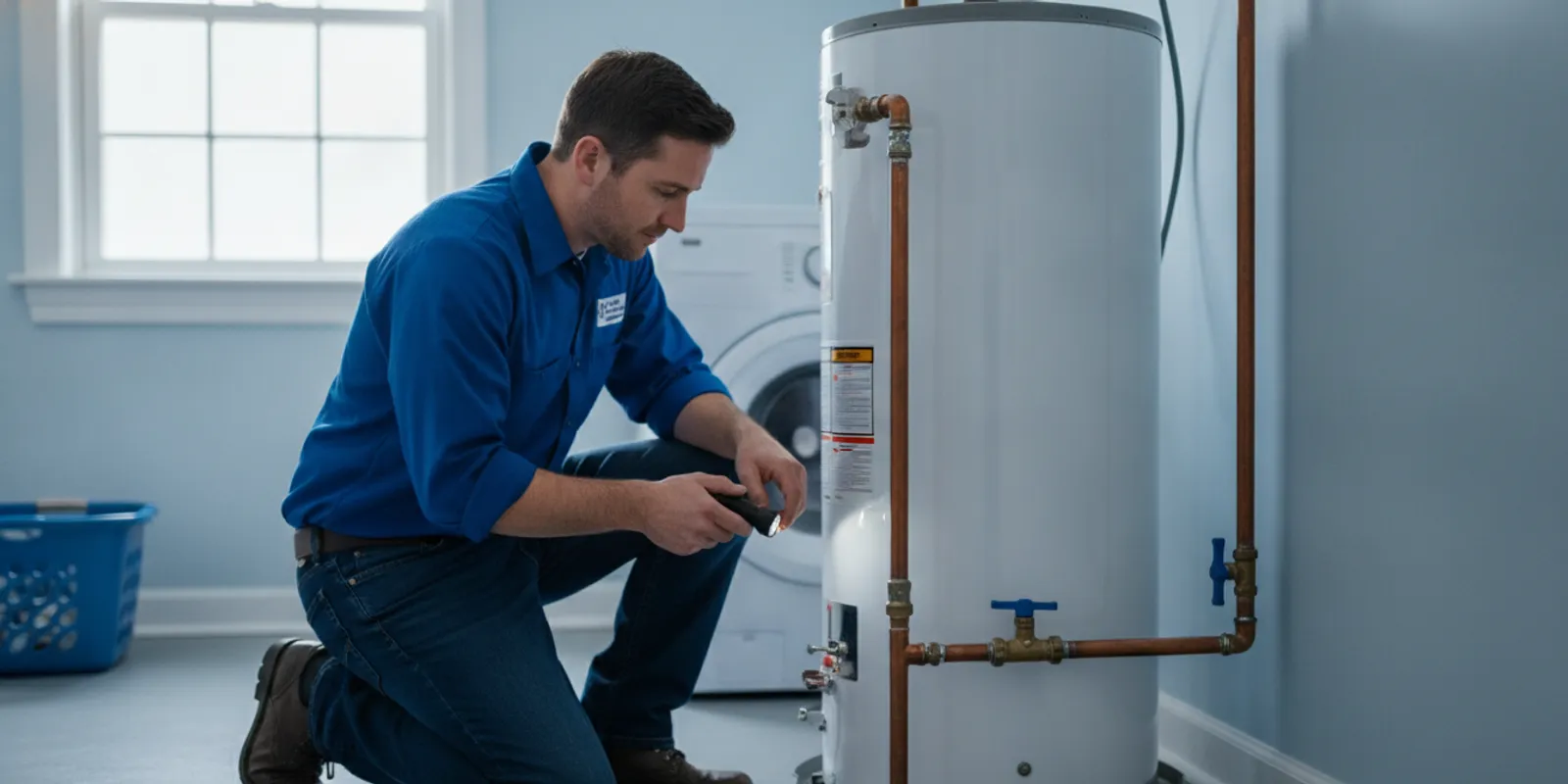
- Water-heater connections: The pipes near a water heater may benefit from insulation to retain heat in hot-water distribution lines. The work must preserve safe clearances and access to controls, valves, and service components rather than simply covering every nearby surface.
- Outdoor faucets and exposed lines: Hose-bib connections and pipes serving exterior fixtures are common points for winter concern. Their condition, routing, shutoff arrangement, and exposure should be reviewed together, particularly before sustained cold weather.
Mr. Pipey evaluates hot and cold pipes indoors and outdoors, then matches the professional pipe insulation installation approach to the location and plumbing system. For broader context on identifying vulnerable areas, review the guide to prevent pipes from freezing.
What Does Pipe Insulation Protect Against?
Pipe insulation supports several different plumbing goals, and the most useful benefit depends on where the pipe runs. In an Allen Park home, insulation may help hot-water lines retain heat, reduce condensation on cold-water lines, and limit exposure to freezing temperatures in vulnerable areas. It can also make nearby rooms more comfortable and reduce some pipe-related noise. These are practical improvements, not a guarantee that insulation alone will prevent every plumbing problem.

Heat loss and hot-water comfort
Hot water loses heat as it travels through uninsulated piping. The U.S. Department of Energy’s Building America guidance, published by the Pacific Northwest National Laboratory, explains that insulating water pipes can minimize distribution heat loss. Its cited studies estimate that uninsulated hot-water pipes may account for 16% to 23% of distribution heat loss, depending on climate. Insulation can help hot water retain more of its usable heat between the water heater and a faucet or shower. The actual improvement depends on pipe length, temperature, location, and installation quality, so it should not be treated as a fixed energy-savings promise.
Pipe insulation may also reduce the sensation of hot pipes transferring heat into a cooler basement, crawlspace, or utility area. That can support more consistent comfort, although whole-home comfort depends on the building envelope and heating system as well.
Condensation, moisture, and freezing exposure
Cold-water pipes can develop condensation, sometimes called pipe sweating, when the pipe surface is colder than the surrounding air. PNNL notes that insulating pipes can reduce this risk and the moisture damage that may follow. In the right location, that can help protect nearby floors, framing, and stored materials. It does not correct an active leak, standing water, poor drainage, or excessive indoor humidity.
Insulation can also slow heat loss from pipes in exposed or unconditioned locations, including some crawl spaces, unfinished basements, and areas near exterior walls. That may reduce freezing exposure during Michigan cold weather. However, it does not replace appropriate air sealing, adequate heat, or a professional response to a pipe that has already frozen. Pipe condition and surrounding airflow matter just as much as the insulation itself.
Noise and other limits
A properly fitted covering may soften vibration and the sound of water moving through certain supply lines. The effect varies by pipe material, pressure, mounting, and the source of the noise. Insulation is not a substitute for correcting water hammer, loose supports, excessive pressure, or a damaged pipe. A professional evaluation can determine whether insulation addresses the actual cause or whether another repair is needed.
For a source-based overview of heat loss, condensation, and winter protection, see PNNL’s guidance on insulating plumbing pipes. Mr. Pipey can assess whether professional pipe insulation installation fits the pipe locations and conditions in your home.
How Can You Tell If Pipe Insulation Is Missing or Failing?
Visible pipe insulation can look intact while still leaving a vulnerable section exposed. A professional evaluation considers the pipe’s location, surrounding airflow, signs of moisture, and how consistently the plumbing performs. In an Allen Park home, the following observations can help identify where closer inspection may be worthwhile:
- Accessible runs have no insulation. Look for exposed hot- or cold-water lines near the water heater, in an unfinished basement, beneath a sink, or in a crawl space. These locations are specifically identified as accessible plumbing areas in federal guidance, but visibility alone does not determine the correct material or coverage.
- Condensation or pipe sweating is present. Water beading on a cold-water pipe, damp insulation, staining, or moisture on nearby surfaces can indicate that the pipe surface is reaching a temperature that promotes condensation. Insulation may help reduce that risk, but the source and extent of moisture should be evaluated before a remedy is selected. The U.S. Department of Energy’s Building America guidance connects pipe insulation with reduced condensation and related moisture damage: review the technical guidance on insulating plumbing pipes.
- Cold drafts reach the plumbing. Pipes beside exterior walls, in garages, ventilated crawl spaces, or other unconditioned areas deserve attention when cold air can circulate around them. Air movement and the condition of the surrounding space may matter as much as the visible pipe covering.
- The home has experienced a prior freeze. A previously frozen line is an important location clue, even if it is currently working. The evaluation should consider whether the pipe is exposed, whether insulation is continuous, and whether other conditions are increasing its exposure to cold.
- Hot-water delivery is inconsistent. Longer waits, noticeable temperature changes, or excess heat loss along an accessible hot-water run can justify a professional review. Insulation can help retain heat in hot-water piping, but inconsistent delivery can also have other plumbing causes.
- Existing coverage is deteriorated or incomplete. Crushed, split, water-damaged, displaced, or visibly gapped insulation may no longer provide consistent coverage. Federal installer guidance calls for continuous insulation without gaps, while also requiring service controls and safety clearances to remain unobstructed.
These signs do not establish that a particular repair or insulation material is needed. A licensed plumber can inspect the accessible system, identify the contributing conditions. And explain whether targeted professional pipe insulation installation, improved airflow, sealing, or another correction is the appropriate response.
What Should a Professional Pipe Insulation Evaluation Include?
A professional evaluation looks beyond whether a pipe appears bare. The plumber first identifies the pipe material, outside diameter, and function, then considers how that pipe interacts with the home around it. Hot-water supply lines, cold-water lines, drain-adjacent piping, and specialty materials can have different insulation needs. The goal is to match the remedy to the pipe and its environment rather than apply the same product everywhere.
Pipe location, temperature, and access
The assessment should document where each vulnerable run is located, including exterior walls, garages, basements, crawl spaces, utility rooms, and outdoor areas. A professional considers exposure to cold air, drafts, humidity, and heat loss, as well as whether the pipe is accessible for continuous coverage. For hot-water lines, the evaluation also considers whether insulation can help retain heat along the route. For cold-water lines, condensation may be the more relevant concern. Federal guidance recommends insulating hot-water supply pipes and cold-water pipes where condensation is a factor: Building America guidance on pipes near exterior walls.
Continuity, clearance, and safe installation
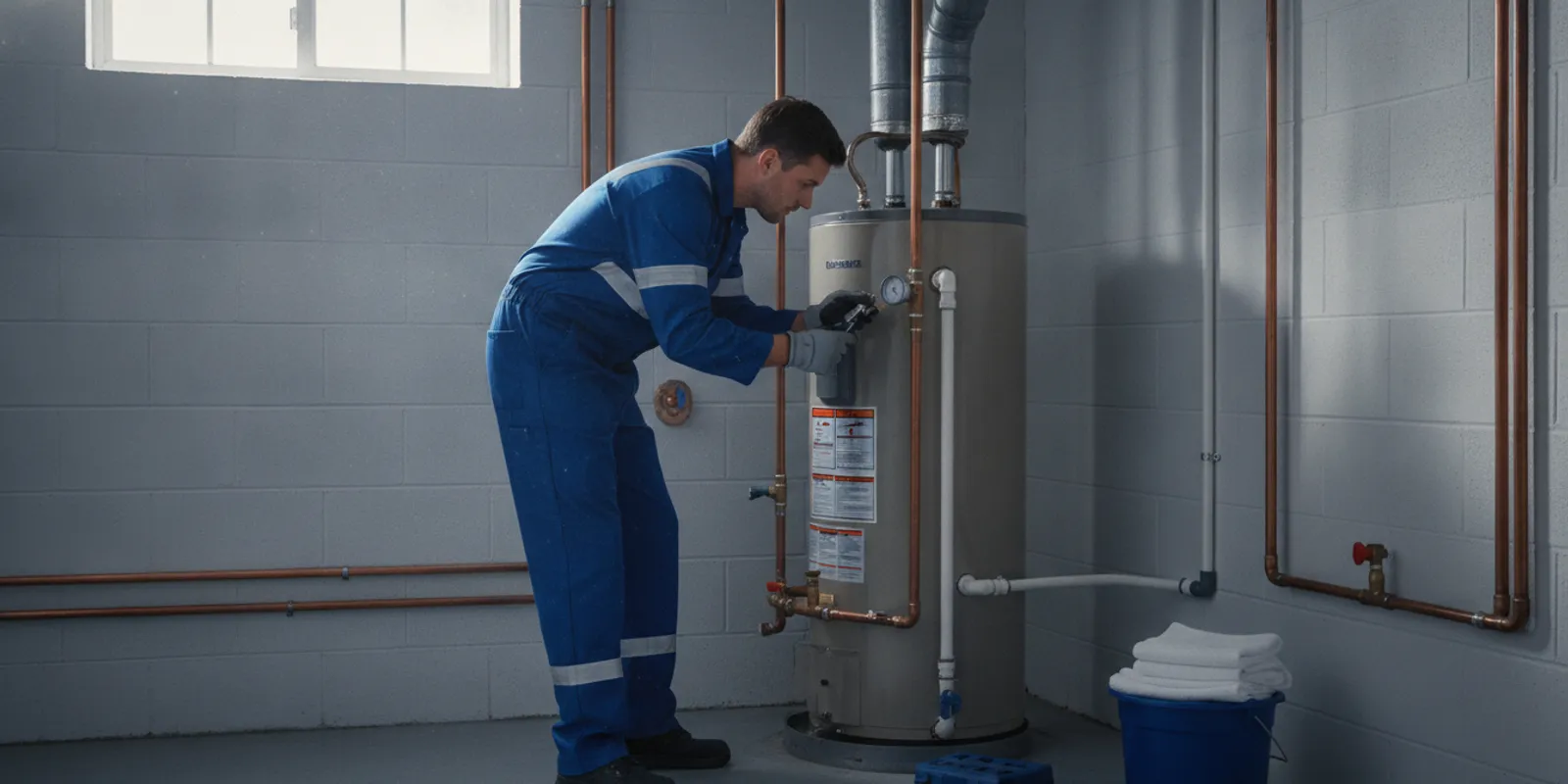
Insulation is most useful when it is properly fitted and continuous. The evaluation should look for gaps, loose joints, compression, damaged sections, and places where the pipe changes direction or passes through framing. Around a water heater, insulation must not obstruct controls, access plates, pressure-relief components, or other service points. It also needs appropriate clearance from draft diverters and venting. A U.S. Department of Energy job aid specifies keeping insulation at least six inches from a draft diverter and single-wall vent pipe. While ensuring that added insulation does not obstruct controls or access components: DOE pipe-insulation checklist.
Airflow, sealing, and the right remedy
Insulation may be only one part of the solution. If cold air is moving through a wall cavity, crawl space, or other unconditioned area, the plumber may need to assess airflow and sealing conditions as well. The appropriate recommendation could involve insulation, air sealing, improved airflow, repair of a leak or damaged pipe, relocation, or another corrective measure. Insulation alone does not eliminate every freezing, condensation, or plumbing problem.
Mr. Pipey provides professional pipe insulation for hot and cold pipes, indoors and outdoors. The work can involve materials such as elastomeric foam, polyethylene, fiberglass, mineral wool, or rigid foam, selected for the location and service conditions. A focused evaluation helps determine whether professional pipe insulation installation is appropriate for your Allen Park home and where it will provide the most useful protection.
Is Pipe Insulation Worth It for an Allen Park Home?
For many Allen Park homeowners, pipe insulation can be a worthwhile improvement, but the answer depends on where the pipes run and what problems the home has experienced. Insulation is most valuable when it addresses a specific exposure, such as a pipe near an exterior wall. In an unconditioned basement or crawl space, or in another area affected by cold air. A professional evaluation can distinguish those higher-priority locations from pipes that are already adequately protected.
Prior freezing is an important consideration. If a pipe has frozen before, that history indicates the location deserves closer attention, even if the pipe did not crack. Insulation may help reduce freezing exposure, but it is not a guarantee against every plumbing problem. Air movement, gaps around the pipe, the condition of the surrounding wall or floor, and the overall temperature of the space can also affect performance. Preventive planning may therefore involve insulation along with improved airflow or sealing in a basement or crawl space.
When insulation may provide the most value
- Cold-weather protection: Pipes in vulnerable or unconditioned areas may benefit from added coverage, particularly when the home has had freezing concerns.
- Condensation control: Cold-water pipes that regularly sweat can contribute to moisture concerns. Insulation may reduce condensation when the material and installation are appropriate.
- Hot-water performance: Insulating accessible hot-water supply pipes helps retain heat as water travels to fixtures, which can reduce heat loss along the run.
- Comfort and protection: Insulation can also reduce plumbing noise and help limit contact with hot piping, although the right solution depends on the location and condition of the system.
| Location or condition. | Review focus. |
|---|---|
| Exterior wall or unconditioned area. | Insulation and airflow. |
| Cold-water line with condensation. | Coverage and moisture source. |
| Accessible hot-water run. | Coverage and safe clearances. |
| Damaged or wet existing insulation. | Leak and repair needs. |
Condition matters as much as coverage. Existing insulation that is missing, compressed, damaged, damp, or interrupted at connections may not provide consistent protection. The professional approach is to assess the pipe material, surrounding conditions, accessible run, and nearby fixtures before recommending a repair or replacement. Mr. Pipey offers professional pipe insulation installation for hot and cold pipes indoors and outdoors, using materials suited to the application.
There is no responsible universal price for this work. Pipe-insulation pricing is quote-based and varies with access, pipe location, existing coverage, and the scope of any related sealing or repair. If you are asking, “Do I need pipe insulation in Allen Park?” the best answer comes from the risk and condition of your actual plumbing. Not from a blanket recommendation.
When Should You Call a Plumber About Pipe Insulation?
Contact a plumber when you see evidence that a pipe is exposed to more cold, moisture, or heat loss than the surrounding space can reasonably manage. In an Allen Park home, that may include a pipe run near an exterior wall, an unconditioned basement, a crawl space. A garage, or another location where the temperature and airflow are difficult to assess from the finished living area.
Professional help is especially appropriate if you suspect a pipe is freezing, notice reduced flow during cold weather, hear unusual sounds, or find condensation around a cold-water line. Insulation can help protect vulnerable plumbing, but it is not a complete solution when the underlying issue involves drafts. Inadequate cavity insulation, poor access, a damaged pipe, or moisture intrusion. A plumber can determine whether the right response is insulation, improved airflow, sealing, repair, or a combination of measures.
Call promptly if existing insulation is wet, compressed, split, loose, or missing from part of a run. Gaps can reduce the value of otherwise suitable coverage. And wet insulation may point to a leak or condensation problem that should be addressed before new material is installed. Pipes that are difficult to reach should also be evaluated professionally rather than covered without confirming clearances and the condition of nearby components.
If a line has already frozen or you believe it may be close to freezing, use Mr. Pipey’s professional frozen-pipe prevention and repair service for guidance. The company also provides professional pipe insulation installation for hot and cold pipes indoors and outdoors. For Allen Park homeowners, an inspection is a practical way to answer. “do I need pipe insulation in Allen Park?” based on the actual pipe location and condition, not a general rule.
Contact Mr. Pipey to discuss your pipe insulation concern in Allen Park.
Frequently Asked Questions
Does pipe insulation actually help in an Allen Park home?
Yes, when it is applied to the right pipes and installed correctly. Insulation can reduce heat loss from hot-water lines, limit condensation on cold pipes, and provide added protection for vulnerable piping during Michigan winters. It is not a guarantee against every plumbing problem, so the pipe location, surrounding airflow, and overall condition still matter. The U.S. Department of Energy recommends insulating hot-water supply pipes and cold-water pipes where condensation is a concern: DOE guidance on pipe insulation.
Which pipe locations are most likely to need insulation?
Pipes in unconditioned basements, crawl spaces, garages, exterior walls, and other drafty or exposed areas deserve particular attention. Cold-water lines that sweat may also benefit from insulation, while accessible hot-water lines may lose less heat when insulated. An evaluation should consider the pipe’s location and the surrounding space rather than assuming every pipe in the home needs the same treatment.
Can pipe insulation solve every freezing or condensation concern?
No. Insulation can lower exposure to heat loss, freezing, and condensation, but it cannot correct every cause of a plumbing issue. Air leakage, poor airflow, inadequate wall-cavity insulation, moisture, and an unfavorable pipe route may also need attention. A professional may recommend combining insulation with sealing or airflow improvements when the surrounding conditions contribute to the concern.
When should an Allen Park homeowner request a professional evaluation?
Request an evaluation when pipes run through an exterior wall or unconditioned space, show condensation, have damaged or missing insulation, or have previously frozen. A plumber can assess the location, condition, clearances, and appropriate material without relying on a one-size-fits-all recommendation. Professional insulation work can address hot or cold pipes indoors or outdoors, while keeping the broader plumbing system in view.
Ready to Discuss Pipe Insulation?
Pipe insulation needs can vary based on where plumbing runs and the conditions around it. A professional review can help clarify whether vulnerable pipes, condensation concerns, or heat loss deserve attention in your Allen Park home. To discuss your situation and request professional service, contact Mr. Pipey through the contact page.