

Living in Southfield means our homes face a unique set of challenges. The specific mix of clay and sand in our soil can shift and settle, putting stress on underground pipes. Add in our heavy seasonal rains and freezing winters, and it’s clear our plumbing systems work hard. When your basement drain starts acting up, it’s often tied to these local conditions. This isn’t just a random clog; it could be a sign of root intrusion, a cracked pipe from shifting ground, or an overwhelmed municipal sewer line. Understanding these local factors is the key to finding the right fix. We’ll explore why these issues happen here and what you can do to protect your home with help from a trusted basement drain plumber in Southfield, MI.
Key Takeaways
- Simple habits prevent big problems: Small actions like keeping grease out of the sink, insulating pipes before winter, and regularly testing your sump pump are the best ways to avoid a messy and expensive basement flood.
- Listen to your home’s warning signs: Gurgling pipes, slow drains, and strange smells are not normal; they are early indicators of a clog. Acting on these clues quickly can help you avoid serious water damage, mold, and health hazards from a full backup.
- Some jobs require a professional: Chemical cleaners can damage pipes, and a simple snake might not fix the root cause. For recurring clogs or backups affecting multiple drains, calling a licensed plumber is the safest and most effective way to protect your home and resolve the issue for good.
What Causes Basement Drain Problems in Southfield?
When your basement drain starts acting up, it’s easy to feel overwhelmed. But understanding the root cause is the first step toward finding a lasting solution. Here in Southfield, our homes face a unique set of challenges, from the soil beneath our foundations to the weather overhead. A backed-up drain is more than just an inconvenience; it’s your home’s way of signaling a deeper issue. Let’s walk through some of the most common culprits behind basement drain problems so you know what you might be up against. Knowing the “why” helps you find the right “how” to fix it for good.
Shifting Soil
You might not think about the ground under your house, but it’s constantly moving. Southfield’s soil is a specific mix of clay and sand, which can shift and settle over time, especially with our changing seasons. This movement puts a tremendous amount of stress on the underground pipes connected to your home. According to local plumbing experts at Roto-Rooter, this can cause pipes to crack or lead to misaligned joints. When that happens, you’re left with slow drains, leaks, and the potential for a serious backup. It’s a hidden problem that often reveals itself as standing water in your basement.
Tree Root Intrusion
Those beautiful, mature trees in your yard have extensive root systems that are always searching for water and nutrients. Unfortunately, your sewer lines can be an irresistible source. Tiny cracks or loose joints in your pipes can release water vapor, attracting roots like a magnet. Once they find a way in, they can grow and expand, creating a dense web that catches debris and causes a complete blockage. This is a universal plumbing issue that requires professional attention to clear the roots and repair the damaged pipe, preventing a messy and destructive backup in your home.
Grease and Debris Buildup
What goes down your kitchen sink doesn’t always disappear. Grease, fats, and oils might be liquid when they’re hot, but they solidify in your pipes as they cool. Over time, this combines with hair, soap scum, food particles, and other debris to form stubborn clogs. As we’ve noted before, a clogged main sewer line is a primary cause of wastewater backing up into the basement. This isn’t just about one drain; it’s the cumulative effect of everything your household sends down the pipes, eventually leading to a messy and unpleasant surprise in your lowest level.
Old or Collapsed Pipes
Many homes in our area have plumbing systems that have been working hard for decades. While built to last, older pipes made of materials like cast iron or clay are susceptible to corrosion and decay. As noted by the experts at Levine & Sons, these aging pipes can lead to slow-draining sinks and foul odors, which are clear signs your system needs help. Over time, corrosion can cause pipes to crack, break, or even collapse entirely. This not only stops water flow but can also cause significant damage to your property, making it a critical issue to address with a professional plumber.
Heavy Rain and Sewer Overload
Have you ever noticed your drain struggling after a big storm? That’s no coincidence. Heavy rainfall can overwhelm Southfield’s municipal sewer system. When the system is overloaded, it can cause water and sewage to back up into homes through their basement floor drains. One local homeowner on Reddit described this exact scenario, where heavy rain led to “drainage overflow” that sent water pouring into their basement. This is especially a risk for homes without proper protection, like a sump pump or a backflow preventer, to keep the outside water from coming inside.
Frozen Pipes
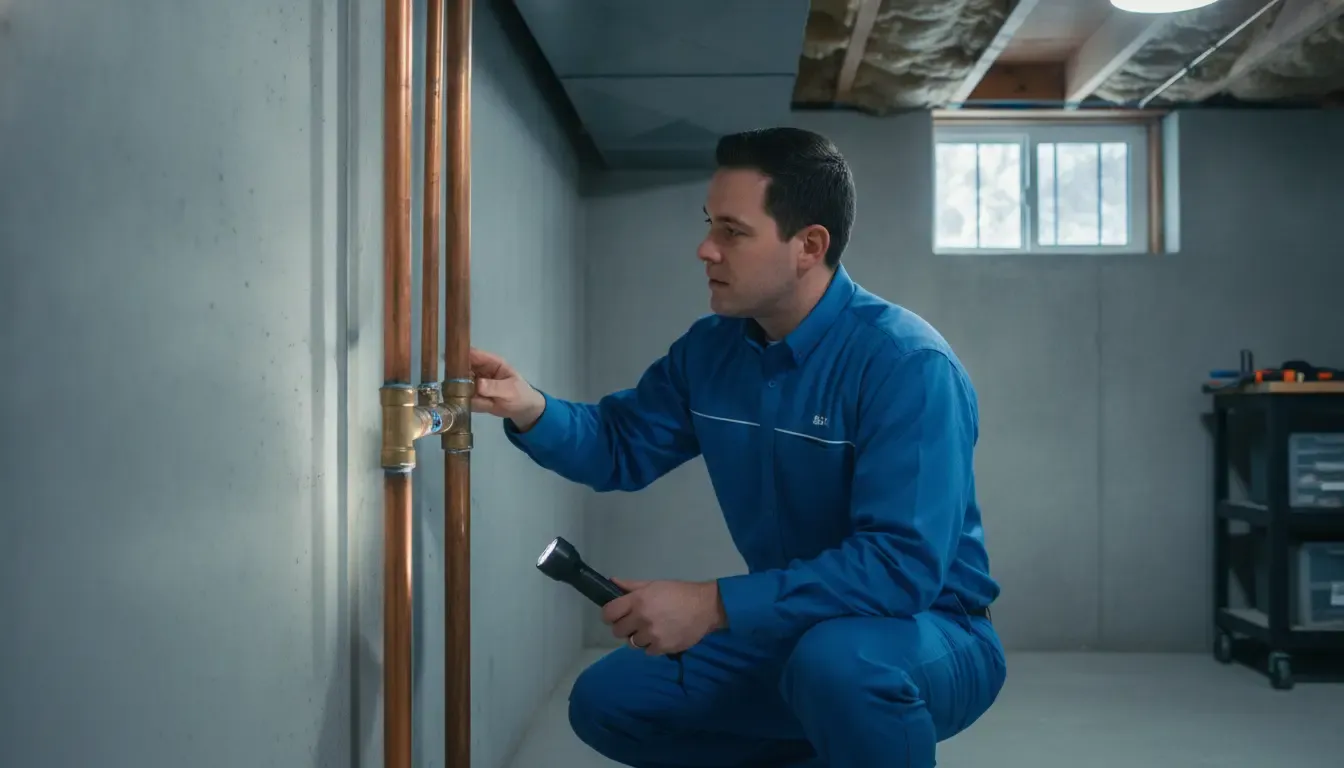
Michigan winters are no joke, and our plumbing is particularly vulnerable. Roto-Rooter points out that our cold winters, with lake-effect snow and freezing temperatures, put local plumbing at “serious risk for frozen pipes and basement flooding.” Pipes located in unheated areas like basements, crawl spaces, or along exterior walls are most at risk. When water freezes, it expands with incredible force, which can easily crack a pipe. You might not even know it’s happened until the ice thaws and water starts flooding your basement. Proper pipe insulation is a key preventative measure.
Is Your Basement Drain Clogged? Watch for These Signs
A clogged basement drain is more than just an inconvenience; it’s often a warning sign of bigger plumbing issues. Ignoring the early clues can lead to messy backups, water damage, and expensive repairs. The good news is your plumbing system usually lets you know when something is wrong. By learning to spot these signs, you can catch a clog early and call a professional before it turns into a full-blown emergency. Here are the four most common signs that your basement drain needs attention.
Slow Draining or Standing Water
One of the most straightforward signs of a clog is water that drains very slowly or doesn’t drain at all. If you notice a puddle forming around your basement floor drain that takes forever to disappear, you likely have an obstruction. This standing water is a clear signal that something is blocking the pipe and preventing water from flowing freely. While it might be tempting to ignore a little bit of water, it’s a problem that will only get worse. A professional plumber can diagnose the blockage and provide the right plumbing services to get your drains flowing smoothly again.
Foul Odors From the Drain
Do you smell something unpleasant coming from your basement drain? A persistent musty, rotten, or sewer-like odor is a telltale sign of a clog. These smells are caused by trapped waste, hair, grease, and other debris decomposing inside your pipes. Over time, this buildup not only creates a foul smell but also creates a breeding ground for bacteria. Don’t just dismiss it as a “normal basement smell.” If you notice a new or worsening odor, it’s your plumbing’s way of telling you that something is stuck and needs to be cleared out by a trusted plumbing professional.
Gurgling Sounds in Your Pipes
Your drains shouldn’t make strange noises. If you hear gurgling or bubbling sounds coming from your basement drain, especially after flushing a toilet or using a sink upstairs, pay attention. These sounds happen when trapped air gets pushed through water in the pipes because of a blockage. The drain isn’t venting properly, which is a strong indicator that a clog is forming. Gurgling is often one of the first warnings you’ll get before a drain backs up completely. It’s best to treat it as an early call for help and consider getting emergency plumbing assistance.
Multiple Drains Backing Up
If your basement drain is backing up at the same time as other fixtures in your house, like a toilet or shower, you have a more serious problem. When multiple drains are affected, it usually means the clog isn’t in a single pipe but in your home’s main sewer line. This is a significant issue because it means all the wastewater from your house has nowhere to go and can back up into your home. A main line clog requires immediate professional attention to avoid extensive water damage and potential health hazards. Don’t hesitate to call for help if you notice a basement drain backup.
Common Basement Drain Myths (and Why They’re Wrong)
When it comes to plumbing, there’s a lot of advice floating around. Some of it is helpful, but a surprising amount is based on myths that can lead to bigger, more expensive problems. Let’s clear up a few common misconceptions about basement drains so you can protect your home and your wallet.
Myth: Chemical Drain Cleaners Are a Safe Fix
It’s tempting to reach for a bottle of chemical drain cleaner when you see water pooling in your basement. It seems like a quick and easy fix, right? Unfortunately, these products often do more harm than good. The harsh chemicals are designed to dissolve tough clogs, but they can also corrode your pipes from the inside out, leading to leaks and costly repairs down the line. They are also a temporary solution that may only push the blockage further into your plumbing system. Instead of risking your pipes, a professional can provide a safe and effective fix for even the most stubborn clogs, handling your emergency plumbing needs without causing additional damage.
Myth: A Slow Drain Isn’t a Big Deal
Think of a slow drain as your plumbing system’s check engine light. It’s easy to ignore, but it’s signaling a developing problem. A drain that takes its time is often the first sign of a partial clog caused by grease, debris, or even invading tree roots. While it might seem like a minor annoyance now, ignoring it allows the blockage to grow. Eventually, you could be facing a complete backup, potential water damage, and a much more stressful situation. Addressing a slow drain early is a proactive step that saves you from a messy and expensive emergency later. A quick inspection can identify the root cause before it gets out of hand.
Myth: All Basements Need a Sanitary Sewer Connection
This is a technical but crucial myth to bust. Many people assume a basement floor drain should connect directly to the main sanitary sewer line, just like a toilet or sink. However, in many areas, this is against local plumbing codes. Floor drains are often intended to manage groundwater or condensation, which should be directed to a sump pump or a separate storm drain. Connecting it to the sanitary sewer can overwhelm the municipal system during heavy rain and even cause raw sewage to back up into your home. A professional plumber can ensure your system is properly configured and may install backflow preventers to protect your home.
Myth: DIY Methods Are Always Good Enough
I love a good DIY project as much as anyone, but some jobs are best left to the professionals. While using a simple drain snake from the hardware store might seem like a good way to save money, it can easily go wrong. You might only clear a small portion of the clog, or worse, you could scratch or puncture the pipe, creating a much bigger problem. Professional plumbers have specialized tools like hydro jetters and sewer cameras to accurately diagnose and completely resolve the issue without guesswork. When you’re dealing with your home’s essential systems, it’s always smarter to contact a professional for a reliable and lasting solution.
Why You Should Never Ignore a Basement Drain Problem
It’s tempting to add “fix slow basement drain” to the bottom of your to-do list, especially when other home projects feel more urgent. But a seemingly minor drain issue in your basement can quickly become a major headache. Ignoring the warning signs doesn’t just lead to a bigger mess; it can put your home’s structure and your family’s health at risk. Think of it as your home’s early warning system. When that drain starts acting up, it’s telling you something is wrong, and listening now can save you a lot of trouble later. Let’s walk through exactly why a basement drain problem is something you should never put off.
Risk of Water Damage and Mold
The most immediate danger of a clogged basement drain is water damage. When water has nowhere to go, it backs up onto your floor. We’ve seen how quickly standing water backing up can ruin flooring, drywall, furniture, and precious stored belongings. Beyond the initial damage, this moisture creates the perfect breeding ground for mold and mildew. Mold can begin to grow in as little as 24 to 48 hours, spreading behind walls and under floors. Not only is mold difficult and costly to remove, but it can also release spores into the air that cause respiratory issues and allergic reactions. What starts as a puddle can become a serious air quality problem for your entire home.
Potential for Structural Damage
Here in Southfield, our unique soil composition can add another layer of stress to your home’s plumbing. The mix of clay and sand can shift over time, putting pressure on the underground pipes connected to your foundation. This movement can cause pipes to crack, shift out of alignment, or even collapse, leading to persistent leaks and slow drains. If you don’t address these issues, the constant moisture can weaken your home’s foundation, causing cracks and compromising its structural integrity. Taking care of your pipes is a key part of protecting your home’s foundation, especially when you need to prepare them for winter with proper pipe insulation.
Health and Safety Concerns
A backed-up drain isn’t just messy; it can be a serious health hazard. If you notice foul sewage odors, gurgling sounds from multiple drains, or recurring backups, you could be dealing with a main sewer line clog. This means that raw sewage from your toilets and sinks could be backing up into your basement. This water is filled with bacteria, viruses, and other pathogens that are dangerous to come into contact with. Exposing your family to these contaminants is a risk no one should take. Protecting your home from these backups with professional sump pump services is one of the best ways to keep your basement dry and your family safe.
What to Do When Your Basement Drain Backs Up
Seeing water coming up from your basement floor drain is alarming, but don’t panic. Having a clear plan of action can make a stressful situation much more manageable. By taking the right steps in the right order, you can minimize damage, keep your family safe, and get the problem resolved quickly. Here’s exactly what to do the moment you notice your basement drain is backing up.
Step 1: Stop Using Water
The very first thing you need to do is stop all water use in your home. This means no flushing toilets, no running sinks, no showers, and don’t turn on the dishwasher or washing machine. If the backup is caused by a clog in your main sewer line, any additional water you send down the drain will have nowhere to go but up through your basement floor drain, making the flooding worse. When you see water coming up from your basement drain, take it as a clear signal that you need emergency plumbing services right away.
Step 2: Turn Off Power to the Basement
Your next priority is safety. Water and electricity are a dangerous combination, and a flooded basement creates a serious risk of electrocution. Go to your home’s main breaker box and shut off the power to the basement and any circuits that might be affected. If the area around your breaker box is wet or you have to stand in water to reach it, do not touch it. In this case, it’s best to call an electrician or wait for your plumber to assess the situation. Your safety is far more important than anything else.
Step 3: Avoid Contact With Contaminated Water
The water backing up from your basement drain isn’t just water; it’s raw sewage. This water is filled with bacteria, viruses, and other harmful contaminants that can pose serious health risks to you and your family. Make sure to avoid all contact with the contaminated water. If you absolutely must enter the area, wear protective gear, including waterproof boots, gloves, and a face mask. Keep pets and children far away from the basement until the area has been professionally cleaned and sanitized.
Step 4: Contact the Southfield Water Department
Sometimes, a backup isn’t caused by a problem in your home’s pipes but by an issue in the municipal sewer system. It’s a good idea to check if your neighbors are experiencing similar issues. For residents in Southfield, the city advises that anyone experiencing an overflow or sewage backup should contact the Water Department at (248) 796-4850. They can tell you if there’s a known problem in your area, which is valuable information to have when you call your plumber.
Step 5: Document the Damage
Before any cleanup begins, it’s important to document the extent of the damage for your insurance claim. From a safe distance, take plenty of photos and videos of the flooded area. Be sure to capture the standing water, the source of the backup, and any items that have been damaged, such as furniture, appliances, or stored belongings. This evidence will be crucial when you file a claim with your homeowner’s insurance provider. Having clear documentation makes the claims process much smoother and helps ensure you get the coverage you’re entitled to.
Step 6: Call a Licensed Plumber
After you’ve taken these initial safety precautions, it’s time to call in a professional. A licensed plumber has the tools and expertise to diagnose the problem correctly and fix it safely. If multiple fixtures in your home are slow, gurgling, or backing up, the problem is likely in the main sewer line rather than the floor drain itself. A professional can perform a camera inspection to find the exact location and cause of the clog and determine the best solution. Don’t wait to make the call; the sooner you contact a plumber, the sooner you can get your home back to normal.
How a Professional Plumber Solves Drain Issues
When you’re facing a stubborn drain issue, a professional plumber has a whole toolkit of solutions that go far beyond a simple plunger. They can accurately diagnose the problem and apply the right fix, saving you time, money, and a whole lot of stress. Here are some of the common methods a licensed plumber uses to get your drains flowing freely again.
Drain Cleaning and Snaking
Think of drain snaking as the first line of defense for serious clogs. A professional plumber uses a long, flexible tool called a drain snake or auger to reach deep into your pipes. This tool can physically break up or pull out obstructions like hair, grease, and other debris that have built up over time. Unlike harsh chemical cleaners that can damage your pipes, snaking is a safe and effective way to clear a blockage. It’s a targeted solution that directly addresses the clog, restoring flow without guesswork. For most common backups, a thorough drain cleaning is all it takes to solve the problem.
Hydro Jetting
For the toughest, most persistent clogs, plumbers often turn to hydro jetting. This method uses a high-pressure stream of water to blast away years of accumulated sludge, grease, tree roots, and mineral scale from the inside of your pipes. It’s like pressure washing for your plumbing system. Hydro jetting doesn’t just break up a single clog; it cleans the entire pipe diameter, leaving your pipes nearly as clean as the day they were installed. This comprehensive cleaning helps prevent future clogs and is one of the most effective plumbing solutions for restoring your system’s performance.
Sewer Line Camera Inspection and Repair
Sometimes, the problem isn’t in a single drain but deeper within your main sewer line. Instead of guessing, a professional plumber can perform a sewer line camera inspection. They’ll feed a small, waterproof camera into your pipes to get a real-time look at what’s going on. This technology allows them to pinpoint the exact location and cause of the problem, whether it’s a clog, a crack, or an intruding tree root. This diagnostic step is crucial for planning an effective repair and can help you avoid a full-blown plumbing emergency down the road.
Sump Pump Installation and Maintenance
In a place like Southfield, a functional sump pump is your best friend for preventing basement flooding. If your basement drain is backing up due to heavy rain or melting snow, a sump pump is designed to kick in and pump that water out and away from your foundation. A professional can assess your home’s needs and install the right system for you. They also provide crucial maintenance to ensure your pump is ready when you need it most. Regular checks of your sump pump can prevent a water disaster before it starts.
Backflow Preventer Installation and Testing
A backflow preventer is a small but mighty device that protects your family’s health. It ensures that contaminated water from the sewer system or ground can’t flow backward into your home’s clean water supply. This can happen during changes in water pressure, like a water main break. A licensed plumber can install and perform regular testing on backflow preventers to ensure they are functioning correctly and keeping your drinking water safe. This is not just a good idea; it’s often required by local codes to protect public health.
Emergency Plumbing Services
When multiple drains in your home are backing up at once, or you hear gurgling sounds from your toilet when you use the sink, you likely have a main sewer line clog. This is not a DIY situation; it’s a plumbing emergency. Water from a sewer backup is unsanitary and can cause significant damage to your home. Calling for emergency plumbing services ensures a rapid response from a professional who can contain the situation, diagnose the root cause, and begin repairs immediately to protect your home and family.
Proactive Tips to Prevent Basement Drain Clogs
When it comes to your basement drain, an ounce of prevention is truly worth a pound of cure. Instead of waiting for gurgling sounds or standing water to signal a problem, you can take a few simple, proactive steps to keep your drains clear and your basement dry. A little maintenance goes a long way in preventing costly repairs and the stress of a plumbing emergency. Think of it as a simple checklist to protect your home. By incorporating these habits into your routine, you can avoid the headache of clogs and backups, especially with Southfield’s unpredictable weather and soil conditions. Here are some practical tips to get you started.
Schedule Routine Drain Inspections
Many people think of professional drain cleaning as a reactive measure, something you only do when there’s a problem. However, scheduling routine inspections can save you from major headaches later. A professional plumber can spot potential issues like minor blockages, tree root intrusion, or pipe corrosion before they turn into a full-blown basement flood. Think of it like a regular check-up for your home’s plumbing system. An annual inspection gives you peace of mind and helps ensure your drains are ready to handle whatever comes their way. This simple step is one of the most effective ways to maintain a healthy drainage system and avoid unexpected emergency plumbing calls.
Be Mindful of What Goes Down Your Drains
Your drains are not invincible. Pouring the wrong things down them is one of the fastest ways to cause a stubborn clog. Grease, fats, and oils are major culprits; they solidify in your pipes and create blockages. Coffee grounds, food scraps, and so-called “flushable” wipes are also notorious for causing trouble. It’s also wise to avoid chemical drain cleaners. While they promise a quick fix, these harsh chemicals can corrode your pipes over time, leading to more significant damage. Instead, use a drain strainer to catch debris and dispose of grease in the trash. Your pipes will thank you for it.
Install a Backflow Preventer
A sewer backup is one of the worst plumbing nightmares a homeowner can face. It’s messy, hazardous, and expensive to clean up. A backflow preventer is your best defense against this disaster. This device is a valve installed on your home’s sewer line that allows water to flow out but not back in. During heavy rainfall, when municipal sewer systems can become overwhelmed, a backflow preventer will stop sewage from backing up into your basement. Many older homes in Southfield may not have one, so it’s worth checking. A professional can help you determine if you need one and handle the backflow preventer installation to protect your home.
Keep Gutters and Downspouts Clear
You might not think your gutters have much to do with your basement drain, but they play a crucial role in water management for your home. When gutters and downspouts are clogged with leaves and debris, rainwater can’t flow away from your house. Instead, it pools around your foundation, saturating the ground. This excess water can put immense pressure on your foundation walls and overwhelm your basement’s drainage system or sump pump. By simply keeping your gutters clean, you ensure that water is directed away from your home, reducing the risk of basement flooding and the strain on your interior drains.
Maintain Your Sump Pump
If you have a basement in Michigan, your sump pump is an essential piece of equipment. It’s your first line of defense against groundwater flooding. But a sump pump only works if it’s properly maintained. Standing water backing up from a floor drain can quickly become an emergency if your pump fails. You should test your sump pump regularly, especially before a big storm, by pouring a bucket of water into the pit to ensure it turns on. It’s also a good idea to have it professionally serviced annually to clean the components and check for any potential issues. Proper sump pump maintenance ensures it will be ready to work when you need it most.
Insulate Pipes Before Winter
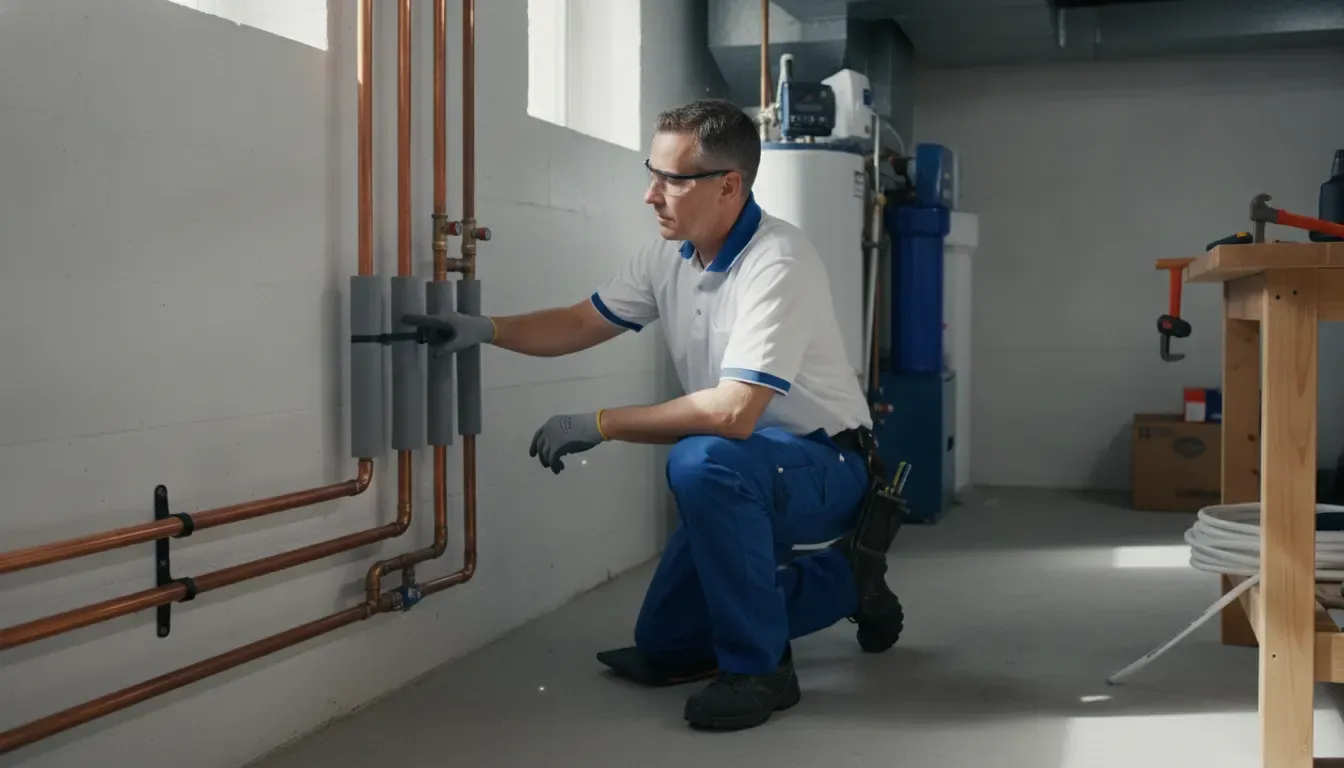
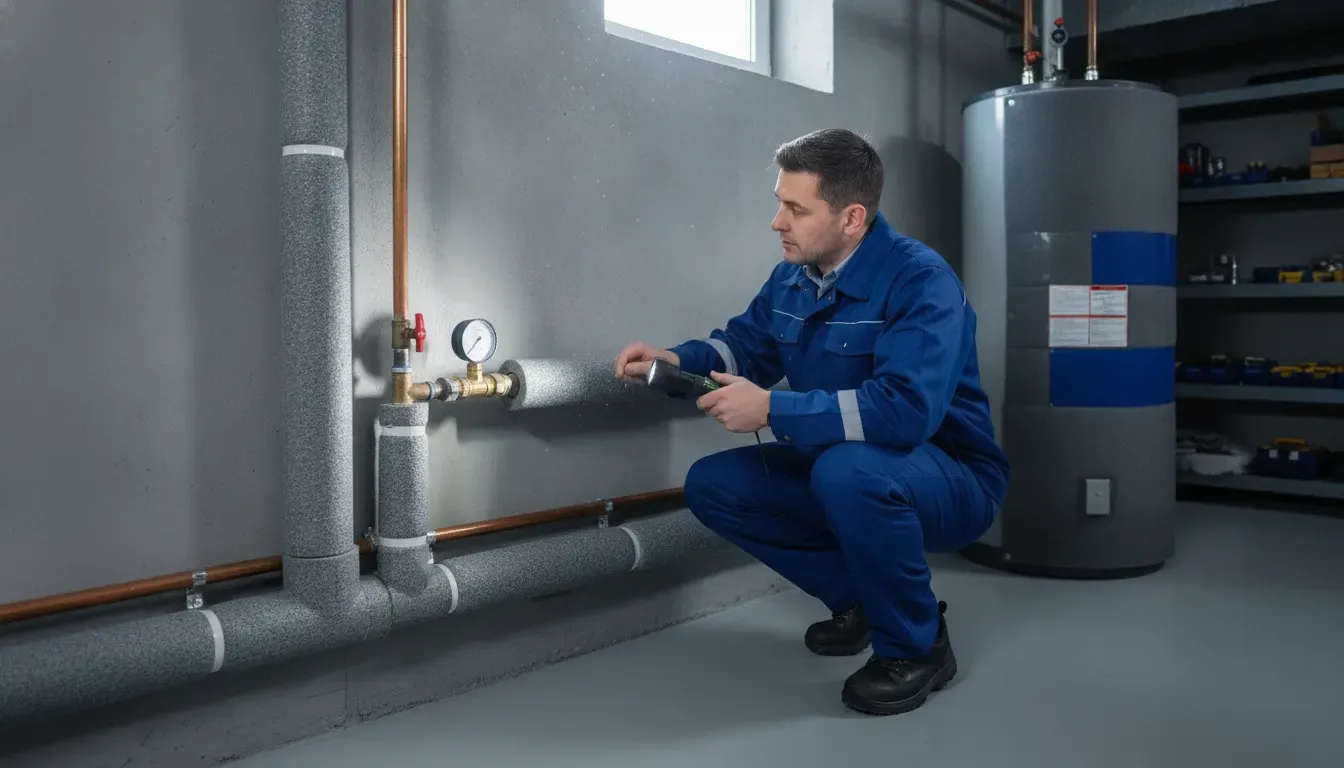
Michigan winters are no joke, and the freezing temperatures pose a serious threat to your plumbing. Unprotected pipes in unheated areas like basements, crawl spaces, or garages are susceptible to freezing. When water freezes, it expands, which can cause pipes to crack or burst. A frozen blockage can also lead to a drain backup. The good news is that this is an easy problem to prevent. You can use foam sleeves or heat tape to insulate vulnerable pipes. Taking the time to invest in pipe insulation before winter arrives can save you from the mess and expense of a burst pipe.
Seal Foundation Cracks
The soil in Southfield can shift over time, putting stress on your home’s foundation and creating small cracks. These cracks might seem harmless, but they are an open invitation for water to seep into your basement. During heavy rain or a spring thaw, water can enter through these cracks, increasing the risk of flooding and putting extra pressure on your basement drain. Take a walk around your foundation and basement and look for any visible cracks. Sealing them with an appropriate waterproof sealant is a simple DIY project that can make a big difference in keeping your basement dry and protecting your home’s structural integrity.
What to Expect When You Call Mr. Pipey
Dealing with a backed-up basement drain is stressful, but knowing what happens next can bring some peace of mind. When you call us, you’re not just getting a plumber; you’re getting a partner who will see you through the problem from start to finish. We know that some issues can’t wait, which is why we offer emergency plumbing services 24/7 to address urgent problems like basement flooding right away. We prioritize your safety and will guide you on immediate steps, like shutting off the main water supply and avoiding contact with contaminated water.
Once our licensed plumber arrives at your Southfield home, their first step is to perform a thorough inspection. We don’t believe in guesswork. Using advanced tools, sometimes including a sewer camera, we’ll pinpoint the exact cause of the backup, whether it’s a simple clog or a more complex issue deep within your pipes. We believe in transparency, so after we’ve diagnosed the problem, we’ll walk you through our findings and explain the best solutions in plain English. We want you to feel confident in the repair plan.
Our team is equipped to handle a wide range of plumbing solutions, from drain snaking to hydro jetting, ensuring we can fix the issue correctly the first time. We also understand that dealing with the aftermath can be overwhelming, so we can help you document the damage for your insurance claim. From the moment you call until the job is done, we treat your home like our own and stand by our 100% satisfaction guarantee.
Related Articles
- A Homeowner’s Guide to Old Basement Drainage Systems
- Basement Drain Backup: Your Step-by-Step Guide
- Drain Backup in Basement? A Step-by-Step Guide
Frequently Asked Questions
How can I tell if the problem is just my basement drain or something bigger? A good rule of thumb is to observe your other plumbing fixtures. If only the basement drain is slow or has standing water, the clog is likely isolated to that specific drain line. However, if you notice other drains in your house are also slow, hear gurgling from your toilet when you use a sink, or see backups in multiple locations, you are probably dealing with a clog in your main sewer line. A main line issue affects your entire home and requires immediate professional attention.
My drain only backs up when it rains heavily. Is that a plumbing problem or a city issue? It could be a combination of factors. Heavy rainfall can overwhelm the municipal sewer system, causing water to push back into homes. This is especially true for houses without a backflow preventer. The issue could also be related to your home’s own water management, such as clogged gutters or a failing sump pump that can’t keep up with the excess groundwater. A professional can inspect your system to see if you need a backflow preventer or sump pump service to protect your home from storm-related backups.
Are chemical drain cleaners really that bad for a slow drain? Yes, it’s best to avoid them. While they seem like a quick fix, the harsh chemicals in these products can eat away at your pipes over time, causing corrosion and leading to leaks. They also rarely solve the root of the problem; they might just push a clog further down the line. A much safer and more effective approach is to have a professional clear the drain mechanically, which removes the blockage without damaging your plumbing system.
What’s the difference between drain snaking and hydro jetting? Think of drain snaking as a tool for breaking up or pulling out a specific obstruction, like a clump of hair or a small blockage. It’s very effective for targeted clogs. Hydro jetting, on the other hand, is a more comprehensive cleaning method. It uses high-pressure water to scour the entire inner surface of your pipes, removing years of built-up grease, sludge, and even tree roots. A plumber can determine which method is right for your situation after an inspection.
How often should I get my plumbing system checked to prevent these issues? For general prevention, having a professional plumber inspect your main drain line and sump pump once a year is a great practice. This allows them to catch small issues, like minor blockages or early tree root growth, before they become major emergencies. An annual check-up gives you peace of mind and is one of the most effective ways to avoid the stress and expense of a sudden basement backup.