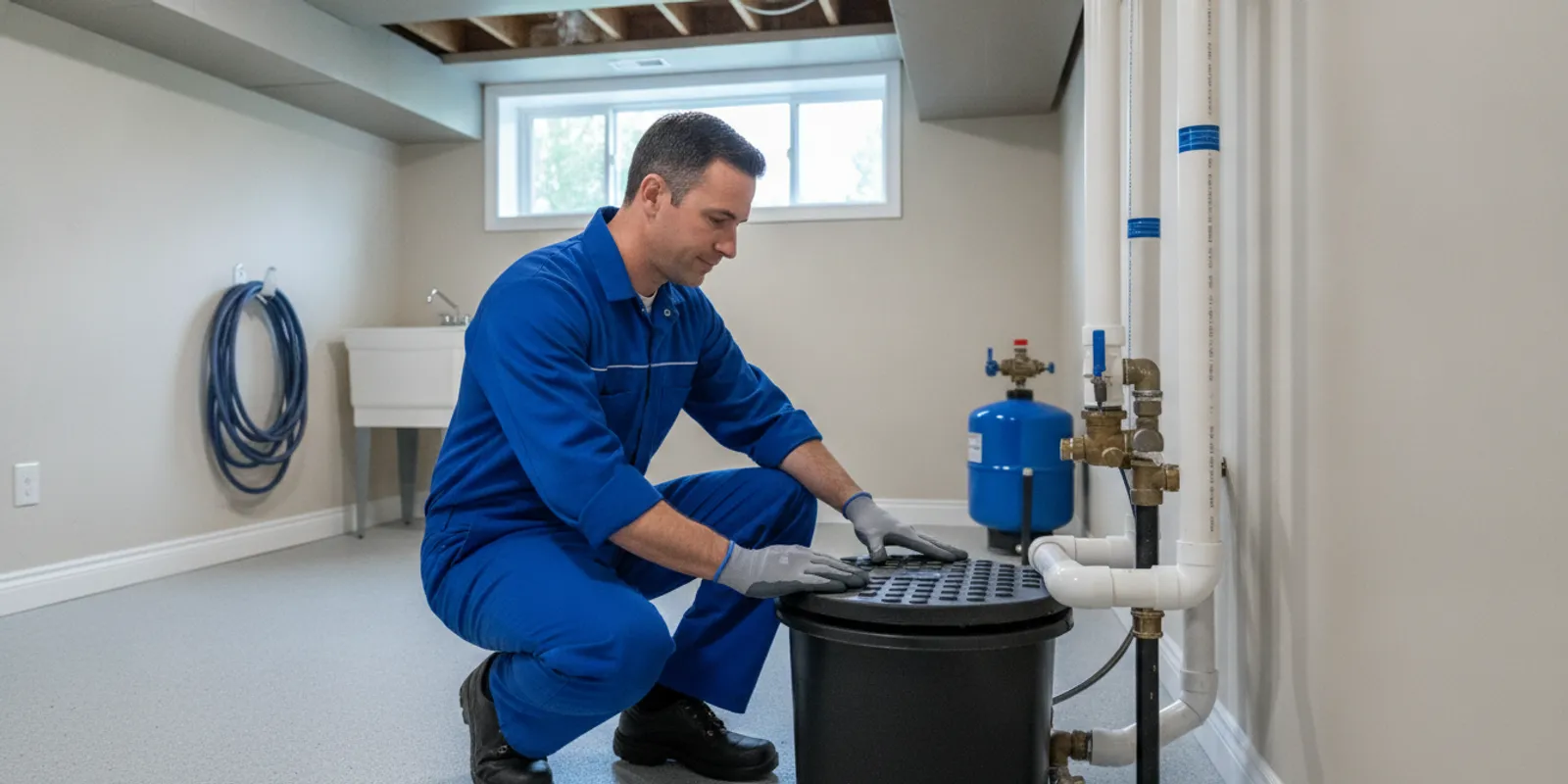

That gurgling drain or faint, unpleasant smell in your yard is easy to ignore. At first. But those small signs often point to a big problem with your main sewer line, and putting off the repair is a gamble that rarely pays off. Delaying a necessary sewer line replacement can turn a manageable issue into a full-blown emergency, complete with sewage backups and costly property damage. The initial price tag can feel steep, which is why so many of us ask: why is it so expensive? This guide breaks down every cost so you can understand the value and see why acting now is the smartest move for your home and your wallet.
Key Takeaways
- Account for more than just the pipe: The total cost of a sewer line replacement includes intensive labor, specialized excavation equipment, durable materials, and necessary city permits, not just the new pipe itself.
- Compare replacement methods to manage costs: Traditional excavation requires extensive yard restoration, adding to the final bill, while less invasive trenchless options can often save you money by preserving your landscaping.
- Address warning signs immediately to avoid higher costs: Postponing a necessary replacement often leads to more severe problems like sewage backups, foundation damage, and expensive emergency repairs, making proactive attention the most cost-effective approach.
Why Does Sewer Line Replacement Cost So Much?
Let’s be honest: hearing you might need a sewer line replacement is stressful. It’s one of the most significant plumbing projects a homeowner can face, and the price tag often comes as a shock. But the cost isn’t arbitrary. It reflects a complex, labor-intensive job that requires specialized skills, heavy machinery, and durable materials to protect your home for decades to come. Understanding what goes into the process can help clarify why it’s such a major investment in your property’s health and safety.
Several key factors contribute to the final cost, from digging up your yard to the specific type of pipe used. It’s much more than just swapping out a pipe. The project involves careful planning, precise execution, and extensive restoration work to get your property back to normal. When you hire a professional team for comprehensive plumbing services, you’re paying for a long-term solution that ensures your home’s wastewater system functions correctly and reliably. This proactive step helps prevent far more costly problems down the road, like foundation damage or wastewater backups into your home. Think of it less as a surprise expense and more as a crucial upgrade to your home’s infrastructure.
A Look at the Average Cost Range
When you start researching sewer line replacement, the price estimates can feel overwhelming. Generally, homeowners can expect the cost to range anywhere from $3,000 to $25,000. This wide spectrum isn’t a typo; it reflects just how much the specifics of the job can influence the final bill. The total expense is shaped by several critical factors, including the depth of the sewer line, its accessibility on your property, the materials required for the new pipe, and any necessary city permits. It’s a complex project where one size definitely does not fit all, and understanding these variables is the first step to getting a handle on your potential investment.
The replacement method itself plays one of the biggest roles in the cost. Traditional excavation, which involves digging a long trench to access the entire pipe, often comes with the added expense of restoring your lawn, garden, or driveway afterward. In contrast, modern trenchless methods are far less invasive and can save you significant money on landscape repairs. Because every situation is unique, the only way to get a clear picture of your costs is to have a professional assess the problem. A thorough inspection will determine the best approach and provide you with a detailed quote, ensuring you know exactly what to expect before any work begins.
The Hard Work: Labor and Excavation Costs
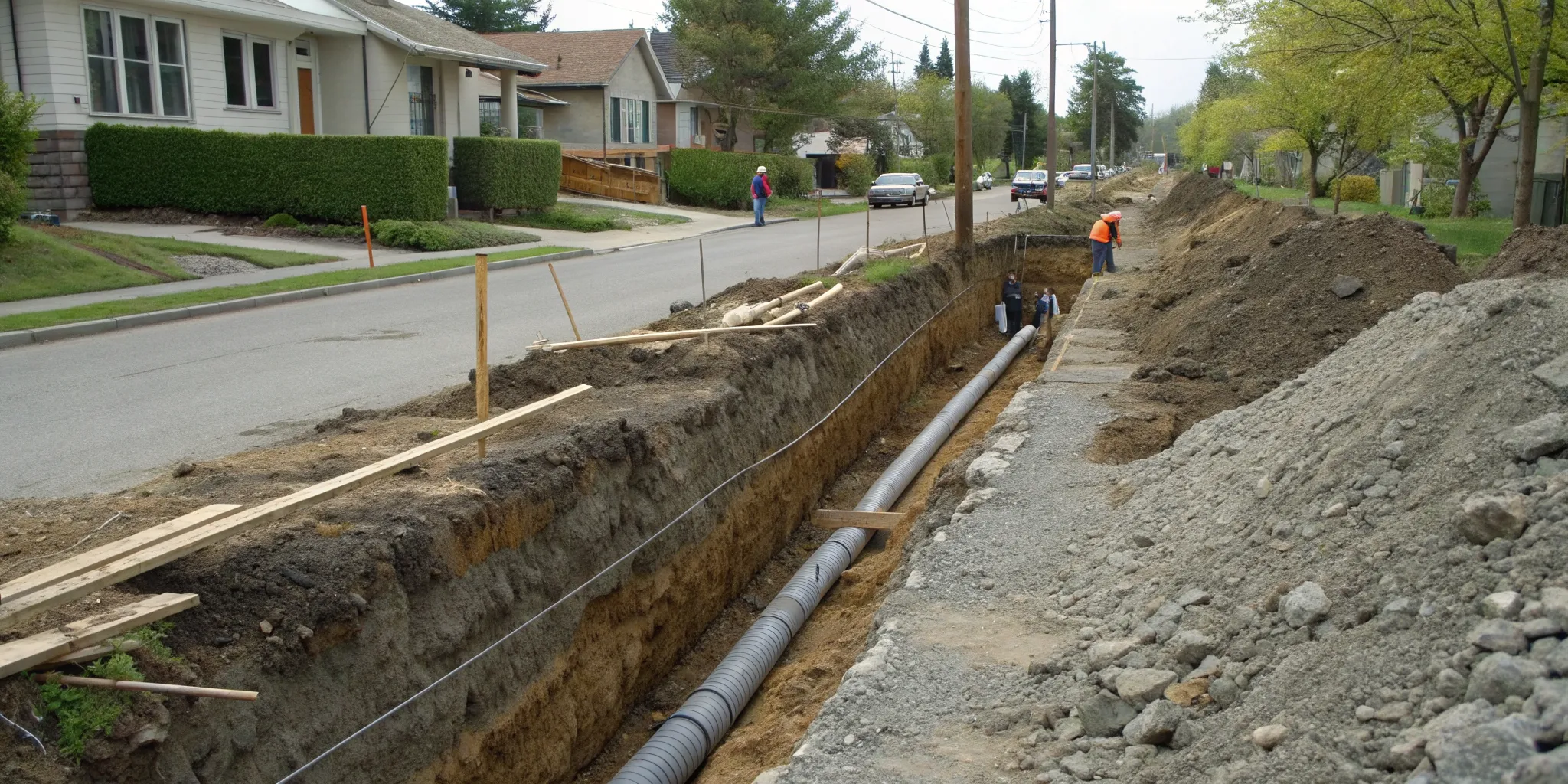
A huge part of the cost comes down to the sheer amount of physical work involved. Your main sewer line is buried deep underground, often several feet below your lawn, garden, or even your driveway. Reaching it requires a skilled team to perform major excavation. This isn’t just a bit of digging; it’s a careful process to unearth the old pipe without damaging other utility lines. The labor costs cover the time and expertise of the crew needed to manage this demanding and often messy job safely and efficiently. After the new line is installed, the area has to be backfilled and graded, which adds even more labor to the project.
The Price Tag on Specialized Equipment
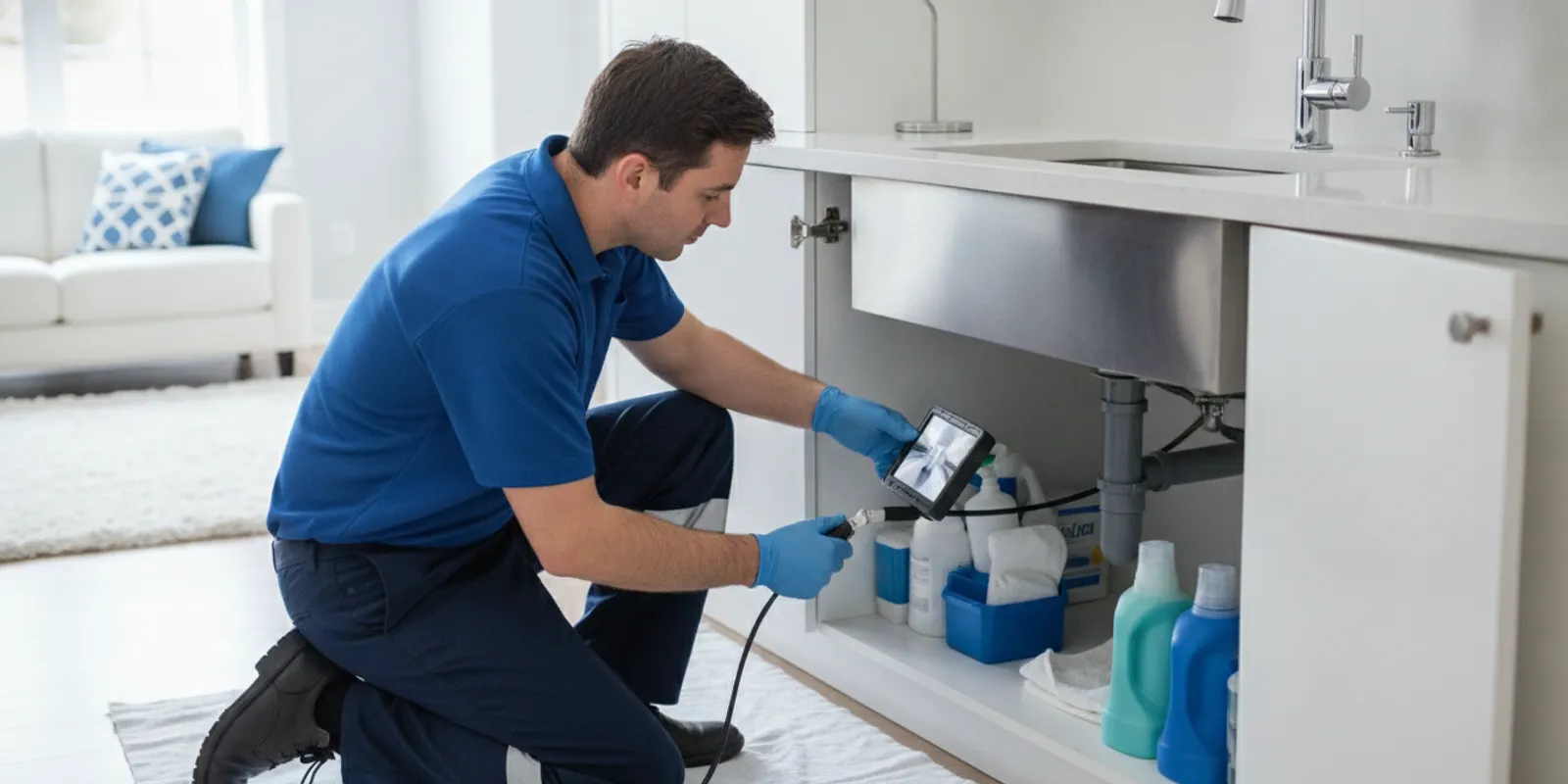
Sewer line replacement is not a job that can be done with a few shovels. Professional plumbers rely on heavy-duty, specialized equipment to get the job done right. This often includes machinery like mini-excavators or backhoes to dig the trench, which can cost thousands of dollars to own, maintain, and operate. Beyond the digging equipment, we use high-resolution cameras to inspect the line beforehand and other tools to handle and connect the large, heavy pipes. The cost of using and transporting this professional-grade machinery is a necessary part of the project’s overall price.
Why Quality Materials Matter (and Cost More)
The new pipe itself is another significant factor in the total cost. While it might seem simple, the materials used for a sewer line are engineered for incredible durability to withstand constant use and ground pressure for 50 years or more. Modern materials like PVC or HDPE are industry standards because they resist corrosion and root intrusion. The total length of the pipe needed, from your home to the municipal sewer connection, will directly influence the material cost. Investing in high-quality materials is a core part of our commitment to providing reliable, long-lasting workmanship that you can count on.
Comparing Sewer Replacement Methods and Costs
When you get a quote for a sewer line replacement, the method the plumber plans to use is one of the biggest factors driving the cost. The approach isn’t just about getting a new pipe in the ground; it’s about how much work it takes to get there and what your yard looks like afterward. Understanding the difference between traditional and modern techniques can help you see where your money is going. At Mr. Pipey, we help you find the right solution for your home’s specific needs, ensuring our plumbing services are both effective and cost-efficient. Let’s look at the two main approaches and how they impact the final price.
The Traditional Dig: What Does It Cost?
Traditional sewer line replacement is exactly what it sounds like: a crew digs a long, deep trench across your yard to expose the entire old pipe. This method is effective and has been used for decades, but it’s also highly disruptive. The process involves heavy machinery, significant labor, and, unfortunately, a lot of mess. A major part of the cost comes from the extensive work required to dig up and then restore your property. Think about your lawn, garden, driveway, or patio. All of that may need to be torn up and then repaired or replaced, adding thousands to the final bill.
Going Trenchless: Is It Worth the Price?
A more modern and less invasive alternative is trenchless sewer repair. Techniques like pipe lining and pipe bursting allow plumbers to replace your sewer line with minimal digging, often only requiring a couple of small access holes. Because this method leaves your landscaping almost entirely intact, you save a significant amount of money on restoration costs. Trenchless technology is also typically much faster than traditional excavation, which means lower labor costs. While the technology itself can sometimes have a higher upfront price, the overall project cost is often lower once you factor in the savings on yard repair.
Cured-in-Place Pipe (CIPP) Relining
One of the most popular trenchless methods is Cured-in-Place Pipe (CIPP) relining. Think of it as creating a brand-new, seamless pipe directly inside your old one. The process involves inserting a flexible liner coated with a special resin into the damaged sewer line. Once it’s in place, we use heat or UV light to cure the resin, causing it to harden and form a smooth, durable new pipe wall. This trenchless technology effectively seals cracks, stops leaks, and prevents root intrusion without the need for major excavation, preserving your yard and saving on restoration costs.
Pipe Bursting
When a sewer line is too collapsed or severely damaged for relining, pipe bursting is an excellent trenchless alternative. This technique involves pulling a new, high-density polyethylene pipe through the old, damaged one. As the new pipe is pulled through, a specialized “bursting head” breaks the old pipe apart, pushing the fragments into the surrounding soil. This trenchless method simultaneously destroys the old line and installs a brand-new one in its place, all with minimal digging. It’s a powerful solution for replacing pipes that have reached the end of their lifespan.
Other Professional Repair Techniques
Sometimes, a full sewer line replacement isn’t necessary. Depending on the specific problem, a more targeted repair might be all you need to get your system running smoothly again. A thorough camera inspection is the first step to accurately diagnose the issue, whether it’s a stubborn blockage, a small crack, or a misaligned joint. At Mr. Pipey, our customer-first approach means we always recommend the most cost-effective solution for your situation. Exploring these professional plumbing solutions can often save you time and money while extending the life of your existing sewer line.
Hydro-Jetting for Severe Blockages
If your sewer line is plagued by recurring clogs from grease, sludge, or invasive tree roots, hydro-jetting can be a game-changer. This isn’t your average drain snaking. Hydro-jetting uses powerful, high-pressure water jets to blast away years of accumulated debris and scour the inside of your pipes clean. This method is incredibly effective for clearing severe blockages that other methods can’t touch. While it doesn’t repair a broken pipe, it restores flow and can often resolve backup issues that might otherwise be mistaken for a complete pipe failure.
Epoxy Lining for Minor Cracks
For pipes that are still structurally sound but have minor cracks, pinhole leaks, or faulty joints, epoxy lining offers a targeted and durable fix. This technique involves applying a specialized epoxy resin to the interior of the pipe, which then hardens to create a tough, waterproof seal over the damaged area. This epoxy lining method is less invasive and more affordable than a full replacement, making it an ideal solution for addressing localized problems and preventing them from worsening over time. It’s a smart way to extend the life of your plumbing without a major overhaul.
Short-Term Savings vs. Long-Term Peace of Mind
Regardless of the method, replacing a sewer line is a major investment in your home. While the initial price can feel steep, it’s important to consider the long-term value. A new, properly installed sewer line improves your home’s plumbing efficiency, prevents costly backups, and reduces the need for frequent repairs. It also protects your property from the serious damage that a failing sewer line can cause. Delaying a necessary replacement can lead to far greater expenses down the road, including foundation damage, health hazards, and the need for emergency plumbing services. Investing now protects your home’s value and gives you peace of mind.
Planning for Unexpected Sewer Replacement Costs
When you get a quote for a sewer line replacement, it’s easy to focus on that one big number. But the final bill can sometimes include costs you didn’t see coming. Understanding these potential expenses from the start helps you create a realistic budget and avoid surprises down the road. A transparent plumber will walk you through these possibilities, but it’s always smart to be informed. From city paperwork to fixing up your flowerbeds, several factors can add to the total investment. Let’s break down what those hidden costs might be so you can feel fully prepared for the project.
The Paperwork: Permits and Inspection Fees
Before any digging begins, your plumbing contractor needs to get the right permits from your local Metro Detroit municipality. This isn’t just red tape; it’s a crucial step to ensure the work meets local safety and construction codes, protecting both your property and the public sewer system. The process involves paperwork and fees, which are typically included in your final cost. A professional team handles all the filings for you, but it’s an essential expense that ensures your sewer line replacement is done correctly and legally. These fees vary by city, so it’s always a good idea to ask your plumber about them upfront.
Safely Locating and Marking Utility Lines
Your yard is home to more than just your sewer line. Underground, there’s a complex network of utility lines for gas, water, and electricity. Accidentally hitting one of these during excavation is dangerous and can lead to expensive repairs and outages. To prevent this, a professional service must come out to locate and mark every utility line before any digging starts. This careful prep work is a non-negotiable safety measure. The process ensures that the excavation for your new sewer pipe can proceed without disrupting other essential services to your home and neighborhood, making it a necessary part of the project’s cost.
Putting Your Yard Back Together
A traditional sewer line replacement involves digging a trench from your house to the street, which can disrupt your lawn, garden, driveway, or patio. While the plumbing quote covers the pipe replacement itself, it usually doesn’t include the cost of restoring your property to its original condition. After the new line is in, you’ll need to budget for things like laying new sod, replanting shrubs, or repairing concrete and pavement. It’s important to have a conversation with your plumber about the scope of their work so you can plan for any necessary landscaping or hardscaping repairs afterward.
The Added Cost of an Emergency Call
Sewer line problems rarely happen at a convenient time. If your line fails suddenly, causing backups and flooding, you’ll need help immediately. Waiting can lead to significant property damage and even health hazards. That’s why we offer emergency plumbing services to address urgent issues right away. Because these situations require an immediate response, often after hours or on weekends, they typically come with additional charges. Acting quickly is essential to protect your home, but the urgency can add to the overall cost of the replacement. Being proactive about warning signs can sometimes help you avoid these premium emergency rates.
How Your Property Affects the Final Price
No two properties are exactly alike, and that uniqueness plays a big part in the cost of a sewer line replacement. The final price tag isn’t just about the length of the pipe; it’s also about what our team has to work through to get to it. Factors like how deep your pipes are buried, the type of soil in your yard, the condition of the existing line, and even the specific infrastructure in your Metro Detroit neighborhood all contribute to the scope of the project.
Understanding these variables can help you see why one replacement might be more straightforward while another becomes a more complex, and therefore more expensive, undertaking. It all comes down to the specific challenges your property presents. A professional plumber will assess these factors during an initial inspection to give you an accurate picture of what the job will entail. This ensures there are fewer surprises and that the work is tailored to your home’s specific needs, from simple repairs to full-scale emergency plumbing situations.
Deep Pipes and Tricky Access Points
One of the first things to consider is how hard it is to reach your sewer line. These pipes are typically buried anywhere from one to five feet underground, which means excavation is almost always necessary. If the line runs under an open, grassy area, the job is relatively simple. However, if it’s located beneath a driveway, a mature tree, a patio, or even part of your home’s foundation, the project becomes much more involved. Our team may need to carefully remove sections of concrete or even work inside your home, cutting through drywall or flooring to access the pipes. Each of these obstacles adds time and labor to the project.
Dealing with Rocky or Clay Soil
The ground itself can also present a challenge. Here in Metro Detroit, we see a variety of soil types, and some are much harder to work with than others. Heavy clay, for instance, is dense and difficult to dig through, especially when it’s wet and compacted. Rocky soil can also slow down the excavation process and may require specialized equipment to break through. The more difficult the soil, the more time and effort it takes to safely expose the sewer line for replacement. This is another factor that a professional plumber will evaluate when preparing your quote.
What If Your Old Pipes Are a Mess?
The state of your current sewer line is another major cost factor. A pipe with a few cracks or minor root intrusion might be a candidate for less invasive repair methods, which can sometimes save you money. However, if the pipe has completely collapsed, is severely corroded, or has extensive damage, a full replacement is often the only viable solution. A thorough camera inspection helps us determine the exact condition of your pipes and recommend the most effective and long-lasting fix. This ensures you’re not paying for a temporary patch when a more permanent plumbing solution is needed.
Local Factors: Metro Detroit’s Unique Infrastructure
Living in an established area like Metro Detroit means many of our homes are connected to older municipal infrastructure. This can add a layer of complexity to a sewer line replacement. Some neighborhoods have unique sewer connection requirements, and tying a new line into an aging city system requires specific expertise. As a family-owned company that has served this community for years, we understand the local plumbing landscape. We know how to handle the specific challenges our region’s infrastructure can present, ensuring your new sewer line is installed correctly and up to code.
Sewer Replacement Cost Myths, Busted
When you get a quote for a sewer line replacement, the number can be surprising. A lot of that surprise comes from common myths and misunderstandings about what the job actually involves. Believing that it’s a simple fix or overlooking key parts of the process can lead to unrealistic expectations and budget headaches. Let’s clear up a few of these myths so you can understand the true scope of the work and why the costs are what they are. Knowing the facts helps you make smarter decisions for your home and your wallet. From the temptation of a quick DIY fix to forgetting about the final touches, we’ll break down what really goes into the price of a professional sewer line replacement.
Myth #1: You Can DIY a Sewer Line Replacement
It’s tempting to search for a YouTube tutorial and try to tackle a plumbing issue yourself, but a sewer line replacement is not a weekend project. Many homeowners think they can save money with a DIY approach, but this often backfires. Sewer lines are complex, buried deep underground, and connected to the municipal system. A small mistake can lead to major sewage backups, property damage, or health hazards. Professionals have the right equipment and expertise to do the job safely and correctly. Trying to fix it yourself can easily turn a manageable problem into a much more expensive emergency plumbing situation, so it’s best to leave this one to the experts.
Myth #2: Permits Are Optional
Sewer line work isn’t something you can just start digging for. Any project that connects to the municipal sewer system requires official permits from your local Metro Detroit city or township. This is a step that homeowners often forget to factor into the cost. Obtaining the right permits involves paperwork, fees, and coordinating inspections to ensure the work meets local codes and safety standards. A reputable plumbing company will handle this entire process for you, but the associated costs are a necessary part of the total project price. It’s a crucial step that ensures the job is done legally and correctly, protecting you from future fines and issues.
Myth #3: Your Landscaping Will Fix Itself
A major part of replacing a sewer line is what happens after the new pipe is in the ground. Traditional replacement methods involve digging a large trench across your yard, which can mean tearing up your lawn, garden, patio, or even your driveway. The cost of the project doesn’t end when the plumbing work is done; it also includes restoring your property to its original condition. This can involve resodding the lawn, replanting flower beds, or repairing hardscaping. These restoration costs can be significant, and it’s important to remember they are a real and necessary part of the overall budget for the project.
Myth #4: All Replacement Methods Cost the Same
Not all sewer line replacements are the same, and the method used has a big impact on the final price. The traditional dig-and-replace method is often what people picture, but it’s not the only option. Trenchless methods, like pipe bursting or pipe lining, are less invasive and can sometimes save you money on landscape restoration. However, the upfront cost of the technology might be different. The best method for your home depends on factors like your property’s layout and the condition of the existing pipes. That’s why a one-size-fits-all price doesn’t exist. To understand your options, it’s best to get a personalized quote from a professional.
Why Waiting to Replace Your Sewer Line Costs More
I get it. A sewer line replacement is a significant investment, and it’s tempting to put it off, hoping the problem isn’t as bad as it seems. But from my experience, waiting on a necessary replacement almost never saves money. In fact, it often turns a manageable issue into a full-blown crisis that costs more in time, money, and stress. Delaying the work can introduce serious risks to your home and family that go far beyond a slow drain. Let’s walk through exactly what’s at stake when you postpone a
Protecting Your Family’s Health and Safety
The most immediate danger of a failing sewer line is a sewage backup. When wastewater has nowhere to go, it comes back up through your drains, flooding your home with contaminated water. This isn’t just messy; it’s a serious health hazard. Raw sewage contains harmful bacteria like E. coli, viruses, and other pathogens that can cause significant illness. Even a slow, hidden leak can create damp conditions perfect for toxic mold growth behind walls or under floors, compromising your home’s air quality. Ignoring these issues puts your family’s well-being at risk and can quickly lead to a situation that requires emergency plumbing services.
Avoiding Costly Damage to Your Foundation
Your home’s foundation relies on stable, dry soil. When a sewer line leaks, it constantly saturates the ground around it. Over time, this excess water erodes the soil, creating voids and causing the ground to shift. This can lead to cracks in your foundation, uneven floors, and doors or windows that no longer close properly. What starts as a plumbing problem can quickly become a structural one, turning a small issue into a major disaster. Eventually, the eroded soil can cause the pipe to collapse completely, requiring a much more invasive and expensive repair than the original problem would have been.
Considering the Environmental Risks
A broken sewer line doesn’t just affect your property; it impacts the surrounding environment. Leaking raw sewage can seep into the groundwater, contaminating the local water supply and harming plants and wildlife. It can also create persistent, foul odors in your yard that make spending time outside unpleasant for you and your neighbors. If you plan on selling your home, a damaged sewer line is a major red flag. Home inspectors will almost certainly find it, and a failed plumbing inspection can easily derail a sale or force you to make costly, last-minute repairs. As a family-owned business, we care about protecting our community’s homes and environment.
How Delays Lead to Bigger Bills
Postponing a sewer line replacement is a gamble that rarely pays off. A small crack that could be addressed with a targeted repair can worsen, leading to a full pipe collapse that requires a complete excavation. The cost difference is significant. Beyond the plumbing itself, you’ll face secondary expenses like repairing water damage inside your home, professional mold remediation, and restoring your lawn and landscaping after major digging. In a worst-case scenario, you might even have to pay for temporary housing. Delaying the work leads to higher repair costs over time, not to mention the stress of dealing with an unexpected plumbing emergency. Addressing the problem proactively is the smartest and most cost-effective approach.
Will Homeowners Insurance Cover Sewer Line Replacement?
This is one of the first questions homeowners ask when they get a quote for a major sewer line repair, and unfortunately, the answer is often a frustrating one. In most cases, a standard homeowners insurance policy will not cover the cost of replacing your sewer line. These policies are designed to protect you from sudden and unexpected disasters, not issues that develop slowly over time. Because most sewer line problems stem from gradual wear and tear, tree root intrusion, or corrosion, they typically fall outside the scope of basic coverage. This can leave you responsible for the full cost of the repair.
However, that doesn’t mean you’re completely out of options. The insurance world is complex, and there are specific add-ons, often called endorsements or riders, that you can purchase to protect yourself from this exact situation. Understanding the fine print of your policy and knowing what additional coverage is available can make a huge difference. It’s always a good idea to review your policy with your insurance agent before you have a problem, so you know exactly where you stand. Let’s break down what a standard policy includes and what extra coverage you might want to consider.
Understanding Standard Homeowners Policies
Your standard homeowners insurance policy is your first line of defense against major property damage, but it has very specific rules about what it will and won’t cover. When it comes to your sewer line, it generally only pays for damage caused by a specific, named peril that is both sudden and accidental. For example, if there was a fire, an explosion, or if a vehicle somehow crashed into the line, your policy would likely step in. However, these scenarios are extremely rare. The most common causes of sewer line failure are almost always excluded from a basic policy.
Problems that develop over time, like pipes aging and corroding, tree roots slowly crushing the line, or damage from gradual ground shifting, are considered maintenance issues by insurance companies. Because these issues could have been prevented or addressed earlier with professional plumbing services, the responsibility for the repair falls to the homeowner. This is why so many people are caught by surprise when they file a claim for a sewer line replacement and find out it isn’t covered. It’s a tough lesson to learn when you’re already dealing with a stressful plumbing problem.
Additional Coverage Options to Consider
If you’re worried about the gaps in your standard policy, the good news is that you can buy extra protection. Insurance companies offer optional add-ons, or endorsements, that are specifically designed to cover the things a basic plan excludes. These are relatively inexpensive additions that can save you thousands of dollars if you ever face a major underground pipe issue. It’s worth a call to your insurance agent to ask about what’s available, as the names and details can vary between providers. The two most important types of coverage to ask about are service line coverage and sewage backup coverage.
Service Line Coverage
Service line coverage is an endorsement that specifically protects the underground utility lines you’re responsible for, including your water, power, and sewer lines. This add-on helps pay for the cost to dig up, repair, and replace the line if it fails due to issues like wear and tear, rust, corrosion, or even tree root invasion—all the things a standard policy rejects. It typically provides between $10,000 and $20,000 in coverage, which can make a huge difference in offsetting the cost of a full replacement. This is the policy that covers the pipe itself.
Sewage Backup Coverage
It’s crucial to understand that service line coverage fixes the pipe, but it doesn’t pay for the mess inside your house if a clog causes a backup. For that, you need sewage backup coverage. This separate endorsement covers the cost of water damage restoration inside your home, including tearing out ruined carpets, repairing damaged drywall, and professionally cleaning and sanitizing the affected area. A backup can easily cause thousands of dollars in damage, turning a bad situation into a devastating one. Having this coverage is essential for any homeowner, as it protects you from the costly aftermath of an emergency plumbing disaster.
Smart Ways to Manage Sewer Line Replacement Costs
A sewer line replacement is a significant investment, but the final bill doesn’t have to be a complete surprise. With a bit of planning and some smart decisions, you can take control of the budget and find a solution that works for your home and your wallet. Thinking through your options ahead of time can make a huge difference. From getting the right professional advice to preparing your property and exploring different payment avenues, there are several practical steps you can take to manage the expense without cutting corners on quality. Let’s walk through a few key strategies that can help you handle the cost effectively.
Always Get Multiple Quotes
When you’re facing a major home repair, it’s always a good idea to shop around. Don’t just go with the first company you call. Instead, reach out to a few reputable, licensed plumbers in the Metro Detroit area to get a clear picture of the costs involved. Always ask for a detailed, written estimate that breaks down the price of labor, materials, equipment, and any potential permit fees. This allows you to compare apples to apples and understand exactly what you’re paying for. A trustworthy plumber will be happy to walk you through their quote and answer your questions. Getting a professional estimate is the first step toward creating a realistic budget for your sewer line replacement.
How to Prep Your Property and Save
One of the overlooked costs of sewer line replacement is restoring your yard after the work is done. You can save a surprising amount of money by handling some of the prep work yourself. Before the crew arrives, take some time to carefully dig up and set aside any valuable plants, flowers, or sections of sod in the work area. Once the project is complete, you can replant them yourself instead of paying for professional landscaping services. It’s also helpful to clear the path to the sewer line of any obstacles like patio furniture, garden decor, or kids’ toys. This helps the plumbing team work more efficiently, which can keep labor costs down.
Choosing the Right Method for Your Budget
Not all sewer line replacements require digging a massive trench across your lawn. Modern plumbing has introduced trenchless methods like pipe lining and pipe bursting, which can be great alternatives. These techniques use small access points to repair or replace the pipe from the inside, leaving your yard, driveway, and landscaping mostly untouched. While the upfront cost can sometimes be higher than traditional excavation, you often save a lot of money on restoration. Be sure to ask your plumber if a trenchless option is a good fit for your property. The right method depends on your specific situation, but exploring all possibilities is key to finding the most cost-effective solution.
Don’t Forget to Ask About Financing
Let’s be honest: most of us don’t have a “sewer line replacement” category in our monthly budget. If the upfront cost feels overwhelming, don’t hesitate to look into financing. Many homeowners use personal loans or home equity loans to cover major plumbing work. Some plumbing companies also offer payment plans that allow you to spread the cost over time. If you explore these options, be sure to compare interest rates and terms to find a plan that you’re comfortable with. A major plumbing issue is stressful enough without worrying about how to pay for it all at once, and financing can provide the flexibility you need to get the job done right away.
How to Prevent Sewer Line Problems
The best way to deal with a costly sewer line replacement is to avoid needing one in the first place. While some issues are unavoidable due to age or environmental factors, proactive maintenance can significantly extend the life of your pipes and save you thousands of dollars in the long run. A little bit of prevention goes a long way toward protecting your home from the stress and expense of a major plumbing failure. By adopting a few good habits and staying on top of your home’s maintenance schedule, you can keep your sewer system flowing smoothly for years to come. It’s about being smart and taking small steps now to prevent a huge headache later.
Schedule Regular Professional Inspections
Think of a sewer line inspection like a regular check-up for your home’s plumbing system. Having a professional look at your pipes every few years is one of the most effective ways to catch problems before they escalate. Using a specialized camera, a plumber can see the inside of your sewer line and identify potential issues like small cracks, early-stage root intrusion, or grease buildup. This is especially important for older homes in Metro Detroit, where original clay or cast iron pipes may be nearing the end of their lifespan. Catching these issues early allows for targeted repairs, which are far less invasive and expensive than a full replacement. A routine inspection gives you a clear picture of your pipe’s health and helps you plan for the future.
Be Mindful of What Goes Down Your Drains
What you put down your drains every day has a direct impact on the health of your sewer line. Your pipes are designed to handle only water, human waste, and toilet paper—that’s it. Things like cooking grease, coffee grounds, paper towels, and even so-called “flushable” wipes don’t break down properly and can create massive clogs over time. Grease is a major culprit; it cools and solidifies inside your pipes, catching other debris and forming stubborn blockages. Treating your drains with care is a simple, no-cost way to prevent the most common causes of sewer backups. If you do experience a severe clog, it’s best to avoid harsh chemical drain cleaners, which can corrode your pipes and worsen the problem.
Know the Signs: When to Call a Pro
Knowing when to pull the trigger on a sewer line replacement can feel overwhelming, but your home often gives you clear clues. Paying attention to these signs and acting promptly can save you from bigger headaches and expenses down the road. It’s all about understanding what to look for and when to call in a professional to assess the situation. Making an informed choice between a simple repair and a full replacement starts with recognizing the problem early.
What Causes Sewer Lines to Fail?
Your sewer line works hard behind the scenes, but it won’t last forever. Several common issues can cause it to fail, and one of the biggest culprits is tree roots. They’re naturally drawn to the moisture in your pipes and can work their way into tiny cracks, causing major blockages and eventually breaking the line. The age of your home is another key factor; many older properties in Metro Detroit still have original clay or cast-iron pipes that simply wear out, crack, or corrode over time. Even shifting ground from our dramatic weather can cause pipes to separate or collapse. Ignoring these problems can lead to messy backups and costly damage, which is why it’s so important to address them early. A professional inspection can determine the exact cause, preventing a small issue from becoming an emergency plumbing crisis.
Red Flags That Signal a Sewer Problem
Your plumbing system has its own way of telling you when something is seriously wrong. If you notice frequent clogs in multiple drains, it’s often a symptom of a deeper issue in your main sewer line. Other tell-tale signs include gurgling noises from your toilets or drains, unpleasant sewage odors around your property, and water draining very slowly. A sewage backup in your basement or tub is a clear sign of an emergency plumbing situation. You might even spot problems outside, like unusually lush, green patches or soggy spots in your yard, which can point to an underground leak.
Repair or Replace? How to Make the Call
Not every sewer line problem automatically means you need a complete replacement. Depending on the age of your pipes and the extent of the damage, a targeted repair might be all you need. Modern techniques can often resolve issues like cracks or blockages without having to dig up your entire yard. The best way to know for sure is to get a professional diagnosis. An experienced plumber can perform a camera inspection to see exactly what’s happening inside your pipes and recommend the most effective and cost-efficient plumbing solutions for your specific situation.
Why Scheduling Your Project Matters
When it comes to your sewer line, waiting is almost never a good idea. Delaying a necessary replacement can turn a manageable problem into a catastrophic failure, leading to property damage, health hazards, and much higher costs. Being proactive is your best strategy. Regular maintenance can help you catch potential issues before they escalate, giving you more control over the timing and budget for a repair or replacement. If you suspect a problem, it’s always smarter to schedule an inspection right away rather than waiting for a disaster to strike.
Your Step-by-Step Action Plan for Sewer Line Issues
Discovering a sewer line problem can be stressful, but having a clear plan makes all the difference. Instead of panicking, focus on taking immediate, practical steps to protect your home and get the right help. This action plan walks you through exactly what to do from the moment you suspect an issue, helping you manage the situation calmly and effectively. By following these steps, you can minimize damage, get a clear diagnosis, and prepare for the repair process with confidence. Think of this as your roadmap to getting your home’s plumbing back on track.
Step 1: Stop Using Water Immediately
The very first thing you should do is stop all water use in your home. This means no flushing toilets, running faucets, showering, or using the dishwasher or washing machine. The most immediate danger of a failing sewer line is a sewage backup. When wastewater has nowhere to go, it comes back up through your drains, flooding your home with contaminated water. This isn’t just messy; it’s a serious health hazard that can cause significant damage and require extensive cleanup. Turning off the water at the source prevents you from adding more liquid to an already overwhelmed system, which can help stop a potential backup before it starts or keep an existing one from getting worse.
Step 2: Call a Licensed Plumber for Diagnosis
Once you’ve stopped using water, your next call should be to a licensed and insured plumber. This is not a DIY situation. A professional has the tools and expertise to safely assess the problem. Not every sewer line issue automatically means you need a complete replacement. Depending on the age of your pipes and the extent of the damage, a targeted repair might be all you need. The best way to know for sure is to get a professional diagnosis, which usually involves a camera inspection to see inside the pipe. For homeowners in Metro Detroit, our team at Mr. Pipey can provide a thorough assessment and recommend the most effective plumbing solutions for your home.
Step 3: Document Everything
While you wait for the plumber to arrive, start documenting the situation. This information will be incredibly useful for your records and any potential insurance claims. If you suspect damage, take clear photos and videos of any visible signs, like water backups in drains, soggy spots in your yard, or cracks in your foundation. Write down when you first noticed the problem and any specific symptoms you’ve observed, such as gurgling drains or foul odors. Once the plumber arrives, make sure you get a written report of their findings and a detailed, itemized estimate for the recommended repairs. This paperwork is essential for the next step.
Step 4: Contact Your Insurance Provider
With your documentation in hand, it’s time to contact your homeowners insurance company. It’s important to go into this conversation with realistic expectations. As GEICO explains, standard homeowners insurance usually does NOT cover most sewer line problems caused by wear and tear or tree roots. However, some policies offer additional endorsements for things like service line coverage or sewage backup protection that might apply. Review your policy and speak with your agent to understand exactly what is covered. Having a professional plumber’s diagnosis and detailed photos will make this conversation much more productive and help you determine if you can file a claim.
Related Articles
- Trenchless Sewer Line Replacement Cost: A 2026 Guide
- Trenchless Sewer Replacement: A Complete Guide
- Sewer Line Repair 101: A Homeowner’s Guide
Frequently Asked Questions
Why is replacing a sewer line so much more expensive than other plumbing jobs? A sewer line replacement is less like a typical plumbing repair and more like a small construction project. The cost reflects the intensive labor and heavy machinery, like excavators, needed to dig deep underground to access the main line. You are also paying for durable, high-quality pipes engineered to last for decades and the expertise required to install them correctly and safely without damaging other utility lines.
Is digging up my entire yard the only option? Not always. While traditional replacement involves digging a trench to expose the old pipe, modern trenchless methods are often available. Techniques like pipe lining or pipe bursting can replace the line with only a couple of small access holes. This approach can save you a significant amount of money on restoring your lawn, garden, and driveway, even if the technology itself has a different upfront cost.
What happens if I put off replacing my sewer line? Delaying a necessary replacement is a risky gamble that can lead to much bigger problems. A damaged line can cause raw sewage to back up into your home, creating a serious health hazard. It can also leak into the ground, saturating the soil and potentially damaging your home’s foundation over time. What might be a manageable project now can easily become a more destructive and expensive emergency later.
How do I know if I need a simple repair or a full replacement? The best way to know for sure is with a professional camera inspection. A plumber can send a high-resolution camera down the line to get a clear view of the pipe’s condition. A few small cracks or a single point of root intrusion might be fixable with a targeted repair. However, if the pipe is old, corroded, or has collapsed, a full replacement is the only reliable long-term solution.
Are there any costs I should budget for that might not be in the initial plumbing quote? The most common additional cost to plan for is landscape restoration. A plumbing quote typically covers the excavation and pipe installation, but it may not include the cost of repairing your lawn, patio, or driveway afterward. It’s also wise to ask about municipal permit and inspection fees, which are a necessary part of ensuring the job is done to code.