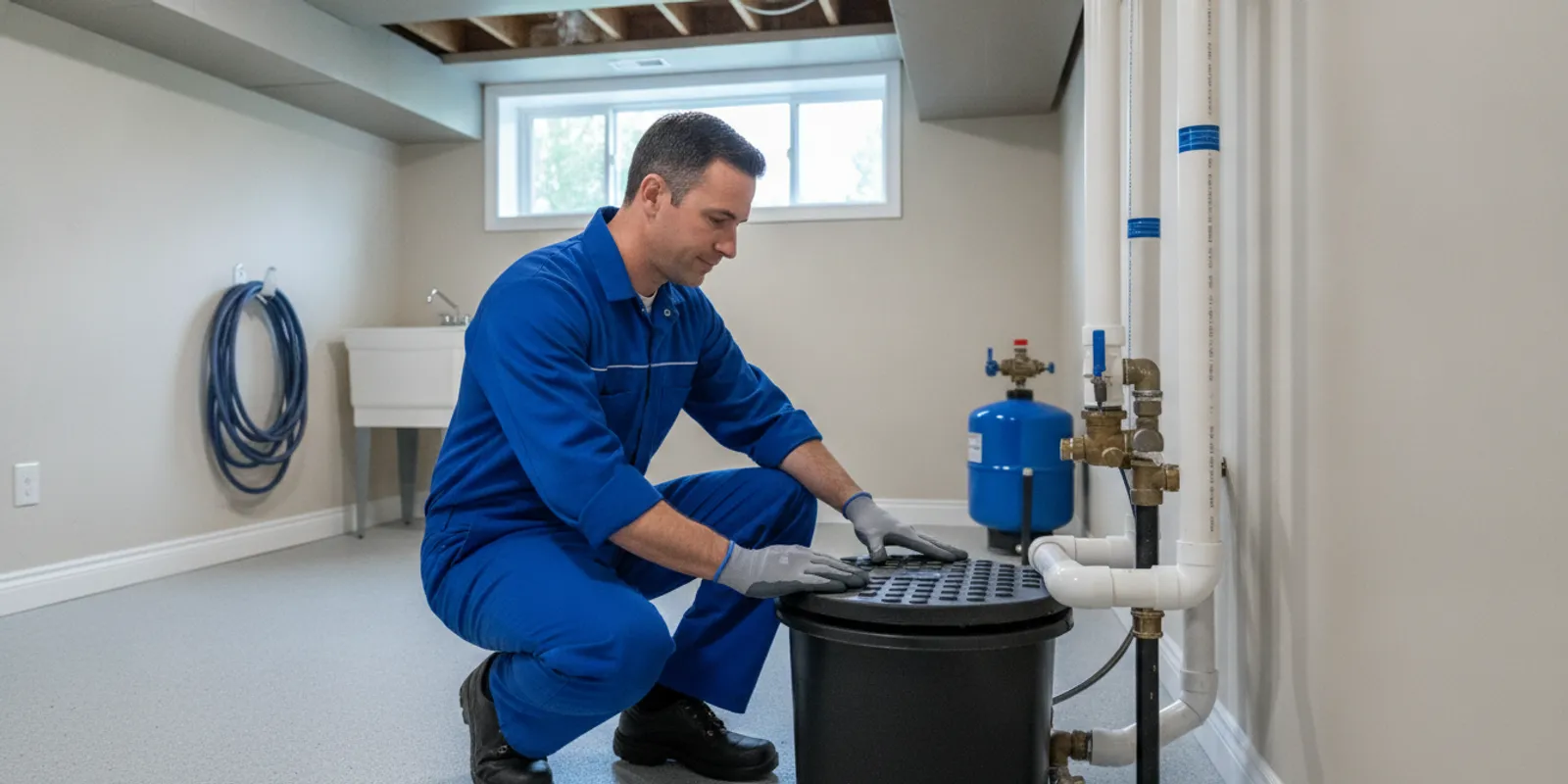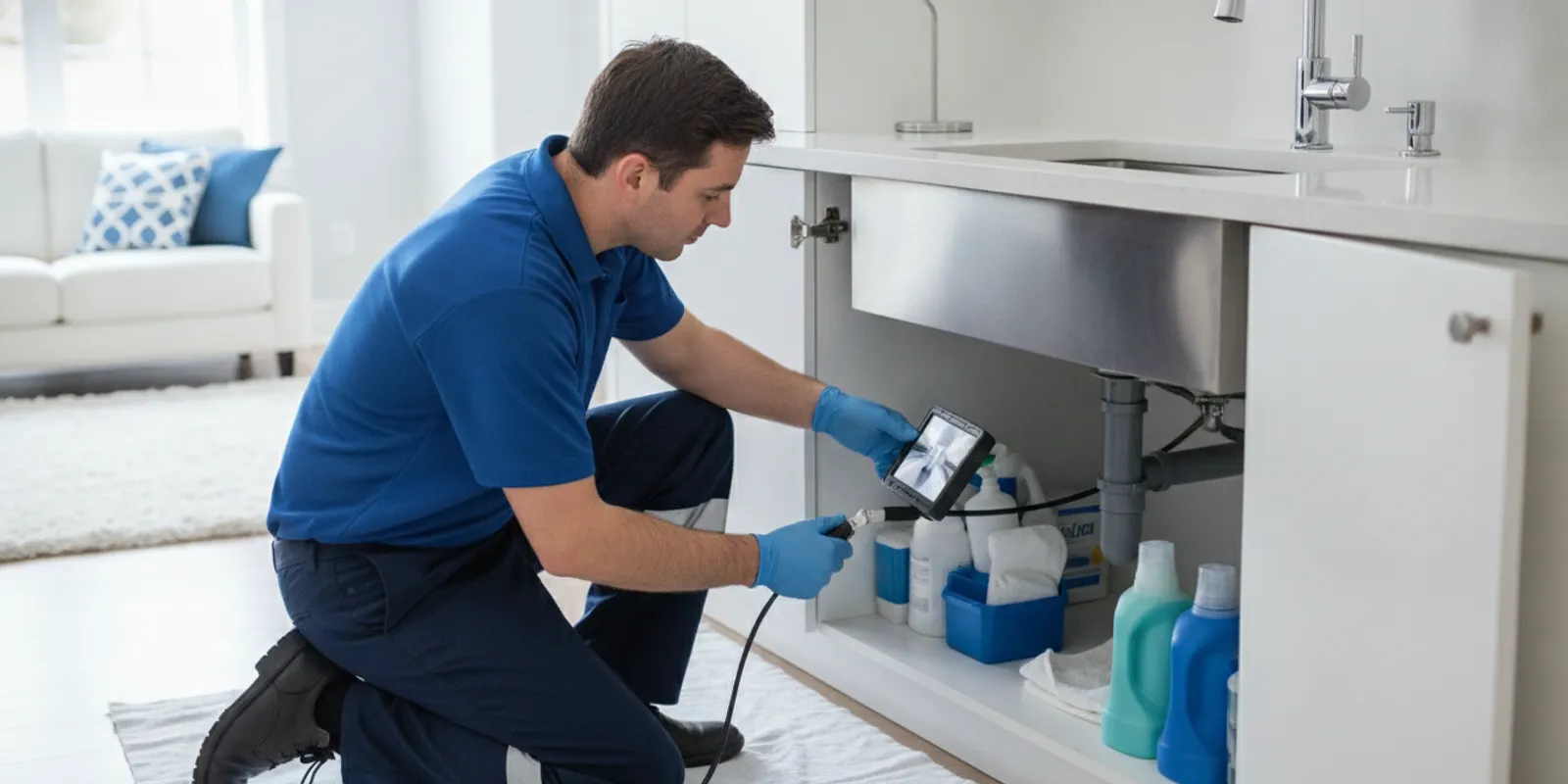

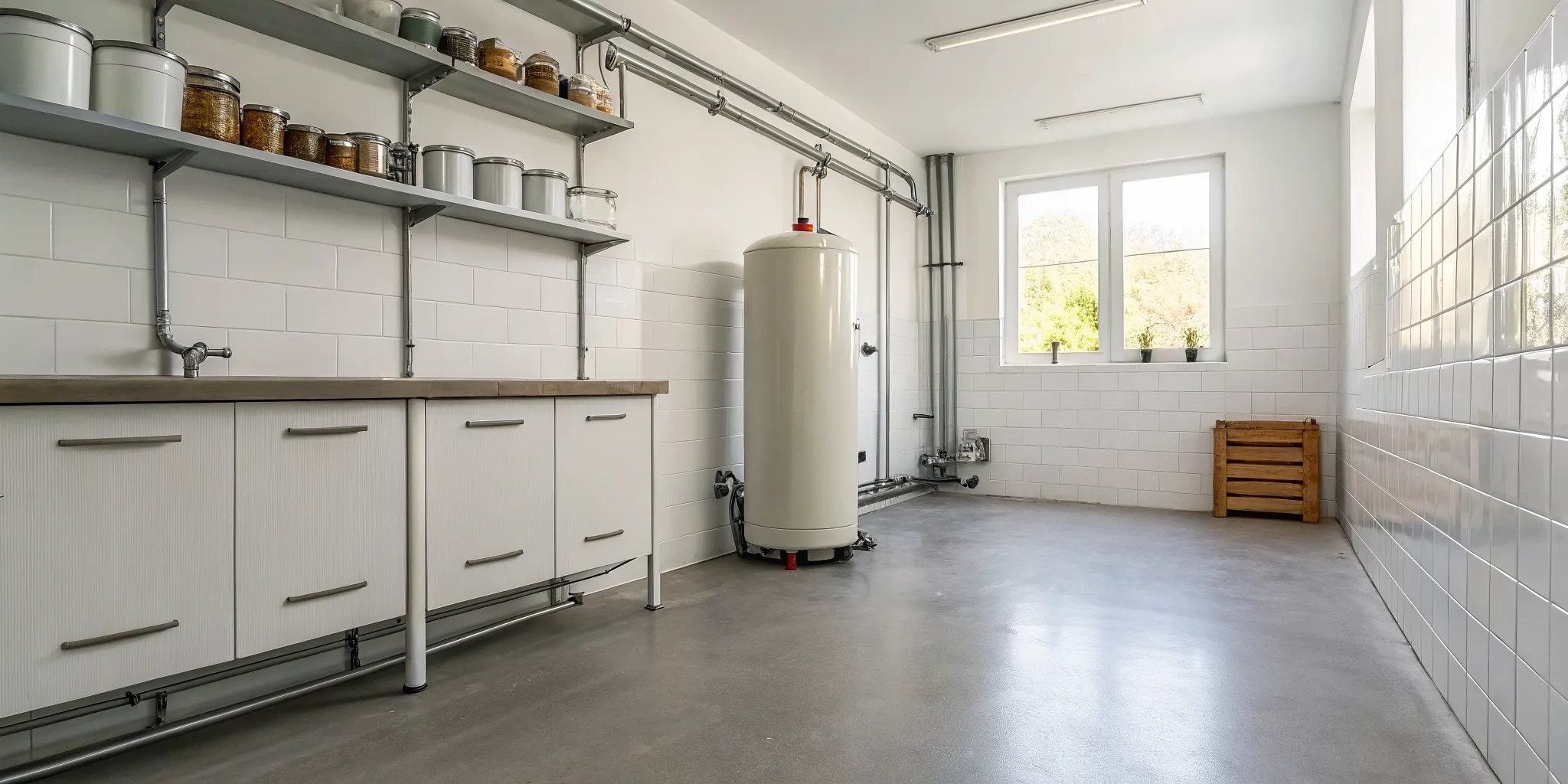
Your home has its own way of talking. That faint rumbling from the basement, water that’s not quite hot enough, or a shower that runs cold too quickly—these aren’t just random quirks. They’re often your water heater signaling that something is wrong. Ignoring these messages can turn a small issue into a major, water-logged disaster. Recognizing the signs you need a new water heater is about more than just avoiding a cold shower. It’s about protecting your home from leaks and costly water damage. Let’s go over the warnings so you can decide what to do next.
Key Takeaways
- Know your water heater’s lifespan and its warning signs: A traditional tank heater lasts about 8 to 12 years, while tankless models can last 20 or more. Be proactive by looking for key signals like leaks, strange noises, or inconsistent temperatures to avoid a sudden breakdown.
- Choose replacement over repair for older, failing units: While repairing a newer unit with a minor issue makes sense, replacement is the smarter financial move if your heater is over a decade old, needs constant fixes, or has a leaking tank.
- Always hire a professional for installation and complex issues: A water heater connects to critical home systems, so professional installation is non-negotiable for safety, code compliance, and protecting your warranty. An expert can also accurately diagnose problems and prevent small issues from becoming costly emergencies.
How Long Should a Water Heater Last?
It’s easy to forget about your water heater until you’re hit with a cold shower. But like any major appliance, it has a finite lifespan. Knowing how long you can expect it to last helps you plan for a replacement before you’re in an emergency. The timeline depends on the type of heater you have, your water quality, and how well it’s been maintained. Let’s look at the typical lifespans for the two most common types.
How Many Years Will a Traditional Tank Heater Last?
If you have a large, cylindrical water heater, you have a traditional storage-tank model. These are the workhorses of the plumbing world, and you can generally expect them to last between 8 and 12 years. As your unit approaches the decade mark, it’s smart to pay closer attention to its performance. Factors like the mineral content in our local water and whether it has received regular check-ups can influence where it falls in that range. A neglected tank might fail sooner, while a well-maintained one could push past the 12-year mark.
How Long Do Tankless Water Heaters Last?
Tankless water heaters, or on-demand heaters, are a different story. They only heat water when you need it, which means they experience much less wear and tear than a tank that’s always on. This efficient design gives them a significantly longer lifespan, typically lasting 15 to 20 years or even more. While the initial investment is higher, the extended life and energy savings make them a great long-term choice. With proper maintenance, you can expect many years of reliable service from a tankless model.
How to Extend Your Water Heater’s Lifespan
You have more control over your water heater’s lifespan than you might think. The most important factor is consistent, professional maintenance. Over time, sediment and minerals build up inside the tank, causing corrosion and reducing efficiency. Having a professional flush the tank annually makes a huge difference. Another simple tip is to check the temperature setting. A setting that’s too high (above 120°F) can accelerate corrosion and wear out components faster. Proper care is key to getting the most out of your investment and avoiding a sudden emergency plumbing situation.
Inspect the Anode Rod Regularly
Inside your traditional tank water heater is a hidden hero called the anode rod. Think of it as a bodyguard for your tank; it’s designed to corrode and rust away so the steel tank itself doesn’t have to. This small component plays a huge role in preventing leaks and extending the life of your heater. As recommended by experts at Consumer Reports, you should have this rod inspected every few years. Over time, it will completely dissolve. Replacing a spent anode rod is a simple, inexpensive fix that can add years to your water heater’s lifespan, saving you from the much larger expense of a full replacement. Because it can be difficult to access and remove, it’s a great task to add to a professional maintenance checklist.
Descale Your Tankless Heater
If you have a tankless water heater, your main maintenance task is preventing mineral buildup, also known as “scaling.” Our water in Metro Detroit contains minerals that can accumulate inside the unit’s narrow pipes and on the heat exchanger over time. This buildup forces your heater to work harder, reduces its efficiency, and can eventually lead to a breakdown. To keep it running smoothly, the internal components need to be descaled regularly—typically once a year. This process involves flushing the system with a special solution that dissolves the mineral deposits. While DIY kits are available, having a professional handle the descaling ensures it’s done safely and thoroughly without risking damage to sensitive parts.
Consider a Water Softener for Hard Water
One of the best long-term strategies for protecting your water heater—and all your other water-using appliances—is to address hard water at its source. Hard water, which is common in our area, is loaded with minerals like calcium and magnesium that create scale buildup. This forces your water heater to use more energy and can significantly shorten its lifespan. Installing a water softener removes these minerals from the water before it ever reaches your heater. This proactive step not only helps you get the most out of your investment but also improves the performance of your dishwasher, washing machine, and even makes your soap lather better. If you suspect you have hard water, a professional can test it and recommend the right solution for your home.
6 Telltale Signs Your Water Heater Is Failing
Your water heater rarely fails without a little bit of warning. It usually sends out signals that trouble is brewing, and catching them early can save you from a cold-shower surprise or a flooded basement. Being proactive is always better than reacting to a plumbing disaster. Here are the key warning signs that your water heater is on its last legs.
Leaking Water or Puddles Around the Tank
Water pooling around the base of your water heater is a major red flag. Even a small puddle indicates a leak, which could come from a crack in the tank or a faulty connection. For your safety, turn off the power supply to the unit and call a professional immediately. A leak is always an emergency plumbing situation that requires immediate attention to prevent water damage.
Strange Noises Like Rumbling or Popping
Loud rumbling, popping, or banging sounds from your water heater are not normal. These noises are typically caused by sediment buildup at the bottom of the tank. As the sediment hardens, it traps water underneath, which then boils and creates popping sounds. This process reduces efficiency and can eventually damage the tank.
Water That Won’t Stay Hot
If your shower water temperature swings from hot to cold without you touching the dial, your water heater is struggling. This inconsistency often points to a failing heating element or a broken dip tube that is supposed to send cold water to the bottom of the tank. You shouldn’t have to guess what temperature your water will be.
Running Out of Hot Water Too Quickly
Are your showers getting shorter because the hot water runs out? A diminished supply of hot water is another classic symptom of sediment buildup, as the sediment takes up space that should be holding hot water. It can also mean a heating element is failing and can no longer keep up with your household’s needs.
A Sudden Spike in Your Utility Bills
An older water heater has to work harder to heat the same amount of water, causing it to lose efficiency over time. This extra effort translates directly into higher energy use and more expensive utility bills. If your energy costs are climbing for no apparent reason, your aging water heater is a likely suspect.
The Need for Frequent Repairs
If you feel like you’re constantly calling a plumber to fix your water heater, it may be time for a replacement. The costs of frequent repairs can quickly add up, and it often makes more financial sense to invest in a new, reliable unit. A new water heater can save you from the stress and expense of repeated breakdowns.
Is Your Water Heater Affecting Water Quality?
When you think about a failing water heater, you probably picture cold showers or a leak in the basement. But an old or damaged unit can also have a surprising impact on the quality of your water. If you’ve noticed changes in how your hot water looks, smells, or feels, your water heater might be sending you a clear signal that it’s on its last legs. Paying attention to these signs can help you address the problem before it gets worse.
Rusty, Discolored, or Cloudy Water
If you turn on the hot water and see a brownish, rusty tint, it’s a major red flag. This discoloration often means the inside of your water heater’s tank is corroding. Most water heaters have a component called an anode rod, which is designed to rust away to protect the tank lining. Once that rod is gone, the tank itself begins to rust from the inside out, and those rust particles end up in your water. Murky or cloudy water is another sign that your unit is struggling and needs a professional inspection before a serious leak develops.
Water That Smells or Tastes Metallic
Does your hot water have a strange, metallic taste or a foul smell, like rotten eggs? You’re not just imagining it. That unpleasant rotten egg odor is typically caused by bacteria building up inside the tank, which can react with the anode rod to create smelly hydrogen sulfide gas. A metallic taste, on the other hand, points back to corrosion, meaning you’re tasting bits of the rusted tank. Your water should be clean and odorless, so if something seems off, it’s time to have a professional take a look at your system.
Gritty Sediment in Your Hot Water
Have you ever noticed sandy or gritty particles coming out of your hot water faucet or clogging your showerhead? This is usually sediment. Over the years, minerals like calcium and magnesium that are naturally present in your water supply can settle at the bottom of your water heater tank. This layer of sediment can make your heater less efficient and cause it to overheat. Eventually, these particles can get stirred up and flow through your pipes. While flushing the tank can help, heavy buildup in an older unit is a strong sign that it’s time for a replacement. If you’re dealing with this, our team can provide expert plumbing solutions.
Repair or Replace? How to Make the Right Call
When your water heater starts acting up, you’re faced with a big decision: should you repair it or replace it altogether? It’s a question that balances immediate costs with long-term value. Making the right choice can save you from the headache of unexpected cold showers and the expense of a premature replacement. Several factors come into play, including the age of your unit, the nature of the problem, and the cost of the fix. Understanding these elements will help you feel confident in your decision, ensuring you have reliable hot water without overspending. Let’s walk through how to determine the best path forward for your home and your budget.
When to Repair Your Water Heater
Opting for a repair is often the most sensible choice if your water heater is still relatively young, typically under eight years old. Minor issues like a faulty heating element, a broken thermostat, or a malfunctioning pressure relief valve are usually straightforward and affordable to fix. If the repair cost is well under half the price of a new unit, it’s a good sign that a simple fix is all you need. A professional plumber can quickly diagnose the problem and let you know if a repair will get your system running smoothly again, extending its life without the major expense of a full replacement.
When to Invest in a New Water Heater
If your water heater is more than a decade old, replacement is usually the smarter investment. Age is a major factor, as older tanks are less efficient and more prone to failure. A critical sign that it’s time to replace is a leaking tank; this is not a repairable issue and often requires immediate action. If you’re facing a repair bill that costs 50% or more than a new unit, it makes more financial sense to replace it. Constant breakdowns are another red flag. Instead of pouring money into an aging system, investing in a new water heater provides reliability and peace of mind. A major leak can quickly become a serious problem, so if you see water pooling, it’s time to call for emergency plumbing services.
Comparing the Costs: Repair vs. Replacement
When weighing your options, think about both short-term and long-term costs. A repair might seem cheaper upfront, but if your water heater is old and inefficient, you could be losing money every month on higher energy bills. A new, energy-efficient model can lead to significant savings over its lifespan, eventually paying for itself. It’s also important to consider the potential cost of water damage from a failing unit, which can be far more expensive than a planned replacement. We can help you get a clear picture by providing an honest assessment and a transparent quote for both repair and replacement options, so you can make an informed choice.
Factoring in Long-Term Energy Costs
The price tag on a repair versus a replacement is just the beginning of the story. It’s crucial to look at the bigger financial picture, and that includes your monthly energy bills. Heating water accounts for a significant chunk of your home’s energy use, often around 18%. An older, inefficient water heater has to work much harder to do its job, which means it’s quietly adding to your utility costs every single month. While a repair might seem like the cheaper option now, you could continue to lose money on wasted energy. Investing in a new, energy-efficient model can lead to significant savings over its lifespan, often enough to offset the initial cost and put money back in your pocket over time.
How Warranties and Maintenance Play a Role
Before making a call, check your water heater’s warranty. If it’s still covered, a repair might cost you very little or nothing at all. Keep in mind that a new water heater comes with a fresh warranty, which protects your investment for years to come. It’s also a myth that you should wait for your water heater to break down completely before replacing it. Just like any major appliance, they have a limited lifespan. Regular maintenance can help you get the most out of your unit, but proactive replacement near the end of its expected life (usually 8-12 years) can save you from the stress and expense of an unexpected failure.
Understanding What a Longer Warranty Means
When you’re looking at new water heaters, the warranty is one of the most telling details. A longer warranty, which can range from 3 to 15 years, is usually a sign of a higher-quality product. Manufacturers that offer extended warranties are confident in their unit’s durability because they’ve built it with better parts, like thicker insulation, stronger tanks, and more robust heating elements. Think of it as their promise to you that the appliance is built to last.
A warranty also plays a big part in the repair-or-replace decision. If your current water heater is still under warranty, a repair might cost you very little or nothing at all, making it the obvious choice. On the flip side, a new water heater comes with a fresh warranty that protects your investment for years. This peace of mind is a significant benefit when you’re investing in a major home appliance.
It’s also important to remember that water heaters have a finite lifespan, typically around 8 to 12 years for traditional models. While regular maintenance can extend this, proactive replacement near the end of its expected life can save you from the stress and expense of an unexpected failure. Waiting for a complete breakdown often leads to water damage and a much more frantic replacement process.
Ultimately, when you’re shopping for a new water heater, don’t just glance at the price tag—pay close attention to the warranty. A longer warranty period not only offers you protection but also reflects the manufacturer’s commitment to quality and reliability, ensuring you get a unit you can depend on for years to come.
How to Choose the Right New Water Heater
Once you’ve decided to replace your water heater, the next step is picking the right one for your home. This can feel like a big decision, but it doesn’t have to be complicated. Thinking through a few key factors like size, efficiency, and type will help you find a model that fits your family’s needs and budget perfectly. Let’s walk through what you need to consider to make a confident choice.
What Size Water Heater Does Your Home Need?
Sizing a water heater isn’t just about whether it will fit in your utility closet. It’s about making sure it can meet your household’s demand for hot water. For a traditional tank heater, this is measured in gallons. A good rule of thumb is a 30–40 gallon tank for one or two people, and a 50–80 gallon tank for three to five people. You’ll also want to consider its “first-hour rating,” which tells you how many gallons of hot water it can produce in an hour. Think about your peak usage, like when you’re running the shower and the dishwasher at the same time. A professional can help you calculate the perfect size to avoid ever running out of hot water again.
For Tank Heaters: First-Hour Rating (FHR)
When you’re looking at a traditional tank heater, one of the most important numbers to find is the First-Hour Rating, or FHR. This rating, found on the yellow EnergyGuide label, tells you exactly how many gallons of hot water the heater can deliver in its first hour of use, starting with a full tank. It’s a much better indicator of performance than just the tank size because it accounts for how quickly the heater can recover. If your family takes back-to-back showers in the morning, a high FHR is crucial to ensure the last person doesn’t get a cold surprise. According to Consumer Reports, you should match the FHR to your household’s peak demand to ensure you always have enough hot water when you need it most.
For Tankless Heaters: Gallons-Per-Minute (GPM)
For tankless, on-demand water heaters, the key metric is the Gallons-Per-Minute (GPM) rating. Since these units heat water instantly instead of storing it, the GPM tells you the maximum flow of hot water the heater can produce at any given moment. To figure out what you need, you can add up the flow rates of the fixtures you might use simultaneously. For example, a modern showerhead might use 2.0 GPM and a dishwasher might use 1.5 GPM. If you plan to run both at once, you’ll need a unit with a GPM of at least 3.5 to keep up. It’s also important to note that GPM is affected by the incoming water temperature—colder water in our Michigan winters means the heater works harder, which can lower the effective GPM. Understanding the GPM rating is essential for satisfaction with a tankless system.
Looking Beyond the Uniform Energy Factor (UEF)
As you compare models, you’ll see a Uniform Energy Factor (UEF) rating. This number, established by the Department of Energy, measures how energy-efficient a water heater is. It’s simple: the higher the UEF, the more efficient the unit and the lower your energy bills will be. This is definitely an important factor for long-term savings. However, you shouldn’t choose a water heater based on UEF alone. A super-efficient heater that’s too small for your family’s needs will still leave you with cold showers. It’s critical to balance efficiency with performance. Always consider the FHR (for tank models) or GPM (for tankless models) to ensure the heater can actually meet your demand before making a final decision based on its efficiency rating.
Should You Choose an Energy-Efficient Model?
Your water heater is one of the biggest energy users in your home, so choosing an efficient model can lead to real savings on your monthly bills. Look for the ENERGY STAR label, which certifies that the unit meets strict energy performance standards. Modern water heaters are rated using a Uniform Energy Factor (UEF). The higher the UEF number, the more efficient the unit is. Keep in mind that newer, high-efficiency models are often larger than older ones because they have more insulation. It’s a good idea to measure your space before you start shopping to ensure your new, energy-saving unit will fit.
Comparing Fuel Costs in Your Area
In Metro Detroit, most homes are already set up for either natural gas or electricity, but if you’re considering a switch, it’s wise to compare fuel costs. While natural gas often has a lower per-unit cost, remember to look at the complete picture. Changing from an electric to a gas heater, for instance, involves the extra expense of installing new gas lines. However, a super-efficient electric model could offer long-term savings that make it a strong contender. As the U.S. Department of Energy notes, a water heater that uses its fuel more efficiently can save you money over its lifespan, even if that fuel costs more. It’s all about balancing the upfront installation cost with the day-to-day operational expenses.
Checking for Rebates and Tax Credits
A high-efficiency water heater might have a higher initial price, but you can often bring that cost down significantly with financial incentives. Before you make a purchase, take a few minutes to search for available rebates and tax credits. These programs are designed to reward homeowners for choosing energy-saving appliances, especially those with an ENERGY STAR label. Your local utility providers, like DTE Energy and Consumers Energy, are great places to start, as they frequently offer rebates for these kinds of upgrades. Federal tax credits can also provide a nice discount on qualifying models. A little research here can easily save you hundreds of dollars, making that top-tier water heater much more accessible for your budget.
Tank vs. Tankless: Which Is Right for You?
You have two main options: a traditional storage-tank heater or a tankless, on-demand model. A tank heater keeps a reservoir of water hot and ready, offering a lower upfront cost. However, they experience standby heat loss and have a shorter water heater lifespan of about 8 to 12 years. Tankless heaters heat water instantly as you need it, providing an endless supply of hot water. They are more energy-efficient and can last 20 years or more, but the initial investment is higher. Your choice depends on your budget, how much hot water your family uses, and whether you prioritize long-term savings over upfront cost.
Other Types of Water Heaters to Consider
While traditional tank and tankless models are the most common choices, they aren’t your only options. Depending on your home’s setup and your priorities—like maximizing energy efficiency or using renewable resources—a few other types of water heaters are worth exploring. These advanced systems often come with a higher price tag, but the long-term savings and performance benefits can be significant. Understanding these alternatives can help you make a truly informed decision that aligns with your goals for your home and your energy consumption.
Heat Pump (Hybrid) Water Heaters
Think of a heat pump water heater as a refrigerator working in reverse. Instead of pushing heat out, it pulls heat from the surrounding air and transfers it to the water in the storage tank. This process makes them incredibly efficient—often two to four times more efficient than a standard electric water heater. Many models also have a “hybrid” mode, allowing them to function like a regular electric heater during times of high demand. While the upfront cost is higher, their impressive energy savings and potential eligibility for federal tax credits can make them a smart financial choice in the long run.
Solar Water Heaters
For homeowners passionate about sustainability, a solar water heater is an excellent green option. These systems use solar collectors, typically installed on your roof, to absorb the sun’s energy and heat water stored in a tank. The environmental benefits are undeniable, and they can lead to substantial savings in sunny climates. However, the initial investment can be steep, and here in Michigan, you’ll almost certainly need a backup system for cloudy days and our long winters. It’s a significant commitment, but one that pays off in reducing your carbon footprint.
Condensing Water Heaters
If your home uses natural gas, a condensing water heater is a high-efficiency option you should consider. These units work like a standard gas storage heater but with a clever twist: they capture hot exhaust gases that would normally escape through your chimney and use them to preheat the cold water entering the tank. This recycling of energy makes them far more efficient than their non-condensing counterparts. While they cost more initially, they can provide more hot water than a standard model of the same size and may qualify for rebates, making them a powerful upgrade for gas-powered homes.
Important Features and Components
Once you’ve landed on the right type and size of water heater, there are a few smaller details that can make a big difference in its longevity and performance. It’s easy to overlook these features when you’re focused on the big picture, but paying attention to the quality of the components can save you from future headaches and repair calls. Think of these as the finishing touches that separate a good water heater from a great one. When you’re ready to install your new unit, our team at Mr. Pipey can ensure every component is set up for optimal performance.
Durable Drain Valves
This might seem like a minor detail, but it’s a crucial one for maintenance. Look for a water heater with a brass drain valve instead of a plastic one. Plastic valves can become brittle over time and may crack or break when you or a plumber tries to use them to flush the tank. A durable brass valve makes routine maintenance much easier and safer, preventing a simple task from turning into a messy repair job. It’s a small sign of quality that indicates a well-built unit designed to last.
Smart Features and Digital Displays
Modern water heaters are getting smarter. Many new models come equipped with digital displays that make it easy to set a precise temperature and monitor the unit’s status. Some even offer Wi-Fi connectivity and companion apps for your smartphone. These smart features allow you to track your energy usage, adjust settings remotely, and even set a “vacation mode” to save energy while you’re away. If you love having control over your home’s systems and optimizing for efficiency, these tech-forward features are definitely worth looking for.
Mixing Valves
A mixing valve, also known as a tempering valve, is a fantastic feature for both safety and efficiency. This device is installed on the hot water outlet and automatically mixes hot water from the tank with cold water before it travels to your faucets and showerheads. This allows you to set the tank’s thermostat to a higher temperature (140°F or more) to kill off bacteria, while the valve delivers water at a safe, non-scalding temperature (around 120°F). As a bonus, this process effectively increases your hot water supply, giving you the performance of a larger tank without the extra space or energy cost.
Why Professional Installation Is a Must
While it might be tempting to try a DIY installation, this is one job best left to the pros. A water heater connects to your water, gas or electrical, and ventilation systems, and a mistake with any of these can be dangerous. An improper installation can lead to leaks, carbon monoxide poisoning, or electrical hazards. It can also void your manufacturer’s warranty. Hiring a licensed plumber ensures the job is done safely and up to code, protecting your home and family. A professional installation is the first step to making sure your new water heater runs efficiently for years, helping you avoid a future emergency plumbing call.
Why Call a Professional for Your Water Heater?
When your water heater acts up, it’s tempting to try a quick DIY fix. But these are complex appliances connecting to your home’s plumbing, electrical, and gas lines, where a small mistake can lead to big problems. Calling a professional makes all the difference. A licensed plumber provides peace of mind, using their training to diagnose problems accurately and perform work that is safe and up to code. Whether you’re dealing with a minor leak or a complete system failure, an expert can manage the situation efficiently. At Mr. Pipey, we handle all kinds of plumbing services and treat your home with care.
For an Accurate and Expert Diagnosis
Not sure if that rumbling sound from your basement is a minor quirk or a major problem? A professional plumber can give you a definitive answer. They perform a thorough inspection of your water heater to pinpoint the cause of any issues, whether it’s inconsistent water temperature, strange noises, or a small leak. Getting an expert assessment is crucial because it helps you understand if you need a simple repair or a full replacement. A professional can identify underlying problems you might miss, preventing a small issue from turning into a catastrophic failure. If you’ve noticed any warning signs, it’s always best to have a professional take a look.
To Guarantee a Safe, Correct Installation
Installing a new water heater is a job best left to the pros. A professional plumber ensures the entire process is handled safely and up to code. They’ll help you select the right size and type of water heater for your family’s needs, often recommending energy-efficient models that can lower your utility bills. Our team at Mr. Pipey manages every step, from safely disconnecting your old unit to flawlessly installing the new one. We handle all the complex water, gas, and electrical connections, making sure your new heater runs efficiently and safely from day one.
Setting a Safe Water Temperature
One of the simplest safety checks you can perform is adjusting your water heater’s thermostat. For both safety and energy efficiency, the recommended temperature is 120°F. Many units are set to 140°F by default, but water at that temperature can cause a severe burn in just five seconds, posing a significant risk to children and the elderly. Setting it to 120°F provides water that is plenty hot for household needs while dramatically reducing the danger of accidental scalding. If you’re unsure how to adjust the temperature or want to confirm it’s set correctly, a professional can handle it during a routine maintenance visit, giving you total peace of mind.
Clearing the Area of Flammable Materials
Your water heater needs its own personal space. It’s crucial to keep the area around the unit clear of any flammable materials, maintaining at least a three-foot radius. This includes items like paint cans, gasoline, cleaning supplies, aerosol sprays, and even piles of laundry or cardboard boxes. The fumes from these products are highly combustible and can be ignited by the pilot light or heating element, creating a serious fire hazard. Make it a habit to keep the space clean and uncluttered. This simple step is a critical part of home safety and ensures your unit can operate without risk. If you have concerns about your unit’s placement or ventilation, our expert plumbing solutions can provide a full safety assessment.
Inspecting the Gas Heater Flame
If you have a natural gas water heater, the flame is a key indicator of its health. The flame should be a steady, consistent blue color, perhaps with a yellow tip. If you see a flame that is mostly yellow or orange, or if it appears to be sputtering or floating, it’s a sign of incomplete combustion. This means the unit isn’t burning fuel efficiently and could be producing dangerous carbon monoxide. This is not a DIY fix. An incorrect flame color indicates your unit needs immediate professional attention for cleaning or adjustment. If you notice this, it’s important to contact a professional right away to ensure your system is running safely.
Handle Your Water Heater Emergency
A suddenly leaking or burst water heater is one of the most stressful plumbing problems a homeowner can face. If you see active leaking or corrosion around your tank, it’s a critical situation that requires immediate attention. Water can cause significant damage to your floors, walls, and foundation in a short amount of time. This is when you need to call for emergency plumbing services right away. A professional plumber can respond quickly to shut off the water supply, contain the leak, and prevent further damage. They have the expertise to manage the crisis and get your hot water running again.
Related Articles
- 6 Signs You Need Water Heater Repair Now
- Water Heater Installation: A Step-by-Step Guide
- Water Heater Leak? Here’s What to Do Right Now
- When to Call a Plumber for Water Heater Repair
Frequently Asked Questions
How often should I have my water heater maintained? For a traditional tank water heater, we recommend a professional check-up and tank flush once a year. This simple step clears out the mineral sediment that builds up over time, which helps the unit run more efficiently and can significantly extend its life. Think of it as a small investment to protect a major appliance and avoid a surprise breakdown.
Is a tankless water heater really worth the higher upfront cost? It often is, but it depends on your priorities. While the initial purchase price is higher, tankless models can last nearly twice as long as traditional tanks and are much more energy-efficient since they only heat water when you need it. Over its 20-year lifespan, the monthly energy savings and the fact that you won’t have to replace it as soon can make it a very smart financial choice.
What’s the first thing I should do if I see my water heater leaking? If you find water pooling around your heater, safety comes first. Immediately shut off the water supply to the tank. Next, turn off the power supply at your circuit breaker for an electric model, or turn the gas valve to the “off” position for a gas model. Once the situation is secure, call a professional for emergency service right away to prevent serious water damage.
My hot water is rusty. Does that automatically mean I need a new water heater? Not necessarily, but it is a serious warning sign that you shouldn’t ignore. Rusty water usually means something inside the tank is corroding. It could be that the anode rod has worn out, which is a replaceable part, or it could be that the tank lining itself has started to rust through. A professional plumber can inspect the unit to determine the source of the rust and tell you if a repair is possible or if a replacement is the safer option.
Can I install a new water heater myself to save money? We strongly advise against a DIY installation. A water heater connects to three critical systems in your home: plumbing, electrical or gas, and ventilation. A mistake with any of these connections can lead to dangerous leaks, fire hazards, or even carbon monoxide exposure. Plus, an improper installation can void the manufacturer’s warranty, leaving you unprotected. It’s a complex job that is always best left to a licensed professional.