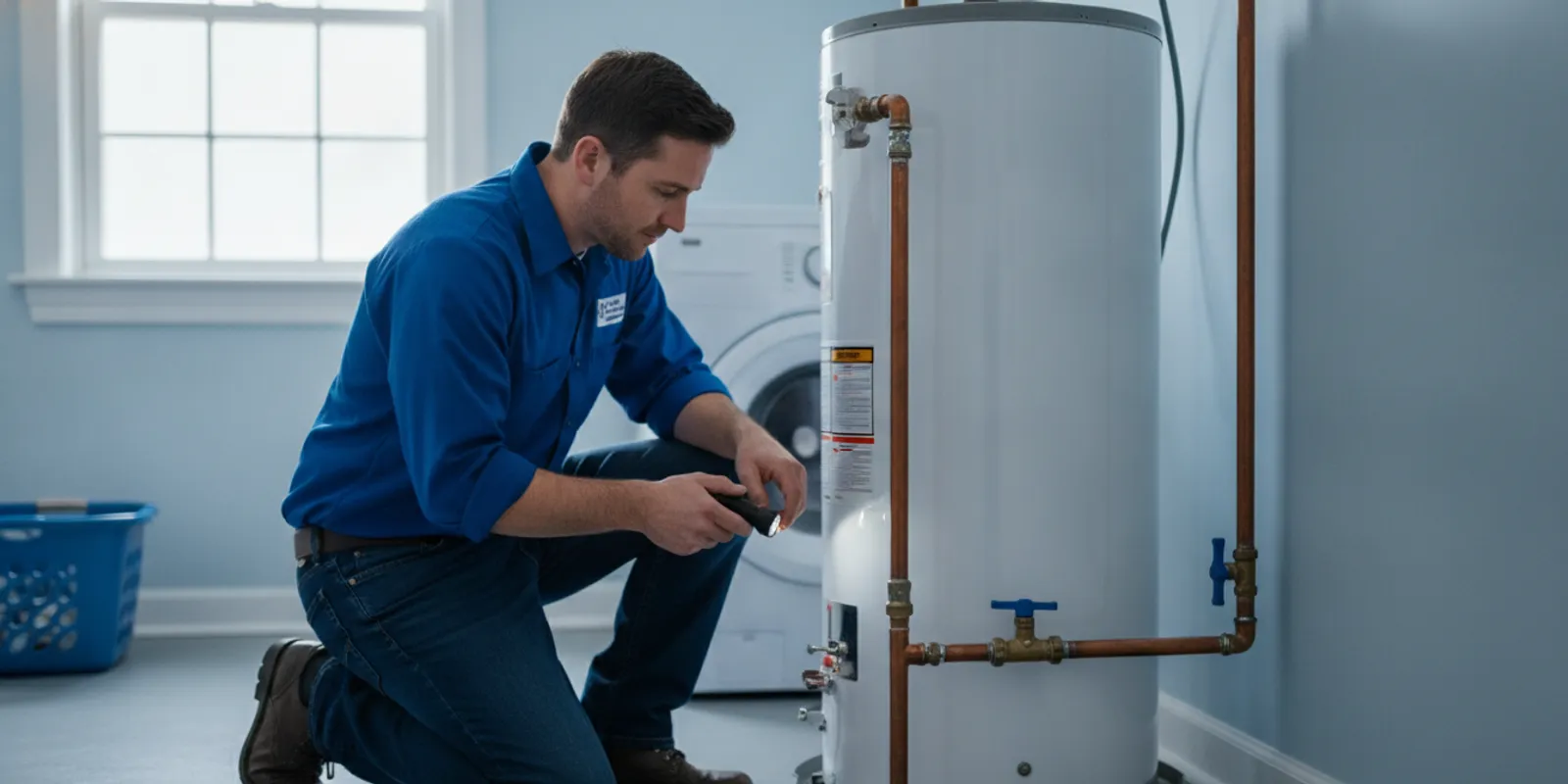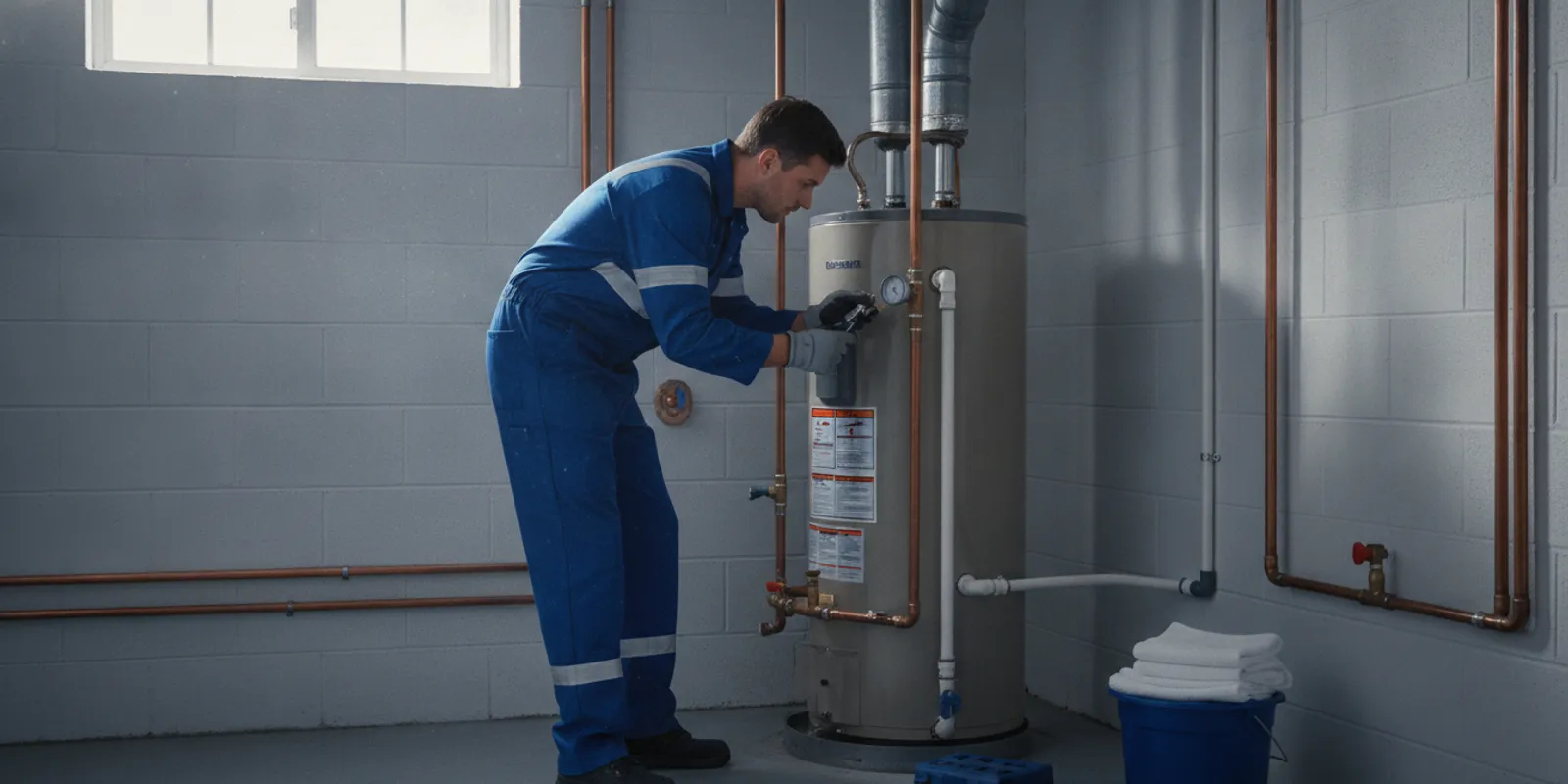

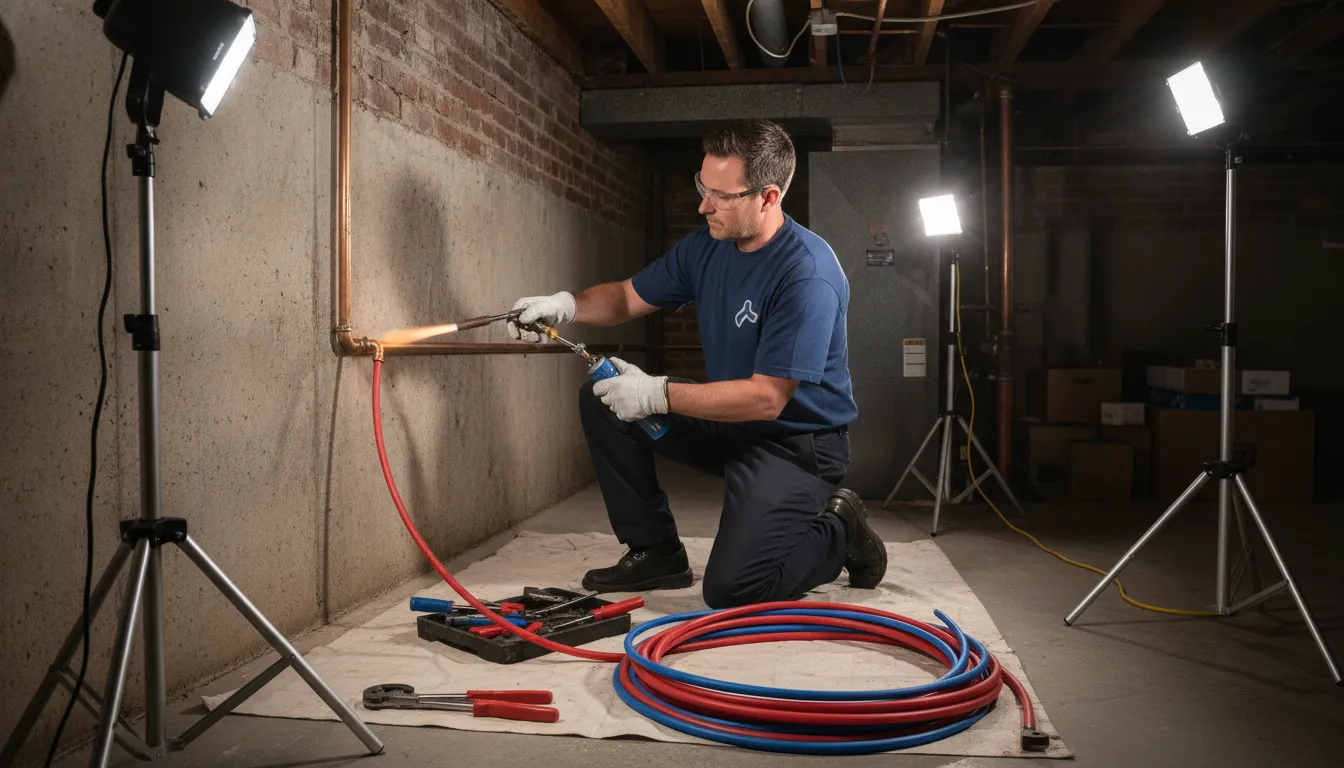
In an older Detroit home, one weak faucet may be a repair issue. Low pressure throughout the house, rusty water after the home sits overnight, or repeated leaks can point to aging supply pipes instead. Galvanized steel and polybutylene systems may serve for decades, but their condition and performance deserve a professional evaluation.
When aging supply lines cause widespread pressure loss, discoloration, or recurring leaks, whole house repiping detroit may provide a more dependable long-term solution than continuing isolated repairs. A licensed plumber can assess the pipe material, map the system, explain whether PEX or copper fits the home, and provide clear cost and timeline expectations.
Call Mr. Pipey at (313) 900-0700 for a professional evaluation and free, no-obligation estimate. The right recommendation starts with understanding what the existing pipes are showing, how old they are, and where performance problems appear throughout the home.
When Do Detroit Homes Need Whole House Repiping?
Low Water Pressure at Every Fixture
A weak shower can have a simple cause, but low pressure at multiple fixtures suggests a broader supply-line problem. Galvanized steel pipes can narrow internally as minerals and corrosion accumulate. A professional inspection can distinguish a whole-system restriction from a localized valve, fixture, or service-line issue.
Discolored or Rusty Water
Brown, yellow, or rusty water when a faucet first runs in the morning can indicate corrosion inside older supply pipes. The pattern matters. Water that clears quickly may point to settled material inside the plumbing, while persistent discoloration requires prompt professional evaluation. Plumbing materials can also affect water quality, so an inspection should consider the home’s pipe types and service line.
Frequent Leaks and Pinhole Failures
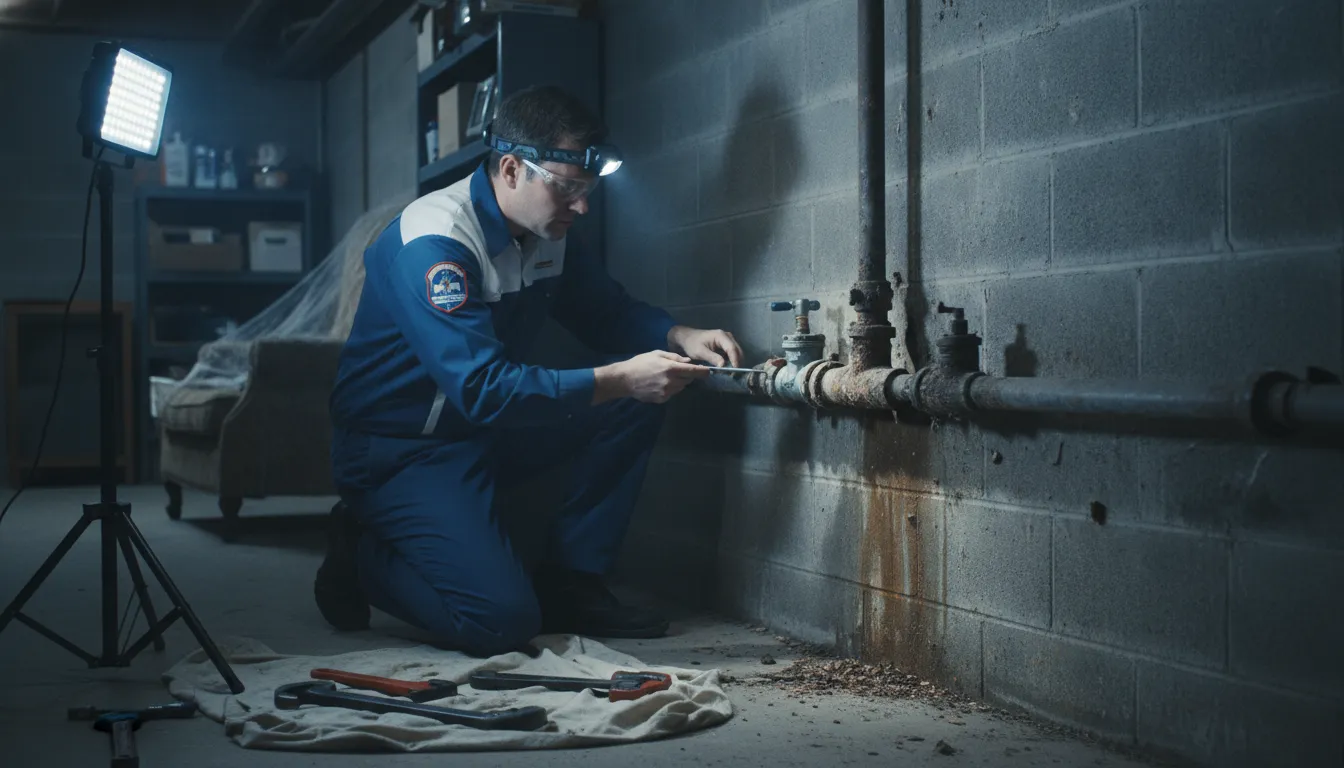
One repaired leak does not always represent an isolated event. Repeated failures across different rooms can indicate that the piping system is aging at several points. Pinhole leaks, especially around basement ceilings, are recognized signs of failing plumbing infrastructure. See our leaking pipe repair service for help evaluating an active leak or recurring pipe damage.
Pipe Age and Material: Galvanized and Polybutylene
Pipe age provides important context when several symptoms appear together. Thousands of Detroit homes built between 1920 and 1970 still contain original plumbing systems that were not designed to last beyond 50 years. National infrastructure research also notes that much drinking-water infrastructure installed 50 or more years ago is reaching the end of its useful life (National drinking-water infrastructure research).
Galvanized steel and polybutylene deserve careful evaluation in older homes. Galvanized lines may lose usable interior space through mineral buildup and corrosion. Polybutylene systems can also warrant replacement planning based on their condition, installation history, and leak pattern. A licensed plumber can map the existing materials, assess accessible sections, and explain whether targeted repairs or whole house repiping is the more practical long-term option.
What Does Whole House Repiping in Detroit Cost?
Most Detroit homeowners need a project-specific estimate because repiping costs vary widely between properties. A general whole-house range is about $1,500 to $15,000 or more, depending on home size, fixture count, accessibility, and selected material. These figures provide planning context, not a substitute for an inspection. For broader local pricing context, review our guide to plumbing repair costs in Detroit.
Typical PEX and Copper Price Ranges
PEX is often the lower-cost material for a complete repipe. Whole-house PEX projects commonly fall between $3,000 and $8,100. Copper repiping typically ranges from $5,000 to $15,000 or more.
These published ranges come from Detroit repiping cost research at plumber-cost.com. Actual pricing depends on the home’s layout and the amount of labor required. Material selection should account for the property’s plumbing design, access conditions, and long-term goals.
What Changes the Final Repiping Estimate?
A larger home usually requires more pipe, connections, and labor. The number of bathrooms, kitchens, laundry fixtures, and exterior hose connections also affects the project scope.
Accessibility is another important factor. Pipes exposed in a basement, crawl space, attic, or service chase may require less opening and restoration. Finished walls, tight mechanical spaces, and multiple stories can increase labor and repair requirements.
Permits and inspections may also apply, depending on the property’s location and the work being performed. A licensed plumbing contractor can identify those requirements during planning and include them in the project scope.
Partial Repiping or Complete Replacement?
A partial repipe may address one section when the remaining supply lines are in suitable condition. It can make sense when damage is localized and the system has enough serviceable piping.
A whole-house repipe replaces the primary supply lines throughout the property. It may provide a more consistent solution when older materials, restricted flow, or recurring failures affect multiple areas. The right choice depends on inspection findings rather than a fixed rule.
Mr. Pipey provides free, no-obligation estimates and inspections for major plumbing work. A professional evaluation can clarify the material options, access needs, permit considerations, and expected investment before work begins.
Can You Repipe a House Without Removing Drywall?
In many homes, professional plumbers can complete a whole-house repipe without removing large sections of drywall. The amount of access required depends on the home’s layout, the location of existing supply lines, and the route selected for the new piping.
Basements and crawl spaces often provide useful access beneath first-floor fixtures. Attics can provide access to upper-level bathrooms and kitchens. Existing pipe chases may also allow plumbers to route new lines between floors without opening finished walls. Accessible wall cavities can further reduce the need for extensive drywall removal.
Why Limited Access Openings May Still Be Necessary
Even when most piping is reachable from unfinished areas, small access openings may be needed. Plumbers may open a targeted section to connect a branch line, reach a concealed fitting, or confirm the condition of a difficult connection. These openings are planned around the repiping design rather than made throughout the house.
Older Detroit homes can present more complex conditions. Closed-wall layouts, finished basements, additions, and multiple renovations may hide supply lines behind plaster, drywall, or other finished materials. In those cases, a professional assessment identifies where access is necessary before work begins.
Restoration Is Part of the Repiping Plan
A quality repiping project includes more than installing new supply lines. The crew should explain expected access points, protect finished areas, and coordinate restoration after the plumbing work is complete. Restoration may include closing openings and preparing surfaces for the homeowner’s preferred final finish.
The goal is not to promise zero wall disruption. The goal is to use the home’s accessible spaces intelligently, limit openings where practical, and leave the property orderly when the work is finished. A professional repiping estimate should address access, routing, protection, and restoration before the project starts.
What Does the Repiping Process Involve?
A professional repipe follows a planned sequence designed to protect your home, limit disruption, and keep the work easy to understand. Your plumber should explain the schedule, access points, materials, and restoration plan before work begins.
- Inspection and a free, no-obligation estimate. The process starts with an assessment of the existing supply lines, visible connections, water pressure, fixture layout, and accessible areas. The plumber identifies the pipe material and condition, then develops a scope for replacing the system. Your estimate should explain the recommended approach, expected access work, materials, and total price before you approve the project.
- Water shut-off and planning at the main valve. The plumbing team plans the work around the home’s main water entry point. This includes confirming the location and condition of the main water valve, mapping fixture branches, and determining how each section will be isolated. Learn more about water shut-off valves and their role in controlling the home’s water supply. The crew then schedules the shut-off and prepares the work area.
- Staged repiping, room by room. Repiping usually proceeds in organized sections rather than removing every supply line at once. The crew accesses pipe runs through suitable areas, such as basements, crawl spaces, attics, or existing chases. Where limited openings are needed, the team coordinates them with the plumbing layout. Each room is connected to the new supply system as the work advances.
- Wall and ceiling restoration. Access openings are addressed after the new piping is installed. The restoration plan depends on the surfaces involved and the project scope. A professional crew should explain which areas require repair and how the finished surfaces will be returned to a clean, usable condition. Careful planning helps reduce unnecessary openings and keeps the project orderly.
- Final pressure testing and inspection. The completed system is tested before normal use resumes. The plumber checks connections, fixture operation, water pressure, and accessible piping for leaks. The team also reviews the finished work with you and confirms that the new supply lines serve the intended fixtures. This final inspection provides a clear handoff and documents that the repiping work was completed properly.
Because every home has a different layout and access profile, the exact schedule can vary. A detailed estimate and step-by-step plan make the work more predictable from the first inspection through final testing.
PEX vs. Copper: Choosing the Right Material for Your Repipe
Both PEX and copper can support a dependable whole-house repiping project when correctly designed and installed. The better choice depends on the home’s layout, existing connections, water conditions, access, and long-term priorities.
| Consideration | PEX | Copper |
|---|---|---|
| Expected lifespan | Long service life is possible with proper design, installation, and water conditions. | Long service life is possible with proper installation and suitable water conditions. |
| Flexibility | Flexible tubing can follow practical routes through walls, floors, and framing. | Rigid pipe requires measured runs and more connection points around turns. |
| Freeze and burst tolerance | Flexible tubing can expand more than rigid pipe, but freezing can still cause damage. | Rigid pipe has less flexibility when water freezes and expands inside it. |
| Fittings | Uses approved connectors suited to the system design and installation method. | Uses soldered or approved mechanical connections selected for the installation. |
| General cost position | Usually the lower-cost material option for a whole-house repipe. | Usually the higher-cost material option for a whole-house repipe. |
PEX may suit homes where flexible routing can reduce access work and connection points. Its installation can be efficient in houses with complicated layouts or limited open framing.
Copper may suit homeowners who prefer a rigid metal piping system and its established installation methods. It can also fit projects where exposed piping or specific connection requirements influence the design.
Material selection is not based on price alone. A licensed plumber should evaluate pipe routes, water quality, temperature exposure, fixture demands, and the condition of existing connections. The professional recommendation should account for the home as a complete system, not just one accessible section.
For Detroit-area homes, an on-site assessment helps identify the practical repiping approach before work begins. Mr. Pipey can explain the material choice, access plan, and expected scope in clear terms before installation.
Is Whole House Repiping Worth It for Older Detroit Homes?
For many older Detroit homes, whole-house repiping can be a practical long-term improvement rather than another short-term repair. The value depends on pipe condition, repair frequency, water quality concerns, and how much disruption the project requires.
Stopping the Cycle of Repeated Leak Repairs
A single leak does not always mean every supply line has failed. However, repeated leaks in different rooms often point to aging plumbing throughout the home. Patching one section may restore service temporarily while leaving other vulnerable sections in place.
Replacing the aging supply lines addresses the underlying system instead of repeating isolated repairs. It can reduce the disruption of emergency calls, damaged finishes, and unexpected repair decisions. A professional evaluation can distinguish between a localized issue and a broader repiping need.
Until the work is scheduled, homeowners can still need dependable help when a leak develops. Mr. Pipey’s 24/7 emergency plumbing service provides support when an active leak cannot wait.
Better Water Quality From Clean Supply Lines
New supply lines can also improve confidence in the water reaching household fixtures. The U.S. Environmental Protection Agency explains that lead can enter drinking water when plumbing materials containing lead corrode. And it also states that there is no known safe level of lead in a child’s blood (EPA guidance on lead in drinking water).
Those facts do not mean every older home has the same water-quality risk. They do support having older plumbing materials evaluated, especially when corrosion, discoloration, or recurring pipe deterioration is present. A qualified plumber can assess accessible piping and recommend appropriate next steps.
Long-Term Value and Peace of Mind
Repiping can provide value through more predictable maintenance, steadier performance, and fewer interruptions. It may also make future plumbing work easier when the system has consistent, accessible supply lines.
The best decision comes from comparing the home’s condition with the cost and scope of replacement. Mr. Pipey provides free, no-obligation estimates for major plumbing work, so Detroit homeowners can review the options before committing.
Call (313) 900-0700 to schedule your free repiping estimate today.
Frequently Asked Questions
How much does whole-house repiping cost in Detroit?
Published estimates commonly place whole-house repiping at about $1,500 to $15,000 or more. A professional quote depends on home size, fixture count, pipe material, accessibility, and the amount of wall or ceiling restoration required. PEX and copper also have different installation costs.
Can a house be repiped without removing all the drywall?
Often, yes. A plumbing professional may reach supply lines through basements, crawl spaces, attics, existing chases, and carefully selected access openings. The final approach depends on the home’s layout and where the existing pipes run. Any openings should be discussed during the project estimate.
How long does a whole-house repipe take?
Many projects can be completed in several days, but the schedule varies with home size, pipe routing, material selection, access conditions, permits, and restoration needs. Your plumber should provide a project timeline after inspecting the existing system and planning the work room by room.
What signs suggest an older home needs repiping?
Recurring leaks, pinhole failures, low pressure at multiple fixtures, and brown or discolored water when a tap is first turned on can indicate deteriorating supply pipes. A professional inspection can determine whether targeted repairs are appropriate. In many cases, replacement is the more practical long-term solution.
Ready to Plan Your Whole-House Repipe?
A professional evaluation can clarify which pipes need replacement, what access the work may require, and how the project can fit your home. To schedule a free, no-obligation repiping estimate, contact Mr. Pipey at (313) 900-0700. Our team can review your home’s plumbing conditions and explain the next steps in clear, practical terms.