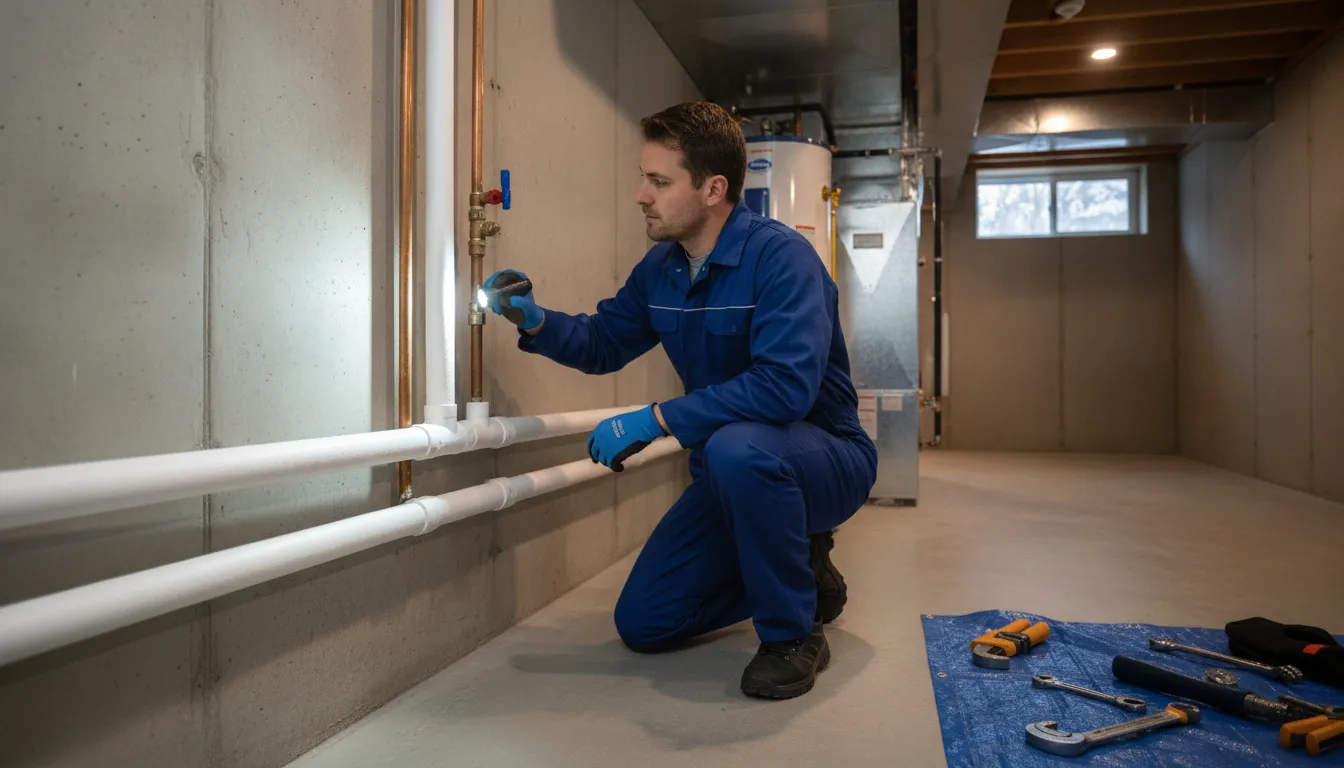


That sinking feeling when you spot water pooling around your water heater is universal. But don’t panic just yet. A water heater leak doesn’t automatically mean you need a whole new unit. The problem could be a simple fix, like a loose connection or a faulty valve a pro can handle easily. However, if your water heater leaks from the bottom, it can point to a more serious issue like internal tank corrosion. Before you assume the worst, a little detective work is in order. Pinpointing the source is the first step to making a smart decision.
Key Takeaways
- Act Safely and Identify the Source: Your first step is always to turn off the power and water to the unit. After that, determine if the leak is from a simple connection, like a valve, or from the tank itself, which points to a more serious issue.
- Distinguish Between a Fix and a Failure: A leak from a valve or pipe fitting can often be repaired by a professional. In contrast, water seeping from the bottom of the tank itself indicates internal corrosion and requires a complete replacement.
- Embrace Preventative Maintenance: You can avoid most future leaks with simple, regular care. Scheduling an annual tank flush to remove sediment and inspecting the anode rod every few years will protect your tank and extend its lifespan.
Why Is My Water Heater Leaking from the Bottom?
Discovering a puddle of water around your water heater is never a welcome sight. It’s one of those household problems that immediately sends your mind racing. Is it a simple fix or a sign of a much bigger issue? While a leak from the bottom often points to a serious problem, it doesn’t always mean you need a brand-new unit. Several different components could be the culprit, and figuring out the source is the first step toward a solution. A small, steady drip can quickly turn into a much larger problem, causing water damage to your floors and walls, so it’s important to act fast.
From a simple loose valve to a corroded tank, the reasons for a leak can vary quite a bit. Sometimes, the leak doesn’t even start at the bottom; it just ends up there. Water from a connection at the top can trickle down the side of the tank and pool at the base, making it look like the tank itself has failed. Before you panic, it helps to understand the most common causes. Identifying the issue can help you decide whether it’s a small adjustment you can monitor or a situation that requires immediate emergency plumbing services. Let’s walk through the four most likely reasons your water heater is leaking from the bottom.
Is It a Faulty Temperature and Pressure (T&P) Valve?
Every water heater has a temperature and pressure (T&P) relief valve. This crucial safety feature is designed to automatically release water if the temperature or pressure inside the tank gets too high, preventing a potential explosion. This valve is usually located on the top or side of the tank with a pipe running down the side. If the T&P valve activates, or if it’s faulty, it will discharge water that runs down the unit and collects at the bottom. While it’s doing its job, it’s also a sign that something is wrong with your system’s pressure or temperature settings, or the valve itself needs replacing.
Check for a Leaking Drain Valve
At the very bottom of your water heater, you’ll find a drain valve. This is used by plumbers to empty the tank for maintenance or replacement. Over time, this valve can start to leak. It might not have been closed tightly enough after its last use, or the internal seals could have worn out and failed. Sometimes, the plastic on the valve itself can crack. A leak from the drain valve is often a less severe problem than a tank failure. If you can see water dripping directly from the valve’s nozzle, this is likely your issue. It’s a common problem that a professional can typically resolve without replacing the entire unit.
Could Internal Tank Corrosion Be the Problem?
This is the cause every homeowner dreads. Over the years, sediment and minerals in your water supply settle at the bottom of the tank. This buildup can cause the inner lining of the steel tank to corrode and rust through. Once the tank itself is compromised, water will begin leaking directly from the bottom of the unit. Unfortunately, a corroded tank cannot be repaired. If you’ve ruled out other sources and the water is seeping from the tank’s metal base, it’s a clear sign that you need a full water heater replacement. This is a job for a professional, so it’s best to explore your plumbing service options.
Don’t Overlook Loose Water Connections
Sometimes the leak isn’t coming from the bottom at all. Your water heater has two pipes connected to the top: the cold-water inlet and the hot-water outlet. The fittings on these pipes can loosen over time or the seals can degrade, causing a slow drip. Gravity then does its work, and the water runs down the side of the tank, collecting in a puddle on the floor. This makes it appear as though the leak is originating from the base. Before assuming the worst, carefully inspect the top of your water heater and the connecting pipes for any signs of moisture or active dripping.
Is High Water Pressure Stressing Your Tank?
Your home’s plumbing system is designed to operate within a specific pressure range, and your water heater is no different. If your home’s water pressure is too high, it puts constant, excessive stress on the tank, its seams, and all the connected fittings. This strain can eventually force water out through the weakest points, creating a leak that pools at the bottom of the unit. While the T&P valve is designed to release dangerously high pressure, chronically elevated pressure can cause ongoing leaks and significantly shorten your water heater’s lifespan. If you suspect this is the issue, it’s wise to have a professional assess your home’s water pressure, as it could be impacting all of your pipes and appliances. This isn’t just a water heater problem; it’s a whole-house plumbing issue that requires a professional to investigate.
Could It Be Condensation Instead of a Leak?
Before you assume the worst, consider a much less alarming possibility: condensation. This is especially common during humid months or if your water heater is located in a damp basement. When the tank refills with a large volume of cold municipal water, its outer surface becomes cool. In a warm, humid room, moisture from the air will condense on the cold tank, forming droplets that can trickle down and create a small puddle. If you find a little water, wipe it up completely with a dry towel. Check back in a few hours. If the floor is still dry, you were likely just dealing with condensation. A true leak, on the other hand, will be persistent, and the puddle will reappear, which is your cue to call for emergency plumbing services.
The Dangers of a Leaking Water Heater
A leaking water heater might seem like a simple plumbing nuisance, but ignoring it can lead to some serious consequences. Beyond the initial puddle on your floor, a persistent leak poses risks to your home’s structure, your family’s safety, and your wallet. The type of danger often depends on the source of the leak and whether you have a gas or electric model. Understanding these potential hazards is the first step in realizing why a quick response is so important. From hidden water damage to electrical risks, a small drip can escalate into a major headache if left unaddressed. Let’s look at the specific dangers a leaking water heater can introduce into your home.
Structural Damage and Mold Growth
That small, steady drip can quickly turn into a much larger problem. Water has a way of finding its way into every crack and crevice, and a leak from your water heater can cause significant damage to your floors, subflooring, and walls. Over time, this constant moisture can weaken wooden support beams and cause drywall to crumble, leading to expensive and disruptive structural repairs. Even worse, the damp, dark environment created by a leak is the perfect breeding ground for mold and mildew. Mold not only damages your home but can also trigger allergies and respiratory issues, creating an unhealthy living space for your family.
Electrical and Gas Hazards
Water and utilities are a dangerous combination. If you have an electric water heater, a leak can be especially hazardous. Water seeping near electrical components, wiring, or your home’s breaker box creates a serious risk of a short circuit, which could lead to a fire or a dangerous shock hazard. For gas water heaters, a leak can extinguish the pilot light or damage the gas control valve, potentially causing a gas leak. If you suspect any of these issues, it’s crucial to shut off the power or gas supply immediately and call for emergency plumbing services to ensure your home is safe.
Risk of Scalding
If you notice your temperature and pressure (T&P) relief valve is leaking, it’s a major red flag. This valve is a critical safety feature designed to release pressure if the water inside the tank gets too hot. A leak could mean the valve is faulty, or it could indicate that the temperature and pressure inside your tank are dangerously high. If the valve fails to work correctly, the tank can overheat, creating a risk of scalding hot water flowing from your taps. In the most extreme cases, excessive pressure buildup can cause the tank to rupture, which is why a leaking T&P valve should always be inspected by a professional right away.
Wasted Energy and Water
A leaking water heater hits you directly in the wallet. Even a slow drip adds up surprisingly fast. A leak that drips just once per second can waste over 3,000 gallons of water in a single year. That’s a lot of water you’re paying for but not using. On top of that, your water heater has to work continuously to heat the fresh, cold water that’s replacing what leaked out, driving up your energy bills. Fixing the leak isn’t just about preventing damage; it’s also about stopping the flow of wasted money and resources down the drain.
What to Do Immediately When Your Water Heater Leaks
Discovering a puddle around your water heater is stressful, but a few immediate steps can prevent a small leak from becoming a major disaster. Your priorities are safety and damage control. By shutting off the utilities and containing the water, you can safely manage the situation until you can get professional help. If the leak is severe, it’s always best to call for emergency plumbing assistance. These first actions put you in control and protect your home from more extensive damage.
Step 1: Shut Off the Power and Water
Your first move is to cut the power and water to prevent electrical hazards and stop the flow. For an electric heater, head to your breaker box and flip the specific circuit that powers the unit. If you have a gas heater, find the control knob on the tank (it often has “On,” “Off,” and “Pilot” settings) and turn it to “Off.” Next, stop the water supply. Look for the cold water inlet pipe, usually at the top of the tank, and turn its shutoff valve clockwise until it’s fully closed. This critical step prevents more water from entering the tank and fueling the leak.
How to Use the Main Water Shutoff
If the shutoff valve on the water heater is seized, broken, or inaccessible, your next best move is to shut off the water to the entire house. Your home’s main water shutoff valve is the control center for all water coming into your property. You can typically find it in the basement, a crawl space, or a utility closet, usually located on an interior wall near the front of your house where the water line enters from the outside. If the valve has a lever handle, you’ll give it a quarter turn to shut it off. If it’s a round, wheel-like handle, turn it clockwise several times until it stops. This action will stop any more water from entering your home’s plumbing system, which is essential for preventing further damage. If you can’t locate the valve or it won’t turn, don’t force it. Instead, it’s time to call for emergency plumbing services to handle the situation safely.
Step 2: Contain the Water Damage
Now, let’s manage the water that has already escaped. For minor drips, place buckets and towels around the base to soak up the spill and keep the area dry. If you’re facing a steady leak, you’ll want to drain the tank completely. Attach a standard garden hose to the drain valve located at the bottom of the water heater. Run the other end of the hose to a floor drain, a sump pump, or outside your home. Open the valve, and then turn on a hot water faucet somewhere in the house. This allows air to enter the tank, which helps it drain much faster.
Step 3: Document Everything for Insurance
Before you start any major cleanup, grab your phone. Taking photos and videos of the scene is crucial for any potential homeowner’s insurance claim. Capture clear images of the leaking heater, the puddle of water, and any damage to your flooring, baseboards, walls, or nearby belongings. Get shots from multiple angles to provide a complete picture of the situation. This visual evidence is invaluable when you’re working with your insurance company. It only takes a few minutes and can make the claims process significantly easier, ensuring you have the proof you need for repairs.
How to Pinpoint the Source of the Leak
Once you’ve shut off the power and water, it’s time to play detective. Finding where the water is coming from will help you understand how serious the problem is. Grab a flashlight and get ready to inspect a few key areas on your water heater. Remember, you’re just looking for the source right now, not trying to fix it. A clear diagnosis is the first step toward the right solution. If you feel unsure at any point, it’s always best to call in a professional.
Inspect the T&P Valve
First, take a look at the Temperature and Pressure (T&P) relief valve. You’ll usually find this safety valve on the top or side of your water heater, with a pipe leading down from it. Its job is to release pressure if it gets too high inside the tank. Check for any water dripping from the valve itself or from the pipe connected to it. A leaking T&P valve can sometimes be a simple fix, but it can also signal a bigger issue with excessive pressure inside your tank.
Next, Check the Drain Valve for Drips
Next, move your attention to the bottom of the tank to find the drain valve. This is the spigot you’d use to empty the tank for maintenance. If you see water dripping from this valve, the fix could be as simple as tightening it. Sometimes, however, the valve itself can become faulty or damaged over time and will need to be replaced. Make sure to check carefully around the base of the valve to confirm it’s the source of the leak.
Look for Leaks at the Water Connections
Now, look at the top of your water heater where the hot and cold water pipes connect to the tank. These are known as the inlet and outlet connections. Carefully examine the pipes, fittings, and the points where they enter the tank. Leaks here are common and can often be repaired by tightening a loose fitting or replacing a worn-out part. If the leak seems to be coming from one of these connections, you’ve likely found a manageable problem. Still, any plumbing work can be tricky, so don’t hesitate to call for emergency plumbing help if you need it.
Check the Heating Elements on Electric Models
If you have an electric water heater, there’s one more specific part to check: the heating elements. These components are screwed into the side of the tank and sealed with a gasket or o-ring. Over time, the element itself can break down or the seal can wear out, causing water to seep out and pool at the bottom. As one homeowner on a DIY forum confirmed, both a defective element and its o-ring can be the source of a leak. Before you even think about touching them, you absolutely must shut off the power to the water heater at your circuit breaker. This is not a step you can skip. Once the power is off, you’ll need to drain the tank to inspect the elements properly. Because this involves both electrical and plumbing work, it’s often a job best left to a professional plumber who can safely diagnose and handle the repair.
Inspect the Tank for Corrosion or Cracks
If you’ve checked all the valves and connections and can’t find an obvious source, but there’s still a puddle of water at the base of the heater, you might be dealing with a leak in the tank itself. This is often due to internal corrosion that has created a crack or hole. Unfortunately, a leaking tank can’t be repaired and means the entire water heater needs to be replaced. This is a major job that requires professional expertise to ensure it’s done safely and correctly.
Can I Temporarily Stop the Leak Myself?
When you see water pooling around your water heater, your first instinct is probably to stop it as quickly as possible. While some minor issues can be temporarily managed, it’s important to know which fixes are safe to attempt and when it’s time to step back. Attempting a complex repair without the right knowledge can sometimes make the problem worse or create a safety hazard. Before you grab your tools, let’s walk through what you can do to contain the situation safely and assess whether a temporary fix is a good idea for your specific leak. Your safety is the top priority, so always proceed with caution.
Simple Ways to Contain the Leak (For Now)
If you’re dealing with a significant amount of water, your immediate goal is to get it under control to prevent damage. You can drain the water from the tank to stop the flow. Find the drain valve near the bottom of the heater and attach a standard garden hose to it. Run the other end of the hose to a floor drain or outside your home. Once it’s secure, open the drain valve. You’ll also need to open a hot water faucet somewhere in your house, like a kitchen or bathroom sink, to let air into the tank so it can drain properly. This will stop the active leak while you figure out your next steps.
Should You Attempt a Temporary Fix?
A temporary fix is only realistic for certain types of leaks. For instance, if the water is dripping directly from the drain valve, you might just need to tighten it with a wrench. If that doesn’t work, the valve’s internal seal could be worn out, requiring a replacement. However, if you see no obvious drips from any pipes or valves and water is still pooling at the base, the tank itself is likely corroded and leaking from the inside. This is not a DIY repair. An internal tank failure is a sign that you need professional emergency plumbing services right away, as the unit will need to be replaced.
Essential Safety Tips for Any DIY Repair
Before you touch anything, your first and most important step is to cut the power. For an electric water heater, go to your breaker box and shut off the corresponding circuit. For a gas heater, find the shut-off valve on the gas line leading to the unit and turn it to the “Off” position. This simple step prevents the risk of electric shock or a dangerous gas leak. Once the power is off, turn off the water supply to the tank. The shut-off valve is usually located on the cold water pipe that feeds into the top of the heater. Taking these precautions ensures you can safely inspect the unit without putting yourself in harm’s way.
Wait for Water to Cool Before Draining
This might be the hardest part, but patience is key here. The water inside your tank is extremely hot, and trying to drain it right away creates a serious risk of scalding. It’s crucial to wait for the water to cool down completely before you attach a hose and open the drain valve. The safest approach is to shut off the power and water, and then let the tank sit overnight. This ensures the water has reached a safe temperature, allowing you to drain it without the danger of severe burns. Rushing this step isn’t worth the risk, so give it plenty of time to cool.
A Special Warning About the T&P Valve
Think of the Temperature and Pressure (T&P) relief valve as your tank’s most important safety feature. Its job is to automatically release water if the temperature or pressure inside gets dangerously high, which prevents a potential explosion. If you see water coming from this valve, do not ignore it or try to plug it. It’s a clear warning sign that something is wrong—either the pressure in your system is too high, or the valve itself is faulty. In either case, this is a situation that requires an expert. It’s best to call for emergency plumbing assistance to diagnose and fix the underlying problem safely.
Should I Repair or Replace My Water Heater?
Figuring out whether to repair or replace a leaking water heater can feel like a high-stakes decision, especially with water pooling on your floor. The right choice often comes down to where the leak is coming from, the age of your unit, and the cost of the fix. A simple repair might solve the problem for a few more years, but sometimes, a replacement is the only safe and cost-effective solution. Let’s walk through how to tell the difference.
Signs You Can Probably Just Repair It
Not every leak spells doom for your water heater. If you notice water dripping from the drain valve at the bottom of the tank, you might be in luck. This valve can sometimes work itself loose or its internal seal can wear out over time. In some cases, simply tightening the valve can stop the leak. If that doesn’t work, a plumber can easily replace the faulty valve without needing to replace the entire unit. This type of fix is relatively quick and much more affordable than a full replacement, making it the ideal scenario for a leaky water heater.
When It’s Time for a Full Replacement
On the other hand, if you see water seeping directly from the seams or the bottom of the metal tank itself, it’s a clear sign of a serious problem. This usually means the inner tank has rusted through from the inside out, often due to years of mineral buildup. Unfortunately, an internal tank failure is not something that can be patched or repaired. The only solution is to replace the entire water heater. A failing tank can lead to a major flood, so it’s important to address it as an emergency plumbing situation to prevent significant water damage to your home.
Weighing the Age of Your Unit vs. Repair Cost
The age of your water heater is a huge factor in the repair-versus-replace debate. Most tank water heaters have a lifespan of about 10 to 12 years. If your unit is approaching or has passed that age, investing in a significant repair might not be the best use of your money. Pouring cash into an old appliance often just delays the inevitable replacement. It’s generally more cost-effective in the long run to put that money toward a new, more efficient model. A professional can assess the situation and help you weigh the cost of a repair against the long-term benefits of a replacement from our plumbing services.
Applying the 50% Rule to Your Decision
When you’re facing a repair bill, a helpful guideline to follow is the 50% rule. It’s a straightforward concept: if the cost to repair your water heater is more than half the price of a brand-new unit, it’s usually smarter to invest in a replacement. This is especially true if your water heater is already getting old. Since most have a lifespan of around 10 to 12 years, spending a large sum on repairs for an aging unit might only be a temporary fix. You could end up paying for the repair now, only to face another issue in a year or two, leading to more costs and headaches down the line.
Considering Emergency Service Fees
No one likes surprise expenses, and the thought of paying for an emergency call can be stressful. However, when you have a severe leak, waiting is not an option. While emergency plumbing assistance may come with a higher fee than a scheduled appointment, it’s an investment in protecting your home. A fast response can be the difference between a contained issue and catastrophic water damage that ruins your floors, drywall, and belongings. Think of the emergency fee as a crucial step to prevent much larger, more expensive restoration work later on. Acting quickly puts you in control and is the most cost-effective decision in the long run.
How Long Will a Leaking Water Heater Last?
This is the million-dollar question every homeowner asks when they see that dreaded puddle. The honest answer is that it’s completely unpredictable. Once a water heater starts leaking, it’s living on borrowed time. It might hold on for a few more days or even weeks, but there’s also a significant risk that the small leak could escalate into a sudden and catastrophic failure at any moment. The uncertainty is the real problem. A slow drip can seem manageable, but it’s a sign that a component has failed, and you have no way of knowing when it will give out completely, potentially flooding your basement or utility closet.
The source of the leak makes all the difference. If the water is coming from a faulty valve or a loose pipe connection, the tank itself might still be structurally sound. In this case, the unit could technically function for a while longer, but the leak will likely worsen, causing water damage and wasting energy. However, if the leak is coming from the bottom of the tank itself, it’s a much more critical situation. This almost always means the inner tank has corroded and its integrity is gone. It’s no longer a question of *if* it will fail, but *when*, and that failure could be a sudden burst.
Trying to guess how much time you have is a gamble you don’t want to take with your home. The only way to safely assess the situation is to have a professional diagnose the problem. A licensed plumber can quickly determine if you’re dealing with a simple fix or if the tank has failed. Given the potential for thousands of dollars in water damage, it’s always best to treat a leaking water heater as an urgent issue. Getting expert emergency plumbing services is the safest and most reliable way to protect your property and get a lasting solution.
Know When It’s Time to Call a Plumber
While it’s tempting to roll up your sleeves and tackle a home repair yourself, a leaking water heater is one of those times when calling for backup is the smartest move. Some leaks have simple fixes, but many point to bigger problems that require an expert eye. A professional plumber can accurately diagnose the issue, prevent further water damage, and ensure the repair is done safely and correctly. If you find yourself in over your head or facing one of the situations below, don’t hesitate to contact a professional. It’s always better to be safe and get the job done right the first time.
If You Have a Gas Water Heater
If your water heater runs on natural gas, safety becomes the number one priority. A leak could be related to the gas line or internal components, and working on it yourself can be extremely dangerous. The first step is always to turn the gas valve to the “OFF” position to prevent a potential gas leak. Because of the risks involved, including carbon monoxide exposure, this is not a DIY job. A licensed plumber has the training to handle gas appliances safely. For your family’s safety and your peace of mind, always call for emergency plumbing services when you have an issue with a gas water heater.
If the Repair Feels Out of Your League
Sometimes, a leak isn’t just a leak. If you’ve inspected the connections and valves and can’t find the source, the problem might be inside the tank itself. Internal corrosion can cause the tank to fail, leading to a significant leak that can’t be patched up. If you see water coming from the bottom of the tank casing, it often means the unit needs to be replaced immediately. This is a complex job that involves draining a heavy, water-filled tank and installing a new one. A professional has the right tools and expertise to handle the replacement efficiently and prevent extensive water damage to your home.
If You Want to Keep Your Warranty Valid
Before you grab your toolbox, take a moment to check your water heater’s warranty. Many manufacturers require that any repairs or maintenance be performed by a licensed professional to keep the warranty valid. If you attempt a DIY fix and something goes wrong, you could end up voiding your coverage. This means you’d be on the hook for the full cost of a replacement that might have otherwise been covered. It’s always a good idea to review your warranty documents first. Letting a certified plumber handle the job ensures the work is done to professional standards and keeps your manufacturer’s warranty intact.
How to Prevent Your Next Water Heater Leak
After you’ve managed a water heater leak, the last thing you want is a repeat performance. The good news is that you can take a few proactive steps to keep your water heater in great shape and prevent future surprises. A little preventative care goes a long way in extending the life of your unit and keeping your floors dry. By paying attention to a few key components, you can catch small issues before they turn into major headaches. Think of it as a simple health checkup for one of your home’s hardest-working appliances. These straightforward habits can save you from the stress and expense of another unexpected leak.
Schedule Regular Maintenance
One of the most effective things you can do for your water heater is to schedule regular maintenance. Over time, sediment and mineral deposits from your water supply settle at the bottom of the tank. This buildup can cause the tank to corrode, reduce its efficiency, and eventually lead to leaks. Flushing your water heater every six to twelve months removes this sediment and keeps everything running smoothly. While it’s a task some homeowners handle themselves, having a professional from our team manage your plumbing services ensures it’s done correctly and gives us a chance to spot any other potential issues.
Don’t Forget to Check the Anode Rod
Inside your water heater tank is a component called an anode rod, and its whole job is to protect your tank from rust. It’s often called a “sacrificial rod” because it’s designed to corrode so your tank doesn’t have to. This little hero attracts all the corrosive elements in the water, slowly dissolving over time. Once it’s gone, the tank itself starts to rust from the inside out, which is a common cause of leaks. We recommend having the anode rod inspected every couple of years and replaced when needed. It’s a small, inexpensive part that can save you from needing a full water heater replacement.
Keep an Eye on Temperature and Pressure
Your water heater’s temperature and pressure (T&P) valve is a critical safety feature. It’s designed to release water if the temperature or pressure inside the tank gets too high. If you notice it dripping, it could be a sign of excessive pressure. A simple way to prevent this is to check your water heater’s temperature setting. Most manufacturers recommend a setting of 120°F. Anything higher not only increases your energy bill and the risk of scalding but also puts extra stress on the tank. Keeping the temperature in a safe range helps the T&P valve and the entire unit function properly, reducing the risk of emergency plumbing situations.
Consider a Water Softener to Protect Your Tank
If you live in an area with hard water, like many parts of Metro Detroit, your water contains a high concentration of minerals like calcium and magnesium. These minerals are what create sediment buildup in your water heater. Over time, this scale can harden, causing the tank to overheat, crack, and leak. Installing a water softener is a fantastic long-term solution. It works by removing these minerals from your water before they ever reach your water heater or other appliances. This not only protects your tank but also improves the performance of your dishwasher, washing machine, and faucets. It’s an investment that protects your entire plumbing system.
Install a Drain Pan for Extra Protection
Think of a drain pan as an inexpensive insurance policy for your water heater. This simple, shallow pan sits directly under your unit and is designed to catch any drips or minor leaks before they have a chance to seep into your flooring. It’s an especially crucial piece of equipment if your water heater is located in an attic, on a second floor, or in a finished basement where even a small amount of water could cause significant damage to ceilings and walls. Many local building codes now require them for this very reason. Installing a drain pan is a proactive step that can prevent damage and give you early warning of a problem, saving you from the headache and expense of major water-related repairs down the road.
3 Mistakes to Avoid with a Leaking Water Heater
When you find a puddle under your water heater, your first instinct might be to find a quick fix. But in the rush to stop the water, it’s easy to make a mistake that could lead to bigger headaches, more damage, and higher costs. A leaking water heater isn’t just a plumbing problem; it can be a safety hazard, especially if you have a gas unit. Knowing what not to do is just as important as knowing the right steps to take. It’s about making smart decisions under pressure to prevent a small issue from spiraling out of control.
From underestimating the severity of a small drip to attempting a repair that’s best left to the pros, a few common missteps can turn a manageable issue into a major household emergency. We see it all the time: well-intentioned homeowners who accidentally make the situation worse. Maybe they use the wrong sealant on a valve or ignore a leak until the tank fails completely, flooding their basement. These errors are understandable, but they are also preventable. We want to help you handle this situation safely and effectively, so let’s walk through the mistakes you’ll want to avoid to protect your home and your family. Taking a moment to understand these common pitfalls can save you from costly repairs and give you confidence in your next steps.
Mistake #1: Ignoring a “Small” Drip
That tiny puddle might seem harmless, but it’s often a warning sign of a much bigger problem. It’s crucial not to overlook small leaks. When a water heater leaks from the bottom, it usually means the internal tank has rusted through. At that point, the unit can’t be repaired and needs to be replaced before it fails completely. Ignoring it is like ignoring a crack in a dam; it’s only a matter of time before it gives way. A slow drip can quickly become a full-blown flood, causing extensive water damage to your floors, walls, and belongings. If you see any water, it’s time to call for emergency plumbing services right away.
Mistake #2: Using the Wrong Parts for the Job
In the age of DIY tutorials, it’s tempting to try and patch a leak yourself. However, a water heater is a complex appliance, and using the wrong materials can do more harm than good. For example, if the drain valve is leaking, you might think some plumber’s tape will solve it. But if the valve itself is cracked, a temporary patch won’t hold, and you’ll be back to square one. Using incorrect sealants or replacement parts can also void your manufacturer’s warranty, leaving you to cover the full cost of a replacement. For a reliable fix, it’s always best to use professional-grade parts installed correctly. Our team handles all types of plumbing repairs with the right tools for the job.
Mistake #3: Skipping a Final Safety Inspection
Above all, your safety is the top priority. Attempting a complex repair without the right training can be dangerous, especially with gas water heaters that pose a risk of carbon monoxide leaks or even explosions if handled improperly. Even with electric models, you’re dealing with a combination of water and high voltage. For any water heater leak, the safest approach is to call a professional plumber. We can accurately diagnose the problem, ensure the repair is done correctly, and perform a full safety check to protect your home and family. Don’t risk it; contact our team to have an expert take a look and give you peace of mind.
Cleaning Up After a Water Heater Leak
Once you’ve stopped the leak and a professional is on the way, your next focus is cleanup. A water heater leaking from the bottom can release a surprising amount of water, and acting fast is the best way to minimize long-term problems. Water can quickly seep into flooring, subflooring, drywall, and insulation, creating the perfect environment for mold and mildew to grow. Proper cleanup isn’t just about getting rid of the puddle; it’s about thoroughly drying the entire affected area to protect your home’s structure and your family’s health.
This process can feel overwhelming, especially when you’re already stressed about the plumbing issue itself. But by breaking it down into manageable steps, you can get your space back to normal safely and effectively. Remember, the goal is to be thorough. Taking the time to do it right now will save you from much bigger headaches down the road.
First Steps to Minimize Water Damage
The first priority is to remove all standing water. A small leak might only require some towels, but for a more significant amount of water, you may need a mop and bucket or even a wet/dry vacuum. The longer water sits, the more it soaks into surrounding materials, leading to warped floors, crumbling drywall, and potential structural issues. This is why a leak is considered an emergency plumbing situation. Once the visible water is gone, focus on drying everything out. Open windows if possible, and set up fans and a dehumidifier to circulate air and pull moisture from the room. This step is crucial for preventing mold, which can start to grow within 24 to 48 hours.
Your Step-by-Step Cleanup Checklist
After removing the standing water, it’s time for a deep clean. Use a disinfectant cleaner on all surfaces the water touched, including floors, baseboards, and the lower parts of walls. This helps kill any bacteria that may have been in the water. If the leak was substantial, you might need to pull back carpeting to allow the padding and subfloor to dry completely. For concrete floors, ensure they are totally dry before putting anything back on them. If you haven’t already, you can drain the remaining water from the tank by attaching a garden hose to the drain valve and running it to a floor drain or outside. This prevents any residual water from leaking out while you await professional repairs.
How to Handle the Insurance Claim
Before you get too deep into cleaning, take plenty of photos and videos of the leak and the resulting damage. This documentation is essential for your homeowner’s insurance claim. Contact your insurance agent as soon as possible to report the incident and find out what your policy covers. They will guide you through the claims process and may send an adjuster to assess the damage. Having a detailed report from a professional plumber can also strengthen your claim. When you contact us, we can provide a thorough assessment of the cause of the leak and the necessary repairs, which can be invaluable when working with your insurance provider.
Related Articles
- Water Tank Leak? Your Step-by-Step Repair Guide
- Water Heater Leak? Here’s What to Do Right Now
Frequently Asked Questions
Is a small puddle under my water heater really an emergency? Yes, you should always treat any amount of water from your water heater as a serious issue. A small puddle is often the first sign that the internal tank has started to corrode, which is a problem that can’t be repaired. Ignoring it can lead to the tank failing completely, causing a major flood and significant water damage to your home. It’s best to act quickly and call for a professional inspection.
How can I tell if my water heater needs a simple repair or a full replacement? The source of the leak is the biggest clue. If water is dripping from a specific part, like the drain valve at the bottom or the pipe connections at the top, it can often be repaired by a professional. However, if water seems to be seeping from the bottom of the tank’s metal jacket with no obvious source, it almost always means the inner tank has rusted through and the entire unit must be replaced.
How long should a water heater last before it needs to be replaced? Most traditional tank-style water heaters have a lifespan of about 10 to 12 years. If your unit is in that age range and starts leaking, replacing it is often more cost-effective than paying for a repair. An older unit is more likely to have other parts fail soon, so investing in a new, more efficient model is usually the smarter long-term decision.
Are there extra safety steps I should take if I have a gas water heater? Absolutely. If you have a gas water heater, your first step should be to turn off the gas supply using the shut-off valve on the gas line leading to the unit. This is a critical safety measure to prevent a dangerous gas leak. Due to the risks involved, you should never attempt to repair a gas water heater yourself; always call a licensed professional for assistance.
What is an anode rod and why is it important for preventing leaks? An anode rod is a metal rod inside your water heater tank that protects it from rusting. It’s designed to attract corrosive elements in the water, essentially sacrificing itself to save the tank lining. Over several years, this rod dissolves completely. Once it’s gone, the tank itself begins to corrode, which leads to leaks. Having a plumber inspect and replace the anode rod every few years is a simple maintenance step that can significantly extend the life of your water heater.