

Fixing a broken pipe inside your home is one thing. But when that pipe is buried deep under your yard, the solution can feel overwhelming. The thought of a backhoe destroying your beautiful landscaping is often as stressful as the repair itself. Thankfully, trenchless sewer repair offers a precise, surgical approach. Think of it as keyhole surgery for your plumbing. We use advanced technology to fix or even replace the line from the inside out, leaving your yard intact. Let’s walk through exactly how does trenchless sewer repair work, what it can fix, and why it’s the go-to for a lasting solution without the mess.
Key Takeaways
- Save your yard from destructive digging: Trenchless repair uses small access points to fix underground pipes, preserving your lawn, driveway, and garden without the mess and cost of digging a large trench.
- Know the two main repair methods: Pipe lining creates a new, durable pipe inside the old one to seal cracks, while pipe bursting is used to completely replace a more severely damaged pipe from within.
- A camera inspection is the essential first step: This technology isn’t a fit for every situation, especially with collapsed pipes; a professional inspection is the only way to accurately diagnose the problem and confirm if trenchless repair is right for you.
What Is Trenchless Sewer Repair?
If you’ve ever pictured a sewer line repair, you probably imagine a giant trench cutting through a beautifully manicured lawn, turning your yard into a construction zone for days or even weeks. For a long time, that was the only way to fix major underground pipe problems. Thankfully, trenchless sewer repair offers a modern, less invasive alternative. In simple terms, it’s a method for fixing or replacing damaged underground pipes without having to dig up your entire yard, driveway, or garden.
Instead of excavating the whole length of the pipe, this technique requires only one or two small, strategically placed access points. This preserves your landscape and saves you the headache and expense of major restoration work afterward. It’s a game-changer for homeowners, not just because it saves your lawn, but because it’s often much faster than traditional methods, sometimes completed in just a day. This approach is a core part of many modern emergency plumbing solutions because it minimizes disruption while providing a durable, long-lasting fix. It’s a smarter way to handle a stressful problem, protecting both your pipes and your property with precision and care.
Fixing Pipes Without Destroying Your Yard
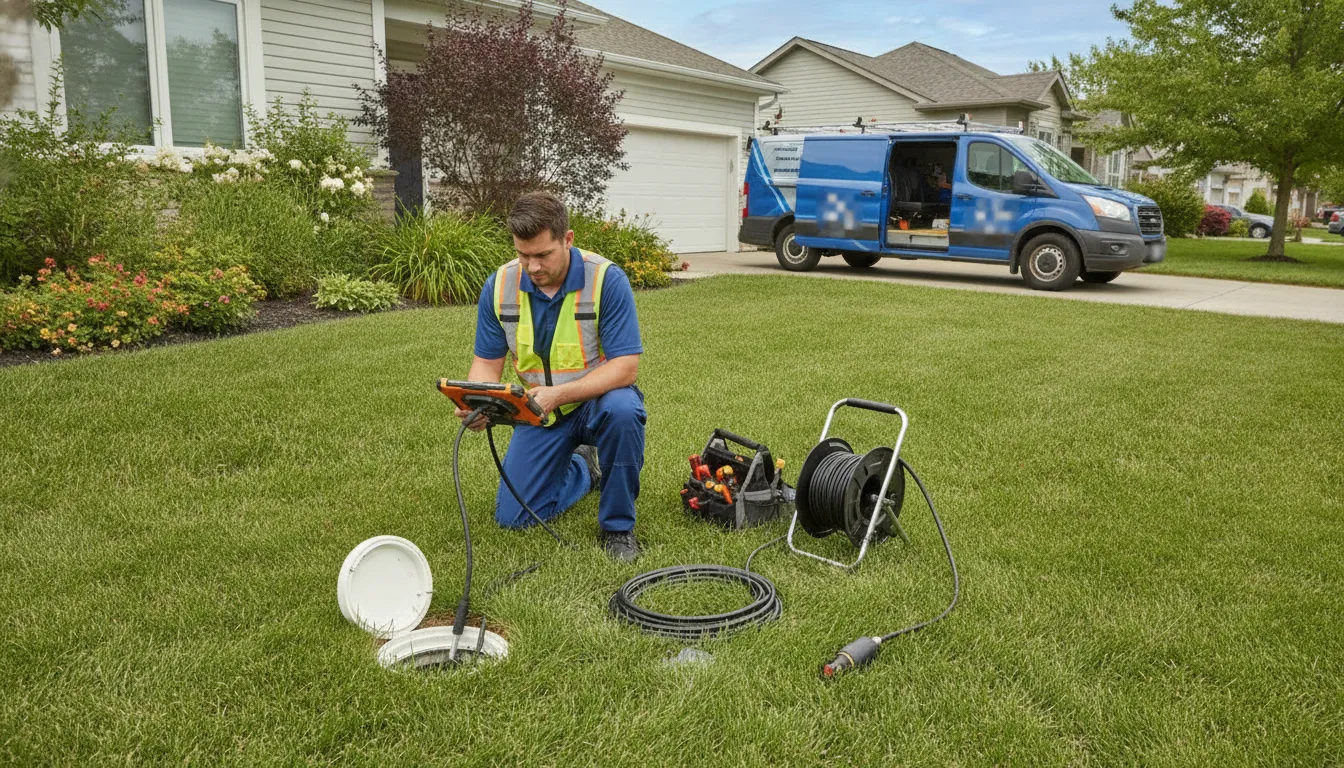
So, how exactly does it work? The process starts with a high-tech camera inspection. A plumber feeds a flexible, waterproof camera into your sewer line to get a clear view of the problem. This lets us pinpoint the exact location and nature of the damage, whether it’s a crack, a blockage, or a collapsed section. This step is crucial because it ensures we choose the right repair method.
Once we’ve diagnosed the issue, we can fix the pipe from the inside. Depending on the situation, we might use a technique called pipe lining, where we insert a flexible, resin-coated tube into the old pipe and inflate it. The resin hardens, creating a brand-new, seamless pipe within the old one. It’s one of the many advanced plumbing solutions we use to provide effective repairs with minimal fuss.
What Sewer Problems Does It Solve?
Trenchless technology is incredibly versatile and can resolve many of the most common sewer line headaches. It’s an excellent solution for pipes that have been damaged by invasive tree roots, which is a frequent issue for homes in Metro Detroit. It also effectively repairs pipes that are cracked, broken, or misaligned due to shifting soil or age.
This method is also perfect for fixing general wear and tear, sealing small leaks, and correcting corrosion that can happen over time. If your pipes are constantly getting clogged or backing up, trenchless repair can create a smooth, new interior surface that improves flow and prevents future blockages. If you’re experiencing any of these frustrating problems, it’s a good idea to contact a professional to see if a trenchless solution is right for your home.
Pipe Lining vs. Pipe Bursting: What’s the Difference?
When you hear “trenchless repair,” it’s easy to think of it as a single service. In reality, it’s a category of solutions with two main techniques that plumbers use to fix underground pipes. Think of it like a mechanic having different tools for different engine problems. Both methods avoid large-scale excavation, but they solve pipe issues in unique ways. Understanding the difference between them helps you have a more informed conversation with your plumber and feel confident in the solution you choose for your Metro Detroit home.
The first method, pipe lining, is all about creating a new pipe inside the old one, essentially giving it a new, durable inner wall. It’s a restorative approach. The second, pipe bursting, is more of a full replacement, where we break apart the old pipe while simultaneously pulling a brand new one into its place. The right approach for your home depends entirely on the condition of your existing sewer line, its material, and the nature of the damage. A professional inspection is the only way to know for sure which technique will provide a lasting solution for your property and prevent future headaches.
Pipe Lining: Creating a New Pipe from the Inside
Pipe lining, also known as Cured-in-Place Pipe (CIPP), is a clever way to fix a damaged pipe from the inside. The process involves inserting a flexible tube coated in a special liquid resin into the broken pipe. Once it’s perfectly positioned, we inflate the tube, pressing the resin against the walls of the original pipe. The resin then hardens, or “cures,” creating a strong, seamless, and brand-new pipe within the old one. It’s a fantastic solution for pipes with cracks, small holes, or root intrusion, restoring function without disturbing your landscape. This is one of the most common plumbing services we perform for older homes.
Pipe Bursting: Replacing Your Pipe from Within
If a sewer line is too damaged for lining, pipe bursting is an excellent alternative. This method allows for a complete replacement of the old pipe. We guide a specialized tool, called a bursting head, through the damaged pipe. As it moves, it breaks the old pipe apart while simultaneously pulling a brand-new, high-density pipe into place behind it. This technique is ideal for pipes that have collapsed or are severely broken. It’s also a great option if you need to increase the diameter of your sewer line to improve flow, which can be a huge help in preventing future backups and emergency plumbing calls.
How to Know Which Method Is Right for You
You don’t have to make this decision on your own. The first step is always a thorough camera inspection. A qualified plumber will feed a small, high-resolution camera through your sewer line to get a clear look at the problem. This inspection reveals the exact location and extent of the damage, helping determine if trenchless repair is a viable option. While incredibly effective, these methods may not work if a pipe is completely collapsed or has too many sharp bends. The best way to find out what your home needs is to contact a professional who can assess the situation and walk you through the best options.
Your Trenchless Repair: A Step-by-Step Guide
So, how does this no-dig magic actually happen? While the technology is impressive, the process itself is surprisingly straightforward and methodical. It’s not about guesswork; it’s a precise, multi-step operation designed to fix your pipes from the inside out, leaving your lawn and landscaping almost completely untouched. Think of it as keyhole surgery for your sewer line. Instead of excavating a long, disruptive trench across your property, our team can resolve the issue with minimal impact. This modern approach avoids the collateral damage of traditional methods, meaning your beautiful garden, mature trees, and paved driveway stay exactly where they are.
From start to finish, the process is focused on efficiency and accuracy. We begin by getting a clear picture of the problem, then create small, strategic access points to perform the repair. Once the pipe is fixed, we double-check our work to ensure a long-lasting solution before cleaning up. Every step is carefully planned to protect your property and restore your plumbing to perfect working order as quickly as possible. Let’s walk through exactly what you can expect when our team performs a trenchless repair at your Metro Detroit home.
Step 1: Pinpointing the Problem with a Camera Inspection
Before we do anything else, we need to see exactly what’s going on inside your pipes. We start by feeding a small, high-resolution waterproof camera into your sewer line. This camera inspection allows us to identify the precise location and nature of the problem, whether it’s a crack, a blockage from tree roots, or a section of pipe that has collapsed. This step is essential because it takes all the guesswork out of the repair. We get a clear, real-time view of the damage, which helps us determine the best trenchless method for your specific situation and confirm that your pipes are good candidates for this type of plumbing service.
Step 2: Thoroughly Cleaning the Existing Pipe
Once the camera inspection has given us a clear map of the problem, the next step is to give the pipe a thorough cleaning. You wouldn’t paint a dirty wall, and the same logic applies here. To ensure the repair is successful and long-lasting, we need a clean surface to work with. Using specialized equipment, we scour the inside of the pipe to remove any debris, grease, scale, or invasive tree roots that have built up over the years. This step is non-negotiable for a quality repair. For pipe lining, a clean surface allows the new resin liner to form a strong, permanent bond. For pipe bursting, it clears the way for the new pipe to be pulled through smoothly. This meticulous preparation is a crucial part of our plumbing services and is key to guaranteeing a durable solution.
Step 2: Creating Access Without Major Digging
Once we’ve diagnosed the problem, we create the access points needed for the repair. This is where the “trenchless” part really shines. Instead of digging a long trench along the entire length of the damaged pipe, we typically only need to dig one or two small holes. These entry and exit points are strategically placed at either end of the section we need to fix. This approach preserves your lawn, driveway, and garden beds, saving you the headache and expense of major landscape restoration later on. It’s this minimal digging that makes the entire process so much faster and less disruptive than traditional sewer repair methods.
Step 3: Performing the No-Dig Repair
With our access points ready, we can begin the actual repair. Depending on the condition of your existing pipe, we’ll use one of two main techniques. The first is pipe lining, where we insert a flexible, resin-coated tube into the damaged pipe, inflate it, and let the resin cure. This process creates a brand-new, seamless pipe right inside the old one. The second method is pipe bursting, which is used for more severely damaged lines. We pull a new pipe through the old one while simultaneously fracturing the old pipe outward. Your plumber will recommend the best approach for a durable, long-lasting fix.
Step 4: Ensuring a Perfect, Long-Lasting Fix
Our job isn’t done until we’re certain the repair is perfect. After the new pipe is in place, we conduct a final camera inspection. We run the camera through the newly lined or replaced pipe one last time to verify that everything is seamless, properly sealed, and ready for years of reliable service. This quality check is our promise that the job was done right. Once we’re satisfied, we’ll fill in the small access holes, clean up the area, and restore your yard. If you have questions about the process, please give our team a call to learn more.
Weighing the Pros and Cons of Trenchless Repair
Like any home repair method, trenchless technology comes with its own set of advantages and disadvantages. Understanding both sides helps you make an informed decision about what’s best for your property, your timeline, and your budget. It’s a fantastic solution for many common sewer line problems, but it’s not a one-size-fits-all fix.
Here’s a straightforward look at what you can expect, so you can weigh your options with confidence. We’ll cover the major benefits that make it so popular, the specific situations where it might not work, and clear up a few common myths you may have heard.
The Upside: Why You’ll Love Trenchless Repair
The biggest win with trenchless repair is right in the name: no trench. This modern approach fixes pipes without extensive digging, which means your lawn, garden, and driveway stay intact. Instead of facing a major landscaping project after the plumbing is fixed, you’re left with just one or two small access points. The process is also incredibly efficient. Most trenchless jobs are completed in a single day, minimizing the disruption to your family’s routine. Plus, the materials used are built to last. The new pipe lining creates a seamless, durable pipe that can resist corrosion and root intrusion for up to 50 years, giving you long-term peace of mind.
The Downside: What to Watch Out For
Trenchless repair is a powerful tool, but it does have its limits. The method relies on the existing pipe to act as a guide or host. If your old pipe is completely collapsed, has severe dips (called “bellies”), or is too deteriorated, trenchless repair might not be an option. In these cases, a traditional excavation is necessary to fully replace the damaged section. A professional camera inspection is the only way to know for sure what condition your pipes are in. That’s why it’s so important to work with an experienced team that offers a full range of plumbing solutions and can recommend the right approach for your specific problem.
Clearing Up Common Myths About Trenchless Repair
A few misconceptions about trenchless repair still float around. One common myth is that it’s always more expensive than traditional methods. While the upfront cost can sometimes be higher, it often ends up being more cost-effective when you factor in the money you save on restoring your landscape, driveway, or patio. Another myth is that the repair isn’t as durable. In reality, the seamless, joint-free pipes created through trenchless methods are incredibly strong and often last longer than traditional pipes. Finally, some people think it’s a new, unproven technology, but it has been successfully used and refined for decades by trusted professionals like the team at Mr. Pipey.
Understanding the Costs of Sewer Repair
Let’s talk about the elephant in the room: the cost. A major plumbing repair is a significant investment, and it’s natural to worry about the price tag. When comparing trenchless to traditional sewer repair, it’s important to look at the total cost, not just the initial quote. While traditional excavation might seem cheaper on paper, it comes with a lot of hidden expenses. Think about the cost of re-sodding your lawn, re-paving your driveway, or rebuilding a retaining wall. Those expenses add up quickly and aren’t included in the plumbing bill. Trenchless repair, on the other hand, bundles the value by preserving your landscape.
The final cost of a trenchless repair depends on several factors, including the length and diameter of the pipe, the extent of the damage, and the specific technique used. Because every home and every pipe is different, the only way to get an accurate number is with a professional assessment. At Mr. Pipey, we believe in transparency, which is why we always start with a thorough camera inspection to diagnose the problem correctly. This allows us to provide a clear, upfront quote so you can make a decision that feels right for your family and your budget without any surprises.
How Much Does Trenchless Repair Cost?
Pinning down an exact price for trenchless repair without an inspection is tough because every job is unique. The cost is influenced by the length of the pipe that needs fixing, its depth underground, and how easy it is to access. A simple, straightforward pipe lining job will naturally cost less than a more complex pipe bursting project for a severely collapsed line. The severity of the damage also plays a big role. A few cracks are easier to fix than extensive root intrusion along the entire pipe. That’s why a professional quote is so essential—it ensures you’re paying for exactly what you need. We can provide a detailed estimate after a complete assessment of your system.
Comparing Trenchless vs. Traditional Costs
When you lay the numbers side-by-side, the true value of trenchless repair becomes clear. A traditional repair involves digging a large trench, which means you’ll be paying for heavy machinery, more labor hours, and extensive landscape restoration afterward. That beautiful garden or pristine driveway could add thousands to your final bill. Trenchless repair often has a higher upfront cost for the plumbing work itself, but it eliminates nearly all those restoration expenses. Plus, traditional methods can take weeks, turning your yard into a construction zone, while most trenchless repairs are finished in a day or two, saving you time and a major headache.
Does Homeowners Insurance Cover Sewer Line Repair?
This is one of the first questions homeowners ask, and unfortunately, the answer is usually no. A standard homeowners insurance policy typically does not cover damage that occurs slowly over time. This includes problems like pipes wearing out from age, gradual corrosion, or damage from tree roots growing into the line. Insurance is designed to cover sudden and accidental events, not issues that result from long-term wear or lack of maintenance. It’s always a good idea to review your specific policy, but in most cases, you should not expect your standard plan to cover the cost of a sewer line replacement.
Standard Policies vs. Service Line Coverage
While a standard policy may fall short, there is another option. Many insurance providers offer an add-on called “service line coverage.” This is an endorsement you can purchase to protect the utility lines that run to your home, including your sewer pipe. This supplemental coverage is specifically designed to help pay for repairs from common issues that standard policies exclude, like root intrusion or deterioration. We highly recommend calling your insurance agent to ask about this option. It’s a small investment that can save you from a major, unexpected expense down the road.
Financing Options for Your Repair
We understand that a sewer line repair is a significant and often unplanned expense. The need for a major repair can feel stressful, but paying for it shouldn’t add to your worry. That’s why many reputable plumbing companies offer financing options to help homeowners manage the cost. At Mr. Pipey, we treat our clients like family, and that means working with you to find a solution that fits your budget. If you’re concerned about the cost, please don’t hesitate to talk to us. We can walk you through the available options to make the repair process as smooth and manageable as possible.
Long-Term Value: Lifespan, Warranties, and Maintenance
When you invest in a major home repair, you want to know it’s going to last. Trenchless sewer repair isn’t just a quick fix; it’s a long-term solution that provides lasting value and peace of mind. The advanced materials used in both pipe lining and pipe bursting are engineered to be stronger and more durable than traditional pipe materials. The new pipe is seamless, which eliminates the joints that often serve as weak points for root intrusion and leaks. This creates a smooth, resilient surface that improves flow and prevents future problems.
Choosing trenchless repair is an investment in the future of your home’s plumbing system. It’s about more than just solving today’s clog or crack; it’s about preventing those issues from happening again for decades to come. By understanding the lifespan of the repair, the warranty that backs it up, and the simple maintenance steps you can take, you can feel confident that you’re making a smart choice for your property. This modern approach protects not only your yard but also your investment, ensuring your plumbing system remains reliable for years.
How Long Does a Trenchless Repair Last?
One of the most significant benefits of trenchless repair is its incredible longevity. A newly lined pipe is designed to last for 50 years or more. The epoxy resin used in Cured-in-Place Pipe (CIPP) lining hardens into a rock-solid, structural pipe that is completely resistant to corrosion and root intrusion. Because the liner is seamless, there are no weak points for roots to exploit. This isn’t a temporary patch; it’s a brand-new pipe created right inside the old one. This durability is why so many homeowners and municipalities have come to rely on trenchless technology as a permanent solution to underground pipe problems.
Lifespan by Repair Type (Lining vs. Bursting)
Both trenchless methods offer impressive lifespans. With pipe lining, the cured-in-place epoxy liner essentially becomes a new pipe with a life expectancy of 40 to 60 years in a real-world residential setting. For pipe bursting, the new pipe pulled into place is typically made of high-density polyethylene (HDPE). This material is incredibly tough, flexible, and resistant to rust and leaks. In ideal conditions, HDPE pipes are engineered to last for a century or even longer. Whichever method is right for your home, you can rest assured that you are getting a durable, long-term fix that will stand the test of time.
Factors That Affect Longevity
The lifespan of your trenchless repair depends heavily on the quality of the installation. A successful, long-lasting repair requires more than just good materials; it requires expertise. The contractor must thoroughly clean the host pipe to ensure the new liner adheres properly. They must also use the right resin mixture and follow precise curing protocols to create a strong, durable finish. This is why choosing an experienced and reputable company is so important. The skill of the technician directly impacts the longevity of the repair, ensuring you get the full 50-year-plus benefit from your investment. At Mr. Pipey, our team has the training and experience to do the job right the first time.
Understanding Warranties on Trenchless Work
A strong warranty is a company’s vote of confidence in its own work. When it comes to trenchless repair, warranties can range from 10 to 50 years, depending on the contractor and the materials used. It’s important to remember that the warranty period is a legal guarantee, while the engineered lifespan of the pipe is often much longer. A well-installed liner is designed to last for decades, far beyond the terms of most warranties. As a family-owned business, we stand behind our work with a 100% customer satisfaction guarantee, giving you peace of mind that you’re receiving a high-quality, reliable repair.
Simple Maintenance for a Long-Lasting Pipe
Your new trenchless pipe is incredibly durable, but a little care can go a long way in maximizing its lifespan. The best thing you can do is be mindful of what goes down your drains. Avoid pouring grease, oil, or coffee grounds down the sink, as they can build up and cause clogs. Even though some wipes are marketed as “flushable,” they don’t break down like toilet paper and are a leading cause of sewer backups. Stick to flushing only toilet paper and human waste. Finally, try to avoid using harsh chemical drain cleaners, which can be corrosive over time. Following these simple habits will help keep your entire plumbing system flowing smoothly for years to come.
Is Trenchless Sewer Repair Right for Your Metro Detroit Home?
Trenchless sewer repair sounds like a dream for any homeowner facing a major plumbing issue. The idea of fixing underground pipes without turning your lawn into a construction zone is incredibly appealing. But while it’s a fantastic solution in many cases, it isn’t a one-size-fits-all fix. The condition of your pipes, the type of damage, and your property’s layout all play a role. So, how do you know if it’s right for your home? It starts with understanding when this method shines and when a more traditional approach is necessary.
Signs You’re a Good Candidate for Trenchless Repair
If you’re dealing with persistent plumbing problems, trenchless repair might be the perfect solution. This method fixes or replaces damaged sewer lines without extensive digging, requiring only a couple of small access points. Consider it if you notice tell-tale signs of a sewer line issue, like slow drains, frequent backups, unpleasant odors, or mysterious soggy patches on the lawn. Trenchless methods are especially beneficial if your damaged pipe runs under established landscaping, a driveway, or a garden you’d rather not disturb. It’s a less invasive way to solve the problem and get your plumbing flowing smoothly again.
When Is a Traditional Repair a Better Option?
As effective as trenchless technology is, it has its limits. Sometimes, the old-school method of digging a trench is the only way to get the job done right. Trenchless repair may not be an option if the existing pipe is completely collapsed, leaving no path for the new lining or pipe. It’s also not suitable for pipes that are severely corroded or have significant dips, which can prevent a proper installation. In these more extreme cases, excavation is required to remove the failed pipe and ensure the new one is laid on a stable foundation for a lasting repair.
When Digging is Unavoidable
While trenchless repair is a fantastic, modern solution, it’s not always the right tool for the job. Think of it this way: you can’t patch a tire that’s been completely shredded. Similarly, if your sewer pipe has totally collapsed, is severely corroded, or has significant dips (known as “bellies”), there’s no clear path for a new lining or pipe to follow. In these situations, digging is unavoidable. A traditional excavation allows us to remove the failed pipe entirely and lay a new one on a properly graded, stable foundation. This ensures the problem is fixed correctly for the long term, preventing future issues. It’s a situation where the classic method is still the best, providing a reliable foundation for your home’s plumbing system.
Considering Local Regulations
Choosing the right repair method isn’t just about the physical state of your pipes; it also involves making sure the work meets local codes and standards here in Metro Detroit. A professional camera inspection is the only way to get a definitive diagnosis of your sewer line’s condition. This critical first step allows an experienced team to recommend a solution that is not only effective but also fully compliant. Working with a trusted company ensures that all necessary permits are handled correctly and that the repair, whether trenchless or traditional, is done right the first time. If you’re unsure what your property needs, the best course of action is to contact a professional for an expert assessment.
Finding the Right Plumbing Pro for the Job
You don’t have to make this decision alone. The only way to know for sure which repair method is best is to get a professional assessment. An experienced plumber will start with a camera inspection to get a clear look inside your pipes and accurately diagnose the problem. From there, they can explain your options and recommend the most effective solution. If you’re experiencing sewer line troubles, the best first step is to contact a team of trusted plumbers who can provide an expert evaluation and guide you toward the right repair for your home.
Related Articles
- Trenchless Pipe Repair: The Ultimate Guide
- Trenchless Sewer Replacement: A Complete Guide
- Trenchless Sewer Line Repair: The No-Dig Guide
- Trenchless Sewer Line Repair in Ann Arbor | Mr. Pipey® Plumbing
Frequently Asked Questions
How long does a trenchless repair usually take? One of the best parts of trenchless repair is how quickly it can be done. Most projects are completed in just one day. This is a huge difference from traditional excavation, which can disrupt your home and yard for days or even weeks. We can get your plumbing system back to normal with minimal interruption to your daily life.
Will this process really save my landscaping? Yes, that’s the primary goal. Instead of digging a long, destructive trench across your property, we only need to create one or two small access points. This means your lawn, garden beds, driveway, and mature trees are preserved. You avoid the significant cost and hassle of having to completely restore your yard after the repair is finished.
Is a trenchless repair a permanent fix? Absolutely. The materials we use create a brand-new, seamless pipe that is incredibly durable. This new pipe is resistant to corrosion and root intrusion, which are two of the most common causes of sewer line failure. You can expect a trenchless repair to last for 50 years or more, giving you a reliable, long-term solution.
Can trenchless methods work on the older pipes in my home? Trenchless repair is often an ideal solution for older homes with cast iron or clay pipes. The deciding factor isn’t the age of the pipe, but its current condition. As long as the pipe hasn’t completely collapsed, we can typically use lining or bursting to fix it. A camera inspection is the first step to determine if your pipes are a good fit for this modern technique.
How do I know if I need trenchless repair or just a simple drain cleaning? A simple clog usually affects a single drain, like a slow-draining sink or shower. A main sewer line problem, however, tends to cause issues throughout your entire home. If you notice multiple drains backing up, hear gurgling sounds from your toilets, or smell sewage odors, it likely points to a bigger issue that a professional inspection can diagnose.