

Not too long ago, a major sewer line repair meant one thing: your yard was about to be destroyed. The only way to fix a broken pipe was to dig a massive trench to get to it, leaving you with a huge mess and expensive landscaping bills. Thankfully, plumbing technology has come a long way. Today, modern trenchless methods can fix your pipes from the inside out with minimal digging, preserving your driveway, garden, and sanity. This guide explores both traditional and “no-dig” sewer line repair techniques, explaining how they work, their pros and cons, and which situations they’re best for. Understanding these options is the key to choosing the most efficient and cost-effective solution for your home.
When you hear “sewer line repair,” your mind probably goes straight to two things: a giant trench in your yard and a massive bill. While it’s true that this is a significant home repair, the cost and disruption can vary dramatically depending on the method you choose. The classic approach of digging up the pipe isn’t your only choice anymore. Modern trenchless technologies can often save you thousands in landscaping and restoration costs, providing incredible long-term value. To make the best financial decision, you need to look beyond the initial quote. This article will explore the different sewer line repair options and the factors that influence their total cost, helping you protect both your property and your wallet.
Key Takeaways
- Know the early warning signs: Seemingly minor issues like slow drains, gurgling toilets, or strange smells are your plumbing system’s way of telling you something is wrong. Addressing these clues promptly can prevent major damage like foundation cracks or yard sinkholes.
- Modern repairs can save your yard: Trenchless methods like pipe lining and bursting fix your sewer line from the inside with minimal digging. This approach protects your landscaping and is often much faster than traditional excavation.
- Look beyond the initial quote: The true cost of a repair includes more than just the plumbing work. While traditional digging might seem cheaper upfront, remember to account for the added expense of restoring your lawn or driveway. A professional camera inspection is the best first step to get an accurate diagnosis and a complete cost breakdown.
Is Your Sewer Line Damaged? Warning Signs of a Damaged Sewer Line?
Your home’s sewer line is one of those things you probably don’t think about until something goes wrong. Since it’s buried underground, it’s easy to miss the first signs of trouble. But a damaged sewer line can lead to everything from unpleasant messes to serious property damage and health risks if it’s not addressed quickly. Knowing what to look for can save you a lot of stress and money down the road. The key is to pay attention to the subtle clues your plumbing system gives you before a small issue becomes a major catastrophe.
Catching a problem early often means a simpler, less invasive repair. If you notice any of the signs below, it’s a good idea to call in a professional for an inspection. Ignoring them can allow the damage to worsen, potentially leading to costly repairs and significant disruption to your home.
Common Causes of Sewer Line Damage
Sewer line problems rarely happen overnight. They’re usually the result of slow, hidden processes happening right under your feet. Understanding what causes this damage is the first step in preventing a plumbing emergency. From the beautiful old trees in your yard to the very ground your house sits on, several factors can put your sewer line at risk. Knowing these common culprits can help you spot trouble early and take action before it turns into a major headache and expense. Let’s look at some of the most frequent reasons your sewer line might be in trouble.
Tree Root Intrusion
Those mature trees that give your property so much character have a hidden agenda: their roots are constantly searching for water and nutrients. Unfortunately, your sewer line is an irresistible source. Tree roots are drawn to the condensation on the outside of pipes and can find their way into tiny cracks or loose joints. Once inside, they expand, creating blockages and eventually breaking the pipe. This is especially common with older homes that have clay pipes. If you have large trees in your yard, it’s wise to be aware of their potential to disrupt your plumbing and consider a professional inspection to assess the risk to your sewer system.
Pipe Age and Material Breakdown
Just like any other part of your home, your sewer pipes won’t last forever. The lifespan of your pipes depends heavily on their material and the year your home was built. Older pipes made of cast iron or clay can become brittle and crack over time, while metal pipes can rust and corrode from the inside out. Some materials, like Orangeburg pipes used in homes built from the 1940s to the early 1970s, are known to deform and collapse after about 50 years. If you live in an older home, knowing the age and material of your pipes can help you anticipate when they might start to fail and plan for an eventual replacement before a catastrophic break occurs.
Shifting Soil and Settling
The ground beneath your home isn’t as static as you might think. Heavy rainfall, long periods of drought, or even nearby construction can cause the soil to shift, expand, or contract. When this happens, it can cause your sewer pipes to move out of place, creating a “belly” where waste collects or causing joints to separate entirely. This movement puts immense stress on the pipe, leading to cracks and leaks that can go undetected for a long time. Paying attention to changes in your yard, like new dips or soggy patches, can be an early indicator that shifting soil is affecting your underground plumbing.
Freezing Weather and Thaw Cycles
Here in Metro Detroit, we know all about harsh winters. The same freezing temperatures that make us bundle up can wreak havoc on our plumbing. When water inside a sewer line freezes, it expands with incredible force, which can easily cause the pipe to crack or burst. This is a significant risk for pipes that aren’t buried deep enough or lack proper protection. Proactive measures like pipe insulation can make a huge difference in preventing this kind of damage. If you do find yourself with a frozen line, it’s crucial to call for professional frozen pipe repair to thaw it safely and prevent a much bigger mess.
Subtle Clues of a Sewer Line Problem
The first clues of a sewer line problem are often minor annoyances that are easy to dismiss. If you experience more than one of these, it’s a strong signal that something is wrong with your main line. Pay attention to gurgling sounds coming from your toilets or drains, which can indicate trapped air from a blockage. You might also notice that your drains are slow throughout the house, not just in one sink or shower. An unpleasant sewer smell in your yard or basement is another classic sign. Outside, look for patches of grass that are suddenly much greener and lusher than the surrounding lawn; this can be caused by sewage acting as fertilizer.
Water Damage or Mold on Floors and Walls
Finding unexplained damp spots, discoloration, or even mold on your floors and walls is more than just a cosmetic issue—it’s a serious red flag. These signs often indicate that a sewer pipe under or inside your house is leaking, allowing wastewater to seep into your home’s structure. As experts note, hidden leaks are a direct cause of water damage and mold, which can lead to respiratory issues and other health concerns for your family. Catching a problem early is key to avoiding more extensive and costly damage, often resulting in a simpler, less invasive repair. If you spot any signs of moisture where it shouldn’t be, it’s crucial to call in a professional for an immediate inspection before the problem gets worse.
Red Flags That Point to Serious Damage
When early warning signs are missed, the problem can grow into something much more serious. These symptoms indicate that the sewer line has likely been damaged for some time and may be causing structural issues. Look for cracks in your home’s foundation, walls, or floors, which can happen when a long-term leak erodes the soil supporting your house. You might also see sinkholes or indentations forming in your yard. A sudden increase in pests like rodents or insects can also be a red flag, as they are attracted to broken sewer lines. If you see any of these signs, it’s time to get emergency plumbing help right away.
Understanding Your Sewer Pipe Materials
The pipes running beneath your home aren’t designed to last forever, and their material is the single biggest factor determining their lifespan. Knowing whether you have modern PVC or older cast iron helps you anticipate potential issues and plan for the future instead of reacting to a crisis. For many of us in Metro Detroit with beautiful, older homes, understanding what’s underground is the first step toward protecting our property from the messy and expensive damage a failed sewer line can cause. It gives you the power to be proactive and budget for necessary updates before they become emergencies.
Pipe Materials and Lifespan
Your sewer line’s longevity is almost entirely dependent on what it’s made of. Many older homes in our area were built with clay or cast iron pipes, whereas modern construction relies on highly durable PVC. Each of these materials has a different vulnerability, whether it’s to rust, cracking from shifting soil, or the classic problem of tree root intrusion. Identifying your pipe type gives you a clear picture of your home’s plumbing health and helps you decide if a proactive replacement is a smarter financial move than waiting for a catastrophic failure.
PVC (Polyvinyl Chloride) Pipes
If your home has PVC pipes, you’re in a great position. This modern plastic is the gold standard for sewer lines, boasting a lifespan of 75 to over 100 years. Its main advantage is an incredibly smooth interior that allows wastewater to flow freely, preventing the kind of buildup that causes clogs. The sections are joined with watertight seals, making it extremely difficult for invasive tree roots to break in. Since PVC is immune to rust and chemical corrosion, it stands as the most reliable and low-maintenance option available, offering homeowners long-term peace of mind.
Cast Iron Pipes
Cast iron was a very common material for homes built before the 1980s and generally lasts between 50 and 75 years. However, it has one significant flaw: rust. Over decades of use, the inside of the pipe corrodes, creating a rough, jagged surface that easily snags toilet paper and waste, leading to frequent backups. This internal decay eventually weakens the pipe, leading to cracks and leaks. If your home has cast iron pipes that are more than 50 years old, it’s a good idea to start planning for a professional replacement before a complete failure forces your hand.
Clay (Vitrified Clay) Pipes
Often found in homes constructed before the 1970s, vitrified clay pipes have a lifespan of about 50 to 60 years. While they are naturally resistant to chemical corrosion, their main weakness is their brittle nature. The constant pressure from shifting soil, especially during Michigan’s freeze-thaw cycles, or encroaching tree roots can easily cause them to crack. The joints between clay pipe sections are also common failure points that can leak water into the surrounding soil. This moisture then attracts more roots, creating a vicious cycle of damage that only gets worse over time.
Orangeburg (Bituminous Fiber) Pipes
Orangeburg is hands-down the worst material ever used for sewer lines. This pipe, made of wood pulp fiber bound with hot coal tar, is essentially a fragile tube of tar paper. It was installed in homes from the 1940s through the early 1970s and has a lifespan of 50 years at best, though most fail much sooner. When exposed to moisture and pressure, the pipe walls absorb liquid, soften, and deform into an oval shape before collapsing completely. If you discover you have Orangeburg pipes, they need to be replaced immediately. A total failure isn’t a matter of if, but when, and it will almost certainly require emergency plumbing services.
What Are My Sewer Line Repair Options?
When you discover a problem with your sewer line, the next step is figuring out the best way to fix it. Thankfully, you have options. The right choice depends on the extent of the damage, the location of your pipes, and your budget. Generally, repairs fall into two main categories: the traditional, open-trench method and the more modern, less invasive trenchless approach. Understanding the basics of each will help you have a productive conversation with your plumbing professional and make a confident decision for your home. A thorough inspection is always the first step to determine which method is suitable for your specific situation.
Option 1: Traditional Pipe Excavation
This is the classic method you probably picture when you think of major pipe repair. Traditional excavation involves digging a trench to physically expose the damaged section of the sewer line. Once the pipe is accessible, a plumber can repair or replace it. This approach is straightforward and effective for nearly any type of pipe damage, which is why it’s a common solution for emergency plumbing situations. However, it comes with significant downsides. The process is highly disruptive to your property, meaning your lawn, garden, driveway, or patio will be dug up. It can also take several days to complete, and you’ll need to factor in the additional cost and effort of restoring your landscape after the plumbing work is done.
Option 2: Trenchless “No-Dig” Repair
As the name suggests, trenchless repair methods fix your sewer line with minimal digging. Instead of a large trench, plumbers create small access points to reach the pipe. From there, they can use advanced techniques to repair the line from the inside. One popular method is Cured-in-Place Pipe (CIPP) lining, where a flexible, resin-coated liner is inserted into the old pipe and inflated. The resin hardens, creating a brand-new, seamless pipe within the existing one. The biggest advantage is that it preserves your landscaping and driveway. These repairs are often faster and can be more cost-effective in the long run because you avoid expensive restoration work. To see what plumbing solutions are right for your home, a professional inspection is key.
The Sewer Line Repair Process Explained
When you hear “sewer line repair,” you might picture a giant trench cutting through your beautiful lawn. While that’s sometimes necessary, modern plumbing has come a long way, offering several less disruptive methods. Understanding how these repairs work can help you feel more in control when discussing options with a professional. The right approach depends entirely on the type and extent of the damage to your pipes.
The two main categories of sewer repair are traditional excavation and trenchless repair. Traditional excavation is exactly what it sounds like: digging a trench to physically access and replace the damaged section of pipe. It’s the classic method and is often required for collapsed or severely broken lines. On the other hand, trenchless methods are designed to fix pipes from the inside out, requiring little to no digging. Techniques like Cured-In-Place Pipe (CIPP) lining and pipe bursting can create a brand-new pipe within the old one or pull a replacement pipe through, all without turning your yard upside down. Each of our expert plumbing solutions is tailored to solve your specific problem efficiently.
First Step: Call Your City or Utility Department
Before you start calling plumbers, take a moment for one critical step that could save you a lot of money and stress. Your first call should be to your local city or utility department. It’s possible the blockage or break isn’t even on your property; it could be an issue with the main municipal sewer line. If that’s the case, the city is responsible for the fix, not you. This simple phone call clarifies who needs to handle the repair. If they confirm the problem is on your side of the property line, then it’s time to call in a professional. Don’t wait on this—addressing the issue right away is the best way to prevent a small problem from becoming a major disaster. A professional can then perform an inspection and figure out the next steps.
How Traditional Excavation Works Step-by-Step
The traditional method is the most straightforward way to fix a sewer line. A plumber excavates the ground directly above the damaged pipe to expose it. Once the pipe is accessible, the damaged section is cut out and replaced with a new, durable pipe. The trench is then backfilled, and your yard is restored as much as possible.
This process is highly effective, especially for pipes that have completely collapsed or have extensive damage that can’t be fixed with internal methods. While it is more disruptive to your landscaping, sidewalks, or driveway, it gives plumbers direct access to the problem. This ensures a complete and thorough repair, making it a reliable solution for the most severe emergency plumbing situations.
Trenchless Technique: Cured-In-Place Pipe (CIPP) Lining
Cured-In-Place Pipe (CIPP) lining is a popular trenchless repair method that essentially creates a new pipe inside your old one. It’s a fantastic solution for pipes with cracks, leaks, or root intrusion that haven’t completely collapsed. The process starts with a flexible, resin-saturated liner being inserted into the damaged pipe through a small access point.
Once the liner is in place, it’s inflated, pressing it against the walls of the existing pipe. Hot steam is then used to cure the resin, causing it to harden into a smooth, seamless, and incredibly durable new pipe. The entire process requires minimal digging, preserving your yard and saving you the headache of major landscape restoration.
Trenchless Technique: Pipe Bursting
When a sewer line is too damaged for a liner but you still want to avoid a massive trench, pipe bursting is an excellent trenchless alternative. This method replaces the old pipe entirely without significant excavation. The process involves digging two small access pits at either end of the damaged pipe section.
A cone-shaped “bursting head” is then pulled through the old pipe. As it moves, it shatters the existing pipe outward into the surrounding soil while simultaneously pulling a brand-new, high-density polyethylene (HDPE) pipe into its place. This gives you a completely new, seamless pipe that is often stronger than the original, all while keeping your property largely intact.
Other Trenchless Options: Sliplining & Pipe Coating
Sliplining and pipe coating are two more trenchless techniques used to restore damaged pipes. Sliplining involves inserting a slightly smaller, new pipe into the existing damaged one. The space between the new pipe and the old one is then sealed with grout. This method is effective for reinforcing structurally sound pipes that have leaks or corrosion.
Pipe coating, on the other hand, is like painting the inside of your pipes. After the line is thoroughly cleaned and dried, a thick epoxy resin is sprayed along the interior walls. This coating seals minor cracks and prevents future leaks, extending the life of your existing pipes. If you think one of these solutions might be right for you, contact us to schedule an inspection.
Traditional vs. Trenchless: Which Repair Is Better?
Choosing between traditional and trenchless sewer line repair comes down to understanding the trade-offs. Each method has its own set of benefits and drawbacks related to cost, time, and the impact on your property. Thinking through these points will help you have a more productive conversation with your plumber and make a decision that feels right for your home and budget. Let’s look at what you can expect from both approaches.
Traditional Repair: The Pros and Cons
Traditional excavation is the method most people picture when they think of pipe repair. It’s a proven technique that gives plumbers direct, hands-on access to the damaged pipe. This allows for a clear assessment of the problem and a straightforward repair.
However, the downsides are significant. This method requires digging a large trench across your yard, which can destroy landscaping, tear up driveways, and disrupt your daily routine for several days. The costs can also add up quickly. You’re not just paying for the plumbing work; you’re also paying for the excavation and the eventual restoration of your property. It’s an effective but often messy and expensive process.
Pros and Cons of Trenchless Repair
Trenchless repair is a modern alternative that avoids major digging. Its biggest advantage is that it’s far less invasive, preserving your lawn, garden, and driveway. Most trenchless jobs can be completed in a day, minimizing the disruption to your life. When you’re facing a major pipe problem, getting it fixed quickly is a huge relief. These repairs are also incredibly durable, with new pipe liners lasting up to 50 years.
The main drawback is that some methods, like CIPP lining, require the new liner to cure for several hours, during which you can’t use your water. While this requires some planning, it’s a minor inconvenience for a long-lasting solution. Trenchless methods are a fantastic option for many emergency plumbing situations, but aren’t suitable for every type of pipe damage.
Limitations of Trenchless Methods
While trenchless technology is a game-changer for many pipe problems, it’s not a magic wand for every situation. These methods work best when the existing pipe is still mostly intact, even with cracks or root intrusion. If a pipe has completely collapsed or has large sections missing, there’s nothing for a new liner to bond to, making traditional excavation the only viable option. Trenchless repairs also can’t fix issues with the pipe’s slope. If your line has a “belly” or sag that causes backups, lining it will just create a new, saggy pipe that won’t drain properly. This is why a professional camera inspection is a non-negotiable first step. It allows a plumber to see exactly what’s going on and determine if your pipes are a good candidate for a no-dig solution. A thorough inspection is the only way to know for sure which repair method is right for you.
What Will Sewer Line Repair Cost Me?
Let’s talk about the number one question on every homeowner’s mind: what is this going to cost? The truth is, sewer line repair costs can vary widely. The final price depends on the repair method you choose, the extent of the damage, and the specifics of your property. A simple spot repair will cost much less than a full line replacement.
The biggest factor is whether you opt for traditional excavation or a trenchless method. While one might seem cheaper upfront, it’s important to look at the total cost, including any restoration work needed after the pipes are fixed. Think about the length and depth of the pipe, its material, and how easy it is for a crew to access. A pipe buried deep under a custom stone patio will present more challenges than one under a simple patch of grass. Understanding these variables will help you make sense of the quotes you receive and choose the best path forward for your home and budget.
Average Sewer Line Repair Costs
On average, homeowners spend between $1,300 and $5,400 on sewer line repairs, with most projects falling around the $3,300 mark. This range is so broad because the total cost depends heavily on the repair method. Traditional excavation might have a lower initial quote, but it doesn’t include the thousands you could spend restoring your lawn, patio, or driveway after the work is done. In contrast, trenchless methods often prove more cost-effective because they preserve your property, saving you from those expensive restoration bills. The only way to know for sure what your repair will cost is to get a professional diagnosis. A camera inspection will pinpoint the exact problem, allowing a plumber to give you an accurate quote and help you choose the best solution for your home. You can schedule an inspection to get a clear understanding of your options.
Cost Factors for Traditional Excavation
With traditional sewer line repair, the main cost is labor. Digging a large trench across your yard is intensive work. Costs can range from $3,000 to $6,000 per linear foot, but a more typical repair of about 30 feet often falls between $650 and $7,500. The final price tag depends on how deep the crew needs to dig and what obstacles they encounter, like tree roots or other utility lines. If the damage is severe or hard to reach, you can expect the cost to be on the higher end. These situations can quickly become plumbing emergencies, so it’s good to have a plan.
Cost Factors for Trenchless Repair
Trenchless repair costs are calculated a bit differently. Since there’s minimal digging, you’re paying for the specialized equipment and materials. The price typically runs between $80 and $250 per linear foot. For a complete project, you might see costs ranging from $4,000 to $15,000. The specific trenchless method used, whether it’s pipe lining or pipe bursting, will affect the price. Other factors include the length and diameter of the pipe and the severity of the existing damage. While the initial quote can sometimes be higher than traditional methods, it often provides a more complete picture of the total expense.
Thinking About Hidden Costs & Long-Term Value
One of the most important things to consider is the hidden costs associated with traditional repairs. The initial quote for excavation doesn’t include the price of rebuilding your retaining wall, repaving your driveway, or replanting the beautiful garden that had to be dug up. These restoration expenses can add thousands of dollars to your final bill. Trenchless repairs avoid nearly all of these extra costs, preserving your landscaping and property. This is why trenchless solutions often provide better long-term value. When you get a quote, be sure to contact us and ask what is and isn’t included so you can make a fully informed decision.
Common Hidden Costs
When you get a quote for traditional sewer line excavation, it’s easy to focus on that one number. But that figure rarely tells the whole story. The initial quote for digging up your pipe often doesn’t include the cost of putting everything back together. Think about what’s on top of that sewer line. Is it your prized rose garden? A custom-paved driveway? A retaining wall? The expense of rebuilding, repaving, or replanting can easily add thousands of dollars to your final bill. These restoration costs are the most significant hidden expense of traditional repair, turning a seemingly affordable option into a major financial strain. This is why it’s so important to ask for a breakdown of what’s included in any quote.
Budgeting for an Unexpected Repair
Facing a sudden sewer line repair can feel overwhelming, especially when you see the potential price tag. Without specific insurance coverage, fixing a damaged sewer line can cost anywhere from $1,000 for a minor fix to over $20,000 for a full replacement. The final cost depends on factors like the severity of the damage, how deep the pipes are buried, and how easy they are to access. While it’s a significant expense, the first step is to get a clear diagnosis. A professional camera inspection will pinpoint the exact problem, allowing a plumber to give you an accurate estimate and explore all your options, from a simple spot repair to a full trenchless replacement.
How a New Sewer Line Adds Home Value
While no one looks forward to a major home repair, replacing your sewer line can be a smart investment that pays off in the long run. A new sewer line can make your home more valuable if you decide to sell it. For potential buyers, knowing that a critical piece of the home’s infrastructure is brand new provides incredible peace of mind. It’s one less thing for them to worry about, which can make your property stand out in a competitive market. A new line also means you’ll avoid any unpleasant surprises during the home inspection process, ensuring a smoother, faster sale. It’s a practical upgrade that adds real, tangible value to your property.
Will Homeowners Insurance Cover Sewer Line Repair?
This is one of the first questions homeowners ask when faced with a broken sewer pipe, and unfortunately, the answer isn’t a simple yes or no. It all comes down to your specific policy and, most importantly, the cause of the damage. As a general rule, your regular homeowners insurance policy does not cover sewer line problems that happen slowly over time. Things like gradual corrosion of old pipes, tree root intrusion that has been happening for years, or general wear and tear are typically considered maintenance issues, which fall on the homeowner to manage. Insurance is designed to protect you from sudden and accidental events, not the inevitable effects of aging.
However, there are specific situations where your policy might kick in, and there are also optional add-ons you can purchase to give yourself more protection. Understanding these distinctions is key to knowing what you’re covered for before a disaster strikes. It’s always a good idea to review your policy documents or speak with your insurance agent to clarify what your coverage includes. Don’t wait until you have an emergency plumbing situation to find out what’s covered; a little proactive research can save you a lot of financial stress later on.
What Standard Policies Typically Cover (and Exclude)
A standard homeowners insurance policy is designed to cover damage from specific, named events, often called “covered perils.” Your policy might cover sewer line damage if it’s caused by a sudden, unexpected event that is listed in your policy. For example, if a different utility company accidentally strikes and breaks your sewer line while digging, that would likely be covered. However, the most common causes of sewer line failure are almost always excluded. Damage from tree roots, gradual deterioration of old cast iron pipes, shifting soil, or improper installation are all considered maintenance-related issues and are not covered by a standard policy. The key word to remember is “sudden”—if the problem developed over time, you’ll likely be paying out of pocket.
Optional Coverage: Service Line vs. Sewer Backup
If you’re worried about the gaps in your standard policy, the good news is that many insurance companies offer optional add-ons, or endorsements, that can provide the protection you need. The two most important ones to know about are Service Line Coverage and Sewer Backup Coverage. It’s easy to confuse the two, but they protect you from very different things. Service Line Coverage helps pay for the physical repair of the pipe itself, while Sewer Backup Coverage helps pay for the cleanup inside your home after a backup occurs. Understanding the difference will help you choose the right protection for your property.
Service Line Coverage Explained
Service Line Coverage, sometimes called Buried Utility Lines Coverage, is the add-on that directly addresses the cost of repairing or replacing your underground pipes. This endorsement protects the utility lines you are responsible for, including your sewer, water, and power lines that run from the street to your house. If your sewer line cracks, collapses, or leaks due to wear and tear, tree root invasion, or other common issues not covered by a standard policy, this is the coverage that would help pay for the excavation or trenchless repair. It’s an affordable way to protect yourself from a potentially massive repair bill for any of your home’s essential plumbing solutions.
Sewer Backup Coverage Explained
Sewer Backup Coverage is designed to handle the aftermath of a sewer line failure. This endorsement does not pay to repair the broken pipe in your yard; instead, it pays for the damage the backup causes *inside* your home. If your sewer line clogs and raw sewage backs up into your basement through a floor drain or toilet, this coverage would help pay to remove the water, clean and sanitize the area, and replace ruined flooring, drywall, and personal belongings. Since standard homeowners policies almost always exclude this type of water damage, adding Sewer Backup Coverage is a critical safety net for protecting the inside of your home.
Common Exclusions in Add-On Policies
Even if you purchase optional Service Line or Sewer Backup coverage, it’s important to know that they don’t cover everything. Every policy has its own set of exclusions, so you should always read the fine print. For example, even with some add-ons, certain things are usually not covered. Damage from pests, like rodents chewing through a pipe, is often excluded. Widespread events like floods or earthquakes that damage your sewer line typically fall under separate flood or earthquake insurance policies, not your standard homeowners add-ons. Knowing these limitations helps you have a realistic understanding of what your insurance will and won’t do for you.
Steps to Take When Filing a Claim
If you believe your sewer line damage is covered by your insurance, it’s important to act quickly and follow the right steps to ensure a smooth claims process. First, if you suspect a backup or leak, immediately stop using your plumbing fixtures to prevent further damage. Next, call a licensed plumber to assess the problem. A professional diagnosis is crucial. The plumber can perform a camera inspection to identify the cause and location of the damage, which provides the documentation your insurance company will need. Be sure to take your own photos and videos of any damage inside or outside your home. Finally, get a detailed, written estimate for the repair costs before you contact your insurance agent to file the claim.
Which Sewer Line Repair Method Is Right for You?
Choosing the right sewer line repair method can feel like a big decision, but it really comes down to a few key factors. The best approach for your home depends on the specific problem with your pipe, the layout of your property, and your budget. While a professional plumber will give you a definitive recommendation after an inspection, understanding these factors will help you have a more informed conversation and feel confident in your choice.
Start by Assessing the Damage & Your Property
The first step is always to figure out exactly what’s wrong with your sewer line. A professional camera inspection will reveal the extent of the damage, which is the biggest factor in determining the right repair. For a few small leaks or cracks, a simple internal pipe coating might do the trick. If the damage is more widespread, with many leaks throughout the pipe, a solution like CIPP lining is usually a better long-term fix. For a pipe that is completely collapsed or has severe structural damage, pipe bursting is often the only option.
Your property’s layout also matters. If the damaged pipe runs under a beautiful garden, a new driveway, or a beloved patio, a trenchless method will save you the headache and cost of restoring your landscape. A professional can help you understand all your plumbing solutions after a thorough assessment.
Next, Consider Your Budget and Timeline
Cost is always a major consideration, but it’s important to look at the full picture. While traditional excavation might sometimes have a lower upfront price tag, it doesn’t include the cost of rebuilding your deck, repaving your driveway, or replanting your lawn. Trenchless methods may seem more expensive at first, but they can save you a significant amount of money in the long run by avoiding these restoration costs.
Your timeline is another key piece of the puzzle. Trenchless repairs are much faster, often completed in a matter of hours instead of days. This means less disruption for you and your family. Traditional digging, on the other hand, can take several days to complete. When you’re ready for a detailed estimate, contact our team to get a clear breakdown of the costs and timeline for each option suitable for your home.
How to Hire a Sewer Line Repair Professional
Sewer line repair is one of those jobs you should always leave to the professionals. It’s a complex task that requires specialized tools, extensive knowledge, and a steady hand to avoid causing more damage. While the DIY spirit is great for many home projects, this isn’t one of them. A mistake can lead to bigger problems, from costly property damage to serious health risks for your family. An experienced plumber has the skills to accurately diagnose the issue and implement the right solution, saving you time, money, and a major headache down the road. They can determine whether a simple repair will suffice or if a full replacement is necessary, and they understand local codes and regulations.
When you find the right team, you can feel confident the job will be done correctly and safely. Knowing what to expect from the process and which questions to ask will help you choose the best plumbing partner for your home. A trustworthy company will walk you through their findings and explain your options clearly, without pressure. They understand that this is a significant investment in your home’s infrastructure. At Mr. Pipey, we handle all kinds of plumbing solutions and believe in treating every client like family, which means providing clear communication and reliable work every step of the way.
Tips for Choosing the Right Contractor
Finding the right contractor is the most critical step in the sewer line repair process. This isn’t just about finding someone who can do the work; it’s about finding a partner you can trust with the safety and integrity of your home. A great plumber will provide not only expert workmanship but also clear communication and transparent pricing. They should take the time to explain your options, answer your questions, and make you feel confident in the plan. As a family-owned business, we believe that trust is built on honesty and respect. Taking a few extra steps to vet your potential contractors will ensure you hire a team that values your peace of mind as much as you do.
Get Multiple Written Estimates
Before you commit to any plumber, make it a rule to get at least three detailed, written estimates from different companies. This isn’t just about comparing prices; it’s about comparing the proposed solutions. A thorough estimate should clearly outline the scope of the work, the materials to be used, the repair method recommended, and a complete breakdown of costs. Pay attention to the level of detail provided. A vague or verbal quote is a red flag, while a comprehensive written plan shows professionalism and transparency. This process allows you to see who has truly done their homework and who might be cutting corners. When you’re ready to get a clear and honest assessment, you can contact our team for a detailed estimate.
Verify Licensing, Insurance, and Bonding
Never hire a plumber without first confirming they are fully licensed, insured, and bonded. This is non-negotiable, as it protects you from liability and financial loss. A license proves the contractor has met the state’s requirements for knowledge and competence. Insurance protects your property from any accidental damage that might occur during the repair process. Bonding protects you financially if the contractor fails to complete the job or doesn’t pay their suppliers. Don’t just take their word for it—ask to see physical proof of their credentials. A reputable company will be happy to provide this information, as it demonstrates their commitment to professionalism and accountability. You can learn more about our commitment to quality and customer protection on our About Us page.
Watch for Red Flags
As you speak with different contractors, keep an eye out for warning signs that might indicate a less-than-reputable operator. Be cautious of any plumber who uses high-pressure tactics to rush you into a decision or offers a price that seems too good to be true. Extremely low bids often mean they are using subpar materials or inexperienced labor. Another major red flag is a demand for a large cash payment upfront before any work has begun. Finally, be wary of vague estimates that don’t specify the work to be done or the costs involved, as this leaves the door open for unexpected charges later on. A trustworthy professional will offer a clear, comprehensive plan for all their plumbing solutions without any pressure.
What to Expect on Repair Day
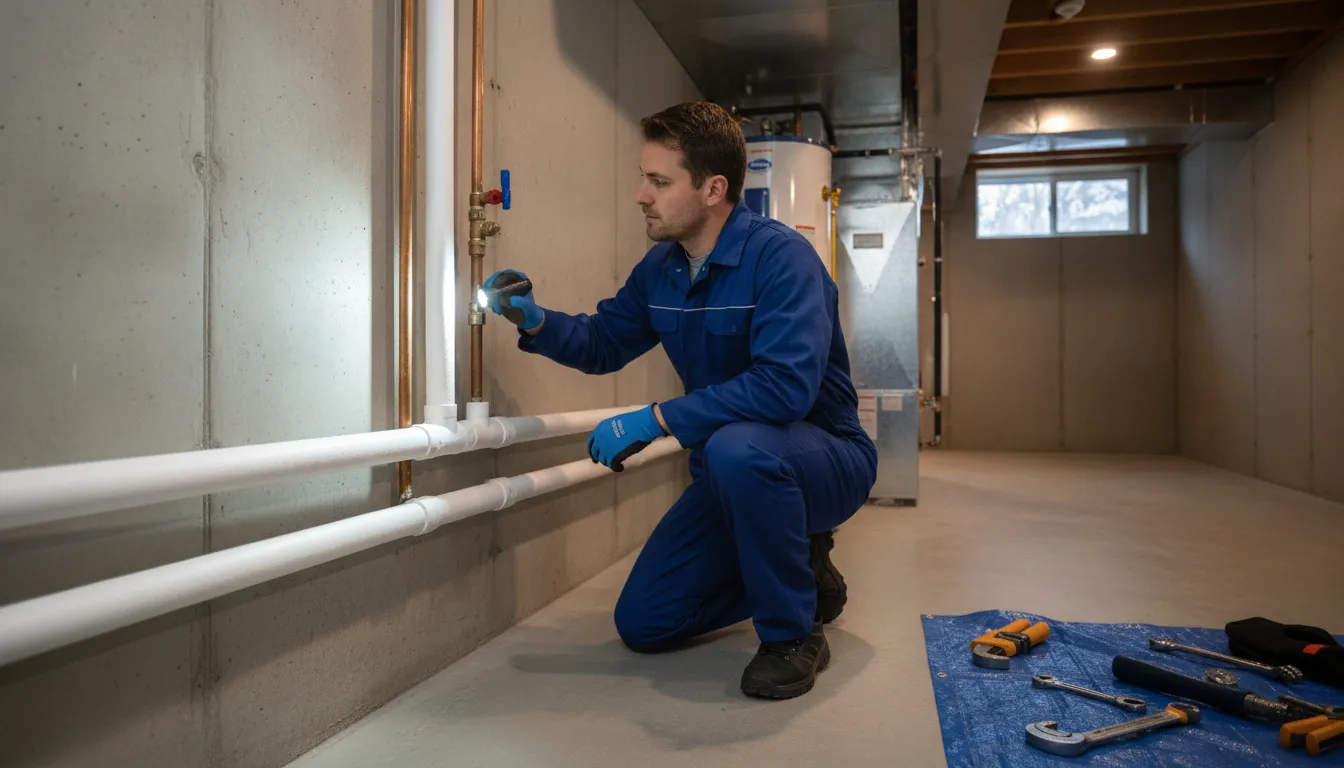
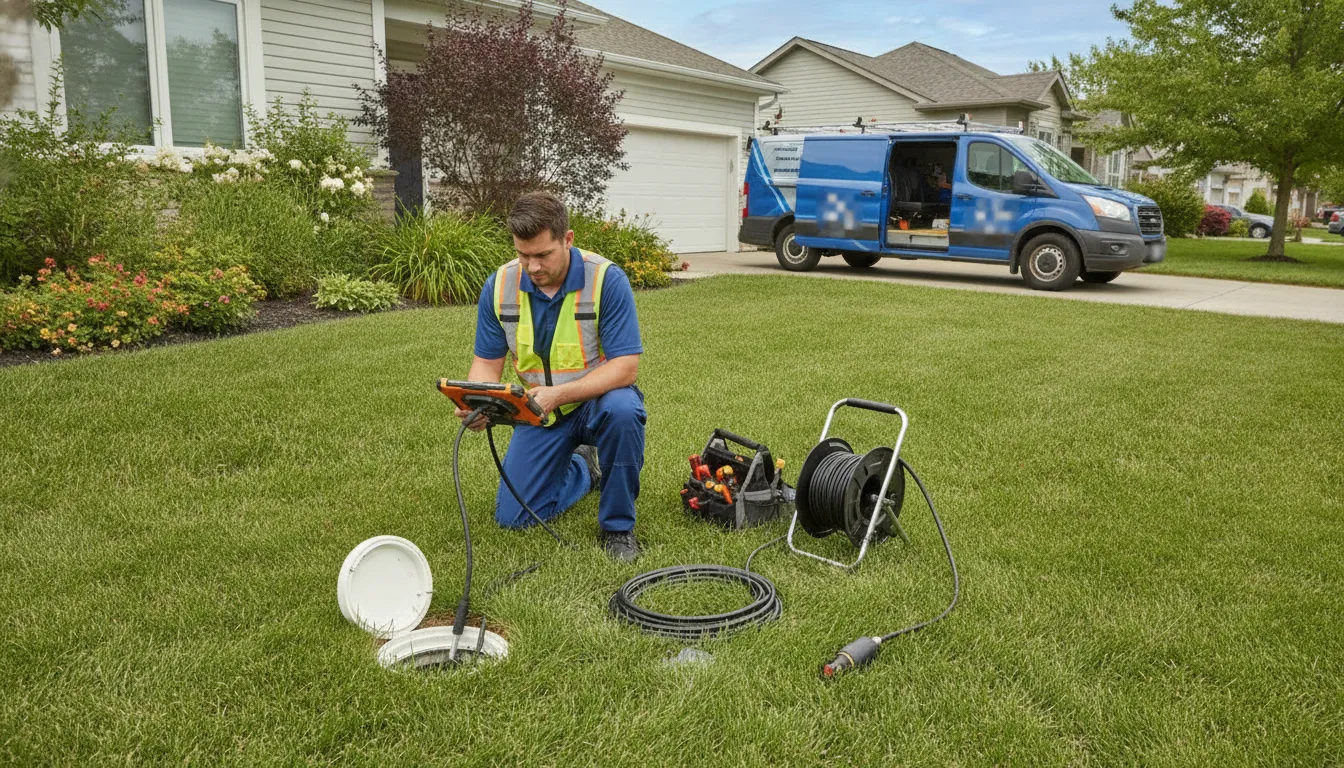
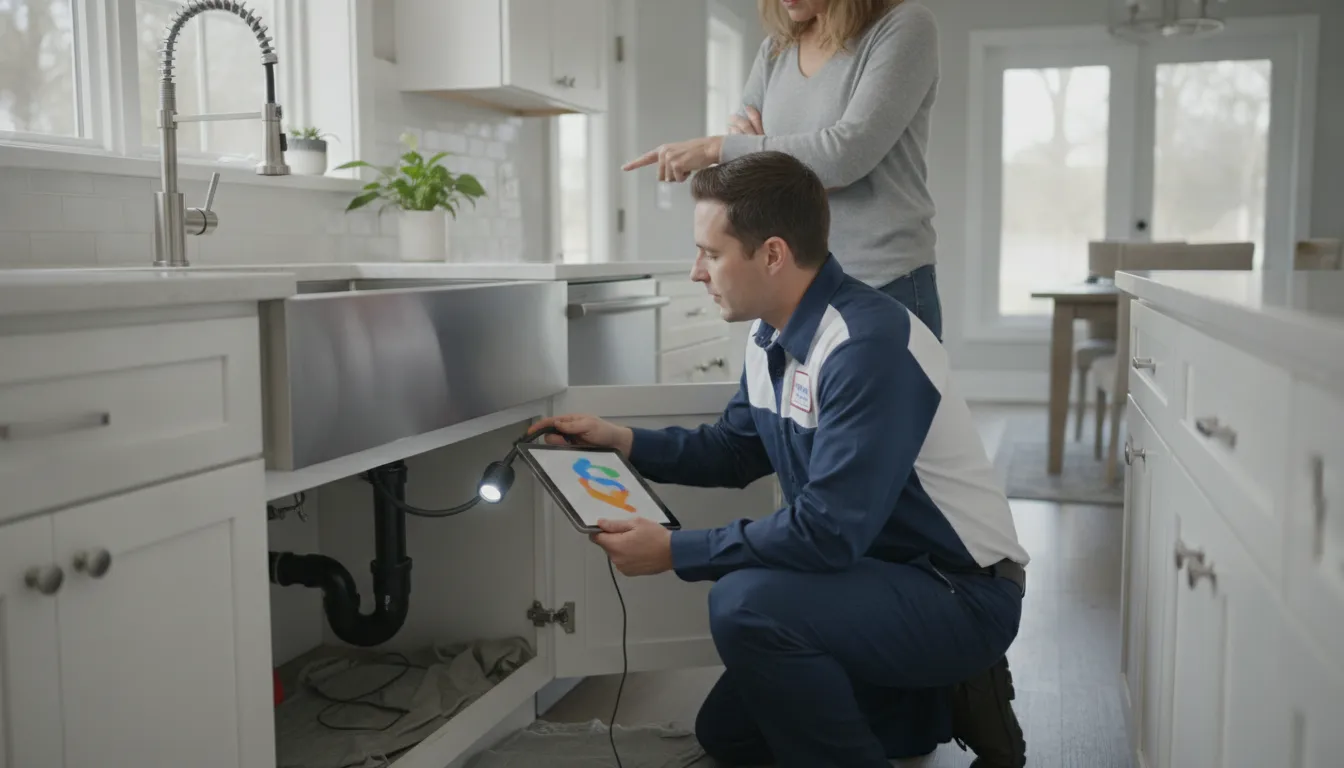
When you call a professional for a sewer line issue, the first step is always a thorough inspection. Your plumber will likely use a specialized video camera to get a clear look inside the pipes. This allows them to pinpoint the exact location and cause of the damage, whether it’s a clog, crack, or tree root intrusion. Once they’ve assessed the situation, they’ll explain their findings and recommend the best repair method for your property. They should also provide a detailed estimate and a clear timeline for the work. Because a broken sewer line can be a serious problem, a professional team will work efficiently to get your system back up and running. If you’re facing a sudden issue, our emergency plumbing team is ready to respond quickly.
Preparing for Water and Sewer Downtime
No matter which repair method you choose, there will be a period when you can’t use your water or sewer system. The good news is that this downtime is usually brief, especially with trenchless methods that can be completed in just a few hours. To make the process smoother, a little preparation goes a long way. Before the crew arrives, fill a bathtub or a few large buckets with water. You can use this for flushing toilets (just pour a bucket into the bowl) and for basic handwashing. It’s also a good idea to have bottled water on hand for drinking and cooking, and maybe plan for a meal that doesn’t require much cleanup. Our team always provides a clear timeline for any of our plumbing solutions, so you’ll know exactly how long to plan for and can manage expectations with everyone in your household.
Smart Questions to Ask Your Plumber
Choosing the right plumber is crucial, so don’t be afraid to ask questions before committing to the work. A reputable professional will be happy to provide answers and put your mind at ease.
Here are a few key questions to start with:
- Are you licensed and insured in Michigan?
- What repair methods do you specialize in?
- Why are you recommending this specific method for my home?
- Can you provide a detailed, written estimate before work begins?
- Do you offer a warranty or guarantee on your repairs?
Asking these questions helps you understand the scope of the project and ensures you’re working with a credible company. As a family-owned business, we pride ourselves on transparency and are always ready to answer any questions you have.
Related Articles
- Sewer Line Repair 101: A Homeowner’s Guide
- Trenchless Sewer Line Replacement Cost: A 2026 Guide
- No-Dig Sewer Line Repair: A Homeowner’s Guide
- Trenchless Sewer Line Repair: The No-Dig Guide
Frequently Asked Questions
How can I tell if I have a simple clog or a major sewer line issue? A good rule of thumb is to look at how many drains are affected. If just one sink or shower is draining slowly, you likely have a simple clog isolated to that specific fixture. However, if you notice multiple drains backing up, toilets making gurgling sounds, and a persistent sewer odor, those are strong indicators that the problem is in your main sewer line. When the whole system is acting up, it’s time to call for a professional inspection.
How long will the repair process disrupt my home and yard? The level of disruption depends entirely on the repair method. A traditional excavation, which involves digging a trench, can take several days and will require significant restoration work for your lawn or driveway afterward. In contrast, trenchless methods are much faster and less invasive. Most trenchless repairs, like pipe lining, can be completed in a single day with very little digging, keeping your property intact.
Is sewer line repair covered by homeowners insurance? This is a common question, and the answer varies. Standard homeowners insurance policies often do not cover damage that results from gradual wear and tear, tree root intrusion, or neglect. However, some policies offer optional add-ons or endorsements for sewer line protection. Your best bet is to review your specific policy documents or contact your insurance agent directly to understand what your coverage includes.
Can I do anything to prevent sewer line problems in the future? Absolutely. The best prevention starts with being mindful of what goes down your drains. Avoid flushing anything other than toilet paper, and never pour grease or oil down the sink, as they can solidify and cause major blockages. It’s also wise to know where your sewer line runs on your property so you can avoid planting trees or large shrubs with invasive roots nearby. Periodic camera inspections can also help you catch small issues before they become serious emergencies.
What’s the very first step I should take if I see signs of a broken sewer line? If you suspect a serious sewer line break, especially if you see sewage backing up into your home, the first thing you should do is stop using all water. This means no flushing toilets, running faucets, or using the shower. If you can do so safely, shut off your home’s main water valve to prevent the problem from getting worse. Your next immediate step should be to call a professional for emergency plumbing service.
How to Prevent Future Sewer Line Damage
After dealing with a sewer line repair, the last thing you want is a repeat performance. The good news is that you have a lot of control over the health of your plumbing system. By taking a few proactive steps, you can significantly reduce the risk of future damage and keep your pipes flowing smoothly for years to come. It all comes down to being mindful of what’s happening both inside and outside your home. Think of it as simple maintenance that protects a major investment in your property.
Schedule Regular Professional Inspections
Think of a professional sewer inspection as a routine check-up for your home’s arteries. It’s one of the smartest preventative measures you can take. We recommend scheduling a camera inspection every one to two years, especially if you live in an older home or have large, mature trees in your yard. A plumber will feed a high-resolution camera through your pipes to get a real-time look at their condition. This allows them to spot tiny cracks, early-stage root intrusion, or minor blockages before they escalate into a full-blown crisis. Catching these issues early is the key to avoiding costly emergency plumbing calls and gives you peace of mind knowing your system is in good shape.
Be Mindful of What Goes Down the Drain
What you put down your drains every day has a huge impact on the health of your sewer line. The only things that should ever be flushed are human waste and toilet paper—that’s it. Common household items like coffee grounds, cooking grease, paper towels, and even so-called “flushable” wipes are your plumbing’s worst enemies. These items don’t break down properly and can accumulate over time, creating stubborn clogs that put immense pressure on your pipes. Eventually, that pressure can lead to cracks or breaks. Treating your drains with care is a simple, no-cost way to prevent the most common causes of sewer backups. If you’re already dealing with frequent clogs, it might be time for a professional toilet repair and line assessment.
Manage Landscaping and Tree Roots
Your beautiful yard can pose a hidden threat to your sewer line. Tree roots are naturally drawn to the consistent source of water and nutrients inside your pipes, and they can be incredibly destructive. If you’re planning new landscaping, be strategic about where you plant trees and large shrubs, keeping them a safe distance from your known sewer line path. For homes with existing mature trees, the best defense is vigilance. Regular camera inspections, a key part of our expert plumbing solutions, can help you spot root intrusion early when it can often be managed without a full pipe replacement. By managing your landscaping thoughtfully, you can prevent roots from turning into a very expensive plumbing problem.