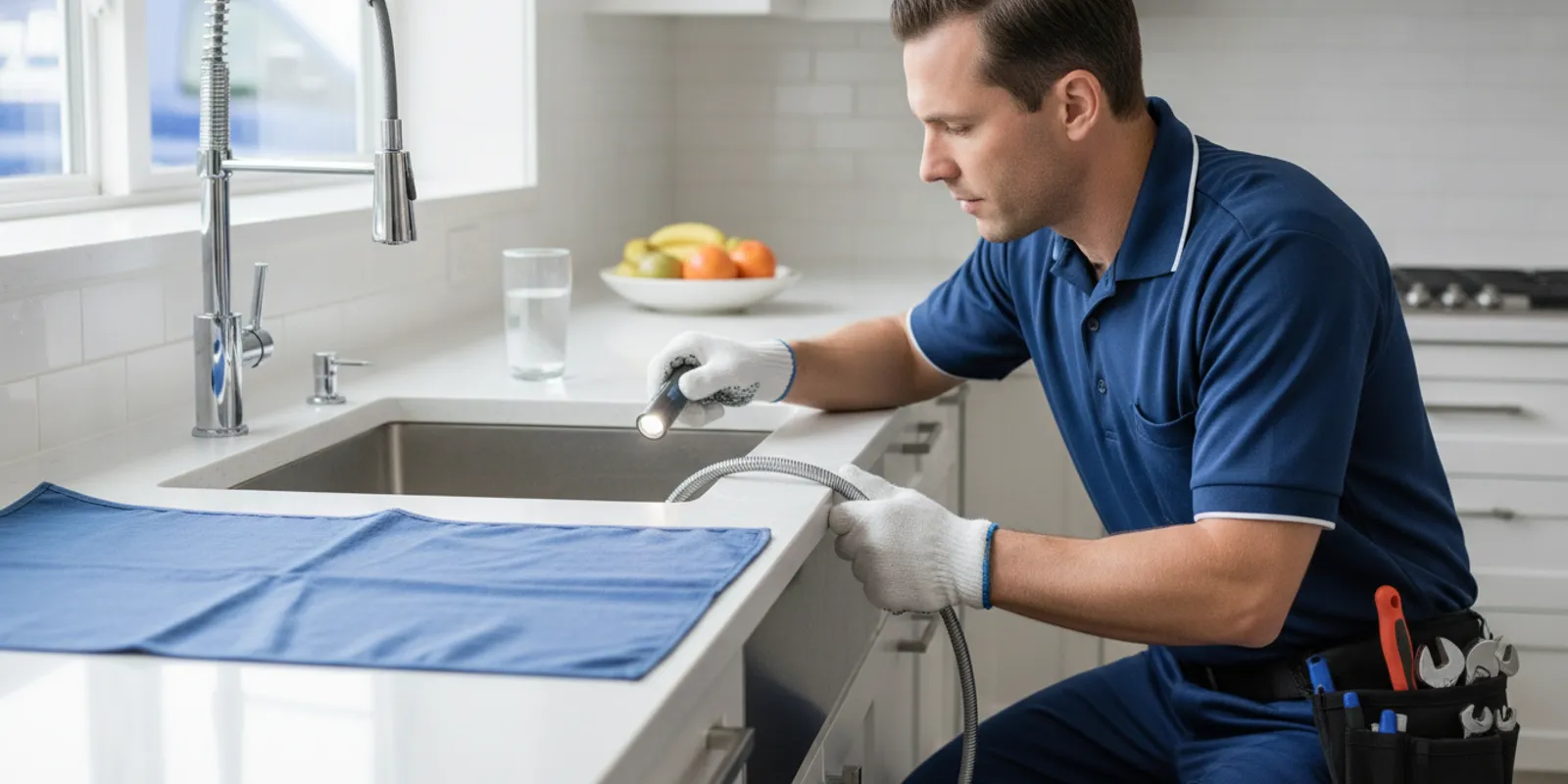
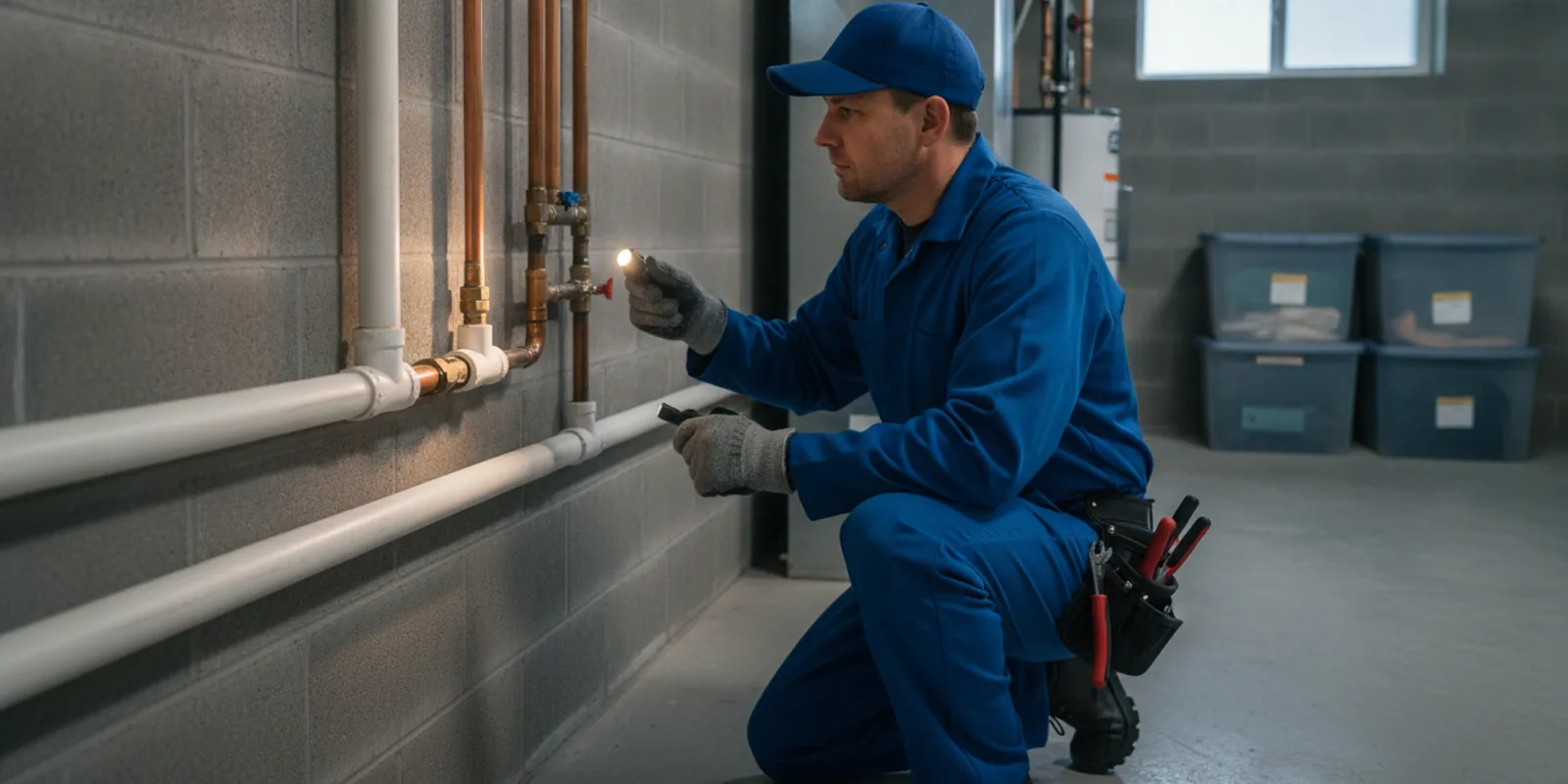
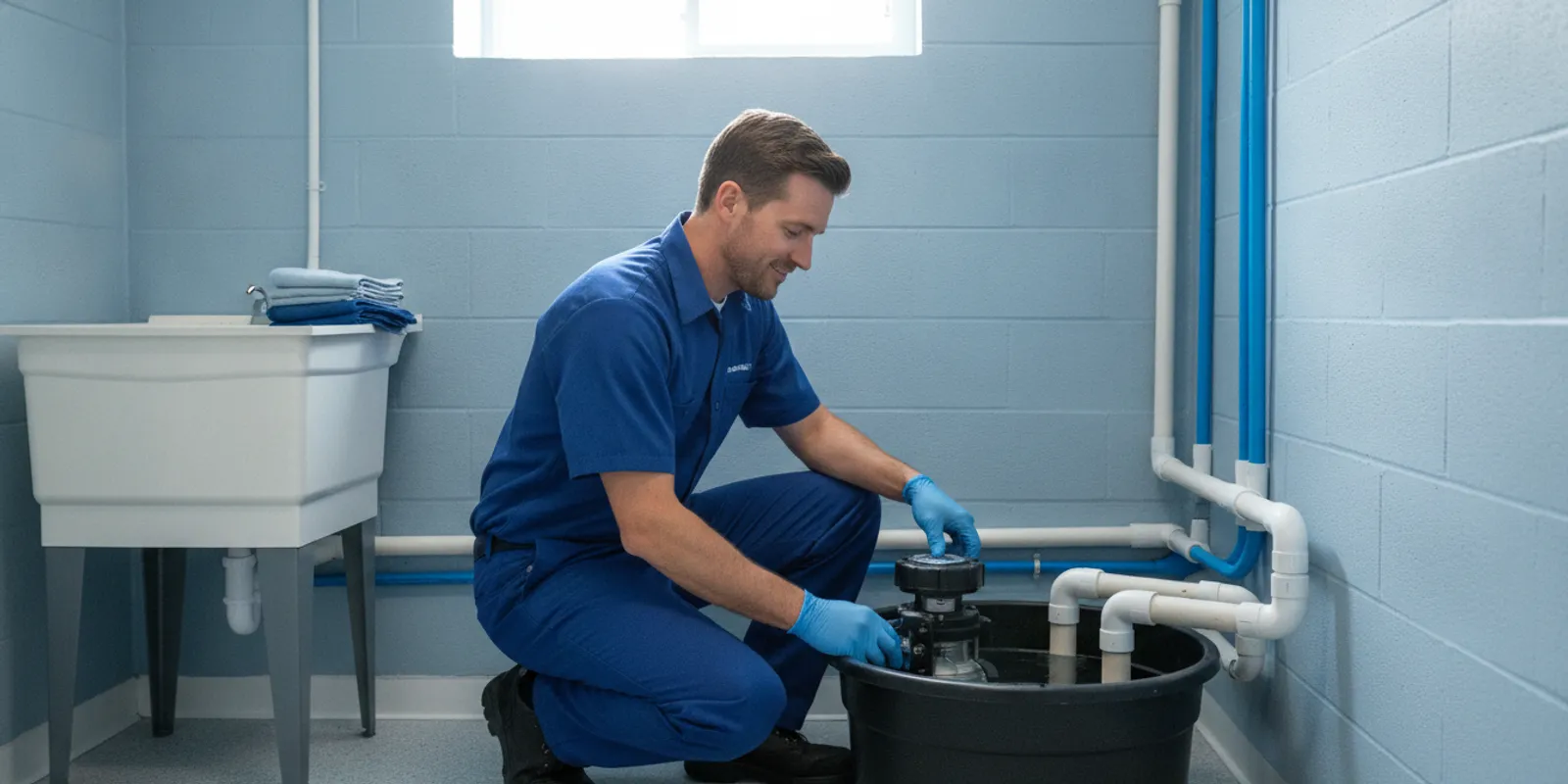
A slow kitchen sink or a shower that drains poorly can interrupt an ordinary day in Plymouth. If you are asking what is the best drain cleaner for Plymouth homes, the most useful answer is that the right solution depends on where the blockage is and what is causing it. A product that may affect a small grease buildup is not a universal answer for a recurring clog, a deeper sewer obstruction, or a damaged pipe. Identifying the cause helps determine whether cleaning, inspection, or repair is appropriate.
Contact Mr. Pipey to discuss a drain problem
What Is the Best Drain Cleaner for Plymouth Homes?
There is no single drain cleaner that works best for every home or every blockage. “Drain cleaner” can refer to a chemical product, a mechanical cleaning method, or a professional service. These options do not address the same conditions. A surface-level obstruction in one fixture is different from a clog farther into a branch drain or the main sewer line.
The best first step is to narrow down the location and pattern of the problem. Is one fixture draining slowly, or are several fixtures affected? Does the issue return after a drain has been cleared? Are there signs that water is backing up elsewhere? Those details can help a plumber identify whether the issue is isolated to a fixture, involves a drain line, or calls for a sewer-line evaluation.
For a limited blockage, a chemical product may be marketed for a particular type of buildup. Consumer Reports describes different categories of drain cleaners and notes that caustic cleaners can be effective on grease blockages. That does not make a chemical cleaner suitable for every drain, pipe condition, or obstruction. Follow any product label and warnings, and do not combine drain-cleaning products. If the blockage is persistent, affects more than one fixture, or returns, professional diagnosis is a better way to avoid treating the wrong problem. Consumer Reports’ overview of drain cleaner types provides additional context.
In many cases, homeowners are really asking how to get a drain flowing reliably rather than which bottle to use. A professional can assess the drain and recommend a suitable approach, such as clearing a localized blockage, cleaning a longer section of pipe, using hydro jetting where appropriate, or inspecting the sewer line. Mr. Pipey provides sewer and drain services for problems that need more than a quick surface-level response.
How Can You Tell Where a Drain Clog Is Located?
The pattern of the symptoms can offer useful clues, although it cannot confirm the exact cause on its own. A slow drain at one sink may point to a problem near that fixture or its connecting branch. If multiple fixtures drain poorly at the same time, or one fixture reacts when another is used, the issue may be farther along the shared drainage system. A plumber considers the home’s layout and checks the relevant fixtures and line before recommending work.
- One fixture is affected: The blockage may be close to that sink, tub, or shower, though further assessment may be needed if it keeps returning.
- Several fixtures are affected: A shared branch or a larger section of the drain system may be involved.
- The problem repeatedly returns: The initial clearing may not have addressed the underlying buildup, obstruction, or pipe condition.
- Water backs up at a lower fixture: This can be a reason to arrange a prompt professional assessment of the drainage line.
- There is a change in more than one area of the home: Share those observations with the plumber; they can help guide diagnosis.
These clues are not a substitute for inspection. Drain systems can have more than one contributing factor, and a symptom at a fixture does not always show where the restriction is located. A professional assessment can help distinguish a fixture-level issue from a deeper line problem and avoid repeating a cleaning method that has not resolved the cause.
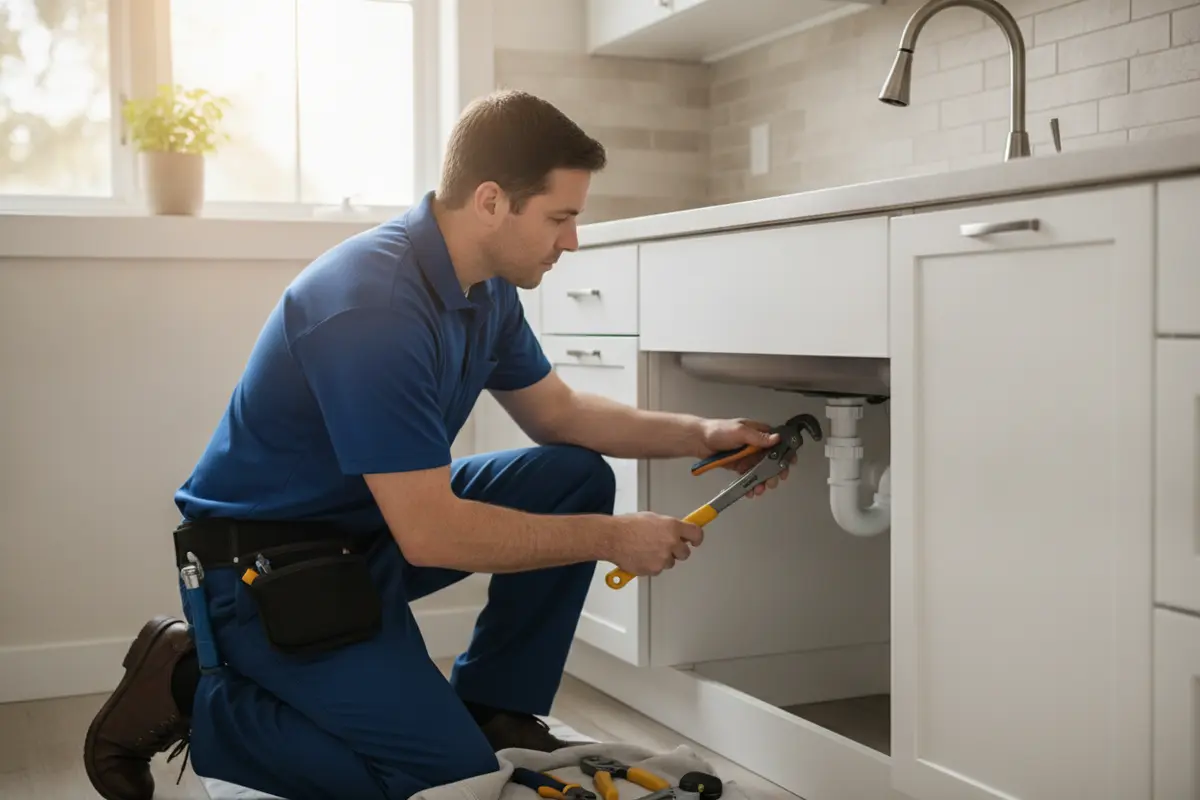
Which Drain-Cleaning Options Address Different Problems?
Different approaches are suited to different situations. The comparison below is a starting point for understanding the options, not a diagnosis. A plumber should consider the blockage, pipe condition, and location before selecting a method.
| Approach | What it may address | When further assessment matters |
|---|---|---|
| Chemical drain cleaner | Some products are formulated for particular types of buildup, such as grease. | Recurring clogs, unknown pipe condition, multiple affected fixtures, or uncertainty about product compatibility. |
| Professional drain clearing | A localized obstruction or a restriction in an accessible drain line. | If the clog returns, appears farther down the line, or affects multiple fixtures. |
| Hydro jetting | Professional cleaning that uses high-pressure water to clear buildup from suitable drain or sewer lines. | A professional should determine whether the line and blockage are appropriate for this service. |
| Camera inspection | Visual assessment of the inside of a sewer line to help locate a blockage or evaluate pipe condition. | Useful when symptoms suggest a deeper issue or cleaning alone has not explained recurring problems. |
| Drain or sewer repair | A physical defect or damaged section that cleaning cannot correct. | Inspection findings help identify the location and scope of repair needed. |
A cleaner can sometimes improve flow without removing the reason the clog formed. For example, recurring buildup may need a more complete cleaning, while a line defect calls for repair rather than repeated clearing. A plumber can explain the options and the reason for the recommendation. For a problem that appears limited to a specific drain, learn more about professional drain repair.
When Might Hydro Jetting Be the Right Drain Cleaner?
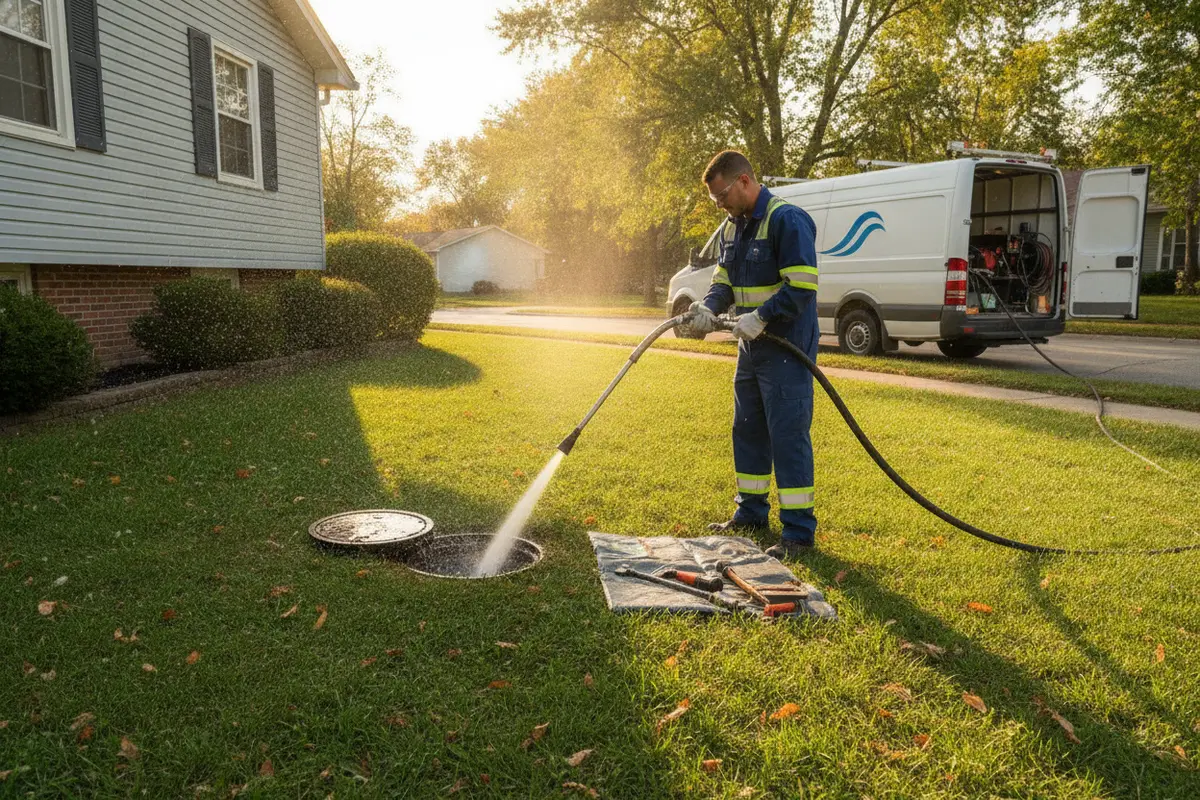
Hydro jetting is a professional drain-cleaning service that uses pressurized water to clean the interior of suitable pipes. It can be considered when a blockage or buildup extends beyond a small, isolated obstruction, or when a drain problem has returned after prior clearing. It is not automatically the right choice for every pipe or every clog. The line’s condition and the nature of the blockage matter.
A plumber may first assess the symptoms and determine whether an inspection is appropriate. When there is concern about the pipe’s condition or the blockage’s location, a camera inspection can help inform the recommendation. Cleaning a line without understanding its condition may not be the best plan, especially if the underlying issue is structural rather than buildup.
Hydro jetting differs from a chemical drain cleaner because it is a service performed with professional equipment and is intended to clean the line rather than rely on a chemical formulation. It also differs from a repair: cleaning addresses material inside the pipe, while a repair addresses a damaged or defective pipe section. The right choice depends on what the evaluation finds.
Mr. Pipey offers HydroScrub drain jetting. The service page explains the professional option; a plumber can determine whether it fits the particular drain concern in your Plymouth home.
What Should Plymouth Homeowners Expect From a Professional Drain Visit?
A useful service visit should begin with a clear account of what is happening, not an assumption that every slow drain needs the same treatment. The point is to match the recommendation to the symptoms and the line’s condition. Ask the plumber to explain whether the suggested work is intended to clear a specific obstruction, clean a longer section, locate a problem, or address damaged piping. If more than one option is suitable, a short comparison of scope and expected outcome can help you make an informed decision. A responsible evaluation should not depend on guessing which chemical cleaner is strongest. Note which fixtures are affected, when the problem began, whether it has happened before, and what changed after earlier service. This information helps the plumber focus the evaluation.
- Describe the symptoms. Explain whether one or several drains are affected and whether the issue is constant or intermittent.
- Discuss the history. Mention any prior clog clearing, repeat blockages, or related drain concerns.
- Have the affected area assessed. The plumber evaluates the relevant fixture or line and determines whether additional inspection is warranted.
- Review the recommendation. Ask what the proposed service is intended to address and whether it is cleaning, inspection, or repair.
- Confirm the scope before work begins. Understand the work being proposed and the price options before authorizing service.
For a deeper sewer-line concern, a camera assessment may help clarify what is happening inside the pipe. Mr. Pipey’s overview of a sewer repair service visit offers further context. Mr. Pipey describes its sewer and drain service options online. The appropriate next step depends on the symptoms and findings, rather than the name of a cleaner alone.
Why Do Some Drain Clogs Keep Coming Back?
A recurring clog can mean the first attempt restored flow without removing all of the material, or that buildup has accumulated again. It can also point to a deeper obstruction or a pipe condition that cannot be corrected through routine cleaning. The pattern is worth discussing with a plumber, especially when the same drain slows soon after service or several fixtures begin to show symptoms.
Repeatedly choosing a stronger treatment does not necessarily solve a recurring problem. Consider two common patterns. If the same bathroom sink slows again shortly after it has been cleared, the issue may be limited to that fixture’s drain, or there may be buildup farther along the branch. If several drains start acting differently around the same time, the plumber may need to evaluate a shared section of the system. These are clues, not diagnoses, but they are more useful than assuming every clog has the same cause. Note which drains are affected and whether symptoms change together; sharing that timeline can help the service professional decide where to begin. The question is not only what will move water today, but what is causing the restriction and whether the pipe is in suitable condition. A professional may recommend more thorough cleaning, camera inspection, or repair based on the evaluation.
If the problem appears related to a sewer line rather than one fixture, an inspection can help identify whether there is a localized blockage or a larger concern. Mr. Pipey offers sewer and drain evaluation and professional hydro jetting where appropriate. If a damaged line is suspected, a plumber can explain whether repair options need to be considered.
How Is a Professional Drain Service Different From a Drain Cleaner Product?
A packaged drain cleaner is a product intended for a limited range of conditions described on its label. A professional drain service is an assessment and treatment of a plumbing line. The distinction matters because a slow drain can result from different causes, and not all of them respond to the same treatment.
A product label cannot evaluate whether several fixtures are affected, locate a restriction farther down the line, or determine whether a pipe is damaged. A plumber can consider those details and explain whether the next step is localized clearing, a more extensive cleaning service, a camera inspection, or repair. That evaluation helps avoid repeating a treatment that gives temporary improvement but leaves the cause unresolved.
Professional service also gives homeowners a chance to discuss what has already happened. Tell the plumber if a chemical product was applied, whether it helped, and how soon the symptoms returned. Share any earlier service information if available. These details are practical, not diagnostic: they support the evaluation and help the plumber select a suitable approach for the specific condition.
That does not mean every slow drain needs an extensive service call. A one-time, isolated symptom may not require the same evaluation as recurring or multi-fixture problems. The useful distinction is whether the issue is resolving or becoming a pattern. When it persists, recurs, or spreads to other fixtures, a professional can assess the system instead of relying on a product category to guess at the cause.
How Can You Choose a Safe, Effective Response?
Use a decision process that starts with the symptom and ends with a solution matched to the cause. That is more reliable than selecting a cleaner based only on a broad product label.
- For one new, mild slow drain: Observe whether the issue is isolated and whether it resolves; avoid combining chemical products or using a product contrary to its label.
- For a persistent or recurring clog: Arrange professional assessment rather than repeating treatments without knowing what is in the line.
- For multiple affected fixtures or a backup: Contact a plumber promptly so the relevant drain or sewer line can be evaluated.
- For a suspected deeper blockage: Ask whether inspection is needed before selecting a cleaning method.
- For a damaged line: Discuss repair options; a cleaning method cannot restore a defective pipe.
When a chemical drain cleaner has already been used, tell the plumber which product was used and when. This is important information for safe service. Do not mix products or apply another treatment to counteract the first one. If you are uncertain about what is in the drain, wait for professional guidance.
For homeowners comparing providers, look for a clear explanation of the problem, proposed scope, and available options. Mr. Pipey is a family-owned and operated plumbing company serving Metro Detroit, with licensed and insured Michigan plumbing professionals. Its emergency plumbing service information is available for urgent plumbing concerns, while drain and sewer services address clogs and line issues.
Request professional drain guidance from Mr. Pipey
Frequently Asked Questions
What is the best drain cleaner for Plymouth homes?
There is no one best cleaner for every home. The right response depends on the blockage’s location, its cause, and the pipe’s condition. A recurring or multi-fixture issue should be professionally assessed rather than treated as a simple surface clog.
Are chemical drain cleaners effective?
Some chemical products are designed for particular types of buildup, and Consumer Reports notes that caustic cleaners can be effective on grease blockages. Their usefulness depends on the situation, and a product is not a universal fix. Follow the label, never mix drain-cleaning products, and seek professional guidance for persistent or recurring problems.
When should I call a plumber about a slow drain?
Contact a plumber when a clog persists, returns after clearing, affects multiple fixtures, or is accompanied by water backing up elsewhere. These patterns can indicate that the cause is farther along the line or needs more than a localized cleaning.
Is hydro jetting appropriate for every drain?
No. A plumber should assess the blockage and pipe condition first. Hydro jetting is a professional cleaning option for suitable lines, but a different method or a repair may be more appropriate depending on the findings.
Get Help Choosing the Right Drain Solution
Contact Mr. Pipey to schedule a professional drain assessment
For Plymouth homeowners, the best drain-cleaning choice is the one that addresses the actual cause while accounting for the condition of the line. When symptoms return or involve more than one fixture, a professional evaluation can help determine a suitable next step.