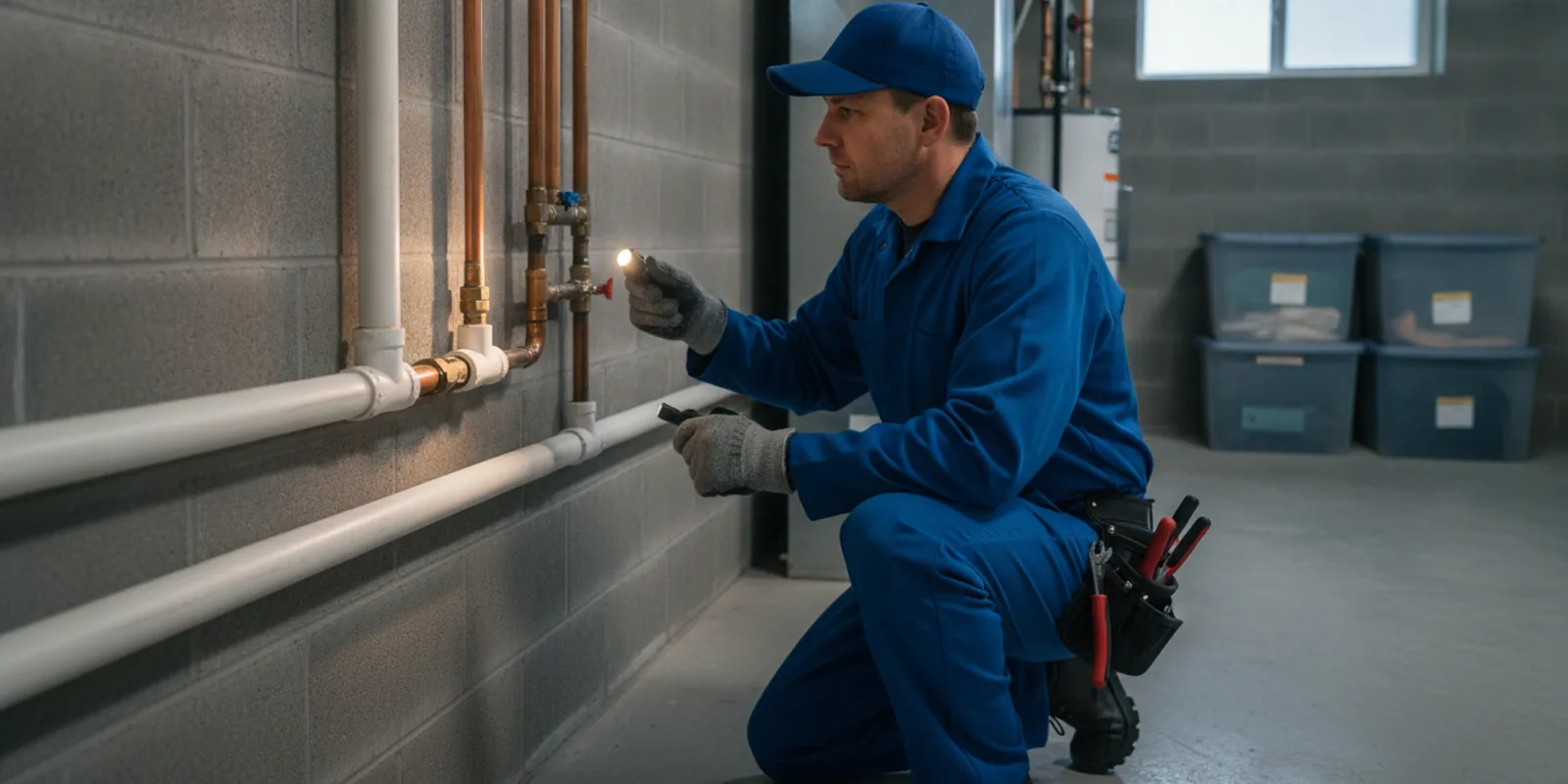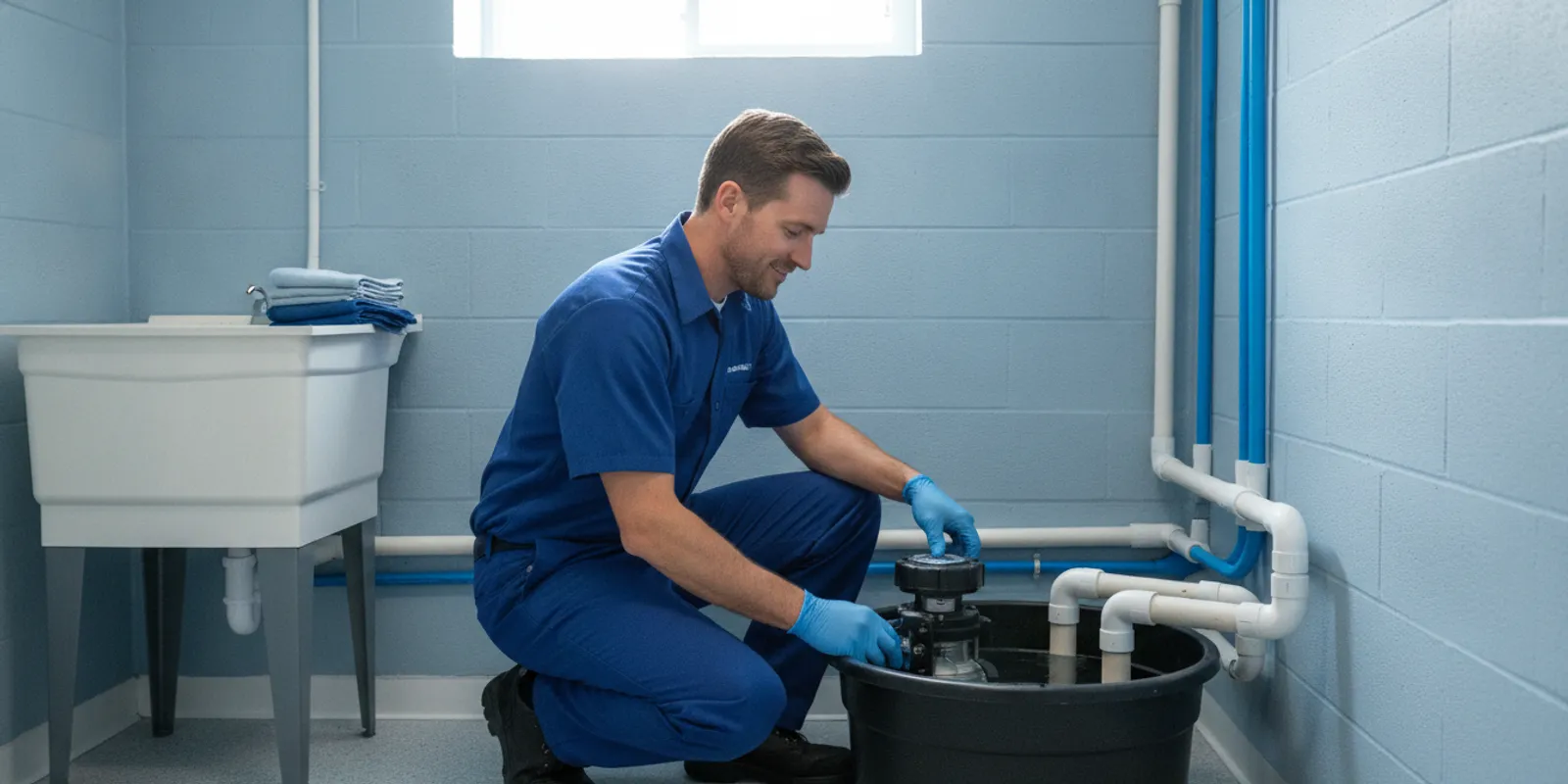
For a Novi homeowner, a slow kitchen sink on an ordinary morning or a tub that backs up during evening cleanup is more than an inconvenience: it raises a practical question about whether one fixture or a larger part of the drainage system is involved. Learning how to unclog a drain in Novi begins with noticing the pattern and choosing a safe, service-focused response rather than repeating treatments without knowing where the restriction is.
Request professional drain service in Novi
What should Novi homeowners notice before calling about a clogged drain?
Start by recording what the plumbing is doing, not by trying to assign a technical diagnosis. Note the fixture, when the slowdown began, whether it is constant or intermittent, and whether using a different fixture changes the symptom. A bathroom sink that drains slowly on its own is a different starting point from a basement drain that rises when an upstairs toilet is flushed.
Make a short timeline. For example: “The kitchen sink slowed yesterday; the bathroom drains are normal; no water appears elsewhere.” Or: “The tub and toilet began draining poorly this morning, and the basement floor drain bubbled after the washing machine ran.” These descriptions are more useful than simply saying “the drain is clogged,” because they help a professional decide what to assess first.
- One fixture is slow: A restriction may be near that fixture or its individual branch, although an assessment is needed to locate it.
- Several fixtures change together: A shared branch or main drainage path may deserve attention.
- A lower fixture receives wastewater: Stop using connected fixtures and arrange professional assessment.
- The same drain repeatedly slows: Ask whether the immediate obstruction is the whole story or whether another condition needs checking.
- Gurgling or odor accompanies drainage changes: Record which fixture is used and when the sound or odor occurs.
Also mention standing water, visible backup, and any cleaner or treatment already used. Do not keep sending water into a fixture that is rising. Keep people and pets away from wastewater and avoid unnecessary contact. These precautions do not diagnose the cause; they help keep the situation controlled while a plumber gathers the facts.
For a related plumbing symptom such as a wet cabinet or visible pipe leak, Mr. Pipey provides leaking-pipe service in Novi. A leak and a drain restriction can look different, so describe what you observe rather than assuming they have the same cause.
How can you respond safely while arranging drain service?
When a drain is slow, the safest useful first step is to limit water use and preserve a clear account of the symptoms. If wastewater is standing in a fixture, do not use other fixtures just to test whether the water moves. If several drains are involved, reduce water use in the home until a professional has assessed the pattern.
Avoid combining drain products or adding another product after one has failed. Mixing chemicals can create a hazardous situation, and a product poured into one opening may not address a restriction farther along the line. The U.S. Environmental Protection Agency offers household chemical safety guidance at EPA.gov. Follow the directions for any product already used, do not introduce another, and tell the plumber what was used and when.
Do not reach into a drain or take apart plumbing when the condition is not visible. Repeated attempts can obscure useful clues, expose someone to standing wastewater or chemicals, or complicate professional work. A technician can consider access, connected fixtures, and the condition of the drainage path before selecting a method.
- Pause use of affected fixtures. If water is rising or moving between drains, stop using the affected fixture and connected fixtures.
- Protect the area. Keep children and pets away from standing water or wastewater; avoid contact and do not spread it around the room.
- Write down the sequence. Record which fixtures changed, when symptoms began, and whether another fixture triggered them.
- Report products used. Share the label or product name if available, along with when it was used; do not add another product.
- Request a professional assessment. Explain whether the issue is isolated, recurring, or affecting multiple fixtures so the visit can start with the right questions.
For a backup that is disrupting household use, Mr. Pipey’s emergency plumbing information can help you identify a service path. Explain the amount of water, the fixtures involved, and whether wastewater is entering a living area when you request help.

When does a Novi drain clog suggest a larger line problem?
The number and relationship of affected fixtures matter. A single fixture can be the first place a localized restriction becomes noticeable. When multiple fixtures sharing a drainage route slow at the same time, the plumber may need to consider a section farther downstream. The location where water appears is not always the location of the underlying restriction.
Consider two common patterns. In the first, only a laundry-room sink is slow, while the toilet, tub, and other sinks work normally. That makes the affected fixture and its branch a reasonable starting point for assessment. In the second, a tub drains slowly, a toilet bubbles when the washing machine empties, and a lower-level drain shows water. Because several points are involved, testing one fixture in isolation could miss the shared pattern; stop using connected fixtures and explain the sequence.
Recurrence is another clue worth describing. If a drain seems to clear and then slows again, note how soon symptoms returned and whether they are identical. A temporary improvement does not prove the line is fully clear. Material may remain, buildup may be present along a suitable section, or the original symptom may have another cause. The proper next step depends on what the professional finds, not on recurrence alone.
Mr. Pipey offers sewer camera inspection when viewing an accessible line may help answer a diagnostic question. It is not automatically necessary for every slow fixture. Ask what section can be viewed, what question the camera is intended to answer, and how the findings could change the service recommendation. For multiple-fixture symptoms, sewer and drain service may be more relevant than treating each drain as an unrelated problem.
These patterns are useful for organizing information, not for self-diagnosis. A home’s layout and the connection between fixtures can vary. A clear description lets the plumber determine whether to begin at a fixture, assess a shared line, or gather more information before recommending work.
Which professional drain-clearing option may fit your situation?
There is no single clearing method for every clog. The choice depends on the suspected location and material, pipe condition, access, number of fixtures involved, and whether the problem recurs. This comparison is a way to understand the purpose of a conversation with a plumber; it does not predict which service will be recommended in a specific home.
| Professional option | When it may be considered | Purpose | Useful question |
|---|---|---|---|
| Targeted drain clearing | Symptoms appear limited to an identified fixture or section | Address a suspected localized restriction | Where is the restriction believed to be? |
| Hydro jetting | The technician finds the pipe and obstruction suitable for the method | Clean an appropriate line with directed water flow | How did you determine this line is suitable? |
| Camera inspection | Symptoms recur, involve several fixtures, or remain unexplained | View conditions inside an accessible line | What question should the inspection answer? |
| Repair assessment | Findings suggest a pipe condition beyond a simple obstruction | Evaluate whether repair is relevant | What evidence supports repair rather than clearing? |
Targeted clearing and broader line cleaning are not identical. Clearing may restore a path through a localized obstruction. A professional may consider cleaning when material has accumulated along an appropriate section and the pipe condition allows that approach. If there is evidence of a damaged or compromised line, removing an obstruction may not address the underlying condition. Mr. Pipey’s drain repair information explains a separate service path for that kind of assessment.
Hydro jetting is a professional method, not a universal answer to a slow drain. Mr. Pipey’s HydroScrub drain jetting service should be matched to the line and its condition. Ask whether the recommendation is meant to address an immediate obstruction, remove buildup, or help investigate a recurring problem. A precise explanation should connect the method to the observed symptoms and the section of pipe involved.
Repair or replacement should be a conversation based on findings, not a conclusion drawn from one slow fixture. If a professional confirms a sewer-line condition, the next discussion may include the location and nature of the issue and possible options. The related Novi sewer repair guide covers planning questions, but a clog by itself does not establish that a sewer line has failed.

What happens during a professional drain visit in Novi?
A useful visit begins with the symptom history. Share the affected fixtures, start date, any previous episodes, what was tried, and whether using one fixture changes another. Mention gurgling, odor, standing water, or visible backup. If a cleaning product was used, tell the technician before work begins. The more complete the description, the easier it is to connect the service plan to the actual concern.
- Review the pattern. The technician asks about timing, recurrence, connected fixtures, and changes during ordinary water use.
- Assess access and symptoms. The plumber considers the affected fixture, available access points, and visible indications of a broader restriction.
- Explain the next step. The proposed work should be described as clearing, cleaning, inspection, or evaluation, with a reason for selecting it.
- Perform appropriate professional work. The method depends on the findings, access, and condition of the drainage system.
- Discuss the result. Ask what was addressed, what change to expect, and what symptoms would justify follow-up.
Before approving work, ask what the first step is intended to accomplish and what happens if it does not resolve the symptom. This separates three different goals: restoring flow today, understanding a recurring clog, and evaluating a suspected pipe condition. The right sequence may differ from one home to another.
If inspection is proposed, ask what part of the line can be viewed and what decision the images will inform. If hydro jetting is proposed, ask how the professional considered the pipe condition and access. If repair is proposed, ask what evidence supports it and whether the location has been established. You can also ask for the options and pricing to be explained before work begins.
For symptoms in a lower-level drain, Mr. Pipey provides basement drain service information. Describe whether other fixtures are affected at the same time; that context can matter more than the fact that the symptom appears downstairs.
How can Novi homeowners reduce repeat drain problems?
Prevention is about appropriate use, early observation, and asking about recurring symptoms. It cannot guarantee that a drain will never slow, because homes differ in layout, age, pipe materials, and condition. A simple household record can still help: note which fixture slows, how often it happens, and whether the same connected fixtures are affected each time.
For example, if the kitchen sink slows after ordinary use but the rest of the home drains normally, record when it occurs and whether it resolves or persists. If the same kitchen drain returns to a slow state after service, explain the timing to the plumber rather than assuming it is a brand-new unrelated event. If several fixtures become slow together, record them as one episode. A pattern over time can help a professional decide whether a localized response or broader evaluation is more useful.
- Notice gradual changes in drainage speed, odor, or gurgling.
- Record whether symptoms are isolated or appear in fixtures that may share a route.
- Avoid mixing products or repeating treatments without guidance.
- Ask what follow-up makes sense when the same drain slows again.
- Arrange professional attention when wastewater backs up or several fixtures change at once.
- Keep a brief timeline of service and symptom recurrence to share at a later visit.
Distinguish drainage changes from other plumbing symptoms. A wet cabinet, visible supply-line leak, or water appearing without fixture use may call for a different assessment. A short, factual account—where water appeared, what was running, and when—helps the professional understand whether the concern is a drain, a leak, or another plumbing issue. For visible water near a fixture, the company’s sink repair information may be a useful related resource.
What should you ask before approving drain work?
Clear questions help connect a proposed service to what you have observed. You do not need to identify the technical name of a pipe section. Ask for the explanation in plain language, and make sure the recommendation distinguishes the immediate symptom from any suspected underlying condition.
- Which fixtures and sections appear to be involved?
- What observations support the recommended clearing, cleaning, or inspection method?
- Is the work intended to restore flow, investigate recurrence, or address a confirmed line condition?
- Would inspection add useful information here, and what question would it answer?
- Why is hydro jetting suitable for this particular line, if it is being considered?
- What should improve after service, and what signs would prompt a follow-up?
- What options and pricing will be explained before work begins?
For instance, if only one sink is slow and the other fixtures behave normally, ask what evidence points to the affected fixture or branch. If the tub, toilet, and basement drain all show changes, ask how the shared pattern affects the assessment. If symptoms recur a few days after clearing, share the exact interval and ask whether a diagnostic step is warranted before another treatment. The answers should explain why the proposed work fits the observations rather than rely on a generic recommendation.
Mr. Pipey is a family-owned plumbing company serving Metro Detroit. Homeowners can review local plumbing service information and discuss the specific symptoms with a professional. A clear assessment should help you understand what is known, what remains uncertain, and why the selected next step is appropriate.
Contact Mr. Pipey about a Novi drain problem
Frequently asked questions
Should I keep using a drain that is backing up?
No. Stop using the affected fixture and connected fixtures that may worsen the backup. Arrange a professional assessment, especially when wastewater is rising or several drains are involved.
Does every slow drain need hydro jetting?
No. The suitable method depends on the restriction, pipe condition, access, and symptoms. Ask the professional to explain why hydro jetting is appropriate before recommending it.
When is a camera inspection useful?
It may help when symptoms recur, several fixtures are affected, or the cause remains unclear. Ask what section can be inspected and how the findings will guide the next step.
Why does the same drain keep slowing?
A recurring symptom may mean that a restriction was only partly addressed or that another line condition remains. The timing and pattern can help a professional decide whether further assessment is useful.
What information should I share when I call?
Share which fixtures are affected, when symptoms began, whether they have returned, any backup or gurgling, changes when another fixture is used, and products already used in the drain.
A slow or blocked drain in Novi is easier to address when you share the symptom pattern, limit further water use, and choose professional service based on the drainage system’s condition.