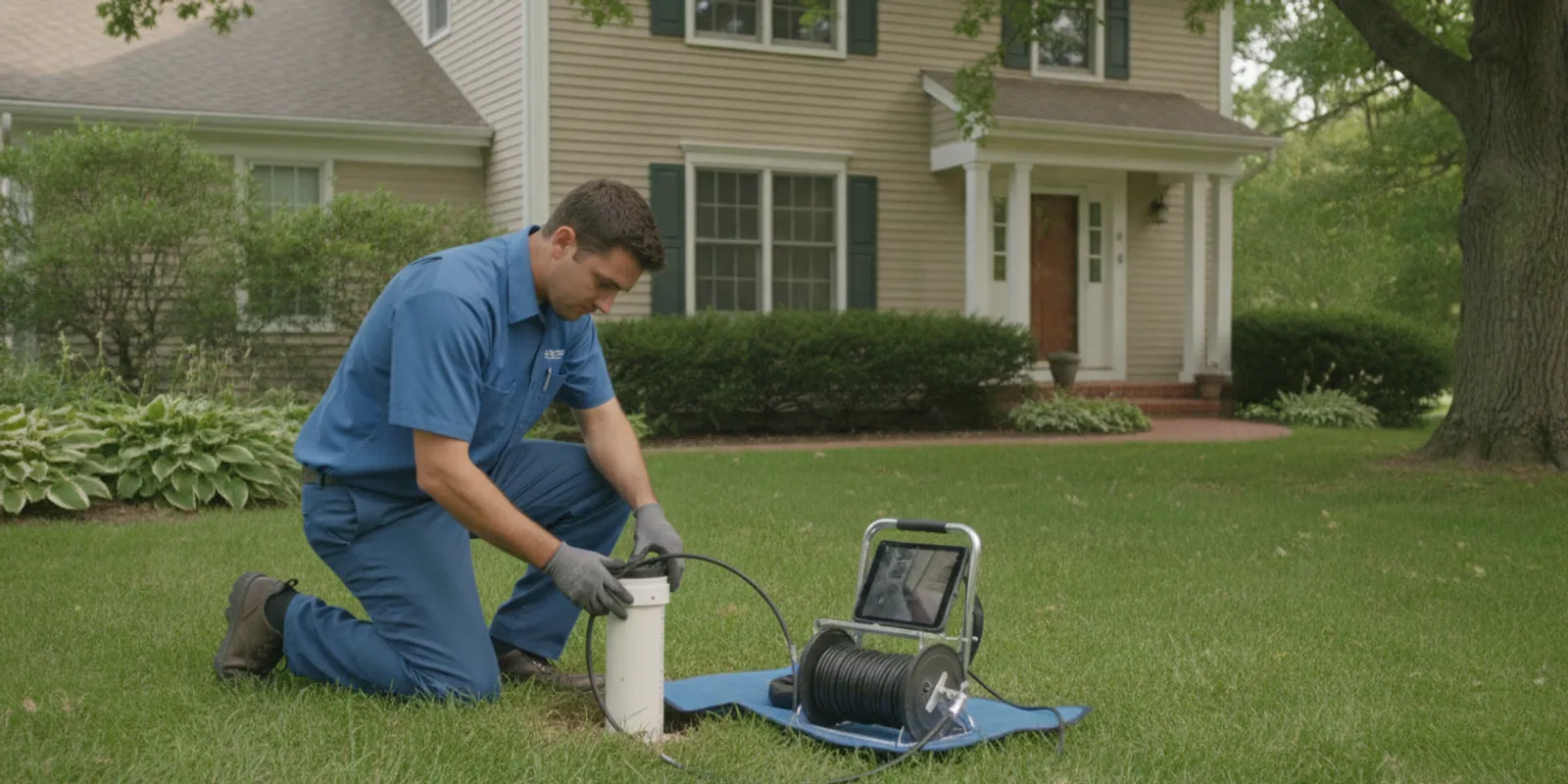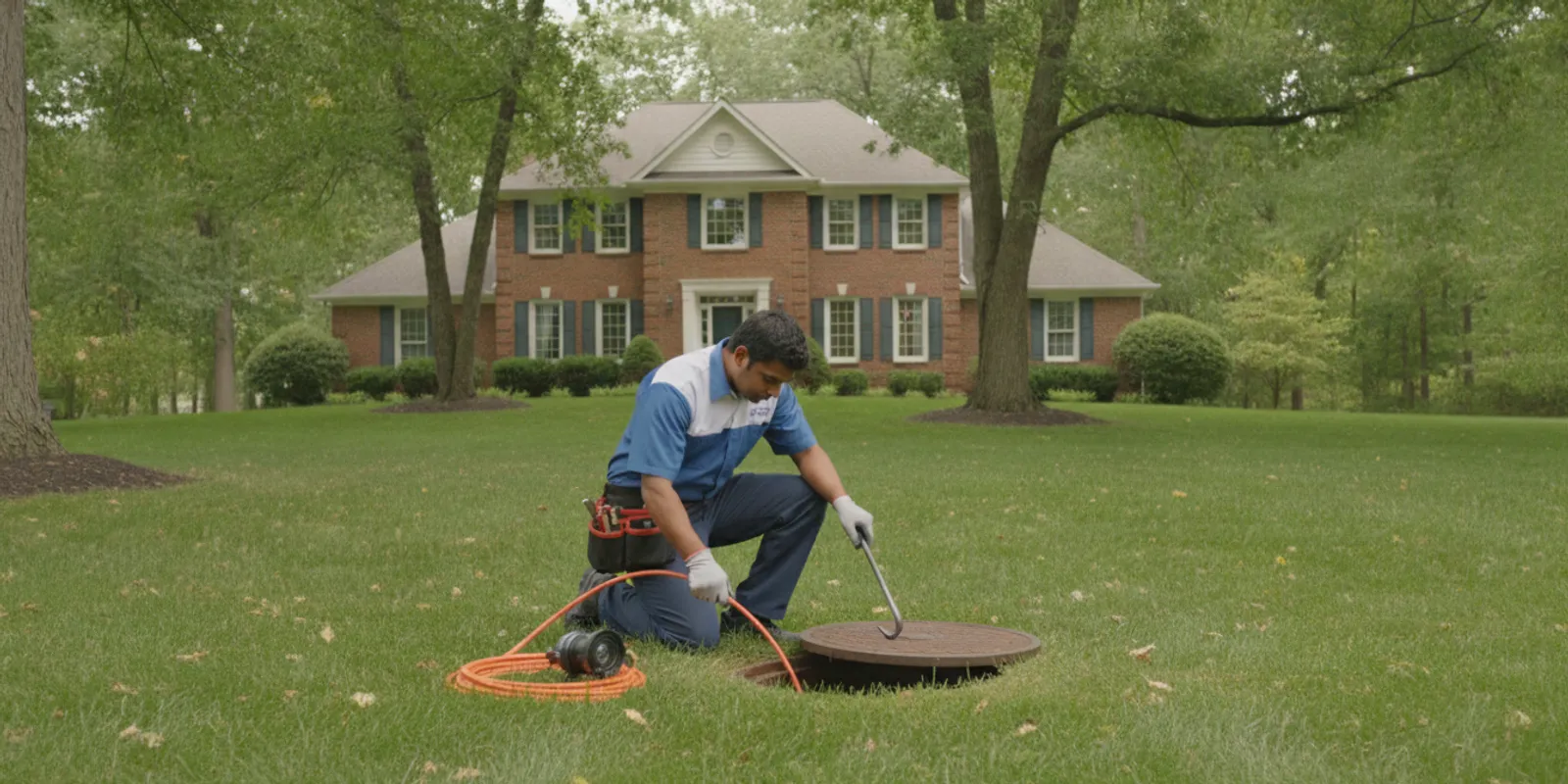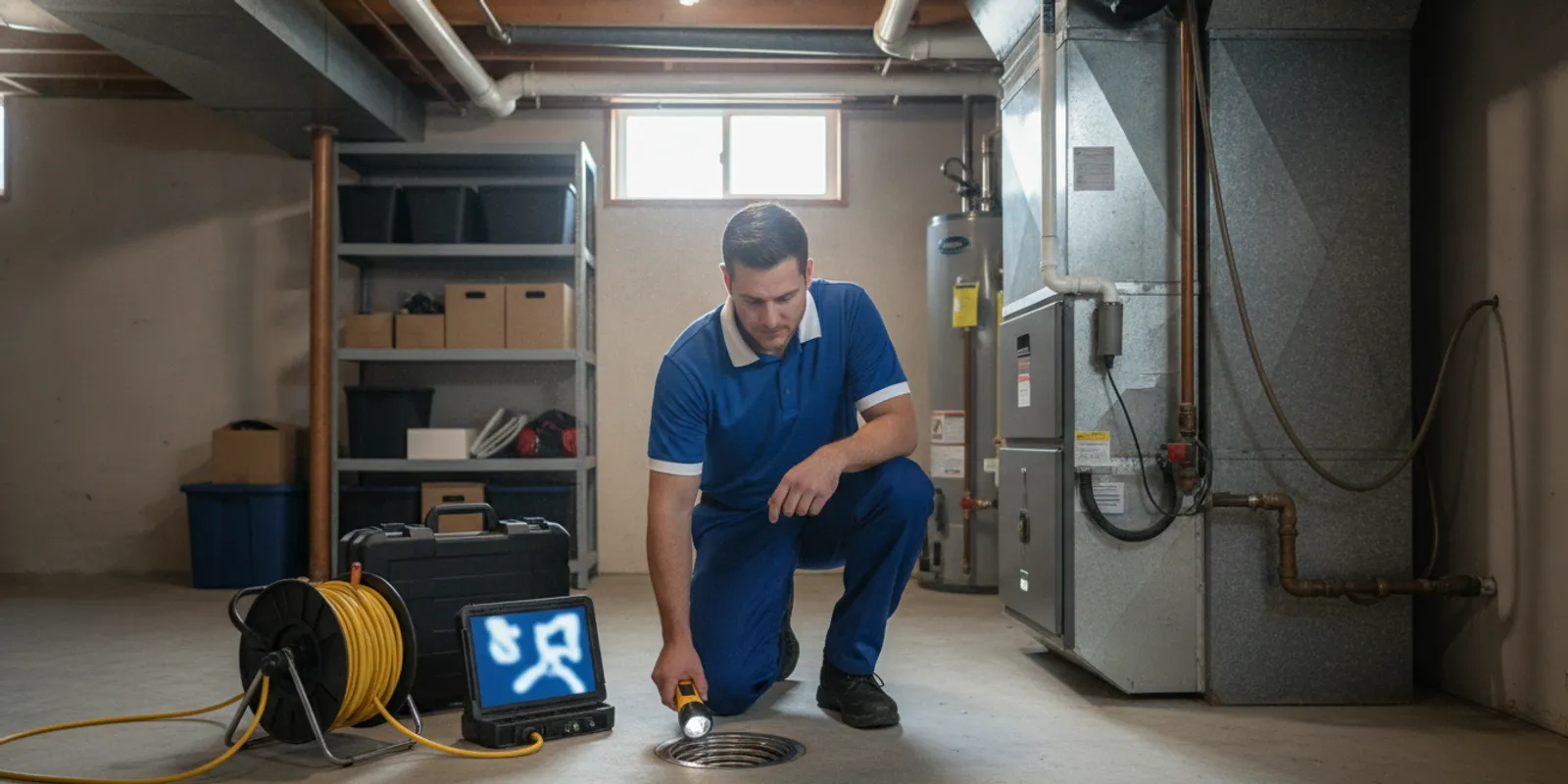
A basement floor drain that backs up can disrupt laundry, storage, or other household routines, and it is not always obvious where the water is coming from. If you are asking what causes basement floor drain to back up, the pattern matters: whether other fixtures are affected, when the backup happens, and what the water looks or smells like can help a plumber narrow the possibilities. The right diagnosis starts with the full drainage system, not just the visible opening.

Request professional drain service
What causes a basement floor drain to back up?
A floor drain is a low point in the basement drainage system. Water reaching that drain may come from a nearby branch line, a building drain shared by several fixtures, or the sewer connection serving the property. If wastewater cannot continue downstream freely, it may collect at a low opening. The floor drain can therefore reveal a restriction elsewhere in the system even when the drain itself looks clear.
Common causes include buildup or an obstruction in a drain line, a damaged or offset section of pipe, a blockage farther along the building drain, or a problem in the sewer connection. The situation can also involve more than one factor. A professional inspection helps distinguish a nearby clog from a wider drainage issue before deciding what service is appropriate.
- Localized branch-line blockage: A restriction on a line serving a nearby fixture or part of the basement may affect only a small area.
- Building drain restriction: A blockage in a shared drain can affect several fixtures or drains, sometimes in more than one part of the home.
- Damaged or misaligned pipe: A cracked, settled, separated, or otherwise compromised section can interfere with flow and may collect debris.
- Sewer connection concern: A restriction or defect farther downstream may produce symptoms at multiple low fixtures.
- Water entering the basement from another source: A sump or exterior water issue can be mistaken for a floor-drain backup. A plumber can help establish whether water is coming up through a drain or arriving from another location.
The visible water alone does not identify which cause is present. A technician may compare the affected fixtures, inspect accessible plumbing, and recommend a camera inspection or other diagnostic step when appropriate. Mr. Pipey provides basement drain service and related drain and sewer work in the Metro Detroit area.
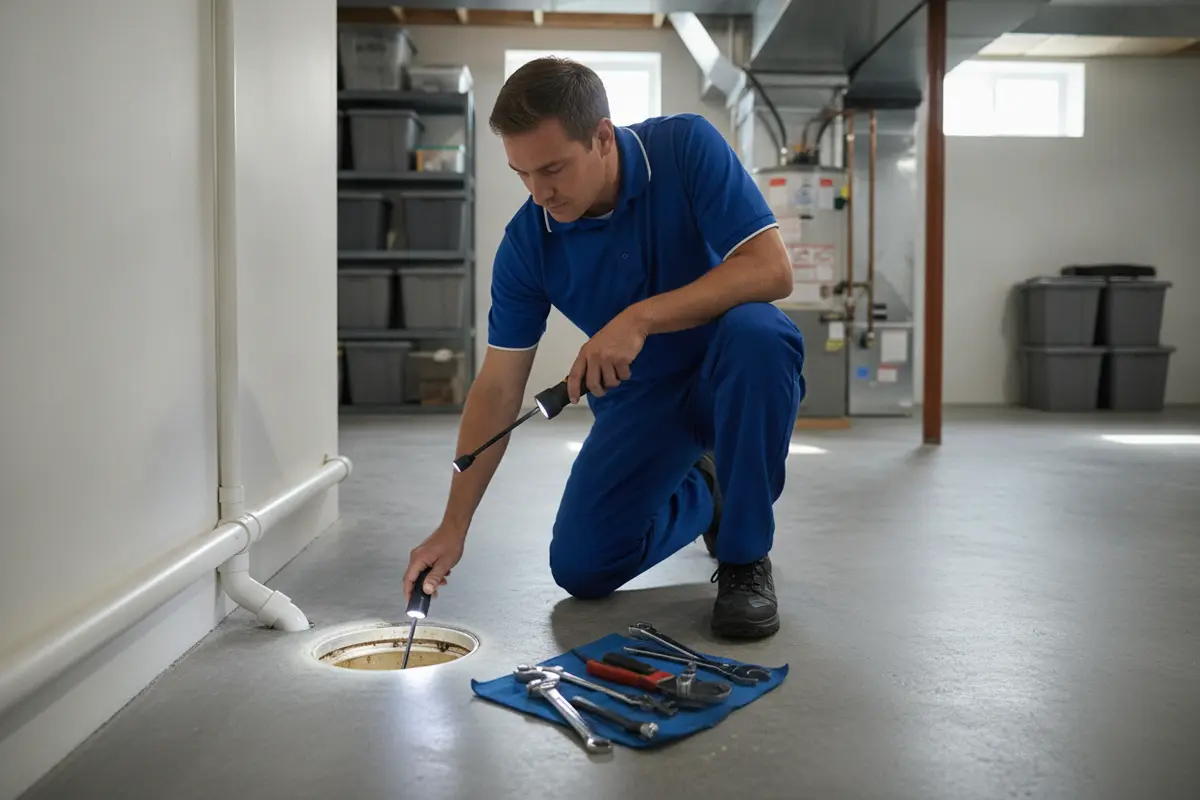
What can the backup pattern tell you?
The timing and spread of a backup offer useful clues, but they are not a substitute for inspection. Note what was happening just before you noticed the water and whether other fixtures changed at the same time. A plumber can use that information to decide where to begin testing and whether the issue may be isolated or shared.
| What you notice | Possible area to investigate | What a plumber may check |
|---|---|---|
| One floor drain is affected while other fixtures seem normal | Nearby branch line, drain opening, or local pipe section | Accessible drain components and the route serving that area |
| Several fixtures drain slowly or gurgle around the same time | A shared building drain or a restriction farther downstream | How the affected fixtures connect and whether the main drain is passing flow |
| Backup follows use of a particular fixture | A line shared by that fixture and the low drain, or a downstream restriction | The relationship between the fixture, branch, and basement drain |
| Recurring symptoms return after temporary improvement | Persistent buildup, a damaged pipe section, or a restriction not fully addressed | Whether further cleaning, camera inspection, or repair is warranted |
| Water appears after heavy outdoor water conditions, with other basement symptoms | Drainage, sump, or sewer conditions that need to be distinguished | The source and route of water, including whether it is entering through plumbing |
This comparison is a starting point, not a diagnosis. For example, a backup at one low drain may still be caused by a shared line, while multiple slow fixtures do not by themselves prove that the sewer connection is damaged. The safest interpretation is to report what happened and let the inspection establish the cause.
Is it a local clog, a shared drain problem, or a sewer issue?
A localized blockage is more plausible when one fixture or drain is affected and nearby plumbing behaves normally. A problem in a shared drain becomes more likely when several connected fixtures show changes together. If the issue repeatedly affects low drains, spans multiple areas, or returns after service, a plumber may need to investigate farther along the building drain or sewer connection.
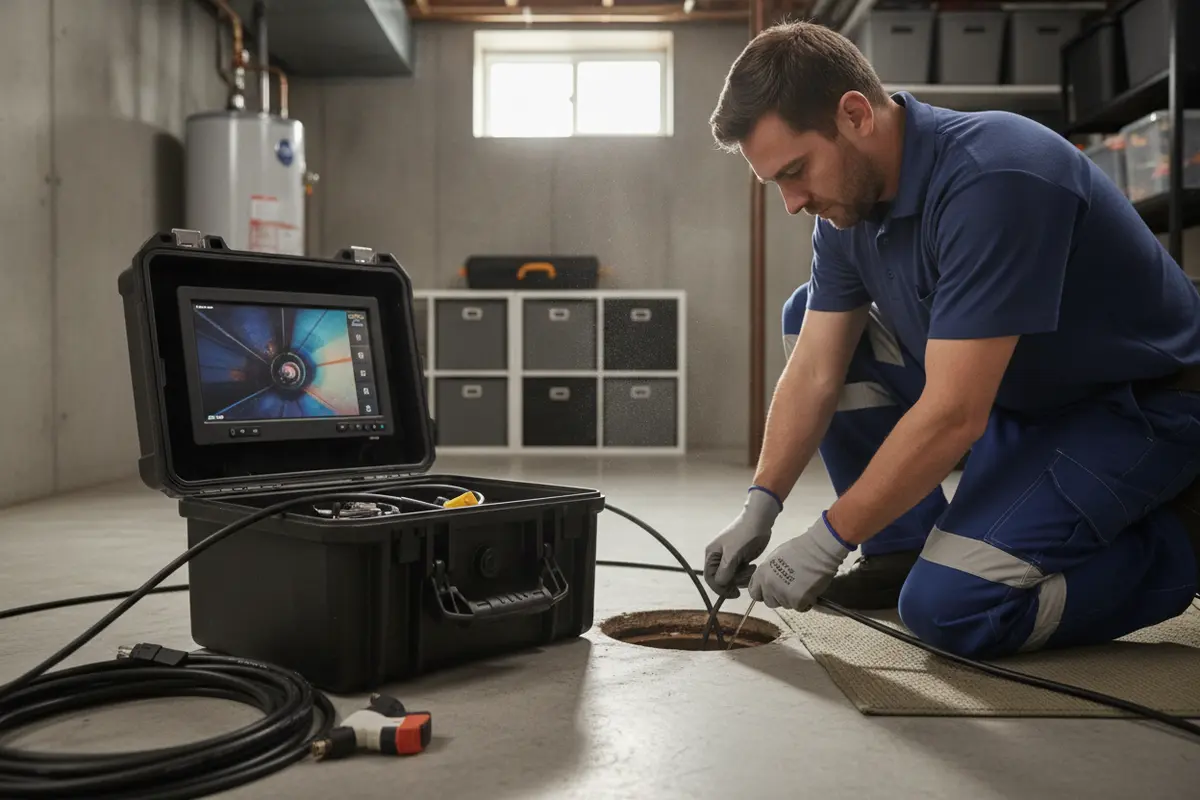
These patterns overlap. A clog can be located beyond the point where several fixtures join, and a pipe defect can behave like a recurring blockage. A professional may assess accessible cleanouts and drain connections, observe how fixtures respond, and use a drain camera where the conditions allow. A camera can show the interior of an accessible pipe section; the result must still be interpreted in context, including the location and extent of any visible issue.
If a plumber finds an obstruction, the appropriate cleaning method depends on its location and what is in the line. Professional sewer and drain service can address a range of drainage concerns. Where the evaluation points to a pipe defect rather than removable buildup, the next discussion may be about repair or replacement options instead of repeated cleaning. A sewer repair assessment can clarify the kind of findings that lead to repair planning.
What details should you share with the plumber?
Clear observations help a service professional focus the diagnosis. You do not need to identify the failed pipe or determine the source on your own. Share what you have seen, and avoid disturbing standing water or opening plumbing components. If the condition is active, tell the office that when arranging service.
- Identify the affected locations. Say whether the basement floor drain is the only affected point or whether a sink, toilet, tub, laundry area, or another drain is also behaving differently.
- Describe the timing. Note whether it began suddenly, happens intermittently, or appears after use of a particular fixture. If you know the order of events, share it.
- Describe the water without handling it. Tell the plumber whether you see clear water, cloudy water, or material that appears to come from a drain. Mention any odor. Do not touch or sample it.
- Explain whether it has happened before. A recurring symptom or a recent drain service may help the plumber understand what to inspect.
- Report other relevant conditions. Mention unusual gurgling, slow drainage, or visible water elsewhere in the basement. Distinguish what you observed from what you suspect.
These are observations to communicate, not do-it-yourself troubleshooting steps. A plumber can determine whether the next step is a drain evaluation, cleaning, camera inspection, or a repair recommendation. For a recurring or wider drain concern, Mr. Pipey also offers professional drain repair.
How does a plumber diagnose a basement floor drain backup?
Diagnosis generally proceeds from the reported symptoms to the relevant plumbing connections and then to tests or inspection that can confirm where flow is restricted. The exact process varies with the home’s layout, access, and what the technician observes. The goal is to understand the cause before recommending work, rather than treating every backup as the same kind of clog.
- Review the symptom pattern: The technician asks which fixtures are affected, when it occurs, and whether the condition is new or recurring.
- Inspect accessible areas: The plumber looks at the drain and accessible connections, considering whether the visible water is consistent with a plumbing backup.
- Assess the drainage path: Where appropriate, the professional checks relevant drain sections and connections to narrow the likely location of a restriction.
- Use additional diagnostics when indicated: A camera inspection can help examine accessible pipe interiors and assess whether buildup or a visible defect is present. Not every job requires a camera, and access and line conditions matter.
- Explain options: Recommendations may involve cleaning, further inspection, or repair, depending on the findings. Ask what the proposed work addresses and what it does not establish.
Drain cleaning and pipe repair solve different problems. Professional HydroScrub drain jetting is one service option for suitable drain conditions, but cleaning should not be presented as a fix for a cracked or misaligned pipe. If the assessment identifies damage, ask the plumber to explain the location, evidence, and repair choices in plain language.
Why can a basement floor drain backup keep returning?
A backup that clears and then returns deserves a fresh diagnosis rather than an assumption that the same surface symptom has the same cause each time. A restriction may remain partly in place, or a recurring issue may be farther along the drain path. In other cases, the first service addressed one portion of the system while another contributing condition was not yet apparent. The pattern over time gives the plumber useful context.
When describing a repeat issue, try to distinguish between a complete return of the original symptom and a different drainage change. Note how soon it returned, whether the floor drain or other fixtures were involved, and whether the water appeared during fixture use or at another time. If work was recently performed, provide the service details if available. That information can help the technician decide whether to reassess the same section, inspect a connected line, or consider another possible source.
Recurring symptoms do not automatically mean a pipe is damaged or that a major repair is necessary. They do mean that the cause should be confirmed rather than inferred from the fact that water appeared before. Ask what the latest inspection established, what remains uncertain, and how the proposed next step will answer that question. For example, a plumber may explain that cleaning is intended to remove a restriction, while a camera inspection is intended to look for visible conditions inside an accessible pipe. Those steps answer different questions.
This distinction is useful when comparing recommendations, too. A short-term improvement after cleaning does not by itself show whether the line is clear along its full route or whether there is an underlying defect. Likewise, a recurring backup alone does not identify the location or condition of a pipe. A professional should explain the evidence supporting the recommendation and the reasonable next step based on the inspection.
How do basement drains relate to sump pumps and outside water?
Not every wet basement is a floor-drain backup. Water can enter a basement through a plumbing drain, around a foundation, or through a condition involving a sump system. Those sources require different evaluations, so the distinction matters. If water is visibly coming up through the floor drain, mention that specifically. If it is appearing near a wall, sump basin, or another location, describe that too.
A sump pump manages water collected at its basin; a basement floor drain is part of a drainage system. The systems may be present in the same basement, but one should not be assumed to be the cause of the other. A professional can assess whether symptoms point to sump pump service, a drain concern, or another source. Keep the descriptions factual rather than guessing at a connection.
For broader information about wastewater and environmental protection, the U.S. Environmental Protection Agency provides resources at EPA.gov. This is general background, not a way to diagnose an individual home’s plumbing.
What should you expect from a professional drain recommendation?
A useful recommendation connects the observed symptom to a specific finding and a practical next step. Before work begins, ask the plumber to explain what part of the system is implicated, what inspection supports the conclusion, and whether the proposed service is intended to clear a restriction, investigate further, or repair a defect. You can also ask whether other options are reasonable based on the findings.
If cleaning is recommended, understand which drain section the service is intended to address and how the plumber will assess whether it is suitable. If camera inspection is proposed, ask what area can be inspected and what the camera may or may not show. If repair is recommended, ask where the affected section is and how the repair addresses the observed issue. Clear answers help you compare recommendations without assuming that a particular technique is right for every home.
Mr. Pipey serves Metro Detroit homeowners with drain, sewer, and plumbing services. To review a basement drain concern, learn about basement drain service or contact the team to discuss scheduling. If the issue may involve a broader plumbing emergency, the company also provides emergency plumbing service.
Contact Mr. Pipey to discuss your drain issue
Frequently asked questions
Can one clogged drain make a basement floor drain back up?
Yes. A restriction in a nearby branch or a shared drain can cause water to collect at a low floor drain. The affected fixtures and timing help a plumber identify where to inspect, but they do not confirm the exact location on their own.
Why does the basement floor drain back up when another fixture is used?
The fixture and floor drain may connect to a shared section of plumbing, or a downstream restriction may limit flow. A plumber can evaluate how the lines connect and determine whether the issue is local or farther along the drainage path.
Does a floor drain backup always mean the sewer line is damaged?
No. A backup can result from a blockage or other issue within a drain line, and the visible symptom alone does not prove pipe damage or a sewer-line problem. Inspection is needed to distinguish among possible causes.
When might a camera inspection be recommended?
A plumber may recommend a camera when symptoms recur, when the suspected issue is inside an accessible pipe, or when additional information is needed before choosing between cleaning and repair. Whether a camera can inspect the relevant section depends on access and line conditions.
What information is most useful when I call?
Share which drains or fixtures are affected, when the backup occurs, whether it has happened before, and what you observe about the water or odor. Report only what you have noticed; a plumber can determine the next diagnostic step.
A clear description of the backup pattern helps a plumber investigate the right part of the system and recommend a solution based on the actual findings.