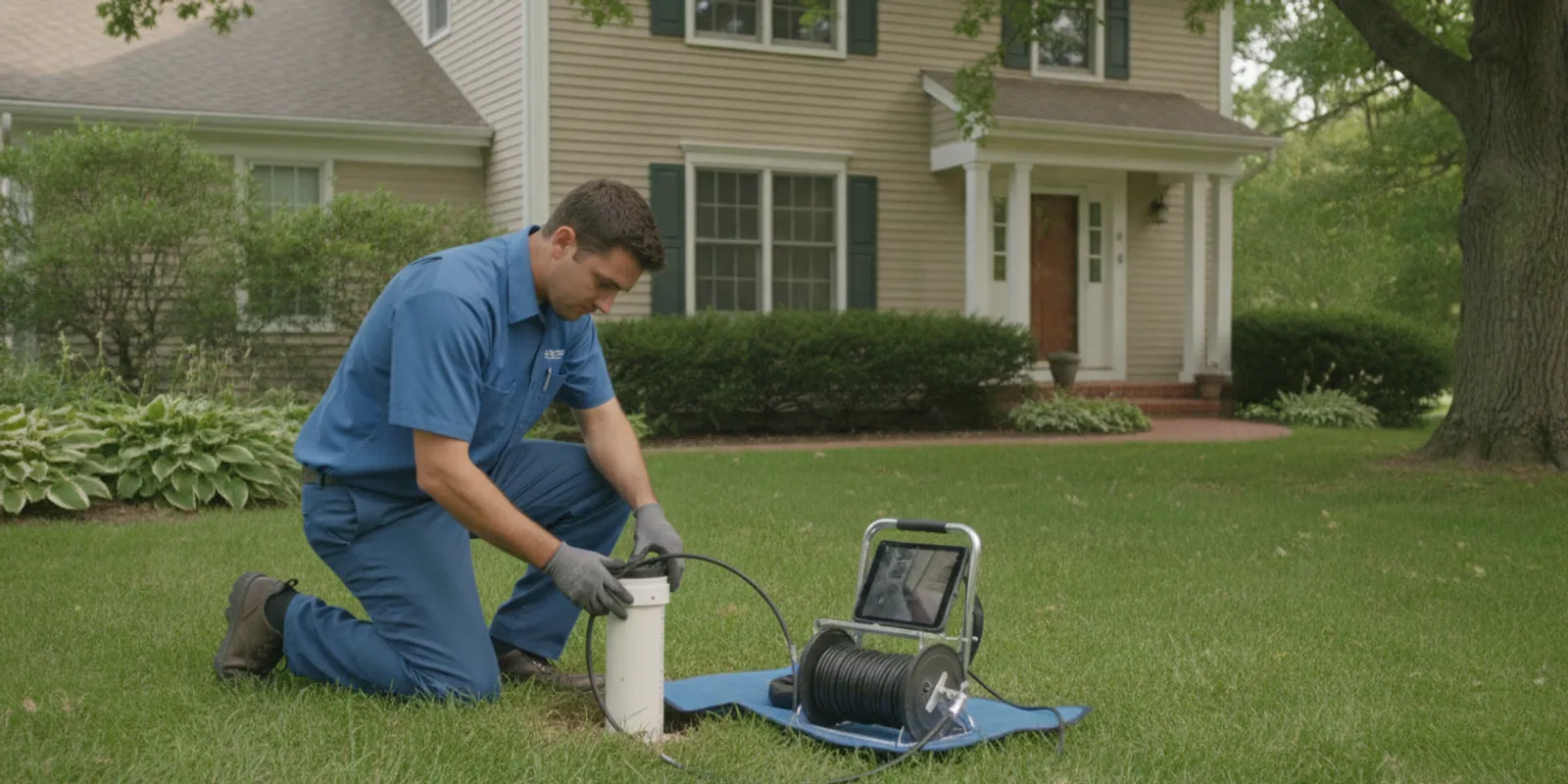
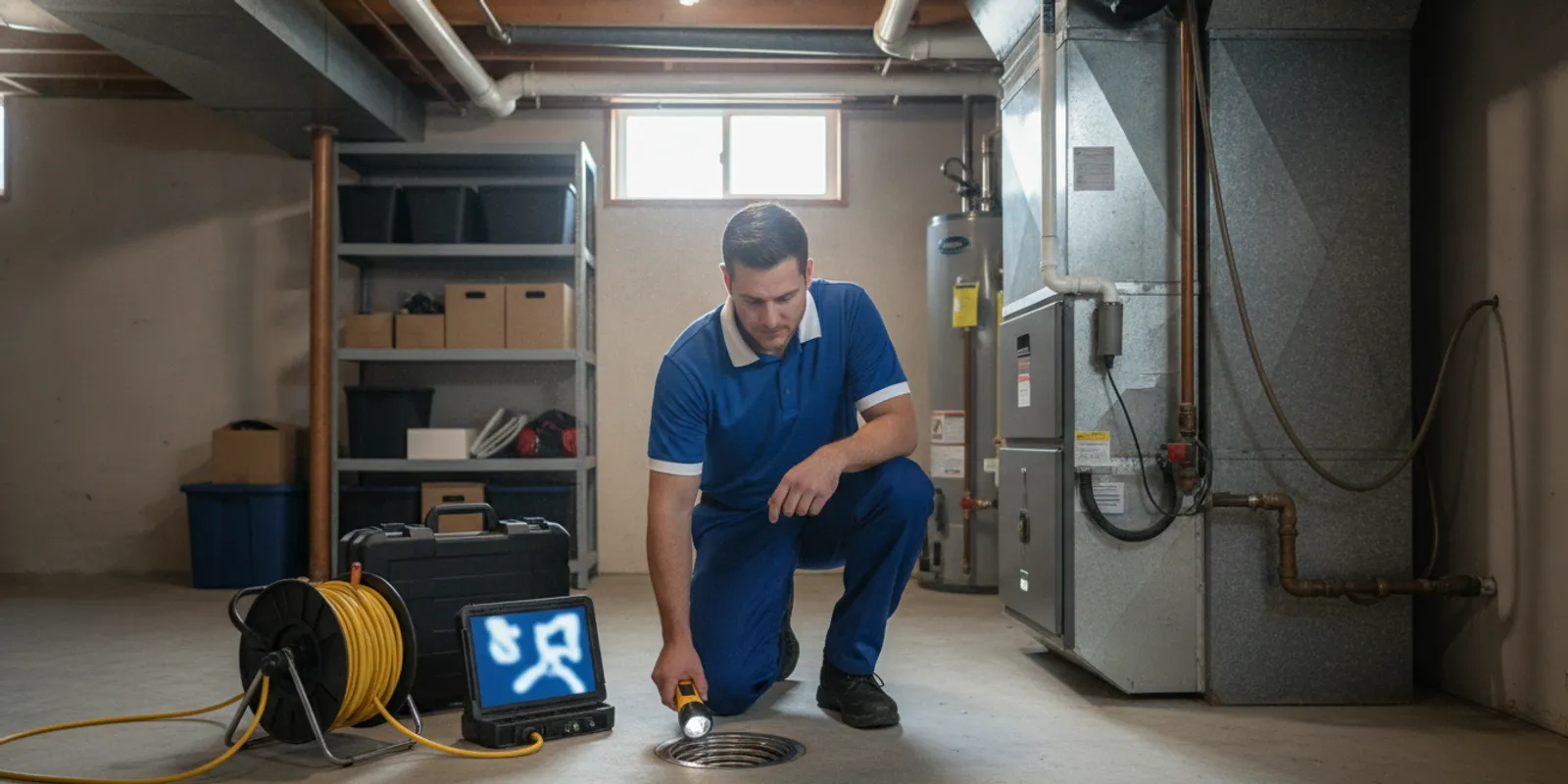
When a faucet in your Ann Arbor home slows to a trickle or stops during a cold spell, it is natural to want water flowing again quickly. The safest answer to how to thaw frozen pipes in Ann Arbor depends on where the ice is, whether the pipe is damaged, and whether water is near electrical equipment. Start by treating the situation as a plumbing service issue, not a reason to apply intense heat or force to a pipe.
Contact Mr. Pipey for help with a frozen pipe
What should you do when you suspect a frozen pipe in Ann Arbor?
A freeze can restrict water flow in a section of pipe that is exposed to cold air or located in a poorly heated area. The affected line may be under a sink, in a basement, crawl space, garage, or near an exterior wall. A faucet that delivers little or no water is a common clue, but the location of the blockage may not be obvious from the fixture.
In Ann Arbor, a period of winter cold can affect different parts of a home in different ways. A heated living space does not guarantee that every pipe route is equally warm; plumbing may pass through an unheated area or close to an outside wall. The building layout, insulation, heating conditions, and the pipe’s position all affect what a technician can observe. This is why the fixture with no flow may be some distance from the section that needs attention.
Pay attention to the pattern rather than trying to pinpoint the ice yourself. If several fixtures on one side of the home are affected but others work, tell the plumber that. If the issue is limited to one faucet, share that as well. These observations help the professional plan an inspection without requiring you to open a wall or handle the plumbing.
Take a calm, cautious approach while arranging an assessment:
- Stop using the affected fixture. Avoid repeated attempts to force flow. Note which fixtures have reduced or no water and whether they share a nearby location.
- Check for signs of leakage without disturbing the pipe. Look for water, damp materials, a bulge, a crack, or an unusual sound. Do not touch a wet area if electrical equipment or wiring may be involved.
- Keep people away from any water near electrical equipment. If there is standing water or a safety concern, do not enter the area; contact an appropriate professional for help.
- Call a plumber if you cannot confidently identify a safe, accessible line or if the pipe may be damaged. A professional can assess the location and choose a controlled response.
If you know the location of the home’s main water shutoff and can reach it safely, ask the plumber whether it should be closed while they are on the way. If water is already escaping, tell the dispatcher. Do not delay a call to search for a valve in an unsafe or inaccessible location. Mr. Pipey provides frozen pipe repair and insulation service; the right response depends on what the technician finds at the property.
For broader winter-weather preparedness, Ready.gov shares general emergency-preparedness guidance. It is not a substitute for a plumbing assessment when a pipe has stopped flowing or appears damaged.
How can you tell whether a pipe is frozen or leaking?
A frozen line often affects one faucet or a group of fixtures served by the same branch. The flow may weaken or stop while nearby fixtures continue to work. A visible pipe may feel very cold, but temperature alone does not confirm where ice is present, and pipes are not always visible. A leak can occur at a joint, along a pipe, or in a concealed area, and it may appear when ice thaws and water pressure returns.
Use the pattern of symptoms to describe the issue to the plumber rather than trying to open a wall or remove a pipe covering. These details can help narrow the assessment:
- Which faucets or fixtures have reduced flow, and which still work normally?
- When did the change begin, and was the home unheated or exposed to a cold draft?
- Is there visible water, a damp ceiling or wall, or a new stain near the affected area?
- Can you see the pipe, or is it behind a cabinet, wall, floor, or ceiling?
- Has the flow changed over time, or has it stopped completely?
A frozen pipe and a leak can occur together. A blockage may conceal a split until the ice melts and water can move again. For that reason, a return of flow is not the only measure of success. A plumber should also consider the condition of the line and nearby connections. If water is showing near a fixture, review Mr. Pipey’s information about plumbing leak assessment and repair, and explain that a freeze may be involved.
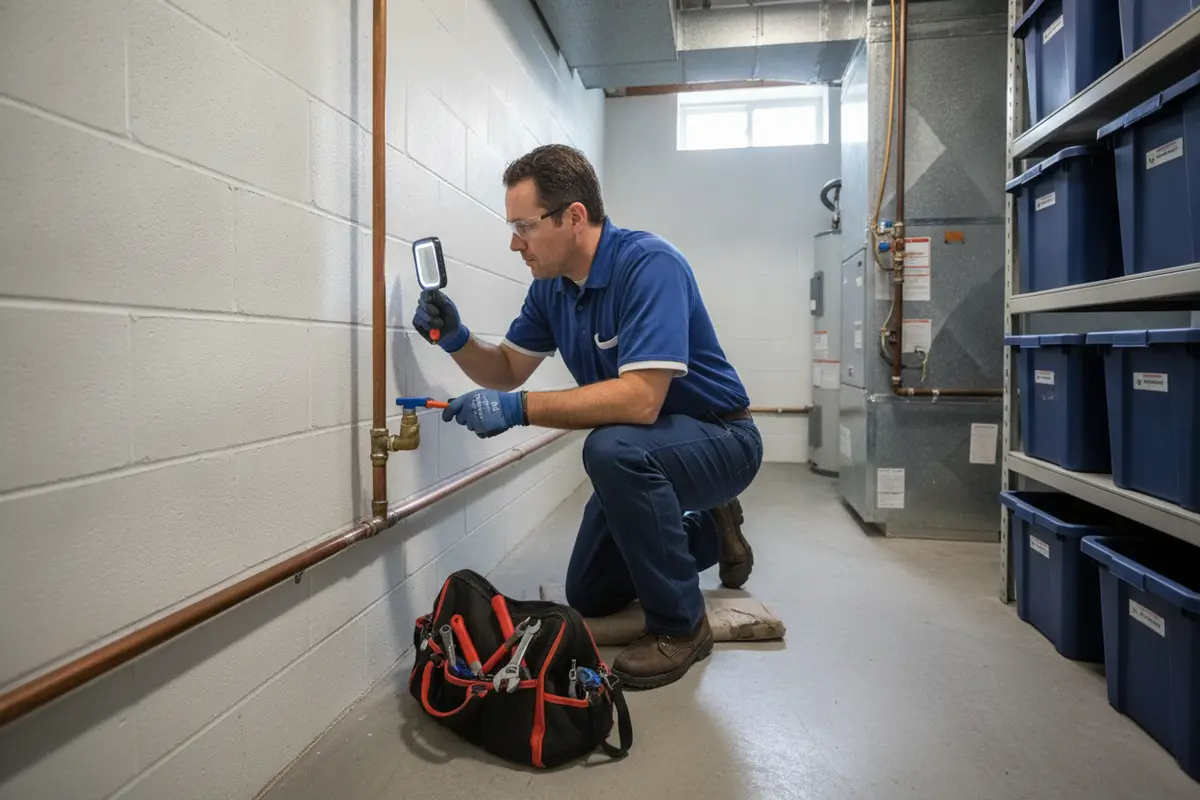
Which thawing methods should homeowners avoid?
The safest choice is not to put a flame, high heat, or an improvised electrical device against a pipe. Open flames and concentrated heat can damage nearby materials or the pipe itself. Electrical equipment is especially hazardous around damp surfaces, plumbing, or standing water. A pipe that looks intact may also be weakened, and heat can make a small defect harder to spot until water pressure returns.
Avoid these responses:
- Do not use a torch, lighter, or other open flame. It can overheat the pipe and nearby building materials.
- Do not use a heat gun, space heater aimed at a pipe, or other high-heat equipment. The temperature can be difficult to control, especially in a confined space.
- Do not use an electrical appliance around water or a wet area. If you are unsure whether a surface or outlet is dry, keep clear and seek qualified help.
- Do not strike, bend, cut, or dismantle the line. Force can turn a blockage into a break or create a larger repair.
- Do not assume a pipe is safe because water starts flowing again. A professional should evaluate suspected damage and check for leakage as conditions allow.
These cautions matter whether the line is exposed or hidden in a cabinet or wall. If you are unsure about the material, location, or condition of a pipe, do not test it by applying heat. A qualified plumber can select a controlled method suited to the property and can look for damage as access and conditions permit.
How does professional frozen pipe thawing work?
A service visit starts with an assessment, not a one-size-fits-all thawing technique. The plumber asks which fixtures are affected, checks accessible plumbing, and considers the pipe’s route and the surrounding conditions. When the line is concealed, pinpointing the restricted section can take more evaluation than when the pipe is visible. The plumber also looks for signs that water has already escaped or that the pipe may be compromised.
The assessment may include comparing the affected fixture with nearby fixtures, examining exposed sections, and looking for moisture or changes in surrounding surfaces. Those observations help the plumber distinguish a likely frozen section from a separate valve, fixture, or leak problem. The professional can explain what is confirmed and what cannot be seen without further access. This distinction is useful before any work is approved: thawing a line and repairing a damaged section are related but not identical tasks.
Access also shapes the plan. A visible pipe may be easier to evaluate than a line routed behind finished materials, while the presence of water or nearby electrical equipment changes what is safe to do in the area. The plumber can discuss the safest practical sequence based on conditions at the home. If a pipe is hidden, ask what evidence points to the suspected location and what additional access would involve. A careful explanation gives you a clearer basis for deciding on the next step without assuming that every frozen-pipe call requires the same repair.
Depending on the findings, the service may involve locating the affected section, choosing an appropriate controlled thawing approach, and observing the line as flow returns. A plumber may need to examine connections or gain access to a concealed section if the symptoms point to a problem there. The scope cannot be determined from a faucet symptom alone; the assessment establishes what can be addressed and whether repair is also needed.
After thawing, checking the area matters. Water pressure returning can reveal a split or failed connection. The technician can discuss the observed condition, the recommended repair if required, and any follow-up that fits the property. A request for emergency plumbing service is appropriate when water is escaping or the situation needs prompt attention. Mr. Pipey offers no overtime or double-time charges for after-hours and emergency calls; ask for the applicable service options when arranging a visit.
For an Ann Arbor property, access and layout influence the work. Pipes can run through finished spaces, utility areas, or locations affected by cold air. A professional can explain what is visible, what remains uncertain, and whether further access is necessary before work proceeds. If the issue involves a water shutoff or a valve that will not operate, the plumber may also need to assess the water valve and its connections.
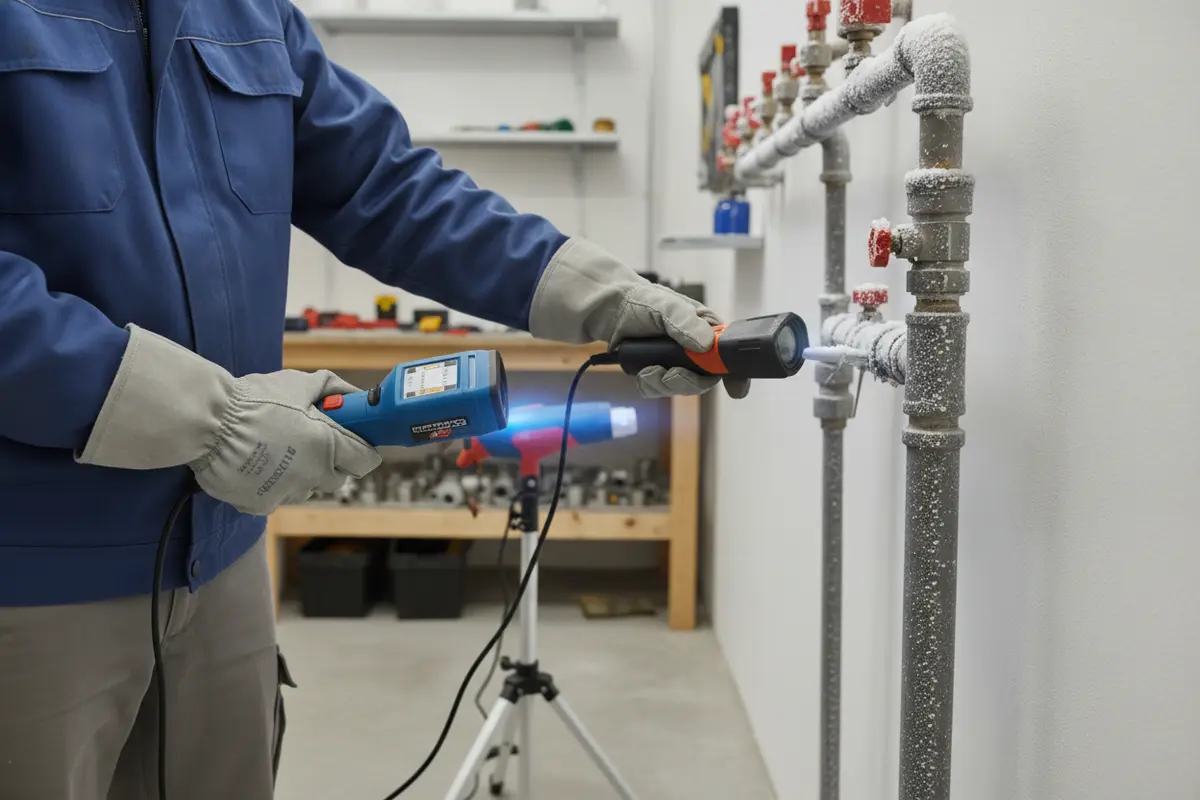
How do frozen-pipe service options compare?
The next step depends on the condition of the pipe and the urgency of the symptoms. The table below is a guide to the kind of decision a plumber may discuss, not a price list or a promise that a particular repair will be needed. The same symptom can lead to different recommendations depending on what is found at the property. A short inspection may confirm an accessible frozen section, while a concealed route or visible leak may require additional diagnosis. Ask the plumber to explain how the findings relate to the proposed work and whether the immediate service can be separated from any optional follow-up.
| Situation | Professional focus | What the homeowner should communicate |
|---|---|---|
| Reduced or stopped flow, no visible water | Locate the likely frozen section and assess whether controlled thawing is appropriate | Which fixtures are affected and when the flow changed |
| Visible water or suspected pipe damage | Address the leak and pipe condition as well as the freeze; discuss repair scope | Where water is present and whether it is spreading |
| Pipe is concealed or access is limited | Evaluate the route and determine what access is needed to diagnose the issue | Where symptoms appear and any known history of the affected area |
| Issue occurs outside regular hours | Discuss urgency, response options, and the work that can be assessed on arrival | Whether water is escaping and any immediate safety concern |
These paths are not interchangeable. A no-flow condition without visible water can still require prompt attention, but it does not automatically mean that a pipe has split. Likewise, a visible leak needs to be reported even if the faucet begins working again. The most useful comparison is between the evidence found, the work proposed to address it, and any remaining uncertainty. Ask for that explanation before deciding on additional work.
Estimates for plumbing work depend on the location, access, observed damage, and repair scope. Before approving work, ask what the assessment found, which parts of the proposed work address the immediate problem, and what remains uncertain. For a more extensive line issue, a plumber may need to distinguish a localized pipe repair from a broader sewer or water-line concern; those are different service scopes. See Mr. Pipey’s information on sewer and drain plumbing if the symptoms involve drainage rather than a water-supply faucet.
What information helps a plumber prepare for a frozen pipe visit?
A concise description helps the service team understand the symptoms and plan the assessment. You do not need to diagnose the blockage. Share what you observed and let the plumber determine what it means. If you can do so without entering a wet or unsafe area, note the room or fixture where the problem is most noticeable. If the symptoms changed between the time you first noticed them and the service call, describe that change. For example, mention whether flow stopped fully, whether another fixture was affected later, or whether you noticed moisture after the initial loss of flow. Do not try to recreate the symptom or run water repeatedly to test the pipe. A clear account of what happened is more useful than an uncertain diagnosis.
- Address and access details: include the best entrance and whether the affected area is in a basement, crawl space, garage, or finished room.
- Fixture pattern: identify which faucets or other fixtures have low or no flow and which still work.
- Leak or damage signs: report water, staining, bulging, or a visible crack; say if the water is near electrical equipment.
- Timing and conditions: note when the symptoms began and whether the home or area was unusually cold or unheated.
- Known plumbing changes: mention recent work or prior issues in the same area, if relevant.
Do not remove panels, cut into a wall, or move heavy items to prepare for the visit. If access is blocked, simply explain what is in the way. A plumber can tell you whether any preparation would help and whether it can be done safely. If the issue seems more like a drain obstruction than a frozen supply line, drain repair service information may help clarify the difference between those concerns.
Request professional frozen-pipe service in Ann Arbor
Frequently asked questions about thawing frozen pipes
Can I use a hair dryer to thaw a frozen pipe?
Do not use electrical equipment near water, damp areas, or plumbing when you cannot confirm conditions are safe. The pipe may also be damaged or inaccessible. A plumber can assess the location and choose a controlled approach rather than relying on improvised heat.
Should I turn off the main water if a pipe is frozen?
It depends on whether water is escaping and whether the shutoff is safely accessible. If you see a leak, tell the plumber when you call and ask what to do. Do not enter an unsafe area or force a valve that will not turn.
Will the pipe be damaged if water starts flowing again?
Not necessarily, but restored flow does not prove that the pipe and its connections are undamaged. A leak may become visible as ice melts and pressure returns. Have a plumber assess any suspected damage or continuing symptoms.
When should I call an emergency plumber?
Call promptly if water is actively leaking, the affected area is near electrical equipment, the pipe appears cracked, or you cannot safely assess the situation. Describe the symptoms and location so the service team can discuss the appropriate response.
Frozen-pipe symptoms do not always reveal where ice or damage is located, so avoid high heat and force. A professional assessment can determine the next step for your Ann Arbor home and help you understand the repair scope before work proceeds.