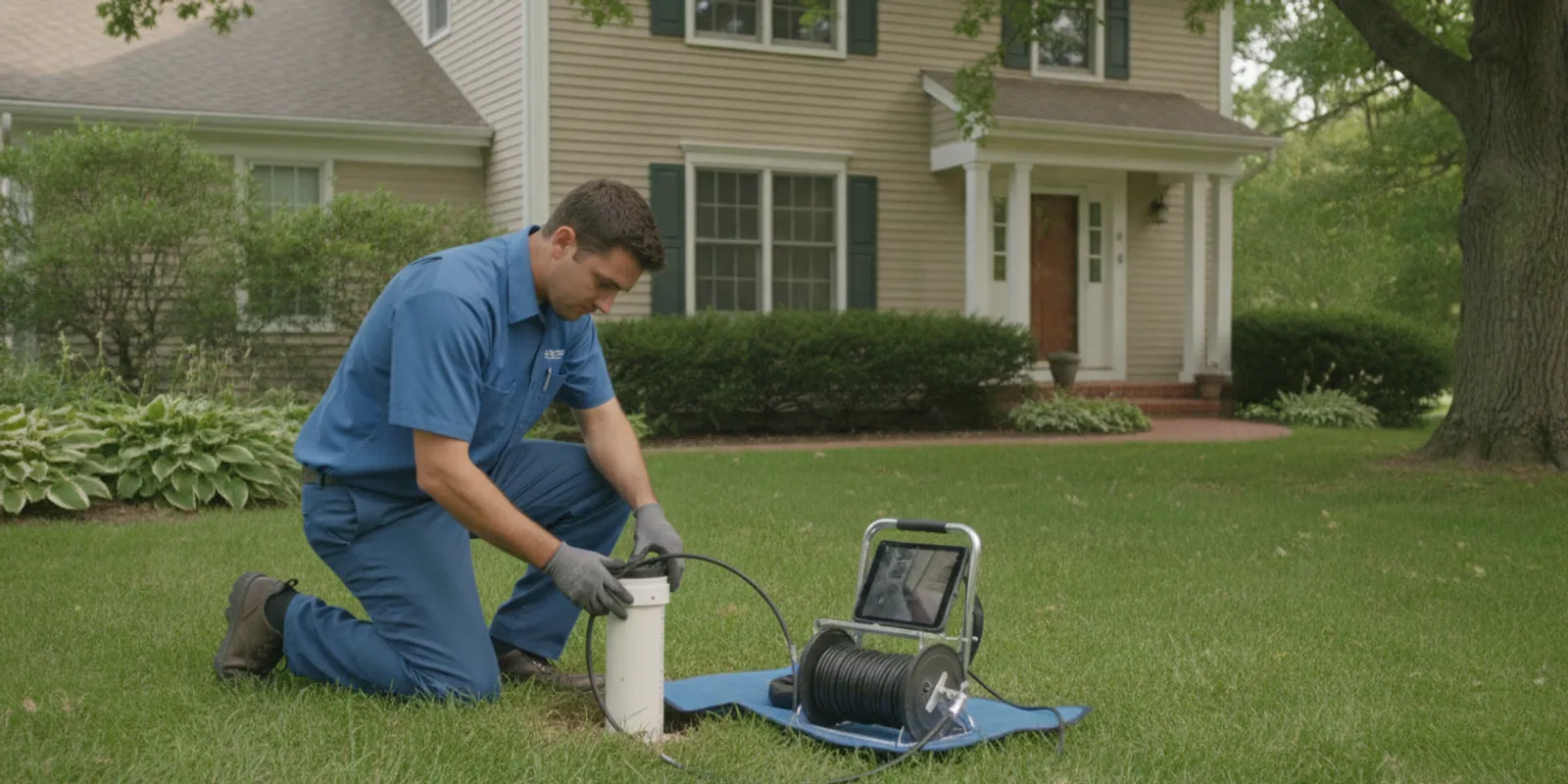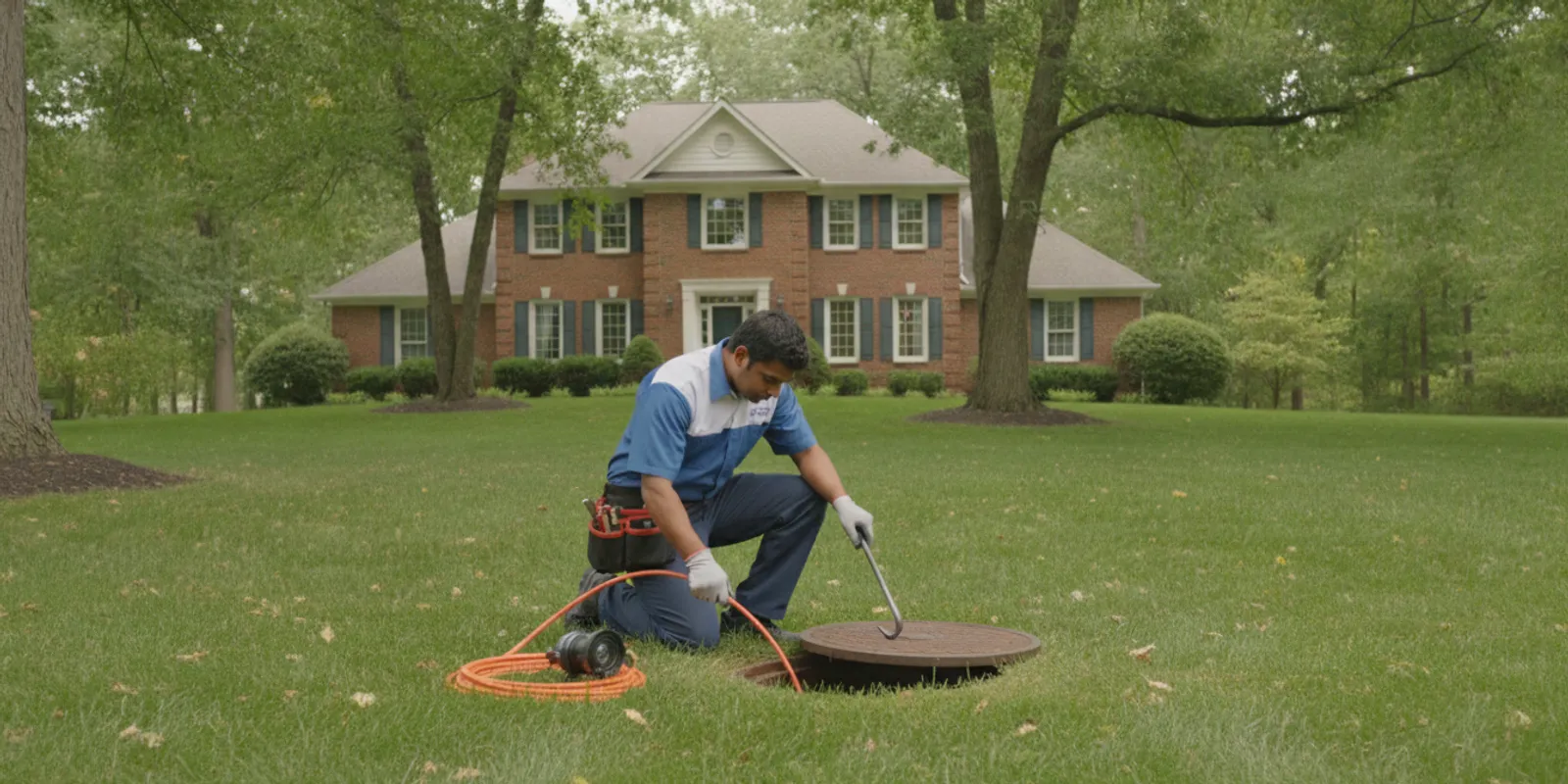
For an Ann Arbor homeowner facing a recurring backup or a sewer-line concern, the practical question is often how much does sewer repair cost in Ann Arbor? There is no reliable single price without knowing what is damaged, where the line runs, and what work the site requires. A clear estimate connects its price to inspection findings, the chosen repair method, and restoration that is included.
Request a professional sewer line assessment
What affects sewer repair cost in Ann Arbor?
The estimate reflects the work needed at a particular property, not simply the fact that a sewer line has a problem. Two homes with similar symptoms may have different causes and different access conditions. A useful assessment separates confirmed findings from assumptions.
- Type and extent of damage: A limited defect may allow a localized repair. A long deteriorated run or a collapsed section can require broader replacement.
- Location and depth: The line may run under lawn, hardscape, a driveway, or near other utilities. Access and protection needs vary with the route.
- Pipe material and condition: The material, dimensions, and state of nearby sections affect which repair methods are technically suitable.
- Access points: Existing cleanouts or other access can affect inspection and work planning. Limited access may change the amount of preparation involved.
- Restoration and site work: Excavation, backfill, cleanup, and restoration of disturbed surfaces should be defined in the proposal rather than presumed.
- Approvals and coordination: Ask whether permits, inspections, utility coordination, or other approvals apply and who is responsible for them.
For instance, a defect beneath an accessible lawn may present a different scope from a similar defect under a paved drive. That does not establish a price by itself: the affected length, depth, pipe condition, and restoration all remain relevant. A camera inspection can help locate visible concerns, but the full plan also depends on site conditions.
For context on the services involved, review sewer and drain service options. Cleaning a drain and repairing a damaged sewer pipe are different scopes, and an estimate should say which one is proposed.
How does a plumber determine the sewer repair scope?
Diagnosis should proceed from symptoms to evidence and then to a defined scope. A backup alone does not show whether the cause is a blockage, a damaged section, or an issue elsewhere in the drainage system. Sharing a concise history helps the professional decide what to inspect.
- Describe the pattern: Note which fixtures are affected, whether several drains act up at once, when the issue began, and whether it recurs after cleaning.
- Review accessible plumbing: The technician can assess relevant drains and available cleanouts. This helps distinguish a fixture or branch-drain issue from a concern farther along the line.
- Inspect the sewer line when appropriate: A camera can show visible conditions and help identify a location for further evaluation. Ask what the inspection does and does not establish.
- Relate the finding to the property: Route, depth, access, nearby surfaces, and any known utility constraints help determine how a repair could be completed.
- Document the recommendation: The written scope should identify the location and extent of work, proposed method, included work, exclusions, and contingencies.
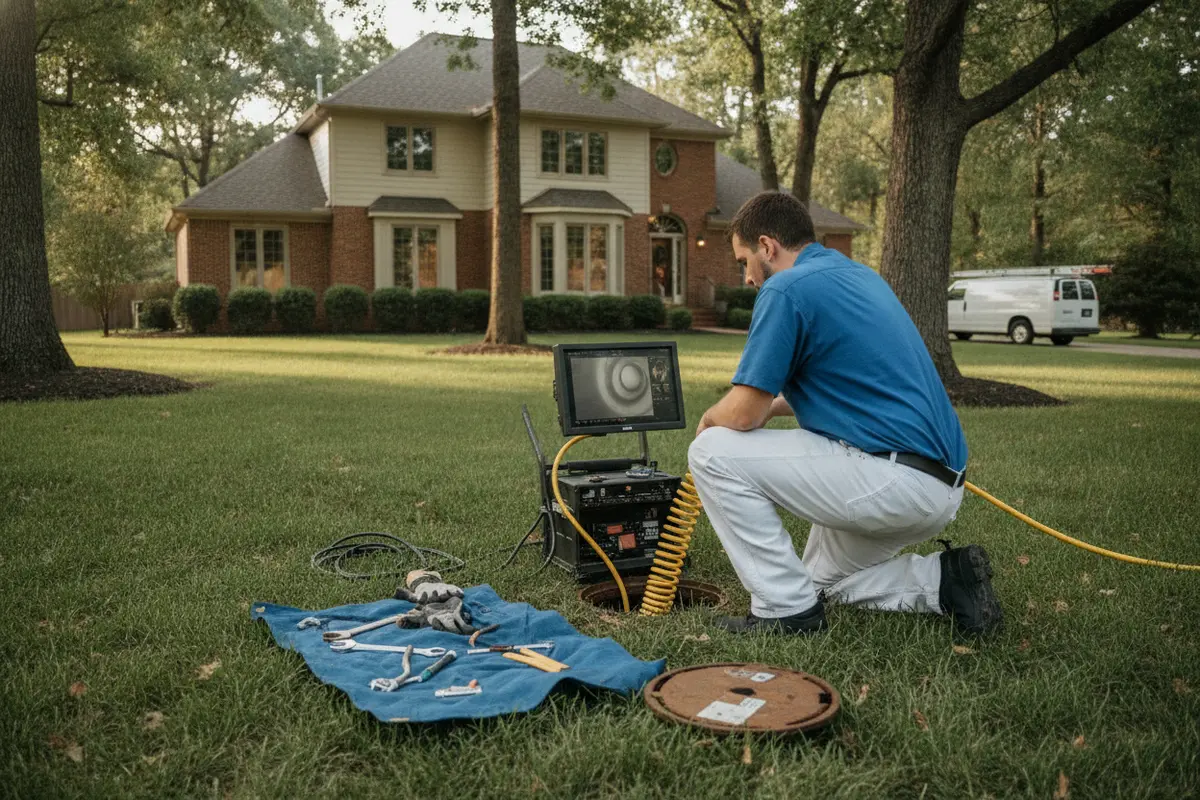
A camera inspection is diagnostic; it is not itself a repair. Ask the plumber to explain what was seen, where it was seen, and whether further access or investigation is needed before the method is selected. Learn about professional sewer camera inspections and how they inform a recommendation.
A practical example: if one fixture drains slowly but other fixtures work normally, a local drain issue may be considered. If multiple fixtures show recurring symptoms, a broader assessment may be appropriate. Neither pattern proves the cause. A professional diagnosis should connect observations to inspection results before recommending a repair or replacement.
How do sewer repair options compare?
The appropriate method depends on the pipe and the site. A proposal should explain why the approach suits the observed condition, rather than treating a particular method as suitable for every property. Compare the work and its conditions, not just the label used for the method.
| Option | When it may be considered | What to clarify in the estimate |
|---|---|---|
| Drain cleaning | An obstruction is suspected and the pipe is suitable for cleaning | What will be cleaned, what the inspection indicates, and whether follow-up diagnosis is needed |
| Localized pipe repair | A limited damaged area can be addressed without replacing the full run | Exact location and length, access requirements, material, and surface restoration |
| Excavation and replacement | The condition or extent of damage calls for removal and replacement of a section or longer run | Length, depth, excavation, new pipe, backfill, approvals, cleanup, and restoration |
| Trenchless repair or replacement | Pipe condition, configuration, and access meet the method’s requirements | Specific method, preparation, eligibility, limits, and what surfaces or access work remain necessary |
Trenchless work may reduce the amount of excavation in suitable conditions, but it is not a universal substitute for digging. The existing pipe must meet the requirements of the method, and access and preparation still matter. Read about trenchless sewer line repair, then ask the plumber to tie the proposed method to the inspection findings at your property.
Cleaning may be a reasonable response when the issue is an obstruction and the pipe is otherwise serviceable. If the evidence points to a crack, offset, or collapse, cleaning does not correct that structural condition. Professional hydro-jetting service may be considered for appropriate cleaning needs, but the method should be selected for the pipe and problem at hand.
What should you compare in sewer repair estimates?
Two proposals are comparable only when they address the same findings and substantially the same work. A lower total may reflect a smaller repair, a different method, or restoration that is not included. Ask each provider to explain assumptions in plain language.
- Diagnosis: Does the estimate identify the observed condition and its location, or is the cause still uncertain?
- Extent: Does it state the length or section to be repaired or replaced?
- Method: Does it name the proposed approach and explain why it fits the pipe and site?
- Preparation and access: Does it explain how the work area will be reached and what access work is included?
- Materials and installation: Does it identify the scope of pipe work and the relevant materials or connections?
- Restoration: Are backfill, cleanup, and repair of disturbed landscaping or hardscape included, excluded, or subject to a separate proposal?
- Approvals and contingencies: Are permit or inspection responsibilities stated? What happens if the actual condition differs from what was visible?
- Completion and testing: Does the scope describe how the completed work will be checked and what documentation will be provided?
Ask for a written explanation if the proposals recommend different approaches. One contractor may propose a localized repair while another describes replacing a longer section. Compare the evidence, expected outcome, and limitations for each scope. If an estimate leaves out restoration, request the cost and responsibility in writing before deciding.
A simple comparison worksheet can make this more concrete. Record the diagnosed location, repair length, method, access work, restoration, approvals, and exclusions for each proposal. If a line is blank, treat it as an open question, not as a confirmed inclusion. This helps avoid choosing by headline amount when the proposals do not cover the same work.
Consider a hypothetical comparison. Proposal A covers a short accessible section and includes backfill, while Proposal B addresses a longer run beneath paved surface but leaves final hardscape restoration outside its scope. The larger total may reflect a larger repair and different surface work, not necessarily a higher charge for equivalent service. Ask each provider to itemize the assumptions, and request clarification about what “restoration” means in practical terms. It may refer to filling an excavation, but not necessarily returning every surface to its prior appearance. Do not assume identical wording means identical deliverables.
Also distinguish a firm scope from a contingency. Conditions that are not visible until excavation may require a decision or revised estimate. Ask how the contractor will communicate a material change, what approval is needed before additional work, and whether any amount is conditional. Understanding that process before work starts can prevent confusion if field conditions differ from the initial assessment.
What makes sewer repair at an Ann Arbor property site-specific?
Local context matters chiefly because each property’s route and surroundings differ. A sewer line may pass under a yard, walkway, driveway, or landscaping. Work near other utilities or structures also calls for careful planning. The relevant details must be confirmed at the site; a city name alone cannot predict the repair method or cost.
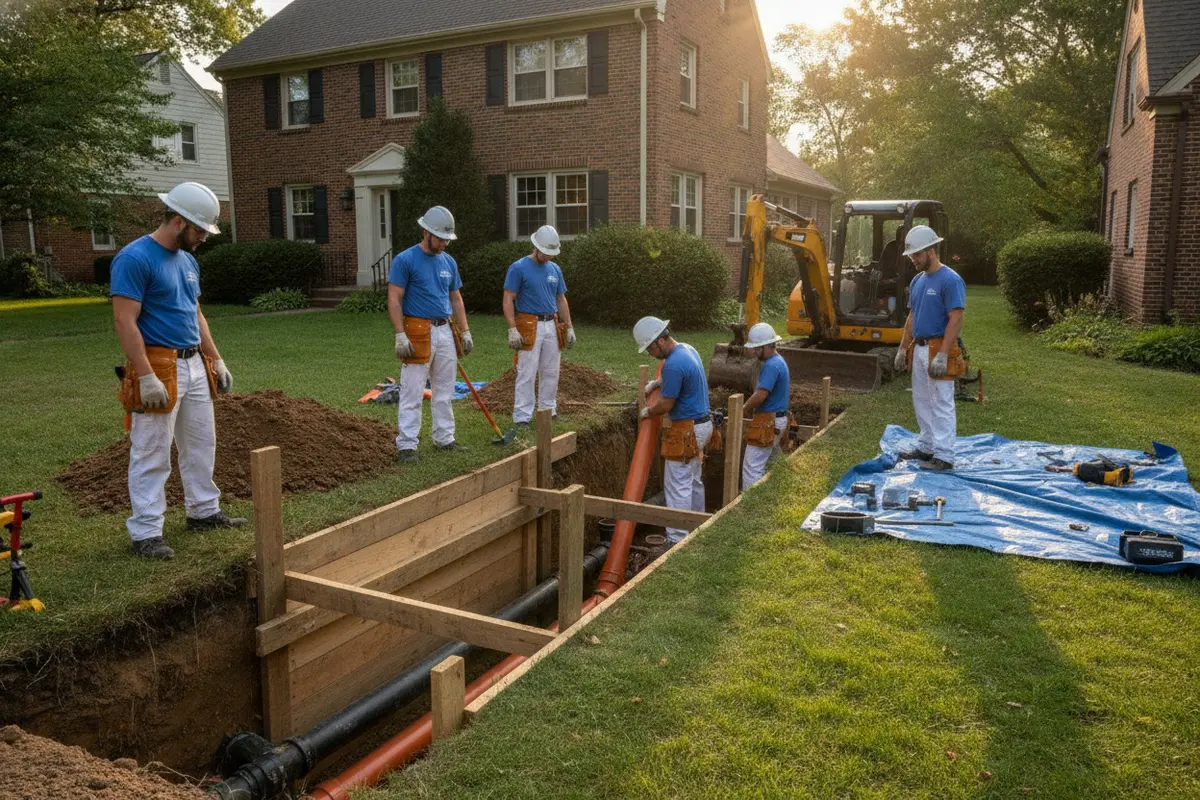
Before work begins, ask how the crew will access the line, what area may be disturbed, and how the site will be left when the work is complete. If surface restoration is excluded, clarify who will arrange it and whether the estimate covers only plumbing work. Discuss any known property features that could affect access, such as paving or established plantings.
Where approvals or inspections may apply, ask the contractor to identify what needs confirmation and who will handle each step. Do not assume that a proposal includes municipal fees or work beyond the stated plumbing scope. Michigan’s Department of Licensing and Regulatory Affairs provides state information on licensing and regulation; confirm any project-specific permit or inspection requirements with the appropriate local authority and your contractor. If the line’s ownership or responsibility boundary is unclear, ask for that question to be addressed before authorizing work.
For homeowners comparing repair approaches, the sewer repair overview for Novi homeowners offers related context, while the property-specific diagnosis remains the basis for a local recommendation.
How can you prepare for a sewer line assessment?
Homeowners do not need to diagnose the pipe before an appointment. A few observations can help the professional focus the visit and make the resulting explanation more useful.
- List which fixtures or drains are affected and whether several are involved at the same time.
- Write down when the symptoms started, how often they return, and whether anything changed after prior service.
- Gather available inspection notes, invoices, or records of earlier sewer work.
- Point out known cleanout locations and any access constraints or paved areas along the suspected route.
- Prepare questions about what the inspection can confirm, what remains uncertain, and whether more investigation is necessary.
During the assessment, ask the technician to distinguish observed facts from possibilities. For example, “the camera showed a visible defect at this location” is more useful than an unexplained general statement that the line needs replacement. Ask for the recommendation in writing, including the alternatives considered and why they may or may not fit.
It can help to organize the conversation into three parts: what is known, what remains uncertain, and what decision is needed now. A visible defect may establish a repair concern, while the extent of deterioration beyond the camera view may remain unknown. The contractor should explain whether the estimate is based on confirmed conditions, an assumed scope, or an allowance for work that may become necessary. Ask whether a follow-up inspection or additional access would materially change the recommendation.
Keep a record of the report, images or video if provided, and the final estimate. When reviewing them later, note whether the scope and location described in the proposal match the inspection explanation. If the wording is unfamiliar, request a plain-language explanation before authorizing work. A clear record also makes it easier to ask a second provider to price the same work rather than a different interpretation of the problem.
If the suggested scope includes a larger replacement, ask what evidence supports its length and whether any unaffected section can remain. If a limited repair is proposed, ask whether nearby pipe condition was evaluated and what symptoms would prompt further investigation. These are reasonable scope questions, not a request for a guaranteed outcome. Clear answers help you understand what the estimate purchases.
For recurring drain symptoms that may be separate from structural sewer damage, review professional drain repair options. If the professional identifies a different leak concern, leak detection and pipe repair information may also help explain the service distinction.
When you receive the estimate, review it with the diagnosis in hand. Confirm the work area, method, inclusions, exclusions, restoration responsibility, and any approvals before authorizing the repair. This process gives you a more dependable basis for understanding the proposed cost than a generic online figure.
Contact Mr. Pipey to discuss a sewer line assessment
Frequently asked questions about sewer repair cost in Ann Arbor
Can a plumber give an exact sewer repair price over the phone?
A call can clarify symptoms and determine what assessment may be appropriate, but the repair scope usually depends on pipe condition, location, access, and restoration. Ask for a written estimate based on findings before comparing totals.
Does trenchless sewer repair always cost less?
No. Suitability, preparation, access, materials, and restoration all affect the proposal. Compare the full scope of viable methods for the particular pipe rather than assuming one approach is always less expensive.
Does a camera inspection include a sewer repair?
No. A camera inspection is diagnostic. The estimate should state separately whether cleaning, repair, replacement, or further investigation is recommended and what each includes.
How can I know whether I need cleaning or pipe repair?
Symptoms alone do not establish the cause. A professional assessment can help determine whether an obstruction or a structural pipe condition is involved and whether the pipe is suitable for cleaning.
What should an estimate say about yard or driveway restoration?
It should identify which areas may be disturbed and whether backfill, cleanup, landscaping, or hardscape restoration is included. Ask for exclusions and separate responsibilities in writing.
To understand sewer repair cost at your Ann Arbor home, start with a diagnosis and compare written scopes that explain the proposed work, site requirements, and restoration.