
Here in Michigan, our homes face unique challenges. The hard water common in our area can cause sediment to build up in your water heater, reducing its efficiency and lifespan. In communities like West Bloomfield, high moisture levels can also accelerate corrosion on your tank and its connections. This guide explains how these local conditions impact your plumbing and what you can do about it. By understanding these specific factors, you can better maintain your system and know what to ask for when you need water heater repair in West Bloomfield, MI. A local expert can provide a solution that truly lasts.
Key Takeaways
- Know the warning signs of failure: Discolored water, rumbling sounds from the tank, or small puddles are clear indicators that your water heater needs attention. Acting on these signs early can save you from a sudden breakdown and costly water damage.
- Weigh the cost of repair against replacement: For newer units with minor problems, a repair is usually the right call. If your heater is over a decade old, requires frequent service, or the repair cost is over half the price of a new one, replacement is the smarter financial move.
- Vet your plumber carefully: A trustworthy professional will always be licensed, insured, and provide clear, upfront pricing before any work begins. Look for a company that also offers a satisfaction guarantee and 24/7 emergency service for your peace of mind.
Is Your Water Heater Failing? Key Warning Signs
Nothing ruins a morning faster than a cold shower. Your water heater often works silently in the background, but it will usually give you a few hints before it decides to quit. Paying attention to these early warning signs can be the difference between a simple repair and a major, basement-flooding headache. Let’s be honest, nobody wants to deal with that kind of surprise.
Knowing what to look for can save you from a sudden cold snap and help you budget for a repair or replacement before it becomes an emergency. Think of it as a quick health checkup for one of your home’s most important appliances. If you spot any of these issues, it’s a good idea to call in a professional to take a look. A small problem today can become a much bigger, more expensive one tomorrow if left ignored. At Mr. Pipey, we handle all kinds of plumbing solutions and can help you figure out the best next step for your home. We’re here to make sure you have reliable hot water when you need it most.
Rusty or Murky Water
If you turn on the hot water tap and get a stream of brownish, murky water, your water heater is sending out an SOS. This discoloration is a classic sign that the inside of your tank is corroding. Over time, this rust can eat through the metal, leading to leaks and eventual tank failure. A quick way to diagnose the issue is to check your cold water. If the cold water runs clear, but the hot water is rusty, the problem is almost certainly inside your water heater. Don’t wait for a leak to appear; this is a clear signal to have a professional assess the tank’s integrity.
Strange Noises from the Tank
Your water heater should be relatively quiet. If you start hearing popping, rumbling, or banging sounds coming from the tank, it’s time to pay attention. These noises are typically caused by sediment buildup. Over the years, minerals from the water settle at the bottom of the tank, creating a hard layer. The heating element then has to work harder to heat the water through this sediment, causing the water trapped underneath to boil and create those strange sounds. This not only makes your heater less efficient but also puts a lot of stress on the tank, which can lead to cracks and leaks over time.
Leaks, Lukewarm Water, or High Bills
Some signs are less subtle than others. A puddle of water around the base of your heater is an undeniable problem that requires immediate action. Even a small, slow leak can cause significant water damage and is often a sign that the tank’s internal structure has failed. If you spot a leak, it’s time to make an emergency plumbing call. Similarly, if your showers are becoming lukewarm or your energy bills are creeping up without explanation, your water heater is likely struggling. It’s working overtime to do its job, losing efficiency and heading toward a complete breakdown.
Considering Your Water Heater’s Age
Like all appliances, water heaters have a finite lifespan. A traditional tank-style water heater typically lasts about 8 to 12 years. If your unit is approaching or has passed the decade mark and is showing any of the signs we’ve discussed, replacement is often a more cost-effective choice than another repair. You can usually find the manufacturing date on a sticker on the side of the tank. Knowing your heater’s age helps you plan ahead for a replacement, allowing you to choose a new unit on your own terms instead of in a panic. If you’re unsure, you can always contact us for an expert opinion.
What to Expect During a Water Heater Repair
When your hot water disappears, calling a plumber can feel stressful. Knowing what to expect during the repair visit can make the process much smoother. The first thing a professional plumber will do is diagnose the problem; they won’t just start taking things apart. This involves a systematic check of your unit to pinpoint the exact cause of the failure. Your technician will likely start by checking the power source, whether it’s the gas pilot light or the circuit breaker for an electric model.
Next, they will perform a visual inspection, looking for obvious signs of trouble like leaks, corrosion, or burn marks. They’ll also listen for any unusual sounds you might have heard, like popping or rumbling, which often point to sediment buildup. Depending on the issue, the diagnostic process might also include testing the thermostat, checking the heating elements for continuity, or examining the pressure relief valve. A trusted plumber will walk you through their findings, explain the problem in clear terms, and provide you with a transparent quote for the repair before any work begins. Many water heater issues feel urgent, so it’s good to know who to call for emergency plumbing when you need it.
Repairing Tank vs. Tankless Heaters
The repair process for your water heater will depend heavily on whether you have a traditional tank model or a modern tankless one. Tankless water heaters are known for being low-maintenance, but they are not immune to issues. While they often last longer than tank heaters, problems like mineral buildup from hard water can clog the system, or an ignitor can fail. Repairing a tankless unit usually involves descaling the interior components or replacing a specific electronic part.
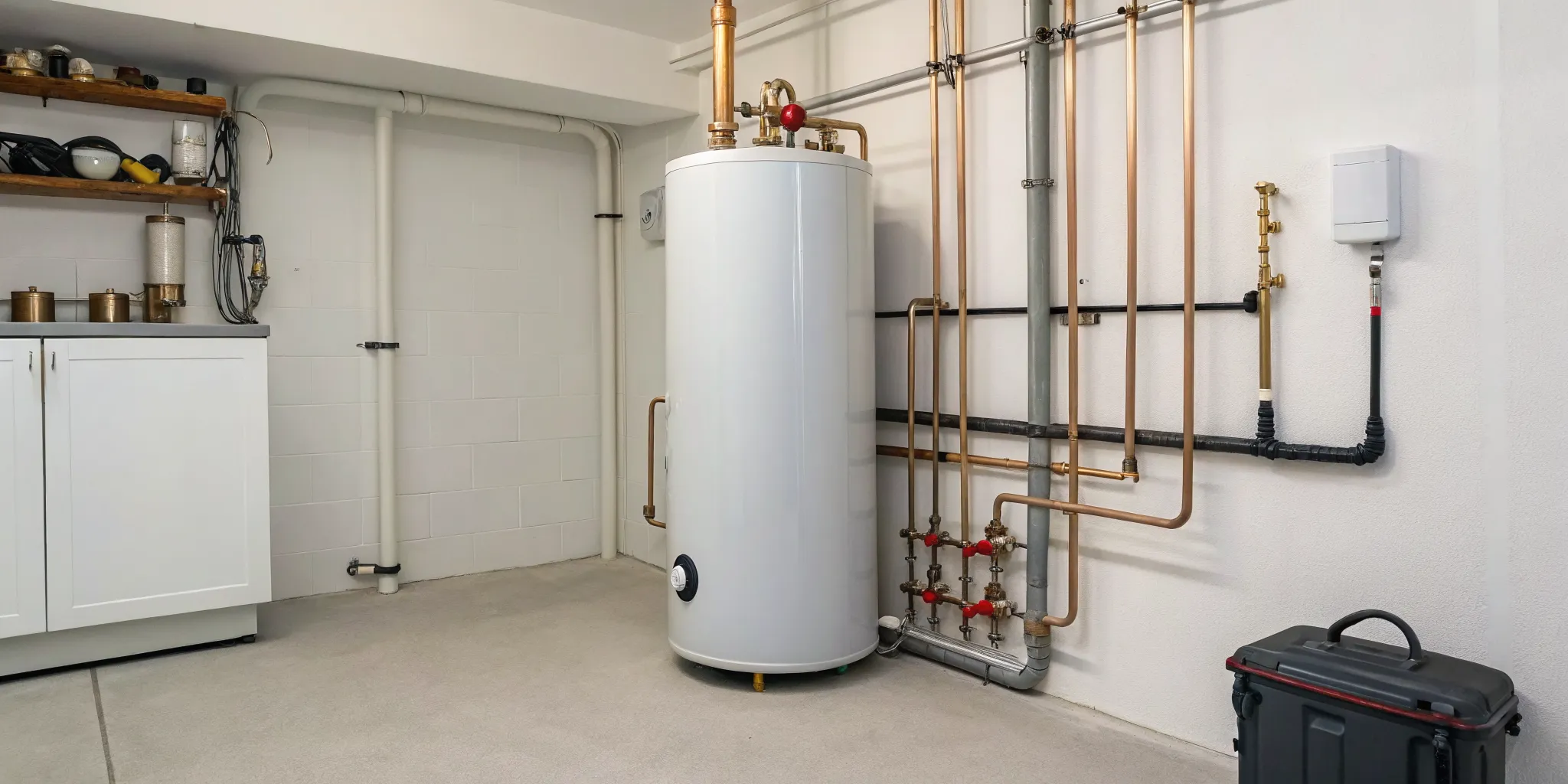
On the other hand, traditional storage tank heaters have their own common repair needs. The most frequent fixes include replacing a burnt-out heating element, swapping a corroded anode rod to prevent tank rust, or fixing a faulty thermostat. Leaks are also a common complaint, often stemming from the temperature and pressure relief valve or the drain valve. A professional plumber will have the right tools and expertise to address issues with both types of systems, ensuring your plumbing services are handled correctly.
The Difference Between Maintenance and an Emergency Call
It’s important to understand that proactive maintenance and reactive repairs are two different things. Regular maintenance is essential for keeping your water heater in good condition, but it does not eliminate the need for an occasional repair service. Think of maintenance as a check-up. It includes tasks like flushing the tank to remove sediment, checking the anode rod for corrosion, and testing the pressure relief valve. This preventative care helps your heater run efficiently and can stop many major problems before they start.
An emergency call happens when something has already gone wrong. You have no hot water, there’s a puddle forming around the tank, or you hear loud, alarming noises. While routine upkeep reduces the likelihood of these scenarios, parts can still fail unexpectedly. Investing in preventative measures, like proper pipe insulation, can also protect your entire plumbing system and reduce the risk of weather-related emergencies, but it’s wise to be prepared for the occasional repair.
How Local Conditions Impact Your Heater
Here in Michigan, our local environment plays a significant role in the health of our home systems, including water heaters. In an area like West Bloomfield, which borders more than a dozen lakes, many homes deal with high moisture levels and dynamic water tables. This constant moisture can accelerate corrosion on the exterior of your water heater tank and its connections. It also puts extra demand on related systems, like your sump pump, which is crucial for keeping your basement dry and protecting your appliances.
Beyond moisture, Michigan is known for its hard water. Over time, minerals like calcium and magnesium build up inside your water heater tank, creating a layer of sediment or scale. This forces your heater to work harder to warm the water, driving up energy bills and eventually causing the tank to overheat and fail. A local plumber understands these specific challenges and can recommend the right solutions, from regular tank flushing to installing a water softener.
Repair or Replace? How to Make the Right Call
Deciding whether to repair your current water heater or invest in a new one can feel like a high-stakes choice, especially when you’re without hot water. The right answer isn’t always obvious and depends on a few key factors: the age of your unit, the type and frequency of problems, and the cost of the repair versus a replacement. Making an informed decision can save you from future headaches and wasted money. As a rule of thumb, if a repair costs more than 50% of a new unit, replacement is usually the smarter long-term investment. A trusted plumber can give you a clear diagnosis and help you weigh the pros and cons for your specific situation.
When to Choose Repair
Opting for a repair is often the best choice for newer water heaters (less than 10 years old) or when you’re facing a minor, one-off issue. Problems like a faulty thermostat, a bad heating element, or a leaking pressure relief valve are typically straightforward and affordable to fix. If your water heater has been reliable up until now, a simple repair can get it back in working order without the major expense of a full replacement. Our technicians arrive ready to diagnose the problem and can often handle an emergency repair in a single visit, restoring your hot water quickly and efficiently.
When to Choose Replacement
Replacement becomes the more logical option when your water heater is nearing the end of its typical 10 to 15-year lifespan. If you find yourself calling for frequent repairs, it’s a sign that the unit is failing, and those small repair bills will quickly add up. A major leak from the tank itself is another clear signal that it’s time for a new heater, as this is not something that can be repaired. An older, inefficient unit that is driving up your energy bills is also a strong candidate for replacement. We can help you get a professional opinion and determine if a new, more efficient model is the most cost-effective solution for your home. Mr. Pipey’s professional water heater services provide expert diagnosis and replacement options tailored to West Bloomfield homes.
Common Myths That Cost You Money
A few common misconceptions can lead to poor decisions about your water heater. One myth is that a brand-new unit is immune to problems; while less likely, even new systems can have issues. Another is that tankless water heaters are repair-free. While they are durable, they still require maintenance and can experience problems. Finally, many people assume a manufacturer’s warranty covers 100% of repair costs. In reality, most warranties cover parts but not the labor to install them. At our family-owned business, we believe in transparency and will always explain the full scope of work and costs upfront so you can make the best choice.
Understanding Water Heater Repair Costs
Let’s talk about the part everyone worries about: the cost. When your water heater acts up, it’s easy to imagine your bank account draining. But understanding the potential costs can help you make a clear-headed decision without the stress. The final price tag depends on whether you need a simple fix or a full replacement, but the good news is that many common issues are more affordable to solve than you might think.
We believe in transparent pricing and helping you find the most cost-effective solution. Whether it’s a quick repair or a new installation, our goal is to provide long-lasting workmanship that fits your budget. We’ll walk you through the options so you can feel confident in your choice.
What to Budget for Common Repairs
It’s a common myth that every water heater problem equals an enormous bill. In reality, many issues are relatively minor. A faulty thermostat, a worn-out heating element, or a malfunctioning pressure relief valve are frequent culprits that can often be fixed without replacing the entire unit. These types of emergency plumbing services are designed to get your hot water running again quickly and affordably. Addressing these smaller problems promptly not only restores your comfort but also extends the life of your water heater, preventing a minor hiccup from turning into a major expense down the road.
The Cost of a Full Replacement
Sometimes, a replacement is the most practical choice, especially if your unit is old and inefficient. In Michigan, you can generally expect a new water heater installation to cost between $1,600 and $7,500. The price varies based on the type of heater and the complexity of the installation. A traditional 40- or 50-gallon tank model usually falls in the $1,600 to $4,000 range, while a modern tankless heater might cost between $2,500 and $6,000. While the upfront investment is higher, a new, energy-efficient water heater can lead to significant savings on your monthly utility bills.
Exploring Warranties and Financing
Before you schedule a repair, take a moment to check your water heater’s warranty. Many people forget that their unit might still be covered by the manufacturer, which could save you a lot of money on parts. You can usually find this information on a sticker on the side of the tank. It’s also important to ask your plumbing company about their own guarantees. As a family-owned business, we stand by our work and are proud of the trust we’ve built, which you can learn more about on our About Us page. Don’t hesitate to ask about warranties on both parts and labor, as this is a key sign of a reputable professional.
How to Find a Plumber You Can Trust
When your water heater acts up, the last thing you need is the added stress of finding a reliable professional. A great plumber does more than just fix the problem; they provide peace of mind with their expertise, transparency, and commitment to quality work. Knowing what to look for can help you sort through the options and choose a plumber who will treat your home with the care it deserves.
Finding a partner you can rely on for plumbing issues involves checking a few key things. You’ll want to confirm their credentials, understand their pricing structure, and see how they approach customer care. Think of it as building a long-term relationship for the health of your home’s plumbing system. Here are the essential steps to finding a plumber in West Bloomfield you can truly trust.
Look for Licenses, Insurance, and Guarantees
First things first: any plumber you consider should be fully licensed and insured. This is non-negotiable. A license proves they have the training and knowledge required by the state, while insurance protects you and your property in the unlikely event that something goes wrong during the repair. Don’t be shy about asking for proof of both. A reputable company will be happy to provide it.
Beyond the basics, look for a company that stands behind its work with a satisfaction guarantee. When a plumber guarantees their repairs, it shows they are confident in their skills and committed to getting the job done right. As a family-owned business, we believe in treating every client’s home as if it were our own, and our work reflects that commitment.
Insist on Clear Pricing and Emergency Service
No one likes a surprise on their final bill. A trustworthy plumber will always provide clear, upfront pricing before starting any work. You should receive a detailed estimate that outlines the cost of labor and parts, so you know exactly what to expect. This transparency is a hallmark of a professional who respects their customers and their budget.
Plumbing problems rarely happen at a convenient time. A burst pipe or a failing water heater can quickly become an emergency, which is why 24/7 availability is so important. Look for a company that offers round-the-clock emergency plumbing services. For reliable water heater repair in West Bloomfield, Mr. Pipey offers upfront pricing and emergency service when you need it most.
Proactive Tips to Prevent Future Repairs
A great plumber doesn’t just solve the immediate issue; they help you prevent future ones. Once the repair is complete, ask them for advice on how to maintain your water heater and other plumbing fixtures. Simple actions, like scheduling an annual water heater check-up, can extend the life of your unit and prevent costly breakdowns down the road.
They can also teach you to recognize early warning signs of trouble, such as strange noises or small leaks. By being proactive, you can catch minor issues before they become major headaches. A plumber who is willing to share their knowledge is a true partner in maintaining your home. They should be able to offer a wide range of plumbing solutions to keep your system running smoothly for years to come.
Related Articles
- 6 Signs You Need Water Heater Repair Now
- When to Call a Plumber for Water Heater Repair
- 7 Signs You Need an Emergency Plumber Now
- How to Repair an Instant Water Heater: A DIY Guide
Frequently Asked Questions
How can I tell if a water heater problem is a simple fix or if I need to call a professional? While you can safely check for a tripped circuit breaker or a pilot light that has gone out, most other issues require a professional. If you see any water leaking, hear loud rumbling or popping sounds, or notice rusty water, it’s best to call for help. These are often signs of a more complex problem, and attempting a repair without the right training can be unsafe and may lead to bigger, more expensive damage.
My water heater is over 10 years old. Should I automatically replace it even if it seems to be working fine? Not necessarily, but you should definitely start paying closer attention to it. A water heater’s age is a major factor in its reliability. If your older unit is running quietly and efficiently, a professional inspection can confirm if it’s still in good shape. However, if it starts showing any signs of trouble, like inconsistent temperatures or a slow leak, replacement is almost always the more cost-effective choice in the long run.
What is the most important maintenance I can do to make my water heater last longer? The single best thing you can do, especially here in Michigan, is to have the tank flushed annually. Our hard water causes mineral sediment to build up at the bottom of the tank, which forces the heating element to work much harder and can cause the tank to overheat and crack. Flushing this sediment out improves efficiency, lowers your energy bills, and significantly reduces stress on the unit.
Is a small puddle of water around my water heater really a big deal? Yes, any leak, no matter how small, should be treated as a serious issue. A puddle is often a sign that the internal tank has started to corrode and fail, which is a problem that cannot be repaired. Ignoring it can lead to a sudden and catastrophic leak that causes major water damage to your basement and belongings. If you see water, it’s time to make an emergency call.
Why do plumbers in Michigan talk so much about hard water? We focus on it because it’s one of the leading causes of premature water heater failure in our area. The high mineral content in our water creates a layer of scale inside the tank. This buildup acts as a barrier between the heating element and the water, forcing your heater to use more energy and eventually causing it to break down. A local plumber understands this specific challenge and can offer solutions to protect your appliance.