
Living in Michigan means our homes face unique challenges, from freezing winter temperatures that threaten our pipes to beautiful, mature trees whose roots can wreak havoc on underground lines. Your sewer system is no exception. As a family-owned company that has served this community for years, we’ve seen it all. We understand the specific issues that West Bloomfield homeowners face because we’re your neighbors. This guide is our way of sharing that experience with you, offering honest advice on how to spot, solve, and prevent sewer problems. When you need a partner you can trust, knowing who to call for expert sewer repair West Bloomfield MI makes all the difference.
Key Takeaways
- Listen to your home’s warning signs: Gurgling drains, foul smells, and multiple slow fixtures are early signals of a sewer problem. Addressing these issues quickly with preventative care, like regular inspections, can help you avoid a messy and expensive backup.
- Know your responsibilities as a homeowner: You are responsible for the sewer line from your house to the main public connection. It’s also important to check if your insurance covers sewer backups and to understand your repair options before making a decision.
- Find a trustworthy plumber before an emergency: A reliable company will be licensed, offer clear pricing after a proper camera inspection, and provide a satisfaction guarantee. Make sure they have 24/7 emergency availability so you know exactly who to call when you need help fast.
Do You Need Sewer Repair? Watch for These Warning Signs
Your home’s sewer line is one of those out-of-sight, out-of-mind systems you don’t think about until something goes wrong. But when it does, the problems can be messy and expensive. The good news is that your plumbing often gives you little hints before a major disaster strikes. Learning to spot these early warning signs can save you a lot of stress and money down the road. If you notice any of the following issues around your home, it might be time to call in a professional for a sewer inspection. Ignoring them can lead to sewage backups, property damage, and costly emergency repairs. Paying attention to your pipes is the first step in protecting your home.
Slow Drains and Gurgling Noises
A single clogged sink is usually just an isolated problem, but if you notice multiple drains in your house are slow, you might have a bigger issue. Pay attention to what happens when you use your plumbing. Does your shower drain gurgle when you flush the toilet? Does the kitchen sink take forever to empty? These are classic signs of a blockage in your main sewer line. The gurgling sound is caused by trapped air being forced through the water in your drainpipes. It’s a clear signal that your home’s wastewater is having trouble flowing away. While a chemical drain cleaner might offer a temporary fix for a small clog, it won’t solve a main line obstruction and can even damage your pipes. When you hear these noises, it’s best to get a professional opinion on your plumbing services.
Unpleasant Odors Around Your Home
You should never smell sewage in or around your home. Your plumbing system is designed to be airtight, with vents that direct sewer gases safely out through your roof. If you start noticing a foul, rotten-egg odor in your basement, bathrooms, or even in your yard, it’s a major red flag. This smell often means there’s a crack or break in your sewer line that is allowing gas to escape. Not only is the odor unpleasant, but sewer gas can also contain harmful bacteria and gases like methane. Don’t just try to mask the smell with air fresheners. It’s a clear sign that your sewer line is compromised and needs immediate attention. When you smell something off, it’s time to contact a professional right away.
Sewage Backups and Soggy Spots in the Yard
A sewage backup is one of the most stressful and unpleasant plumbing problems a homeowner can face. If wastewater starts coming back up through your floor drains, showers, or toilets, you have an emergency on your hands. This happens when the main sewer line is so severely clogged that the sewage has nowhere else to go but back into your house. Another, more subtle sign can appear in your yard. If you notice a patch of grass that is suddenly much greener and more lush than the surrounding area, or if you find soggy, indented spots, your sewer line could be leaking underground. Tree roots are a common culprit, as they seek out the water and nutrients inside the pipe, causing blockages and breaks. These situations require immediate emergency plumbing services to prevent further damage.
Bubbling Toilets or Problems with Multiple Drains
Your toilet can tell you a lot about the health of your sewer line. If you see air bubbles rising in the toilet bowl, especially when it’s not in use, it’s a sign of a pressure issue in the drainpipes. This often happens when you’re using another water appliance, like a washing machine or shower. The large volume of water entering the system can push trapped air back up through the toilet. A bubbling toilet is an early sign of a big problem, indicating that a clog is forming and preventing air from venting properly. If you ignore it, you’ll likely face a full-blown backup soon. If your toilet is acting strange, it’s a good idea to look into professional toilet repair to diagnose the underlying cause.
Who Is Responsible for the Sewer Line?
When a sewer line backs up, one of the first questions homeowners ask is, “Who has to fix this?” It’s a valid question, and the answer can feel a little confusing. In West Bloomfield, the lines of responsibility are clearly defined between you and the township. Understanding your role is the first step in getting the problem solved quickly and correctly. Let’s break down what you need to know about your property’s sewer line and who is responsible for its upkeep.
Township vs. Homeowner Responsibilities
In West Bloomfield, the rule is simple: you are responsible for the sewer line that runs from your house to the point where it connects with the main public sewer line. This private portion of the pipe is often called the sewer lateral. Any clogs, breaks, or maintenance needed on this line fall to you, the homeowner. The West Bloomfield Township is very clear on this, stating, “The Township does not clean private sewer lines.” This means if you have a backup that originates in your lateral line, it’s your job to call a professional plumber for help.
What Your Private Sewer Line Entails
Your responsibility doesn’t stop at the sewer pipe itself. It extends to other critical parts of your home’s plumbing infrastructure, like the water meter. If your water meter freezes or is damaged because it wasn’t properly protected, you are liable for the repair or replacement costs. This is why proactive maintenance is so important. Taking steps like adding pipe insulation can prevent costly damage from frozen pipes and meters during Michigan’s harsh winters. Think of it as protecting your investment and avoiding a future plumbing emergency.
Does Homeowners Insurance Cover Sewer Damage?
This is a question we hear all the time, and it’s a crucial one. Unfortunately, many standard homeowners insurance policies do not automatically cover damage from a sewage backup. This type of coverage is often sold as a separate add-on or endorsement. It’s essential to pull out your policy and read the fine print or call your insurance agent to confirm what is and isn’t covered. You should specifically ask about “water backup” or “sewage backup” coverage. Finding out you have a gap in your policy after an emergency plumbing event is a stressful and expensive surprise you can easily avoid.
Your Sewer Repair Options
Once you suspect a sewer line problem, the next step is figuring out the best way to fix it. Thankfully, you have several options, ranging from routine cleaning to full-scale replacement. The right solution depends entirely on what’s happening inside your pipes. Our sewer repair services begin with a thorough diagnosis. A professional plumber can diagnose the issue and walk you through the most effective and cost-efficient path forward. Understanding these options ahead of time will help you feel more confident when you make the call. From simple clogs to major breaks, here are the most common approaches to sewer repair.
Emergency Sewer Services
Some sewer problems simply can’t wait until morning. A sewage backup, for instance, poses a health risk and can cause extensive water damage to your home and belongings. When you’re facing a crisis like this, you need a plumber who offers prompt and reliable help. Having access to 24-hour emergency plumbing services is essential for any homeowner, giving you peace of mind that a professional is ready to respond day or night. An emergency team can quickly contain the situation, diagnose the underlying cause, and begin repairs to prevent further damage and restore safety to your home.
Sewer and Drain Cleaning
If your drains are running slow or you’re dealing with minor, recurring clogs, a professional cleaning might be all you need. Over time, things like grease, soap scum, hair, and other debris build up inside your pipes, restricting water flow. While you might be tempted to use a chemical drain cleaner, these can damage your pipes and often provide only a temporary fix. Professional sewer and drain cleaning is a safer and more effective way to clear out blockages and keep your plumbing system healthy. It’s a great maintenance step to prevent bigger problems down the road.
Hydro Jetting
For stubborn blockages that regular snaking can’t clear, hydro jetting is an incredibly effective solution. This method uses a high-pressure stream of water to blast away years of accumulated sludge, grease, and even invasive tree roots from the inside of your pipes. Think of it as pressure washing for your sewer line. This advanced technique, known as hydro jetting, doesn’t just poke a hole through the clog; it thoroughly cleans the entire pipe diameter, restoring it to a near-original condition and helping to prevent future backups.
Video Camera Inspections
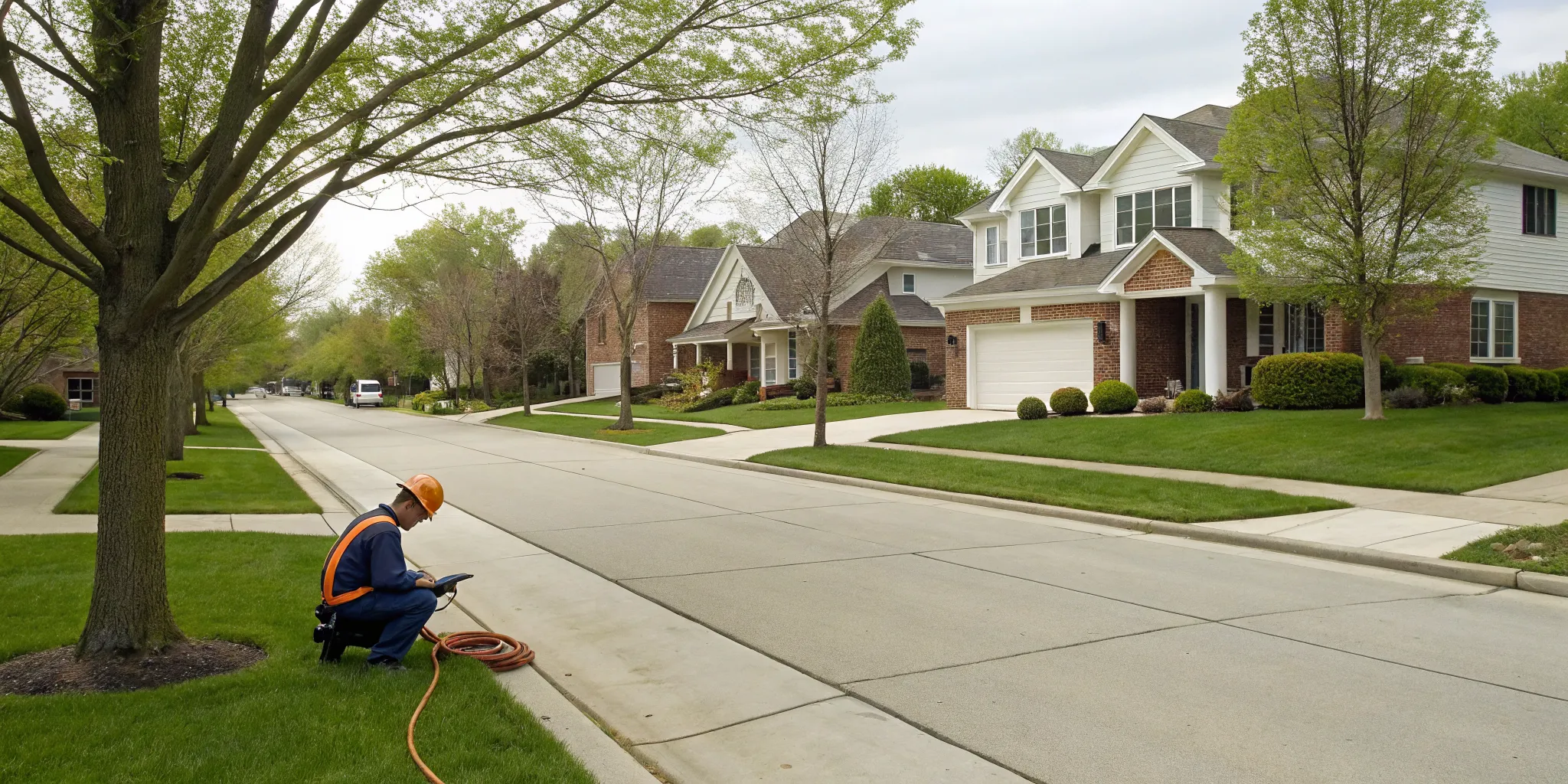
Before starting any major repair, a plumber should perform a video camera inspection. This is the best way to get a clear look at what’s really going on inside your sewer line without any guesswork. A small, waterproof camera is fed through your pipes, sending a live video feed back to a monitor. This process allows a technician to pinpoint the exact location and cause of the problem, whether it’s a crack, a collapse, or a tree root intrusion. A professional sewer camera inspection ensures the repair is targeted and efficient, and it helps provide an accurate estimate for the work needed.
Sewer Line Repair and Replacement
If a camera inspection reveals significant damage, like a collapsed, bellied, or severely cracked pipe, a repair or full replacement will be necessary. This is a more involved process, but it’s the only way to permanently solve major structural issues with your sewer line. Depending on the extent of the damage and the location of the pipe, your plumber may recommend either a traditional excavation or a trenchless repair method. In West Bloomfield, the average sewer line replacement cost can range from a couple to several thousand dollars, so getting a detailed quote is an important first step.
Trenchless vs. Traditional Repair: Which Is Right for You?
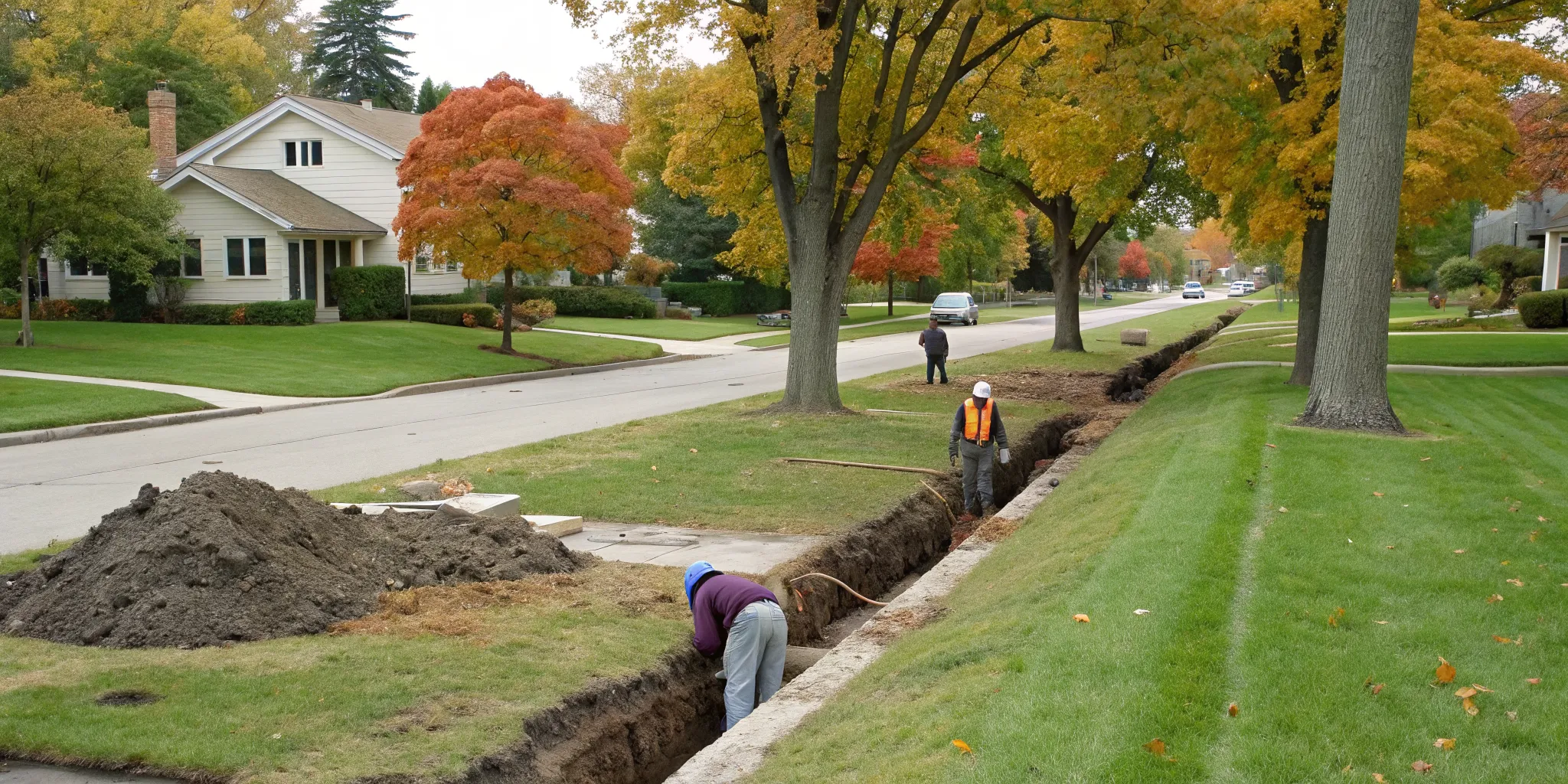
When you find out your sewer line needs work, one of the first questions you’ll have is about the repair process itself. The two main approaches are traditional and trenchless repair, and each has its place. Traditional repair involves digging a trench along the sewer line to access and replace the damaged section, while trenchless sewer line repair allows us to fix the pipe with minimal digging. It’s effective but can be disruptive to your yard, driveway, and landscaping.
Trenchless repair, on the other hand, is a newer method that fixes pipes from the inside out, requiring little to no digging. If you’ve heard a plumber mention “trenchless,” you might be wondering if the no-dig approach is worth it. The right choice depends entirely on your pipe’s condition, its location, and your budget. A thorough sewer line repair and replacement plan always starts with a professional diagnosis to see which method is the best fit for your home.
How Trenchless Repair Works
Trenchless sewer repair is a game-changer for fixing underground pipes without turning your yard into a construction zone. Instead of digging a large trench, our technicians access the pipe through small entry points. From there, we can use techniques like pipe lining, where a new, durable liner is inserted into the old pipe, sealing cracks and creating a smooth, new surface. The first and most critical step is always a professional video camera inspection to confirm which method will work for your pipe. In Michigan, trenchless repairs can save you the major headache and cost of re-landscaping your property after the job is done.
When Traditional Digging Is Unavoidable
While trenchless technology is an incredible solution for many issues, it isn’t a silver bullet for every sewer problem. Sometimes, good old-fashioned digging is the only way to ensure a permanent fix. For example, if your sewer line has completely collapsed or has a significant “belly” (a sag where waste and water collect), a trenchless liner won’t solve the underlying structural problem. In these cases, excavation is necessary to properly regrade the pipe and guarantee it functions correctly for years to come. We’ll always give you an honest assessment and explain why a traditional repair might be the most reliable option for your specific situation.
Comparing Costs and Timelines
When you’re weighing your options, cost is a huge factor. The average traditional sewer line replacement in West Bloomfield can range from about $2,400 to $3,500, though complex jobs can cost more. Trenchless repair often has a higher upfront price, typically starting around $4,000 for residential projects. However, it’s important to look at the total cost. With traditional repair, you also have to budget for restoring your lawn, driveway, or patio. Those secondary costs can add up quickly, sometimes making trenchless the more cost-effective choice in the long run. Plus, trenchless repairs are usually completed much faster, often in a day or two, minimizing disruption to your life. To get a clear picture of what your project will involve, it’s best to get a personalized estimate.
How Much Does Sewer Repair Cost in West Bloomfield?
Let’s talk about the number one question on every homeowner’s mind when facing a sewer issue: How much is this going to cost? The honest answer is, it varies. Sewer repair isn’t a one-size-fits-all service, and the final price depends on several moving parts. Think of it less like buying a product off the shelf and more like a custom project for your home.
The good news is that you don’t have to go in blind. Understanding the typical costs and the factors that shape them can help you feel more in control. We’ll break down what you can generally expect to pay for sewer repairs in West Bloomfield and what might make your final bill higher or lower. This way, you can make an informed decision without the sticker shock.
Typical Costs for Common Repairs
In West Bloomfield, the average sewer line replacement cost can range from about $2,400 to $3,500, though complex jobs can fall outside this window. This price usually reflects a traditional repair, which involves digging a trench to access the damaged pipe.
A less invasive option, trenchless sewer repair, often costs more upfront but saves your lawn and landscaping from being excavated. For most homes in Michigan, trenchless methods can range from $4,000 to $20,000. The final price depends on the specific technique used and the length of the pipe that needs fixing. While the initial cost is higher, many homeowners find it’s worth it to avoid the extra expense and hassle of restoring their yard.
Factors That Influence the Final Price
The quote you receive for sewer repair is based on more than just the length of the pipe. A professional plumber will consider several key factors before giving you a final price. The first step is almost always a video camera inspection, which allows us to see exactly what’s wrong and where the problem is located.
Other factors that influence the cost include:
- The extent of the damage: A small crack is much simpler and cheaper to fix than a completely collapsed line.
- Pipe accessibility: Is the damaged pipe under a driveway, a prized rose garden, or open lawn? The harder it is to get to, the more the repair may cost.
- Your home’s plumbing system: Larger homes with more bathrooms and longer pipe runs can present more complex challenges.
- The repair method: As we saw above, traditional digging and trenchless methods have different price points.
How to Prepare for Unexpected Plumbing Costs
A major sewer problem is almost always an unexpected expense, but there are ways to prepare. The most important thing is to act fast. When your sewer line is compromised, you need a team that can respond quickly to prevent further damage. Putting off repairs will only lead to bigger, more expensive problems down the road.
Before work begins, always ask for a detailed, written estimate that outlines all the costs. If you’re facing a major repair, don’t hesitate to ask about financing options. It’s also a good idea to have a trusted plumber’s number saved in your phone for emergency plumbing situations. Knowing who to call can save you time, money, and a lot of stress when every minute counts.
How to Choose the Right Sewer Repair Company
Finding the right plumber can feel like a huge task, especially when you’re dealing with the stress of a potential sewer problem. You want someone who is trustworthy, skilled, and won’t leave you with surprise costs. Taking a little time to vet your options will save you headaches and money down the road. Think of it as hiring a partner for your home’s health. A great sewer repair company will be transparent, experienced, and ready to help when you need it most.
Check for Proper Licensing and Local Experience
First things first: always confirm that the company is licensed and insured in Michigan. This is your baseline for safety and professionalism. Beyond that, look for a team with deep roots in the West Bloomfield area. A company with extensive local experience understands the specific soil conditions, building codes, and common plumbing issues unique to our neighborhoods. As one local expert notes, being a “third generation master plumber” signifies a deep foundation of expertise. This kind of long-term presence shows a commitment to the community. We pride ourselves on being a family-owned business that has served Metro Detroit for years, treating every client’s home like our own.
Ask for Clear Pricing and Guarantees
Nothing is worse than a surprise bill. A reputable plumbing company will provide you with “clear, flat-rate pricing, so you won’t have unexpected costs.” Before any work begins, you should receive a detailed estimate that breaks down the costs for labor and materials. Don’t be afraid to ask questions about the estimate. A trustworthy plumber will be happy to explain everything. Also, ask about their service guarantees. A company that stands behind its work will offer a satisfaction guarantee, giving you peace of mind that the job will be done right. This commitment to quality and transparency is a core part of our plumbing services.
Confirm Their Emergency Availability
Sewer problems don’t stick to a 9-to-5 schedule. A backed-up sewer line is a serious issue that requires immediate attention to prevent property damage and health hazards. That’s why it’s critical to choose a company that offers true 24/7 support. You need a plumber who “answers the phone 24 hours a day, 7 days a week,” ensuring you can get help right when you need it. Before you’re in a crisis, find out if the company provides emergency plumbing and what their response time looks like. Having that number saved in your phone can make a stressful situation much more manageable.
Key Questions to Ask Before You Hire
Once you have a few potential companies in mind, it’s time to ask some specific questions to make your final decision. A great starting point is to ask about their diagnostic process. A professional will often recommend a sewer camera inspection first, as “it confirms which method fits your pipe and produces an accurate estimate.” This shows they are committed to finding the right solution, not just a quick fix. You can also ask for references or look at online reviews to see what other customers have said. A good plumber will listen to your concerns and offer “a range of solutions” tailored to your specific problem and budget. When you’re ready, feel free to contact us with your questions; we’re here to help you find the best path forward.
How to Prevent Future Sewer Problems
Dealing with a sewer problem is stressful, but the good news is that you can take steps to prevent most issues from happening in the first place. A little proactive care for your plumbing system can save you a lot of time, money, and headaches down the road. Think of it as simple home maintenance, just like cleaning your gutters or checking your smoke detectors. Here are a few key habits and checks that will keep your sewer lines flowing smoothly and protect your home from unexpected disasters.
Schedule Regular Inspections
“Out of sight, out of mind” doesn’t work for sewer lines. Since you can’t see them, you often don’t know what’s happening until it’s too late. A professional inspection every year or two can catch small issues before they become big, expensive emergencies. A plumber can use a special camera to see inside your pipes, checking for cracks, blockages, or tree root intrusion. This kind of video camera inspection is the best way to get a clear picture of your sewer system’s health and create an accurate plan for any needed maintenance. It’s a small investment for major peace of mind.
Be Mindful of What Goes Down Your Drains
Your drains and toilets are not trash cans. Flushing the wrong things is one of the fastest ways to create a clog. Never pour grease, oil, or fat down the sink; they solidify in your pipes and create stubborn blockages. Things like “flushable” wipes, paper towels, and feminine hygiene products don’t break down like toilet paper and are common culprits in sewer backups. Pay attention to your home’s signals. If you hear gurgling drains or see a bubbling toilet, it’s often an early sign of a blockage forming. Addressing it right away can prevent a messy backup.
Manage Tree Roots Near Your Sewer Line
The beautiful, mature trees in West Bloomfield are lovely, but their roots can be a nightmare for sewer lines. Tree roots are naturally drawn to the moisture and nutrients inside your pipes, and they can force their way in through tiny cracks. Over time, these roots grow into a dense mass that catches debris and causes repeated backups. If you have large trees in your yard, especially older ones, be aware of this risk. If you notice recurring clogs, roots are a likely suspect. A professional can help you manage them and, in some cases, repair the pipe to prevent future emergency plumbing situations.
Maintain Your Sump Pump
In Michigan, a working sump pump is your basement’s best friend, especially during spring thaws and heavy summer rains. It’s your first line of defense against flooding, which can put immense pressure on your home’s foundation and sewer system. Make sure your sump pump is ready for action by testing it regularly. Listen for strange noises or notice if it’s running constantly, as these can be signs of failure. Regular sump pump services ensure your system is clear of debris and working efficiently, so you can trust it to protect your home when you need it most.
Insulate Pipes to Prevent Damage
Michigan winters are no joke, and the cold can be tough on your plumbing. Unprotected pipes in basements, crawl spaces, or exterior walls are at high risk of freezing. When water freezes, it expands, which can crack or burst the pipe, leading to flooding and serious water damage once it thaws. As a homeowner, you are responsible for protecting your pipes and water meter from the cold. Simple pipe insulation is an easy and affordable way to prevent a costly and stressful frozen pipe disaster. It’s a quick project that offers protection all winter long.
When to Call a Plumber Immediately
Some plumbing problems are minor inconveniences, but others are genuine emergencies in disguise. Knowing the difference can save you from a world of stress and costly damage. If you notice any of the following signs, don’t wait to see if they get better on their own. It’s time to pick up the phone and call a professional right away.
Do you hear strange gurgling sounds from your drains after you flush the toilet or run the sink? Or maybe you’ve noticed your toilet bubbling randomly? These aren’t just quirky house noises; they’re often the first warning signs of a significant sewer line blockage. The sounds are caused by trapped air trying to escape, which means a backup could be next. Similarly, if multiple fixtures are draining slowly at once, the problem likely isn’t a simple clog. It points to a deeper issue in your main sewer line that needs an expert diagnosis.
Your sump pump is your basement’s first line of defense against flooding. If you hear it running constantly, even when it’s not raining, or if it’s making loud, unusual noises, it could be on the verge of failure. A malfunctioning sump pump is a risk you don’t want to take, especially during a heavy Michigan downpour. The most urgent sign of all is, of course, a sewage backup. If you see or smell sewage coming up through your drains, tubs, or toilets, you have a serious problem that requires immediate attention. This is a clear-cut case for emergency plumbing services, as a compromised sewer line can cause property damage and pose a health risk to your family.
Related Articles
- Sewer Line Repair 101: A Homeowner’s Guide
- Trenchless Sewer Line Replacement Cost: A 2026 Guide
- No-Dig Sewer Line Repair: A Homeowner’s Guide
- Drain Backup in Basement? A Step-by-Step Guide
Frequently Asked Questions
How can I tell if I have a main sewer line clog or just a simple blocked drain? A single slow drain is usually just a local issue contained to that one pipe. However, if you notice problems with multiple fixtures at once, like the shower, toilet, and a sink all draining slowly, the problem is likely in your main sewer line. Another telltale sign is when using one appliance affects another, for example, if your toilet gurgles or bubbles when the washing machine drains. These symptoms indicate a deeper blockage that is affecting your entire home’s plumbing system.
Does homeowners insurance usually cover sewer line repairs? This is a critical question, and the answer is often no. Many standard homeowners insurance policies specifically exclude damage from sewer or water backups. This type of protection is typically available as a separate add-on or endorsement to your main policy. The best course of action is to review your documents or call your insurance agent directly to ask about “water backup coverage.” It’s far better to confirm your coverage now than to discover you’re not protected during an emergency.
Is trenchless repair always better than digging up my yard? While trenchless repair is a fantastic, minimally invasive option for many situations, it isn’t a cure-all. It works wonders for sealing cracks or lining a pipe that is mostly intact. However, if a pipe has completely collapsed or has a significant sag (a “belly”) where waste collects, digging is often the only way to properly fix the structural problem and ensure the pipe has the correct slope. A professional camera inspection is the only way to determine which method will provide the most durable, long-term solution for your specific issue.
What are the most important things I can do to avoid sewer problems in the future? The best defense is being mindful of your plumbing system. The most impactful habit is to control what goes down your drains: avoid pouring grease down the kitchen sink and only flush human waste and toilet paper. So-called “flushable” wipes are a primary cause of clogs. Beyond that, scheduling a professional camera inspection every few years can help you catch potential issues like tree root intrusion or small cracks before they turn into major disasters.
What’s the very first thing I should do if sewage is backing up into my house? If you see or smell sewage coming up through your drains, the first and most important step is to stop using all water in your home immediately. Don’t flush toilets, run sinks, or start the dishwasher. This will prevent more water from entering the system and making the backup worse. Your next step is to call a professional for emergency plumbing services. A sewage backup is a serious health hazard and requires immediate expert attention to safely resolve the issue and clean the affected area.