
Your home’s shut-off valves are the silent guardians of your plumbing system, ready to stop a flood at a moment’s notice. But what happens when that guardian is too old, rusted, or seized to do its job? A failing valve is a disaster waiting to happen. Proactively handling a water shut off valve replacement is one of the smartest maintenance tasks you can perform to protect your home from expensive water damage. This guide is designed to give you the confidence to tackle the job. We’ll show you how to spot the early warning signs and walk you through a safe, effective replacement process from start to finish.
A slow drip under the sink. A rusty, corroded handle you’re afraid to touch. A valve that won’t budge when you need it most. These are the telltale signs that your shut-off valve is failing, turning a critical safety feature into a source of stress. Ignoring it won’t make the problem go away; it only increases the risk of a major leak. Taking on a water shut off valve replacement can feel intimidating, but it’s a straightforward fix with the right instructions. We’ll break down the process into simple, manageable steps, covering the tools you’ll need, the common mistakes to avoid, and how to get a perfect, leak-free seal.
Not sure this is a safe DIY repair? Call Mr. Pipey at (313) 900-0700 for professional water shut-off valve service in Metro Detroit.
Key Takeaways
- Spot Trouble Early: Regularly check your shut-off valves for leaks, rust, or a handle that’s hard to turn. Catching these warning signs early prevents a small issue from becoming a major flood and ensures the valve works in an emergency.
- Prep and Patience Are Key for DIY: For a successful replacement, always shut off the main water, clean the pipe end until it shines, and tighten connections just enough to be snug. Rushing these steps is the most common cause of post-project leaks.
- Recognize When to Call for Backup: If you’re dealing with old, corroded pipes, or if a valve is completely seized, it’s time to call a professional. Forcing the issue can break the pipe and create a much bigger problem than the one you started with.
What’s a Water Shut-Off Valve & Why Does It Matter?
Think of a water shut-off valve as the control switch for your home’s plumbing. It’s a simple but vital component that allows you to stop the flow of water to a specific fixture, a room, or your entire house. Whether you’re dealing with a suddenly burst pipe or just need to replace a leaky faucet, this valve is your first line of defense. Being able to quickly turn off the water can be the difference between a small, manageable cleanup and a full-blown emergency plumbing situation that causes serious damage to your floors, walls, and belongings.
Essentially, these valves give you control. As the team at This Old House explains, shut-off valves make repairs much easier by isolating the problem area without having to shut down your entire water supply. You’ll typically find them under sinks and behind toilets, as well as a main valve where the water line enters your home. Knowing where these are and making sure they work properly is one of the most important things you can do as a homeowner to protect your property.
Which Type of Shut-Off Valve Do You Have?
When you look under your sink, you might notice a small, football-shaped handle or a lever-style one. These represent different types of shut-off valves, each designed for slightly different jobs. The most common ones you’ll find in a home are ball valves and gate valves. Ball valves are known for their durability and are great for quick shut-offs, usually featuring a lever handle. Gate valves, which often have a round handle, are better for situations where the water will be left on or off for long periods. You might also come across globe valves, which are excellent for regulating water flow, and compression valves, which are common for fixtures like toilets and sinks because they are relatively easy to install.
How a Small Valve Prevents Big Water Damage
A fully functional shut-off valve is a silent guardian for your home. When a pipe bursts or a supply line starts spraying water, every second counts. A working valve lets you stop the flood immediately, minimizing water damage and giving you time to figure out your next steps. If a valve is rusted shut, leaky, or broken, you lose that crucial control. A small leak can quickly turn into a major problem, leading to warped floors, damaged drywall, and the potential for mold growth. Taking care of your shut-off valves and replacing them when they show signs of wear is a small investment that prevents much larger, more expensive plumbing repairs down the road.
4 Signs You Need a Water Shut-Off Valve Replacement
Your shut-off valves are the unsung heroes of your plumbing system, ready to stop water flow at a moment’s notice. But like any hard-working component, they don’t last forever. A failing valve can be a disaster waiting to happen, turning a small leak into a major flood. The good news is that they usually give you a few warning signs before they completely give out. If you spot any of these issues, it’s a clear signal that a replacement is in your near future. Catching these problems early can save you a lot of stress and money down the road. Here are four telltale signs that your shut-off valve is on its last legs.
Leaks or Drips: The Most Obvious Red Flag
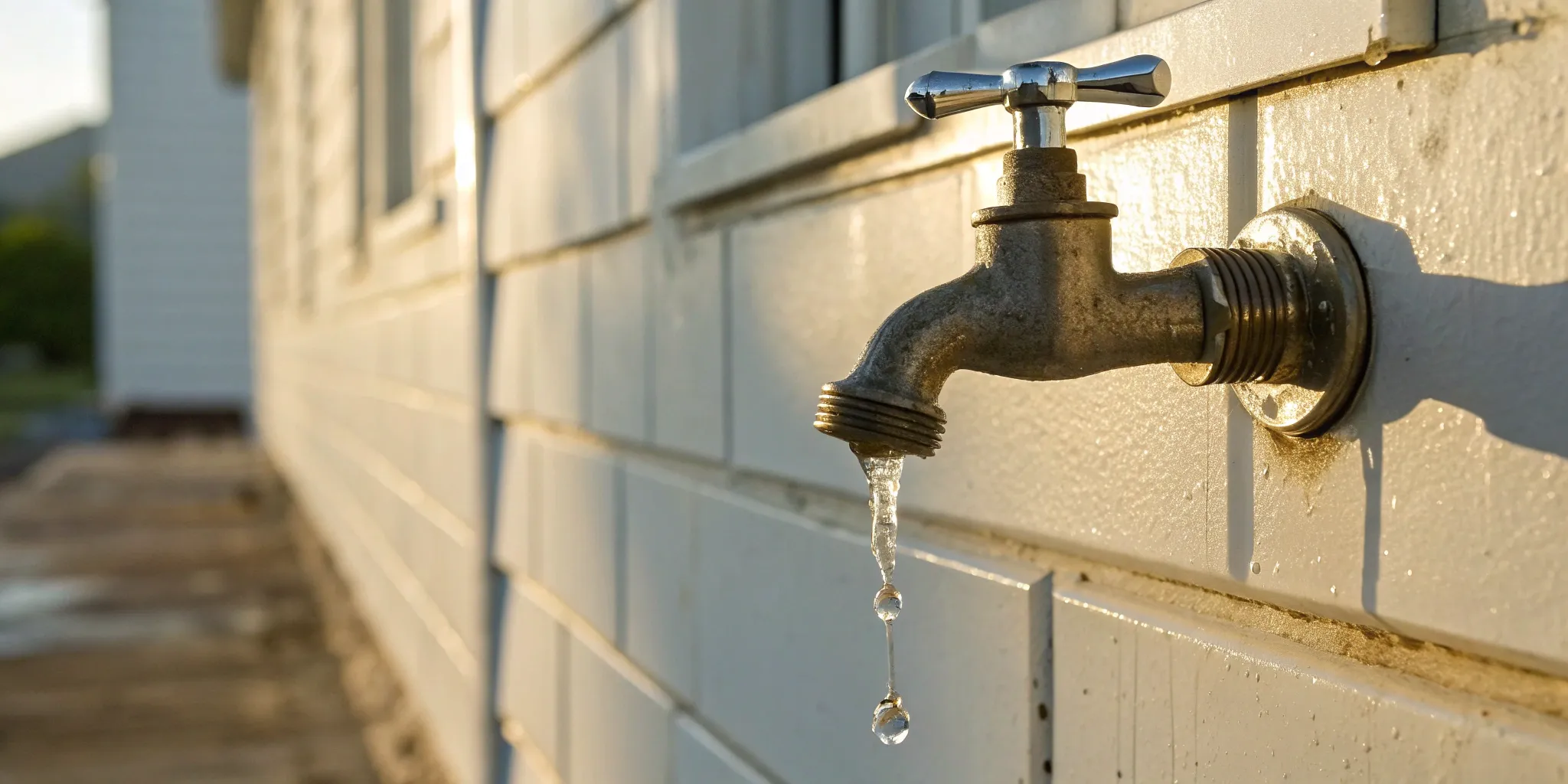
A shut-off valve has one main job: to completely stop the flow of water. If you see any moisture, drips, or a small puddle forming around the valve, it’s failing. These leaks often start at the handle stem or the connections and are a sure sign that the internal seals or washers have worn out. While it might seem like a minor annoyance, even a small drip can lead to water damage, mold growth, and a higher water bill over time. Don’t ignore it. A leaking valve won’t fix itself, and it’s a clear indication that it can no longer be trusted in an emergency plumbing situation.
Rust and Corrosion Are a Clear Warning Sign
Take a close look at the valve itself. Do you see any rust, flaking metal, or a crusty white or greenish buildup? That’s corrosion, and it’s a major red flag. Corrosion eats away at the metal, weakening the valve body and its connections from the outside in. This process compromises the valve’s structural integrity, making it prone to cracking or breaking, especially under pressure. While a little surface discoloration might not be an immediate crisis, significant corrosion means the valve is deteriorating. It’s best to replace it before it fails completely, which could happen when you least expect it.
A Stubborn Handle That Won’t Budge
When you need to shut off the water, you need that valve handle to turn smoothly and easily. If you have to fight with it, or if it’s completely stuck, the valve is no longer reliable. Over time, mineral deposits from the water can build up inside the valve, causing the internal parts to seize up. Forcing a stuck handle is a bad idea—you could end up breaking it off or even damaging the pipe it’s attached to, creating a much bigger problem. A valve that you can’t operate is useless in an emergency, so if the handle gives you trouble, it’s time to contact a professional for a replacement.
When Age Is More Than Just a Number
Sometimes, a valve doesn’t need to be actively leaking or stuck to be a liability; it just needs to be old. Plumbing components have a finite lifespan. Older homes in the Detroit area often have multi-turn gate valves that are particularly prone to wearing out. If your valve looks like it’s been there for decades, it probably has. Proactively replacing an old, worn-out valve is a smart move that can prevent a future plumbing disaster. Think of it as essential maintenance that protects your home and gives you peace of mind, knowing your plumbing system is in top shape.
Your DIY Valve Replacement Checklist
Before you even think about touching a pipe, let’s talk about preparation. Like any project, having the right tools and parts on hand before you start makes everything go smoother. It’s the difference between a quick, satisfying fix and a frantic, mid-project trip to the hardware store with water dripping in the background. Taking a few minutes to gather your toolkit will set you up for success and save you a major headache. Let’s walk through exactly what you’ll need to get the job done right.
Essential Tools for the Job
You don’t need a professional-grade workshop, but a few key items are non-negotiable. Start by gathering a small hacksaw, pliers, an adjustable wrench, and some emery cloth for cleaning the pipe. You’ll also want a bucket and some old towels nearby to catch any leftover water. According to the experts at This Old House, having two wrenches can be a lifesaver when you need to loosen stubborn fittings. If you’re dealing with an older valve, the compression ring might put up a fight. In that case, a pair of channel locks or even a Dremel with a metal-cutting blade can help you remove it without damaging the pipe.
Using a Pipe Cutter for Clean Edges
While a hacksaw can get the job done, a dedicated pipe cutter is your best friend for achieving a perfectly clean, straight edge. When you’re dealing with soldered valves that need to be cut off, a tool like a tube cutter makes the process much simpler and more precise. A clean cut is crucial because the new valve needs a smooth, even surface to create a watertight seal. After cutting, run your finger over the edge of the pipe. If you feel any rough spots or burrs, gently sand them down with emery cloth until the copper is completely smooth and shiny. This small step is one of the most important for preventing frustrating, slow leaks later on.
The Right Tool for Removing Old Ferrules
After you unscrew the old valve, you’ll likely find a small brass ring, called a ferrule or compression ring, stubbornly stuck on the copper pipe. Trying to pry this off with pliers can easily scratch, bend, or deform the pipe, making it impossible to get a good seal with the new valve. The right way to handle this is with a specialty tool called a compression ring puller. This inexpensive gadget is designed to grip the ring and pull it off cleanly without damaging the soft copper underneath. It’s a small investment that protects your pipe and ensures your new installation is secure and leak-free from the start.
Picking Out the Right Parts
Choosing the right valve is the most important part of this step. You’ll want a new compression-fitting shut-off valve, as these are generally the most DIY-friendly and don’t require any soldering. Make sure the valve you buy is the correct size for your existing pipes and is made from a durable material like brass or stainless steel to ensure it lasts. If you’re unsure, take a clear photo of your old valve and the pipe it’s connected to before you head to the store. For new installations or simple replacements, many people find that SharkBite valves are incredibly user-friendly because they just slip right onto the pipe.
Choosing Between Compression and Push-On Valves
When you get to the hardware store, you’ll likely see two main DIY-friendly options: compression valves and push-on valves. A compression valve is the traditional choice, creating a watertight seal by tightening a nut that compresses a small ring, called a ferrule, onto the pipe. They are incredibly reliable and a great choice if you’re comfortable using a couple of wrenches. Push-on valves, like those from brands such as SharkBite, are even simpler. You just push the valve onto a clean, square-cut pipe, and internal teeth grip it to create a secure seal—no tools required for the connection itself. While push-on valves are often a bit more expensive, their ease of use makes them a fantastic option for beginners.
Why Braided Steel Supply Lines Are a Must
While you’re replacing the shut-off valve, take a look at the supply line that runs from the valve to your toilet or faucet. If it’s a rigid chrome tube or a flexible plastic one, now is the perfect time for an upgrade. Those older styles are notorious for becoming brittle and failing without warning, which can cause a major flood. Always replace them with braided stainless steel supply lines. These lines have a flexible inner tube protected by a woven metal jacket, making them far more durable and resistant to bursting. It’s a small, inexpensive step that provides a huge amount of protection and peace of mind against a future plumbing emergency.
Don’t Forget the Escutcheon Plate
Here’s a small detail that can cause a big headache if you forget it: the escutcheon plate. That’s the small, decorative metal disc that covers the hole in the wall where the pipe comes out. It might seem like it’s just for looks, but it needs to go on the pipe before anything else. If you’re installing a new compression valve, you must slide the parts onto the pipe in the correct order to get a leak-free seal. Remember this sequence: first the escutcheon plate, then the compression nut, then the ferrule (the small brass ring), and finally, the valve body itself. Getting this order right the first time saves you from having to undo all your work.
Pro Tip: Replace Both Valves at Once
If you’re working under a sink, you have two shut-off valves—one for hot water and one for cold. If one of them has failed, it’s a smart move to replace both at the same time. Chances are, both valves were installed on the same day and have been subjected to the same water conditions and wear over the years. If one is corroded or seized, the other is likely not far behind. Since you already have the main water shut off and your tools out, replacing both is an efficient way to prevent having to do the exact same job again in a few months. It’s a classic preventative measure that saves you time and a future headache.
Safety First: Gear You Shouldn’t Skip
This might be the most important step of all. First and foremost, you must turn off the main water supply to your home before you start. This prevents a small project from turning into a major flood. If you’re not sure where your main shut-off is, find it before you do anything else. It’s also a great idea to wear a pair of safety glasses to protect your eyes from any debris or unexpected sprays of water. Plumbing work can be unpredictable, and if you find yourself in over your head, remember that there’s no shame in calling for backup. Having a trusted plumber for emergency plumbing situations can provide peace of mind.
Your 5-Step Guide to Replacing a Water Shut-Off Valve
Alright, you’ve gathered your tools and you’re ready to tackle this project. Replacing a shut-off valve is a totally manageable DIY job for many homeowners, and getting it done will give you major peace of mind. The key is to work slowly, follow each step carefully, and never force anything. We’ll walk you through the entire process, from turning off the water to checking your work for a perfect, leak-free finish. Remember, plumbing should never be a stressful wrestling match. If you hit a snag, like a valve that just won’t budge or a pipe that looks a little worse for wear, don’t hesitate to pause and call in the pros. A quick call can save you from a much bigger headache down the road. Our team at Mr. Pipey is always here to help you get in touch and finish the job right.
Step 1: Turn Off the Main Water Supply
First things first: you can’t work on your plumbing with the water on. Before you even touch the old valve, you need to find your home’s main water shut-off valve and turn it off for your entire house. This is usually found in the basement, a crawl space, or a utility closet near where the water line enters your home. Turn the handle or knob clockwise until it’s fully closed. Once the main is off, go through your house and open a few faucets, especially one on the top floor and one in the basement. This relieves the pressure in the system and drains any remaining water from the pipes, which will prevent a surprise shower when you remove the old valve.
A Quick Tip for Hot Water Lines
Here’s a handy shortcut if you’re working specifically on a hot water line, like the one connected to your kitchen sink. Instead of shutting down the water for the entire house, you can often just turn off the valve on your hot water heater. This isolates the hot water system, letting you make your repair without disrupting the cold water supply. However, the golden rule still applies: always make sure the water is off and the pipes are drained before you start twisting wrenches. If you discover that the valve on your water heater is stuck or difficult to turn, don’t force it. A valve that won’t work is a major liability in an emergency plumbing situation, and it’s a clear sign that it’s time to call in a professional for a safe replacement.
Step 2: Remove the Old, Faulty Valve
With the water off and the lines drained, it’s time to remove the faulty valve. You’ll want two wrenches for this job. Place one wrench on the valve body itself to hold it steady. Use the second wrench on the compression nut that connects the valve to the pipe, turning it counter-clockwise (lefty-loosey) to loosen it. Using two wrenches is crucial because it prevents you from putting too much torque on the pipe itself, which could cause it to bend or break. Have a small bucket and a rag handy to catch any water that trickles out. If the valve is severely corroded and won’t budge, you may need to call for emergency plumbing assistance to avoid damaging the pipe.
How to Handle Soldered-On Valves
If your valve doesn’t have a nut to unscrew, you might be looking at a soldered-on valve, which is common in older plumbing systems. Removing these is a more advanced task that requires a propane torch to heat the fitting until the solder melts, allowing you to twist the old valve off with pliers. This process carries significant risks, especially with older, corroded pipes. Applying intense heat can easily cause a brittle pipe to crack or break, turning a planned repair into a sudden flood. If you aren’t experienced with soldering or the pipe looks anything less than perfect, this is a clear sign to stop and call for professional help. It’s far safer to have an expert handle the job than to risk a much bigger, more expensive problem.
Step 3: Prep the Pipe for a Perfect Fit
Once the old valve is off, you’ll see the end of the copper pipe. This is where a little prep work makes all the difference. Take a piece of emery cloth or a pipe-cleaning tool and thoroughly clean the outside of the pipe where the new valve will sit. You want to sand off any mineral deposits, old sealant, or corrosion until the copper is shiny and smooth. A clean surface is essential for creating a watertight seal with the new valve. Skipping this step is one of the most common causes of slow leaks, so take a minute to do it right. The pipe should be completely clean and dry before you move on.
Cutting Damaged Pipe Ends
After you get the old valve off, take a close look at the pipe end. If it looks bent, dented, or has deep grooves from the old fitting, don’t ignore it. Trying to install a new valve on a damaged pipe is a recipe for a slow, frustrating leak. The most reliable fix is to simply cut off that damaged tip. A small tubing cutter is your best friend here, as it creates a perfectly straight, clean edge needed for a watertight seal. If a hacksaw is all you have, just take your time to make the cut as square as possible. The final, can’t-skip step is to smooth out any rough edges, or burrs, on the inside and outside of the pipe. A perfectly smooth pipe end is your ticket to a successful, leak-free installation.
Step 4: Install Your New Shut-Off Valve
Now for the main event. Take your new shut-off valve and disassemble it. Slide the new compression nut onto the pipe first, with its threads facing the end of the pipe. Then, slide on the small brass ring, called a ferrule. Push these back a few inches and then fit the body of the new valve onto the end of the pipe until it sits snugly. Slide the ferrule and nut forward and hand-tighten the nut onto the valve body. Just like before, use two wrenches—one to hold the valve body still and the other to tighten the compression nut about a half to three-quarters of a turn past hand-tight. You want it snug, but don’t overtighten, as this can damage the ferrule and cause a leak.
Installing Push-to-Connect (SharkBite) Valves Correctly
If you’re using a push-to-connect valve, often known by the brand name SharkBite, the process is even more straightforward but requires precision. The key to a leak-proof seal is all in the preparation. Your pipe needs to be cut perfectly straight, and the end must be clean and smooth—free of any burrs or scratches. Use the small tool that often comes with the fitting to mark the correct insertion depth on your pipe. This step is crucial; as many DIYers on forums like Reddit have learned, if the valve isn’t pushed on all the way to that mark, it will leak. Once it’s marked, simply push the valve straight onto the pipe with a firm motion until it clicks into place and meets your mark. Make sure the pipe is secure and doesn’t move around as you push. If you’re dealing with a wobbly pipe or just want absolute certainty, our team can handle any plumbing repair to ensure a perfect, lasting connection.
Step 5: The Final Check for Leaks
You’re in the home stretch! Go back to all the faucets you opened and close them. Then, head to your main water shut-off and turn it on slowly. Opening it slowly prevents a sudden surge of pressure, known as a water hammer, which can be hard on your pipes. Once the main is on, go back to your newly installed valve. Using a dry paper towel or your finger, carefully check all around the nuts and connections for any signs of moisture. Even the tiniest bead of water means you have a leak. If you find one, shut the main water off again and try tightening the nut another quarter-turn. If it still leaks, it’s best to contact a professional to take a look.
The Paper Towel Trick for Spotting Slow Drips
One of the best ways to be completely sure your new valve is perfectly sealed is the paper towel trick. It’s incredibly simple but highly effective for catching those sneaky, slow drips that you might otherwise miss. After you’ve turned the water back on and done your initial check, just place a clean, dry paper towel directly under the valve and its connections. Leave it there for at least an hour, or even overnight if you want to be extra certain. Any trace of moisture will show up immediately, making even the smallest bead of water impossible to miss.
If you come back and that paper towel is anything but bone-dry, you have a leak. It might seem small, but a leaking valve is a failing valve—it won’t get better on its own and certainly can’t be trusted in an emergency plumbing situation. Catching it now saves you from the headache of water damage and more complex repairs later. A perfect seal means peace of mind, so if you see any dampness, turn the water off again and give the compression nut another gentle quarter-turn. If that doesn’t solve it, it’s time to call in a professional to get the job done right.
Common Valve Replacement Mistakes to Avoid
Replacing a shut-off valve can feel like a major win for any DIYer. But even a seemingly straightforward project can go sideways if you’re not careful. A few common missteps can turn a quick fix into a frantic call for emergency plumbing services. The goal is to solve a problem, not create a bigger, wetter one.
The good news is that these pitfalls are easy to avoid once you know what to look for. From picking the right hardware at the store to knowing when to stop tightening a connection, a little bit of foresight goes a long way. We’ll walk through the most frequent mistakes so you can tackle this project with confidence and keep your home dry.
Choosing the Wrong Size or Type of Valve
Walking into the plumbing aisle can be overwhelming, but grabbing the wrong valve is a recipe for leaks. The most important thing is to choose a valve that perfectly matches your existing pipes in both size and connection type. A valve made for copper pipes won’t work on PEX, for example. For a DIY-friendly option, look for compression fittings, which don’t require any soldering. Also, pay attention to the material. A durable brass or stainless steel valve will give you peace of mind and last for years to come.
The Danger of Overtightening Connections
It’s tempting to crank down on the nuts to make sure everything is extra secure, but this is a classic mistake. Overtightening the connections can be just as bad as leaving them too loose. Applying too much force can crack the valve, damage the pipe threads, or warp the compression ring, leading to a persistent leak right where you tried to fix one. A good rule of thumb is to tighten it by hand first, then use a wrench for another quarter- to half-turn. The connection should be snug and secure, not strained.
Why Some Leaks Don’t Show Up Immediately
You’ve finished the job, turned the water back on, and everything looks dry. Success! But sometimes, a leak doesn’t appear right away. Slow leaks can develop days or even weeks later due to tiny installation mistakes. For example, if the pipe end wasn’t perfectly clean and smooth, the seal might not be 100% secure and can slowly give way under constant water pressure. Similarly, overtightening the compression nut can damage the small brass ring (the ferrule) that creates the seal, causing it to fail over time. This is why it’s so important to follow each step carefully and to periodically check your work for a few weeks after the installation. These sneaky, slow leaks are often the most damaging because they can go unnoticed, leading to water damage and mold growth behind walls or under cabinets.
Why You Can’t Skip Prepping the Pipe
After you’ve removed the old valve, you might be eager to install the new one and finish the job. But don’t skip the prep work! The end of the pipe needs to be clean, smooth, and perfectly round for the new valve to create a watertight seal. Take a minute to clean the pipe with emery cloth, removing any corrosion, mineral deposits, or old sealant. This small step is critical for helping the new valve seal properly and preventing slow, frustrating drips down the road.
Using Teflon Tape Where It Doesn’t Belong
It’s a common sight in any DIYer’s toolbox: a roll of white Teflon tape. It’s tempting to wrap it around every threaded connection for extra leak protection, but this is one of those times where more is not better. When you’re installing a compression-style shut-off valve, Teflon tape can actually cause a leak instead of preventing one. These valves create a seal when a small brass ring, or ferrule, is compressed against the copper pipe. Adding tape can interfere with this metal-on-metal seal, preventing the ferrule from seating properly. The same rule applies to the supply lines connecting to your faucet or toilet; they have rubber gaskets designed to create a watertight seal on their own. As the experts at This Old House explain, the tape can get in the way of a good seal. Trust the hardware to do its job—a clean pipe and a properly tightened nut are all you need for a secure, leak-free connection.
Forgetting to Check Local Plumbing Codes
While replacing a valve under your sink might not require a permit, it’s always smart to be aware of local plumbing codes, especially if you’re working on a main water line. These regulations are in place to ensure all plumbing work is safe and effective. If you’re dealing with older galvanized pipes, complex layouts, or are simply unsure about the requirements, it’s always best to consult a professional. This ensures your work is done correctly and protects your home’s value. When in doubt, a quick call to a trusted plumber can save you a major headache.
Know When to Skip the DIY and Call a Plumber
While replacing a shut-off valve can be a satisfying DIY project, some situations are best left to the professionals. Knowing when to put down the wrench and pick up the phone can save you from a much bigger headache—and a much more expensive repair. If you run into any of these scenarios, it’s a clear sign to call in an expert. A simple valve replacement can quickly turn into a major plumbing emergency if you’re not careful, and our team at Mr. Pipey is always ready to help when a project gets more complicated than you expected.
If Your Pipes Are Old or Tricky
If your home has older plumbing, you might uncover more than you bargained for. Pipes made of galvanized steel or those showing significant rust and corrosion require a delicate touch. Trying to force a stuck or corroded valve can easily cause the pipe to crack or break, leading to a serious leak. The replacement process can be significantly complicated when you’re working with these materials. If the pipes look brittle or the valve is completely seized, it’s much safer to have a professional plumber assess the situation. They have the right tools and experience to handle fragile pipes without causing additional damage.
When You Have Mismatched Pipe Materials
It’s not uncommon for plumbing systems, especially in older homes that have seen a few updates, to be a mix of different materials like copper, PVC, and galvanized steel. Joining these different types of pipes requires specific fittings and techniques to create a lasting, leak-proof seal. For example, some compression fittings are designed for smooth pipes, not threaded ones. Using the wrong connector can lead to slow leaks that cause water damage over time. If you’re not 100% confident about how to connect the new valve to your existing pipes, a plumber can ensure the job is done right.
If You Think There’s a Deeper Issue
Sometimes, a faulty shut-off valve is just the tip of the iceberg. If you notice other issues like low water pressure throughout the house, multiple leaks, or discoloration in your water, you might be facing a more widespread plumbing problem. These could be signs of a failing main water line or extensive corrosion within your system. Tackling a valve replacement without addressing the root cause won’t solve the issue. For anything involving your main water shut-off or if you’re just uncomfortable with the idea of cutting pipes, it’s always best to seek expert help. A professional can diagnose the entire system and provide a comprehensive solution.
Dealing with an old pipe, mismatched materials, or the main shut-off? Call Mr. Pipey for professional valve replacement with upfront pricing and no overtime charges.
Call Now for Valve Replacement
Mr. Pipey is a family-owned, licensed and insured Michigan plumbing contractor backed by a 100% satisfaction guarantee.
Frequently Asked Questions
How much does water shut-off valve replacement cost? Cost depends on the valve type and location, pipe material and condition, access, and whether the water utility must shut service off upstream. Replacing an accessible fixture stop is usually simpler than replacing a corroded main shut-off. Mr. Pipey provides an upfront quote after inspecting the setup.
Can I replace the main water shut-off valve myself? A main shut-off valve is not a routine fixture-stop repair because there may be no working upstream valve inside the home. Call a licensed plumber if the main valve will not fully close, is heavily corroded, connects to damaged pipe, or requires the water utility to stop service.
How often should I check my shut-off valves? It’s a great idea to test your shut-off valves at least once a year. This doesn’t have to be a big project. Simply turn the handle clockwise to close it, then turn it back to open it. This quick check ensures the handle isn’t seized up from mineral deposits and will actually work when you need it to. It’s a five-minute task that can save you from a major headache during a real plumbing emergency.
What’s the difference between the main shut-off valve and the ones under my sink? Think of it like a light switch versus a circuit breaker. The small valves under your sinks or behind your toilet are called fixture stops; they let you turn off the water to just that one appliance, which is perfect for making a simple repair like replacing a faucet. The main shut-off valve is the master switch that controls all the water coming into your entire home. You’ll use that one for major emergencies, like a burst pipe.
I replaced my valve, but now there’s a tiny drip. What should I do? A persistent drip usually means the compression fitting didn’t create a perfect seal. First, turn the main water off again. Then, try giving the compression nut a very gentle quarter-turn with your wrench. If the drip continues after you turn the water back on, don’t keep tightening it. Overtightening can damage the pipe or the valve itself. At this point, it’s best to call a professional to take a look and ensure the connection is secure.
Is it okay to use a spray lubricant on a stuck valve handle? It’s best to avoid using lubricants on a stuck valve. The problem is almost always internal corrosion or mineral buildup, which a spray can’t fix. Trying to force a stuck handle, even after lubricating it, puts a lot of stress on the valve and the pipe. You could easily end up with a broken handle or a cracked pipe, turning a small problem into a major flood. The only reliable solution for a seized valve is to replace it.
What if I can’t find my main water shut-off valve? Not knowing where your main shut-off is can be stressful in an emergency. They are typically located where the main water line enters your house, often in a basement, crawl space, or utility closet near the front of the house. If you’ve looked in all the likely spots and still can’t find it, this is a perfect reason to call a plumber. They can locate it for you, make sure it’s in good working order, and tag it so you can find it easily next time.
What Affects Water Shut-Off Valve Replacement Cost?
Water shut-off valve replacement cost depends on the valve type and location, pipe material and condition, access, and whether the water utility must shut service off upstream. A fixture stop on sound, accessible pipe is usually simpler than replacing a corroded main shut-off. Mr. Pipey provides an upfront quote after inspecting the setup, so homeowners can understand the work before it begins.
A main shut-off, a valve that will not fully close, heavy corrosion, damaged or mismatched pipe, an unavailable upstream shut-off, or continued water flow are reasons to stop DIY and call a licensed plumber.