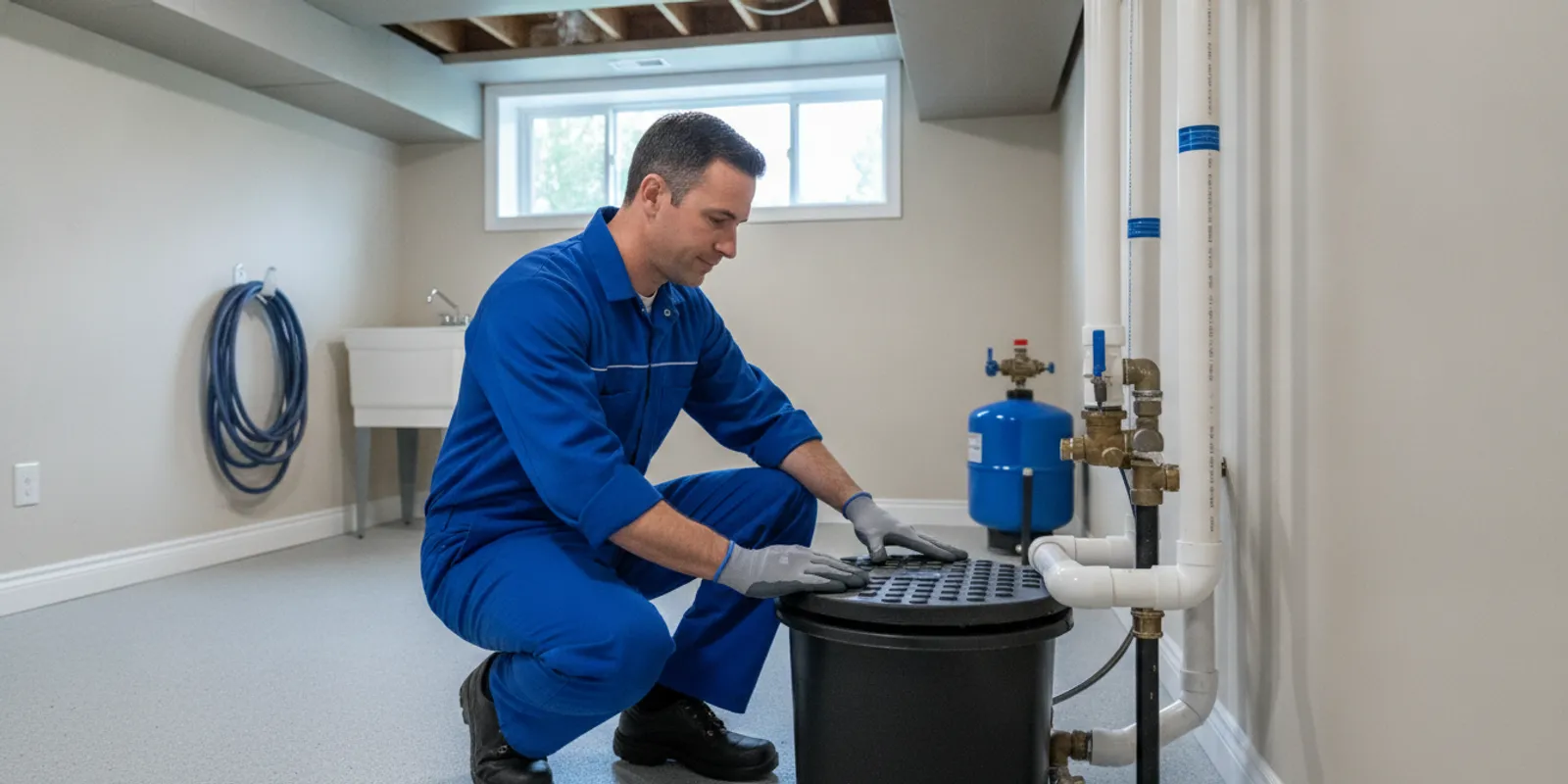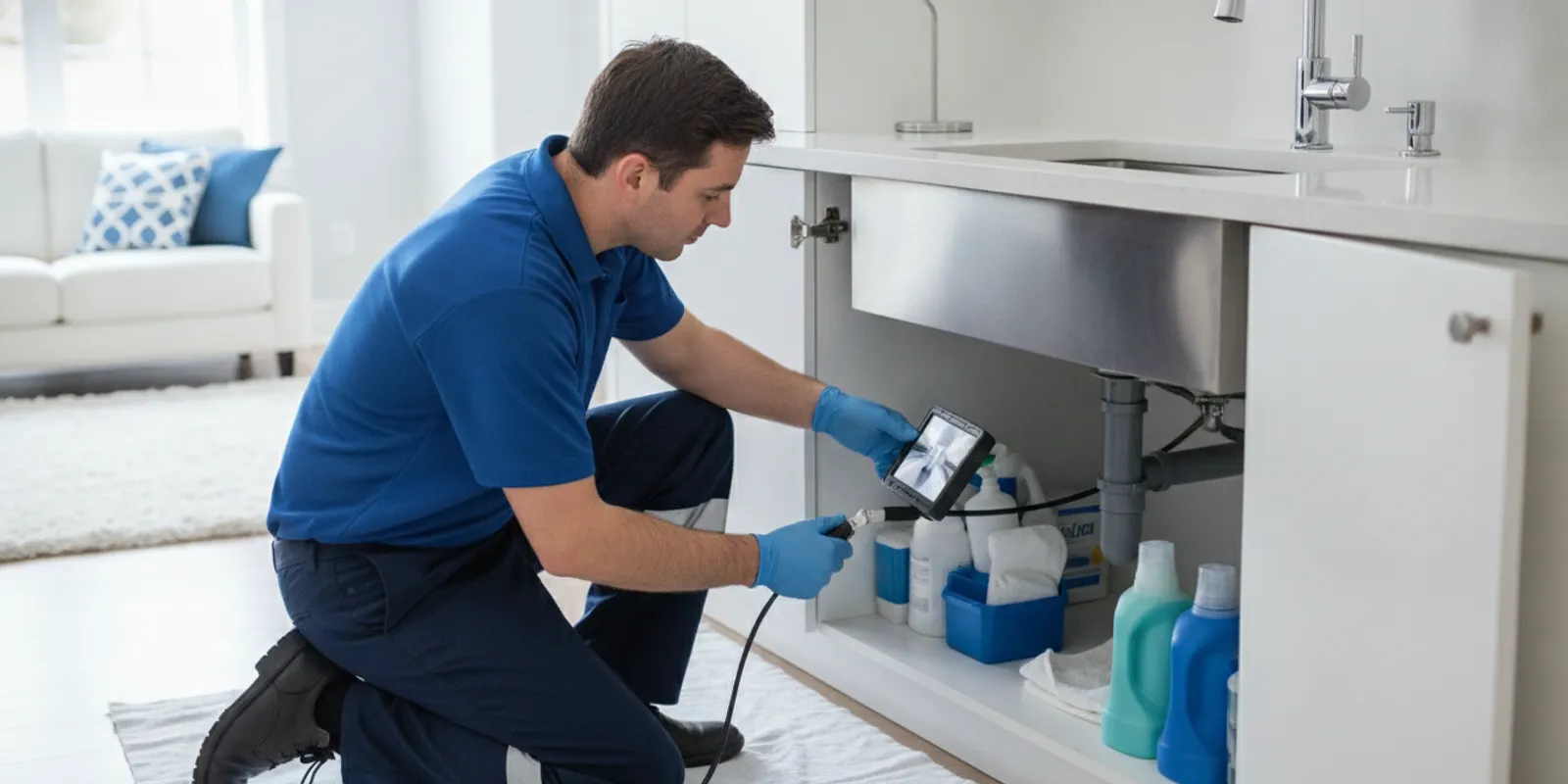

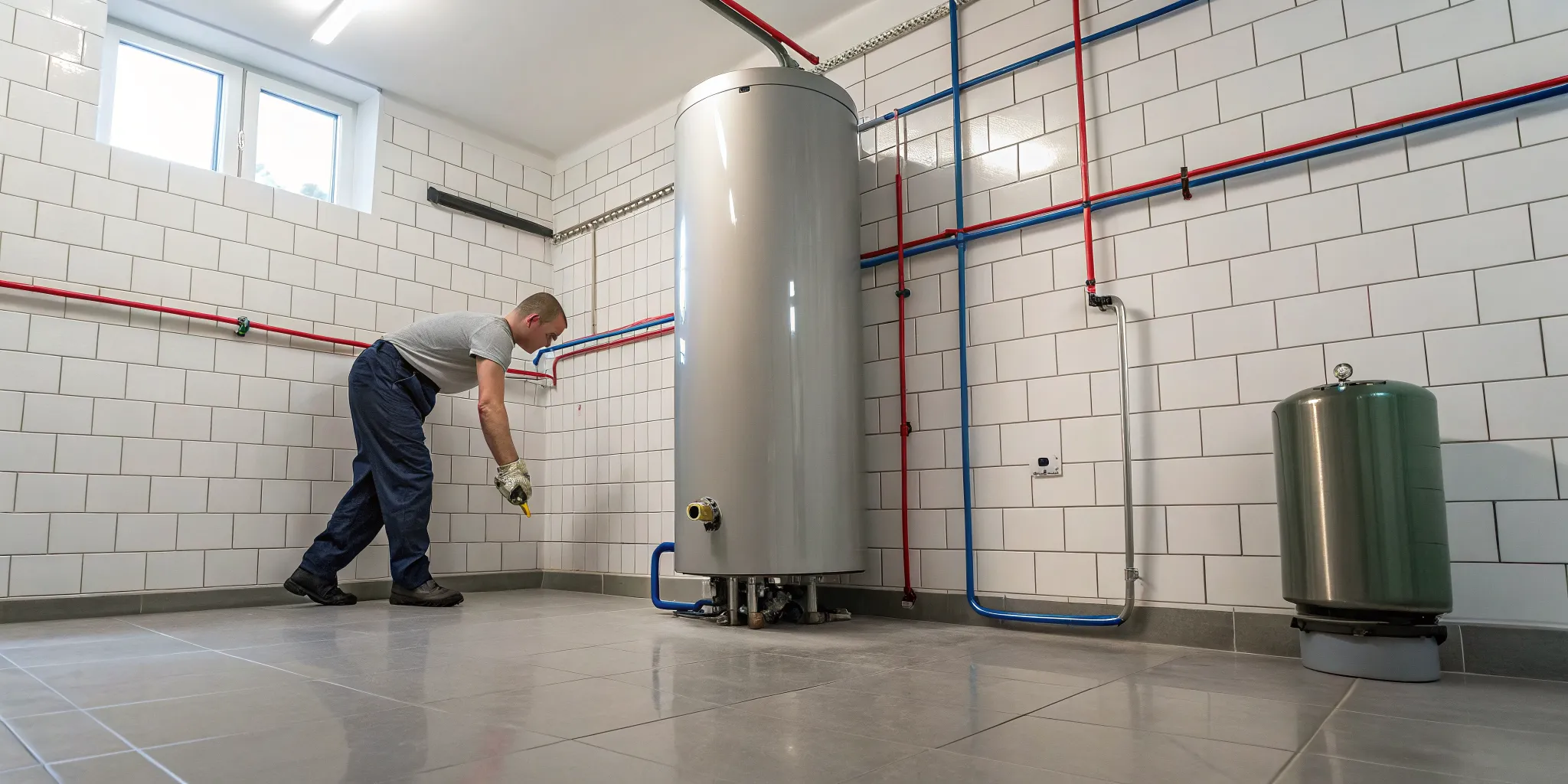
That unmistakable rotten egg smell coming from your faucet is more than just annoying—it can completely disrupt your day. The good news? It’s usually a harmless science experiment happening inside your smelly water heater. Tiny, naturally occurring bacteria have set up camp in the warm, dark tank. As they feed on sulfates in the water, they produce hydrogen sulfide gas, which is the real source of the odor. Sometimes, a part called an anode rod can even accelerate this process. Understanding this reaction is the first step to fixing the problem and getting your home back to normal.
Key Takeaways
- Identify the source of the smell: Run a simple test by smelling your hot and cold water separately. If only the hot water smells, the problem is your water heater; if both have an odor, your water supply is the likely culprit.
- Eliminate the odor with targeted solutions: The sulfur smell comes from bacteria in the tank. Flushing the tank, disinfecting the system, or replacing a standard anode rod with a zinc-aluminum model are effective ways to solve the problem.
- Recognize the signs for replacement: Persistent odors, visible rust or leaks, and an age of over 10 years are strong indicators that your water heater needs to be replaced, which is often smarter than paying for frequent repairs.
Important: Is That Smell Dangerous?
While that sulfur smell is usually harmless, your nose is a great tool for detecting truly dangerous issues with your water heater. Certain odors are immediate red flags that signal a risk to your home and family. It’s vital to know the difference. If you notice a widespread rotten egg smell, a burning or electrical odor, or the scent of exhaust fumes, you need to act fast. These smells can point to gas leaks, fire hazards, or ventilation failures that require immediate professional attention to keep your home safe.
A Rotten Egg Smell Could Be a Natural Gas Leak
A rotten egg smell throughout your home, not just from hot water, likely means a natural gas leak. Gas companies add a distinct odorant for safety. If you smell this, don’t touch any lights, appliances, or phones. Evacuate everyone immediately. Once you’re safely outside, call your gas company’s emergency line. Then, call a professional for emergency plumbing services to inspect your system. This is a true emergency that requires a swift response to ensure your family’s safety and prevent a potential disaster.
Burning or Electrical Smells Signal a Fire Hazard
A burning smell, like melting plastic or scorched wires, is a major warning sign of a fire hazard. This odor usually means an electrical component is overheating or wiring is damaged inside your water heater. If you notice this smell, immediately go to your circuit breaker and shut off power to the unit. Don’t attempt to fix it yourself; faulty electrical systems are incredibly dangerous. This is a job for a qualified technician who can safely find the source of the problem and perform the necessary repairs to protect your home from a fire.
Exhaust or Sooty Smells Mean a Venting Problem
For gas water heaters, a sooty or exhaust-like smell points to a serious venting problem. This issue, called backdrafting, means dangerous fumes like carbon monoxide are leaking into your home instead of venting outside. Since carbon monoxide is odorless, this smell is a critical warning. Immediately turn off the water heater, open windows to air out the space, and get everyone outside. You should then call for emergency service to have a professional inspect and repair the ventilation system before it becomes a health hazard.
Why Does My Water Heater Smell Like Rotten Eggs?
If turning on your hot water tap suddenly fills your bathroom with a smell like rotten eggs, you’re not alone. This unpleasant odor is a common plumbing complaint, and the good news is, it’s usually fixable. The culprit is almost always your water heater, where a specific set of conditions creates hydrogen sulfide gas—the source of that sulfur smell. While this gas isn’t harmful in the low concentrations coming from your faucet, it definitely makes showering or washing dishes an unpleasant experience.
This issue can pop up in both old and new water heaters, and it often points to a combination of factors within your tank: the chemistry of your water supply, the temperature setting, and even a specific component designed to protect your heater from corrosion. It’s a bit like a science experiment happening inside your tank without your permission. Understanding what’s causing the reaction is the first step to getting your water back to smelling fresh and clean. Below, we’ll walk through the most common causes, from tiny bacteria setting up shop in your tank to the parts inside your heater that might be contributing to the problem. By figuring out the root cause, you can find the right solution and say goodbye to that sulfur smell for good.
Meet the Bacteria Causing the Smell
That distinct rotten egg smell is caused by hydrogen sulfide gas. It’s produced by tiny, harmless organisms called sulfate-reducing bacteria that can set up camp inside your water heater tank. These bacteria feed on the sulfates naturally present in your water. When hot water sits in the tank for a while, it creates the perfect warm environment for them to thrive and multiply. As they feast, they release that stinky gas, which then travels through your pipes and out of your faucet whenever you turn on the hot water.
Is Your Anode Rod the Real Culprit?
Inside your water heater is a component called an anode rod, which is designed to prevent the tank from rusting. It’s a sacrificial rod, meaning it corrodes so your tank doesn’t have to. However, many anode rods are made of magnesium, which can unfortunately accelerate the activity of sulfate-reducing bacteria. The rod’s chemical reaction with the sulfates in the water essentially fuels the bacteria, leading to more hydrogen sulfide gas and a stronger smell. Swapping out the anode rod is a common fix, and it’s a task our team handles as part of our expert plumbing solutions.
Why You Shouldn’t Let Water Sit
Sulfate-reducing bacteria love it when water just sits around. If your water heater isn’t used frequently—maybe it’s in a vacation home or a guest bathroom that rarely sees visitors—the water becomes stagnant. This gives the bacteria plenty of time to multiply and produce that foul odor. Similarly, keeping your water heater’s thermostat set too low can also create a welcoming environment for them. While you want to save energy, a temperature below 120°F can turn your tank into the perfect breeding ground for these smelly microbes.
Could Your Water Softener Be to Blame?
A water softener can be a great addition to your home, but it can sometimes play a role in that rotten egg smell. Softened water can be more corrosive to the standard magnesium anode rod in your water heater. This accelerated corrosion process releases more electrons into the water, which in turn feeds the sulfate-reducing bacteria and ramps up their production of hydrogen sulfide gas. If you have a water softener and are experiencing this issue, the combination might be the source of your problem. It doesn’t mean you have to get rid of your softener, but it might require a different type of anode rod.
Is It the Heater or Your Water Supply?
Before you can tackle that unpleasant smell, you need to play detective and find its source. Is the problem coming from your water heater or the water supply coming into your home? Figuring this out is the first step toward getting fresh, clean-smelling water back in your pipes. Luckily, you don’t need any special tools. A few simple checks can help you pinpoint the culprit and decide on the best course of action.
Try This Simple Hot vs. Cold Water Test
Here’s an easy test you can do right now. Go to any faucet and turn on only the cold water. Let it run for a minute, then fill a glass and take a sniff. Does it smell normal? Now, turn off the cold water and turn on the hot water. Let it run until it’s fully hot, fill another glass, and smell it. If only the hot water has that rotten egg odor, you’ve found your culprit: the problem is almost certainly inside your water heater. If both your hot and cold water smell bad, the issue is likely with your main water supply.
What Different Water Smells Are Telling You
That distinct rotten egg smell is a major clue. It’s caused by hydrogen sulfide gas, which is created when sulfate-reducing bacteria set up camp inside your water heater tank. These tiny organisms are usually harmless, but they thrive in the warm, dark environment of your tank and feed on the sulfates naturally present in your water. As they do, they produce that stinky gas as a byproduct. So, if you’re smelling rotten eggs, you’re not dealing with sewage, just a common bacterial colony.
Musty or Moldy Smells
If you notice a musty, earthy smell coming from your hot water, it’s often a sign of a moisture problem around the water heater itself. This typically happens when the area lacks good airflow, allowing condensation to build up on the tank and pipes. That trapped humidity creates the perfect environment for mold and mildew to grow, which then produces that distinct damp basement odor. While the smell itself isn’t coming from inside your tank, it’s a red flag that you might have a small, hidden leak or ventilation issue that needs attention before it leads to bigger problems.
Metallic Smells
When your hot water has a metallic taste or smell, it usually points to one of two things: either your water has a high concentration of minerals, or parts inside your water heater are breaking down. The most common culprit is the anode rod. This component is designed to corrode to protect the tank lining from rust. As it wears out, it can release metal particles into the water, creating that coppery or metallic scent. If you notice this smell along with rusty-looking water, it’s a good idea to have a professional inspect your water heater to see if the anode rod needs replacing.
Oily Smells
An oily or gassy smell in your water is a more serious issue that you should address immediately. This type of odor can indicate a chemical reaction happening inside your tank or, in rare cases, contamination from an external source. Unlike a sulfur or musty smell, an oily odor isn’t something you should try to fix on your own. Because it could signal a potentially hazardous problem, it’s best to shut off the water heater and call for emergency plumbing services. A professional can safely diagnose the source and ensure your system is operating correctly.
Check Your Water Heater’s Age and Service History
Take a moment to think about your water heater itself. How old is it? Most conventional tank water heaters last about 8 to 12 years. If yours is getting up there in age and has started to smell, it might be a sign of bigger problems. Check for any visible signs of rust or small leaks around the base of the unit. An older, less efficient water heater is more likely to have issues with sediment buildup and corrosion, creating the perfect environment for smelly bacteria to grow. If your unit is over a decade old and causing problems, it might be time to consider a replacement. If you’re unsure, a professional can provide an expert opinion on all your plumbing services.
Special Considerations for Well Water
If your home uses well water, you might face a unique challenge with that rotten egg smell. Unlike city water, well water isn’t treated with chlorine, a chemical that kills off bacteria. This means the sulfate-reducing bacteria responsible for the odor can be present in your water supply from the start. When this water enters your heater, the warm, stagnant environment gives the bacteria a perfect place to thrive and produce hydrogen sulfide gas. This is why the hot vs. cold water test is especially important for well owners. If your cold water smells bad too, the problem likely originates in your well. Solving this can involve treating the well itself, but you may still need to address the bacteria colony that has formed inside your tank. Diagnosing and treating issues with well water systems requires a specific expertise, so it’s wise to get a professional opinion on the best course of action for your home’s unique plumbing services.
How to Fix Your Smelly Water Heater for Good
Once you’ve pinpointed the water heater as the source of the smell, it’s time to take action. These steps can help you clear out the odor and get back to enjoying fresh, clean water. Remember, working with a water heater involves hot water and electricity or gas, so always prioritize safety. If you ever feel unsure about performing these tasks, it’s always best to call in a professional to handle it for you.
Step 1: Flush Your Water Heater Tank
A great first step is to flush your water heater tank. Over time, sediment, rust, and bacteria can build up at the bottom, creating the perfect sludge for that rotten egg smell to thrive. Flushing involves turning off the power and water supply, connecting a hose to the drain valve, and completely draining the tank to remove this buildup. Refilling it with fresh water can often solve the problem on its own. For a deeper clean, some people add a cleaning agent like hydrogen peroxide after the initial drain, let it sit, and then flush the tank a second time. This is a key piece of regular maintenance that can extend the life of your heater.
Step 2: Disinfect the System
If a simple flush doesn’t do the trick, you may need to disinfect the entire system to kill off the lingering bacteria. One common method involves using a bleach or hydrogen peroxide solution. After draining the tank, you add the diluted disinfectant and refill the tank with cold water, letting it circulate through your pipes before flushing everything out thoroughly. Another effective, chemical-free option is to use heat. By temporarily increasing the water temperature to 160°F for several hours, you can kill the bacteria causing the odor. Both methods require careful handling to ensure safety and prevent damage to your system, so be sure to follow instructions carefully.
A Quick Note on Chlorine Treatments
Using chlorine bleach is a popular DIY fix for that rotten egg smell because it effectively kills the sulfate-reducing bacteria causing the odor. However, it’s important to see this as a temporary patch rather than a permanent solution. The smell often returns because the treatment doesn’t address the root cause, such as a reactive anode rod that’s helping the bacteria thrive. If you do try this method, be sure to follow safety guidelines and flush your system completely to remove any lingering bleach before using your hot water again. For a lasting fix, you might need to consider other steps. If you’re not comfortable handling chemicals or want to explore more permanent solutions, our team is always here to help with professional and safe plumbing services.
Step 3: Turn Up the Temperature (Safely)
Using heat to kill bacteria is an effective method, but it needs to be done with caution. Raising your water heater’s thermostat to 140°F or higher for several hours will create an environment where the odor-causing bacteria can’t survive. Before you do this, make sure everyone in your household knows the water will be extremely hot to prevent accidental burns. After a few hours, you’ll need to turn the temperature back down to a safe 120°F to prevent scalding risks and reduce energy consumption. If you’re dealing with a persistent smell or feel uneasy about adjusting the thermostat yourself, our team at Mr. Pipey can provide the expert plumbing solutions you need.
Step 4: Replace the Anode Rod
If flushing and disinfecting don’t solve the problem, the issue might be your anode rod. This metal rod is a crucial component that hangs inside your tank to prevent it from rusting. However, when a standard aluminum or magnesium anode rod reacts with soft water, it can produce hydrogen sulfide gas, the source of that rotten egg smell. Replacing the old rod with a special zinc-aluminum one can often stop this chemical reaction and eliminate the odor for good. Swapping out an anode rod can be a tough job that requires shutting off the water, draining the tank, and using special tools, so we recommend leaving this replacement to a professional.
Choosing the Right Anode Rod
Not all anode rods are created equal, and choosing the right one can make all the difference in fighting that sulfur smell. Most water heaters come with a standard magnesium or aluminum rod, which works great for preventing rust but can unfortunately feed the very bacteria causing the odor. If you have soft water, this reaction can be even more pronounced. The solution is often a zinc-aluminum alloy anode rod. The small amount of zinc in the rod changes the water chemistry just enough to disrupt the bacteria’s life cycle, effectively stopping them from producing that stinky hydrogen sulfide gas. It’s a simple swap that provides a powerful, targeted fix for the problem.
Consider a Powered Anode Rod for a Permanent Fix
For a truly long-term solution, you might want to consider a powered anode rod. Unlike traditional “sacrificial” rods that are designed to corrode over time, a powered anode rod uses a small electrical current to protect your tank from rust. This means it never needs replacing and provides consistent, reliable protection without contributing to any odor-causing chemical reactions. It’s a set-it-and-forget-it upgrade that eliminates the anode rod as a variable in your smelly water equation. Because installation involves working with your water heater’s electrical and plumbing systems, this is a job best left to the pros. If you’re tired of dealing with recurring odors, our team can help you explore all your plumbing service options.
Step 5: Run the Taps to Clear the Lines
After you’ve flushed the tank or tried another method, the final step is to clear any remaining smelly water from your pipes. Don’t skip this part, or you might think your efforts failed! Go around your house and run the hot water taps on all your faucets for several minutes, starting with the one farthest from the water heater. This pushes the old, stagnant water out of the plumbing and pulls the fresh, clean water from the tank through the entire system. It’s a simple but important step to ensure the odor is completely gone from every tap in your home. If the smell persists after all these efforts, it might be time to call for emergency plumbing assistance.
Repair or Replace? When to Get a New Water Heater
After trying all the fixes, sometimes that rotten egg smell is your water heater’s final cry for help. Deciding whether to repair your unit again or invest in a new one can be tricky. While a simple repair might seem cheaper upfront, it can sometimes be like putting a bandage on a much bigger problem. Knowing the key signs that your water heater is on its last legs can save you from future headaches, surprise cold showers, and costly emergency calls. Let’s walk through the clear indicators that it’s time to start shopping for a replacement.
Sign 1: Your Water Heater Is Past Its Prime
Like most appliances in your home, your water heater has a limited lifespan. Most traditional tank-style water heaters last between 8 and 12 years. If you can’t remember when yours was installed, look for a manufacturer’s sticker on the side of the tank; it usually includes the installation date. If your unit is over a decade old and starting to act up, replacement is often the wisest choice. An older heater not only risks failure but also operates much less efficiently than modern units, costing you more on your energy bills each month. Investing in a new model can provide better performance and long-term savings.
When Flushing Isn’t Enough for Older Heaters
Flushing your water heater is a great maintenance step, but on an older unit, it might not be enough. Over the years, mineral sediment can harden at the bottom of the tank, creating a stubborn layer that a standard flush can’t remove. This sludge provides a permanent home for those smelly, sulfate-reducing bacteria. Even after you drain the tank, the odor can return quickly because the core problem—the bacteria’s breeding ground—is still there. When flushing stops working, it’s a strong sign the tank’s internal condition has degraded beyond a simple cleaning.
The anode rod is another factor. In a heater over a decade old, the original rod is likely gone, leaving the tank vulnerable to rust. Replacing it might help, but it’s often a temporary fix if the tank’s interior is already worn out. Persistent odors that survive flushing and other repairs point to the unit’s overall decline. At this stage, continuing to pay for repairs may not be cost-effective. It’s often smarter to consider if a full replacement is the best long-term solution for your home’s plumbing system.
Sign 2: The Smell Keeps Coming Back
You’ve flushed the tank, checked the anode rod, and followed all the steps, but the foul smell just keeps coming back. A persistent odor, especially in an older unit, can be a sign of a deeper issue. Over time, sediment and bacteria can build up so severely that a simple flush won’t clear it out. If your water heater is over 10 years old and continues to produce smelly water despite your best efforts, the tank itself may be deteriorating. At this point, replacing the unit is the only way to permanently solve the problem and ensure your water is clean and fresh.
Sign 3: You’ve Spotted Rust or Leaks
This is one of the most urgent signs. If you notice rusty water coming from your hot water taps or see visible corrosion on the tank itself, it’s a major red flag. Rust indicates that the inside of your tank is breaking down. An even more serious problem is a leak. While a leak from a fitting or valve can sometimes be fixed, a leak coming directly from the tank itself is a sign of failure. This is not something you can repair, and it requires immediate replacement to prevent a potential burst and serious water damage. If you see a puddle, it’s time to call for emergency plumbing services.
Repairs Are Draining Your Wallet
Are you on a first-name basis with your plumber because of your water heater? Frequent repairs are a clear sign that your unit is failing. Think about the costs: if a single repair is going to cost you nearly half the price of a new water heater, it makes more financial sense to replace it. Constantly fixing an old, inefficient unit is a losing battle. Instead of spending more money on temporary fixes, put that investment toward a reliable new system that will give you peace of mind and consistent hot water for years to come. If you’re unsure about the best path forward, our team can help you weigh the costs of our plumbing solutions.
How to Keep Your Water Heater from Smelling Again
Once you’ve finally gotten rid of that rotten egg smell, the last thing you want is for it to make a comeback. The good news is that preventing future odors is much easier than eliminating an existing one. A few simple maintenance habits can keep your water heater running efficiently and your water smelling clean. By adding these steps to your annual home maintenance routine, you can stop smelly bacteria from ever getting a foothold again, ensuring your showers stay fresh and your peace of mind intact. Think of it as a little preventative care for one of your home’s hardest-working appliances.
Schedule Annual Maintenance
Just like your car, your water heater benefits from a yearly check-up. Scheduling annual maintenance with a professional plumber is one of the smartest things you can do to extend its life and prevent problems. During a visit, a technician can spot the early signs of corrosion, test the pressure relief valve, and inspect the anode rod for wear. If you’ve tried DIY fixes for a smelly tank without success, a pro can accurately diagnose the root cause and provide a lasting solution. It’s a small investment that prevents surprise breakdowns and keeps your system in top shape.
Flush the Tank Regularly
Over time, sediment, rust, and minerals settle at the bottom of your water heater tank. This buildup creates the perfect breeding ground for the sulfur-reducing bacteria that cause those unpleasant odors. Flushing the tank at least once a year is an effective way to clear out all that gunk. The process involves draining the tank completely to wash away the sediment. This simple task not only helps keep your water smelling fresh but also improves your water heater’s efficiency and longevity by allowing it to heat water more effectively.
Check Your Temperature Settings Periodically
Bacteria love warm, stagnant water, which is why a water heater set to a low temperature can become a smelly science experiment. To keep bacteria from multiplying, make sure your water heater’s thermostat is set to at least 120°F. Most experts recommend this temperature as the ideal balance for inhibiting bacterial growth without creating a significant scalding risk. If you have young children or elderly family members at home, it’s always a good idea to test the water temperature at the faucet to ensure it’s safe.
Install a Whole-House Water Filter
If you’ve noticed that both your hot and cold water have a slight odor, the problem might not be your water heater at all. It could be the water supply itself. High levels of sulfur or other minerals in your local water can cause odors throughout your home. In this case, a whole-house water filtration system can be a game-changer. This system treats water as it enters your home, removing impurities before they ever reach your water heater or your taps. If you think your water supply is the issue, you can contact a professional to discuss your options.
Address Leaks and Ensure Proper Ventilation
A small puddle near your water heater is more than just a cleanup job; it’s a warning sign. Even minor leaks can create a damp, humid environment around the unit, which is the perfect setting for mold, mildew, and smelly bacteria to thrive. Make it a habit to visually inspect the area around your water heater for any signs of moisture, corrosion, or rust. If you spot a leak coming from a valve or fitting, it might be a simple fix. However, as we’ve mentioned, a leak from the tank itself is a clear sign of internal failure. This isn’t something to ignore, as it can lead to a sudden burst and significant water damage. If you see a leak, it’s time to call for emergency plumbing services right away.
What to Do Before Going on Vacation
If you’re heading out of town for a week or more, a little prep work can prevent you from coming home to a smelly surprise. When your water heater sits unused, the water inside becomes stagnant, creating an ideal breeding ground for those odor-causing bacteria. To avoid this, simply turn your water heater’s thermostat to the “vacation” or “pilot” setting. This lowers the temperature enough to save energy while you’re away but keeps it from becoming a welcoming environment for microbes. It’s a simple step that ensures you won’t have to deal with that rotten egg smell the moment you walk back in the door. For longer absences, you might consider shutting off the water supply entirely, but for most trips, the vacation setting is all you need.
Need Help With Your Water Heater in Metro Detroit?
Dealing with a smelly water heater is no one’s idea of a good time. While some fixes seem straightforward, it can be frustrating when the odor keeps coming back. If you’ve tried flushing the tank and the smell returns quickly, it’s a sign that a professional should take a look to find and fix the root cause. A lingering odor often points to a deeper issue that requires an expert eye to properly diagnose.
Deciding whether to repair or replace your unit can be tough. A good rule of thumb is to consider its age and condition. If your water heater is over 10 years old and you’re dealing with persistent problems, a replacement is often the more cost-effective solution. A leak coming from the tank is another major red flag that usually signals it’s time for a new unit. An experienced plumber can assess the situation and give you an honest recommendation based on your specific needs and budget.
At Mr. Pipey, we’re here to help you get your hot water back to normal. Our family-owned business has been serving the Metro Detroit community for years, and we pride ourselves on providing reliable, long-lasting solutions. Whether you need an emergency repair, a full replacement, or want to set up a regular maintenance plan to prevent future issues, our team is ready to help. We’ll walk you through your options and make sure you feel confident in your decision. If you’re ready for a solution that lasts, contact us today.
Related Articles
- Water Heater Leak? Here’s What to Do Right Now
- How to Repair an Instant Water Heater: A DIY Guide
- 6 Signs You Need Water Heater Repair Now
Frequently Asked Questions
Is the rotten egg smell from my water heater dangerous? While the smell is definitely unpleasant, the hydrogen sulfide gas coming from your tap is typically in very low concentrations and isn’t considered harmful. It’s more of a nuisance that makes daily tasks like showering or washing dishes uncomfortable. The real issue is what the smell indicates: a bacterial colony is thriving inside your water heater tank, and it needs to be addressed to get your water back to normal.
Why does only my hot water smell bad? If only your hot water carries that sulfur smell, it’s a clear sign the problem is inside your water heater. The tank provides the perfect warm, enclosed environment for sulfate-reducing bacteria to grow and produce that stinky gas. Your cold water, on the other hand, comes directly from the main supply line and doesn’t sit in the tank, which is why it usually smells perfectly fine.
How long does it take to get rid of the smell? The timeline really depends on the solution you choose. If you flush the tank, you might notice an immediate improvement after you run the taps to clear the lines. For more stubborn cases that require disinfecting the system or replacing the anode rod, the smell should be gone as soon as the job is complete. If the odor returns after a few weeks, it points to a recurring issue that a professional should investigate.
Will replacing the anode rod permanently fix the problem? For many homes, especially those with water softeners, replacing a standard anode rod with a zinc-aluminum version is a very effective and long-term solution. The zinc in the new rod helps prevent the chemical reaction that feeds the odor-causing bacteria. While it’s considered a permanent fix for this specific cause, regular tank maintenance is still important for your water heater’s overall health.
Can I just turn up the heat on my water heater to fix the smell? Temporarily raising the temperature to 140°F or higher can kill the bacteria causing the odor, but it should be handled with caution. This is not a permanent fix and comes with a significant scalding risk, so you must warn everyone in your home before doing it. After a few hours, the temperature must be returned to a safe level, around 120°F. If the smell is a recurring problem, this method only addresses the symptom, not the root cause.