
That little valve under your sink or behind the toilet is a big deal. When it’s stuck, corroded, or dripping, it’s a ticking time bomb for water damage. But you don’t need to call a plumber just yet—this is a repair you can handle. This guide will show you exactly how to replace a water shut off valve on copper pipe using simple, solder-free techniques. We’ll break the process down into easy-to-follow steps, giving you the confidence to protect your home and fix the problem for good.
Key Takeaways
- Always start by shutting off the main water supply: Before beginning, locate and close your home’s main water valve, then drain the lines by opening faucets at the highest and lowest points of your house. This essential first step prevents water damage and makes the repair manageable.
- Choose a quarter-turn ball valve for reliability: Select a modern quarter-turn ball valve with a solder-free fitting, like compression or push-to-connect. This type of valve is far more durable and easier to operate than older models, and the fitting makes for a secure, DIY-friendly installation.
- Recognize when to call for professional help: If you encounter corroded pipes, can’t stop a persistent leak after checking your connections, or the job feels more complex than you anticipated, it’s time to contact a plumber. A professional can prevent a small issue from becoming a major problem.
Let’s Get Your Tools Ready
Before you even think about touching that old valve, let’s get your tools and materials lined up. Having everything you need within arm’s reach will make this project go much smoother and help you avoid any mid-job scrambles. A little preparation goes a long way in turning a potential headache into a satisfying DIY win. We’re focusing on a solder-free approach, which is perfect for most homeowners. It’s a straightforward way to get a secure, leak-free connection without needing a blowtorch. Let’s walk through exactly what you’ll need to get the job done right.
What’s in Your Solder-Free Toolkit?
The great thing about modern plumbing is that you have options. You can replace an old valve with a new compression or push-to-connect valve, both of which create a strong seal using pressure instead of heat. To tackle this, you’ll need a few key items. First, grab your new quarter-turn ball valve. Then, gather a small tubing cutter for a clean cut, a deburring tool or some emery cloth to smooth the pipe edge, and two pairs of adjustable wrenches or channel-lock pliers. A bucket and some old towels are also essential for catching any leftover water. At Mr. Pipey, we handle a comprehensive range of expert plumbing solutions, and we know that having the right tools is the first step to quality work.
What Are Push-Connect Fittings?
You’ve probably heard of push-connect fittings, often known by the brand name SharkBite. These fittings are incredibly DIY-friendly and can make the job go much faster. They work by using a ring of metal teeth to grip the pipe and an O-ring to create a watertight seal. The key to success with these is a clean, smooth, and perfectly round pipe. When you slide the fitting on, make sure to push it all the way onto the pipe until it clicks or stops firmly. This ensures it’s fully seated and properly sealed. While they are very convenient, some plumbers prefer the long-term reliability of a traditional compression fitting, so it’s good to know you have choices.
Safety Gear You Absolutely Need
This part is non-negotiable. Plumbing work can present unexpected hazards, so protecting yourself is your top priority. At a minimum, you must always wear gloves and eye protection. Copper pipes can have sharp edges after being cut, and you don’t want any debris or stray water droplets getting in your eyes. Even though we aren’t using a torch for this project, it’s a good habit to keep a fire extinguisher nearby whenever you’re doing home repairs. You never know what you might run into. Taking a few moments to prioritize safety can prevent a simple repair from turning into a plumbing emergency.
Understanding Your Home’s Plumbing
Copper vs. PEX Piping
Before you start cutting into your pipes, it helps to know a little about what you’re working with. Most homes have either copper or PEX (a type of plastic) piping. Copper has been the standard for decades because it’s incredibly durable and naturally resists bacteria. However, it’s also more rigid and can be vulnerable to bursting if the water inside freezes—a real concern for us here in Metro Detroit. That’s why proper pipe insulation is so important for copper systems. PEX, on the other hand, is a flexible plastic tubing that’s easier to install and less likely to burst from freezing. While it’s a great material, it can’t be used outdoors where it’s exposed to sunlight. Knowing the material you have helps you understand its strengths and weaknesses.
Types of Copper Tubing
Since this guide is focused on copper, let’s get a bit more specific. You might hear plumbers talk about different “types” of copper tubing, mainly Type M, L, and K. The main difference is the thickness of the pipe wall—Type K is the thickest, while Type M is the thinnest. In most homes, you’ll find Type M or Type L for water supply lines. For a DIY project like this, you don’t need to stress too much about the type, as standard fittings are designed to fit the outside diameter of the pipe, which is the same for all three. The most important thing is to ensure your pipe is clean, round, and free of major damage. If you notice significant corrosion or feel unsure, it’s always best to consult a professional for a safe repair. Our team at Mr. Pipey handles all kinds of plumbing solutions and can make sure the job is done right.
Getting Your Pipes Ready for a New Valve
Before you even think about touching that old valve, a little prep work will make the entire process smoother and safer. Taking a few minutes to get your workspace ready can save you from a major headache (and a potential mess) down the line. Proper preparation is the difference between a quick fix and a frantic call for emergency plumbing services. Think of it as setting the stage for a successful, leak-free installation. These next steps are non-negotiable, so let’s walk through them together.
Step 1: Shut Off the Main Water Supply
First things first: you need to stop the flow of water to your entire house. You can’t replace a valve while water is actively running through the pipes. Locate your home’s main water shut-off valve, which is typically found in the basement, a crawl space, or near your water heater. It will have either a wheel-like handle (a gate valve) or a lever handle (a ball valve). Turn the handle clockwise until it’s completely closed. This is the most critical step to prevent flooding your workspace. If you’re unsure where your main shut-off is or if it looks corroded and difficult to turn, it’s best to pause and consult a professional.
Step 2: Drain the Pipes Completely
Even with the main supply off, there’s still water sitting in your pipes. To get rid of it, you’ll need to drain the system. Go to the highest point in your house (like an upstairs bathroom) and turn on a faucet. Then, head to the lowest point (usually a basement sink or outdoor spigot) and open that faucet as well. This allows air to enter the system and helps gravity pull all the remaining water out. Keep a bucket handy under the pipe you’ll be working on to catch any last drips. This simple step ensures you won’t get a surprise shower the moment you remove the old valve.
Step 3: Set Up a Clean, Safe Workspace
Your safety is the top priority. Start by putting on safety glasses and a pair of work gloves to protect yourself from sharp pipe edges or debris. Make sure your work area is clean, dry, and well-lit so you can see exactly what you’re doing. Even if you aren’t using a torch for this project, it’s a good habit to keep a fire extinguisher nearby for any DIY plumbing job. Having your tools laid out and within reach will also prevent you from fumbling around mid-task. A prepared workspace is a safe workspace, giving you the confidence to handle the job correctly.
Remove the Old Shut-Off Valve
With the water off and your workspace prepped, it’s time to take off the old valve. This is where your project starts to feel real. Take a deep breath and work carefully. The key is to correctly identify what kind of valve you’re working with, as that determines the right removal technique. Rushing this step can damage the copper pipe, turning a simple replacement into a much bigger headache. Let’s walk through how to get it done safely and effectively.
What Kind of Valve Do You Have?
First, take a close look at how your current valve is attached to the copper pipe. The three main types are compression, sweat, and threaded. A compression valve will have a large nut, called a compression nut, that secures it to the pipe. A sweat valve, also known as a soldered valve, will look like it’s been melted directly onto the pipe, with a smooth, seamless joint. Finally, a threaded valve screws onto a threaded fitting on the pipe itself, which is less common in modern residential plumbing. Knowing which one you have is the most important first step, as it dictates the tools and method you’ll need for removal. If you’re unsure, comparing your valve to pictures online can help clear things up before you start twisting or cutting.
Removing Compression vs. Sweat Valves
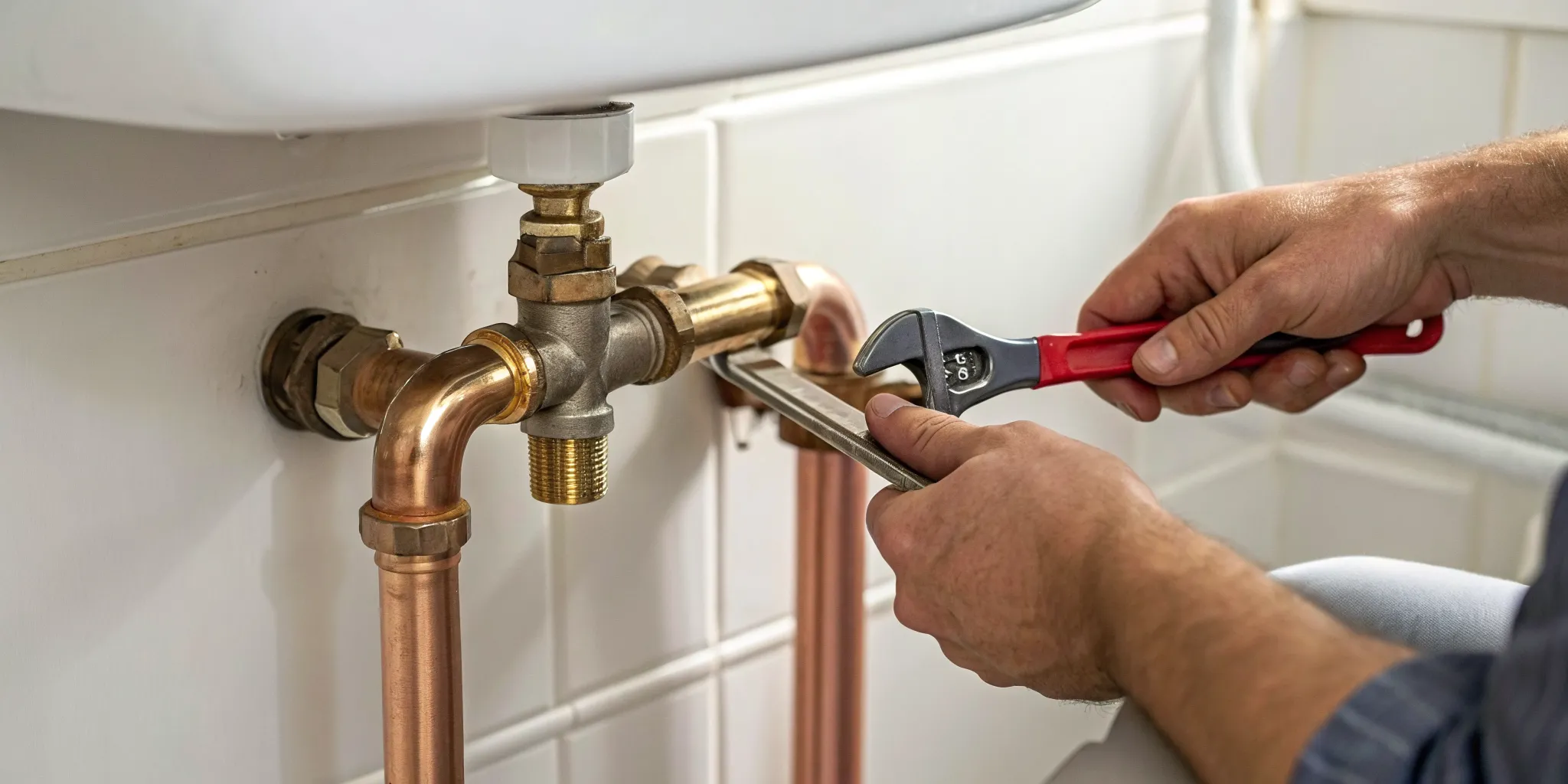
For a compression valve, you’ll need two wrenches. Use one wrench to grip the body of the valve to hold it steady, and the other to turn the compression nut counter-clockwise. It might take some muscle if it’s been on there for years. If the valve won’t budge or if you have a sweat valve, your best bet is often to cut the pipe directly behind it using a tube cutter. Removing a sweat valve requires a blowtorch to melt the solder, a task that carries a significant fire risk and is usually best left to a professional. A mistake here can quickly turn into a major problem, so if you’re dealing with a soldered valve, consider calling for emergency plumbing assistance to handle it safely.
How to Prevent Twisting Pipes in the Wall
When you’re trying to loosen a valve that’s been stuck for years, it’s easy to apply too much force and accidentally twist the entire pipe. This is a critical mistake, as the copper pipe extending into your wall is surprisingly fragile. A single wrong move can cause it to kink, crack, or break completely, turning your simple valve replacement into a major drywall and plumbing repair. To avoid this, always use two wrenches. Use one to hold the pipe or the fitting closest to the wall steady, creating a counter-force. Use your second wrench to turn the valve’s compression nut. This technique ensures all the torque is applied only to the nut, protecting the delicate pipe inside the wall from any twisting motion.
A Word of Caution on Using a Torch
If you discover you have a sweat (soldered) valve, you might be tempted to grab a blowtorch. Please don’t. Using a torch to heat a pipe right next to a wall is incredibly risky. You have no idea what’s behind that drywall—it could be flammable insulation, wooden studs, or electrical wiring. Countless house fires have started from a well-intentioned DIY plumbing project that went wrong. For jobs that require heat, the safest and smartest choice is to call a professional. At Mr. Pipey, our technicians have the proper training and safety equipment to handle soldered fittings without putting your home at risk. It’s one of those situations where calling for expert plumbing solutions is always the right call.
Prepping the Copper Pipe for a New Valve
Once the old valve is off, you need to prep the pipe for its new partner. This step is absolutely critical for getting a leak-proof seal. Use emery cloth or a pipe-cleaning brush to thoroughly clean the end of the copper pipe. You want to sand it down until it’s bright, shiny, and completely smooth, removing any old residue, corrosion, or burrs left from cutting. Inspect the end of the pipe closely. If it’s bent, dented, or damaged, you’ll need to cut it back to a clean section. Just make sure you leave at least an inch of straight pipe sticking out from the wall to attach the new valve. A clean surface ensures your new fitting can create the perfect watertight connection.
How to Cut Copper Pipe Without Crushing It
If you need to trim back a damaged section of pipe, making a clean cut is crucial. The goal is to keep the pipe perfectly round so the new valve can form a watertight seal. Your best friend for this job is a tubing cutter, not a hacksaw, which can leave a rough, uneven edge. To use it correctly, place the cutter around the pipe and gently tighten the knob until the cutting wheel just touches the copper. The trick is to apply light pressure. Rotate the cutter around the pipe, giving the knob a slight turn after each full rotation. This patient approach slices through the copper without deforming it. If you tighten it too quickly, you risk crushing the soft metal, which will almost guarantee a leak. If the pipe is in a tight spot or you’re feeling unsure, remember that a small mistake can lead to a big mess, and our team is always ready to handle any plumbing emergency.
How to Install Your New Valve on a Copper Pipe
With the old valve gone and the pipe prepped, you’re ready for the main event. Installing the new valve is straightforward when you know which parts to use and how to connect them properly. Let’s walk through the most common DIY-friendly options so you can get your water back on, leak-free.
Choosing Your Fitting: Compression or Push-to-Connect?
Your first decision is how you’ll attach the new valve to the copper pipe. For a solder-free project, you have two great choices: compression fittings or push-to-connect fittings. A compression valve uses a nut and a small brass ring (called a ferrule) that you tighten to create a watertight seal. It’s a classic, reliable method. A push-to-connect valve, often known by the brand name SharkBite, simply slides over the pipe and locks into place with internal teeth. Both are excellent replacements for old sweat or compression valves and don’t require any special tools like a torch. Push-to-connect is often faster, while compression is a time-tested standard.
Installing a Compression Fitting (The Right Way)
If you chose a compression valve, getting the order of operations right is key to a leak-proof seal. First, slide the decorative cover, or escutcheon, over the pipe so it sits flush against the wall. Next, slide the compression nut onto the pipe with its threads facing you. After the nut, slide on the ferrule (the little brass ring). Finally, fit the new valve onto the end of the pipe. Push it on as far as it will go, then slide the nut and ferrule forward to meet the valve’s threads. Hand-tighten the nut first, then use a wrench to give it another quarter- to a half-turn. Be careful not to overtighten, as this can damage the pipe and cause leaks. If you run into trouble, our team is always ready to help with any plumbing service.
The Secret to a Watertight Compression Seal
The magic of a compression fitting lies in its simplicity. A compression valve uses a nut and a small brass ring, called a ferrule, that you tighten to create a watertight seal. It’s a classic, reliable method that has stood the test of time. The key is achieving the perfect amount of tightness. If it’s too loose, it will drip. If it’s too tight, you risk crushing the ferrule or even damaging the copper pipe, which can cause a bigger leak. The best approach is to tighten the nut by hand until it’s snug, then use a wrench for an additional quarter- to half-turn. This creates just enough pressure to form a secure, long-lasting seal without overdoing it. This is one of those situations where “just right” is exactly what you need for a successful plumbing service.
Pro Tip: Keep the New Valve Open During Installation
Here’s a small tip that makes a big difference: install your new valve in the open position. While this is critical when soldering to prevent pressure buildup from heat, it’s also a great practice for solder-free installations. Keeping the valve open allows air to easily escape the line when you slowly turn the main water supply back on. This helps prevent “water hammer” or sudden pressure surges that could stress your brand-new connection. It also makes testing your work easier, as water will flow through the valve as soon as the system is repressurized, allowing you to check for leaks at the connection points immediately. It’s a simple step that ensures a smoother, safer finish to your project.
The Easy Way: Installing a Push-to-Connect Valve
Push-to-connect valves are popular for a reason: they are incredibly fast and easy to install. The most important step is preparation. Make sure your copper pipe is cut perfectly straight and that the end is clean and smooth, with no burrs. Most push-to-connect valves have a depth marker to show how far the pipe needs to go in. Push the valve firmly onto the pipe with a slight twisting motion until it hits that mark and won’t go any further. A valve that isn’t fully seated is a guaranteed leak. If you’re not confident in the connection, it’s better to call for emergency plumbing assistance than to risk water damage.
Why a Quarter-Turn Ball Valve is Your Best Bet
Regardless of which fitting you choose, make sure the valve itself is a quarter-turn ball valve. Many older homes have multi-turn valves that use a rubber washer to stop the water flow. Over time, these washers degrade, and the valve becomes difficult to turn or fails to shut off completely. A quarter-turn ball valve uses a durable metal ball with a hole through it. A simple 90-degree turn of the handle aligns the hole with the pipe for water flow or blocks it for a quick, reliable shut-off. They last much longer and are far less likely to leak, making them the modern standard for fixtures like your toilet and sink.
Understanding Valve Specifications and Prices
When you’re picking out a new shut-off valve, knowing what to look for can save you a lot of trouble down the road. Your best bet is to choose a modern quarter-turn ball valve. Unlike older, multi-turn valves that rely on a rubber washer that can degrade and fail over time, a ball valve uses a durable metal ball. A simple 90-degree turn of the handle provides a quick and completely reliable shut-off, which is exactly what you want in an emergency. For a DIY project like this, you’ll also want to look for a valve with either a compression or push-to-connect fitting. Both options create a strong, watertight seal without any soldering, making the installation process much more approachable for homeowners.
Understanding the potential cost is also helpful, even if you’re doing the work yourself. If you were to hire a professional, the cost to replace a water valve typically ranges from $250 to $600. This price can vary based on factors like the type of pipe you have and the specific valve being installed. Knowing this gives you a good idea of the money you’re saving and helps you budget if you decide the job is more than you want to handle. If you run into unexpected issues like a corroded pipe or a persistent leak, remember that calling in a pro is a smart move. At Mr. Pipey, we handle a full range of plumbing solutions and can ensure the job is done right, preventing a small issue from becoming a major expense.
Check Your Work for Leaks
You’ve done the hard part, and now it’s time for the moment of truth. Checking for leaks is the most critical final step of this project. A tiny, slow drip might not seem like a big deal, but over time it can lead to water damage, mold, and costly repairs. Taking a few extra minutes to be thorough here will give you peace of mind and ensure your hard work pays off. This final check confirms that you’ve created a secure, watertight seal that will last for years. Don’t rush this part; a patient and careful inspection is your best defense against future plumbing headaches.
Slow and Steady: Turning the Water Back On
Head back to your main water supply and turn the handle very slowly, just a quarter turn or so. You should hear the water begin to flow back into the pipes. Letting the system fill gradually prevents a sudden surge of pressure, which could damage your new connection if it isn’t perfectly set. Once the pipes are full, open the main valve the rest of the way. Immediately check your new shut-off valve for any obvious drips. For extra certainty, place a dry paper towel under the valve and leave it there for a day. This simple trick is great for catching any sneaky, slow leaks you might otherwise miss.
How to Spot a Leak
Your eyes are your first tool for leak detection, but don’t rely on them alone. Sometimes a leak is so small it won’t even form a visible drip. Run a dry finger or a paper towel all the way around the connections on both sides of the new valve. If you feel any moisture at all, you have a leak. Don’t panic. For a compression fitting, you can often solve the problem by giving the nut another gentle quarter-turn with your wrench. If it’s a push-to-connect fitting, you may need to release it and ensure the pipe is clean and fully inserted.
Common Installation Mistakes to Avoid
Some of the most common installation mistakes don’t cause immediate, gushing leaks. Instead, they create slow drips that might not show up for days or even months. Overtightening a compression fitting can damage the compression ring, while not pushing a push-to-connect valve on far enough prevents it from seating correctly. Both issues can lead to problems down the road. If you’ve double-checked your work and still can’t stop a drip, it’s better to be safe than sorry. A persistent leak can quickly become a bigger issue, so don’t hesitate to call for emergency plumbing if you feel you’re in over your head.
Teflon Tape: When to Use It (and When Not To)
Here’s a pro tip that saves a lot of DIY-ers from frustration: do not use Teflon tape on the supply lines connecting your faucet or toilet. These flexible lines have a rubber gasket inside the connector that creates the seal when you tighten the nut. Adding Teflon tape can actually interfere with this gasket, preventing it from creating a proper, watertight seal and causing a leak. Teflon tape is only meant for threaded pipe connections, like the ones on a showerhead arm, not for compression-style fittings with gaskets. Knowing when to use your materials is just as important as knowing how.
When to Call a Professional Plumber
While tackling a home repair project yourself can be incredibly satisfying, some jobs are best left to the experts. Plumbing is one of those areas where a small mistake can quickly turn into a very big, very wet, and very expensive problem. Knowing your limits isn’t a sign of failure; it’s the smartest thing you can do as a homeowner. If you find yourself feeling uncertain or the project seems to be getting more complicated by the minute, it’s time to pause.
Think of it this way: a professional plumber has the training, specialized tools, and years of experience to handle issues quickly and correctly. They can spot underlying problems you might miss and ensure the repair is done right the first time, saving you stress and money in the long run. At Mr. Pipey, we handle a wide range of plumbing solutions every day, so what seems like a major challenge to you is often a routine fix for us. Putting down the wrench and picking up the phone is a decision that protects your home and your peace of mind.
The Cost of Professional Valve Replacement
Let’s talk about the elephant in the room: the cost. It’s often the biggest reason homeowners hesitate to call a plumber, opting to try a DIY fix first. But when it comes to something as critical as a water shut-off valve, thinking about the cost as an investment rather than an expense can save you a massive headache. A professional installation isn’t just about paying for a part and an hour of someone’s time; it’s about paying for the assurance that the job is done correctly, with no risk of a catastrophic leak later on. A small, upfront cost for an expert repair can prevent thousands of dollars in water damage, making it one of the smartest financial decisions for your home.
Average Costs and What to Expect
So, what does that investment look like? Generally, you can expect the cost to replace a water valve to fall somewhere between $250 and $600. The final price depends on a few factors, like the type of valve being installed and the kind of pipes you have. For example, a standard ball valve on a copper pipe will have a different cost than a more complex pressure-reducing valve. When you call for professional plumbing services, the quote will cover the cost of the new valve itself, the labor involved, and the expertise to ensure it’s installed perfectly. This transparency helps you understand exactly what you’re paying for—a reliable fix that protects your home.
The Financial Risks of Waiting
Putting off a valve replacement might seem like a way to save money now, but it often leads to much higher costs later. A seemingly minor leak from a faulty valve can waste over 250 gallons of water a month, steadily driving up your utility bills. The real danger, however, is a complete failure. A burst valve can cause catastrophic water damage, with repair costs easily exceeding $11,000. And if you attempt a DIY repair that doesn’t hold, calling a professional to fix the original problem plus the new one can cost nearly 50% more than just hiring them in the first place. It’s a situation where a small, controlled expense now prevents a massive, stressful plumbing emergency later.
Is It Time to Call a Pro? Watch for These Signs
It’s easy to get in over your head. If you’ve never tackled a specific plumbing repair before, a shut-off valve replacement might not be the best place to start. If you’ve watched a few videos but the reality in front of you looks much more complicated, that’s a clear sign to stop. A project that requires tools you don’t own or involves more steps than you anticipated is another red flag. When a simple fix starts to feel like a major renovation or causes a leak you can’t control, don’t hesitate to call for emergency plumbing help. It’s always better to be safe than sorry.
Don’t DIY These Complex Pipe Issues
Not all pipes are created equal. If you live in an older home, you might be dealing with old galvanized pipes, which can be brittle and corroded. Trying to wrench on these can cause them to crack or crumble, creating a much bigger problem. Similarly, pipes with visible rust or damaged threads are extremely difficult to work with. A professional has the skill to assess the condition of your pipes and use the right techniques to avoid causing more damage. For issues like these, especially with frozen pipes that are already under stress, an expert touch is essential.
When to Consider a Valve Upgrade
Sometimes, replacing a valve isn’t just a one-for-one swap. If you notice the copper pipe around the valve is green with corrosion, or if the valve is in a tight, awkward spot that makes it nearly impossible to work on, it might be time for a more significant upgrade. A persistent leak that won’t stop even after you’ve checked your connections is another major red flag. These are signs that the problem might be bigger than just a faulty valve. This is a key moment to recognize when to call for professional help. A plumber can assess the situation and might recommend relocating the valve or replacing a section of the pipe to prevent a small issue from turning into a major disaster.
Emergency Solutions for Unstoppable Leaks
What happens if you have a leak you can’t stop because the main shut-off valve itself has failed? In these high-stress situations, professionals have specialized tools to manage the crisis. One such device is the Jomar Add-A-Valve, an emergency tool that allows a plumber to install a new, working valve on a copper pipe without shutting off the water supply. It’s designed for one-time emergency use to get the water flow under control immediately. This isn’t a DIY tool, but knowing it exists is reassuring. For unstoppable leaks or failed main valves, you need an immediate response. Our team is equipped to handle these exact scenarios with our emergency plumbing services, ensuring we can secure your system and prevent further damage.
What to Know About Local Plumbing Codes
Did you know that some plumbing work requires a permit from your local municipality? These regulations are in place to ensure all work is done safely and meets specific standards. A professional plumber is familiar with local building codes and will make sure any repairs or installations are fully compliant. This protects you from potential fines and ensures your home’s plumbing system is safe and up to standard. Instead of spending hours trying to figure out the paperwork, let a pro handle it. If you have questions about your project, feel free to contact us for guidance.
Why Trust a Professional Plumber in Metro Detroit
When you live in Metro Detroit, you know our homes have character—and sometimes, that character comes with older, more complex plumbing. While the satisfaction of a DIY fix is great, some jobs just aren’t worth the risk. A professional plumber brings more than just a toolbox; they bring years of hands-on experience dealing with the specific challenges our local homes present. At Mr. Pipey, we’re a family-owned business that treats your home like our own. We can quickly diagnose the root of the problem, ensure the repair is done correctly the first time, and save you from the stress of a small leak turning into a major disaster. Trusting a local expert means you’re not just getting a repair; you’re getting peace of mind.
Related Articles
- DIY Water Shut Off Valve Replacement in 5 Steps
- Shut Off Valve Under Sink: A Complete DIY Guide
- Repair a Copper Pipe Leak: A Step-by-Step Guide
Frequently Asked Questions
Which is better for a DIY project: a compression valve or a push-to-connect valve? Both are excellent solder-free options, so the best choice really depends on your comfort level. Push-to-connect valves are incredibly fast to install, but they require a perfectly clean, straight, and smooth pipe to create a proper seal. Compression valves are a more traditional method that provides a very secure connection. They take a little more finesse to tighten correctly, but many people find them very reliable.
How do I know if I’m overtightening a compression fitting? This is a great question because it’s a very common mistake. A good rule of thumb is to hand-tighten the nut first, then use a wrench for another quarter- to half-turn. The goal is to create a snug seal, not to apply all your strength. If you tighten it too much, you can damage the small brass ring inside (the ferrule) or even the copper pipe itself, which will cause a leak.
My old valve looks like it’s melted onto the pipe. What should I do? If the connection is smooth and seamless, you likely have a sweat or soldered valve. Removing this type of valve requires a blowtorch to melt the solder, which is a significant fire hazard and can easily damage the pipe if done incorrectly. For your safety, this is a job that should always be handled by a professional plumber.
What if I can’t find my main water shut-off valve or it won’t turn? Your main shut-off is usually in the basement, a crawl space, or near your water heater. If you’ve looked in all the likely spots and can’t find it, or if you find it but the handle is rusted and won’t budge, stop right there. Forcing a corroded valve can cause it to break, creating a much bigger emergency. This is a clear sign to call a professional for help.
After I install the new valve, what’s the most important thing to check for? The most critical final step is to check for leaks, no matter how small. When you turn the water back on, watch the connections closely. Run a dry finger or a paper towel around every joint on the new valve. Any sign of moisture means you have a leak that needs to be addressed immediately. A slow drip can cause serious water damage over time, so it’s worth taking a few extra minutes to be absolutely sure your connection is secure.