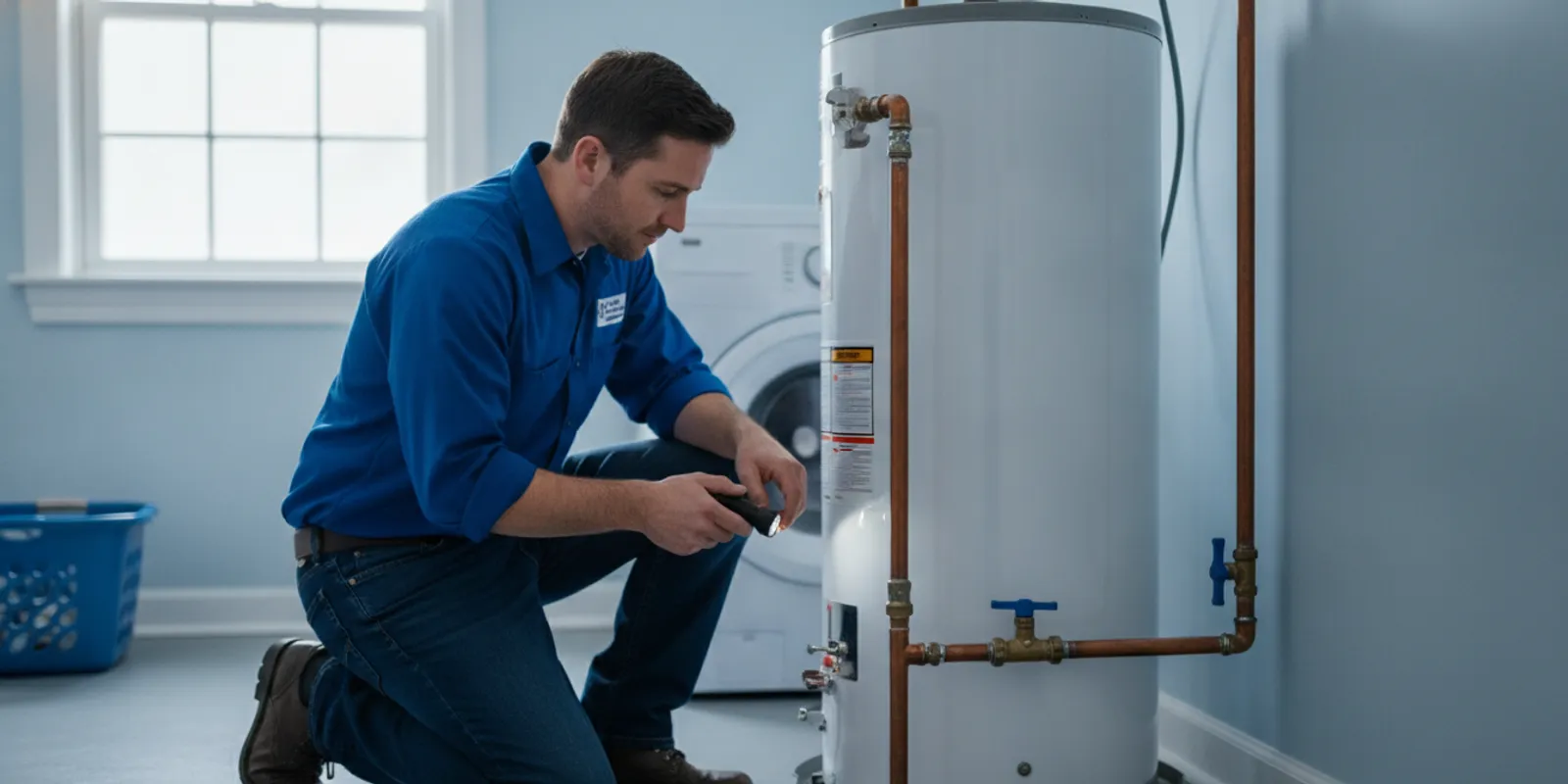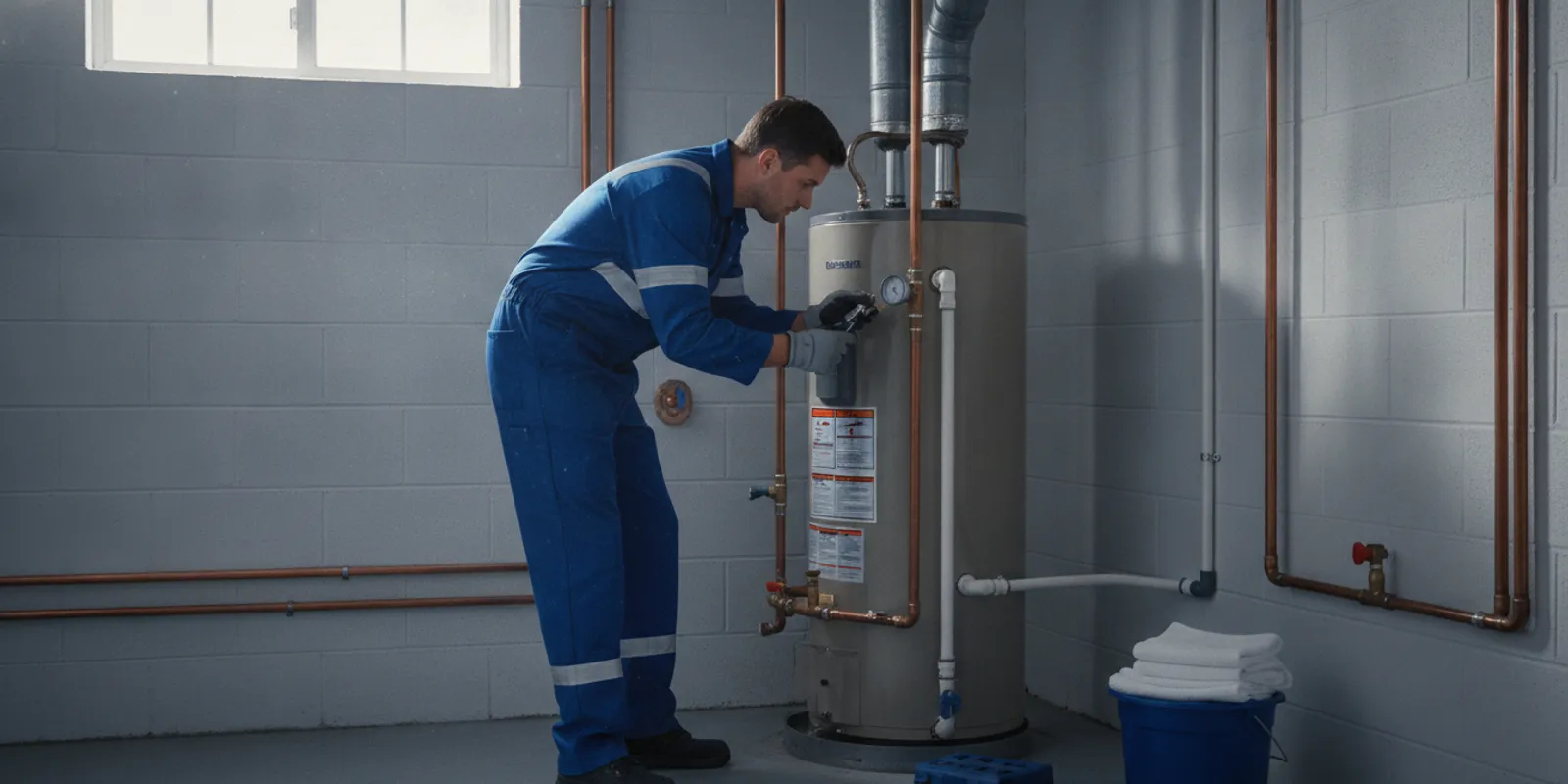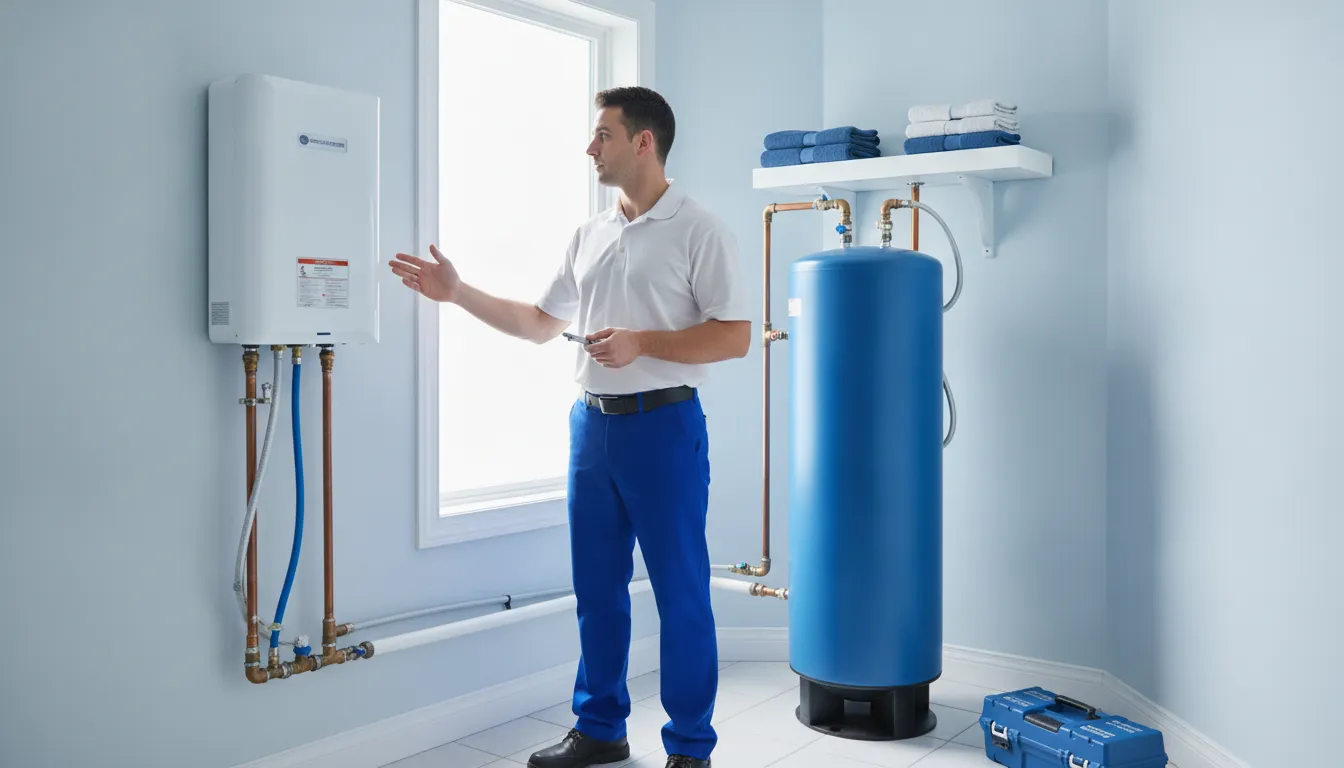


When a 50-gallon water heater starts leaking or stops keeping up, the first concern is usually the same: what will replacement cost? The answer depends on the fuel type, the condition of your existing connections, permit requirements, and local code. It also depends on whether the new unit is a straightforward replacement or a larger upgrade. No two basements are identical, and a published average rarely matches the conditions in a specific home.
For a typical 50-gallon replacement, the water heater replacement cost 50 gallon shoppers should budget is about $700 to $3,100 or more installed. Electric replacements commonly fall toward the lower end, while gas units and projects requiring gas-line, venting, electrical, permit, or disposal work can cost more.
Those figures are planning ranges, not a substitute for an in-home estimate. A qualified plumbing and heating contractor can confirm the correct capacity, fuel type, code requirements, labor, and removal costs before work begins. This guide walks through the tank price, installation labor, permits, and disposal. It also covers the factors that raise or lower a quote, so you can compare a Detroit estimate with confidence.
Get your free, flat-rate water heater replacement estimate from Mr. Pipey today.
What Is the Water Heater Replacement Cost for a 50-Gallon Unit in Detroit?
For many Metro Detroit homes, a 50-gallon tank is the practical middle ground between household hot-water demand and available space. It is also the most popular water heater size and a common replacement for aging units across Metro Detroit. See the signs it is time for a water heater replacement on the Mr. Pipey blog. Based on published HomeGuide cost ranges, the total installed price generally falls into these categories:
- Electric 50-gallon water heater: about $700 to $1,800 installed.
- Gas 50-gallon water heater: about $1,000 to $3,100 or more installed.
| 50-gallon water heater cost | Electric | Gas |
|---|---|---|
| Unit price | $500 to $1,200 | $600 to $2,100 |
| Installation labor | $200 to $600 | $400 to $1,000+ |
| Total installed | $700 to $1,800 | $1,000 to $3,100+ |
These figures are project ranges, not a guaranteed quote. The total typically combines the new tank, installation labor, standard connection materials, and any routine removal or disposal involved in the replacement. A straightforward one-for-one swap usually stays closer to the lower portion of the range. When the new unit requires changes to gas piping, venting, electrical service, drainage, or other connections, the project can move higher.
Why does fuel type change the installed price?
Electric and gas systems require different installation conditions. Electric models do not need a combustion vent or gas connection, while gas models involve fuel piping, venting, and combustion-safety considerations. Those requirements can add labor and materials, especially when the existing setup does not meet current code or does not match the replacement unit. Gas equipment may also have a higher initial unit price, while operating costs depend on local utility rates and the efficiency of the model selected.
The least expensive option on the day of installation is not always the least expensive choice over the life of the water heater. A professional should evaluate the home’s existing connections, household demand, available fuel, installation location, and code requirements before recommending a replacement. Choosing the same capacity does not automatically mean every 50-gallon unit is interchangeable.
What should Detroit homeowners expect from an estimate?
An accurate estimate requires an in-home assessment. A plumber can verify whether the unit is electric or gas and inspect the surrounding connections, access, and clearances. That review is especially important if you are changing fuel types, moving the tank, upgrading efficiency, or replacing a unit that has already leaked.
For that reason, online ranges are useful for planning, but they should not replace a written project scope. Ask whether the estimate includes labor, removal, permits when required, connection upgrades, and the final startup and safety checks. Clear pricing helps you compare recommendations based on the complete installation rather than the tank price alone.
How Much Does a 50-Gallon Water Heater Unit Cost on Its Own?
When you compare the water heater replacement cost 50 gallon homeowners see in a quote, separate the equipment price from installation. A 50-gallon tank purchased on its own can represent a substantial part of the budget, but the right choice depends on more than the number on the shelf.
For the unit alone, HomeGuide reports a typical price of $500 to $1,200 for an electric 50-gallon water heater. A comparable gas model commonly costs $600 to $2,100. The range reflects fuel type, efficiency, features, and brand, and it does not include labor, permits, delivery, removal of the old tank, or related plumbing work. HomeGuide’s water heater replacement cost guide provides the published equipment ranges.
Why does fuel type change the equipment price?
Conventional storage water heaters may use natural gas, propane, fuel oil, or electricity. The available fuel source in a Detroit-area home affects which models can be installed and how the system operates over time. The U.S. Department of Energy identifies fuel type and availability as important considerations when selecting a storage water heater, because they influence both replacement and operating costs. Energy.gov explains how storage water heater fuel sources affect selection and cost.
Electric units often have the lower purchase price and may be a practical fit when a home lacks an appropriate gas connection or venting system. Gas models can cost more upfront, while their operating economics may differ depending on local utility rates, the home’s existing connections, and the unit’s efficiency. A qualified plumber should evaluate those conditions rather than recommending a fuel type based only on the equipment price.
Does a higher-priced 50-gallon tank provide better value?
Not automatically. Features such as stronger tank insulation, improved efficiency, venting design, warranty coverage, and manufacturer specifications can raise the initial price. Better insulation can reduce standby heat loss and lower annual operating costs. Conversely, choosing the least expensive model may lead to higher operating and maintenance costs over its lifetime, according to the Department of Energy.
Capacity also matters. A 50-gallon tank should be sized for the household’s hot-water demand, not simply selected because it is larger. An oversized water heater carries a higher purchase price and can cost more to operate because a larger tank may experience greater standby energy losses. During an estimate in Troy, Royal Oak, or Novi, the installer can compare your household demand and first-hour rating. That comparison supports a specific unit recommendation for a Metro Detroit home.
The equipment range is therefore a starting point, not a complete quote. Comparing the expected operating cost and installation requirements alongside the unit price gives you a more accurate view of long-term value.
How Much Does Labor Cost for a 50-Gallon Water Heater Replacement?
Labor is a significant part of the water heater replacement cost 50 gallon homeowners see in a quote. For a straightforward electric replacement, published cost guides commonly place installation labor around $200 to $600. Gas water heater labor often runs from $400 to $1,000 or more because the work may involve venting, combustion safety, and gas connections. Other professional installation estimates place the broader installation range at approximately $600 to $3,000, with electric installations averaging about $600 to $900 when installation-related charges are combined.
These figures are planning ranges, not a substitute for an evaluation at the home. Labor rates vary by market, access, existing connections, permit requirements, and the condition of the current installation. A plumber should be able to explain what the labor line includes rather than presenting one unexplained number.
Why a one-for-one replacement usually costs less
The simplest replacement removes the existing 50-gallon tank and connects a new unit with the same fuel type, capacity, location, and piping arrangement. When those components are suitable and code-compliant, the work is more predictable. That usually means fewer labor hours and less material coordination than a project that changes the system at the same time.
A replacement can require more labor when the existing setup needs revisions. Examples include upgrading electrical service, modifying gas piping, correcting venting, improving earthquake or seismic restraint where applicable, relocating the tank, or bringing older connections into compliance. Constricted access, unfinished utility areas, water damage around the old tank, and difficult removal can also add time. The Department of Energy notes that proper installation depends on fuel type, climate, local building codes, and combustion safety requirements, particularly for gas-fired equipment. Those installation factors should be part of the professional assessment.
Flat-rate labor can make the final price easier to understand
Hourly labor can make a replacement quote difficult to predict when an installation takes longer than expected. Mr. Pipey uses transparent, flat-rate pricing and does not add overtime or double-time charges for after-hours service. That approach helps homeowners in Troy, Royal Oak, Novi, Farmington Hills, and surrounding Metro Detroit communities understand the expected price before approving the work. A free estimate or inspection can identify whether the project is a true one-for-one swap or a more involved upgrade.
Energy.gov recommends having a qualified plumbing and heating contractor install a storage water heater. Professional installation protects the quality of the connections and helps address safety, efficiency, and code considerations before the new tank is put into service. The right comparison is not simply the lowest labor number. It is a clearly documented scope with qualified workmanship. The price should reflect the actual conditions in your home.
Permits, Disposal, and Hidden Costs of a 50-Gallon Water Heater Replacement
The tank and installation labor are only part of a replacement budget. A straightforward one-for-one changeout may involve fewer additional charges, while a project that needs updated connections, venting, or electrical work can require more planning. Asking about these items before work begins helps you compare estimates accurately and avoid surprises.
When can a permit affect the project total?
Permit requirements vary by local building code and by the type of water heater being installed. A gas replacement may require attention to combustion air, venting, and gas connections. An electric unit may require an evaluation of the circuit, disconnect, wiring, or other electrical components. The U.S. Department of Energy explains that proper water heater installation depends on fuel type, climate, local building code requirements, and combustion safety considerations. Review the Department of Energy guidance on storage water heaters for the broader installation factors.
The permit fee itself may be a relatively small part of the project. The related inspection, code corrections, or preparation needed to pass inspection can have a greater effect on the final price. A qualified plumbing contractor can identify whether the existing setup is suitable for the replacement and explain which work is required for compliance in your Metro Detroit community.
What happens to the old tank?
Old water heaters are heavy, awkward to move, and often contain residual water. Professional removal and haul-away may be listed separately from installation labor. Disposal charges can cover transporting the tank, handling it through the appropriate waste channel, and leaving the work area clean. When comparing quotes, confirm whether old-unit removal is included or priced as an optional service.
The replacement may also require a new expansion tank, water-supply connectors, shutoff components, or other transition parts. These items are not necessarily evidence of an unexpected problem. Connectors can be replaced when they are worn, corroded, or unsuitable for the new unit. An expansion tank may also be needed to address pressure conditions in a closed system. The contractor should explain each recommended part and distinguish code or safety requirements from optional upgrades.
How should you plan for these costs?
Request an itemized estimate that separates the tank, labor, permit-related charges, connection revisions, expansion-tank work, and old-unit disposal. That format makes the water heater replacement cost 50 gallon homeowners see easier to understand, especially when comparing a basic replacement with a code-compliant upgrade. A careful assessment before installation also helps ensure that the selected unit matches the home’s fuel source and existing system.
What Raises or Lowers the Cost of a 50-Gallon Water Heater Replacement?
The equipment selected for a replacement affects more than the invoice on installation day. Capacity, insulation, fuel type, efficiency, and warranty all shape the purchase price and the cost of operating the water heater over time. A careful comparison helps you avoid paying for capacity your household does not need or choosing a low-priced unit that costs more to run.
Does the tank size affect the price?
Yes. A 50-gallon tank is a common choice for a household that needs a substantial hot-water reserve, but the right capacity depends on demand and the unit’s first-hour rating. An oversized water heater can have a higher purchase price and higher operating expenses because the larger tank may lose more heat while it sits unused. The U.S. Department of Energy explains that these standby losses can increase when a storage unit is oversized. See its storage water heater guidance for the factors that belong in a sizing decision.
That does not mean a smaller tank is automatically the better value. If the household regularly uses more hot water than the system can deliver, inadequate capacity can create comfort problems and lead to another upgrade sooner than expected. A qualified plumber can consider household demand, available fuel, space, and first-hour rating instead of choosing a tank by gallon count alone.
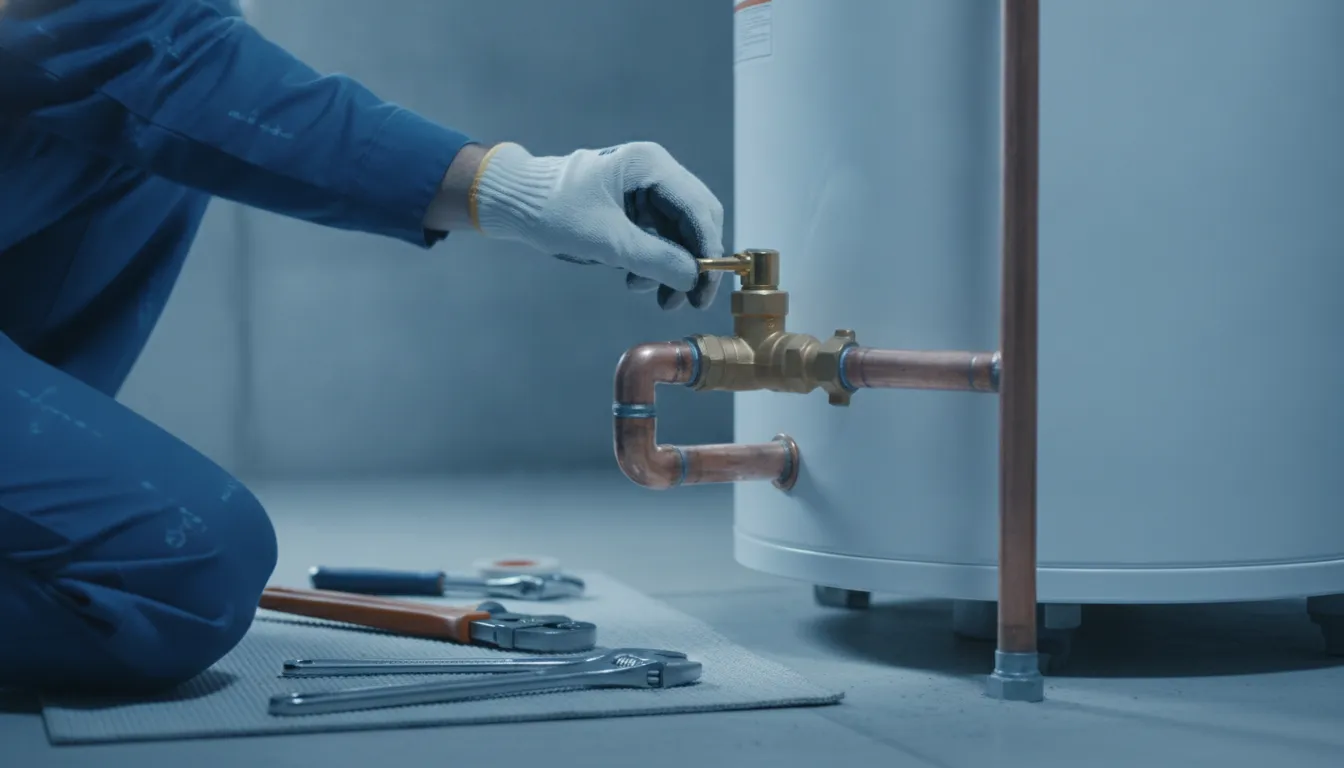
How do insulation and efficiency change the long-term cost?
Storage heaters lose some heat even when no faucet is running. Models with more heavily insulated tanks and higher thermal resistance, or R-value, can reduce standby heat loss and lower annual operating costs. Energy efficiency ratings, burner or heating-element design, and fuel availability also influence the balance between upfront price and monthly utility expense.
The least expensive model is not always the least expensive choice over its service life. The Department of Energy notes that a low-priced storage water heater may cost more to operate and maintain over time. A more efficient unit may therefore raise the initial water heater replacement cost 50 gallon shoppers see, while offering better lifetime value. Brand reputation, parts availability, and warranty length can also affect the price. A longer warranty may cost more upfront, but it can provide useful coverage when the equipment is installed correctly and maintained as recommended.
Is a heat pump or tankless system worth the higher price?
Heat pump water heaters and solar models generally cost more upfront than conventional storage units, but they can have lower annual operating costs and shorter payback periods. Whether that tradeoff works depends on the home’s layout, electrical capacity, utility rates, and installation requirements.
Switching from a standard tank to tankless is a larger project, not simply a different model choice. A tankless conversion is commonly quoted at roughly two to three times the cost of a standard tank replacement. The higher price reflects venting, gas supply, electrical service, and water-line changes. Compare tankless versus tank systems with the full installation scope in mind. A professional evaluation can identify the option that fits your household without paying for unnecessary upgrades.
Why Do Water Heater Replacement Quotes Vary So Much Between Plumbers?
Two plumbers can look at the same 50-gallon water heater and prepare noticeably different estimates because the job may not be identical from one home to the next. A straightforward one-for-one replacement usually involves disconnecting the existing unit, installing a compatible model, reconnecting the water and fuel lines, testing the system, and removing the old tank. That is a different scope from changing fuel types, relocating the heater, upgrading electrical service, modifying a gas line, or converting from a standard tank to tankless equipment.
Labor rates and contractor overhead also vary by market. Licensing, insurance, trained technicians, vehicles, equipment, dispatch operations, and warranty support all contribute to a company’s operating cost. Regional labor conditions can affect the final estimate as well. A price that looks lower at first may not include the same level of preparation, documentation, cleanup, or follow-up service.
Permits and code requirements are another source of variation. The U.S. Department of Energy explains that proper installation depends on fuel type, climate, local building codes, and combustion-safety requirements. Gas installations may require attention to venting and combustion air. Electrical installations may require revisions to wiring, disconnects, or circuit capacity. Permit fees, required safety components, inspection coordination, and disposal of the existing tank should be identified rather than left as surprises. Review the Department of Energy’s storage water heater guidance for the installation factors that affect safe operation.
The equipment itself can create a meaningful difference. Brand, warranty terms, efficiency, insulation, controls, and replacement parts affect the purchase price. The least expensive model is not always the least expensive choice over its service life. The Department of Energy notes that higher-insulation models can reduce standby heat loss, while an improperly oversized unit can increase both purchase and operating costs.
Angi reports an average tank water heater replacement range of approximately $881 to $1,826. But a published average cannot account for the conditions inside a specific Oakland County home. An exact quote requires an in-home estimate that confirms the existing connections, access, fuel source, code needs, and desired replacement.
Mr. Pipey uses transparent flat-rate pricing so the agreed scope is clear before work begins. There are no overtime or double-time charges for after-hours service, and free estimates are available for major plumbing work. Request a free, no-pressure water heater replacement estimate from Mr. Pipey.
Frequently Asked Questions
How much should a 50-gallon hot water heater cost to install?
A typical replacement includes the tank, labor, required connections, permits, and disposal. Published ranges place a 50-gallon electric unit at about $500 to $1,200 and a gas unit at about $600 to $2,100 before installation. Labor and site conditions can bring the total higher, especially when venting, gas lines, electrical service, or code updates need attention. An in-home estimate is the most reliable way to price the complete replacement.
How much does labor cost to install a 50-gallon water heater?
Labor commonly runs about $200 to $600 for an electric installation and $400 to $1,000 or more for a gas installation, depending on complexity. A straightforward one-for-one replacement is usually less involved than changing fuel types, relocating the tank, or modifying connections. A qualified contractor can explain which work is included instead of presenting a low tank price that excludes installation requirements.
What is the average lifespan of a 50-gallon hot water heater?
Service life varies by model, fuel type, water conditions, usage, installation quality, and maintenance. The manufacturer warranty and the condition of the tank are useful reference points, but neither guarantees a specific replacement date. Regular professional evaluation can help identify declining performance and plan for replacement before the unit becomes an urgent expense.
Why do plumbers charge so much to replace a water heater?
Replacement pricing covers more than carrying in a new tank. The work may include safe water and fuel connections, venting or electrical checks, code compliance, permits, testing, old-unit removal, and labor. The U.S. Department of Energy recommends using a qualified plumbing and heating contractor because installation depends on fuel type, local codes, and combustion safety: Energy.gov guidance.
Ready to Get a Free, Flat-Rate Estimate?
A professional estimate can clarify the replacement plan, expected project cost, and whether your 50-gallon water heater is the right fit for your home. Mr. Pipey backs its work with a 100% satisfaction guarantee and does not add overtime or double-time charges for after-hours service. Contact Mr. Pipey to get your free, flat-rate estimate for a 50-gallon water heater replacement.