
When your hot water suddenly disappears, the last thing you want is the added stress of finding a plumber you can trust. You need a reliable, local team that will treat your home with respect and get the job done right the first time. A little homework upfront can save you from headaches, overspending, and repeat problems down the line. This guide will help you know what to look for in a quality technician, from checking for proper licensing to reading customer reviews. When you need dependable water heater repair in Troy, MI, you deserve a company that values your trust and provides clear, cost-effective solutions.
Key Takeaways
- Recognize Key Warning Signs: Issues like inconsistent temperatures, strange noises, small leaks, or discolored water are your water heater’s way of asking for help. Addressing these early with a professional can prevent a much bigger emergency.
- Weigh the Costs of Repair vs. Replacement: A repair often makes sense for newer units with minor issues. If your water heater is over ten years old, needs frequent service, or the repair cost is high, investing in a new, more efficient model is usually the smarter financial choice.
- Prioritize Simple Annual Maintenance: You can extend your water heater’s lifespan and prevent surprise breakdowns with a few key tasks. Make a habit of flushing the tank, checking the anode rod, and insulating pipes to keep your unit running efficiently and save money on future repairs.
What’s Wrong With My Water Heater? Common Problems in Troy
That moment you turn on the shower and get hit with icy water is never a good one. Water heater problems can disrupt your entire day, but figuring out the cause is the first step toward a solution. Most issues fall into a few common categories, from simple fixes to signs that your unit is on its last legs. Whether you’re dealing with strange noises, leaks, or a complete lack of hot water, understanding the potential problem can help you know when to call for professional help. Here are some of the most frequent water heater troubles we see in Troy homes.
No Hot Water
The most obvious sign of trouble is no hot water at all. If you have a gas heater, the pilot light may have gone out. For electric models, a tripped circuit breaker or a faulty heating element is often the culprit. However, if your hot water is inconsistent or the unit just isn’t keeping up with your household’s needs, it could point to a failing thermostat or a more significant internal problem. While you can check your breaker box yourself, diagnosing and fixing heating elements or gas valves is a job best left to a professional to ensure it’s done safely and correctly.
Hot Water That Runs Cold
Is your hot shower cut short because the water suddenly turns lukewarm or cold? This is a classic sign of a potential issue inside your tank. Often, the cause is a broken dip tube. This component is supposed to direct incoming cold water to the bottom of the tank for heating, but when it fails, cold water mixes with the hot water at the top. This is why your hot water supply seems to run out so fast. While minor temperature changes can sometimes be mistaken for major water heater problems, a consistent issue like this warrants a professional look from a trusted plumber.
Strange Noises from Your Tank
If your water heater is making popping, rumbling, or crackling sounds, it’s trying to tell you something. These strange noises from your water heater often indicate sediment buildup. Troy is known for its hard water, which contains minerals that can settle at the bottom of your tank over time. When the burner kicks on, it heats the water trapped underneath this layer of sediment, causing it to boil and create those unsettling sounds. This not only makes your heater less efficient but can also lead to tank damage. An annual flush can help, but significant buildup requires professional service.
Leaks and Puddles
Finding a puddle of water around your water heater is a problem you can’t ignore. Even a small leak can point to a serious issue that could lead to significant water damage. Leaks can come from the pressure relief valve, the plumbing connections, or the tank itself. If you notice water pooling around the base, you should call for emergency plumbing help right away. While a leaking valve might be a simple repair, a leak from the tank itself is a sure sign of internal corrosion, meaning a full replacement is almost certainly in your near future.
Rusty or Discolored Water
If only brown or rusty water comes out when you turn on the hot tap, it’s a clear warning sign. Rusty hot water can be a sign of corrosion inside your water heater tank or your home’s pipes. Your water heater has a part called an anode rod, which is designed to corrode over time to protect the tank lining. If the rod is depleted, the tank itself will start to rust from the inside out. A plumber can determine if you just need a new anode rod, which is a simple fix, or if the tank is failing and needs to be replaced.
Issues from Hard Water and Sediment Buildup
As mentioned earlier, Troy’s hard water can cause a lot of problems for your plumbing. This is especially true for your water heater, where sediment buildup can reduce efficiency and shorten the unit’s lifespan. All those minerals create a layer of scale at the bottom of the tank, forcing your heater to work harder and use more energy to heat the same amount of water. This extra strain can lead to overheating and damage the tank. Regular maintenance, including flushing the tank, is the best way to protect your pipes and appliances from the effects of hard water.
Repair or Replace? Making the Right Call for Your Water Heater
Deciding whether to repair or replace your water heater is one of the biggest questions homeowners face. It feels like a high-stakes choice, but you don’t have to make it alone. The right decision depends on a few key factors: the age of your unit, the cost of the repair, and its overall performance. Sometimes a simple fix is all you need to get things running smoothly again. Other times, investing in a new water heater is the smarter long-term move, saving you from future headaches and surprise cold showers.
Understanding the signs can help you feel more confident when you call a professional. A trustworthy plumber won’t just sell you a new unit if a repair makes more sense. At Mr. Pipey, we treat your home like our own and always look for the most cost-effective, reliable solution. We’ll walk you through the options so you can make an informed choice that fits your budget and gives you peace of mind. Let’s break down what to look for.
Signs You Just Need a Repair
If your water heater is relatively new (less than 8-10 years old) and starts acting up, a repair is often the best route. Many common issues can be fixed without replacing the entire unit. Keep an eye out for specific symptoms like inconsistent hot water, small puddles forming around the tank, or strange noises like hissing and banging. Rusty or discolored water is another clear signal that something is wrong inside the tank. If you notice any of these problems, it’s time to call for a professional diagnosis. A quick repair can often prevent a minor issue from turning into an emergency plumbing situation.
When to Consider a Full Replacement
Sometimes, a repair just isn’t practical. If your water heater needs frequent fixes or if the cost of a single repair is approaching half the price of a new unit, replacement becomes the more sensible option. Constant problems are a sign that your water heater is nearing the end of its life. Instead of pouring more money into an aging system, it’s often better to upgrade before it fails completely. This proactive approach saves you from the stress and expense of a sudden breakdown. Our team can provide you with a clear, honest assessment of all your plumbing solutions to help you decide.
How Age and Efficiency Play a Role
A traditional tank water heater typically lasts about 8 to 12 years. If your unit is in that age range or older, replacement is usually the wisest investment. While a new water heater can seem like a significant expense, modern units are far more energy-efficient. Investing in a high-quality, efficient model can lead to noticeable savings on your monthly utility bills. Over time, these savings can help offset the initial cost. Plus, a new water heater comes with a warranty and the reliability you need. If you’re unsure about your unit’s age or efficiency, get in touch and we can help you evaluate its condition.
Tank vs. Tankless: How Your Water Heater Type Affects Repairs
When your water heater starts acting up, the type of unit you have in your basement plays a big role in what’s gone wrong. Traditional tank heaters and modern tankless systems both give you hot water, but they work very differently. Because of this, they have their own unique sets of common problems and repair needs. Understanding the difference helps you know what to expect when you call a professional for help.
A tank water heater, the kind most of us are familiar with, keeps a large amount of water hot and ready 24/7. This constant work can lead to wear and tear on specific parts. A tankless water heater, on the other hand, heats water instantly as you need it. This “on-demand” function avoids the standby heat loss of a tank but puts stress on different components. Knowing which system you own is the first step in diagnosing the problem and finding the right plumbing solutions for your home.
Typical Repairs for Tank Water Heaters
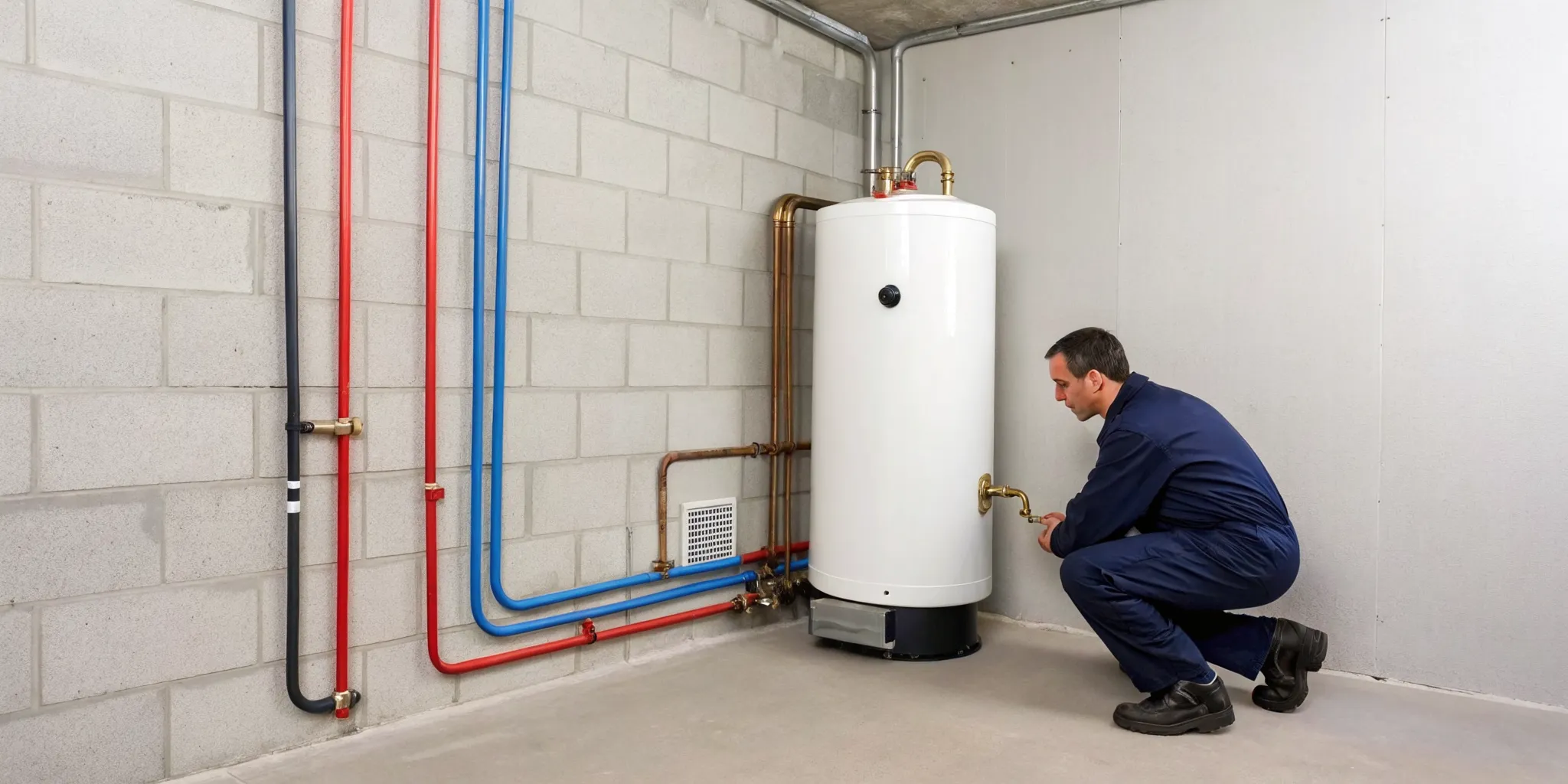
With a traditional tank water heater, you’re dealing with a system that is always on. This constant operation means some parts are more likely to fail over time. One of the most frequent issues is a pilot light that won’t stay lit on a gas model. Another common problem involves a faulty thermostat or a burned-out heating element, which leaves you with lukewarm or cold water.
Because these tanks hold dozens of gallons of water, they are also prone to leaks and internal corrosion. Over time, parts like the gas valve or burner assembly can wear out, requiring a more involved repair. These issues are all fixable, but they are signs that your unit is working hard and may need attention.
Typical Repairs for Tankless Water Heaters
Tankless water heaters are often seen as low-maintenance, but they aren’t completely immune to problems. Since they heat water on demand, their internal parts work intensely in short bursts. One of the biggest culprits behind tankless issues is mineral buildup from hard water, which is common here in Michigan. This scaling can clog the system and reduce its efficiency, which is why they require regular maintenance to keep them running smoothly.
Other common repairs for tankless units include addressing ignition failures, cleaning or replacing blocked air filters, and fixing problems with the flow sensors that tell the unit when to turn on. While you won’t have to worry about a giant tank leaking, keeping the internal components clean and clear is key to a long lifespan.
What to Expect for Water Heater Repair Costs in Troy
Let’s talk about one of the biggest concerns with any home repair: the cost. When your water heater acts up, it’s natural to worry about your budget. The final price for a repair in Troy can depend on several things, like the type of water heater you own and the specific part that needs fixing. Getting a clear picture of potential costs can help you feel more prepared and make a confident decision. While a professional diagnosis is the only way to get an exact number, understanding the typical price ranges for different issues is a great place to start. We believe in transparent pricing, so here’s a breakdown of what you can generally expect when budgeting for a water heater repair.
Repair Costs by Problem Type
The specific problem with your water heater is the biggest factor in determining the repair cost. Simpler fixes are naturally more affordable than complex ones. For example, getting a pilot light relit or repaired usually falls in the $130 to $280 range. If a technician needs to replace a faulty part like a heating element or a thermostat, you can expect the cost to be between $180 and $450. More involved repairs, such as fixing a gas valve or replacing a burner assembly, require more expertise and time, so those costs can run from $350 to $800. These are just estimates, but they give you a solid idea of what different expert plumbing solutions might involve.
Gas vs. Electric Repair Costs
The type of fuel your water heater uses also affects the repair bill. Generally, electric water heaters are simpler in design, which often makes them less expensive to fix. A typical repair for an electric model might cost between $100 and $350. Gas water heaters, on the other hand, have more complex components like gas lines, burners, and ventilation systems. Because of this added complexity, repairs can be more expensive, sometimes costing up to $600. It’s a key difference to keep in mind when you call for service, as it helps set a realistic expectation for the work ahead.
Factors That Influence Your Final Bill
Beyond the specific part and heater type, other factors can influence your final bill. If a repair is especially difficult or if the unit is hard to access, labor costs might be higher. It’s also important to distinguish between repair and replacement costs. While the repairs mentioned above can get your unit running again, sometimes a full replacement is the more cost-effective choice in the long run. In Michigan, a complete water heater replacement can range from $1,600 to $7,500, depending on the model and installation needs. The best way to know for sure is to get a written estimate from a trusted professional who can assess your specific situation and provide a clear, upfront price before any work begins.
Is It a Plumbing Emergency? When to Call for Help Immediately
Some water heater problems are more than just an inconvenience; they are genuine emergencies that require immediate attention. Knowing the difference can save you from extensive water damage, costly repairs, and even safety hazards. If you notice any of the signs below, it’s time to stop what you’re doing and call a professional. Ignoring these warnings can turn a manageable issue into a household catastrophe, especially when you’re dealing with a combination of water, gas, or electricity. We’ll walk you through what to watch for, what to do while you wait for help, and why Michigan’s weather makes these issues even more critical.
Urgent Warning Signs to Watch For
Certain symptoms mean your water heater needs help right away. A significant leak or a large puddle forming around the tank is a major red flag for a potential rupture. You should also listen for loud or unusual noises. Hissing can indicate a serious leak or that the tank is overheating, while loud banging or popping sounds often mean the sediment buildup has become severe. If you suddenly see rusty or discolored hot water, it’s a sign that the inside of your tank is corroding and could fail at any moment. For gas heaters, a rotten egg smell is the most serious warning of all, pointing to a gas leak that requires you to call your gas company and a plumber immediately. These are all signs that you need emergency plumbing services.
What to Do While You Wait for a Plumber
Once you’ve made the call for help, taking a few key steps can protect your home from further damage. First, shut off the water supply to the tank. You can usually find a shut-off valve on the cold water pipe that leads into the heater. If you can’t find it or it won’t turn, shut off the main water supply to your house. Next, turn off the power source. For an electric model, head to your breaker box and flip the corresponding switch. For a gas heater, turn the dial on the unit to the “Off” position. Once the water and power are off, carefully clear any belongings away from the area to prevent water damage. A professional plumber can then safely troubleshoot the issue and work to restore your hot water.
Why Michigan Winters Increase the Urgency
In Troy, our cold winters and heavy snow can turn a small plumbing issue into a disaster. The freezing temperatures put immense stress on your home’s plumbing system. Pipes in unheated areas like basements, crawl spaces, and exterior walls are especially vulnerable to freezing and bursting. A malfunctioning water heater during a cold snap not only leaves you without hot water but also increases the risk of frozen pipes since there’s no warm water circulating through them. Furthermore, heavy snowmelt can overwhelm your drainage systems and lead to basement flooding, which can damage your water heater and other appliances. If you notice any water heater issues during the winter, it’s best to act fast to prevent a chain reaction of plumbing problems.
How to Choose the Best Water Heater Repair Service in Troy
Finding the right plumber when your water heater acts up can feel overwhelming, but it doesn’t have to be. Knowing what to look for helps you confidently pick a service you can trust to get the job done right. A little homework upfront can save you from headaches, overspending, and repeat problems down the line. Focus on a few key areas to find a reliable, professional plumber in Troy who will treat your home with respect and get your hot water running again.
Check for Licensing, Insurance, and Experience
This is non-negotiable. A licensed and insured plumber protects you from liability if something goes wrong during the repair. Licensing proves they meet state and local standards, while insurance covers any accidental damage to your property. Experience is just as critical. A company that has been serving the Metro Detroit area for years has likely seen every water heater issue imaginable. Look for a team with a long track record of quality work. A family-owned business, for example, often brings decades of passed-down knowledge and a deep commitment to the community, ensuring you get reliable and trustworthy service every time.
Ask for Transparent Pricing and Written Estimates
No one likes surprise fees on their final bill. A reputable plumbing service will always be upfront about costs. Before any work begins, you should receive a clear, written estimate that details the scope of the repair and the associated expenses. If a simple repair isn’t the most cost-effective solution, a good technician will explain why. They should provide straightforward options, helping you decide if a replacement makes more sense for your home and budget. Don’t hesitate to ask for an estimate over the phone or schedule a consultation. This transparency is a hallmark of a company that values honesty and customer trust.
Look for Service Guarantees and Warranties
A company that stands behind its work will offer guarantees or warranties on their repairs. This is your assurance that they are confident in their skills and the quality of the parts they use. A satisfaction guarantee means they are committed to making things right if you’re not happy with the service. This provides incredible peace of mind, knowing you won’t be left in the lurch if the problem persists. At Mr. Pipey, we believe in our workmanship so strongly that we offer a 100% customer satisfaction guarantee on all our plumbing solutions, so you can feel secure in your choice.
Read Customer Reviews and Check Their Reputation
In the age of online reviews, it’s easier than ever to get a sense of a company’s reputation. Check sources like Google, Yelp, and the Better Business Bureau to see what past customers are saying. Look for consistent themes in the feedback. Are technicians described as professional, friendly, and efficient? Do they arrive on time and clean up after themselves? While a single negative review isn’t necessarily a deal-breaker, a pattern of poor service or communication is a major red flag. A company with a strong local reputation has earned it by consistently providing excellent service and treating its customers well.
Confirm Emergency and Same-Day Availability
Water heater problems rarely happen at a convenient time. A major leak or a complete loss of hot water in the middle of a Michigan winter can’t wait until the next business day. Before you commit to a company, confirm they offer prompt service for urgent situations. The best plumbers provide 24/7 availability for true emergencies, ensuring you can get help whenever you need it. When you’re facing a potential flood or a frigid shower, knowing you have access to reliable emergency plumbing services makes all the difference. It’s a sign of a customer-focused company that understands your needs.
Your First Call: What to Expect from a Repair Company
Making that first call for a repair can feel a little daunting, especially when you’re stressed about a broken water heater. But knowing what to expect and what questions to ask can make the entire process feel much more manageable. A professional and trustworthy company will walk you through their process, but being prepared helps you stay in control of the situation. Think of this first conversation as a partnership where you provide the details and the technician provides the solution. It’s all about clear communication to get your hot water running again as quickly and smoothly as possible.
How to Describe the Problem to Your Technician
When you call for help, the first thing the plumbing company will need is a clear description of the issue. You don’t need to be a technical expert, just an expert on what’s happening in your home. Before you pick up the phone, take a moment to gather some details. Is your water heater making strange popping or rumbling sounds? Are you seeing puddles or active leaks around the base of the tank? Maybe you have no hot water at all, or it runs out much faster than usual. Giving these specific symptoms helps the technician diagnose the problem more effectively and ensures they arrive with the right tools for the job, especially if you need emergency plumbing service.
Key Questions to Ask Before They Start
Once a technician has inspected your water heater and identified the problem, it’s your turn to ask some questions. This is a crucial step to ensure you and the plumber are on the same page before any work begins. A reputable professional will be happy to provide clear answers. Start by asking them to explain the specific issue and the proposed repair plan. Then, get a clear timeline for how long the work will take. Most importantly, always ask for a detailed, written estimate that breaks down the costs for parts and labor. This transparency is a hallmark of a company that values its customers, and it protects you from any surprise charges on the final bill. Our family-owned business believes in clear communication from start to finish.
Asking About Promotions, Discounts, and Financing
A sudden water heater repair is rarely in the budget, so don’t hesitate to ask about ways to make the cost more manageable. Many companies understand that this is an unexpected expense and may have options available to help. It’s always a good idea to inquire if they are running any current promotions, seasonal specials, or discounts for seniors, veterans, or first-time customers. If the repair is extensive and costly, ask if they offer any financing plans. Bringing up the topic of cost isn’t about being cheap; it’s about being a smart homeowner. When you contact us, we’re always ready to discuss your options to find a solution that works for your home and your budget.
Simple Maintenance to Extend Your Water Heater’s Life
A little proactive care for your water heater can make a huge difference, saving you from the shock of a cold shower and the stress of an unexpected replacement. Think of it like changing the oil in your car; these simple maintenance tasks help everything run smoothly and can significantly extend the life of your unit. By spending a little time on your water heater each year, you can prevent common problems, improve its efficiency, and keep more money in your pocket.
Many of these tips are straightforward enough for a weekend project, but never hesitate to call a professional if you feel unsure. The goal is to keep your system in top shape, not to create a bigger problem. We’ll walk through a few key habits you can build to protect your investment. From flushing out sediment to keeping your pipes warm during our chilly Michigan winters, these steps are your first line of defense against water heater troubles. Taking these actions now can prevent a plumbing emergency later.
Perform Annual Flushing and Maintenance
Over time, minerals and sediment from our local water supply can settle at the bottom of your water heater tank. This buildup forces your system to work harder to heat the water, reducing its efficiency and potentially causing damage. Regular flushing helps clear out this sediment, keeping your water heater running effectively. This is one of the most important pieces of routine maintenance you can perform. While it’s a task some homeowners feel comfortable doing themselves, our team can easily handle it during a service visit. We offer a range of expert plumbing solutions to keep your home’s systems in perfect working order.
Inspect the Anode Rod Regularly
Inside your tank water heater is a component called an anode rod, and its whole job is to sacrifice itself for the good of your tank. This metal rod attracts corrosive elements in the water, preventing them from eating away at the tank’s inner lining. Once the anode rod is mostly corroded, it can no longer protect your tank, leaving it vulnerable to rust and leaks. We recommend having it inspected every couple of years. Replacing a worn-out anode rod is a simple, inexpensive fix that can add years to your water heater’s life. It’s a small step that prevents a much bigger, more expensive problem down the road.
Insulate Pipes to Protect Against Troy Winters
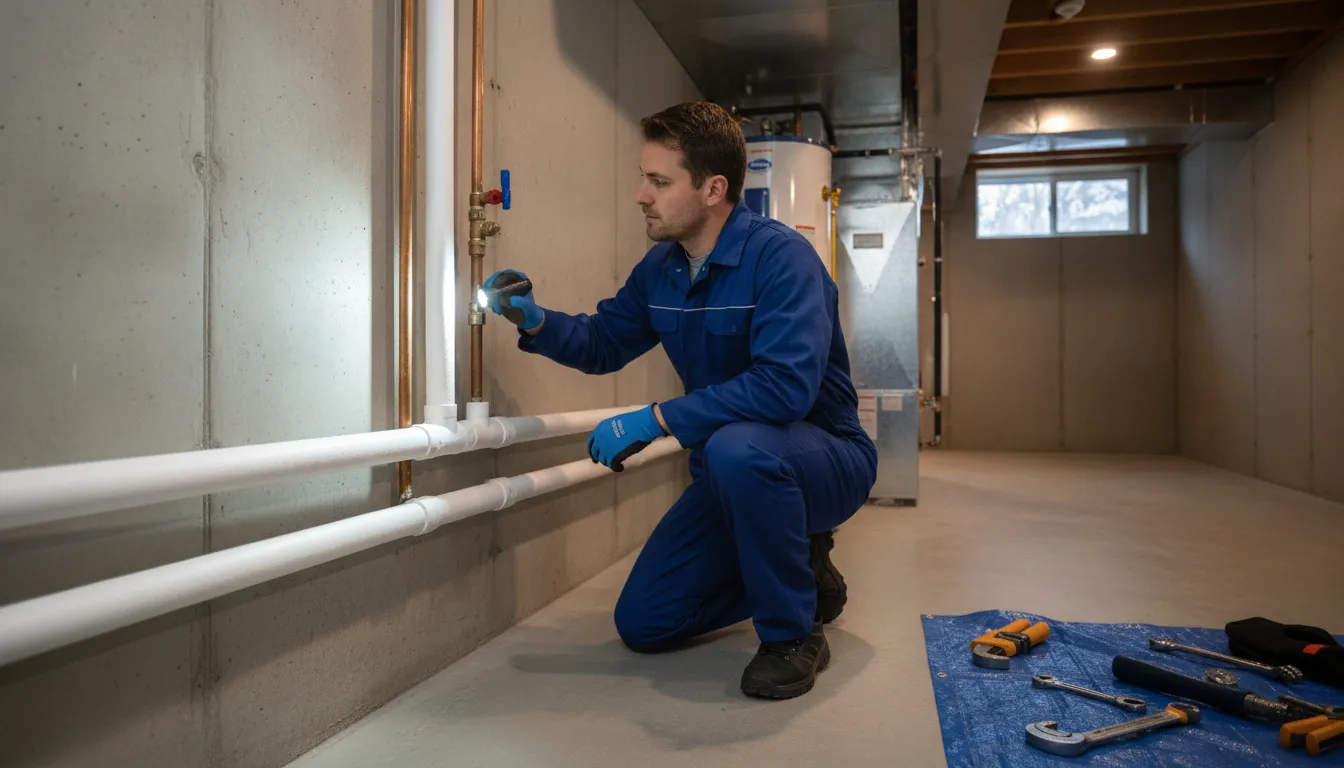
We all know how cold Troy winters can get, and that cold is tough on your plumbing. Insulating the hot water pipes connected to your water heater is a fantastic way to improve efficiency and prevent damage. When pipes are insulated, the water inside stays hotter as it travels to your faucet, so you won’t have to wait as long for it to warm up. This also reduces your water heater’s workload. More importantly, proper pipe insulation is your best defense against frozen and burst pipes, a common and costly issue during Michigan’s coldest months. You can find foam pipe sleeves at most hardware stores for an easy DIY project.
Related Articles
- Water Tank Leak? Your Step-by-Step Repair Guide
- Water Heater Cost and Installation: A Complete Guide
- How to Repair an Instant Water Heater: A DIY Guide
- Water Heater Installation: A Step-by-Step Guide
- 6 Signs You Need Water Heater Repair Now
Frequently Asked Questions
How do I know if my water heater problem is a real emergency? A few signs require immediate action. If you see a large puddle or a significant leak, smell rotten eggs near a gas heater, or hear loud hissing sounds, you should treat it as an emergency. In these cases, shut off the water and power supply to the unit if you can do so safely, and call a professional plumber right away.
My water heater is making strange noises. Should I be worried? Popping or rumbling sounds are definitely a sign that your water heater needs attention. These noises are usually caused by sediment buildup at the bottom of the tank, a common issue with Troy’s hard water. This layer of sediment forces your heater to work harder, which wastes energy and can eventually damage the tank. An annual flush by a professional can solve this problem.
Is it cheaper to repair my water heater or just get a new one? This really depends on the situation. If your water heater is less than ten years old and the repair cost is reasonable, a fix is often the best choice. However, if your unit is older, needs frequent repairs, or the cost of a single fix is almost half the price of a new heater, replacement is usually the smarter long-term investment for reliability and energy savings.
How long should a water heater last, and can I do anything to make it last longer? A typical tank water heater has a lifespan of about 8 to 12 years. You can absolutely help it reach or even exceed that lifespan with some simple maintenance. The two most important tasks are having the tank flushed annually to remove sediment and having the anode rod checked every few years to prevent internal rust. These steps can prevent major problems and keep it running efficiently.
Why does my hot water suddenly get cold during my shower? If your hot water supply seems to run out much faster than it used to, the most likely cause is a broken dip tube inside the tank. This plastic tube is supposed to direct incoming cold water to the bottom of the tank for heating. When it breaks, cold water mixes with the hot water at the top, which is why your shower goes from hot to lukewarm so quickly. This is a common issue that a plumber can fix.