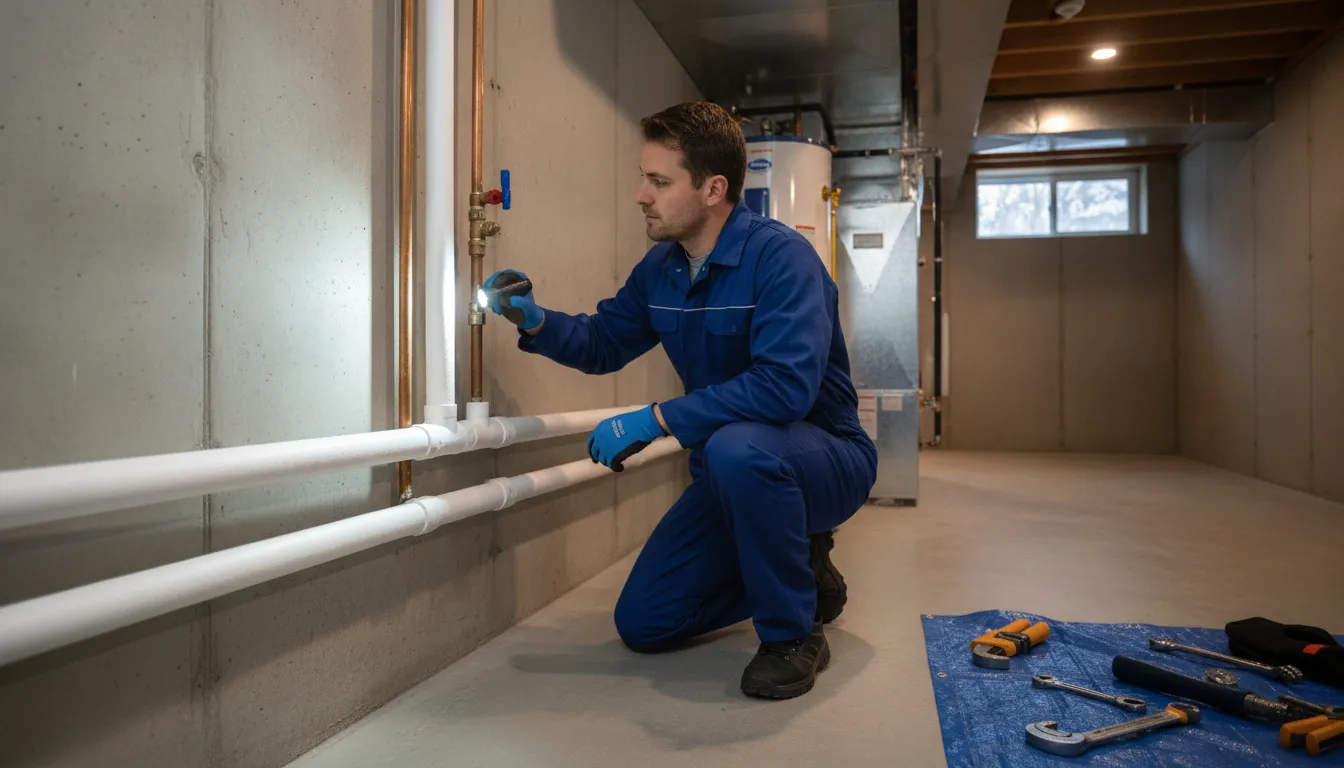


Your home has its own soundtrack: the hum of the fridge, the click of the furnace. But when a new, unsettling noise joins the chorus, it’s time to pay attention. If your water heater has started rumbling, popping, or whining, it’s not just settling in; it’s crying out for help. These sounds often signal sediment buildup or failing parts, issues that lead to inefficiency and leaks. Don’t just ignore it. We’ll help you decode those sounds, understand what they mean, and know when it’s time to call for professional water heater repair Rochester Hills MI before a small noise becomes a big, expensive problem.
Key Takeaways
- Know the signs of a failing water heater: Issues like lukewarm water, rumbling noises, or small leaks are your unit’s way of asking for help. Addressing them early can prevent a full-blown plumbing emergency and a flooded basement.
- Decide between repair and replacement with confidence: Use the 50% rule (if a repair costs over half the price of a new unit, replace it) and consider the heater’s age. Investing in a new model is often smarter for units over eight years old or those needing frequent fixes.
- Be proactive with maintenance and hiring: An annual professional tune-up is the best way to extend your water heater’s lifespan and improve efficiency. When you do need a plumber, always check for licenses, read recent reviews, and get upfront pricing to ensure you’re hiring a true professional.
Is Your Water Heater Failing? Watch for These Signs
Your water heater is one of those appliances you probably don’t think about until something goes wrong. A cold shower on a Michigan morning is a rough way to start the day, but thankfully, most water heaters give you a few warning signs before they quit completely. Paying attention to these clues can help you avoid a plumbing emergency and a flooded basement. If you notice your water heater acting up, it’s a clear signal that it’s time to call in a professional. Spotting these issues early gives you time to weigh your options for repair or replacement, saving you stress and money down the road.
Inconsistent or No Hot Water
The most obvious sign of trouble is when your hot water just isn’t hot anymore. If you’re getting lukewarm water, water that fluctuates between hot and cold, or no hot water at all, your unit is struggling. For an electric model, this could point to a burnt-out heating element. On a gas heater, it might be an issue with the pilot light or burner assembly. Another common culprit is sediment buildup at the bottom of the tank, which can create a barrier that prevents the water from heating effectively. Don’t resign yourself to cold showers; if your water temperature is unreliable, it’s time to have a professional diagnose the problem. An unexpected loss of hot water can feel like a crisis, so knowing who to call for emergency plumbing is key.
Rumbling, Popping, or Whining Noises
Your water heater should operate fairly quietly. If you start hearing strange sounds like rumbling, popping, or high-pitched whining coming from the tank, it’s not just settling. These noises are typically caused by a buildup of mineral deposits, or sediment, from our local water supply. Over time, these minerals harden at the bottom of the tank, trapping a layer of water underneath. When the burner kicks on, that trapped water boils and steams, creating those unsettling popping sounds. This process not only makes your heater work harder and less efficiently, but it can also weaken the tank’s inner lining, leading to cracks and leaks. If your water heater is making a racket, it’s asking for help from a trusted plumber.
Leaks or Discolored Water
Two signs you should never ignore are leaks and discolored water. If you turn on the hot tap and see rusty, brown, or murky water, it’s a strong indicator that the inside of your tank is corroding. This internal rust means the tank’s integrity is compromised, and a major leak could be just around the corner. Speaking of leaks, even a small puddle of water around the base of your unit is a serious red flag. While a leak could come from a fitting or valve, it often signals a crack in the tank itself. A leaking tank cannot be repaired; it must be replaced. To prevent a small drip from turning into a major flood, contact a professional as soon as you spot any signs of moisture.
Hot Water Runs Out Too Quickly
Are your showers getting shorter and shorter? Do you run out of hot water after just one load of laundry? When your hot water supply doesn’t last as long as it used to, something is definitely wrong. This issue can often be traced to a broken dip tube. The dip tube’s job is to direct incoming cold water to the bottom of the tank to be heated. If it’s cracked or broken, cold water will mix with the hot water at the top of the tank, cooling your supply down before it even reaches your faucet. Another cause is excessive sediment buildup, which takes up valuable space in the tank, leaving less room for hot water. Either way, it’s a sign your unit needs professional plumbing services.
Your Energy Bill Is Spiking
A failing water heater doesn’t just affect your comfort; it hits your wallet, too. If you’ve noticed a sudden and unexplained increase in your gas or electric bill, your aging water heater could be the culprit. As components wear out and sediment accumulates, the unit has to work much harder and run longer to heat the same amount of water. This inefficiency translates directly into higher energy consumption. An older water heater can be significantly less efficient than a new model, forcing you to pay more each month for the same (or worse) performance. Instead of throwing money away on wasted energy, it’s smarter to invest in a repair or a new, more efficient unit.
Repair or Replace: How to Decide?
Okay, so you know something’s wrong with your water heater, but you’re stuck on the big question: is it better to repair it or just replace the whole thing? It’s a common dilemma, and the answer isn’t always obvious. Making the right call can save you a lot of money and frustration down the road. Instead of guessing, you can look at a few key factors to make a smart, confident decision. Let’s walk through what you should consider.
Consider Its Age
The first thing to check is your water heater’s age. Just like any other major appliance, it has a typical lifespan. A traditional tank water heater usually lasts about 8 to 12 years, while a tankless model can go for 15 to 20 years. If your unit is getting close to or has passed that age range, pouring money into repairs might not be the best investment. An older unit is not only more likely to break down again, but it also runs less efficiently. Replacing an aging water heater with a new model is often the most practical choice for long-term reliability and peace of mind.
Follow the 50% Rule
Here’s a handy guideline plumbers often share: the 50% rule. It’s a simple way to look at the numbers and make a sound financial choice. The rule goes like this: if your water heater is more than halfway through its lifespan and a repair is going to cost more than 50% of the price of a brand-new unit, replacement is your best bet. For example, if a new water heater costs $1,200 and your eight-year-old unit needs a $700 repair, it’s time to start shopping for a replacement. Sinking that much cash into an old appliance just doesn’t make sense when it could fail again soon.
Factor in Frequent Repairs
Are you on a first-name basis with your plumber because of your water heater? If you find yourself calling for repairs multiple times a year, it’s a major red flag. While one-off fixes for minor issues are normal, a pattern of breakdowns is not. Those repair bills add up fast, and before you know it, you could have spent enough to cover a significant portion of a new unit. Think of it this way: constant repairs are your water heater’s way of telling you it’s on its last legs. Instead of continuing to patch up a failing system, investing in a replacement will save you from future headaches and the cost of repeated emergency plumbing calls.
Weigh Long-Term Energy Costs
The upfront cost of a repair or replacement is only part of the story. You also need to think about long-term energy expenses. Water heater technology has improved a lot over the years, and new models are significantly more energy-efficient than their older counterparts. An old, inefficient unit can quietly inflate your monthly utility bills without you even realizing it. Investing in a new, high-efficiency tank or tankless water heater can lead to substantial savings over time. While the initial purchase is more expensive than a single repair, the lower energy bills and reduced need for future fixes often make it the more economical choice in the long run.
How Much Does Water Heater Repair Cost in Rochester Hills?
Let’s talk numbers. When your water heater acts up, one of the first questions you probably have is, “How much is this going to set me back?” The honest answer is: it depends. The final cost for a water heater repair in Rochester Hills can vary quite a bit. The price is influenced by the specific part that failed, the type of water heater you own (gas, electric, or tankless), and the amount of labor required to get it running again. While I can’t give you a flat rate without seeing the unit, I can walk you through the factors that determine the price so you can feel more prepared.
Common Repair Price Ranges
The cost of a repair is directly tied to what’s broken. Fixing a faulty thermostat or a pressure relief valve is generally on the lower end of the cost spectrum. These are relatively common issues with accessible parts. However, if you’re dealing with a failing heating element or a more complex issue with a gas valve or thermocouple, the price will likely be higher due to more expensive parts and intensive labor. The key is to get a clear diagnosis from a professional. An experienced plumber can pinpoint the exact problem and explain the associated repair costs before any work begins.
What Factors Influence the Final Cost?
Beyond the broken part itself, several other factors can affect your final bill. The complexity of the job is a big one. Is your water heater tucked away in a tight closet or hard-to-reach crawl space? If so, the repair may take longer, which can increase labor costs. The type and brand of your water heater also matter, as some parts are more expensive or harder to find than others. Finally, the timing of your call plays a role. An emergency plumbing call on a holiday weekend will naturally cost more than a scheduled appointment during regular business hours.
When Replacement Is the Smarter Financial Move
Sometimes, repairing an old water heater just isn’t the best use of your money. A good guideline to follow is the 50% rule: if a repair costs more than half the price of a new unit, it’s usually wiser to invest in a replacement. Think about it this way, you wouldn’t want to sink hundreds of dollars into a 12-year-old unit that might have another part fail in six months. If you find yourself calling for frequent repairs, those costs can quickly add up. An honest plumber will help you weigh the short-term cost of a fix against the long-term value and efficiency of a new water heater.
Common Water Heater Repair Services in Rochester Hills
When your water heater starts giving you trouble, it’s reassuring to know that a wide range of professional services are available right here in Rochester Hills. From sudden emergencies that leave you with cold showers to routine check-ups that keep things running smoothly, there’s a solution for every situation. Understanding your options is the first step toward getting your hot water back and your home running efficiently. Most professional plumbers offer a core set of plumbing solutions designed to tackle any water heater issue you might face.
Emergency Water Heater Service
A water heater that quits unexpectedly is more than an inconvenience; it can completely disrupt your day. Whether you wake up to an icy shower or discover a leak in your basement, some problems can’t wait. That’s why having access to emergency plumbing services is so important. You can find plumbers in the Rochester Hills area who are ready to respond quickly, day or night. Knowing that a qualified professional is just a phone call away provides peace of mind when you’re dealing with a stressful and sudden breakdown.
Routine Maintenance and Tune-Ups
The best way to handle a major water heater repair is to prevent it from happening in the first place. Scheduling annual maintenance is one of the smartest things you can do for your system’s health and longevity. During a tune-up, a technician will inspect your unit, clean components, and catch small issues before they escalate into costly failures. This proactive approach not only helps you avoid unexpected breakdowns but also keeps your water heater running efficiently, which can save you money on your energy bills over time.
Fixing or Replacing Broken Parts
When a component fails, you’re faced with a choice: repair it or replace the entire unit? A helpful guideline is the 50% rule. If your water heater is more than eight years old and the repair cost is over half the price of a new one, replacement is usually the more economical option. Investing a large sum into an aging unit may not be wise, as another part could fail soon after. Getting a professional opinion and a clear quote can help you contact a plumber to make a smart financial decision that works for your home and budget.
Servicing Gas, Electric, and Tankless Models
Water heaters are not all the same, and a repair that works for one type might not be right for another. Whether your home has a traditional gas or electric tank model or a modern tankless unit, it’s crucial to hire a plumber who understands the specifics of your system. Each type has unique components and common issues that require specialized knowledge for an accurate diagnosis and effective repair. A versatile plumbing company will have the expertise to service all major types of water heaters, ensuring your system gets the precise care it needs to function correctly.
Is Upgrading to a Tankless Water Heater Worth It?
If you’re facing a water heater replacement, you might be wondering if it’s time to switch to a tankless model. While traditional tanks are familiar, tankless technology offers some compelling benefits that could be a game-changer for your home and your budget. The decision comes down to weighing the upfront cost against the long-term advantages in energy savings, convenience, and lifespan. For many homeowners in Rochester Hills, making the switch is a smart investment that pays off for years to come.
The Perks of Going Tankless
If you’re tired of your hot water running out halfway through a shower, a tankless water heater might be the solution you’re looking for. Unlike traditional models that keep a large tank of water hot 24/7, tankless systems heat water instantly, right when you need it. This means you get an endless supply of hot water on demand. Beyond the convenience, they are also incredibly durable. With proper care, a tankless unit can last up to 20 years, nearly double the lifespan of a standard tank heater. They also take up much less space, freeing up valuable room in your utility closet or basement. Our team can help you explore all your plumbing options to find the perfect fit for your home.
Balancing Upfront Cost with Long-Term Savings
I’ll be honest, the initial price tag for a tankless water heater is higher than a traditional tank model, and it’s important to factor that into your budget. However, it’s helpful to think of it as a long-term investment in your home’s efficiency. Because these units only heat water when you turn on the tap, they can reduce your water heating energy costs by up to 34%. Over several years, those monthly savings on your utility bills really add up. When you combine the energy savings with a longer lifespan that delays replacement costs, the initial investment often pays for itself. If you’re curious about what an upgrade would cost for your home, you can always contact us for a transparent, no-pressure estimate.
How to Find a Reliable Plumber in Rochester Hills
When your water heater acts up, the last thing you want is the added stress of finding a plumber you can trust. Taking a little time to vet your options can save you from surprise costs, shoddy work, and future headaches. A great plumber doesn’t just fix the problem; they provide peace of mind. They should be transparent, experienced, and committed to doing the job right the first time.
Finding that reliable expert in Rochester Hills means looking for a few key signals of quality. Think of it as a simple checklist to run through before you hire someone. You’ll want to confirm their credentials, see what other customers are saying, understand their pricing structure, and get a second opinion. Following these steps will help you connect with a professional who respects your home and your budget, ensuring your water heater repair is handled correctly.
Verify Their Licensing and Insurance
Before you let anyone start working on your home’s plumbing, make sure they are properly licensed and insured. This is a critical step that protects you. A license proves they meet state and local requirements for the trade, while insurance covers any accidental damage to your property or injuries on the job. Any reputable company will gladly provide proof of their credentials. A plumber who specializes in water heaters and has years of experience is even better. This is a baseline for professionalism, and you shouldn’t settle for anything less.
Read Recent Reviews and Ask About Guarantees
Customer reviews are your window into a company’s track record. Check recent feedback on sites like Google and Yelp to see what real customers in the Rochester Hills area are saying about their experiences. Look for comments on punctuality, professionalism, and the quality of the repair. Beyond reviews, ask about their service guarantees. A company that offers a 100% customer satisfaction guarantee shows they are confident in their workmanship and committed to making things right if you’re not happy. This is a strong indicator that they value their reputation and their clients.
Insist on Transparent Pricing and Emergency Hours
No one likes a surprise on their final bill. A trustworthy plumber will provide clear, upfront pricing before any work begins, so you know exactly what to expect. While some issues can only be fully diagnosed in person, they should be able to explain their rates and the potential costs involved. Plumbing emergencies also don’t wait for business hours. Find a plumber who offers emergency plumbing services, because you’ll want someone reliable to call when your water heater fails on a holiday weekend or in the middle of the night.
Get More Than One Estimate
Getting a few different estimates is always a smart move. It helps you get a sense of the fair market price for your water heater repair and allows you to compare what each plumber includes in their service. This isn’t about automatically choosing the cheapest option; it’s about finding the best value. One plumber might offer a longer warranty or use higher-quality parts that justify a slightly higher price. Comparing quotes can also help you decide whether a costly repair is worthwhile or if replacement is the better long-term investment. Feel free to contact us for a straightforward, honest estimate.
Make Your Water Heater Last Longer with Simple Maintenance
Your water heater is one of those appliances you probably don’t think about until you’re hit with an icy shower. But a little proactive care can go a long way in preventing those rude awakenings. Giving your water heater some regular attention helps it run more efficiently, saves you money on energy bills, and can significantly extend its lifespan. This means you can put off a costly replacement for as long as possible. The best approach combines annual professional tune-ups with a few simple tasks you can handle on your own.
How Often to Schedule Professional Maintenance
It’s a great rule of thumb to have a professional plumber service your water heater once a year. The most important part of this visit is having the technician drain the tank to clean out sediment and mineral buildup. Over time, this gunk settles at the bottom, where it can cause corrosion and force your heater to work harder to warm the water. A professional can also inspect the anode rod, a key component that prevents the tank from rusting from the inside out, and test the pressure relief valve to ensure it’s working safely. Think of it as an annual check-up for one of your home’s most essential appliances. Scheduling this yearly plumbing service is a smart investment in your home’s health.
Easy DIY Tasks to Do Between Service Calls
Between professional visits, you can play an active role in your water heater’s health just by paying attention. Keep an eye out for any signs that your water heater needs attention. This could be water that isn’t hot enough, fluctuates in temperature, or runs out too quickly. You should also listen for strange noises like rumbling or banging coming from the tank. Any visible leaks or discolored, rusty water are immediate red flags. If you’re comfortable with a little DIY, you can also flush your water heater once a year to help prevent sediment problems. If you spot a major issue like a leak, it’s best to call for emergency plumbing help right away to prevent water damage.
Need Water Heater Help in Rochester Hills? Mr. Pipey Is Ready to Help
Dealing with a broken water heater is never fun, especially when a cold shower is the first sign something’s wrong. If you’re noticing inconsistent water temperatures, hearing strange rumbling or popping sounds from the tank, or seeing leaks and rusty water, it’s time to call in a professional. These are all classic signs that your water heater needs immediate attention to prevent a bigger, messier problem down the road.
Deciding whether to repair your unit or invest in a new one can be a tough call. If your water heater is over a decade old or the repair costs are creeping up toward half the price of a replacement, a new unit is often the more sensible long-term investment. A trusted plumber can inspect your system and give you an honest recommendation based on its condition and your family’s needs. For homeowners in Rochester Hills, our team at Mr. Pipey is here to provide that clarity. We handle everything from minor fixes to full replacements, including both traditional and tankless models.
As a family-owned business, we treat every customer like a neighbor. We understand you need reliable hot water, and we’re committed to providing cost-effective solutions that last. Whether you need emergency plumbing services for a sudden breakdown or just want an expert opinion on your next steps, we’re ready to help. Don’t let a faulty water heater disrupt your life; contact Mr. Pipey today, and we’ll make sure your home has the dependable hot water it needs.
Related Articles
- 6 Signs You Need Water Heater Repair Now
- Water Tank Leak? Your Step-by-Step Repair Guide
- When to Call a Plumber for Water Heater Repair
- Water Heater Installation: A Step-by-Step Guide
Frequently Asked Questions
How can I tell if my water heater issue is a real emergency? Any significant leak is an emergency. If you see a puddle forming or water actively streaming from your unit, you should shut off the water supply to the tank and call a plumber immediately to prevent major water damage. Another urgent issue, especially for gas heaters, is the smell of gas or rotten eggs, which requires you to leave the house and call your gas company and a plumber right away. While a lack of hot water is frustrating, it’s typically less of an emergency unless it’s during a freezing Michigan winter, as it could put your pipes at risk.
My water heater is making loud noises. Should I be worried? Those rumbling or popping sounds are a definite cause for concern, though they don’t usually signal an immediate danger of explosion. The noise is caused by hardened mineral deposits at the bottom of the tank, which trap water that then boils and steams. This process puts a lot of stress on the tank’s metal, making it work less efficiently and increasing the risk of cracks and leaks over time. Think of it as your water heater’s way of telling you it needs a professional cleaning and inspection before a small problem becomes a big one.
Is it better to just repair my water heater or get a new one? This is a common question, and the best answer depends on a few factors. A good rule of thumb is to consider the unit’s age and the repair cost. If your tank is over 10 years old and needs a repair that costs nearly half as much as a new unit, replacement is almost always the smarter financial choice. Constantly calling for small fixes also adds up. Investing in a new, more efficient model can save you from future repair bills and lower your monthly energy costs.
Why is my hot water running out so fast all of a sudden? If your showers are getting cut short, it’s often due to one of two issues. The first is a broken dip tube, which is a part that directs cold water to the bottom of the tank. When it breaks, cold water mixes with the hot water at the top, cooling your supply down. The second common cause is a heavy buildup of sediment, which takes up space in the tank and leaves less room for hot water. A professional plumber can quickly diagnose which problem you have and get it fixed.
Will regular maintenance actually save me money? Yes, absolutely. Scheduling an annual tune-up is one of the best ways to save money in the long run. A technician will flush out sediment, which helps the unit run more efficiently and lowers your monthly energy bills. This service also includes inspecting key parts like the anode rod, which prevents rust. By catching small issues before they turn into major failures, you can avoid the high cost of an emergency repair and extend the life of your water heater by several years.