

Think of your water heater as the silent workhorse of your home, tirelessly providing comfort for your showers, laundry, and dishes. But even the most reliable appliances need a little attention to keep running smoothly. A small amount of preventative care can extend your unit’s life by years, improve its efficiency, and help you avoid a sudden, stressful breakdown. This article provides simple, actionable steps you can take to maintain your water heater. We’ll also cover how to recognize when a problem is too big to handle on your own and it’s time to call a professional for water heater repair Northville MI, ensuring your system remains safe and effective.
Key Takeaways
- Recognize the signs of a failing heater: Your water heater will give you clues before it quits. Listen for strange noises, look for leaks or rusty water, and notice if your hot water runs out quickly, as these are clear signals that it’s time to call a professional.
- Know when to repair versus replace: A repair is often best for newer units (under 10 years old) with minor issues. However, if your heater is older, needs constant fixes, or has a significant tank leak, investing in a new, energy-efficient model is usually the smarter financial decision.
- Prevent emergencies with simple maintenance: You can extend your water heater’s life and avoid surprise breakdowns with proactive care. Regularly flushing the tank to remove mineral buildup and scheduling annual professional inspections are key steps to keep it running safely and efficiently.
How to Tell If Your Water Heater Needs Repair
Your water heater is one of those appliances you probably don’t think about until something goes wrong. That cold shower on a chilly morning is a rude awakening nobody wants. The good news is that most water heaters give you a few warning signs before they fail completely. If you notice any of these issues, it’s a good idea to call a professional before a small problem becomes a major, messy headache. Catching these signs early can often mean the difference between a simple repair and a full replacement.
No Hot Water (or Not Enough)
This is the most obvious sign that something is amiss. If you turn on the tap and get nothing but cold water, your water heater’s heating element or pilot light might have failed. But the problem can be more subtle, too. Maybe your showers are getting shorter because the hot water runs out faster than it used to, or the water just never seems to get truly hot. These are clear indicators that your unit is struggling to keep up. Don’t just put up with lukewarm water; it’s a sign your heater needs a professional look, and it could be an issue that requires emergency plumbing attention.
Weird Noises Coming From the Tank
Your water heater should operate almost silently. If you start hearing strange sounds like popping, rumbling, or hissing, it’s time to pay attention. These noises are often caused by a buildup of sediment and mineral deposits at the bottom of the tank. As the water heats, it gets trapped under the sediment and boils, creating those popping sounds. This buildup forces your heater to work harder, reduces its efficiency, and can eventually lead to tank damage. Addressing this sediment buildup is a key part of water heater repair and can extend the life of your unit.
Leaks, Rust, and Murky Water
Take a moment to visually inspect your water heater and the area around it. Do you see any puddles or moisture on the floor? Even a small leak can be a sign of a serious internal problem that will only get worse. Also, check the water itself. If your hot water comes out discolored, murky, or with a rusty tint, it could mean the inside of your tank is corroding. You might also see rust spots on the outside of the tank or on your pipe fittings. These are all signs that your water heater is deteriorating and may need one of our expert plumbing solutions.
Funky Smells or a Spiking Energy Bill
Two other clues can point to a failing water heater. First, if your hot water has a metallic or rotten egg smell, it could be caused by bacteria growing inside the tank. This is not only unpleasant but can also indicate a problem with your anode rod, a component that prevents corrosion. Second, keep an eye on your utility bills. If your energy costs are suddenly climbing without any change in your hot water usage, your water heater is likely losing efficiency. It’s working overtime to heat your water, which points to an underlying issue that needs a diagnosis. You can always contact us to schedule an inspection.
What Kind of Water Heater Do You Have?
Before you can figure out the best fix for your hot water woes, it helps to know what kind of system you’re working with. Most homes have one of a few common types, each with its own quirks and maintenance needs. Let’s walk through the main players so you can identify the water heater in your Northville home and understand what makes it tick.
The Classic: Traditional Tank Heaters
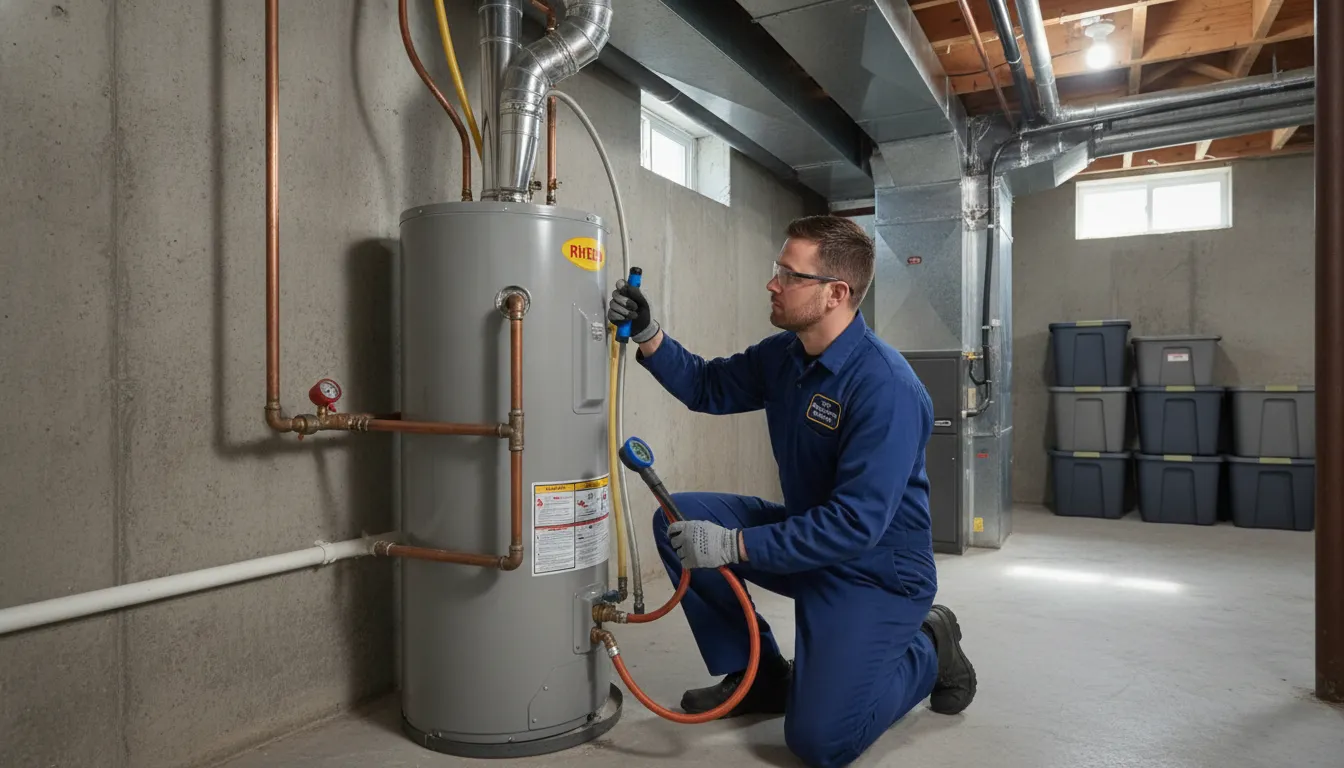
This is the one you probably picture: a large, cylindrical tank tucked away in a basement or utility closet. These heaters keep a reservoir of 40 to 80 gallons of water hot and ready for you 24/7. They are reliable and straightforward, but they don’t last forever. The average lifespan is about 12 years. If your unit is over a decade old, making strange rumbling noises, or you spot any leaks, it’s sending you a clear signal that it needs attention. A sudden leak can cause significant damage, so it’s wise to call for emergency plumbing services if you notice one.
The Modern Choice: Tankless (On-Demand) Heaters
Tankless water heaters are the compact, modern alternative. Instead of storing hot water, these units heat it instantly as you need it. This on-demand approach makes them highly energy-efficient, which can lead to some nice savings on your monthly utility bills. Because they don’t hold water, the risk of a catastrophic tank rupture is gone. However, like any appliance, they can wear out. Replacing a tankless heater before it fails completely is a smart move that helps you avoid the inconvenience of a cold shower and potential water damage from a smaller leak.
Efficient Alternatives: Heat Pumps and Hybrids
If you’re focused on energy savings, you might have a heat pump or hybrid water heater. These innovative systems don’t create heat directly. Instead, they pull heat from the surrounding air and transfer it to the water in the tank, working much like a refrigerator in reverse. While they have a higher upfront cost, investing in a high-quality, energy-efficient model can save you a lot of money over the life of the unit. If you have one of these or are curious about upgrading, you can always contact us to discuss the benefits and installation process.
How Northville’s Hard Water Impacts Your Heater
Here in Northville, we have what’s known as “hard water,” which means it has a high concentration of minerals like calcium and magnesium. Over time, these minerals settle inside your water heater tank and on its heating elements, creating a layer of scale buildup. This forces your heater to work harder and less efficiently to warm your water, driving up energy costs. For traditional tank heaters, this buildup can also cause popping noises and lead to premature failure. Regular maintenance, like flushing the tank, is key to fighting scale and extending your water heater’s life in our area.
Repair or Replace Your Water Heater?
That moment you realize your hot shower is turning ice-cold is never a good one. When your water heater starts acting up, the big question is always the same: should you repair it or replace it? Making the right call can save you from future headaches and unexpected costs. Several factors come into play, including the age of your unit, the type of problem you’re facing, and the potential for long-term savings. Let’s walk through how to decide what’s best for your home and your budget.
When to Choose Repair
If your water heater is relatively new (less than 10 years old) and is having its first minor issue, a repair is often the most sensible and cost-effective path. Issues like a faulty heating element, a malfunctioning thermostat, or a leaky valve can frequently be fixed without needing to replace the entire unit. Strange noises, discolored water, or water that isn’t heating properly are all signs that you should call a professional. A quick diagnosis can determine if a simple part replacement is all that’s needed to get your hot water flowing again. Getting it looked at by a pro can give you peace of mind and extend the life of your current heater.
When It’s Time for a Replacement
Sometimes, a repair is just a temporary fix for a much bigger problem. If your water heater is getting up there in age, it might be time to consider a replacement. Most traditional tank water heaters last about 12 years, and pushing it much further can lead to inefficiency or even a catastrophic failure (and a flooded basement). A significant leak from the tank itself is almost always a sign that the unit is done for. If you’re constantly calling for repairs or your energy bills are creeping up, investing in a new, more efficient model is usually the smarter long-term decision.
Check Your Warranty First
Before you schedule any service, take a minute to check your water heater’s warranty. You can usually find a sticker on the side of the tank with the serial number and installation date. This information can help you determine if your unit is still covered. A warranty often pays for the cost of premature repairs or even a replacement unit if a key component fails within the covered period. It’s a simple step that could save you hundreds of dollars. If you can’t find the sticker or don’t have the original paperwork, a professional plumber can often look up the warranty information for you.
Comparing Repair vs. Replacement Costs in Northville
Let’s talk numbers. In the Northville area, a minor water heater repair might cost around $125, but more complex jobs can quickly add up. A good rule of thumb is the “50% rule”: if the cost of a repair is more than half the cost of a new unit, replacement is the better financial choice. The price to install a new water heater in Michigan can range from $1,600 to $7,500, depending on whether you choose a standard tank or a high-efficiency tankless model. To make the best decision, it’s always a good idea to get a clear, upfront quote for both the repair and a potential replacement.
Is an Energy-Efficient Upgrade Right for You?
While the upfront cost of a new water heater can seem high, it’s also an opportunity to upgrade. Modern, energy-efficient models can save you a lot of money on your utility bills over the long run. Tankless water heaters, for example, only heat water when you need it, which significantly cuts down on the energy waste associated with keeping a large tank of water hot 24/7. Investing in a high-quality, efficient unit not only reduces your monthly expenses but also provides more reliable performance, meaning fewer surprise breakdowns. It’s a smart investment in your home’s comfort and value.
Choosing a Water Heater Repair Pro in Northville
When your water heater acts up, finding the right person for the job can feel overwhelming. You need someone you can trust to enter your home, diagnose the problem correctly, and fix it without any games. The last thing you want is a quick fix that fails in a few months or a surprise bill that’s double the original quote. Choosing a qualified professional isn’t just about getting your hot water back; it’s about ensuring your family’s safety and protecting your investment. A great plumber will not only solve the immediate issue but also give you peace of mind.
Look for Licensed and Experienced Technicians
This is the most important step. A licensed plumber has met state requirements, proving they have the knowledge and training to work on your home’s plumbing systems safely. Experience is just as critical. An experienced technician has seen it all, from older tank models to modern tankless units, and can diagnose issues quickly and accurately. Don’t be afraid to ask a company about their team’s qualifications. A reputable business will be proud to tell you about their skilled professionals and their commitment to quality work. This ensures the repair is done right the first time, preventing future headaches and potential safety hazards.
Insist on Clear, Upfront Pricing
No one likes financial surprises, especially when dealing with a stressful home repair. Before any work begins, you should receive a clear, detailed, and upfront estimate. A trustworthy plumbing company will inspect the issue and provide an honest recommendation and a straightforward price. Be cautious of any technician who gives you a vague quote over the phone or seems hesitant to put the costs in writing. A transparent pricing model is a sign of an honest business that values its customers. When you’re ready for a clear and fair estimate, it’s always best to reach out directly for an in-person assessment.
Confirm Emergency Service Availability
Water heater problems rarely happen at a convenient time. A leak can start in the middle of the night, or you might wake up to an ice-cold shower on a busy Monday morning. That’s why it’s essential to find a plumbing service that offers support when you need it most. Check if the company provides 24/7 emergency plumbing before you commit. Knowing you have a reliable expert available around the clock can turn a potential disaster into a manageable inconvenience. Having that number saved in your phone provides a sense of security for any future plumbing surprises.
Ask About Long-Term Maintenance Plans
The best way to handle a water heater emergency is to prevent it from happening in the first place. Ask your plumbing professional about their maintenance services. Regular check-ups can extend the life of your water heater, improve its efficiency, and catch small problems before they become major, expensive repairs. A simple annual flush or anode rod inspection can save you hundreds of dollars in the long run. A company that offers a comprehensive list of plumbing services will understand the importance of proactive care and can help you create a maintenance schedule that works for your home and budget.
Keep Your Water Heater Running Longer
A little bit of maintenance goes a long way in keeping your water heater running smoothly and efficiently for years to come. Taking care of your unit not only helps you avoid the shock of a cold shower but also prevents surprise breakdowns and expensive emergency calls. Think of it as a small investment of your time that pays off with a longer lifespan for your appliance and lower energy bills. These simple, actionable steps will help you protect your water heater and keep the hot water flowing.
Flush the Tank Annually
Over time, minerals and sediment from our water here in Michigan can settle at the bottom of your water heater tank. This buildup forces your unit to work harder to heat the water, which wastes energy and can cause the tank to corrode from the inside out. Flushing the tank once a year is one of the best things you can do to maintain its efficiency and prevent premature failure. While it’s a task some homeowners tackle themselves, it can be messy. If you’d rather leave it to a pro, we can handle it as part of our comprehensive plumbing services.
Inspect the Anode Rod Every 2–3 Years
Inside your water heater tank is a hidden hero called the anode rod. This metal rod is designed to corrode and break down over time so that your tank doesn’t. It’s a sacrificial part, and once it’s gone, your tank itself will start to rust. Checking the anode rod every two to three years and replacing it if it’s heavily corroded is a simple, inexpensive fix that can add years to your water heater’s life. It’s a key part of any professional maintenance check, ensuring your unit is protected from the inside out.
Test the Pressure-Relief Valve Regularly
Your water heater’s temperature and pressure (T&P) relief valve is a critical safety feature. It’s designed to automatically release pressure if it builds up to a dangerous level inside the tank. You should test this valve at least once a year to make sure it’s working correctly. Simply lift the lever for a few seconds to let a bit of water out, then let it snap back into place. If the valve leaks afterward or doesn’t release any water at all, it needs immediate attention. A faulty valve is a serious safety risk, so don’t hesitate to call for emergency plumbing service.
Set the Thermostat to a Safe, Efficient Temperature
Many water heaters are set to 140°F by default, but this is often hotter than necessary and can pose a scalding risk, especially for children and the elderly. The U.S. Department of Energy recommends a setting of 120°F for most households. This temperature is plenty hot for your daily needs, from washing dishes to showering, and it can reduce your water heating costs by up to 10%. It’s a small adjustment that offers both safety and savings without sacrificing comfort.
Schedule Professional Maintenance
While these DIY tips are fantastic for extending the life of your water heater, nothing beats a professional inspection. A trained technician can spot subtle signs of trouble you might miss, perform more complex tasks like an anode rod inspection, and ensure every component is operating safely and at peak efficiency. Scheduling a regular maintenance visit gives you peace of mind knowing your system is in expert hands. If you’d like to get on a regular schedule, feel free to contact our team to learn more about our maintenance plans.
Related Articles
- 6 Signs You Need Water Heater Repair Now
- When to Call a Plumber for Water Heater Repair
- Water Tank Leak? Your Step-by-Step Repair Guide
- How to Repair an Instant Water Heater: A DIY Guide
- Water Heater Installation: A Step-by-Step Guide
Frequently Asked Questions
My water heater is making a popping noise. What does that mean? That popping or rumbling sound you hear is usually a sign of sediment buildup at the bottom of your tank. Over time, minerals from our local water supply can settle and harden, trapping water underneath. The noise is that trapped water boiling. This process makes your heater work harder, wastes energy, and can eventually damage the tank itself. A professional tank flush is often the best way to solve this.
Is it really worth replacing my old water heater if it’s still working? I understand the hesitation, but it’s often a smart move. Most traditional tank heaters last about 10 to 12 years. After that, their efficiency drops, meaning you’re paying more on your energy bills each month. More importantly, the risk of a sudden and messy tank failure increases significantly with age. Investing in a new unit is a proactive step that prevents a potential flood and gives you a more reliable, efficient system.
How can I tell if a small puddle near my water heater is a serious problem? Any water pooling around your heater should be taken seriously. While it could be something simple like condensation or a leaky valve, it could also be the first sign of a crack or corrosion inside the tank. A leak from the tank itself is not repairable and means a replacement is needed right away. It’s always best to have a professional inspect it to prevent minor water spots from turning into major water damage.
How often should I have my water heater professionally serviced? For most water heaters, scheduling a professional maintenance check once a year is ideal. During a visit, a technician can flush out sediment, inspect the crucial anode rod that prevents rust, test the safety valve, and check for any signs of wear and tear. This regular service is the best way to extend the life of your unit, keep it running efficiently, and catch small issues before they become big, expensive emergencies.
Why is my hot water running out so much faster than it used to? This is a classic sign that your water heater is struggling. It often points to one of two issues. First, a thick layer of sediment could be taking up space in the tank, leaving less room for hot water. Second, one of the heating elements may have failed, so the unit can’t keep up with demand. In either case, it’s a clear signal that your heater needs a professional diagnosis to get it working properly again.