For Canton homeowners, a sewer backup can interrupt daily routines and leave important questions: where is the blockage, what contributed to it, and how can the chance of another backup be reduced? The answer depends on the property’s drain and sewer conditions, not just a single household habit. A professional assessment can help identify recurring warning signs, distinguish a building-drain issue from a sewer-line concern, and recommend maintenance that fits the home. This guide to how to prevent sewer backups in Canton focuses on practical prevention planning and when to call a licensed plumbing professional.
Request a professional sewer assessment
What causes sewer backups in Canton homes?
A backup occurs when wastewater cannot flow away from a home as it should and returns through a drain or plumbing fixture. The cause may be within the building’s drain piping, in the private sewer lateral that connects the home to the public system, or related to conditions beyond the property. Pinpointing the source matters: a treatment that addresses only one fixture may not resolve a problem farther down the line.
Several conditions can contribute to restricted flow. A plumber may investigate accumulated grease or other material, a damaged or offset section of pipe, root intrusion, a sag that holds wastewater, or a blockage farther along the lateral. Heavy rainfall can also coincide with sewer drainage problems in some areas, but it is not possible to identify the cause from timing alone. Canton neighborhoods and individual properties can have different pipe materials, layouts, ages, and connections, so one homeowner’s experience does not establish the cause at another address.
It is useful to understand the difference between a fixture drain and the larger route that carries wastewater out of the building. A slow kitchen sink may have a localized cause. Several fixtures draining slowly, gurgling sounds from different drains, or wastewater appearing at a low drain can point to a wider concern that deserves professional evaluation. These clues are not a diagnosis, but recording when and where they occur can help a plumber plan the visit.
The U.S. Environmental Protection Agency provides information about water and wastewater programs at EPA.gov. Local plumbing and sewer conditions still require property-specific assessment; a general source cannot determine what is happening in an individual Canton home.
How can Canton homeowners reduce sewer backup risk?
Prevention is a combination of appropriate use, timely attention to changes, and maintenance based on the condition of the plumbing. There is no single schedule or product that suits every home. A plumber can explain which measures apply after reviewing the symptoms, known repair history, and available inspection findings.
- Keep cooking grease and fats out of drains. Grease can collect in piping as it cools and combine with other material. Avoid treating a sink as a disposal route for cooking oils or fats.
- Use toilets only for intended waste and toilet paper. Wipes and other products labeled flushable can still contribute to blockages in a home’s piping or sewer system. Dispose of personal-care products and similar items in a waste container.
- Pay attention to repeat symptoms. A drain that repeatedly slows, a toilet that bubbles when another fixture is used, or several affected fixtures can merit a professional assessment rather than repeated attempts to clear the same symptom.
- Discuss roots and pipe condition with a plumber. If the property has a history of root intrusion or recurring blockage, a camera inspection can help determine whether the line has a defect or another condition that needs attention.
- Review sewer-line history when buying or renovating. Past repairs, documented inspections, and the known route of the lateral can help inform a maintenance plan. Where records are incomplete, ask a qualified plumber whether an inspection is appropriate.
- Ask about water-management systems separately. A sump pump or foundation drainage system is not the same as a sanitary sewer line. If a property has a sump pump, have concerns about its operation evaluated as a separate system; see Mr. Pipey’s sump pump service information.
These steps reduce avoidable stress on household plumbing, but they cannot correct a broken, displaced, or poorly graded pipe. Prevention should not rely on repeated chemical treatments or unverified fixes. If a backup recurs, a plumber can assess the line and identify a suitable next step. For broader drain or sewer concerns, review professional sewer and drain service options.
Which warning signs should prompt a sewer-line assessment?
A single slow fixture may have a limited cause, while a pattern involving multiple fixtures can signal that a larger section of the drainage system needs attention. Note what happens and when, and share the details with a plumber. Do not wait for a complete backup to ask about a repeated pattern.
- More than one fixture drains slowly. If sinks, tubs, or toilets in different parts of the home are affected, the issue may be farther along the drain route than one fixture.
- Gurgling or bubbling occurs at another drain. Sounds that appear when a separate fixture drains can be useful diagnostic information, especially if they recur.
- Water appears at a low drain or fixture. A basement or floor drain may reveal a drainage issue before a higher fixture does. A plumber should assess the source and extent.
- The same blockage returns. Repeated clearing without a lasting change may indicate an underlying condition that a camera inspection can help evaluate.
- Symptoms change with rainfall or water use. Record the timing and affected locations. This pattern can help a professional investigate, but it does not by itself prove the cause.
If wastewater is present, avoid using affected plumbing until the situation has been assessed, and keep people and pets away from contaminated areas. For an urgent plumbing issue, contact an emergency plumbing service. The priority is to determine the source and appropriate response rather than assume that every backup has the same cause.
How does a professional sewer inspection support prevention?
A sewer assessment should connect the homeowner’s observations with the condition of the drain and sewer line. A plumber may ask which fixtures are affected, whether the symptoms recur, when the property last had work on the line, and whether the issue seems connected to particular conditions. That history helps focus the inspection and avoids treating a symptom as a complete diagnosis.
During the visit, describe the sequence as plainly as possible: which fixture showed the first change, what else happened, and whether normal drainage returned or the symptoms continued. If you have a prior service summary or inspection report, make it available. Even a basic record can help distinguish a new concern from a familiar recurring pattern. The plumber can then explain which observations matter and whether more evaluation is needed before discussing a repair.
It is also reasonable to ask how the assessment will be documented. A clear explanation should identify the area examined, visible findings, limitations of the inspection, and proposed next steps. If a line section cannot be accessed, ask what that means for the conclusion. This keeps prevention decisions tied to observed conditions rather than assumptions and gives you a useful reference if symptoms return or another service professional reviews the system later.
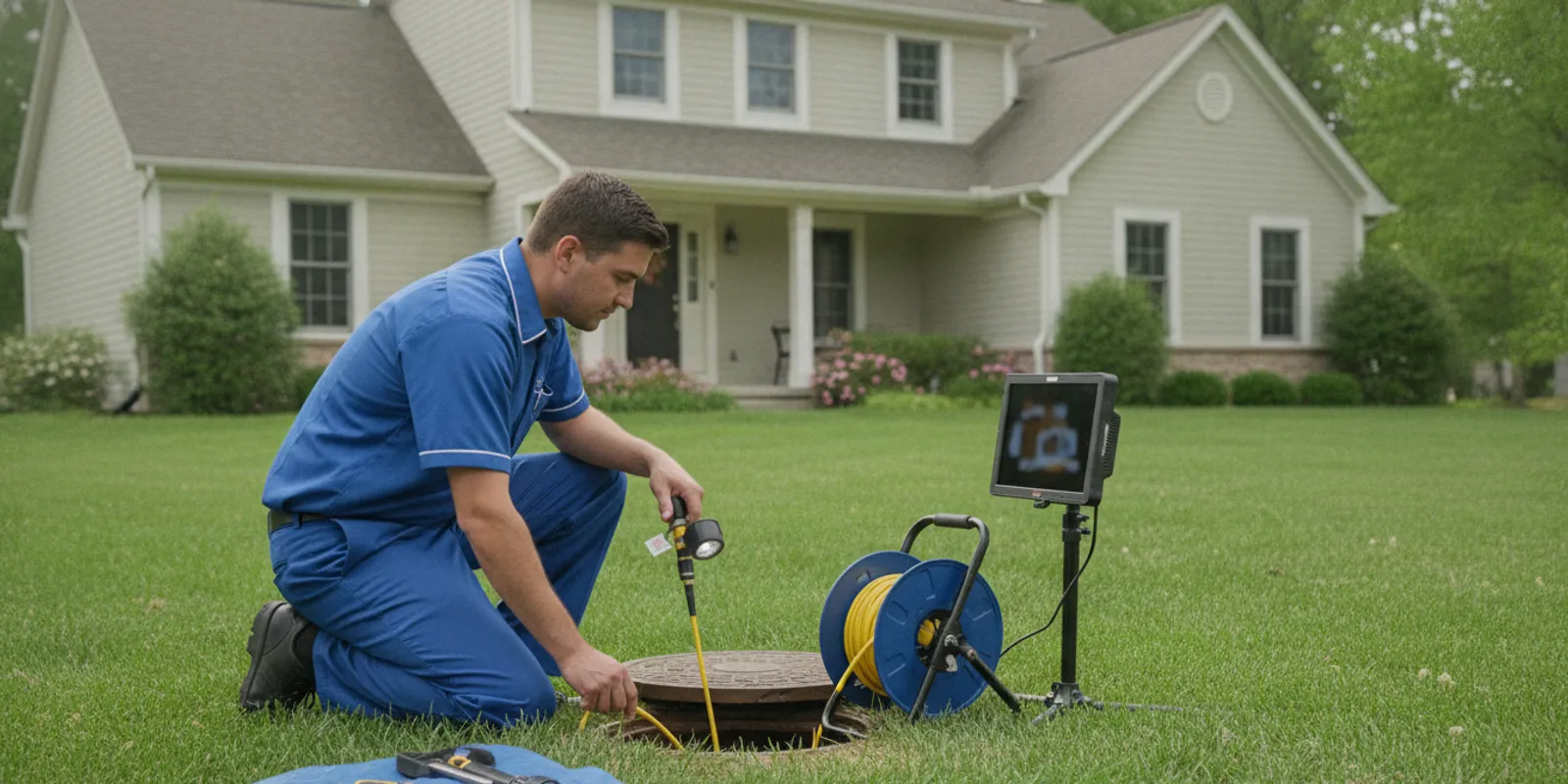
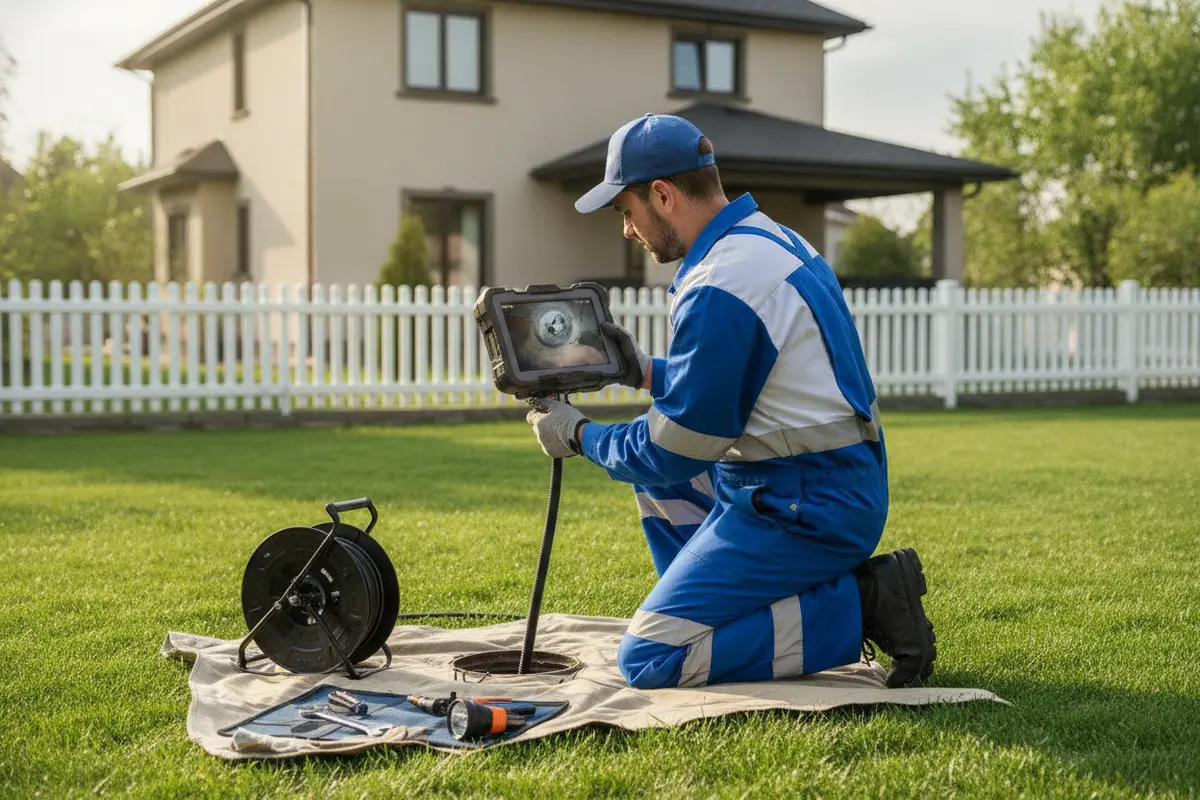
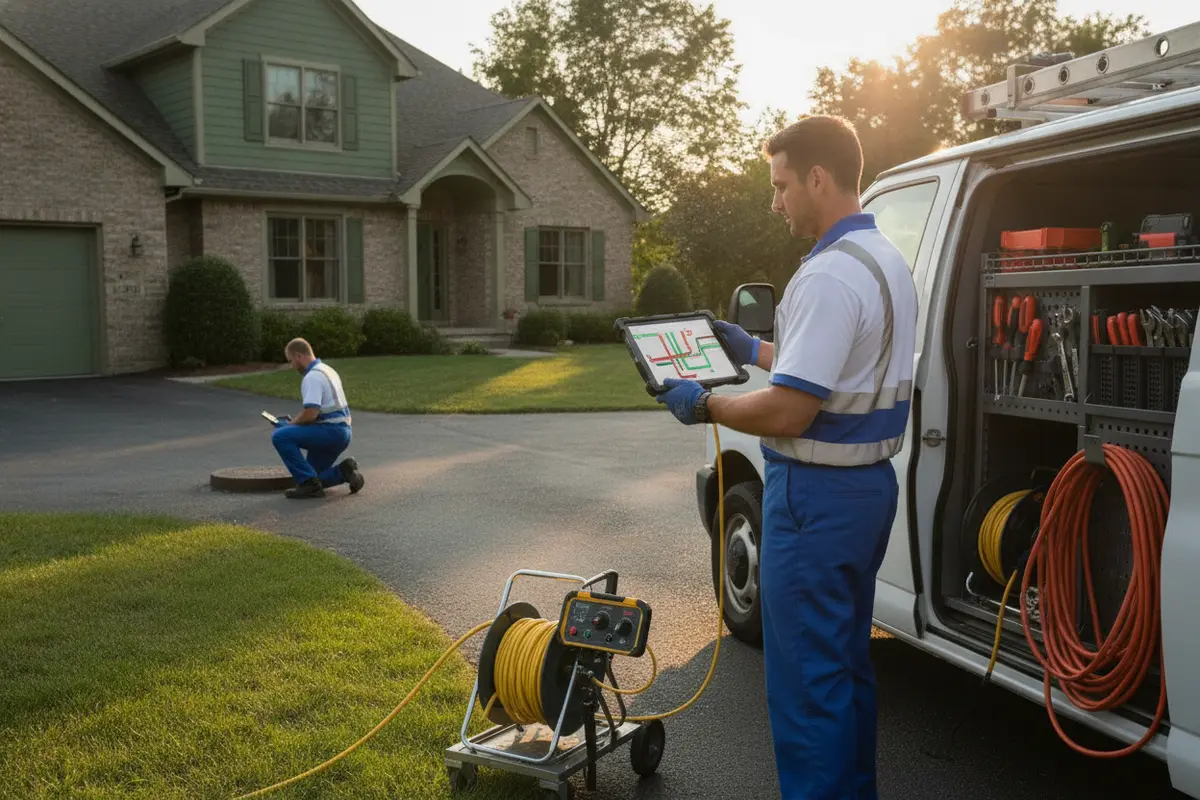
Where appropriate, a sewer camera inspection allows a professional to view portions of the line and look for conditions such as obstruction, root intrusion, damage, or a change in alignment. The findings can help clarify whether the concern appears localized or involves a longer section. Access, pipe layout, and site conditions influence what can be inspected. A camera view is useful diagnostic information, but the plumber should explain what it shows and what remains uncertain.
After evaluation, ask for a clear explanation of the finding, the recommended next step, and any reasonable alternatives. If a blockage is present, cleaning may restore flow, but the plumber should also consider why it formed and whether the pipe has a condition that could make it return. If damage is identified, the scope of repair depends on the location and extent. A professional sewer camera inspection can provide a more informed basis for that discussion.
For issues described as recurring, it can also help to review the history of professional drain cleaning or drain repair. The purpose is not to assume a particular service is needed; it is to compare the documented condition with the symptoms and decide whether further evaluation is warranted.
| Prevention or assessment path | When it may fit | What it can clarify | Important limitation |
|---|---|---|---|
| Household use review | As a routine prevention habit | Whether avoidable materials are being sent into drains | It will not diagnose a damaged or obstructed sewer lateral |
| Professional drain evaluation | For recurring slow or noisy drains | Which fixtures and sections appear affected | Symptoms alone may not reveal the underlying cause |
| Sewer camera inspection | When line condition or recurring blockage needs assessment | Visible conditions in accessible sections of the line | Inspection access and site conditions affect what can be viewed |
| Repair planning | When an assessment identifies a pipe defect or other issue | Potential scope, options, and next steps | Recommendations depend on property-specific findings |
This comparison is a starting point for a conversation, not a substitute for an on-site assessment. In particular, a cleaning service, camera inspection, and repair solve different problems. Ask the plumber to explain why a proposed step matches the condition observed, what it is expected to address, and whether additional inspection is needed.
What should you prepare before a sewer assessment?
A concise record helps a plumber understand patterns that may not be visible during a single visit. Before scheduling, note the date symptoms began, which fixtures are involved, whether the issue has happened before, and any relevant work on the drain or sewer line. If symptoms appear during or after rainfall, record that timing without concluding that rain is necessarily the cause.
It is also useful to share known details about the home’s plumbing, prior camera reports, repairs, or recurring service calls. If you are unsure whether a problem is in a fixture, building drain, or sewer lateral, say so; diagnosis is part of the professional visit. Avoid making assumptions based only on a neighbor’s situation or a general online description.
When reviewing a service recommendation, consider these questions:
- What specific condition did the plumber observe, and where?
- Does the recommendation address the underlying condition or only restore flow?
- What sections of the line were accessible for inspection?
- What options are appropriate for this property’s pipe condition and layout?
- What maintenance, if any, is recommended after the work?
Clear answers help you understand the scope and make an informed decision. If the initial assessment points to a potential sewer-line issue, a plumber can explain whether a more detailed inspection or repair discussion is the next step. Mr. Pipey’s sewer inspection service page outlines one diagnostic option, while the sewer and drain services overview provides broader context.
How can Canton homeowners plan the next step?
Start with the pattern, not a guess about the cause. If only one fixture has a brief slowdown, describe it accurately and watch for a recurrence. If multiple fixtures are affected, symptoms return after service, or wastewater appears at a low drain, contact a plumbing professional for guidance. When arranging an assessment, provide the symptom history and ask whether a drain evaluation or sewer camera inspection is appropriate.
Prevention is most useful when it reflects the property’s actual plumbing. Everyday habits can limit unnecessary material in the drains, while professional assessment can identify line conditions that household habits cannot correct. For Canton homeowners, this measured approach helps separate routine care from a sewer-line concern and supports a clear, property-specific plan.
Contact Mr. Pipey to discuss a sewer concern
Frequently asked questions about preventing sewer backups in Canton
Can a homeowner prevent every sewer backup?
No. Careful drain use can reduce avoidable blockages, but it cannot prevent every issue, such as a pipe defect or a problem farther along the sewer route. Recurring symptoms call for professional evaluation.
Does a backup during rain prove that stormwater is entering the sewer line?
No. Timing can be a useful clue, but it does not establish the cause. A plumber can review the pattern and inspect the relevant plumbing to determine what the evidence supports.
When is a sewer camera inspection worth discussing?
It may be appropriate when blockages recur, multiple fixtures show symptoms, or a plumber needs to assess sewer-line condition. The professional should explain what sections can be viewed and what the inspection can establish.
Is a drain cleaning the same as a sewer-line repair?
No. Cleaning may remove an obstruction and restore flow. Repair addresses a condition such as damaged piping. The right service depends on the inspection findings and the reason the problem occurred.
What information should I give a plumber when I call?
Share which fixtures are affected, when symptoms began, whether they recur, any prior sewer work, and whether you have noticed a timing pattern. This information can help the plumber plan an appropriate assessment.
For a prevention plan that fits your home, share the symptoms and service history with a licensed plumbing professional and ask what the inspection findings support.