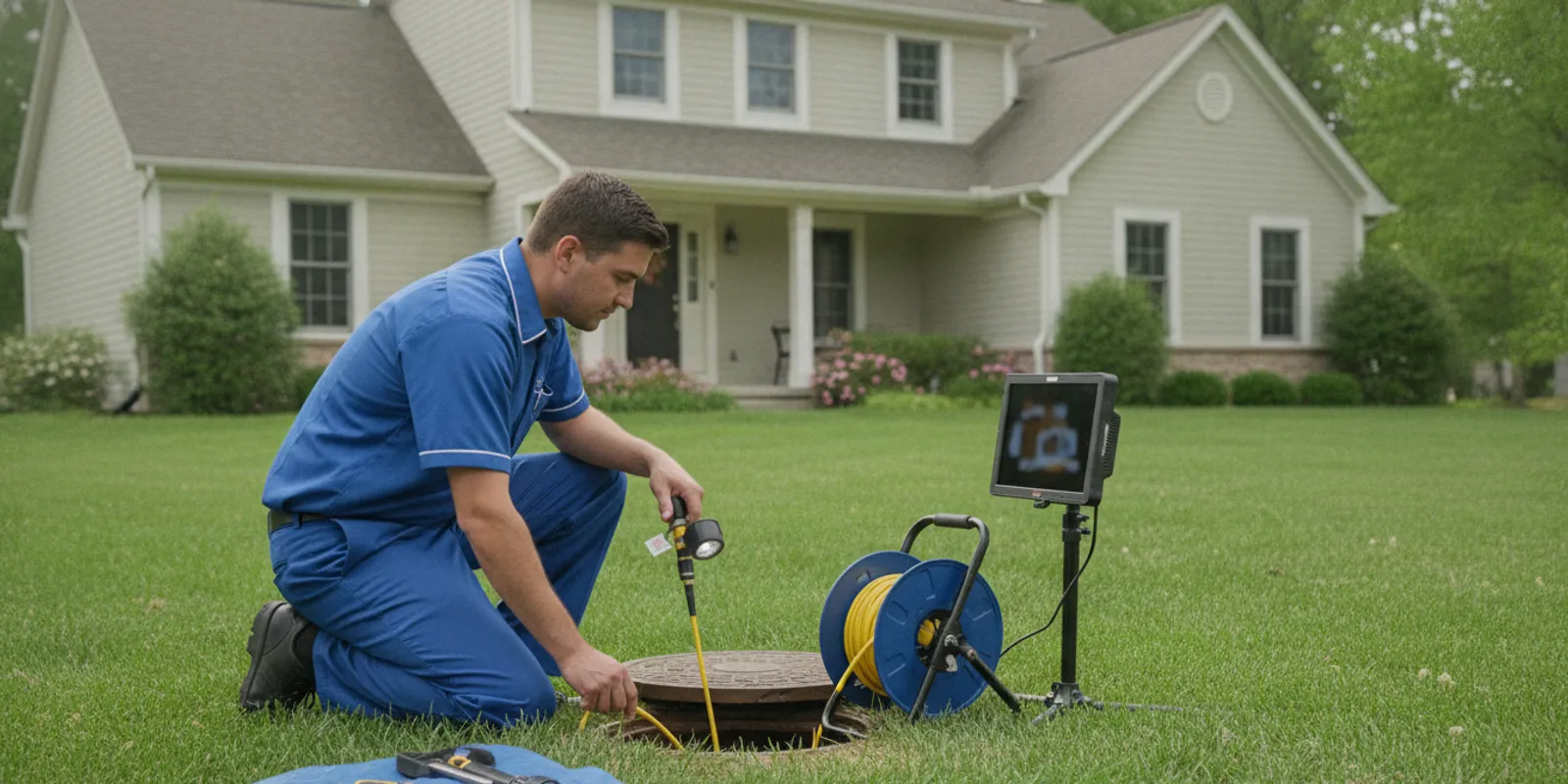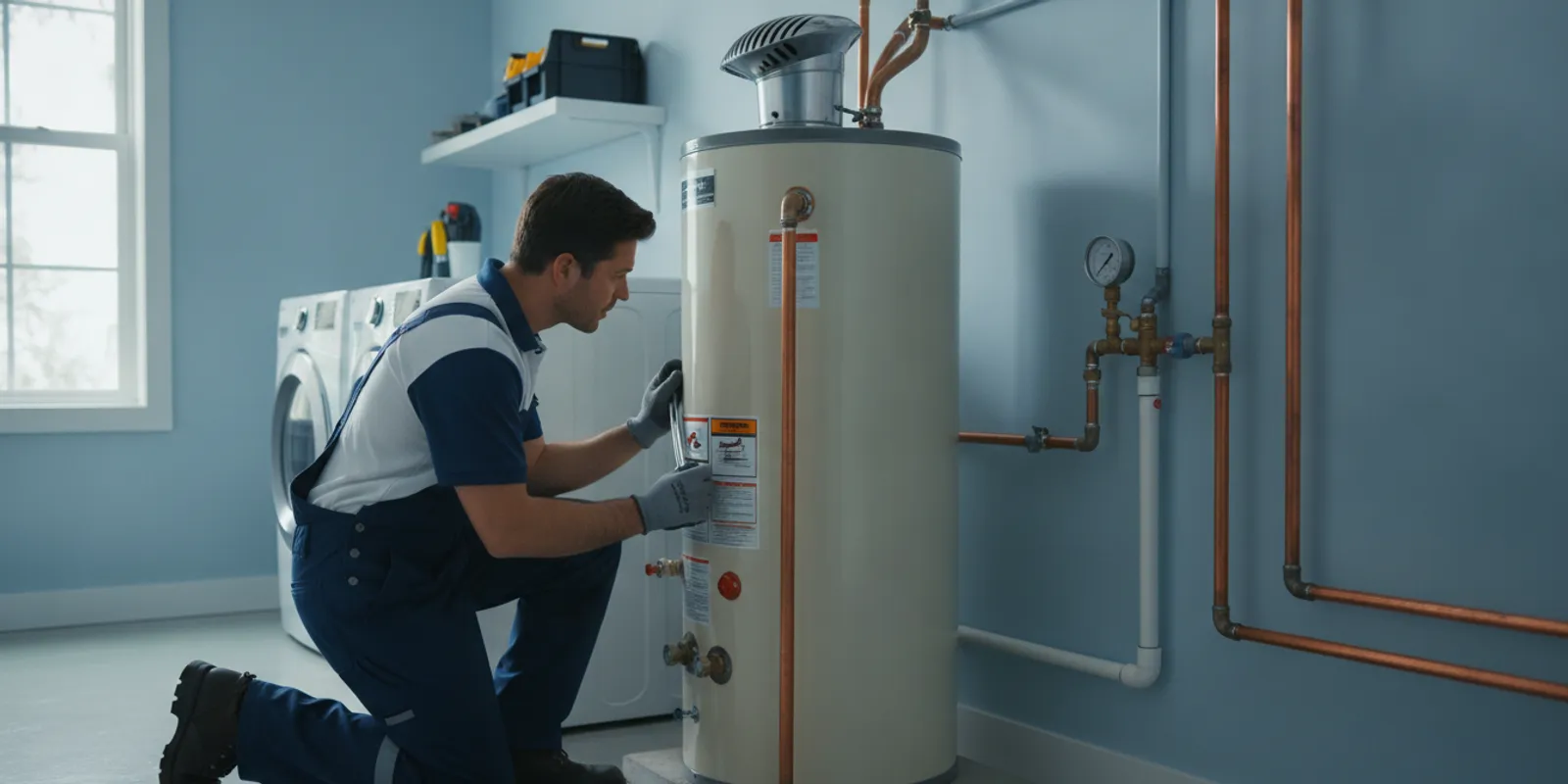
When a Rochester Hills household notices hot water running out sooner, an unfamiliar heater sound, or a change in performance, it is reasonable to ask whether flushing is the answer. This guide to how to flush a water heater in Rochester Hills explains what the service is intended to do, how a plumber decides if it suits the equipment, and what a homeowner can expect from a professional assessment. Tank designs and their condition differ, so inspection and manufacturer guidance matter before work begins.
Request a water heater assessment
Why do Rochester Hills homeowners ask about flushing a water heater?
Minerals and other material in incoming water can settle inside a storage tank over time. This material is commonly called sediment. Flushing is a maintenance service intended to move accumulated material out through the tank’s drain connection when the equipment and its condition make that appropriate. It is not a guaranteed way to improve efficiency, restore every hot-water issue, or repair a failing component.
A professional starts with the actual concern. A household may report a new popping or rumbling sound, a change in recovery time, reduced hot-water supply, or no noticeable symptom but an uncertain maintenance history. Those observations can help guide inspection, but none alone proves sediment is responsible. A plumber considers the heater type, age and visible condition, prior work, and manufacturer instructions before recommending a service.
It also helps to distinguish a storage tank from a tankless system. A tank unit holds heated water in a vessel and may be a candidate for flushing if suitable. A tankless unit heats water as it flows and has different maintenance needs; the tank procedure does not apply to it. For system-specific help, homeowners can review Mr. Pipey’s water heater repair and replacement information or its separate tankless water heater service page.
Flushing is also different from repair. A thermostat or heating element concern, a faulty valve, a leak at a connection, or a tank problem calls for diagnosis of that issue. If the symptom points to a plumbing leak elsewhere, a plumber may need to evaluate the pipe or fixture rather than focus on the heater. The purpose of an assessment is to identify the service path that matches the observations, not to assume that one maintenance procedure resolves every complaint.
What signs help a plumber decide whether a water heater needs attention?
Before contacting a plumber, note what changed and how broadly it affects the home. Does hot water run out early at every fixture or only one? Did the change appear suddenly, or has it developed gradually? Is there a new sound while the heater operates? Is water visible near the equipment? Clear observations are more useful than trying to diagnose the cause yourself.
- Reduced hot-water supply: The household runs out sooner than usual, or the supply seems insufficient for familiar use.
- Longer recovery: Hot water takes more time than expected to return after ordinary use.
- New operating sounds: Popping or rumbling may be worth reporting, though it does not confirm sediment as the cause.
- Temperature changes: Water temperature varies or does not match the household’s usual experience.
- Appearance or odor changes: Unusual water may require a broader plumbing evaluation rather than flushing alone.
- Moisture near the unit: Water around the tank, valve, connections, or floor should be reported promptly for assessment.
A symptom’s pattern can help narrow the investigation. If only one tap has a temperature issue while other fixtures receive normal hot water, the plumber may consider that fixture or its local plumbing. If all hot-water fixtures are affected, attention may turn to the heater or its controls. This pattern is a useful clue, not a diagnosis. For visible water around piping or fixtures, Mr. Pipey also provides plumbing leak diagnosis and repair.
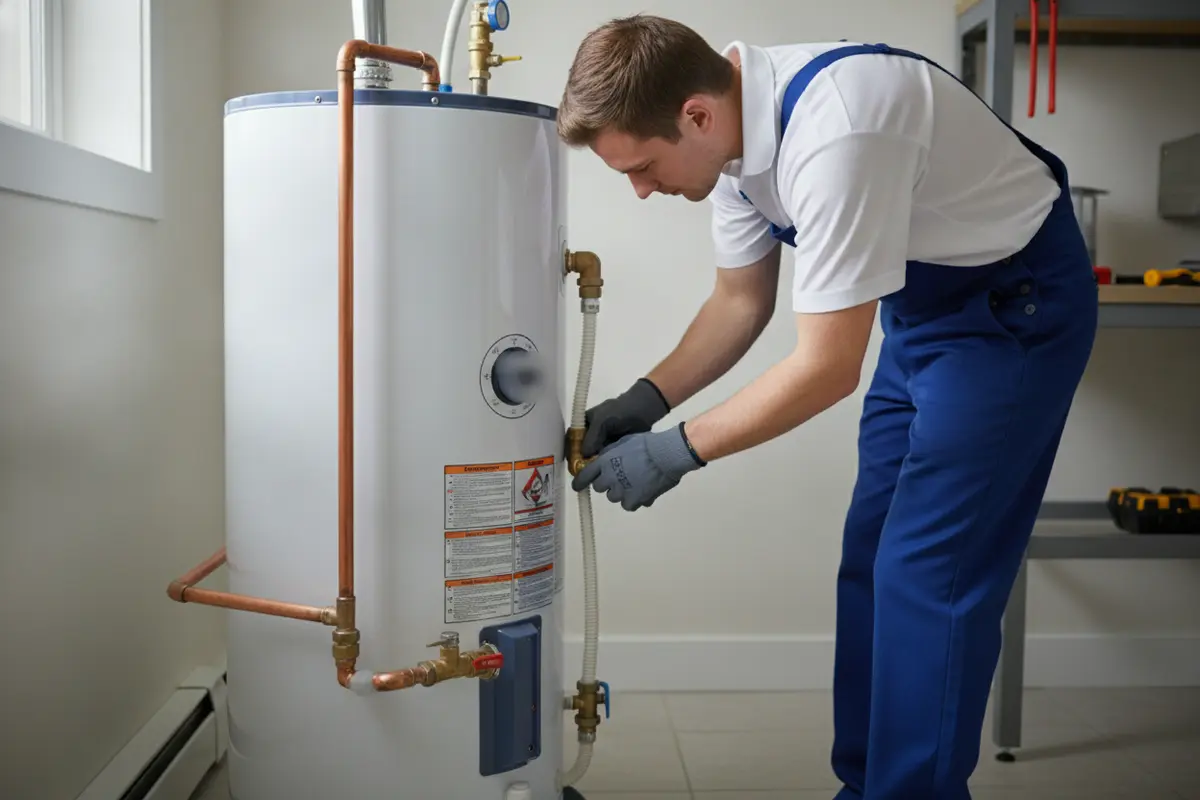
If water is actively escaping, say so when arranging service and describe where it appears. Do not treat flushing as a way to stop a leak. A plumber can check the source and explain whether the concern relates to a connection, valve, nearby pipe, or the heater itself. Where the issue is urgent, the emergency plumbing service information can help homeowners understand the available service route.
How does a professional water heater flush work?
A professional visit starts by identifying the equipment and understanding the homeowner’s concern. The plumber reviews visible condition and access, considers the maker’s maintenance instructions, and checks whether the system appears suitable for the proposed work. Tanks vary in materials, connection layout, drain condition, and service history. That is why there is no single set of steps that should be assumed safe for every heater.
- Identify the system. The plumber determines whether it is a storage tank or tankless model and, when available, notes the make and model. The tank procedure is not substituted for tankless maintenance.
- Discuss symptoms and history. The homeowner describes changes in supply, temperature, noise, or visible moisture, along with prior maintenance if known. The timing and pattern can help direct the inspection.
- Review condition and access. The plumber considers the drain connection, nearby shutoffs, surrounding area, visible wear, and any signs that the unit may be compromised. If the condition raises concerns, assessment or repair may be advised before flushing.
- Explain the recommendation. The plumber describes the proposed service, its purpose, and limitations. If another fault may be involved, the homeowner can discuss that separately before approving additional work.
- Carry out suitable maintenance. If the system is appropriate, the service follows its requirements, with controlled handling of hot water and tank contents. The exact work depends on the heater and site conditions.
- Restore operation and review findings. After service, the plumber checks relevant connections and operation, explains what was observed, and discusses whether follow-up maintenance or repair is appropriate.
For homeowners, the most useful part is not memorizing a procedure. It is understanding why the plumber recommends it and what the service can reasonably address. Ask what inspection supports the recommendation, whether the system is suitable for flushing, and what findings might lead to a different plan. A clear explanation keeps maintenance, diagnosis, and repair distinct.
Hot water and equipment connections make this a system-specific service, not a universal household task. A professional can determine whether the heater can be serviced as planned and avoid treating an unrelated fault as a sediment issue. Mr. Pipey’s water heater service team can assess the unit and explain available options.
Which water heater service path fits the symptoms?
Different observations may lead to different next steps. This comparison is a discussion guide, not a remote diagnosis or a promise that a particular service will resolve the issue. The plumber’s findings and the heater’s documentation should guide the recommendation.
| What the homeowner notices | Possible service path | What the assessment clarifies |
|---|---|---|
| Storage tank, maintenance question, no visible leak | Condition review and flushing if suitable | Whether the unit and drain connection are in appropriate condition |
| Hot water runs out sooner or temperature varies | Diagnosis; flushing only if indicated | Whether sediment, controls, capacity, or another factor may be involved |
| Water appears around the heater or a connection | Leak and equipment assessment | Where the water originates and what repair options may apply |
| Tankless equipment with a maintenance concern | System-specific inspection and maintenance | Model requirements; a storage-tank flush is not the matching procedure |
| Older unit or unknown maintenance history | Condition review before opening the system | Whether the proposed work is appropriate and what alternatives exist |
| Only one fixture has a hot-water issue | Assessment of the fixture and its local plumbing as well as the heater | Whether the pattern is isolated or affects the whole hot-water system |
For example, a homeowner who reports gradual loss of hot-water supply but no visible leak can share when the change began and whether it affects every fixture. The plumber can then inspect the heater and decide whether flushing is indicated or whether another cause deserves attention. By contrast, water visible beneath a connection changes the priority: locating the leak and evaluating the equipment comes first. The same maintenance recommendation should not be applied automatically to both cases.
If a repair or replacement is being discussed, ask how the findings relate to the proposed work and what options are available. Compare the unit’s condition and household hot-water needs rather than relying on one symptom alone. The water heater service overview describes the relevant repair and replacement service area.
How often should a water heater be flushed?
There is no single schedule that fits every heater and household. The manufacturer’s instructions are the starting point. A plumber can consider the model, use, water conditions, and maintenance record when discussing an appropriate plan. If the last service date is unknown, say so; uncertainty is useful context and does not by itself establish that flushing is needed immediately.
Ask the plumber to explain what the maintenance interval is based on and whether the model’s documentation calls for a particular procedure. A service history can help: note approximate dates of prior inspections, repairs, or other maintenance if available. If records are missing, the equipment label and an on-site review may provide information to make a practical recommendation. Avoid applying another home’s schedule to a different heater.
Routine maintenance should not be confused with diagnosis. Recurring loss of hot water, new operating noise, or visible water calls for attention to the underlying cause. Flushing may be one appropriate maintenance step for some storage-tank systems, but it does not replace checking controls, heating components, valves, connections, or tank condition when symptoms warrant those checks.
For general consumer information about water heating and household energy use, consult the U.S. Department of Energy’s water heating guidance. Its information is general; the owner’s documentation and an assessment of the specific equipment remain important for service decisions.
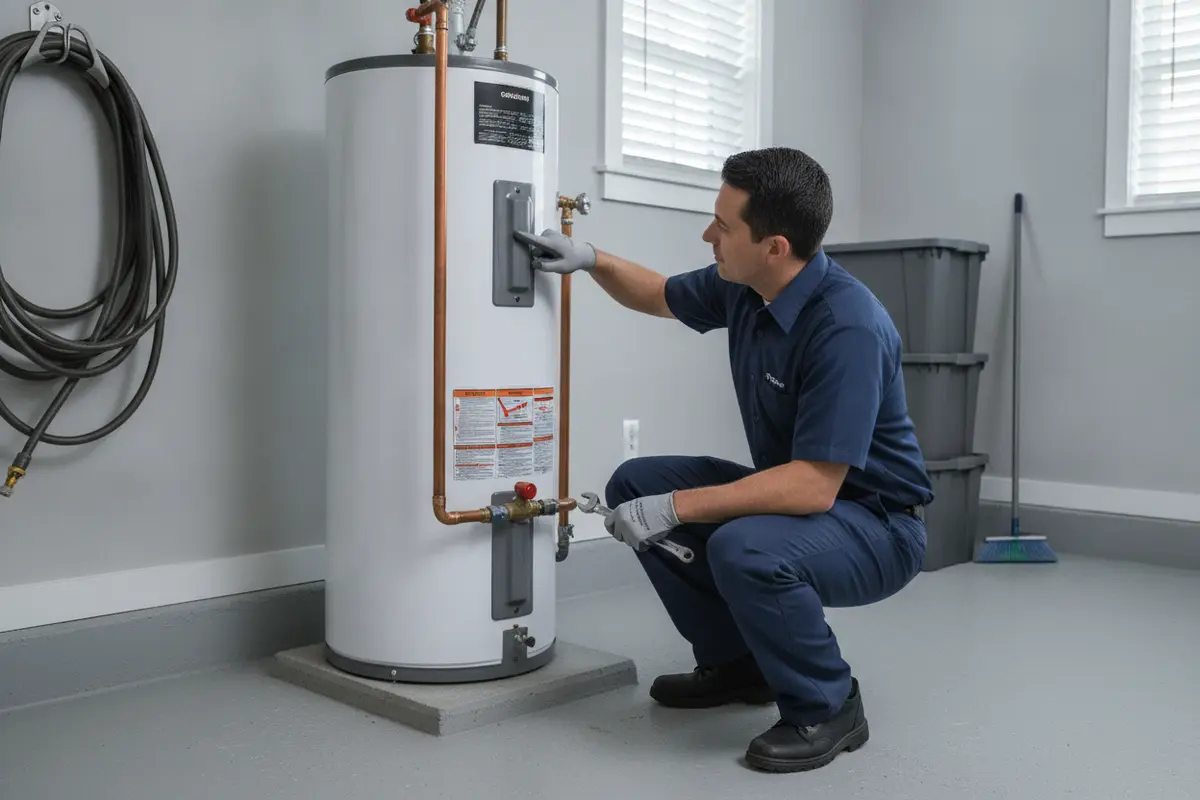
What information should Rochester Hills homeowners share before booking?
A few details can help the plumber plan an informed visit. Homeowners do not need to identify the cause or perform checks on the equipment. Describe what you have noticed and share accessible information about the system. If a detail is unknown, simply say so.
- Whether the heater is a storage tank or tankless model, if known.
- The approximate age, make, or model, if the label is easy to locate without moving equipment.
- What changed: supply, temperature, operating sound, water appearance, or moisture.
- When the issue began and whether it is constant, intermittent, or limited to particular fixtures.
- Any maintenance or repair history you already have.
- Whether water is currently visible around the heater or nearby pipes.
- Whether the household has noticed a recent change in hot-water use or the way the system is being used.
This information helps distinguish a general maintenance question from a new performance concern. For instance, a gradual change after a long period without service is useful to report, but it does not confirm that sediment is the cause. A sudden change affecting the whole home may lead the plumber to consider equipment operation as well as maintenance. A one-fixture concern may require looking beyond the heater. The visit should establish what the evidence supports.
Keep the area accessible only if it is safe and convenient; do not move equipment or adjust plumbing connections to prepare. If there is active water, explain where it is appearing when you call or submit a request. A separate issue involving a drain or sewer line may need a different service path; Mr. Pipey’s drain and sewer service information covers that distinct category.
How can you get a clear water heater service recommendation?
A useful recommendation links the homeowner’s observations to the inspection findings and the proposed scope. Before approving work, ask what the service is intended to address, what has been checked, and what the plumber observed. If flushing is suggested, ask whether the unit’s condition and manufacturer guidance support it. If diagnosis or repair is recommended instead, ask how that addresses the reported symptom.
It is also reasonable to clarify what the visit includes and whether any additional work would be discussed for approval before proceeding. A transparent explanation should distinguish maintenance from a repair, state the limitations of the proposed service, and identify what remains uncertain. This helps homeowners compare options on their actual purpose rather than on labels alone.
Mr. Pipey provides plumbing services in Metro Detroit, including water heater repair and replacement. Its service information describes upfront options and no overtime charges for after-hours or emergency calls. For a specific heater in Rochester Hills, request an assessment and discuss the scope before authorizing work. If the issue is a water leak elsewhere in the home, the company’s leaking pipe service page offers information about that separate concern.
Choosing a service plan does not require guessing at the cause. Share the symptoms, ask how the recommendation follows from the equipment condition, and confirm what the proposed work can and cannot address. A clear conversation can help the household decide whether maintenance, further diagnosis, or a repair evaluation is the sensible next step.
Contact Mr. Pipey to discuss your water heater
Frequently asked questions about flushing a water heater
Can every water heater be flushed?
No. Flushing is associated with suitable storage-tank systems, and a plumber should identify the equipment and review its condition first. Tankless units have different maintenance requirements.
Will flushing fix a water heater that leaks?
Not necessarily. Water may come from a connection, valve, nearby pipe, or the heater itself. The leak source should be assessed; flushing is not a leak repair.
Does a water heater need flushing every year?
There is no one schedule for every system. Check the manufacturer’s guidance and ask a plumber to consider the model, use, water conditions, and service history.
Should I flush the heater myself?
Because the work involves hot water and equipment-specific connections, a qualified plumber can determine whether service is suitable and carry it out according to the system requirements.
What should I do if hot water changes suddenly?
Describe what changed, whether it affects all fixtures, and whether there is visible water or a new sound. Contact a plumber for guidance, especially if water is escaping.
A professional assessment can help Rochester Hills homeowners distinguish suitable tank maintenance from a repair need and choose a service plan based on the equipment and findings.