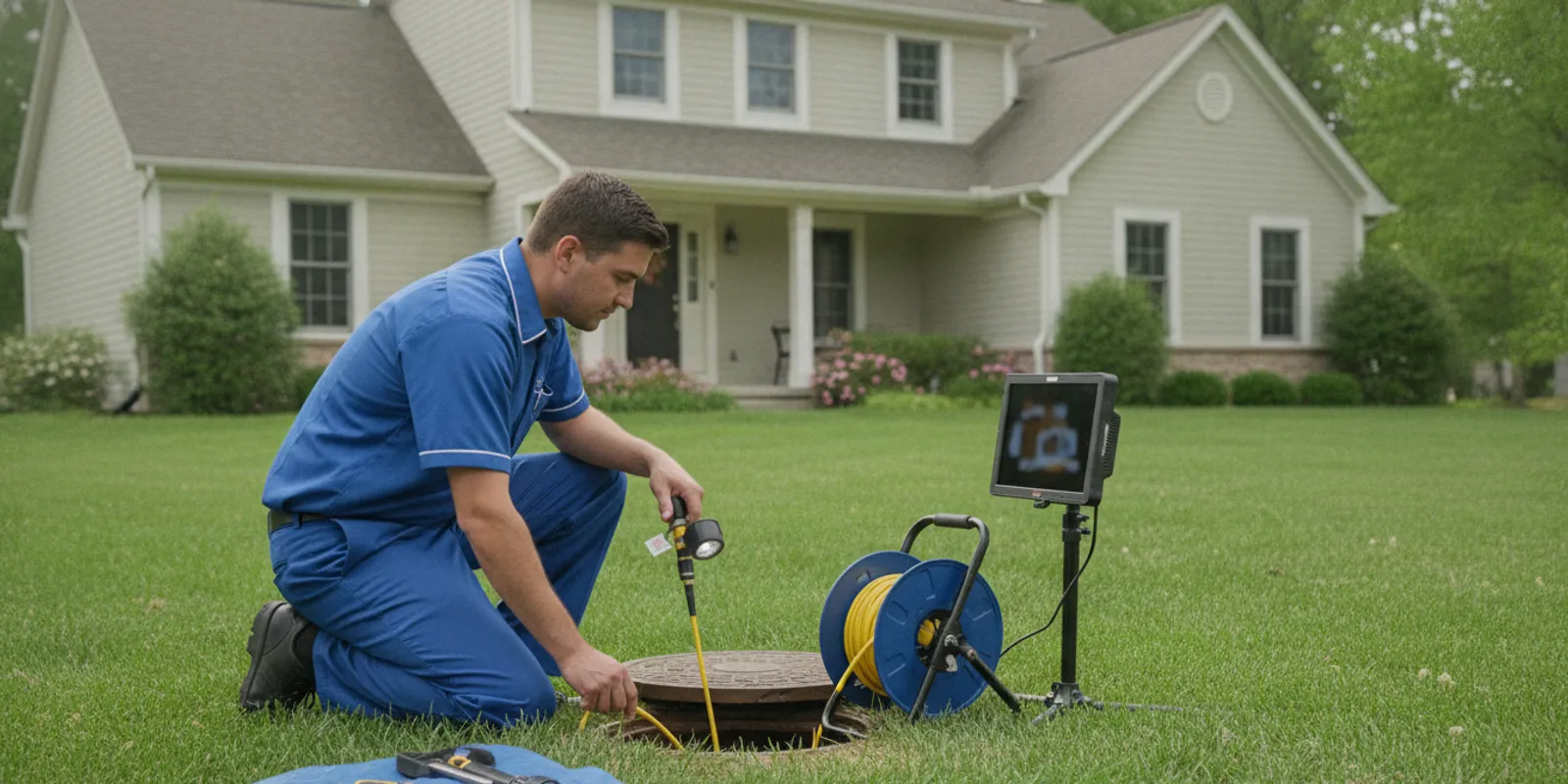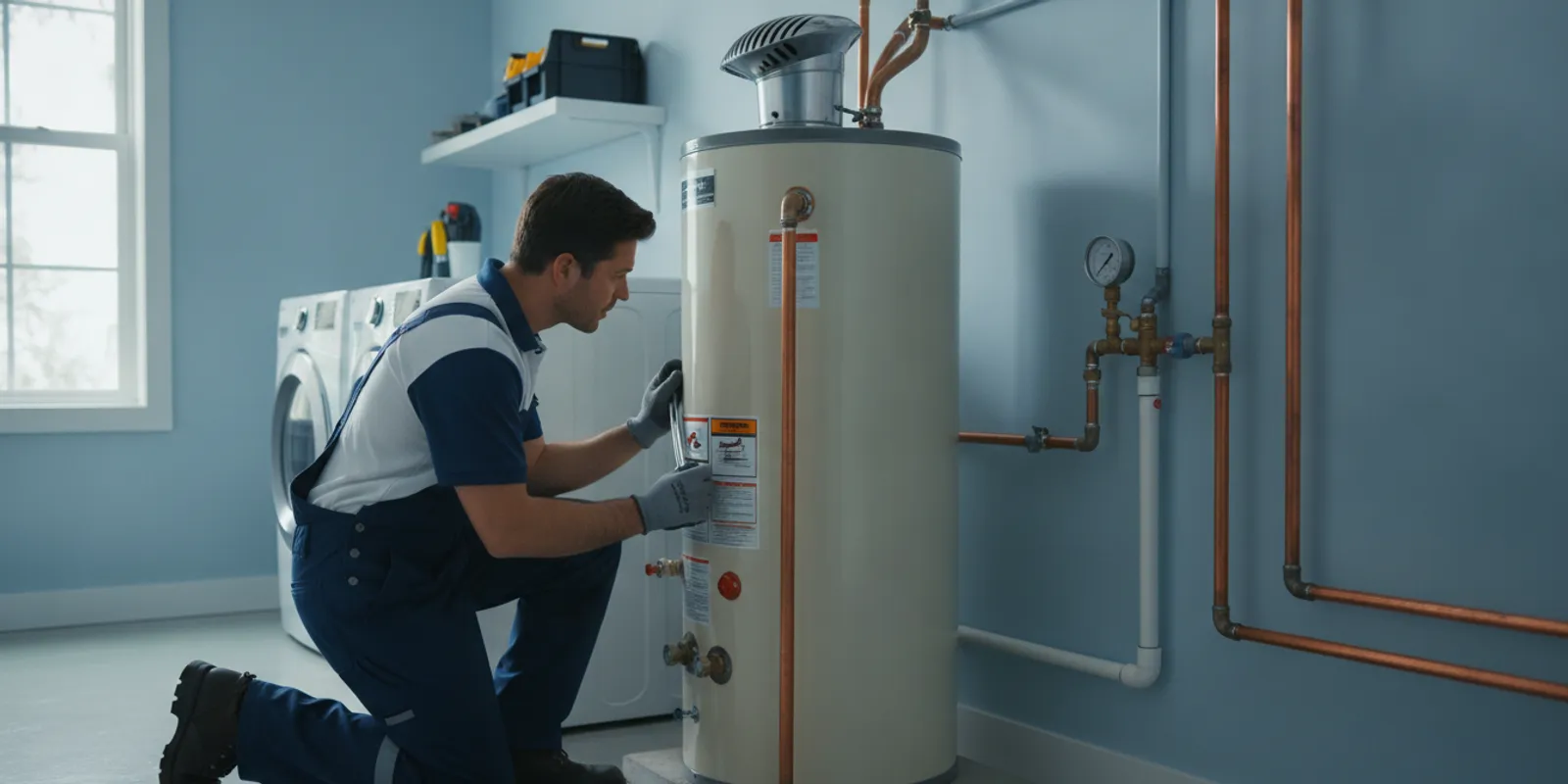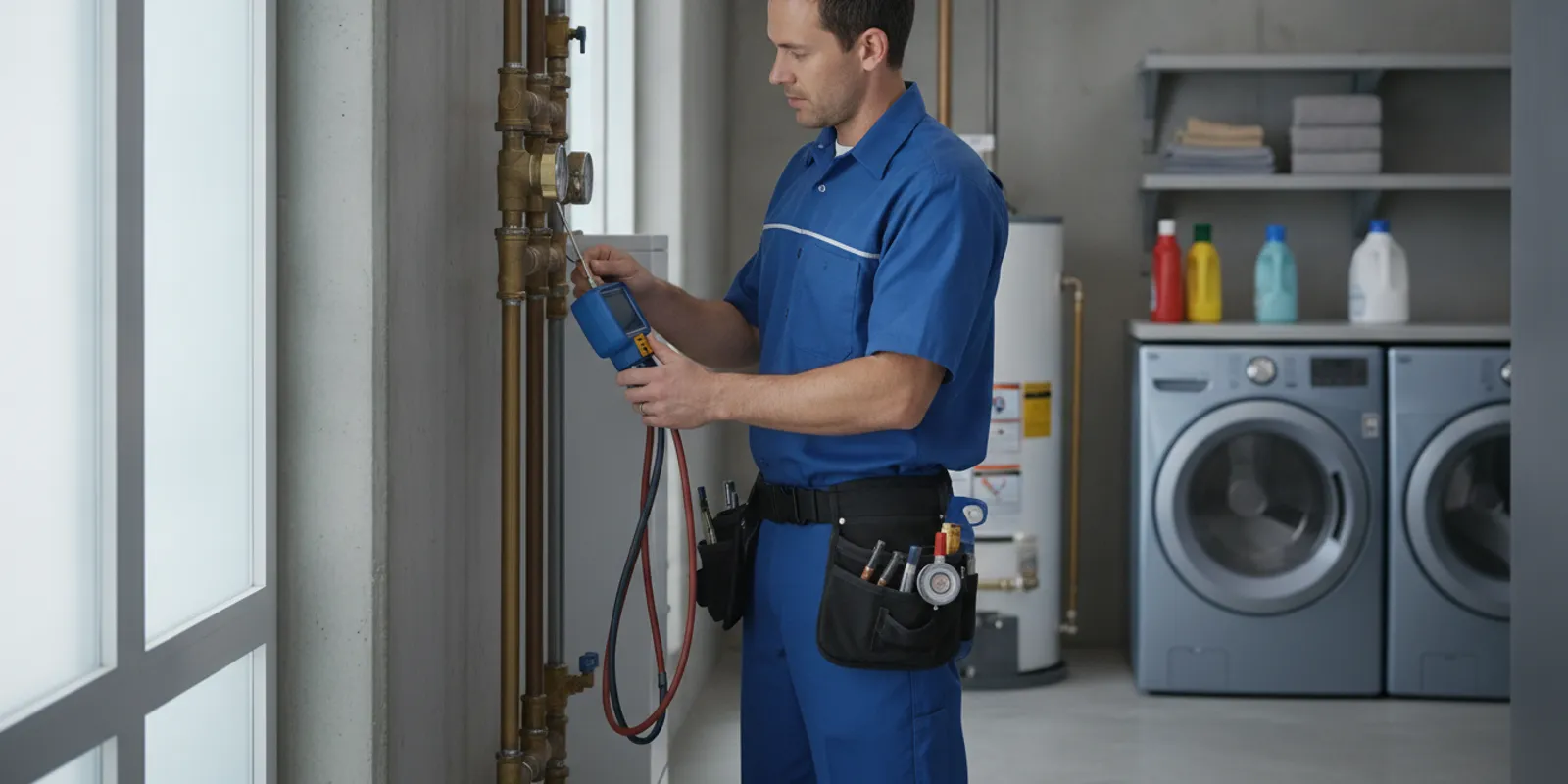
For a Metro Detroit property owner, backflow preventer testing frequency can be confusing because the device, the way a property uses its water, and the local authority’s requirements may all matter. Rather than relying on a general rule of thumb, confirm the schedule for the specific assembly and location. A qualified plumbing professional can help identify what is installed, arrange testing, and explain the results.
Arrange a professional backflow testing visit

Backflow preventers help protect a potable water supply from reverse flow under certain plumbing conditions. Testing checks whether the installed assembly is operating as intended at the time of the test. It does not mean every property has the same device or must follow the same timetable. Use the guidance below to prepare useful questions, then verify any applicable interval with the water provider, local plumbing authority, or other authority responsible for your property.
What does backflow preventer testing frequency depend on?
There is no safe, universal interval to apply to every backflow preventer without knowing the assembly and the rules that apply to its installation. Requirements can differ by device type, installation purpose, property category, and jurisdiction. A device serving a particular plumbing hazard or commercial process may be treated differently from an assembly in a different setting. Local authorities and water providers can also set requirements for testing, reporting, or submitting records.
That is why advice such as “test every device once a year” should not be treated as a local rule unless the authority responsible for that installation confirms it. A manufacturer’s recommendations, a prior test report, and a property’s maintenance records can help with planning, but those documents do not replace current local requirements. If the device was installed, repaired, or relocated, ask whether that change affects what needs to be tested or documented.
Start by identifying the assembly as clearly as possible. Useful details include the device type and model if visible, its location, the property address, and what portion of the plumbing system it protects. Do not remove covers or disconnect parts to find this information. A plumber can inspect the assembly and determine what information is appropriate to record. If a previous report is available, share it when arranging service.
Which factors can change a backflow testing schedule?
Several considerations can influence when a test is due and what documentation is expected. The table is a planning guide, not a substitute for a binding requirement. It shows what to verify rather than assigning an interval that may not fit your device or location.
| Factor | Why it may matter | What to confirm |
|---|---|---|
| Assembly type and installation | Different assemblies and applications may be subject to different testing or maintenance rules. | Ask which device is installed and which schedule applies to that exact assembly. |
| Property use | A residence, commercial property, irrigation system, or specialized water use may have different oversight needs. | Tell the authority or tester how the water system is used and what the assembly serves. |
| Local jurisdiction or water provider | Requirements can be set or administered by the authority responsible for the service area or installation. | Confirm the due date, reporting route, accepted tester qualifications, and any forms. |
| Past test or repair results | Prior findings may call for repair, follow-up testing, or a record update. | Share reports and ask whether any open action remains before the next scheduled test. |
| Changes to the plumbing system | New equipment, altered piping, or a moved assembly may change the information an authority needs. | Ask whether the work requires inspection, a new test, or revised records. |
When a notice arrives, check the address, assembly description, due date, and instructions for submitting a report. If the notice is unclear, contact the issuing office rather than assuming the letter applies to every device at the property. If there is no notice, that alone does not establish that testing is unnecessary. The responsible authority can tell you whether the property has a record and what schedule applies.
Also check whether the notice refers to a single assembly or to a group of devices. A larger building may have more than one assembly serving different parts of its plumbing. Confirm the identification and location for each device before scheduling. If the notice lists a serial number or installation address that does not match your records, ask the office to correct or clarify it before the due date. This small check can prevent a report from being filed under the wrong device.
For a newly purchased property, ask the seller or property manager for past test reports and any open notices. A change in ownership does not necessarily change the technical condition of the device or its testing obligations. Give the service professional the paperwork you receive and ask which items are still current. If records are unavailable, the local authority can explain how to identify the assembly and establish the correct process going forward.
How can you confirm when your device is due?
Use a short verification process. It helps prevent missed paperwork and avoids applying a schedule from another city, property, or assembly.
- Locate available records. Look for installation documents, prior test reports, service invoices, or official notices. Record the date and any device identification shown. Keep the original documents available for the professional who performs the service.
- Identify who sets or tracks the requirement. Depending on the installation, this may involve a local plumbing authority, water provider, property manager, or another responsible office. If you are uncertain, ask the provider serving the address who administers backflow records.
- Ask about the exact assembly. Provide the property address and information from the report or device label, if available. Confirm whether the office needs a particular assembly type, serial number, or installation purpose to locate the right record.
- Verify the date and process. Ask when the next test is due, how the completed result must be submitted, whether the tester must meet specific qualifications, and whether there are forms or deadlines beyond the test itself.
- Book the service and retain the report. Share the authority’s instructions with the plumbing professional. After testing, keep the report and confirm that it has been submitted through the required channel.
For Metro Detroit owners, make the address part of the question. Requirements should be checked for the place where the assembly is installed, not assumed from a nearby municipality or a past property. If you manage a building, note which device each report covers and maintain a separate record for each assembly. A simple device-to-report list can make future scheduling clearer.
When arranging service, have the property address, any available device information, the last report, and the authority’s instructions ready. Ask what access the technician will need and whether water service may be interrupted briefly during the test. The answer can depend on the plumbing arrangement, so confirm details for your specific visit rather than assuming the same preparation applies everywhere. If a tenant, building manager, or maintenance contact needs to be present, coordinate that before the appointment.
These questions are also useful if you are comparing service arrangements: who performs the test, what written results will be provided, whether the report can be sent to the relevant authority, and what happens if the assembly does not meet the test criteria. Clear answers make it easier to plan the visit and keep the records complete. They also help you separate the testing service from any repair work that may be proposed after results are available.
What happens during a professional backflow preventer test?
A professional visit generally begins with confirming the assembly and reviewing any instructions or previous documentation you provide. The plumber can assess access and the visible condition of the device, then perform the test using appropriate professional equipment and procedures for that assembly. The exact steps vary by device and applicable requirements, so the tester should explain what will be checked before beginning.
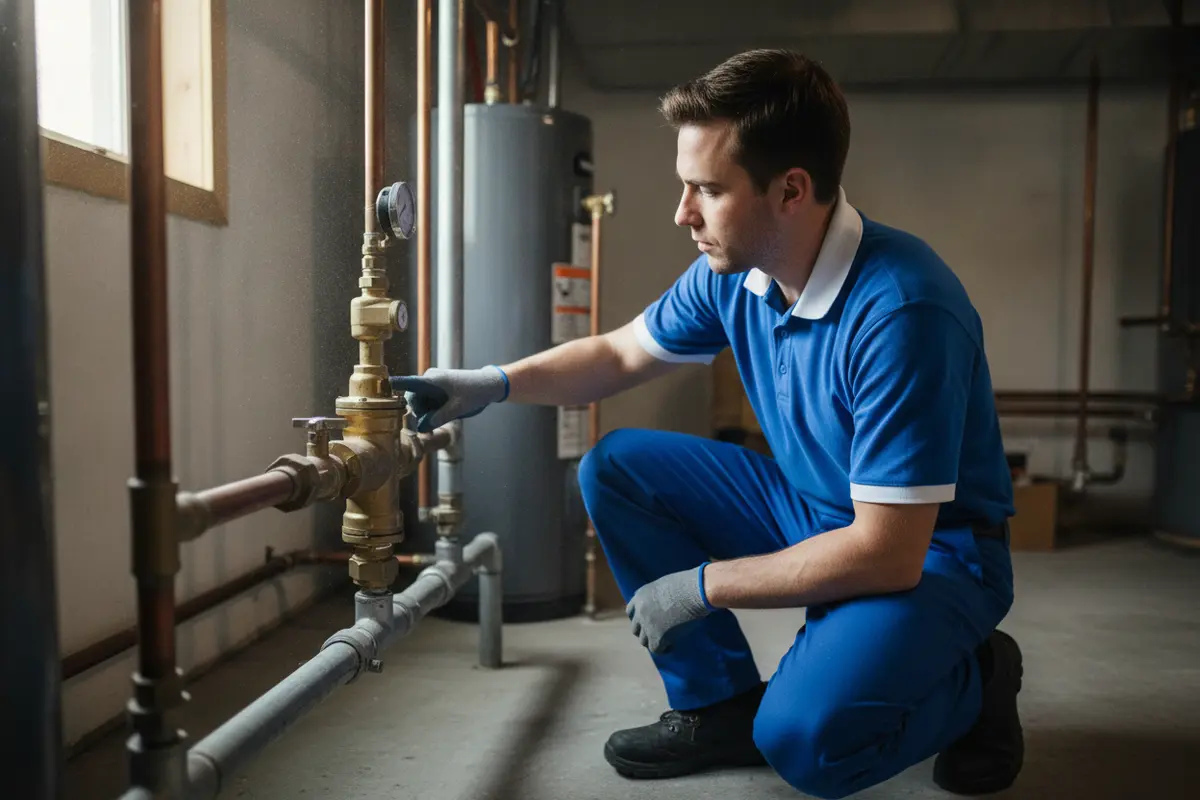
Before the appointment, make sure the technician can reach the assembly. If it is in a locked utility room or controlled-access area, arrange access in advance. Let the plumber know about any recent plumbing work, previous test result, notice from a water provider or authority, or known access issue. These details help the visit focus on the device that needs attention and the records that must be completed.
Following the test, ask for a written report that identifies the assembly, test date, result, and any recommended next step. If the device passes, find out whether you or the tester must send the report to an authority and by what date. If it does not pass, ask what condition was found, what repair or replacement options are appropriate, and whether a follow-up test or additional submission is required.
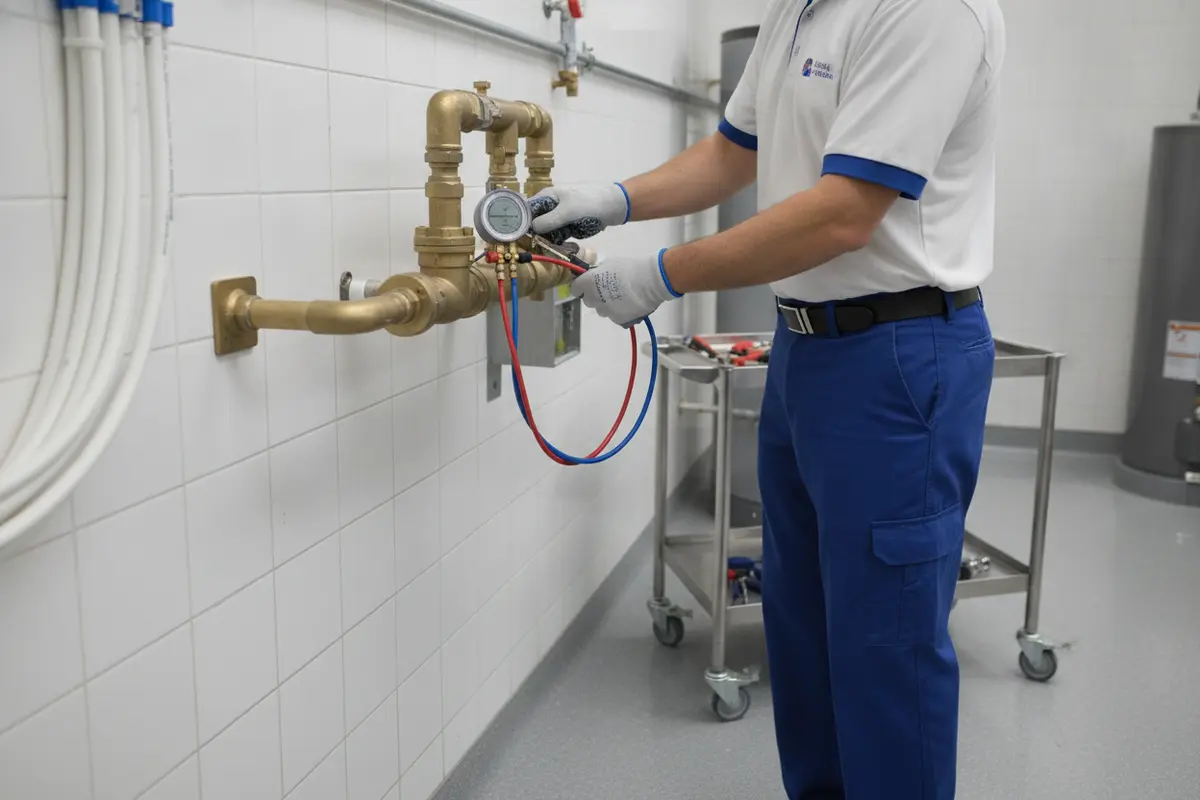
Backflow testing and repair are related but distinct tasks. A test reports how the assembly performs during the evaluation. Repair addresses an identified problem, and any required follow-up depends on the authority’s process and the condition of the device. Ask whether a proposed repair changes the reporting steps or requires another test. A clear written record helps you track what was tested and what remains to be done.
It is useful to understand the limits of the visit as well. A test addresses the backflow assembly and applicable test procedure; it is not a general inspection of every pipe or fixture in the building. If you have a separate concern, such as a leak near the device or a valve that does not operate as expected, point it out and ask whether it needs a separate assessment. Keeping the request specific helps distinguish the test report from other plumbing recommendations.
Ask in advance how the result will be delivered and whether the professional will submit it to the authority or provide it for you to file. Do not assume that completing the test also completes any reporting requirement. If a deadline is close, tell the office and service professional when you call so they can clarify the process and timing. Keep confirmation of any submission with the report.
What should you do with the test results?
Keep the report with the property’s plumbing records, along with notices, installation information, and invoices for any work. Check that the address and assembly description are correct. If the document lists a failure or follow-up, ask the tester to explain the finding in plain language and to separate required work from optional recommendations. Then confirm directly with the responsible authority what must be submitted and by when.
If a repair is recommended, get a clear explanation of the issue and the available service options. The right next step depends on the assembly and test result. Mr. Pipey provides backflow preventer repair and testing; the service page can help you understand the plumbing service to discuss. When the appointment is booked, provide your notice or previous report so the team can understand the context of the request.
Do not treat a passed test as a permanent certification of future performance. It records the observed result for the test performed. Keep track of the next due date given by the responsible authority, and ask how to receive a reminder if the property’s process offers one. For a property with several assemblies, request reports that clearly distinguish each device instead of filing them together without labels.
How should Metro Detroit property owners check local rules?
Local requirements should be verified for the exact property and assembly. Oakland County includes many separate communities, and nearby addresses do not necessarily share the same administrative process. Contact the water provider or local authority responsible for the address and ask these direct questions:
- Does your office track or require testing for this assembly at this property?
- What is the next due date, and how is that date determined?
- Are there tester qualifications or device-specific procedures that apply?
- How should the report be submitted, and who is responsible for filing it?
- Does a repair, replacement, or change in the plumbing system require additional documentation?
If you need help identifying the plumbing service to request, review Mr. Pipey’s backflow preventer service information or water valve service details where related shutoff components are involved. The sewer and drain service page and sump pump service page cover other plumbing systems that may be part of a property’s broader maintenance planning, but they do not set a backflow test interval. For general federal drinking-water information, you can start with the U.S. Environmental Protection Agency website; check with the local office for requirements specific to your installation.
When a city-specific requirement is uncertain, do not infer one from an online discussion or a schedule used by another property. Ask the office responsible for the record to confirm the current instruction. Keep the name of the office, the date of your inquiry, and any written response with the test report. This makes it easier to resolve questions later without relying on memory.
Contact Mr. Pipey to discuss backflow testing
Frequently asked questions about backflow preventer testing frequency
How often should a backflow preventer be tested?
The correct interval depends on the assembly, how it is used, and the rules for the property’s location. Do not assume a single annual or multi-year schedule applies to every device. Check the due date with the water provider or authority responsible for the installation, then share its instructions with the plumbing professional arranging the test.
Does a backflow preventer need testing if no notice arrived?
Not receiving a notice does not confirm that testing is unnecessary. Records may be incomplete, notices may go to another contact, or the property owner may be responsible for arranging service. Contact the provider or authority for the address and ask whether the assembly is registered and when a test is due.
Who can tell me which testing requirement applies?
Start with the water provider or local plumbing authority responsible for the property. Ask which assembly their record covers, what date applies, whether the tester must meet particular qualifications, and how results should be filed. A plumbing professional can help identify the installed device, but local requirements should be confirmed with the responsible authority.
What if a test report says the assembly did not pass?
Ask the tester to explain the finding and describe the recommended repair or replacement options. Confirm whether the authority requires a follow-up test or a specific form after the work. Keep the original report and any repair records together, and do not assume the matter is complete until required documentation has been submitted.
Where can I find general information about backflow testing?
A plumbing professional can explain the device and the service visit, while the water provider or local authority can confirm the rules for your address. Federal drinking-water information is available through the EPA website, but local offices are the right source for a property-specific due date and reporting process.
Backflow preventer testing frequency is best confirmed for the device and address rather than borrowed from a general rule. Keep the records, ask the responsible authority about the schedule, and arrange professional testing with the relevant instructions in hand.