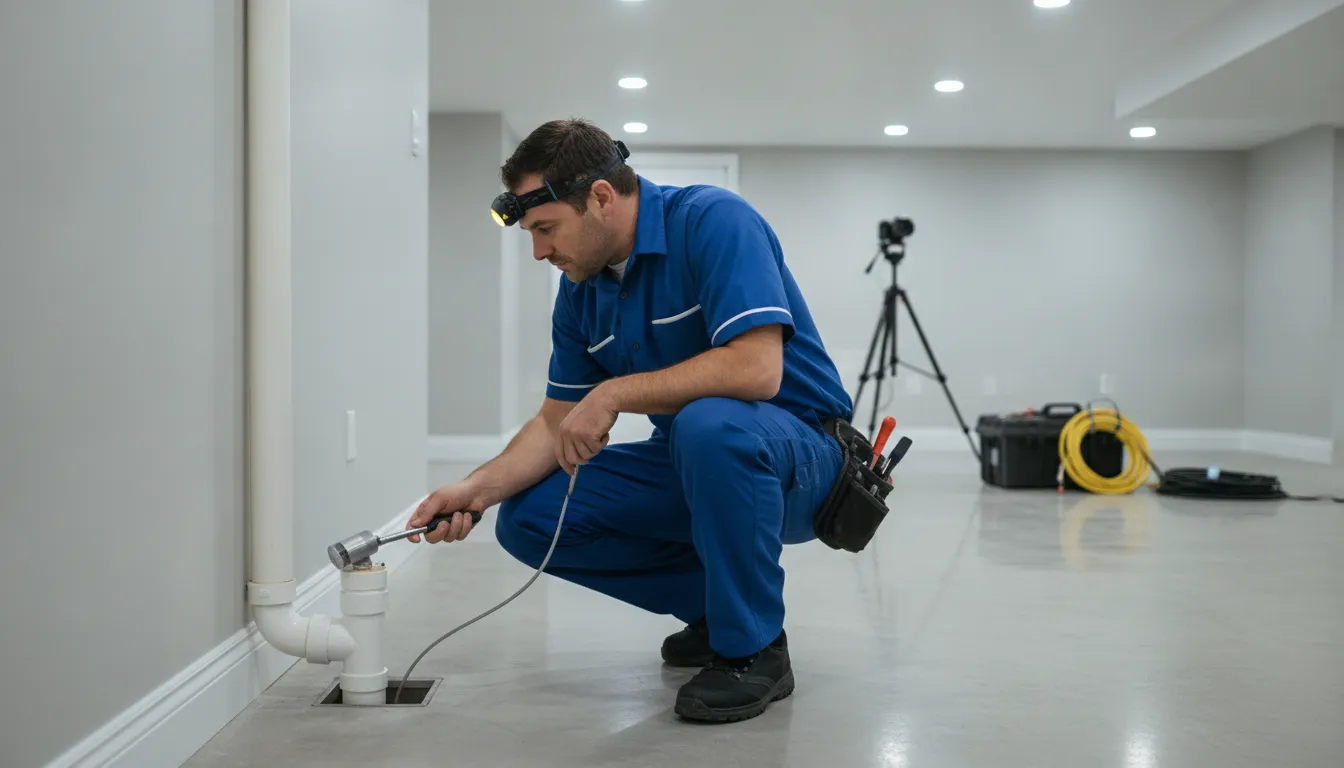


Let’s be honest—most of us aren’t plumbing experts. While a DIY spirit is great for many home projects, a water heater is a complex appliance that combines water, high pressure, and either gas or electricity. Attempting a fix without the right knowledge can be ineffective and even dangerous. Knowing when to call a professional is key to protecting your home and your family. This guide will help you identify which issues require an expert touch, from safety concerns like gas leaks to complex electrical work. We’ll explain why calling a licensed plumber for your water heater repair is the safest, most reliable way to get the job done right.
Key Takeaways
- Spot Problems Before They Escalate: Your water heater will give you hints when it needs help. Watch for rusty water, listen for popping or banging sounds, and notice any inconsistent temperatures—these are clear signs to call for an inspection before a small fix turns into a big emergency.
- Make a Smart Repair-or-Replace Decision: Use your unit’s age as a simple guide. Repairs often make sense for heaters under seven years old, while replacement is usually the better long-term choice for units over nine. If the tank itself is leaking, however, a replacement is your only option.
- Pair Simple Maintenance with Professional Expertise: You can significantly extend your water heater’s life with easy annual tasks like flushing the tank. For anything involving safety risks like gas lines, electrical work, or active leaks, always call a professional to ensure the job is done correctly and safely.
6 Signs Your Water Heater Needs Attention
Your water heater is one of those household heroes that works tirelessly behind the scenes. That is, until it stops. The good news is that most water heaters will give you a few warning signs before they call it quits. Paying attention to these clues can help you catch a small problem before it turns into a cold shower and a flooded basement. If you notice any of these signs, it’s a good idea to have a professional take a look.
Is the water rusty or discolored?
If you turn on the hot water tap and see brownish, rusty water, it’s a clear signal that something is wrong inside your water heater. This discoloration usually means the inside of your tank is corroding. The anode rod, which is supposed to prevent this, may have worn out, leaving the tank itself to rust from the inside out. Ignoring this can lead to leaks and eventual tank failure. It’s best to have a professional plumber inspect the unit to determine if a repair is possible or if a replacement is on the horizon.
Are you hearing strange noises?
Your water heater should operate relatively quietly. If you start hearing popping, rumbling, or banging sounds, it’s likely due to sediment buildup. Over time, minerals from the water settle at the bottom of the tank, hardening into a thick layer. When the heating element kicks on, it has to heat the water through this layer of sediment, causing the water trapped underneath to boil and create those strange noises. This not only reduces your heater’s efficiency but also puts stress on the tank, which can lead to cracks and leaks.
Do you see leaks or puddles?
Finding a puddle of water around the base of your water heater is never a good sign. Even a small amount of moisture indicates a problem that needs immediate attention to prevent significant water damage. The leak could be coming from a fitting, the pressure relief valve, or, in the worst-case scenario, a crack in the tank itself. While some leaks are simple fixes, a leaking tank almost always requires a full replacement. If you spot water, it’s wise to call for an emergency plumbing service right away.
Is the water temperature inconsistent?
Are your showers suddenly swinging from hot to lukewarm without you touching the dial? Inconsistent water temperature is a classic sign of a struggling water heater. This issue often points to a faulty thermostat or a broken heating element. The thermostat might not be reading the water temperature correctly, or one of the heating elements (in an electric heater) could have burned out. A professional can easily test these components and replace them, restoring your reliable supply of hot water without needing to replace the entire unit.
Is there no hot water (or it’s slow to heat)?
Waking up to no hot water is one of the most obvious signs that your water heater has a problem. Before you panic, check the simple things first. For an electric heater, see if the circuit breaker has tripped. For a gas heater, check if the pilot light is out. If those simple fixes don’t work, the issue is likely more complex, such as a failed heating element or a faulty thermostat. When your heater is slow to produce hot water or stops completely, it’s time to call in our team of plumbing experts.
Does the hot water smell strange?
If your hot water suddenly smells like rotten eggs, you likely have a bacteria problem inside your tank. This foul odor is usually caused by a reaction between bacteria and the anode rod in your water heater. The anode rod is made of magnesium or aluminum and is designed to corrode to protect the steel tank. Sometimes, this process can create hydrogen sulfide gas, which is harmless but smells terrible. A plumber can often solve this by flushing the tank and replacing the anode rod with a different type, getting your water back to smelling fresh and clean.
A Look at Common Water Heater Brands
When you’re dealing with a water heater issue, knowing the brand can be helpful. Different manufacturers have their own reputations for reliability, efficiency, and design, which can give you a better idea of what to expect from your unit. While our team at Mr. Pipey can service any brand you have, it’s always good to be familiar with the major players in the market. Think of it like knowing the make of your car—it just gives you a bit more context. Here’s a quick rundown of some of the most common brands we see in homes across Metro Detroit.
Rheem water heaters
You’ve likely heard of Rheem, and for good reason. They’ve been around for a long time and have built a solid reputation. Rheem is known for its reliability and consistent innovation in water heating technology, offering a huge selection of both traditional tank and modern tankless models. Because they are such a popular choice for homeowners, parts are generally easy to find, which can make repairs straightforward. If you have a Rheem unit, you have a product from a company with a long history of dependable performance.
A.O. Smith water heaters
A.O. Smith is another heavyweight in the water heater world, recognized for its focus on quality and efficiency. Their units are built to last, and the company prides itself on creating durable, high-performance products. They offer a wide variety of models designed to fit different household sizes and needs, from compact units for smaller homes to high-capacity tanks for larger families. Many homeowners choose A.O. Smith when they’re looking for a long-term, reliable solution. Their commitment to quality makes them one of the best tank water heater brands available.
Bradford White water heaters
Bradford White is a brand that many plumbing professionals, including our team, respect. One thing that sets them apart is their commitment to manufacturing their water heaters in the USA, which allows for tight quality control. Their products are known for being incredibly durable and are often installed in new homes because of their reliability. While you can’t buy them directly from a big-box store (they’re sold through plumbing supply distributors), their reputation for quality makes them a top choice for those who prioritize longevity and reliability.
Bosch water heaters
If energy efficiency is your top priority, you might have a Bosch water heater. This brand is a leader in creating energy-conscious solutions that can help you save on your utility bills. Bosch is well-regarded for its advanced technology and dependable performance in both tank and tankless models. In fact, a recent study ranked Bosch among the most trusted water heater brands in America. Their focus on innovation means you’re getting a modern, efficient appliance designed to meet today’s energy standards.
Different Water Heaters, Different Repairs
Not all water heaters are created equal, and that means their repairs aren’t one-size-fits-all. The right fix depends entirely on the type of system you have warming up your showers and faucets. Understanding the basics of your specific model can help you spot trouble early and know what to expect when you call in a pro. From the classic tank that’s been a household staple for decades to newer, more energy-efficient models, each has its own set of common issues and maintenance needs. Let’s walk through the four main types you’ll find in homes today and what goes into keeping them running smoothly.
Repairing traditional tank water heaters
This is the most common type of water heater, the one with a large tank that holds and heats water. Unfortunately, when these units have problems, it’s often a big one. Most calls we get for tank heaters are about leaks, and a leak usually signals that it’s time for a replacement, not a repair. You can extend its life with regular maintenance, like flushing the tank annually to clear out sediment. If you’re running out of hot water, the issue could be a faulty thermostat or a broken dip tube. But if you spot a puddle, your first step is to shut off the water supply and call for emergency plumbing help right away.
Fixing tankless (on-demand) heaters
Tankless water heaters are fantastic for providing hot water on demand, but they aren’t invincible. A common myth is that they never need repairs, but they require maintenance just like any other appliance. Mineral buildup can clog the system, and electronic components can fail. While some people are tempted by a DIY fix, many repairs require professional expertise to handle safely and correctly. It’s always better to have a qualified plumber diagnose the issue than to risk causing more damage or voiding your warranty. For these complex systems, professional service ensures everything is working efficiently and safely.
Servicing solar water heaters
Solar water heaters are an eco-friendly option that harnesses the sun’s energy. While they can save you a lot on utility bills, they have unique components like solar collectors and circulation pumps that need specialized care. To keep your system working at its best, it’s a good idea to schedule a professional check-up every three to five years. A technician can inspect for leaks, check the fluid levels, and make sure all the hardware is in good shape. This kind of proactive maintenance is the best way to prevent unexpected problems and protect your investment for the long haul.
Maintaining hybrid heat pump heaters
Hybrid water heaters are the high-tech cousins of traditional tanks. They pull heat from the surrounding air to warm the water, making them incredibly energy-efficient—often using 60% less electricity. As a bonus, they also help cool and dehumidify the space they’re in, which is great for a basement. Because they combine a heat pump with traditional heating elements, their repairs can be more complex. Regular maintenance is key to keeping both systems working in harmony. If you’re having trouble, it’s best to contact a professional who understands the ins and outs of these advanced units.
Common Water Heater Repairs (and What They Cost)
When your hot water goes out, it can feel like a major crisis. But don’t panic! Many water heater problems are common and fixable. Understanding what might be going on can help you feel more in control and have a productive conversation with your plumber. While repair costs depend on the type of heater, the specific part, and the complexity of the job, knowing the likely culprit is the first step. From a simple part swap to clearing out buildup, here are some of the most frequent repairs we see and what they involve.
Replacing the heating element
If you have an electric water heater and the water is lukewarm or just won’t get hot, a faulty heating element is a common suspect. Most electric tanks have two elements—one at the top and one at the bottom—that work to heat the water. When one burns out, you’ll notice a significant drop in your hot water supply. This is one of the most routine plumbing repairs for electric models. Because it involves working with your home’s electrical system and properly sealing the new element to prevent leaks, it’s a job best left to a professional who can get it done safely and correctly.
Fixing thermostat issues
The thermostat is the brain of your water heater, telling the heating elements (in an electric unit) or the burner (in a gas unit) when to turn on and off. If your water is scalding hot one minute and cold the next, or if it’s not heating at all, the thermostat could be to blame. Sometimes a simple adjustment is all that’s needed, but other times the component itself has failed. For gas heaters, a similar issue can stem from a faulty thermocouple, which is a safety device that shuts off the gas if the pilot light goes out. A professional can accurately diagnose the problem and ensure the right part is repaired or replaced.
Swapping out the anode rod
Think of the anode rod as your water heater tank’s bodyguard. This metal rod is designed to attract corrosive elements in the water, sacrificing itself to prevent the steel tank from rusting out. Over time, it completely dissolves. If you notice rusty water or a rotten egg smell, your anode rod is likely gone, and the tank itself is starting to corrode. Replacing this inexpensive part every few years is a key piece of maintenance that can dramatically extend the life of your water heater. It’s a proactive fix that helps you avoid the much higher cost of a full tank replacement.
Repairing the pressure relief valve
Your water heater’s temperature and pressure (T&P) relief valve is a critical safety feature. If the temperature or pressure inside the tank gets too high, this valve automatically opens to release it, preventing a potential explosion. If you see water dripping or leaking from a pipe on the side of your tank, the T&P valve may be failing. This isn’t a repair you should ever put off. A faulty valve is a serious safety hazard, so it’s important to call for emergency plumbing service to have it inspected and replaced by a licensed professional right away.
Removing sediment buildup
Do you hear popping, rumbling, or banging sounds coming from your water heater? That’s likely caused by sediment buildup. Over time, minerals from the water supply settle at the bottom of the tank, creating a thick layer. This layer can insulate the water from the heating source, forcing your unit to work harder and less efficiently. It can also cause the tank to overheat and damage the inner lining. Flushing the tank annually can prevent this, but if the buildup is severe, you may need a professional to safely clear it out and restore your water heater’s performance and quiet operation.
Repair or Replace? How to Decide
When your water heater starts acting up, you’re faced with a big question: should you pay for a repair or invest in a whole new unit? It’s a tough call. On one hand, a repair is easier on your wallet right now. On the other, a replacement could save you from future headaches and higher energy bills. The right choice depends on a few key factors, including the cost of the fix, the age of your unit, and the nature of the problem. Let’s walk through how to make the best decision for your home.
Comparing typical repair costs
For many common water heater issues, a repair is a straightforward and affordable solution. Things like a faulty thermostat or a worn-out heating element can often be fixed without replacing the entire unit. On average, the cost for a water heater repair is around $506. This can be a smart move if your water heater is relatively new and the problem is a one-off issue. A professional plumber can diagnose the problem and let you know if a simple fix will get you back up and running, saving you from the much larger expense of a full replacement.
Breaking down replacement costs
A full replacement is a bigger investment. The typical range for a new water heater installation is between $1,600 and $5,500, with an average cost of about $3,550. While that price tag is higher, it can be the more sensible financial decision in the long run. If your current unit needs frequent repairs, those costs can quickly add up to more than the price of a new, reliable model. A new water heater also comes with a fresh warranty and the peace of mind that you won’t be dealing with another breakdown anytime soon.
Factoring in age and efficiency
The age of your water heater is one of the most important things to consider. A good rule of thumb is that if your unit is under seven years old, you should almost always repair it. If it’s more than nine years old, it’s usually smarter to replace it. Most traditional tank water heaters have a lifespan of about 8 to 12 years. As they get older, they become less efficient and more likely to fail. Investing in a new, energy-efficient model can lower your monthly utility bills, helping to offset the initial cost over time.
When a new unit makes more sense
Sometimes, a repair just isn’t an option. For example, if your water heater is leaking from the tank, it almost always needs to be replaced. A leaking tank is often a sign of internal corrosion, which can’t be fixed. Another clear sign is if you’re constantly calling for repairs. If your plumber is on speed dial, it’s time to stop spending money on a failing unit and invest in a new one. While regular maintenance can help your water heater last longer, every unit eventually reaches the end of its life. When that happens, a replacement is the only way to ensure you have reliable hot water.
Keep Your Water Heater Healthy: A Maintenance Checklist
Think of your water heater like a car—it runs best with a little regular care. You don’t have to be a plumbing expert to keep it in great shape. A few simple checks can go a long way toward preventing cold showers, surprise leaks, and expensive emergency calls. This maintenance checklist covers the essential steps to help your water heater run efficiently and last longer. By staying on top of these tasks, you can catch small issues before they turn into major headaches, saving you time, money, and stress.
Drain and flush the tank annually
Over time, minerals and sediment from your water supply settle at the bottom of your water heater tank. This buildup forces your system to work harder to heat the water, reducing its efficiency and shortening its lifespan. Draining and flushing the tank once a year clears out this gunk. As plumbing experts note, this kind of regular maintenance can help your water heater last much longer. It’s a straightforward way to keep things running smoothly and prevent the internal components from wearing out prematurely.
Inspect the anode rod
Inside your water heater tank is a small but mighty component called an anode rod. Its job is to attract corrosive elements in the water, essentially sacrificing itself to protect the tank from rusting. This inexpensive part is key to preventing rust and extending the life of your unit. You should check the anode rod annually. If it looks thin, corroded, or covered in calcium, it’s time for a replacement. This simple swap can prevent a catastrophic tank failure down the road and is one of the most effective ways to protect your investment.
Check the temperature setting
Many water heaters are set to 140°F by default, which is hotter than most households need. This high temperature can waste energy and pose a scalding risk, especially for homes with children or elderly family members. The Department of Energy recommends a setting of 120°F for both safety and efficiency. As This Old House points out, proper maintenance includes managing your settings. Taking a moment to check and adjust your water heater’s thermostat can lower your energy bills and make your home safer.
Look for leaks regularly
Even a tiny leak can signal a big problem and lead to significant water damage if ignored. Make it a habit to visually inspect the area around your water heater every few months. Look for puddles, drips, or rust stains on the tank and its connections. If you spot a leak, it’s important to act fast. The team at This Old House recommends you turn off the water supply, drain the tank, and call a professional right away. For urgent situations, Mr. Pipey offers emergency plumbing services to address leaks quickly.
Schedule professional maintenance
While these DIY checks are incredibly helpful, they don’t replace a professional tune-up. Having a qualified plumber inspect your water heater annually is the best way to ensure it’s operating safely and efficiently. A professional can spot underlying issues you might miss, from faulty pressure relief valves to gas line problems. As industry experts confirm, regular professional maintenance is the most important step in preventing system failure and costly damage. If you’d rather leave it to the pros, you can always contact Mr. Pipey to schedule a check-up.
When to Call a Professional Plumber
While I’m a big fan of a can-do attitude, some home repairs are best left to the experts, and your water heater is definitely one of them. Tackling a complex appliance without the right training can lead to bigger problems, so it’s important to know when to put down the wrench and pick up the phone. Knowing your limits isn’t a failure; it’s a smart move that can save you time, money, and a whole lot of stress. Let’s walk through the clear signs that it’s time to call in a pro.
If you have safety concerns
Your family’s safety is the top priority. Water heaters combine water, high pressure, and either gas or high voltage—a combination that demands respect. If you notice anything that feels off, like strange hissing or popping noises, a rotten egg smell (a sign of a gas leak), or any visible leaks, it’s time to call for help immediately. These can be signs of serious issues, from dangerous pressure buildup to carbon monoxide leaks. Don’t take chances with your home’s safety; a professional plumber can diagnose the problem and ensure everything is working correctly and safely.
For complex electrical or gas work
Water heater repairs often go beyond simple plumbing. Gas models are connected to gas lines, and a mistake can have serious consequences. As experts will tell you, “gas water heaters involve gas lines and exhaust, which can be more complicated and risky if you’re not a pro.” Likewise, electric heaters involve high-voltage components that pose a risk of shock. A licensed plumber has the specific training to work with these systems safely, protecting both your home and your family. They have the right tools and knowledge to handle these connections and ensure everything is up to code.
To protect your warranty
Here’s a practical reason to hire a professional: your manufacturer’s warranty. Most water heaters come with a warranty that covers the cost of parts and sometimes labor for a set period. However, this coverage often depends on professional installation and service. If you attempt a DIY repair and something goes wrong, you could accidentally void the warranty. That quick fix could end up costing you the full price of a new unit down the road. Hiring a qualified plumber for plumbing services ensures your warranty stays intact, giving you valuable peace of mind and protecting your investment.
When you have an emergency
Some situations just can’t wait. If your water heater is actively leaking and creating a growing puddle on your floor, you have an emergency on your hands. A major leak can cause significant water damage to your floors, subfloors, and walls in a short amount of time. Similarly, a sudden loss of all hot water can bring your household to a standstill. In these moments, it’s best to call for emergency plumbing support right away. A professional can respond quickly to contain the issue, prevent further damage, and get your hot water running again.
Related Articles
- What Causes Water Heater Failure?
- Best Tank Water Heater Brands
- Common Water Heater Myths Answered
- Water Heater Repair Cost
- Top Water Heater Brands for Longevity and Reliability
Frequently Asked Questions
How long should my water heater actually last? Most traditional tank water heaters have a lifespan of about 8 to 12 years. If you keep up with regular maintenance, like the steps we covered, you can often get it to last on the longer end of that range. Once it starts approaching the 10-year mark, it’s a good idea to start thinking about a replacement, especially if you’re beginning to see more frequent issues.
Is a noisy water heater a dangerous problem? While a popping or rumbling sound isn’t usually an immediate safety emergency like a gas leak, it is a serious warning sign. Those noises are caused by a thick layer of mineral sediment at the bottom of your tank, which forces the unit to work much harder. If you ignore it, the problem will only get worse, leading to higher energy bills and eventually causing permanent damage to the tank.
My water heater is leaking! What should I do first? Finding a puddle around your water heater is definitely a stressful moment. The very first thing you should do is shut off the water supply to the tank to prevent further flooding. There is usually a valve on the cold water pipe leading into the heater. Once the water is off, your next step is to call a professional for emergency service, as a leak often means the tank has failed.
Can I really save money by turning my water heater’s temperature down? Yes, you absolutely can. Many water heaters are set to 140°F from the factory, which is hotter than necessary and wastes energy keeping the water at that high temperature. Lowering the setting to 120°F is a simple adjustment that can reduce your energy consumption and lower your utility bills. It’s also a safer temperature for homes with kids or elderly family members.
Why is it so important to flush my water heater tank every year? Flushing the tank is the single best piece of preventative maintenance you can do. It clears out all the mineral and sediment buildup that naturally settles at the bottom. This gunk is what causes those strange rumbling noises, reduces your heater’s efficiency, and can lead to corrosion and tank failure over time. An annual flush keeps your heater running quietly and efficiently, helping it last much longer.