
Struggling with a weak stream of hot water, but your cold water is perfectly fine? This is a super common plumbing puzzle. When you have low water pressure hot water only, the problem isn’t your pipes—it’s almost always your water heater. Don’t panic and assume a huge repair bill is coming. You can often figure this out on your own. Is the issue at just one sink or everywhere in the house? Answering that question is the first step. We’ll guide you through the simple troubleshooting checks to pinpoint the cause and get your water flow back to normal.
Key Takeaways
- Pinpoint the problem’s scope first: Before you troubleshoot, figure out if the low pressure is in one faucet or the whole house. A single-faucet issue often means a clogged aerator, while a house-wide problem points toward your water heater or main pipes.
- Focus on your water heater for widespread issues: If all your hot water taps are weak, sediment buildup in your water heater is the most common cause. Regularly flushing the tank can clear this blockage and is a crucial piece of home maintenance.
- Recognize when to call a professional: If you’ve tried the simple fixes without success, notice signs of a leak, or have an older home with galvanized pipes, it’s time to get expert help. A plumber can safely diagnose and resolve deeper issues.
Why Is My Hot Water Pressure So Low?
Stepping into the shower for a relaxing, hot spray only to be met with a weak trickle is one of the most frustrating ways to start your day. If you’ve noticed your hot water pressure has dropped while your cold water is still running strong, you’re not alone. This is a common plumbing issue, and the good news is that it’s almost always fixable. The trick is figuring out what’s causing the problem in the first place.
The culprit is often hiding somewhere between your water heater and your faucet. It could be something as simple as a valve that isn’t fully open, or it might be a more complex issue like sediment buildup in your water heater or clogged pipes. Before you start worrying about a major plumbing disaster, let’s walk through the most common reasons for low hot water pressure. By understanding the potential causes, you can get a better idea of whether it’s a quick fix you can handle yourself or if it’s time to call in a professional. We’ll explore everything from mineral deposits to faulty valves to help you get to the bottom of your water pressure woes.
What is a Normal Water Pressure Range?
Before you can tell if your water pressure is too low or too high, it helps to know what’s considered normal. For most homes, the sweet spot for water pressure is between 40 and 80 pounds per square inch (psi), with 60 psi often being the ideal target. This range is crucial because it ensures your plumbing system works efficiently without putting unnecessary strain on your pipes and appliances. If the pressure is too high, it can lead to leaks, damage your washing machine, and wear out your fixtures. On the other hand, pressure that’s too low results in those unsatisfying, weak showers and slow-filling sinks. Your home’s plumbing system typically has a pressure regulator to keep things in this safe zone, but if you suspect an issue, knowing the normal range is the first step to diagnosing the problem.
Could Sediment Be Clogging Your Water Heater?
Think of your water heater as a giant kettle that’s always on. Over time, minerals like calcium and magnesium that are naturally present in your water supply can settle at the bottom of the tank, creating a layer of sediment. This is especially common in areas with hard water. As this layer of gunk gets thicker, it can start to block the outlet pipe where hot water exits the tank on its way to your faucets. The result is a restricted flow and that disappointing, low-pressure stream. Regular water heater maintenance, including flushing the tank, is the best way to prevent this from happening.
Are Your Shut-Off Valves Fully Open?
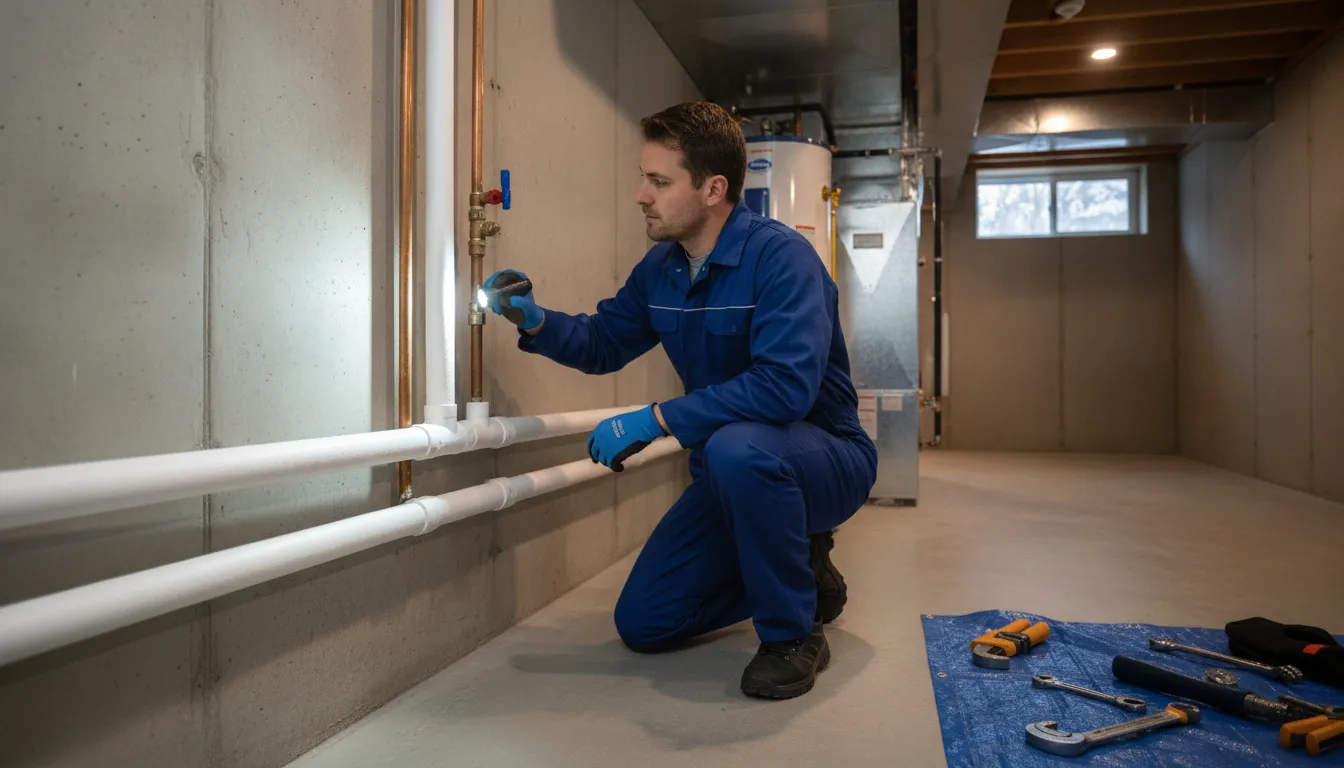
Sometimes the simplest explanation is the right one. Your water heater has at least two important shut-off valves: a cold water inlet valve that lets water into the tank and a hot water outlet valve. If either of these valves has been partially closed, it will restrict the water flow and reduce your hot water pressure. This can happen accidentally during other household repairs or if someone bumps the handle. Before you do anything else, take a look at the pipes connected to your water heater. You should see a handle on both the inlet and outlet lines. Make sure they are turned all the way to the “open” position.
Are Your Hot Water Pipes Clogged?
Just like the arteries in your body, your home’s pipes can become clogged over time. The buildup is usually caused by a combination of rust, mineral scale, and other debris that accumulates on the inner walls of the pipes. This is a particularly common issue in older homes with galvanized steel pipes, which are prone to corrosion. While a minor clog in a single faucet might be something you can clear yourself, widespread blockages in your hot water lines are a different story. These deep-seated clogs often require professional tools and expertise to clear without damaging your plumbing system.
Is Your Pressure-Reducing Valve Faulty?
Many homes have a pressure-reducing valve (PRV) installed where the main water line enters the house. This bell-shaped device is designed to lower the high pressure from the municipal supply to a safe level for your home’s plumbing. When a PRV starts to fail, it can cause a sudden drop in water pressure throughout your entire house. While this typically affects both hot and cold water, the problem can sometimes seem more noticeable with your hot water. Diagnosing and replacing a faulty PRV is a job best left to a professional plumber who can ensure it’s installed and calibrated correctly.
Could It Be Another Water Heater Issue?
If you’ve ruled out the more common culprits, the problem might lie with a specific component inside your water heater. For example, a broken dip tube, which is supposed to direct cold water to the bottom of the tank for heating, can break and send pieces into your plumbing lines, causing blockages. Similarly, clogged heat traps or faulty connections can also restrict water flow. Because water heaters involve a mix of plumbing, electricity, and gas, it’s always safest to have a qualified technician diagnose these kinds of internal issues. If you suspect a problem with the unit itself, our team can provide expert emergency plumbing services to get it sorted out safely.
Faulty Tempering Valve
A tempering valve, which you might also hear called a mixing valve, is a small but mighty safety device on your water heater. Its job is to mix a little cold water with the super-hot water from the tank before sending it to your faucets. This ensures the water temperature is safe and won’t cause burns. Over time, however, this valve can fail. Mineral buildup can cause it to get stuck, or its internal parts can just wear out. When a tempering valve breaks, it often restricts the flow of water, which is why you might suddenly experience low hot water pressure. Since this component is directly tied to your water heater, diagnosing and replacing it is a task best left for a professional plumber.
Clogged Heat Traps or Filters
To help with energy efficiency, many modern water heaters are equipped with heat traps on the hot and cold water lines. These are basically small, one-way valves designed to stop hot water from escaping the tank when you’re not using it. Inside these traps, there are little balls or flaps that can sometimes break loose and create a blockage, cutting off your water flow. Some water heaters also have small filters that can get clogged with sediment over time, causing the same low-pressure problem. Clearing these kinds of obstructions usually means replacing the part, which is a job for an experienced technician who can provide the right plumbing services without creating a bigger issue.
Are Your Supply Lines Kinked?
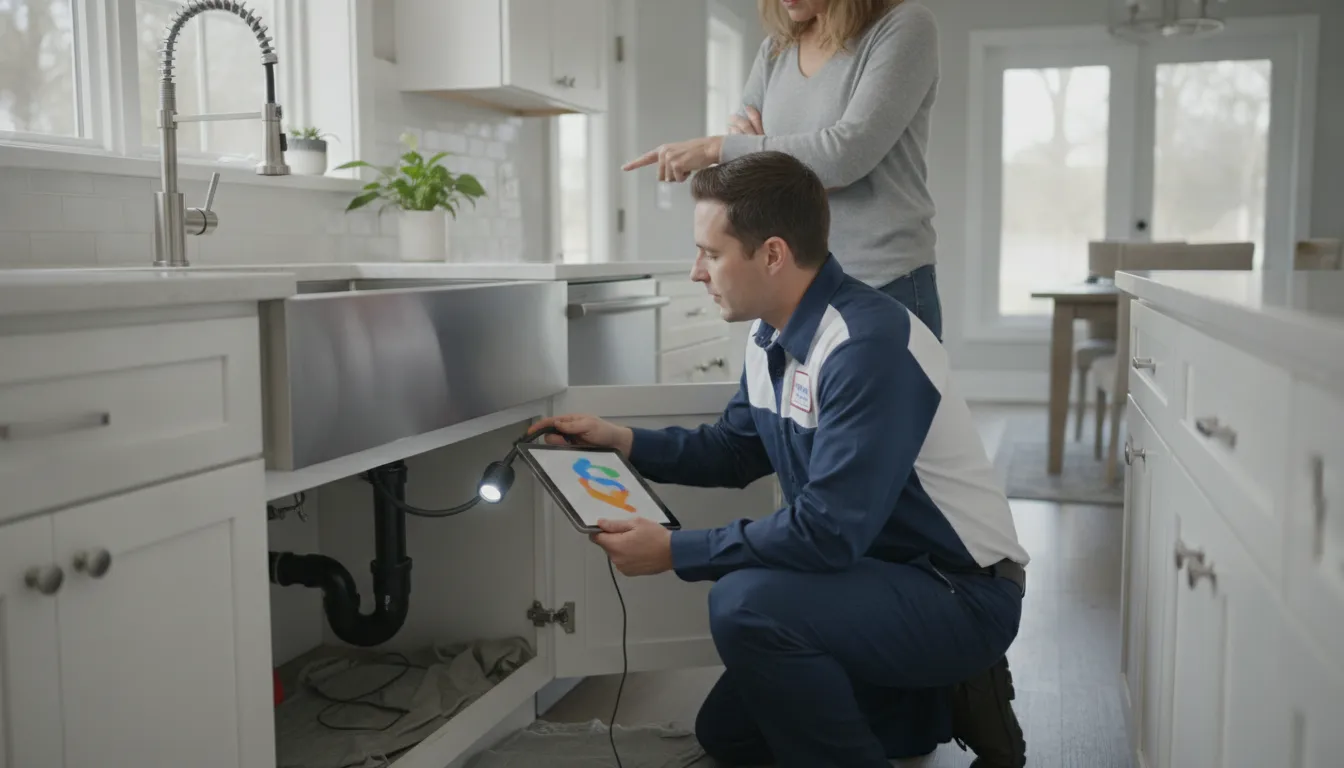
Sometimes the simplest fix is the right one, and a kinked supply line is a perfect example. These are the flexible hoses running from the wall to your faucets and appliances. If you have a crowded cabinet under your kitchen or bathroom sink, it’s easy for one of these lines to get bent or pinched. This kink acts like a bottleneck, severely restricting the flow of hot water to that specific fixture. Take a moment to look under the sink where you’re experiencing the issue. Check the flexible hose connected to the hot water handle and gently straighten out any bends you find. It’s a quick check that could solve your pressure problem in seconds without needing any tools.
Did You Recently Have Plumbing Work Done?
It might sound counterintuitive, but sometimes new plumbing work can create new problems. If you’ve recently had a new water heater installed, the process can shake loose sediment, rust, and other debris that has been sitting dormant in your older pipes. This gunk then travels through your hot water lines and can quickly clog the small screens in your faucet aerators or showerheads. If your pressure dropped right after a plumbing job, this is a likely cause. You can try unscrewing the aerator from the tip of the affected faucet and cleaning out any debris. If that doesn’t work or the problem is affecting multiple fixtures, the blockage may be further down the line, and it’s a good idea to call for professional plumbing services to clear it properly.
Is It Just One Faucet or the Whole House?
Before you can find a solution, you need to play detective and figure out the scope of your low-pressure problem. Is it happening at just one sink, or is every hot water tap in your home barely trickling out? This is a crucial first step because it helps you determine if you’re dealing with a small, localized issue (like a clogged faucet) or a larger, system-wide problem (like a struggling water heater).
Answering this question will save you time and point you toward the right fix. A problem with a single faucet is often a simple DIY task, while low hot water pressure throughout your entire house usually signals a more complex issue that might require a professional. Let’s walk through a few simple tests to narrow down the source of your frustration.
Check Every Hot Water Faucet
Start by taking a quick tour of your home. Go to your kitchen sink, your bathroom faucet, and your shower, and turn on the hot water at each one. Pay close attention to the flow. Is the pressure weak everywhere, or is it just your shower that’s giving you a disappointing drizzle? If you find that only one tap has low hot water pressure, the problem is most likely isolated to that specific fixture. This often points to a clogged aerator or a problem within the faucet itself, which is great news because it’s usually an easier fix.
How Does Cold Water Pressure Compare?
Next, at each of those same locations, compare the hot water flow to the cold water flow. Turn on the hot water and observe the pressure. Then, switch to cold water and see if there’s a noticeable difference. Is the cold water blasting out with normal force while the hot water is weak? If the low pressure is exclusive to your hot water at every tap, the issue is almost certainly related to your water heater or the hot water lines. If both hot and cold water pressure are equally low, you might be looking at a different kind of plumbing problem.
Is It a Single Faucet or a Bigger Issue?
Now it’s time to put the clues together. If your investigation revealed that only hot water pressure is weak everywhere in the house, the problem likely lies with your water heater. This could be anything from sediment buildup to a partially closed valve on the unit. However, if both hot and cold water are weak at only one spot, the issue is with that specific faucet or showerhead. Understanding this distinction is key. It helps you focus your troubleshooting efforts and decide if it’s time to call in an expert for our plumbing services.
Low Pressure in One Faucet (Hot and Cold)
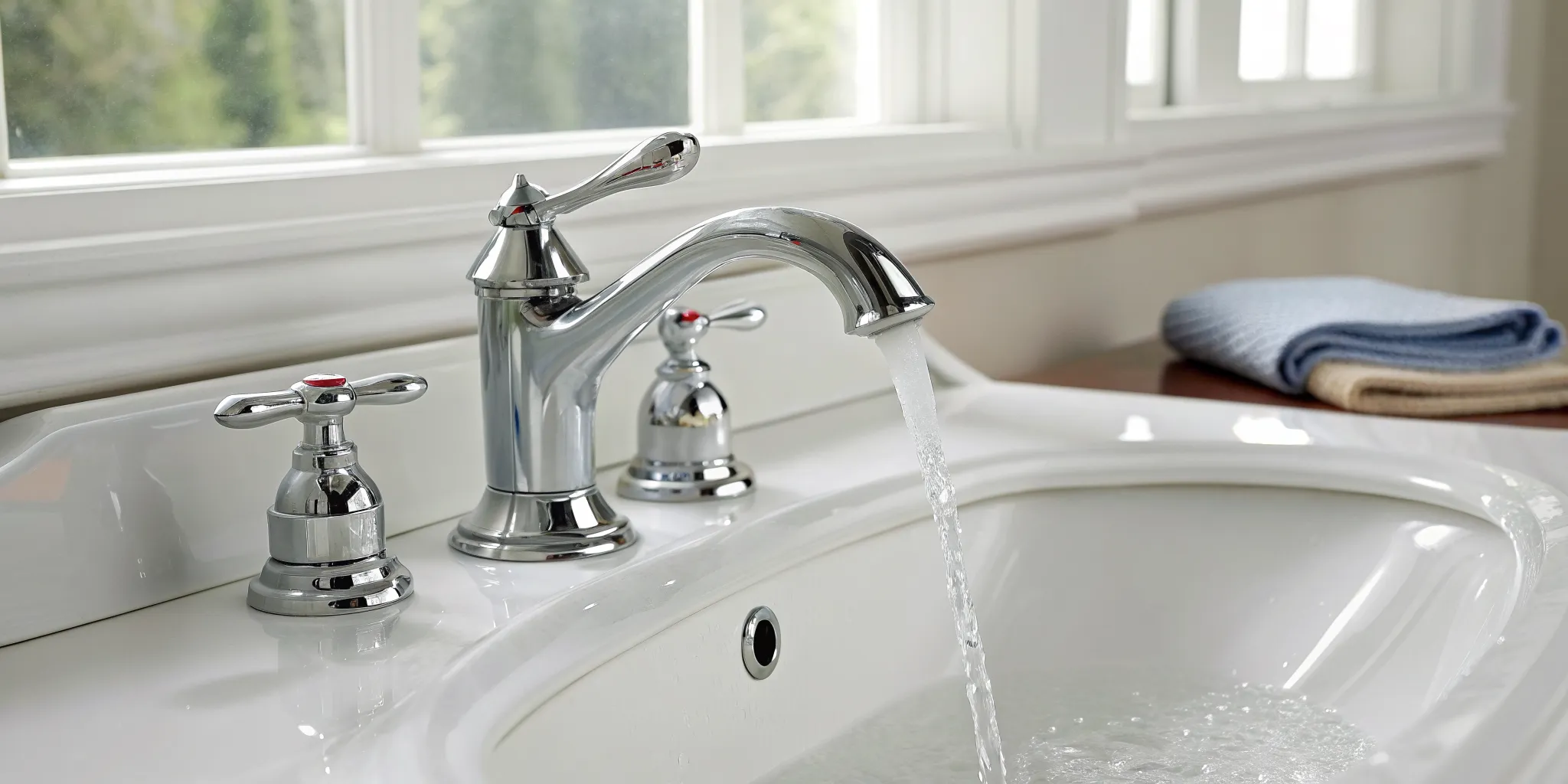
If you’ve discovered that both the hot and cold water pressure are weak at a single faucet, but everywhere else in your house is fine, you can relax a little. This is a strong indicator that the problem isn’t with your main water lines or your water heater, but with the faucet itself. The most common cause is a clogged aerator, which is the small screen at the very tip of the faucet. Over time, this screen can get blocked with mineral deposits and tiny bits of debris, restricting water flow. You can usually unscrew the aerator by hand, rinse it out thoroughly, and screw it back on to solve the problem.
Low Pressure in One Faucet (Hot Water Only)
When only the hot water is weak at one specific faucet, the issue is located somewhere in the hot water supply leading to that fixture. The first thing to check is the hot water shut-off valve under the sink; make sure it’s turned all the way to the open position. If the valve is fully open, the problem could be a clog in the flexible supply line that connects the pipe to the faucet or a blockage within the hot water side of the faucet’s internal cartridge. If you’ve checked the valve and the aerator without success, it might be time to call in a professional. Our team at Mr. Pipey can quickly diagnose these kinds of tricky plumbing issues and get your hot water flowing again.
Simple Fixes for Low Hot Water Pressure
Before you pick up the phone to call a professional, there are a few simple checks you can perform yourself. Low hot water pressure can often be traced back to a minor issue that’s easy to fix. Walking through these troubleshooting steps will help you gather more information about the problem, which is useful whether you solve it on your own or need to explain the situation to a plumber. Let’s start with the basics to see if we can pinpoint the cause.
Make Sure All Shut-Off Valves Are Open
It might sound too simple, but sometimes the solution is just a valve that isn’t fully open. Head over to your water heater and locate the pipes connected to it. You should see a shut-off valve on the cold water line going into the tank and another on the hot water line coming out. These valves often have a lever-style handle. Make sure both handles are turned fully parallel to the pipe, as this indicates they are completely open. If a valve was recently turned for a repair or by accident, it might have been left partially closed, which restricts water flow and causes low pressure.
Clean Your Faucet Aerators
If you’re only noticing low hot water pressure at a specific sink, the culprit is often a clogged faucet aerator. The aerator is the small, screened cap at the very tip of your faucet where the water comes out. Over time, sediment and mineral deposits can build up and block the screen. Simply unscrew the aerator with your fingers or a pair of pliers (use a cloth to prevent scratching). Once it’s off, rinse it thoroughly to clear out any debris. For stubborn buildup, you can soak it in white vinegar for an hour before scrubbing it with an old toothbrush.
Clean Your Showerheads
Just like your faucets, your showerhead can fall victim to the same mineral buildup that restricts water flow. Over time, calcium and magnesium deposits from hard water create a crusty layer over the small nozzles, blocking the path for water to spray out. This is why you might find your once-powerful shower has become a weak, unsatisfying trickle. The good news is that you don’t need to buy a new showerhead just yet. Cleaning out this gunk is a straightforward task that can restore your shower’s pressure in no time. It’s one of the most effective DIY fixes for a single-fixture pressure problem, and it only requires a few common household items.
How to Clean a Fixed Showerhead
You don’t even need to remove the fixture to get it clean. Just grab a sturdy plastic bag, some white vinegar, and a rubber band or zip tie. Fill the bag with enough vinegar to fully submerge the face of the showerhead, then carefully lift it up and secure it in place with the rubber band. Let it soak for at least a few hours—or even overnight for really stubborn buildup. The acidity in the vinegar will work its magic, dissolving the mineral deposits. Afterward, remove the bag, turn on the hot water to flush everything out, and use an old toothbrush to scrub away any lingering particles. If your pressure is still low after this, the clog might be deeper in the pipes, which is a good time to call for professional plumbing services.
Look for Visible Leaks
A leak in your hot water line is a more serious issue, but it’s an important one to rule out. A leak diverts water from its intended path, which can cause a noticeable drop in pressure at your faucets. Take a look around your water heater and along any visible hot water pipes for signs of moisture. Check for puddles on the floor, water stains on walls or ceilings below pipes, or any active dripping. If you find a leak, it’s best to shut off your water and call for emergency plumbing assistance to prevent water damage and get the problem fixed quickly.
Test the Pressure at Each Tap
To figure out if your low pressure problem is affecting your entire home or just one area, you’ll need to do a little investigating. Go to each faucet in your house, including the kitchen sink, bathroom sinks, and shower, and turn on the hot water. Observe the flow at each location. Is it weak everywhere, or just in one spot? Next, compare the hot water flow to the cold water flow at the same tap. If the cold water pressure is fine but the hot water is weak everywhere, the issue is likely related to your water heater or the hot water lines.
How to Flush Your Water Heater
If sediment buildup is the reason for your low hot water pressure, flushing your water heater is often the solution. Over time, minerals like calcium and magnesium settle at the bottom of your tank, creating a layer of gunk. This buildup not only reduces the space available for water but can also clog the outlet, leading to that frustratingly weak flow.
Flushing your water heater is a key piece of home maintenance that can restore your water pressure and help your unit run more efficiently. While it might sound like a big job, it’s something many homeowners can handle themselves. We’ll walk through the signs to look for, the steps to take, and what to expect during the process.
Signs It’s Time to Flush Your Water Heater
The most obvious sign that your water heater needs a good flush is low hot water pressure throughout your home. If the cold water runs fine but the hot water just trickles out, sediment is the likely culprit. This is especially common in areas like Metro Detroit, where hard water can cause minerals to accumulate more quickly. You might also hear strange noises, like popping or rumbling, coming from your water heater tank. This is the sound of water boiling and bubbling up through the layers of sediment. If you notice these signs, it’s a clear signal that it’s time to flush the tank.
Flushing Your Water Heater: A Step-by-Step Guide
Ready to get started? First, gather a garden hose long enough to reach a floor drain or go outside. Then, follow these steps:
- Turn off the power. For an electric heater, switch it off at the circuit breaker. For a gas heater, turn the thermostat to the “Pilot” setting.
- Shut off the cold water supply to the tank. There’s usually a valve on the pipe leading into the top of the heater.
- Connect your hose to the drain valve near the bottom of the tank.
- Open a hot water faucet somewhere in your house, like a bathtub, to let air into the system and prevent a vacuum.
- Open the drain valve and let the water flow out. It will likely look murky at first. Let it run until the water is clear, which means the sediment is gone.
- Once clear, close the drain valve, turn the cold water supply back on to fill the tank, and then restore power.
What to Expect and How to Stay Safe
Safety should always be your top priority. The water coming out of the tank will be very hot, so be careful when handling the hose. Always make sure the power or gas is completely turned off before you start draining. As the tank empties, don’t be alarmed if you hear some popping or knocking sounds. This is just the sound of sediment breaking loose and is a normal part of the process.
If you’ve flushed the tank and your hot water pressure is still low, or if you’re not comfortable tackling this on your own, it’s time to call in a professional. Persistent issues could point to a more complex problem, and our team is always here to provide expert plumbing solutions.
Could Clogged Pipes Be the Culprit?
If you’ve checked your water heater and everything seems fine, it’s time to look at the pipes themselves. Over time, the pathways that carry hot water to your faucets can become obstructed, leading to a frustrating drop in pressure. Think of it like traffic on a highway; a blockage in one lane slows everything down. These issues often build up slowly, so you might not notice the change from one day to the next. Identifying the type of clog is the first step toward clearing the way for good water flow again. While some minor clogs can be addressed with simple fixes, many pipe-related problems require a professional eye to diagnose and repair correctly, preventing more significant damage down the road.
How Mineral Deposits Clog Pipes
If you live in an area with hard water, your pipes are constantly dealing with minerals like calcium and magnesium. Over the years, these minerals can stick to the inside of your hot water pipes, creating a layer of limescale. This buildup gradually narrows the pipe’s interior, leaving less room for water to flow through. The problem is often worse in hot water lines because the heating process causes minerals to separate from the water more easily. Eventually, the scale can become so thick that it significantly restricts water flow, causing that weak stream you’re seeing at the faucet. A professional plumbing service can assess the extent of the buildup and recommend the best way to clear it.
Why Older Galvanized Pipes Corrode
Many older homes, especially those built before the 1960s, have galvanized steel pipes. While durable for their time, these pipes are prone to corrosion from the inside out. As they age, rust and other corrosive materials flake off and accumulate within the pipes, creating a rough, uneven surface that obstructs water flow. This internal decay effectively shrinks the pipe’s diameter, leading to a noticeable drop in water pressure, particularly for hot water. If your home has these older pipes and you’re experiencing low pressure, corrosion is a very likely suspect. In most cases, the most effective long-term solution is to have a professional replace the old pipes.
Could Your Pipes Be the Wrong Size?
Sometimes, the problem isn’t what’s inside the pipes, but the pipes themselves. A home’s plumbing system needs to be designed with the right pipe sizes to handle the water demand. If the pipes carrying hot water from your heater are too small, they simply can’t deliver a sufficient volume of water to your faucets and showerheads, resulting in low pressure. This can be an issue from the original construction or from a past renovation where the plumbing wasn’t updated correctly. Similarly, a system with too many sharp turns and elbows can disrupt the water’s flow, reducing its pressure by the time it reaches you.
Incorrect Plumbing Installation
Sometimes, the root of low hot water pressure isn’t a clog or a failing part, but the way your plumbing was installed in the first place. For example, if the pipes leading from your water heater are too narrow, they can’t carry enough water to meet your home’s demand, creating a permanent bottleneck. Another common issue is a plumbing layout with too many sharp turns or elbows, which creates resistance and slows the water down before it ever reaches your faucet. These design flaws can be frustrating because no amount of cleaning will fix them. If you suspect an installation issue, especially in a newer home or after a recent renovation, it’s worth getting a professional opinion from a team that understands how to design an efficient plumbing system.
Partial Pipe Replacement as a Solution
In older homes with galvanized pipes, corrosion is often the main villain behind low hot water pressure. Over decades, these metal pipes rust from the inside, and that buildup of corrosion slowly chokes off the water flow. You might notice the problem gets worse after a major plumbing job, like replacing a water heater, which can shake loose rust and send it downstream to clog your faucets. While flushing the system can provide temporary relief, the only long-term fix is to replace the affected pipes. A partial pipe replacement, where a plumber removes the old, corroded sections and installs new ones, is often the most effective way to restore strong, reliable water pressure and ensure your plumbing system is healthy for years to come.
How to Check Your Pressure-Reducing Valve
If the low pressure isn’t just affecting one faucet but your entire house, the culprit might be your pressure-reducing valve, or PRV. This little device is responsible for controlling the water pressure for your whole home, making sure it’s not too high for your pipes and appliances. When a PRV starts to fail, it can cause a sudden and significant drop in pressure everywhere, affecting both your hot and cold water. While this issue isn’t exclusive to hot water, a faulty valve can certainly be the root cause of your frustration. Checking it is a key step in diagnosing widespread pressure problems. Let’s walk through how to find it, test it, and spot the signs that it might need some professional attention.
Where to Find Your Pressure-Reducing Valve
First things first, you need to locate the valve. A pressure-reducing valve is typically a bell-shaped brass fitting found on your main water line, right after the main shut-off valve. The most common places to look are in your basement, crawl space, or a utility closet near where the water supply pipe enters your house. It will be installed on the pipe before it splits off to your water heater and other fixtures. Take a look around that area, and you should be able to spot it. Knowing where it is will be helpful whether you’re testing it yourself or calling in a pro.
How to Test the Valve with a Pressure Gauge
Once you’ve found the PRV, you can test your home’s water pressure to see if it’s in the right range. You’ll need a simple water pressure gauge, which you can find at most hardware stores. They’re inexpensive and easy to use. Just screw the gauge onto an outdoor hose spigot or the faucet for your washing machine. Make sure no other water is running in the house, then turn the faucet on all the way. A typical home’s water pressure should be between 40 and 60 PSI. If your reading is significantly lower, the PRV might be set too low or could be failing.
Signs of a Failing Pressure-Reducing Valve
A low reading on your pressure gauge is a big clue, but there are other signs that your PRV is on its way out. Have you noticed a sudden, major drop in pressure throughout the house? Or maybe the pressure fluctuates, going from weak to strong unexpectedly? Sometimes, a failing valve can even cause strange noises in your pipes, like a humming or hammering sound. While some valves have a screw for simple adjustments, a broken one can’t be repaired and will need to be replaced. If you suspect your PRV is the problem, it’s best to get professional help, as this is a crucial part of your plumbing system.
Fluctuating Water Pressure
Sometimes, a failing pressure-reducing valve doesn’t just cause consistently low pressure; it creates a frustrating rollercoaster of water flow. You might turn on the shower to a weak stream, only for it to suddenly blast you with high pressure a minute later. This fluctuation is a classic sign that the internal components of the PRV, like its diaphragm and spring, are wearing out. They can no longer hold a steady, reliable pressure, causing unpredictable changes throughout your home. You might also hear a hammering or vibrating noise from your pipes when this happens. If your water pressure seems to have a mind of its own, it’s a strong indication that the valve is failing and needs a professional inspection.
How to Adjust a Pressure-Reducing Valve
If your pressure gauge shows that your water pressure is consistently low (but not fluctuating wildly), you might be able to adjust the PRV yourself. Look for a threaded bolt or screw on top of the valve’s bell-shaped housing. To increase the pressure, you’ll first need to loosen the locknut below this screw. Then, turn the adjustment screw clockwise in small, quarter-turn increments. After each adjustment, re-check the pressure with your gauge. The goal is to get it into that sweet spot between 40 and 60 PSI. Be careful not to set it too high, as that can damage your appliances and pipes. If adjusting the screw doesn’t change the pressure, or if the valve is old and corroded, it’s time to call in the experts. Our team can safely handle any plumbing services you need, including PRV replacement.
When Is It Time to Call a Plumber?
You’ve checked the valves, cleaned the aerators, and maybe even flushed your water heater. If you’re still dealing with a weak stream of hot water, it’s probably time to put down the wrench and pick up the phone. While tackling home repairs yourself can be empowering, some plumbing problems are symptoms of a much bigger issue that requires a professional touch. Continuing to troubleshoot on your own could lead to more frustration or even accidental damage.
A licensed plumber has the diagnostic tools and experience to find the root cause of the problem quickly and safely. What might take you a whole weekend of guesswork could be a straightforward fix for a professional. Calling for help isn’t giving up; it’s making a smart decision to protect your home and your sanity. At Mr. Pipey, we’ve seen it all, and our team is ready to provide the expert plumbing solutions you need to get your hot water flowing properly again.
When DIY Fixes Aren’t Enough
It’s frustrating when you’ve gone through all the recommended DIY steps and the hot water pressure is still stubbornly low. If you’ve exhausted your troubleshooting checklist, the problem likely lies deeper within your plumbing system. Issues like hidden clogs in your pipes, a failing water heater dip tube, or a malfunctioning valve require specialized knowledge to diagnose and repair correctly.
As one expert source notes, if you’ve tried the common fixes and still have low pressure, it’s best to consult a professional. Instead of spending more time on a problem that’s out of your hands, let a professional take over. We can pinpoint the exact cause and get it fixed right the first time.
Don’t Ignore Leaks or Pipe Damage
Visible signs of water damage are a clear signal to call a plumber immediately. If you notice damp spots on your walls or ceiling, a musty smell you can’t place, or water stains appearing near your pipes, you could have a leak. Another telltale sign is a water meter that keeps spinning even when all your faucets are turned off.
Ignoring these warnings can lead to serious structural damage, mold growth, and costly repairs down the line. A hidden pipe leak is more than an inconvenience; it’s a threat to your home’s integrity. If you suspect a leak, it’s time to call for emergency plumbing services to prevent the problem from getting worse.
For Old or Complicated Plumbing Systems
If you live in an older home, your low hot water pressure might be caused by aging pipes. Many older houses were built with galvanized steel pipes, which are prone to rust and corrosion from the inside out over decades. This internal buildup restricts water flow, and unfortunately, it’s not something a simple flush can fix.
Experts agree that after many years, these old pipes are often so corroded that replacing them is the only effective long-term solution. Working with old plumbing can be tricky and is best left to professionals who have the right tools and experience to handle complex issues safely.
You Hear Strange Noises or See Discolored Water
Sometimes, your plumbing system will give you clear, unignorable signs that something is wrong. If you notice your hot water is discolored—taking on a brown, yellow, or rusty tint—it’s a major red flag. This often indicates that rust or sediment has built up inside your water heater or pipes and is now mixing with your water supply. You might also hear strange noises, like popping or rumbling, coming from your water heater tank. As our team at Mr. Pipey explains, this is often “the sound of water boiling and bubbling up through the layers of sediment.” These are not issues that will resolve on their own; they are direct warnings that your system needs professional attention before the problem gets worse.
For Safety and Code Compliance
When you’re dealing with an appliance that combines water, high temperatures, and either gas or electricity, safety is paramount. A licensed plumber has the diagnostic tools and experience to find the root cause of the problem quickly and safely. What might take you a whole weekend of guesswork could be a straightforward fix for a professional. Attempting complex repairs without the right training can lead to bigger leaks, water damage, or even personal injury. Furthermore, a professional ensures that all work is done according to local plumbing codes, which is essential for your home’s safety and for passing future inspections. It’s a smart investment in your peace of mind.
Mr. Pipey’s Expertise in Metro Detroit
If you’re in the Metro Detroit area and these issues sound familiar, you don’t have to solve them alone. At Mr. Pipey, we’ve seen it all, and our team is ready to provide the expert plumbing solutions you need to get your hot water flowing properly again. As a family-owned business, we understand how disruptive plumbing problems can be to your daily life. We treat every home with care and are committed to finding reliable, cost-effective solutions that last. When you’re ready for professional help, our team is here to restore your hot water and your comfort.
How to Prevent Low Hot Water Pressure
Once you’ve solved your hot water pressure problem, the last thing you want is a repeat performance. A little proactive maintenance goes a long way in keeping your plumbing system healthy and your showers comfortably hot. By incorporating a few simple habits into your home care routine, you can prevent future pressure drops and avoid unexpected headaches.
Schedule Regular Water Heater Maintenance
Your water heater works hard every day, and just like any major appliance, it needs regular check-ups to perform its best. Over time, minerals and sediment from your water supply can settle at the bottom of the tank. This buildup not only makes your heater less efficient but can also clog the hot water outlet, leading to low pressure. Flushing your water heater once a year, or twice if you have hard water, is the best way to prevent sediment buildup. This simple task ensures your heater runs efficiently and helps you avoid a surprise drop in pressure.
Follow the Annual Flushing Recommendation
This isn’t just a casual suggestion; it’s a best practice for keeping your plumbing in top shape. The U.S. Department of Energy recommends flushing your water heater once a year to prevent the kind of sediment buildup that leads to low pressure. Making this an annual habit is the most effective way to stop mineral deposits from accumulating and clogging your system. Think of it as a crucial piece of home maintenance that can help restore your water pressure and keep your unit running efficiently. If the idea of doing it yourself feels overwhelming, scheduling a yearly service with a professional is a simple way to ensure it gets done right.
Install a Water Softener to Reduce Buildup
If you live in an area with hard water, like much of Michigan, your pipes are constantly fighting against mineral deposits. These minerals, primarily calcium and magnesium, create a hard scale that can build up inside your pipes and fixtures, gradually restricting water flow. If you have hard water, installing a water softener can help prevent mineral buildup in your pipes and faucets, keeping pressure steady. A water softener treats water as it enters your home, removing the minerals that cause scale. It’s a fantastic long-term solution for protecting your entire plumbing system, from your pipes to your appliances.
Clean Your Faucet Aerators Monthly
This is one of the easiest and most effective preventative tasks you can do. The aerator is the small screen at the very tip of your faucet. Its job is to mix air into the water stream, but it also catches tiny bits of sediment and mineral debris. Over time, this debris can clog the screen and reduce your water flow. Regularly cleaning your aerators can help prevent problems before they start. Simply unscrew the aerator, rinse the screen under water, and use an old toothbrush to gently scrub away any stubborn buildup. It only takes a minute and can make a huge difference.
Get Your Valves Inspected Annually
Your plumbing system has several shut-off valves that control the flow of water, and if one isn’t fully open, it will definitely affect your pressure. Make sure all hot water valves are fully open, including the ones under your sinks, the main shut-off valve for your house, and the cold water inlet valve on your water heater. These valves can sometimes get bumped or partially closed by accident. During an annual plumbing check-up, a professional can inspect all your valves to ensure they are functioning correctly and not restricting flow. It’s a simple step that provides great peace of mind. If you need a hand, you can always contact Mr. Pipey for a thorough inspection.
Related Articles
- How to Repair an Instant Water Heater: A DIY Guide
- 6 Signs You Need Water Heater Repair Now
- How to DIY a Tankless Water Heater Installation
Frequently Asked Questions
Why is my hot water pressure low but my cold water pressure is fine? This is a classic sign that the problem is somewhere within your hot water system. Your cold water comes directly from the main supply line, but your hot water has to travel through the water heater first. A blockage from sediment in your water heater tank or mineral buildup in the hot water pipes will slow down the hot water without affecting the cold water at all.
What’s the first thing I should check if my hot water pressure drops? Before you worry about a major issue, head to your water heater and check its shut-off valves. There’s one for the cold water going in and one for the hot water coming out. If either of these lever-style handles isn’t perfectly parallel with the pipe, it’s not fully open. A partially closed valve is a common and very easy fix for low pressure.
How do I know if the problem is my water heater or my pipes? You can figure this out by checking all the hot water taps in your house. If the pressure is low everywhere, the issue is most likely coming from a central source, which is usually the water heater itself. However, if you have older pipes, especially galvanized steel ones, widespread corrosion could also be the cause.
What if both my hot and cold water pressure are low? When both hot and cold water pressure are weak throughout your home, the problem is happening before the water line splits. This often points to a failing pressure-reducing valve (PRV), which is the device that controls the water pressure for your entire house. It could also signal a problem with your municipal water supply.
Can I prevent my hot water pressure from dropping again? Absolutely. The best way to prevent future issues is with regular maintenance. Flushing your water heater annually helps stop sediment from building up and causing clogs. It’s also a great idea to periodically unscrew and clean the aerators on your faucets to clear out any small debris before it becomes a bigger problem.