
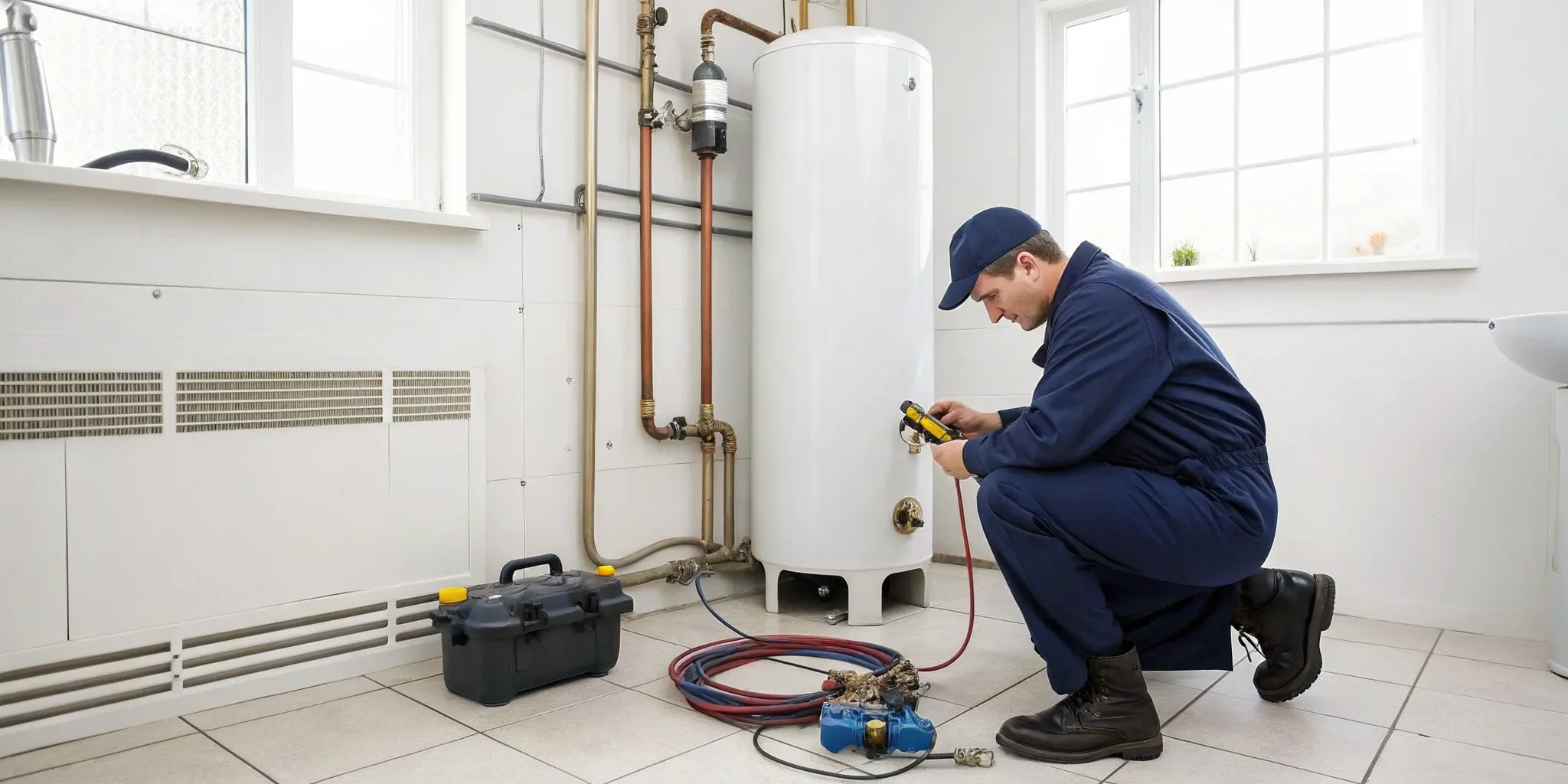
That strange rumbling sound from the utility closet isn’t just your house settling. When a water heater starts making noise, leaking, or failing to produce hot water, it’s sending you a clear message. The hard part is figuring out what that message means. Is it a simple fix you can ignore for a week, or is it a serious warning of a major flood waiting to happen? Understanding the difference is key to protecting your home and your budget. We’ll help you decode those warning signs, determine the severity of the problem, and decide when it’s time to call in a professional for water heater repair Ferndale MI.
Key Takeaways
- Listen to your water heater: Strange noises, fluctuating temperatures, and rusty water are not normal; they are clear signs your unit needs a professional inspection to prevent a small issue from turning into a major flood or a no-hot-water emergency.
- Decide between repair and replacement with confidence: A repair is often the right call for newer units with fixable parts, like a thermostat. However, if your unit is over 10 years old or has a tank leak, investing in a replacement is smarter financially than paying for repeated service calls.
- Be proactive with maintenance: You can extend your water heater’s lifespan significantly with simple annual tasks. Have a professional flush the tank and inspect the anode rod to improve efficiency and prevent the most common causes of failure, like sediment buildup and corrosion.
What Are Common Water Heater Problems in Ferndale?
It’s easy to take hot water for granted until it’s suddenly gone. If you’re dealing with a water heater that’s acting up, you’re not alone. Many homeowners in Ferndale and the surrounding Metro Detroit area run into the same issues. From strange noises coming from the basement to a surprise cold shower, these problems are often the first sign that your water heater needs attention.
Understanding what’s going on with your unit is the first step toward a solution. Some issues are simple fixes, while others are clear warnings of a bigger problem brewing. Let’s walk through the most common water heater troubles so you can identify what might be happening with yours and figure out the next steps.
Leaks and Puddles
Finding a puddle of water around your water heater is a definite red flag. While it could be a simple issue like a loose connection or a leaking pressure relief valve, it can also signal a much more serious problem: a corroded tank. A tank that is leaking from the body itself cannot be repaired and will require a full replacement. Ignoring a leak, no matter how small it seems, can lead to significant water damage and mold growth. If you spot water, it’s best to have it checked out right away. A small leak can quickly become a major flood, so addressing it promptly is key to protecting your home.
Inconsistent Water Temperatures
Is your shower swinging from lukewarm to scalding hot with no warning? Inconsistent water temperature is a classic sign that something is off. These temperature fluctuations can be caused by a few different things, like a faulty thermostat or a broken heating element. For gas heaters, it could be an issue with the burner. For electric models, one of the two heating elements might have failed. These are often considered early warning signs that your unit is struggling. While it’s frustrating, it’s also a clear signal to get your water heater inspected before the problem leaves you with no hot water at all.
Banging, Popping, or Rumbling Noises
Your water heater should operate fairly quietly. If you start hearing loud banging, popping, or rumbling sounds coming from the tank, it’s usually due to sediment buildup. Over time, minerals from the water supply settle at the bottom of the tank, creating a hard layer. This layer traps water underneath it, and when the burner kicks on, that trapped water boils and tries to escape, creating those startling noises. This process is not only noisy but also makes your heater less efficient and can cause stress on the tank, potentially leading to cracks and leaks over time.
Discolored or Rusty Water
If you turn on the hot water tap and see brown, murky, or rusty-colored water, it’s a strong indicator of corrosion inside your water heater tank. Your water heater has a component called an anode rod, which is designed to corrode so the tank itself doesn’t. Once that rod is completely used up, the tank lining begins to rust. This rust then flakes off into your water supply. Rusty water is a sign that the structural integrity of your tank is compromised, and a leak is likely not far behind. It’s a problem that needs immediate attention from a professional plumber.
Sediment Buildup and Tank Corrosion
Many water heater issues can be traced back to two main culprits: sediment buildup and tank corrosion. As mentioned, sediment is the accumulation of minerals at the bottom of the tank, which is a common issue with the hard water in our area. This buildup forces your heater to work harder to heat the water, leading to higher energy bills and a shorter lifespan. Corrosion is the gradual decay of the metal tank itself. It’s an unavoidable process, but it’s accelerated once the anode rod is depleted. Regular maintenance can help manage sediment, but once significant corrosion sets in, a replacement is usually the only option.
Pilot Light or Ignition Failure
If you have a gas water heater and no hot water, the pilot light may be the problem. A pilot light that repeatedly goes out could be caused by a dirty or faulty thermocouple, a clogged pilot orifice, or even a draft. For newer models with electronic ignition, a failure in the ignition system will also prevent the heater from firing up. Dealing with gas appliances requires caution and expertise. If you suspect an issue with your pilot light or ignition, it’s safest to call for emergency plumbing service rather than attempting a DIY fix, as improper handling can be dangerous.
Repair or Replace Your Water Heater? How to Decide
When your water heater starts acting up, you’re faced with a big question: is it time for a simple repair or a full replacement? It’s a tough spot to be in, especially when you’re just trying to get a hot shower. The right choice depends on a few key things: the age of your unit, the cost of the fix, and the specific problem you’re seeing. Making an informed decision can save you from future headaches and unexpected costs. Let’s walk through the signs to help you figure out the best path forward for your home and your budget.
Signs You Just Need a Repair
Sometimes, a problem sounds worse than it is. If your water heater is relatively new and showing early signs of trouble, a repair is often all you need. You might notice strange popping or banging noises, which could just be sediment buildup that needs to be flushed out. Water that’s not quite hot enough or seems to run out too quickly can also point to a faulty heating element or thermostat. Even small puddles around the base don’t always mean the worst; the leak could be coming from a connection or the pressure relief valve. These are common issues a professional can diagnose and fix, getting your system back to normal without the cost of a full replacement. If you spot a leak, it’s best to call for emergency plumbing services to prevent water damage.
Signs You Need a Replacement
On the other hand, some symptoms are clear signals that your water heater is on its last legs. The most obvious sign is a significant leak coming directly from the tank itself. This usually indicates internal corrosion, which is not repairable. If you’re constantly seeing rusty water coming from your hot water taps, that’s another red flag that the inside of your tank is deteriorating. Think about how often you’ve had to call for service. If you’re scheduling frequent and increasingly expensive repairs, it’s probably more cost-effective to invest in a new unit. A sudden spike in your energy bills can also mean your old water heater has lost its efficiency and is working too hard to heat your water. Our team can handle all plumbing solutions, from simple fixes to full replacements.
The Age Factor: When to Consider a Replacement
Even if it could be repaired, sometimes replacing an old water heater is the smarter move. Most traditional tank water heaters have a lifespan of about 8 to 12 years. If your unit is approaching or has passed the 10-year mark, replacement is often the best long-term investment. You can usually find the manufacturing date on a sticker on the side of the tank. A good rule of thumb is the 50% rule: if your water heater is more than halfway through its expected lifespan and a repair costs more than 50% of a new unit, replacement makes more financial sense. An older unit is less efficient and more likely to fail unexpectedly, so a proactive replacement can save you from a cold shower and a flooded basement. If you’re unsure about your unit’s age or condition, feel free to contact us for an honest assessment.
Tank vs. Tankless: How Do Repairs Differ?
Whether your home has a traditional tank water heater or a modern tankless one, its job is the same: to provide reliable hot water. However, how they do that job is very different, and those differences extend to the types of repairs they need. A conventional tank heater is like a large thermos, storing and continuously heating a reserve of 40 to 50 gallons of water so it’s ready when you need it. A tankless (or on-demand) heater, in contrast, uses powerful burners to heat water instantly as it flows through the unit. Their distinct designs mean they face unique challenges over their lifespan.
Understanding which type you have is the first step in troubleshooting a problem. Tank heaters often deal with issues related to the constant storage of water, like sediment buildup from minerals settling at the bottom, internal rust, and eventual tank leaks. Tankless heaters, on the other hand, are more complex electronically and can run into problems with mineral scaling that clogs the heat exchanger, ignition failure, or sensor malfunctions that prevent the unit from turning on. Knowing these key differences can help you better understand what might be wrong and what to expect when you call for a repair.
Key Repair Differences by Type
Traditional tank water heaters are fairly straightforward. Their common repair needs often involve replacing a burnt-out heating element, a faulty thermostat, or a depleted anode rod that’s supposed to prevent corrosion. You might also hear loud rumbling or popping sounds, which usually points to sediment buildup at the bottom of the tank that needs to be flushed out. While most of these issues are fixable, a leak coming from the tank body itself is a clear sign that a full replacement is necessary.
Tankless water heaters are often considered low-maintenance, but they are not entirely repair-free. Their biggest enemy is mineral buildup (scaling) from hard water, which can clog the heat exchanger and reduce water flow. Other common problems include ignition failure or issues with the flow sensor that tells the unit to turn on. Since these systems rely on advanced electronics, their repairs often require a technician who can interpret error codes and work with their specific components. We handle all types of plumbing solutions, from simple part swaps to complex diagnostics.
We Service All Major Brands
It’s frustrating to call for a repair only to find out the plumber doesn’t work on your specific brand of water heater. You won’t have that problem with us. Our technicians have deep experience with every major type and brand, from traditional tank models made by Rheem and Bradford White to modern tankless units from Navien and Rinnai. We are proud to provide dependable water heater services to our neighbors in Ferndale, no matter what system they have installed in their home.
As a family-owned business, we are committed to providing honest, high-quality work. Our team stays up-to-date on the latest repair techniques and technologies for all brands, ensuring we can offer a reliable fix that lasts. You can count on us to arrive with the right knowledge and tools to get your hot water running again, treating your home with the respect it deserves.
How Much Does Water Heater Repair Cost in Ferndale?
Figuring out the cost of a water heater repair can feel stressful, but it doesn’t have to be a complete mystery. While there’s no single price tag, the final cost in Ferndale depends on a few key things. The type of water heater you have, the specific part that failed, and whether your unit is still under warranty all play a role in the total price. Understanding these factors will help you know what to expect when you call for a professional diagnosis. At Mr. Pipey, we believe in transparent pricing and will always walk you through the costs before any work begins.
What Influences the Cost of Repairs?
Several factors determine the final cost of your water heater repair. First is the type of unit you own; traditional tank heaters and modern tankless systems have different parts and complexities, which affects repair costs. The nature of the problem is another major influence. A simple thermostat adjustment will cost less than addressing a significant leak. Finally, labor costs vary based on how complex and time-consuming the repair is. We provide a full range of plumbing solutions and can give you a clear, upfront estimate after diagnosing the issue, so you’re never left guessing.
Understanding Repair Costs by Problem
The specific issue with your water heater is the biggest driver of repair costs. For example, replacing a faulty heating element or a worn-out thermostat is typically a straightforward and affordable fix. However, problems like a leaking tank or a major ignition failure can be more complex and costly to resolve. Because some issues can worsen over time, it’s best to address them quickly. If you’re dealing with a sudden breakdown, our emergency plumbing services are available to get your hot water running again and prevent further damage to your home.
How a Warranty Can Affect Your Cost
Don’t forget to check your water heater’s warranty. If your unit is still under a manufacturer or installation warranty, it could significantly reduce your out-of-pocket expenses. Many warranties cover the cost of replacement parts, and some even cover the labor for the repair. Before you schedule a service, take a moment to find your original paperwork or look up your model number online. Knowing what’s covered can save you from an unexpected bill. If you have questions about your warranty or need help with a repair, feel free to contact us for guidance.
DIY vs. Professional Repair: What’s the Right Call?
Deciding whether to tackle a water heater issue yourself or call in a professional can be tricky. While the DIY spirit is admirable, especially for saving a few dollars, water heaters involve water, electricity or gas, and high pressure. That’s a combination you don’t want to get wrong. Knowing the difference between a simple maintenance task and a complex repair is key to keeping your home safe and your hot water flowing. Let’s break down which tasks you might handle and when it’s time to put down the wrench and pick up the phone.
Minor Fixes You Might Handle
It’s tempting to try and fix things yourself, and for some minor tasks, you might be able to. Basic water heater maintenance like checking for small drips around fittings or testing the pressure relief valve can help you spot problems early. If you’re simply swapping an old electric water heater for an identical new one with the exact same connections, a skilled handyman might manage. However, these situations are the exception. Anything involving gas lines, complex wiring, or soldering pipes moves beyond a simple DIY project. Your confidence is important, but your safety is paramount, so it’s crucial to be honest about the limits of your experience.
When to Call a Licensed Plumber
If you’re facing anything more than a simple check-up, it’s time to call a licensed plumber. This is non-negotiable for issues involving gas lines, installing new water pipes, or if your local Ferndale regulations require a permit for the work. Signs like major leaks, no hot water at all, loud banging noises, or rusty water are clear signals that you need an expert. A professional plumber arrives with the right tools and diagnostic equipment to fix the problem correctly and safely on the first visit. At Mr. Pipey, we handle all plumbing services, ensuring your system is up to code and running efficiently. Don’t risk a small issue turning into a major disaster.
How to Choose the Right Plumber in Ferndale
Finding a plumber you can trust feels like a huge win, especially when your hot water is on the line. You want someone who is skilled, reliable, and won’t leave you with a surprise bill. When you’re searching for a plumber in Ferndale, it helps to have a checklist of what to look for. Taking a few extra minutes to vet your options can save you a lot of stress and money down the road. Here are the key things to consider to make sure you’re hiring a true professional.
Check for Proper Licensing and Insurance
This is the first and most important step. A licensed and insured plumber isn’t just a nice-to-have; it’s a must. Licensing proves they meet state and local requirements, showing they have the right training and knowledge. Insurance protects you and your home from any liability if an accident happens on the job. Think of it as your safety net. Any professional company will be upfront about their credentials. This simple check separates the pros from the amateurs and gives you the confidence that your home is in capable hands.
Look for Proven Experience
When it comes to plumbing, experience really does matter. A plumber who has been in the business for years has likely seen every kind of water heater issue imaginable. This expertise allows them to diagnose problems quickly and accurately, leading to more effective and lasting repairs. An experienced team can handle everything from a simple fix to a complex replacement with confidence. When you hire a plumber with a solid track record, you’re not just paying for a service; you’re investing in deep knowledge and high-quality workmanship that you can rely on for years to come.
Confirm Their Emergency Availability
Water heater problems rarely happen at a convenient time. You might discover a leak late at night or wake up to a cold shower on a holiday morning. That’s why it’s so important to choose a plumber who offers 24/7 emergency plumbing services. Knowing you have a reliable expert available around the clock provides incredible peace of mind. Before you commit, confirm that the company can be there for you when you need them most. A plumber who is ready to respond to emergencies shows a true commitment to their customers’ well-being and security.
Ask About Upfront, Transparent Pricing
No one likes financial surprises, especially when dealing with an unexpected home repair. A trustworthy plumber will always provide clear, upfront pricing before any work begins. This transparency allows you to understand the full cost of the repair and make an informed decision without worrying about hidden fees. Don’t hesitate to ask for a detailed estimate. A reputable company that values its customers will be happy to walk you through the costs. This straightforward approach is a hallmark of a business that operates with integrity and puts you first.
Verify Their Warranties and Guarantees
A plumber who stands behind their work will offer warranties or guarantees on their services. This is a powerful sign of their confidence in their skills and the quality of their repairs. A satisfaction guarantee means the job isn’t done until you are completely happy with the result. This protects your investment and ensures you receive the best possible service. When a company like ours is built on a 100% customer satisfaction guarantee, you can feel secure knowing they are committed to providing reliable, long-lasting solutions for your home.
Read Customer Reviews and Testimonials
Finally, take a few minutes to see what other customers are saying. Reading reviews and testimonials is like getting a recommendation from your neighbors. It gives you real-world insight into a company’s professionalism, reliability, and the quality of their work. Look for consistent themes in the feedback. Do customers mention that the plumbers were on time, respectful of their home, and effective at solving the problem? Positive reviews are a strong indicator that you’re choosing a company that genuinely cares about its customers and has earned the community’s trust.
Proactive Tips to Extend Your Water Heater’s Life
A little bit of maintenance can make a huge difference in how long your water heater lasts. Think of it like regular check-ups for your car; staying on top of small tasks helps you avoid a major breakdown when you least expect it. The same principle applies to your home’s plumbing. By taking a few proactive steps, you can keep your water heater running efficiently, save money on your energy bills, and put off the expense of a full replacement for as long as possible. Some of these tips are simple enough to handle on your own, while others are best left to a professional. Either way, knowing what your system needs is the first step toward a longer, healthier life for your water heater. If you ever feel unsure, our team is always here to help with any of our plumbing services.
Flush Your Tank Annually
Over time, minerals and sediment from our water supply here in Michigan can settle at the bottom of your water heater tank. This buildup forces your system to work harder to heat the water, which wastes energy and can lead to corrosion and damage. Flushing your water heater tank annually helps remove this sediment buildup, keeping it efficient and healthy. While it’s a task some homeowners feel comfortable with, it does involve draining the entire tank. If you’d rather not deal with the hassle, we can easily handle this for you during a routine maintenance visit.
Inspect the Anode Rod
Inside your water heater tank is a small but mighty component called an anode rod. Its job is to attract corrosive elements in the water, essentially sacrificing itself to protect the steel tank from rusting out. Checking the anode rod every three to five years is crucial, as it helps prevent corrosion inside the tank. Once the rod is depleted, the tank itself starts to corrode. Replacing a worn-out anode rod is a simple and inexpensive fix, especially when you compare it to the cost of a brand-new water heater.
Test the Pressure Relief Valve
Your water heater’s temperature and pressure (T&P) relief valve is a critical safety feature. If the pressure or temperature inside the tank gets too high, this valve automatically opens to release it, preventing a potentially dangerous situation. Regularly testing the temperature and pressure relief valve ensures that it is functioning properly. You can test it by gently lifting the lever and letting some water out. If it doesn’t release water or continues to leak after you close it, it needs immediate attention. A faulty valve is a serious issue, so don’t hesitate to call for emergency plumbing right away.
Insulate Your Hot Water Pipes
Insulating your hot water pipes can prevent heat loss as water travels from the heater to your faucet, improving efficiency and saving you money. With proper insulation, your water heater doesn’t have to work as hard to deliver hot water, and you won’t have to wait as long for it to warm up at the tap. This is especially helpful during our cold Michigan winters. Quality pipe insulation also provides an extra layer of defense against frozen pipes, helping you avoid a major headache when the temperatures drop.
Set the Right Temperature
Setting your water heater to the appropriate temperature can help save energy and prevent scalding. Many manufacturers set the default temperature to 140°F, but the Department of Energy recommends 120°F for most households. This simple adjustment can reduce your water heating costs by up to 10% and makes your home safer, especially if you have young children or elderly family members. It’s a quick change you can make that offers immediate benefits for both your wallet and your peace of mind.
Related Articles
- Water Tank Leak? Your Step-by-Step Repair Guide
- When to Call a Plumber for Water Heater Repair
- 6 Signs You Need Water Heater Repair Now
- How to Repair an Instant Water Heater: A DIY Guide
- Water Heater Installation: A Step-by-Step Guide
Frequently Asked Questions
How often should I have my water heater professionally serviced? For most water heaters, especially traditional tank models, I recommend a professional check-up once a year. An annual service visit is the perfect time to flush out sediment, inspect the anode rod, and test the safety valve. Think of it as a small investment that helps your unit run more efficiently, extends its lifespan, and can catch small problems before they turn into a major, costly emergency.
My water heater is making noises, but I still have hot water. Should I be concerned? Yes, you should definitely pay attention to those sounds. Loud popping or rumbling noises are usually caused by a layer of mineral sediment at the bottom of the tank. This buildup forces your heater to work much harder to heat the water, which wastes energy and puts a lot of stress on the tank itself. While you may still have hot water for now, these noises are a clear warning that your unit is struggling and could fail sooner than expected.
Is rusty hot water a sign I definitely need a new water heater? In most cases, yes. Rusty or discolored water coming from your hot taps is a strong indicator that the inside of your water heater tank is corroding. This happens after the anode rod, which is designed to prevent rust, has been completely used up. A corroding tank has lost its structural integrity, and a significant leak or burst is often not far behind. It’s a problem that requires immediate professional attention.
Are tankless water heaters a better investment than traditional tank models? It really depends on your family’s needs and budget. Tankless heaters are fantastic for providing endless hot water on demand and are generally more energy-efficient, which can save you money over time. However, their upfront installation cost is higher. Traditional tank heaters are less expensive to install and are very reliable, but they can run out of hot water and are less efficient. We can help you weigh the pros and cons to decide which option is the right long-term fit for your home.
How long does a typical water heater repair take? The time required for a repair depends entirely on the problem. Many common fixes, such as replacing a heating element or a thermostat, are fairly straightforward and can often be completed in just a few hours. More complex issues or repairs that require a specific part we don’t have on the truck might take longer. A good plumber will always diagnose the issue first and give you a clear estimate of the time and cost before starting any work.