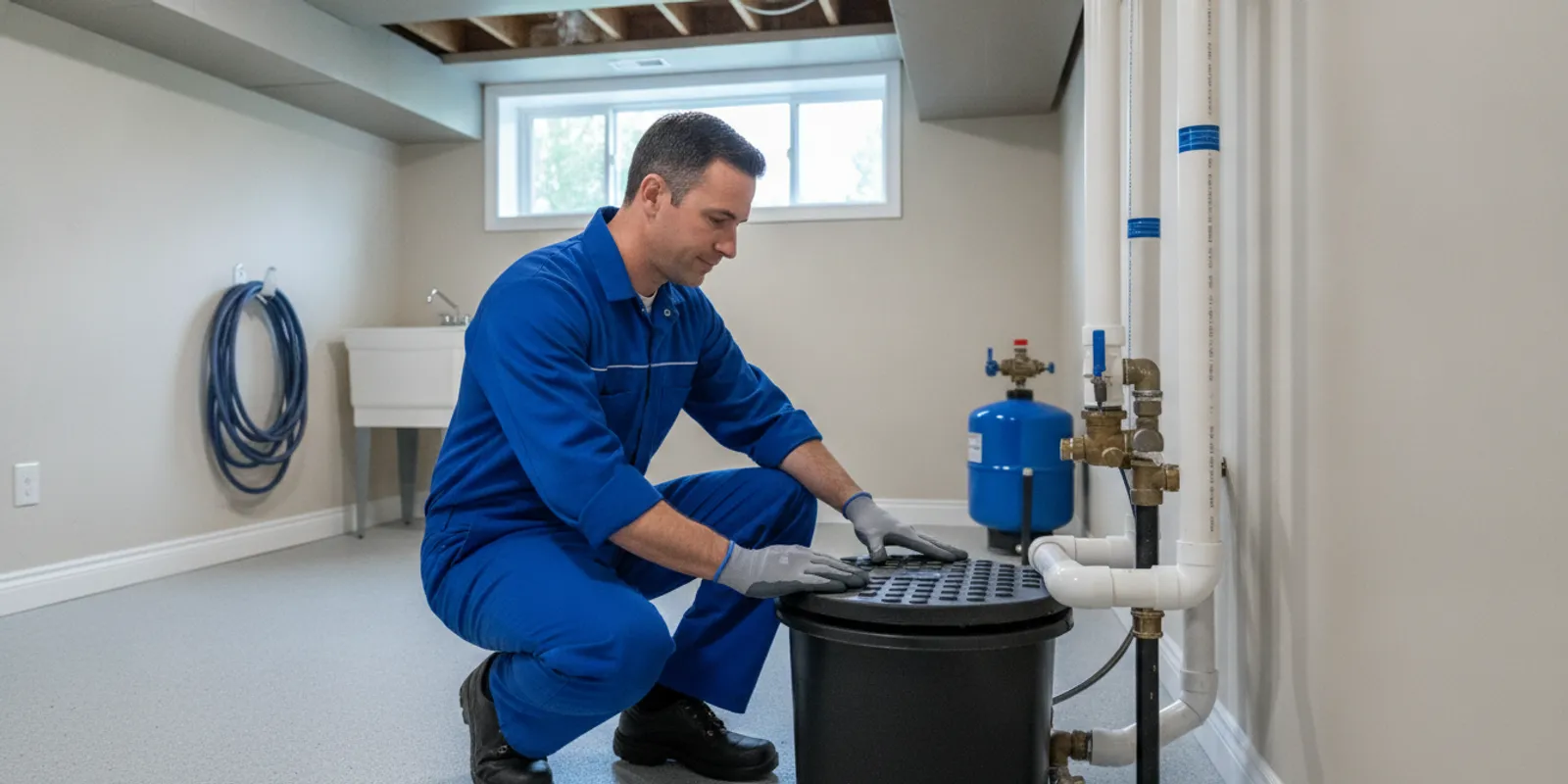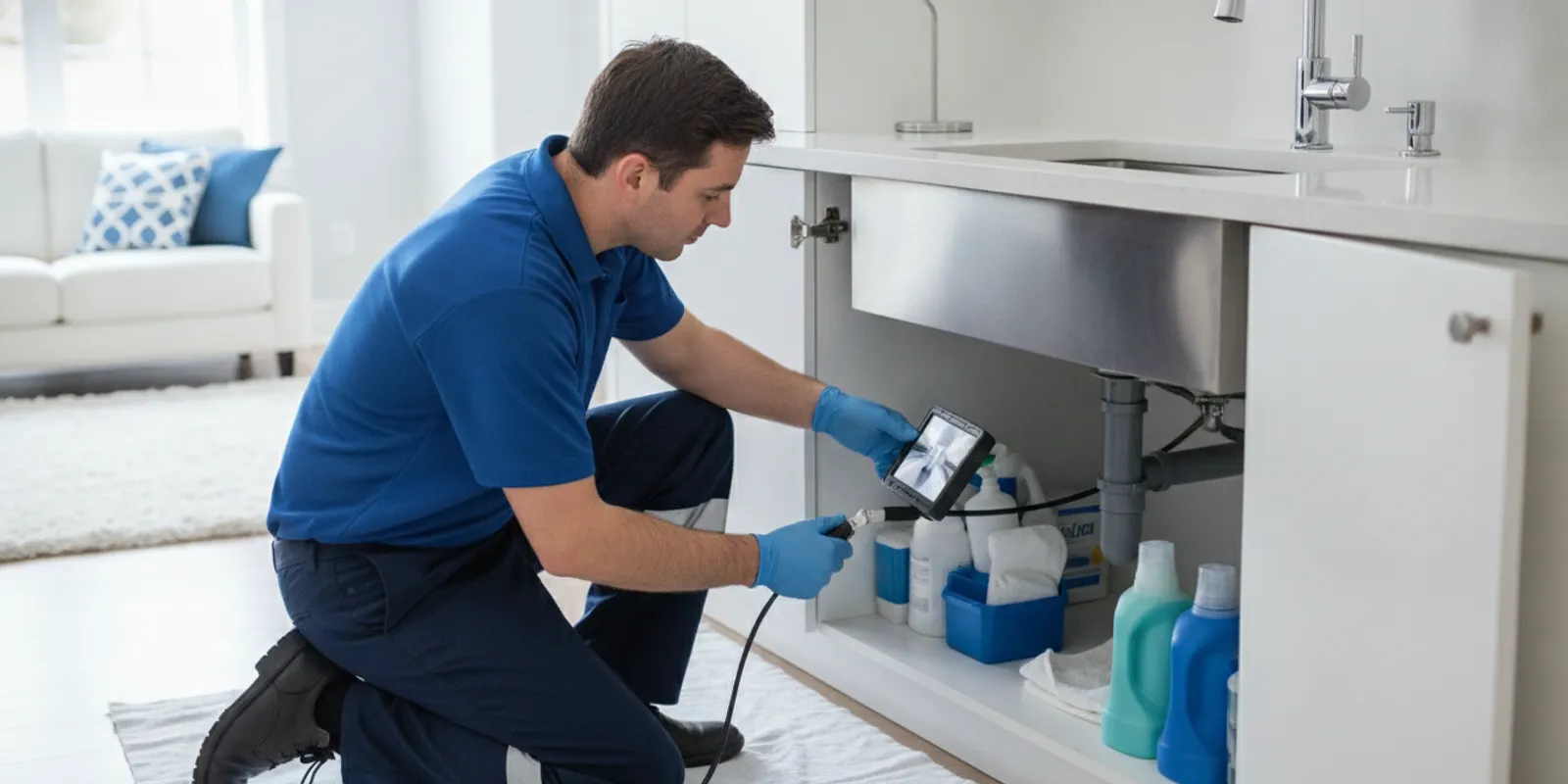


A puddle on the basement floor can come from anywhere: a backed-up wash tub, a sudden leak, or groundwater seeping through the walls. While the source of the water may vary, the solution always involves giving it a safe place to go. A one-size-fits-all approach to drainage rarely works, as each water issue requires a specific solution. That’s why it’s so important to understand the tools available to keep your basement dry. We’re here to explain the different types of basement floor drains, helping you match the right system to your home’s unique challenges and prevent a minor issue from becoming a major headache.
Key Takeaways
- Understand Your Drain’s Role: A basement floor drain is more than just a grate; it’s a critical system for preventing floods. It actively channels water from appliance leaks, heavy rain, and snowmelt away from your foundation, protecting your home from costly water damage and mold.
- Match the Drain to Your Water Issue: The best drainage solution depends on your specific problem. Point drains handle small, localized spills, trench drains manage heavy surface water, and perimeter drains with a sump pump are essential for stopping persistent groundwater seepage.
- Know When to Call for Help: Simple maintenance like clearing debris is a great DIY task. However, warning signs like slow draining, foul odors, or water backups point to a deeper problem in your pipes or sewer line that requires a professional plumber to diagnose and resolve correctly.
What Is a Basement Floor Drain?
Think of a basement floor drain as your home’s built-in safety net against water damage. It’s a plumbing fixture installed at the lowest point of your basement floor, designed to do one crucial job: move water safely away from your foundation. When water from a leaky pipe, an overflowing washing machine, or heavy rainfall finds its way into your basement, the drain is there to catch it. From there, it’s channeled through a pipe that leads to your municipal sewer line or a sump pit, where a sump pump can then push it away from your house. This simple feature is often the only thing standing between a minor spill and a full-blown flood.
While most modern homes are built with them, many older houses in the Metro Detroit area might lack an adequate drainage system. The good news is that they can almost always be added by a professional. Having a functional floor drain isn’t just a convenience; it’s a fundamental part of protecting your property’s value and ensuring your basement remains a dry, healthy space for your family. It’s your first line of defense against moisture, mold, and the costly repairs that follow a water incident. Without one, you’re left hoping for the best, which isn’t a great strategy when it comes to protecting your biggest investment.
Why Your Basement Needs One
A damp basement is more than just a nuisance; it can lead to serious structural damage and health concerns from mold and mildew. A floor drain is your primary defense, preventing water from pooling and seeping into your foundation. Even a small amount of standing water from a leaky water heater or a backed-up wash tub can cause expensive problems if it has nowhere to go. A properly installed drain helps stop these minor issues from turning into a major emergency plumbing situation. It provides peace of mind by ensuring that unexpected water has a clear and safe exit path, protecting your home’s structure and your belongings.
Why Metro Detroit’s Weather Puts Your Basement at Risk
Here in Metro Detroit, our weather can be unpredictable. Heavy spring rains and rapid snowmelt saturate the ground, creating immense hydrostatic pressure that pushes water against your foundation walls and floor. Without a way to relieve this pressure, water will find its way inside through even the tiniest cracks. A basement drain system is essential for managing this groundwater. Furthermore, our cold winters increase the risk of burst pipes. When water from a burst pipe floods your basement, a floor drain can make the difference between a manageable cleanup and a catastrophic loss. Proper pipe insulation is your first step, but a floor drain is the backup plan every Michigan home needs.
Your Guide to Basement Floor Drain Types
When you think of a basement drain, you probably picture a simple grate in the floor. But there’s a whole world of drainage systems out there, each designed to tackle different water problems. Knowing the difference can help you figure out what your home has, or what it might need to stay dry. Let’s walk through the most common types so you can feel confident about protecting your space from water damage.
Point Drains
Point drains, sometimes called area drains, are the classic round or square grates you often see in unfinished basements or laundry areas. They are strategically placed at the lowest point of the floor, and the concrete is gently sloped toward them. This simple, gravity-fed design makes them perfect for catching localized spills, like a leak from a water heater or an overflowing washing machine. While they are a great first line of defense for minor, everyday mishaps, they can be overwhelmed by heavy flooding. If you’re dealing with a persistent leak from an appliance or fixture, it’s always best to address the source of the problem with a professional toilet repair or fixture replacement.
Trench Drains (Channel Drains)
If your basement or garage is prone to more significant water intrusion, you might have or need a trench drain. Also known as channel drains, these are long, narrow troughs covered by a grate that can run the length of a garage door or across a wide area. Their job is to intercept large sheets of water before they can spread across the entire floor. This makes them incredibly effective for walkout basements that face a sloped yard or for garages where melting snow from your car can create big puddles. They are a heavy-duty solution for managing high volumes of water during a storm, preventing a messy situation from turning into a full-blown flood that requires emergency plumbing services.
Perimeter Drains (Interior French Drains)
Perimeter drains, often called interior French drains, are a more hidden but powerful solution. This system is installed just beneath the floor, right along the inside edge of your foundation walls. Its purpose is to capture groundwater that seeps in through the cove joint (where the wall and floor meet), foundation cracks, or porous concrete blocks. The water is collected in a perforated pipe and directed to a sump pump, which then pushes it safely away from your home. This is a go-to system for dealing with persistent dampness and preventing the hydrostatic pressure that can lead to serious foundation damage. It’s a comprehensive solution for keeping your basement truly dry from the outside in, and part of our comprehensive services.
Sump Pump Systems
A sump pump is the heart of many basement waterproofing systems. It works by collecting water in a basin, or sump pit, dug into the lowest part of your basement. When the water in the pit reaches a certain level, a float switch triggers the pump, which actively pumps the water out of the pit and away from your foundation through a discharge pipe. This system is your best defense against a rising water table and is essential for homes in areas prone to heavy rain or flooding. Because they are so critical, regular maintenance is key. We offer expert sump pump services to ensure your system is ready to work when you need it most.
Subfloor Drains
For a truly invisible solution, especially in a finished basement, there are subfloor drains. These drainage systems are installed underneath the concrete slab, creating a network to manage water before it ever reaches your floor. They are designed to handle both groundwater seeping up from below and any surface water that might find its way down. The collected water is channeled to a sump pump for removal. This makes them a versatile and highly effective option for complete water management without sacrificing aesthetics. Proper installation is critical, as is ensuring all your home’s pipes are in good condition. We recommend proactive measures like pipe insulation to prevent bursts that could overwhelm any drainage system.
How to Choose the Right Drain for Your Home
With several types of basement drains available, picking the right one can feel a little overwhelming. But it really comes down to your home’s specific needs. Think about your basement’s layout, the kind of water issues you face (or want to prevent), and your budget. Are you dealing with minor appliance leaks, or are you worried about heavy rains flooding your walkout basement? Answering these questions will point you toward the perfect drainage solution. We’re here to walk you through the best options for common situations so you can make a choice that keeps your basement dry and your mind at ease.
Best for Minor Spills and Appliance Leaks
If your main concern is catching small spills or potential leaks from a washing machine or water heater, a point drain is often the perfect fit. These are the classic, simple drains you’ve probably seen before, usually a round or square grate set into the lowest point of the floor. They are most effective in utility rooms, laundry areas, or small basements where you just need a safety net for minor water events. While they aren’t designed to handle major flooding, they do a great job of managing everyday drips and leaks, preventing them from spreading and causing damage.
Best for Heavy Rain and Frequent Flooding
For homes that face a lot of water during heavy storms, a trench drain (also called a channel drain) is a much better solution. This is a long, narrow channel that can move a large volume of water away quickly. You’ll often see them installed at the base of a sloped driveway, in a garage, or at the entrance of a walkout basement where rain can pour down the stairs. A trench drain acts like a barrier, intercepting water before it has a chance to flow across your basement floor. It’s an excellent defense against the sudden, intense downpours we sometimes get in Metro Detroit.
Best for Seeping Groundwater
Is dampness slowly seeping through your basement walls? If so, an interior perimeter drain, often called a French drain, is your best bet. This system involves a perforated pipe installed inside your basement, along the base of the foundation walls. It’s surrounded by gravel to help collect any water that makes its way through the concrete. The pipe then channels the water away, usually directing it to a sump pump that ejects it safely outside. This is an incredibly effective way to manage the constant pressure of groundwater and stop moisture from ever reaching your basement floor.
Best for Finished Basements
When you have a finished basement, you want a drainage solution that’s completely out of sight. That’s where a subfloor drain comes in. This system is installed underneath the concrete slab, making it totally invisible. It works by creating a network of pipes that collect both groundwater from below and any surface water that might find its way down. Like a perimeter drain, it typically connects to a sump pump to remove the water. Because it’s hidden and highly effective, a subfloor drain is the ideal choice for protecting a finished living space, home gym, or entertainment area without disrupting the look of the room.
Best for Older Homes with Outdated Drainage
Many older homes in the Detroit area were built with drainage systems that are now outdated or failing. If this sounds like your house, an exterior perimeter drain can be a game-changer. This system is installed outside, around the entire foundation of your home. It works by collecting groundwater and surface runoff before it can even reach your foundation walls. While it’s a more involved installation, it’s a powerful, long-lasting solution for controlling moisture at the source. It’s one of the best plumbing services you can invest in to protect an older home’s foundation for years to come.
Pros and Cons of Each Drain Type
Every drain system has its own set of strengths and weaknesses. The best choice for your basement depends on your home’s specific needs, from the type of water issues you face to your budget. Understanding the pros and cons of each option is the first step toward making a confident decision and keeping your basement dry for years to come. Let’s break down what makes each drain type a great fit for some homes and less ideal for others.
Point Drains
Point drains are a classic and straightforward solution. Their biggest advantage is handling localized water issues effectively. Think of a sudden leak from your water heater or an overflowing washing machine. Because the concrete floor is sloped toward the drain, water flows right to it naturally. This simple, gravity-fed design makes them a reliable and cost-effective choice for dealing with minor, predictable spills.
However, their main drawback is their limited scope. A point drain is designed to manage water in a small, specific area. If you’re dealing with widespread flooding from heavy rain or significant groundwater seepage, a single point drain will likely be overwhelmed. It simply can’t capture large volumes of water fast enough to prevent damage across your entire basement floor.
Trench Drains
Trench drains, also called channel drains, are excellent for managing high volumes of water. Their main benefit is their ability to intercept wide sheets of water flowing across a surface. This makes them ideal for garages, walkout basements, or any area prone to flash flooding during Metro Detroit’s intense rainstorms. Instead of waiting for water to find a small drain, a trench drain creates a long channel that catches water immediately, guiding it away before it can spread.
On the other hand, installing a trench drain is more complex and generally more expensive than a simple point drain. The process involves cutting a channel into your concrete floor, which requires precision and professional equipment. While their performance is top-notch for heavy water flow, the installation is a bigger project that requires careful planning and a larger budget.
Perimeter Drains
Perimeter drains, or interior French drains, are the go-to solution for groundwater problems. Their greatest strength is their ability to capture water that seeps in through foundation walls, cracks, or floor joints. A trench is created around the inside edge of your basement, and a perforated pipe is installed to collect this intrusive water. The system then directs the water to a sump pump, which safely pumps it out and away from your home. This method stops groundwater right at the source.
The main disadvantage is the installation process. Creating a perimeter drain system requires digging up the edge of your basement floor, which is a significant and labor-intensive job. It’s a highly effective, long-term solution for chronic seepage, but it’s also one of the more involved and costly waterproofing projects you can undertake.
Sump Pump Systems
A sump pump system is a powerful defense against basement flooding, especially in areas with a high water table. Its primary advantage is its ability to actively remove large amounts of water. Often used with perimeter drains, a sump pump can also work on its own, collecting water in a basin and pumping it outside. For homes that experience frequent flooding, a reliable sump pump is an absolute must-have. Many homeowners also install a battery backup to ensure it keeps working during a power outage.
The main con is that a sump pump requires electricity to operate, making it vulnerable during storms when the power might go out. A battery backup is a smart addition but adds to the cost. Sump pumps also need regular maintenance to ensure the float switch and motor are working correctly. Without routine checks, you might not know it has failed until it’s too late.
Subfloor Drains
Subfloor drainage systems offer a hidden yet highly effective way to manage water. Their biggest pro is that they are completely out of sight, making them a perfect choice for finished basements where you don’t want visible drains or channels. This type of system is installed beneath the concrete slab, allowing it to manage both surface water and groundwater discreetly before it ever reaches your floor. It provides comprehensive protection without disrupting the look of your living space.
The downside is the installation timing and complexity. Subfloor drains are best installed when a home is being built or during a major basement renovation when the concrete floor is already being replaced. Adding this system to an existing basement is a massive undertaking that involves breaking up the entire floor. Because of this, it’s often not a practical or cost-effective option for many homeowners.
Is Your Basement Drain Failing? Look for These Signs
Your basement floor drain is your first line of defense against water damage, but it can’t protect your home if it isn’t working correctly. Sometimes, the signs of a problem are subtle, while other times they’re impossible to ignore. Paying attention to these warning signs can help you catch an issue before it turns into a full-blown flood and a costly repair. If you notice any of the following red flags, it’s time to take a closer look at your drainage system.
Slow Draining and Puddles
This is one of the most common and obvious signs of a problem. If you notice water pooling around your basement drain long after it should have disappeared, you likely have a partial clog. Over time, debris like dirt, lint, and other sediment can build up inside the pipe, slowing the flow of water. While it might seem like a minor annoyance at first, a slow drain is a clear warning that a complete blockage could be next. Addressing this early can prevent water from backing up during the next heavy Detroit rainstorm. If you can’t clear it yourself, it’s best to call for professional plumbing services.
Unpleasant Odors and Sewer Smells
A foul, sewer-like smell wafting up from your basement drain is a definite red flag. Your floor drain is designed with a P-trap, a U-shaped pipe that holds a small amount of water to block sewer gases from entering your home. If you smell sewage, it often means this water barrier is gone, either because the trap has dried out from disuse or because it’s damaged. While pouring a pitcher of water down the drain can sometimes fix a dry trap, a persistent odor could signal a crack in the pipe or a more serious issue with your sewer line that needs a professional diagnosis.
Water Backups and Pipe Issues
Seeing water come up through your floor drain is a much more serious problem than slow draining. This indicates a significant blockage in your home’s main sewer line or an issue with the municipal sewer system. During periods of heavy rainfall, the city’s system can become overwhelmed, forcing water back into residential basements. A severe clog within your own pipes can have the same effect. A water backup is a true plumbing crisis that exposes your home to contaminated water and requires immediate attention. This situation calls for emergency plumbing to prevent extensive damage and health hazards.
Foundation Cracks and Mold Growth
Sometimes, the signs of a failing drain aren’t in the drain itself but on the surrounding walls and floor. If your drain is clogged or inadequate, water from leaking appliances or groundwater has nowhere to go. This persistent moisture creates the perfect environment for mold and mildew to grow, and it can even exert pressure on your foundation, leading to cracks. If you see new cracks forming or notice a musty smell you can’t trace, a poorly performing drainage system could be the culprit. A reliable sump pump system is often the best solution for managing groundwater and preventing these issues.
DIY Maintenance for a Healthy Basement Drain
A little proactive care can go a long way in preventing major basement water issues. By incorporating a few simple tasks into your home maintenance routine, you can keep your basement drain system working as it should and catch small problems before they become costly emergencies. These DIY tips are easy for any homeowner to tackle and are your first line of defense against water damage. Think of it as a small investment of your time that protects one of the most important parts of your home.
Keep the Drain Clear of Debris
This is one of the simplest yet most effective things you can do. Your basement floor drain can’t do its job if it’s covered. Make it a habit to regularly sweep the area around your drain and clear away any dust, lint, storage boxes, or other debris that might be blocking the cover. According to experts, keeping drain covers clear is essential for ensuring proper water flow. If you have a workshop or laundry area in your basement, be extra mindful of things like sawdust or dryer lint that can quickly lead to a blockage and a messy backup.
Inspect Your Plumbing for Leaks
Even a tiny drip can lead to a big problem over time. Once a month, take a flashlight and do a quick visual inspection of the pipes in your basement. Look for any signs of moisture, rust, or active drips on the pipes, fittings, and water heater. Catching a small leak early can prevent water from accumulating on your floor and overwhelming your drain. If you spot a leak or are concerned about the condition of your pipes, especially during the winter, it might be time for a professional pipe insulation or repair service to prevent a bigger issue.
Test Your Sump Pump and Its Backup
Your sump pump is your main defense against groundwater flooding, so you need to know it will work when called upon. You can easily test it by slowly pouring a bucket of water into the sump pit. The float should rise with the water and trigger the pump to turn on, discharging the water. Don’t forget to test your backup system, too. A functioning sump pump is critical, and if yours fails the test, getting professional sump pump services is a top priority, especially before a heavy rainstorm hits Metro Detroit.
Check Your Foundation and Outdoor Drainage
The best way to keep your basement dry is to stop water from getting in from the outside. Take a walk around your home’s exterior and check that your gutters are clean and your downspouts are directing water at least a few feet away from the foundation. Inside, look for any new or worsening cracks in the foundation walls or floor. As waterproofing specialists note, preventing water intrusion in the first place is the ideal solution. If you see anything concerning, it’s wise to have it looked at by a professional.
When to Call a Professional Plumber
While you can definitely handle routine maintenance like clearing debris from the drain cover, some jobs are best left to a professional. Installing a new basement drain, for example, requires precision. A small mistake in the slope or connection can lead to leaks, backups, and even damage to your home’s foundation. It’s often more cost-effective to have an expert handle the installation correctly the first time than to pay for expensive repairs later.
A professional plumber can also design a complete drainage solution tailored to your home. A single drain might not be enough to protect your basement, especially in an area like Metro Detroit where heavy rain and snowmelt are common. We can assess your property and determine if you need a more robust system, like a perimeter drain combined with a sump pump and a battery backup. This integrated approach provides the most reliable protection against flooding.
If you notice any of the warning signs we discussed earlier, like slow draining, gurgling sounds, or water backing up into your basement, don’t wait for the problem to get worse. These are often symptoms of a deeper issue, such as a major clog in your main sewer line. A severe backup is a messy, stressful situation that requires immediate attention. For urgent issues like this, our emergency plumbing team is ready to help. At Mr. Pipey, we treat your home like our own, diagnosing the root cause of the problem to provide a lasting solution. If you need professional drain cleaning, our team is ready to help.
Related Articles
- A Homeowner’s Guide to Old Basement Drainage Systems
- Sump Pump Installation: Your Guide to a Dry Basement
- Basement Drain Backup: Your Step-by-Step Guide
Frequently Asked Questions
Why does my basement drain smell like sewage? A foul odor coming from your drain usually means the P-trap has dried out. This is a U-shaped pipe just below the drain that holds water to block sewer gases from entering your home. If it’s been a while since water went down the drain, this water barrier can evaporate. Try slowly pouring a gallon of water into the drain to refill the trap. If the smell persists, it could point to a more serious issue, like a cracked drain line, which requires a professional inspection.
My basement doesn’t have a floor drain. Is it a big deal to have one installed? For many older homes in our area, not having a floor drain is common, but adding one is a very smart investment. Installing a drain involves cutting into the concrete and connecting to your home’s plumbing, so it is definitely a job for a professional. A properly installed drain is your best defense against unexpected water from a burst pipe or failing water heater, preventing a minor leak from turning into a major flood that damages your foundation and belongings.
Is a sump pump all I need to keep my basement dry? A sump pump is a powerful tool, but it often works best as part of a larger system. A sump pump’s job is to remove water that has already collected in the sump pit. If you have issues with water seeping through your foundation walls, a perimeter drain system is needed to capture that water and direct it to the sump pump. Think of the perimeter drain as the collector and the sump pump as the ejector; they are a team that provides comprehensive protection.
My drain is slow. Can I just use a chemical drain cleaner? We strongly advise against using harsh chemical cleaners in your basement floor drain. These chemicals can damage older pipes, and if they fail to clear the clog, you are left with a pipe full of corrosive liquid. A slow drain is often caused by a buildup of sediment and debris deep in the line. A professional can diagnose the cause and use the right tools to clear the blockage safely without risking damage to your plumbing system.
How can I tell if a water backup is my problem or a city sewer issue? This can be tricky, but there are a few clues. If water is backing up in your basement drain and also in the lowest drains in your house (like a first-floor toilet or shower), the blockage is likely in your home’s main sewer line. If your neighbors are experiencing similar issues at the same time, it could point to a problem with the municipal sewer main. In either case, a backup is an emergency, and you should call a plumber right away to diagnose the source and prevent further damage.