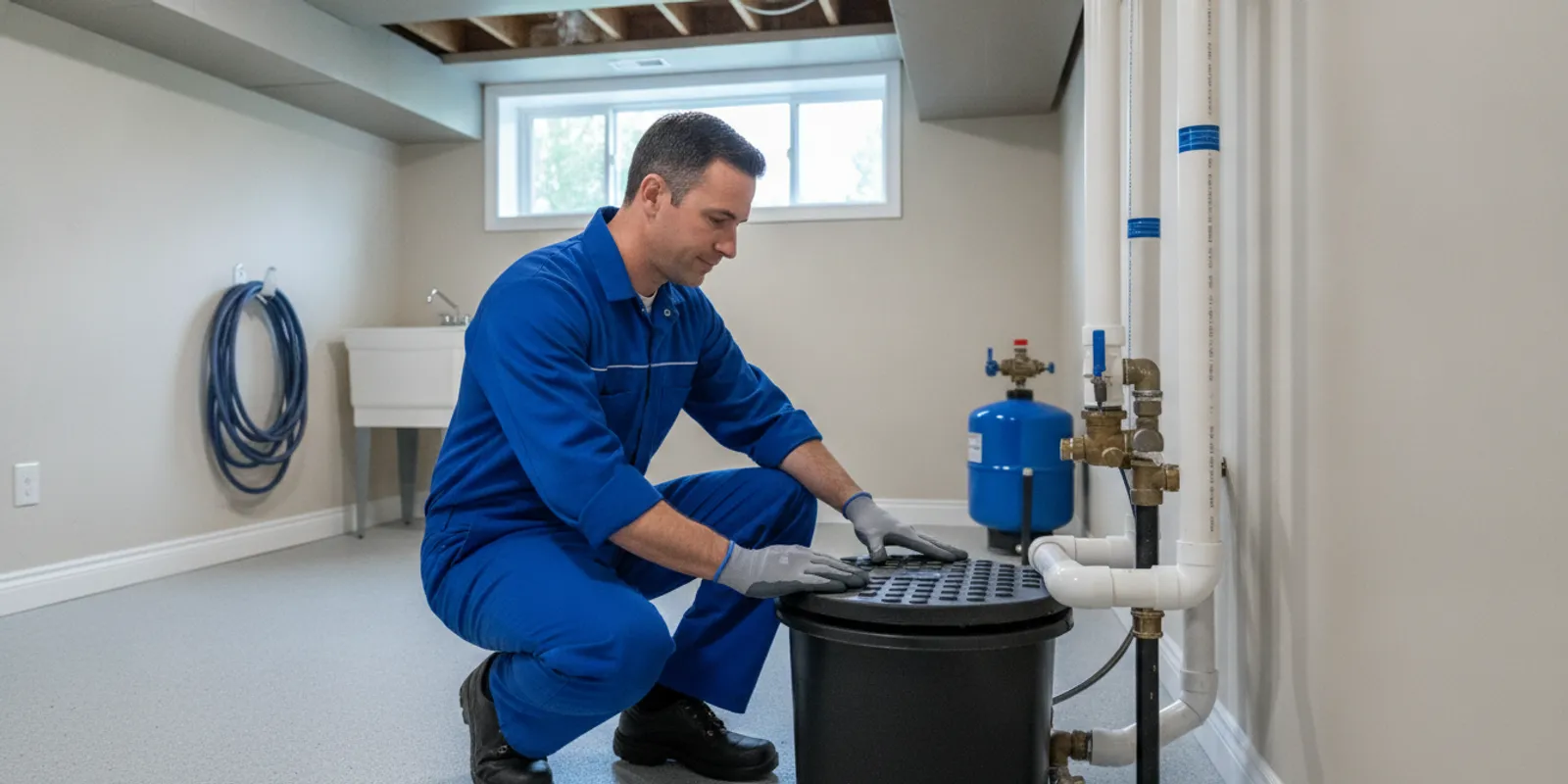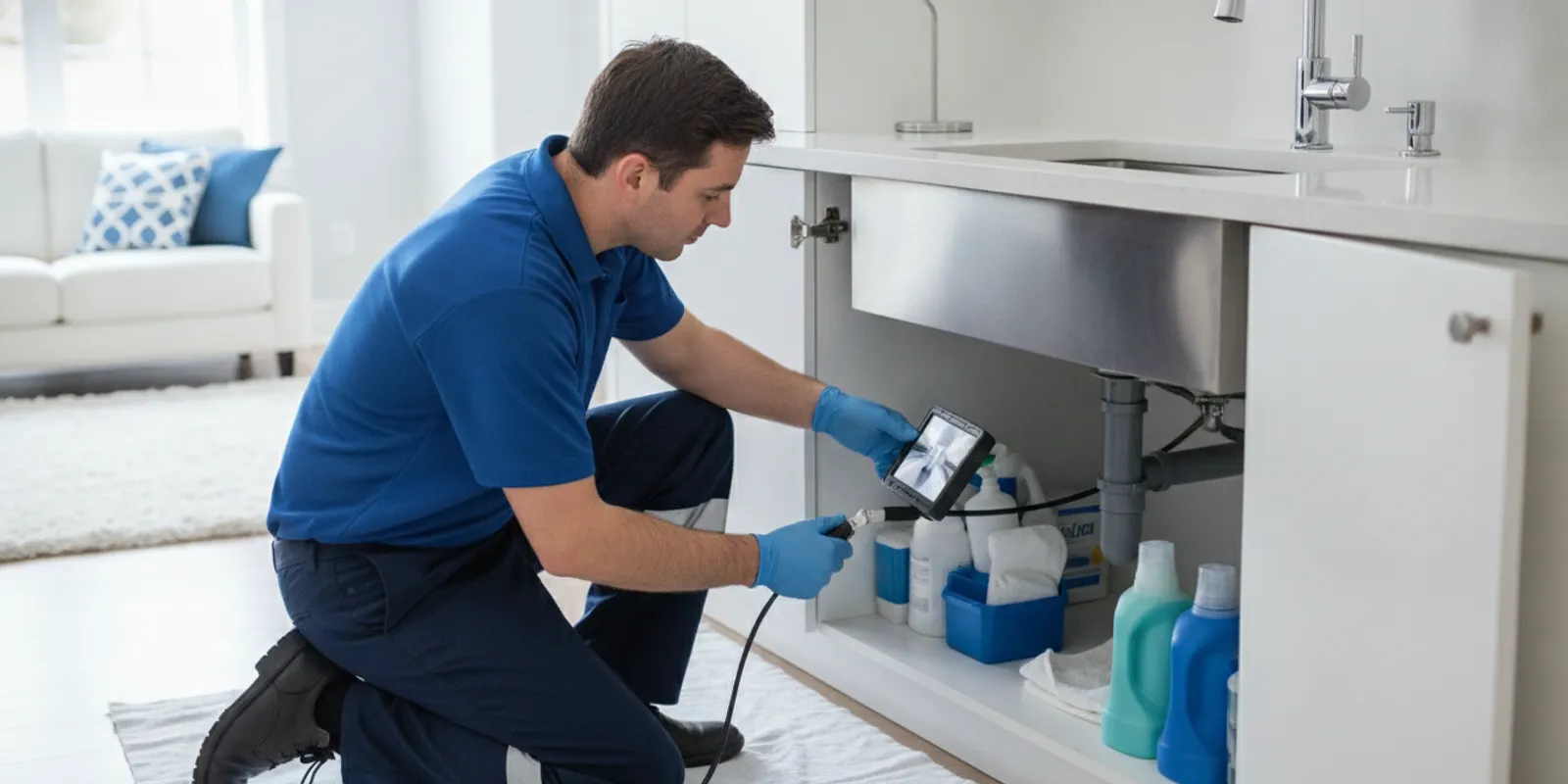

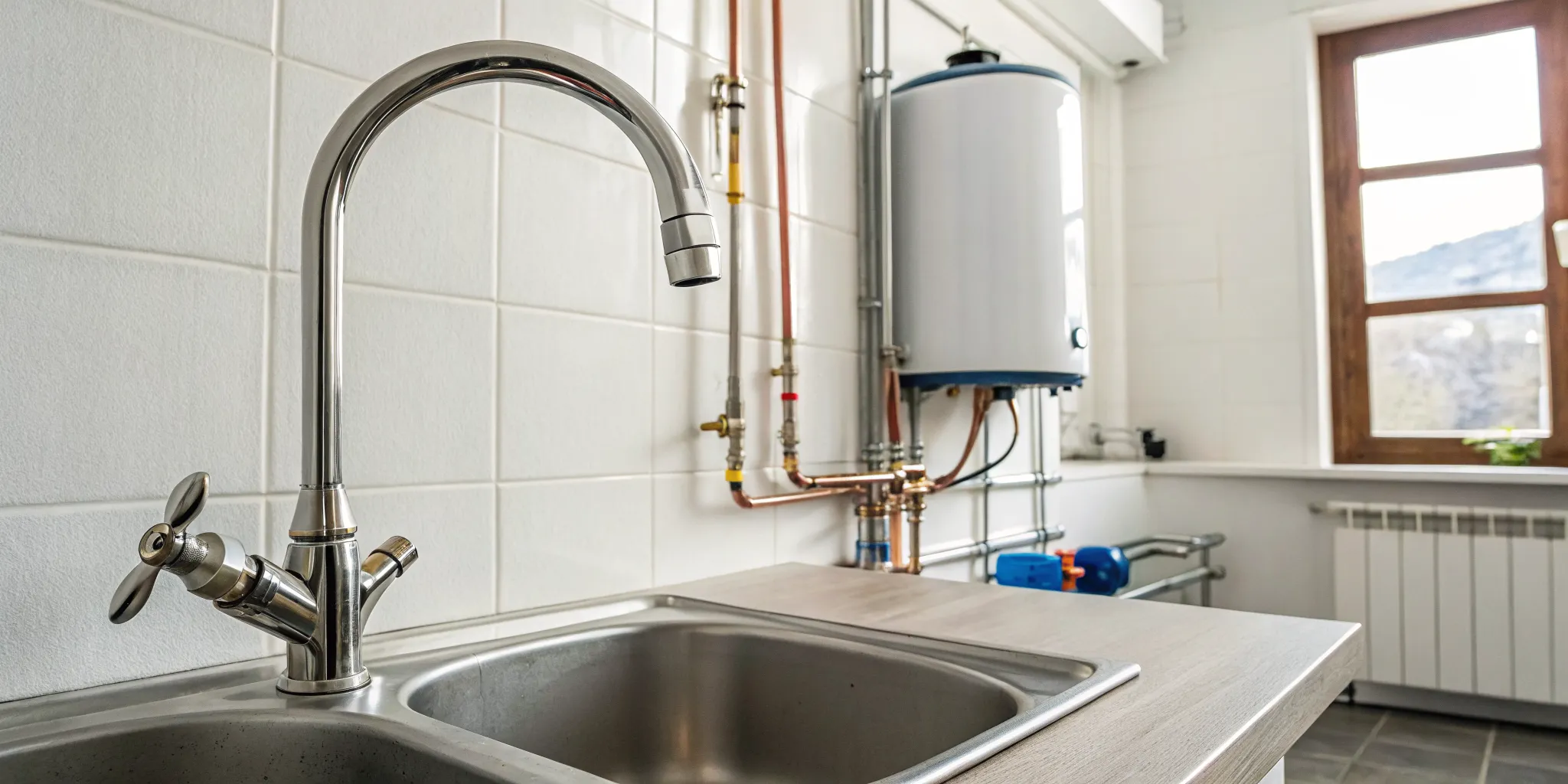
Let’s play detective. The case: The mysterious disappearance of your hot water pressure. The scene of the crime: Your home, right after a new water heater was installed. The prime suspect might seem to be the new unit itself, but that’s rarely the culprit. The real clues often lie within your plumbing system. Experiencing low water pressure after hot water heater installation is usually caused by something simple, like a partially closed valve or debris stirred up during the work. This step-by-step guide will help you investigate the evidence, identify the true cause, and solve the case of the weak water flow.
Key Takeaways
- Start with the simple installation-related issues: Low pressure is often caused by minor side effects of the installation, not a faulty water heater. Common culprits include air trapped in the pipes, a shut-off valve that wasn’t fully reopened, or stirred-up sediment clogging your faucet screens.
- Follow a clear troubleshooting checklist: Before calling for help, work through a few easy steps. Make sure all water valves are completely open, unscrew and clean the aerators on your faucets, and run all hot water taps for several minutes to flush the system of air and debris.
- Know when to call a professional for complex problems: If you have tried the basic fixes and the pressure is still low, it is time to contact a plumber. An expert can safely diagnose deeper issues, like a problem with your home’s pressure-reducing valve or a blockage inside the pipes, preventing further damage.
New Water Heater, Low Pressure? Here’s What to Do
You’ve just invested in a new water heater, expecting powerful, steamy showers. Instead, you’re getting a disappointing trickle. It’s a frustrating situation, but don’t panic just yet. Low water pressure right after a new water heater installation is a surprisingly common problem, and the fix is often simpler than you think. Before you assume the new unit is a dud, let’s walk through a few likely causes and what you can do about them. Understanding what’s happening in your pipes is the first step to getting that water pressure back where it should be.
Is a Little Low Pressure Normal at First?
Yes, it’s actually quite normal to experience a temporary drop in pressure. When your old water heater is disconnected and a new one is put in, air can easily get trapped inside your water lines. This trapped air creates blockages that can cause sputtering faucets or a weak, inconsistent flow of water. The good news is that this is usually an easy fix. Try turning on all the hot water faucets in your house at the same time. Let them run for a few minutes. This helps force the trapped air out of the system, and you should see your water pressure return to normal shortly.
Why Is Only the Hot Water Pressure Low?
If your cold water is running fine but the hot water is barely a dribble, the issue is almost certainly related to the new installation. The process of replacing a water heater can stir up sediment, rust, and mineral deposits that were sitting at the bottom of your old tank or pipes. This debris gets flushed into your plumbing system and can quickly clog the small openings in your faucets and showerheads. In some cases, small pieces of solder used during the installation can also break off and get stuck. If simple fixes don’t work, it’s best to have a professional take a look, as we might need to check internal components or provide a more thorough plumbing service.
Common Causes for Low Hot Water Pressure
It’s exciting to get a new water heater, but it’s incredibly frustrating when it leads to a weak, trickling flow of hot water. You’re not alone in this, and the good news is that the cause is often a simple fix. The installation process itself can stir things up in your plumbing system, leading to a few common issues. Before you worry that you got a faulty unit, let’s walk through the most likely culprits behind that disappointing drop in pressure. Most of these are things you can check yourself in just a few minutes. If you find the problem is more than you can handle, our team is always ready to provide expert plumbing solutions.
Sediment and Debris in Your Pipes
When a new water heater is installed, the process of draining the old tank and filling the new one can dislodge years of built-up sediment, mineral scale, or even tiny bits of old solder from inside your pipes. This debris doesn’t just disappear; it travels with the water flow. Its first stop is often the small screens, or aerators, at the tips of your faucets and showerheads. When these screens get clogged, they restrict water flow, making it seem like you have a major pressure problem when it’s really just a tiny blockage. Cleaning your faucet aerators is a great first step to see if this is the cause.
A Shut-Off Valve Isn’t Fully Open
This one might sound too simple to be true, but it happens all the time. Your water heater has a shut-off valve on the cold water line that supplies it. During installation, a plumber closes this valve and should reopen it fully afterward. Sometimes, it only gets opened partway. If you have a lever-style handle (a ball valve), it should be perfectly parallel with the pipe for maximum flow. If it’s even slightly angled, it’s restricting the water supply to your heater. It’s also worth checking the main water shut-off valve for your entire house to ensure it’s fully open, too.
Air Trapped in the Water Lines
When your plumbing system is drained and refilled, air gets trapped in the pipes. This is completely normal. As the new water heater fills, it pushes that air into your hot water lines. When you turn on a faucet for the first time, you’ll likely see sputtering water and hear hissing sounds. This is just the air being forced out. To fix this, you need to bleed the air from the system. Simply go through your house and turn on the hot water at every faucet, one by one. Let each one run for five to ten minutes until the flow is steady and smooth.
Kinked or Damaged Supply Lines
Many water heaters are connected to the main plumbing using flexible supply lines, often made of braided stainless steel or corrugated copper. While these lines are great for navigating tight spaces, they can also be accidentally kinked or bent too sharply during installation. A sharp bend in a supply line acts like a clamp, severely restricting water volume and creating a pressure drop. Take a look at the hoses connected to both the cold water inlet and the hot water outlet on your heater. They should have smooth, gentle curves, not sharp, folded angles. If you see a kink, you may need a professional to replace the line.
A Clogged or Faulty Mixing Valve
If your low hot water pressure is only happening at one specific fixture, like your kitchen sink or shower, the problem might be a clogged mixing valve. This small cartridge inside the faucet handle is responsible for blending hot and cold water. Sometimes, sediment and debris from the installation can bypass the aerator and get lodged directly in this valve. To fix it, you usually have to take the faucet handle apart to access, clean, or replace the cartridge. This can be a tricky job, so if you’re not comfortable with it, it’s a good time to contact a professional.
Flow Restrictors in the New Unit
Modern water heaters and faucets often come with built-in flow restrictors to conserve water and meet efficiency standards. While these are great for the environment and your water bill, they can sometimes contribute to lower perceived pressure. Additionally, small pieces of debris, like solder from the installation, can get stuck in these components or in other parts of a faucet, like pressure regulator pistons. This creates an unintended blockage that slows down your hot water. As a family-owned business, we believe in transparent work and will always check for these issues during installation.
How to Diagnose the Cause of Low Pressure
Okay, let’s play detective. Pinpointing the cause of your low hot water pressure will save you time and frustration. By checking a few key things, you can narrow down the possibilities from a simple fix to something that might need a professional eye. It’s all about isolating the problem. Is it happening everywhere, or just at one sink? Does the water sputter, or just flow weakly? Answering these questions gets you much closer to a solution. Let’s walk through the most common culprits and how you can identify them.
Signs of Sediment or Debris
When your new water heater was installed, the draining and refilling process can stir up trouble. We’re talking about tiny bits of mineral scale, rust, or sediment that were sitting inside your pipes. Now, they’re on the move and can easily get stuck, creating a bottleneck. The most common landing spots for this debris are the small screens on your faucets (called aerators) and showerheads. If you notice sputtering water or see tiny particles, this is a likely suspect. A quick check is to unscrew a faucet aerator and see if it’s clogged. If it is, you’ve found a major clue.
Signs of Trapped Air
Sputtering, spitting faucets are the classic sign of air trapped in your water lines. This happens when the plumbing system is drained and refilled during the water heater installation. Air gets caught in the pipes, creating pockets that disrupt water flow and cause that annoying, inconsistent stream. You might even hear some strange gurgling noises. The good news is that this is very common and often resolves with a little help. Running all the hot water faucets in your house for a few minutes can help push the trapped air out of the system and restore your steady flow.
Is It One Faucet or Your Whole House?
This is a crucial diagnostic question. Go around your house and test the hot water at every faucet. If you only have low pressure at one specific fixture, like your kitchen sink, the problem is likely localized. Debris might have gotten stuck in that faucet’s aerator or mixing valve. However, if every hot water tap in your house has low pressure, the issue is probably closer to the source: the water heater itself. It could be a valve that wasn’t fully opened or a blockage right at the unit’s outlet. Distinguishing between a single-faucet issue and a whole-house problem is the first step toward an effective plumbing solution.
A Step-by-Step Guide to Fixing Low Hot Water Pressure
It’s frustrating when a brand-new appliance doesn’t work as expected. You were probably looking forward to a long, hot shower, only to be met with a disappointing trickle. The good news is that low pressure after a water heater installation is a common issue, and the fix is often surprisingly simple. Before you worry that you have a faulty unit, let’s work through a few troubleshooting steps together. We’ll start with the easiest and most frequent culprits. Think of this as a checklist to help you pinpoint the problem. Many times, a small adjustment is all it takes to get your hot water flowing freely again.
Step 1: Check Every Shut-Off Valve
Let’s start with the simplest check. During installation, several valves are turned off and on, and sometimes one doesn’t get opened all the way back up. Locate the shut-off valve on the cold water line that supplies your new water heater. If you have a lever-style handle (called a ball valve), it should be perfectly parallel with the pipe. If it’s even slightly angled, it’s not fully open and is restricting flow. While you’re at it, find your home’s main water shut-off valve and make sure it’s fully open, too. It’s a simple oversight, but it happens more often than you’d think.
Step 2: Inspect Supply Lines for Kinks
Take a look at the pipes connecting directly to your water heater. Many modern installations use flexible supply lines, often made of corrugated stainless steel or braided hose. These are great for navigating tight spaces, but they can also get kinked or bent during the installation process. A sharp bend in one of these lines acts just like a kink in a garden hose, dramatically cutting down on water volume. Gently straighten out any kinks you see. If a line appears creased or damaged, it might need to be replaced to restore proper flow, which is a good time to call for professional plumbing services.
Step 3: Flush Your Hot Water Lines
Installing a new water heater can stir up sediment and mineral deposits that were sitting harmlessly in your old tank or pipes. This loose debris is now floating in your system and can cause blockages. A great way to clear it out is to flush your lines. Go through your house and turn on all the hot water faucets, including sinks, showers, and tubs. Let them run for about five to ten minutes. This surge of water can help push any small particles through the pipes and out the faucets before they have a chance to create a more significant clog downstream.
Step 4: Clean Faucet Aerators and Showerheads
If flushing the lines didn’t solve the problem, the debris we just talked about may have gotten stuck at the very last stop: your faucet aerators and showerheads. These small screens are designed to catch sediment, and they can clog up quickly after a water heater replacement. Luckily, they are easy to clean. Simply unscrew the aerator cap from the end of your sink faucets or unscrew the entire showerhead. You’ll likely see a collection of grit on the mesh screen. Rinse the screens thoroughly under running water until they are clear, then screw them back on.
Step 5: Bleed Trapped Air From the System
When a new water heater is installed, the empty tank and surrounding pipes fill with air. This trapped air can create airlocks that disrupt water flow and cause sputtering faucets. To fix this, you need to bleed the air out of the system. Turn on the hot water at the faucet furthest from your water heater and let it run. You’ll probably hear some sputtering and hissing as the air escapes. Keep it running for a few minutes until you get a smooth, steady stream of water. Repeat this process for every faucet, working your way from the furthest to the closest to the heater. Proper pipe insulation can also help maintain system integrity year-round.
Step 6: Inspect and Clean the Mixing Valve
If you only have low hot water pressure at a single fixture, like your kitchen sink or shower, the issue might be a clogged mixing valve. This component, often a small cartridge inside the faucet body, is responsible for blending hot and cold water. Debris that was small enough to get past the aerator screen can get lodged in this valve. Cleaning or replacing a faucet cartridge is a more involved task and can vary greatly between faucet models. If you’re not comfortable taking your faucet apart, this is a great time to get help from our team of expert plumbers.
Step 7: Check Your Pressure-Reducing Valve (PRV)
A pressure-reducing valve, or PRV, is a bell-shaped device installed on your main water line that controls the water pressure for your entire home. If your home has high municipal water pressure, this valve is essential for protecting your pipes and appliances. It’s possible that the PRV was adjusted or affected when the water was turned off for the heater installation. While you can find the PRV near your main shut-off, adjusting it yourself is risky. Setting the pressure too high can damage your plumbing system and appliances. If you suspect the PRV is the problem, it’s best to contact a professional to test and adjust it safely.
Does the Type of Water Heater Affect Pressure?
Yes, the type of water heater you choose can absolutely influence your home’s water pressure. It’s not just about getting hot water; it’s about how that water is heated and delivered to your faucets. Both traditional tank heaters and modern tankless units have their own quirks when it comes to flow rate, and understanding the difference can help you pinpoint the source of your pressure problems. It’s a classic trade-off between on-demand heating and a large, ready supply. Let’s break down how each type performs.
Tank vs. Tankless Heaters and Water Pressure
A traditional tank water heater keeps a large reserve of hot water ready to go. Think of it like a big bucket. When you turn on the tap, it can deliver a strong, consistent flow to multiple faucets at once because the water is already hot and waiting. The main limitation is the tank’s size. If your family uses more hot water than the tank can hold, you’ll experience a drop in pressure and temperature until the heater can catch up. The U.S. Department of Energy notes that while these tanks provide consistent flow, their performance is tied to their storage capacity.
On the other hand, a tankless water heater provides hot water on demand by heating it as it passes through the unit. This is incredibly efficient, but it can sometimes struggle to maintain high pressure if you have several showers and appliances running simultaneously. The unit’s flow rate depends on its heating capacity and how much it needs to raise the water temperature. In larger homes, this can sometimes feel like a drop in pressure when demand is high.
How Parts in a New Heater Can Restrict Flow
Sometimes the issue isn’t the water heater itself, but the new parts that came with it. During installation, new valves, fittings, and pipes are connected to your system. If any of these components are too small or not installed correctly, they can create a bottleneck that restricts water flow and reduces your pressure. It’s like trying to drink a thick milkshake through a tiny straw. Plumbing professionals emphasize that using improperly sized fittings can significantly impact your home’s water pressure.
Another sneaky culprit is sediment. Even with a brand-new heater, the installation process can dislodge mineral deposits and debris that were sitting quietly in your old pipes. This sediment can then travel into the new unit or get stuck in its components, clogging the system and slowing down water flow. If your home has hard water, this can be an ongoing issue as new sediment can accumulate over time, leading to a gradual decrease in hot water pressure.
How to Prevent This from Happening Again
A little preparation can go a long way in making sure your new water heater installation is a success from the start. Whether you’re a DIY pro or just want to know what your plumber should be doing, a few key checks before and after the job can help you avoid the frustration of low water pressure. These simple steps ensure that your plumbing system is ready for the change and that everything flows smoothly once the new unit is in place. By being proactive, you can catch potential issues like trapped air or loose sediment before they become a bigger headache.
Checks to Make Before Installation
Before the old water heater comes out, take a moment to inspect your shut-off valves. The main water supply valve and the valve leading to the water heater should both be fully open. If you have a lever handle (a ball valve), it should be perfectly parallel to the pipe. For a round, spinning handle (a gate valve), turn it counter-clockwise until it stops, then give it a tiny turn back to prevent it from getting stuck. This quick check ensures you’re starting with maximum water flow. It’s also a good idea to be aware that any existing sediment in your pipes might get stirred up during the installation process.
Best Practices for After Installation
Once your new water heater is installed, the work isn’t quite done. First, you need to get the air out of the lines. Go through your house and turn on the hot water at every faucet, one by one. Let each run for a few minutes until the sputtering stops and the stream is steady. Next, check your faucet aerators and showerheads. The installation process can knock loose sediment and debris, which gets caught in these small screens. Simply unscrew the aerator caps, rinse the screens clean, and screw them back on. Finally, inspect the flexible supply lines connected to the heater to make sure they aren’t kinked or bent sharply. If these steps don’t restore your pressure, it might point to a more complex issue with your plumbing services.
When to Call a Professional Plumber
Sometimes, even with the best intentions and a solid DIY guide, a plumbing issue just won’t budge. If you’ve worked through all the troubleshooting steps and your hot water pressure is still just a trickle, it’s time to call in a professional. There’s no shame in it; in fact, knowing when to ask for help is the smartest move a homeowner can make. Trying to force a fix can sometimes lead to bigger, more expensive problems, like a sudden leak or damage to your brand-new water heater. Your time is valuable, and spending hours on a stubborn plumbing problem can be incredibly frustrating.
A professional plumber brings specialized tools and years of experience to the job. They can quickly diagnose complex issues that aren’t always visible, saving you from the guesswork. They can spot problems with internal water heater components, check pressure settings for the whole house, or find hidden blockages that the average person wouldn’t know to look for. Instead of spending another weekend feeling frustrated, letting an expert handle it gives you peace of mind and gets your hot showers back to normal much faster. When you’re dealing with something as important as your home’s water system, getting it right is what matters most.
Signs It’s Time to Call for Help
You’ve flushed the lines, cleaned the aerators, and checked every valve you can find, but the pressure is still low. That’s the clearest sign it’s time to put down the wrench and pick up the phone. If the DIY solutions haven’t worked, the problem is likely more complex than a simple clog or a half-open valve. Continuing to tinker could risk damaging your plumbing.
If you notice any other strange symptoms, like banging noises from your pipes, water that looks rusty, or small puddles forming around the water heater, don’t wait. These can be signs of a more serious issue that needs immediate attention. When in doubt, it’s always better to be safe and get an expert opinion. A quick emergency plumbing call can prevent a small headache from turning into a major disaster.
What a Pro Will Look For
When a professional plumber arrives, they’ll go beyond the basic checks. They have the expertise to investigate the inner workings of your plumbing system safely. For instance, they will verify that the water heater’s factory dip tube is intact, as a damaged one can severely restrict hot water flow. They’ll also check if the main pressure-reducing valve for your whole house was accidentally adjusted during the installation.
A pro will also look for hidden debris. During a water heater replacement, small bits of solder or pipe sediment can break off and get lodged deep inside your plumbing lines or in delicate faucet valves. A plumber has the right tools to find and clear these stubborn blockages without damaging your pipes or fixtures. By trusting a family-owned company like ours, you can be confident that we’ll treat your home with care and find the root cause of the problem.
Related Articles
- Water Heater Installation: A Step-by-Step Guide
- How to Repair an Instant Water Heater: A DIY Guide
- How to DIY a Tankless Water Heater Installation
Frequently Asked Questions
Is it normal for the pressure to be low right after installation? Yes, a temporary drop in pressure is very common. The installation process often traps air inside your water lines, which can cause sputtering or a weak flow. This is usually a simple fix. Try running the hot water at all of your faucets for several minutes to help push the air out of the system and restore a steady stream.
My cold water is fine, but the hot water is just a trickle. Is my new heater broken? It’s highly unlikely your new heater is broken. When only the hot water is affected, the problem is almost always related to the installation itself. The process can stir up sediment that clogs faucet aerators, or a shut-off valve connected to the heater might not have been opened completely.
I cleaned my faucet screens, but the pressure is still low. What’s next? If clean aerators didn’t solve it, the next step is to check your shut-off valves. Make sure the valve on the pipe leading to your water heater is fully open. You should also inspect the flexible supply lines connected to the heater to ensure they aren’t kinked or sharply bent, as this can restrict water flow just like a folded garden hose.
Will a tankless water heater give me better pressure than my old tank model? Not necessarily, as each type has its own strengths. A traditional tank heater is great at delivering strong pressure to multiple faucets at once, at least until the tank’s reserve runs low. A tankless heater provides endless hot water but might deliver a lower flow rate if several showers and appliances are running at the same time.
Can I adjust my home’s pressure-reducing valve (PRV) myself? We strongly advise against adjusting the PRV on your own. This device controls water pressure for your entire house, and setting it incorrectly can be risky. If you set the pressure too high, you could damage your pipes, fixtures, and appliances. This is a task best left to a professional plumber who has the right tools to test and set the pressure safely.