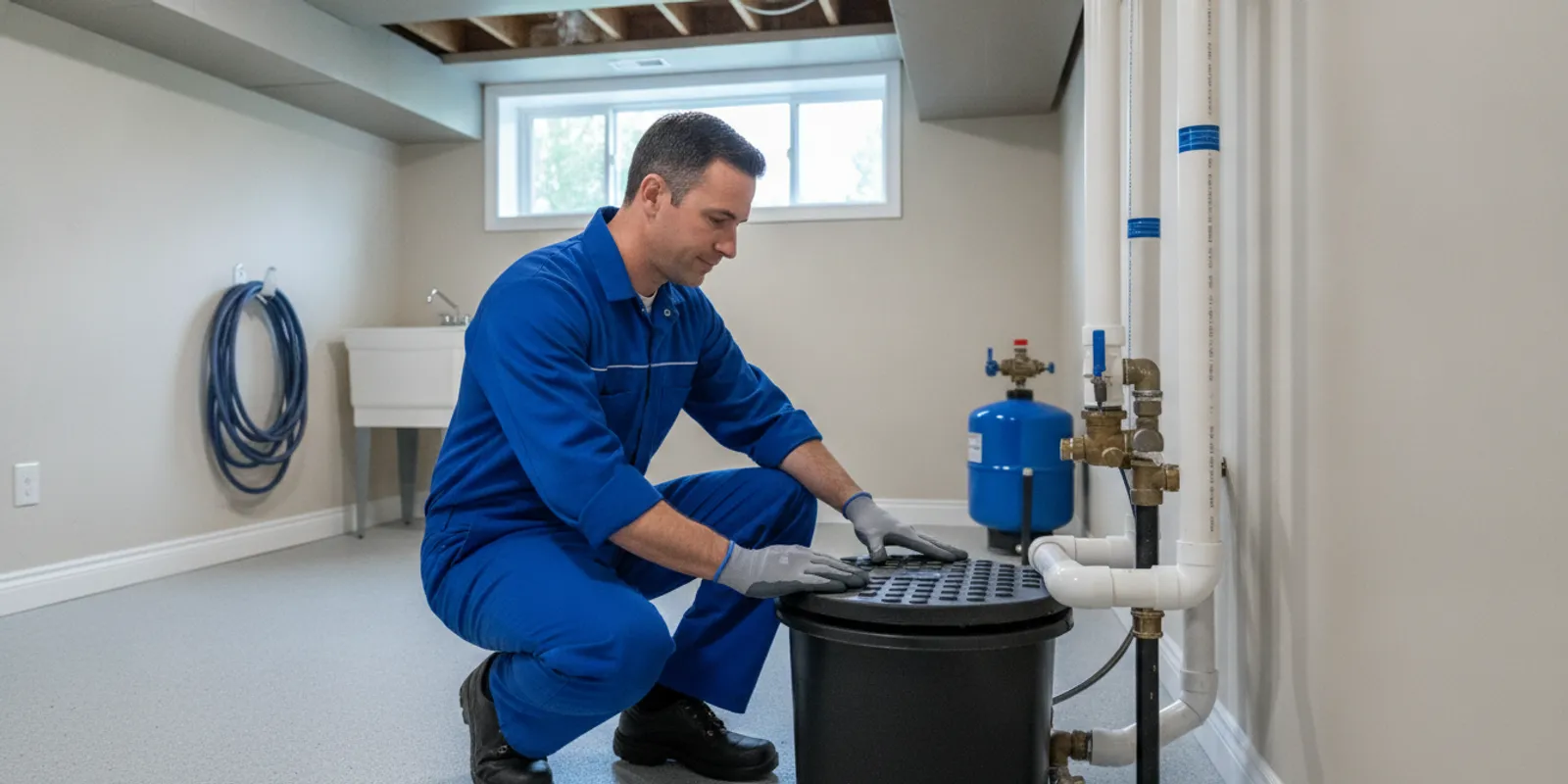

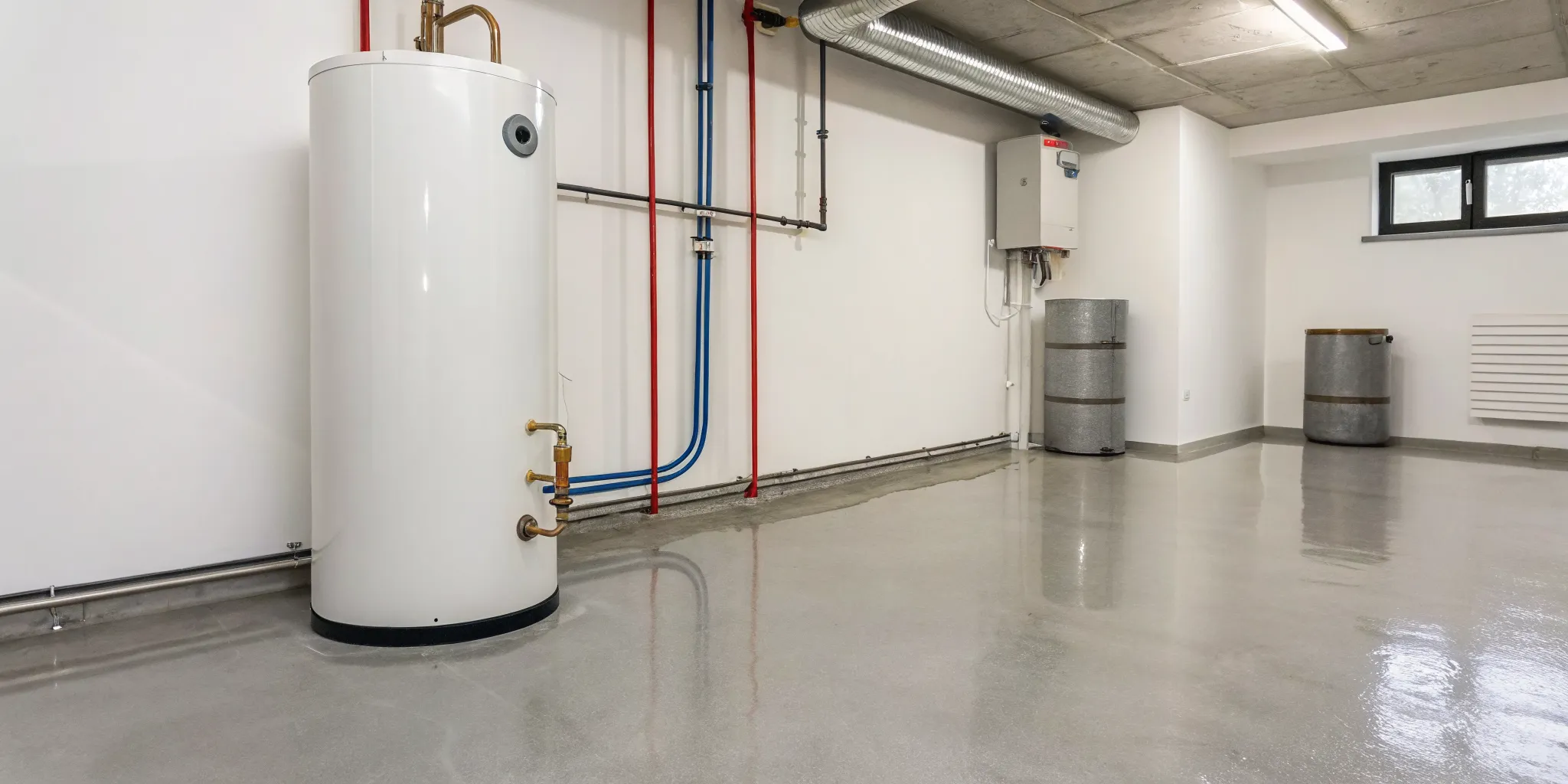
As a homeowner, you know that being proactive is always better than reacting to a disaster. You insulate your pipes for winter and clean your gutters in the fall, but what are you doing to prepare for a potential appliance failure? Your water heater is one of the most likely sources of a damaging leak in your home. That’s where a water heater dam comes in. This simple, effective barrier is designed to contain water at the source, preventing it from spreading and causing widespread damage. It’s a small investment that offers major protection. This article will walk you through your options, from store-bought solutions to DIY projects, so you can make the best choice for your home and your budget.
Key Takeaways
- Contain Leaks Before They Become Disasters: A water heater dam is a simple, inexpensive barrier placed around your unit. Its main job is to catch drips and small leaks, preventing water from spreading and causing expensive damage to your floors and home.
- Find the Right Fit for Your Home: You have options for protection, from building a custom DIY dam with wood and caulk to using a convenient, water-activated commercial product. The best choice depends on your space and whether you prefer a permanent or a flexible solution.
- A Dam Is a Signal to Act: If you find water contained by your dam, it has done its job by alerting you to a problem. This is a clear sign of a leak, so your next step should be to call a professional plumber to find and fix the source.
What Is a Water Heater Dam?
Let’s talk about a simple tool that can save you a major headache: the water heater dam. Think of it as a small, protective barrier you place around the base of your water heater. Its one job is to contain any leaks or spills, preventing water from spreading across your floor and causing serious damage to your home. While a water heater is a household workhorse, it can unfortunately fail, and when it does, it can release a lot of water. A dam is your first line of defense, catching the water before it becomes a disaster. It’s a straightforward and affordable way to protect your property and gain some valuable peace of mind.
How Does It Work?
The magic of a water heater dam is in its simplicity and rapid response. Most are designed to lie completely flat on the floor, so you barely notice they’re there. But the moment they come into contact with water, they spring into action. The material inside is super absorbent, and it quickly soaks up the liquid, swelling to form a sturdy, contained barrier. Some of these clever barriers can expand to over two inches high in just a few minutes. This creates a dam that holds the water in place, giving you precious time to shut off your water supply and call for help before a small leak turns into a full-blown flood.
Do You Need One?
If your water heater is in a basement, a finished attic, or a closet where a leak could damage floors and walls, a water heater dam is a very smart investment. It’s a small price to pay for protection against thousands of dollars in water damage. For homes in areas prone to flooding, it’s even more essential. A good practice is to place a separate dam around each major appliance, like your furnace and water heater, so a leak from one doesn’t affect the other. Taking this simple step can help you avoid costly emergency plumbing situations and gives you a buffer when the unexpected happens. It’s all about being prepared.
Signs Your Water Heater Is About to Leak
A water heater rarely fails without giving you a few warning signs. Catching these clues early can be the difference between a simple repair and a full-blown basement flood. If you want to stay ahead of a potential disaster, here are the key things to watch for.
First, take a look at the unit itself. Do you see any rust spots on the tank or moisture pooling on the floor around it? Even a small puddle is a red flag. Rust and corrosion mean the tank is breaking down from the inside out, and a leak could be just around the corner. If you find water, it’s time to call for emergency plumbing services before a small drip becomes a major problem.
Next, listen to your water heater. If you hear popping, rumbling, or crackling sounds, it’s not just an old appliance being noisy. These noises are often caused by sediment buildup at the bottom of the tank. This layer of mineral deposits can cause the unit to overheat, weaken the steel, and eventually lead to a leak. Regular water heater maintenance can help manage sediment, but persistent noises are a sign of trouble.
Also, pay attention to the water itself. If your hot water isn’t as hot as it used to be, or if it runs out quickly, the heating element could be failing. Rusty or discolored water coming from your hot taps is another sign that the inside of your tank is corroding. Finally, consider the age of your water heater. Most have a lifespan of 8 to 12 years. If yours is approaching that age, it’s wise to keep a close eye on it. If any of these signs sound familiar, it’s best to have a professional take a look at your options for repair or replacement.
Popular Water Heater Dams You Can Buy
If you’ve decided a water heater dam is right for your home, the next step is finding the perfect one. You can find several effective options online or at your local hardware store. These products are designed to be a first line of defense, giving you precious time to address a leak before it becomes a catastrophe. From water-activated barriers to simple frames, there’s a solution for every space and budget. Let’s look at some popular choices and what makes them effective.
A Look at Quick Dam
One of the most innovative options available is from a brand called Quick Dam. These aren’t your typical plastic barriers. Instead, they are flexible dams filled with a special absorbent material. When water touches them, they soak it up and swell to create a sturdy, contained barrier. A Quick Dam can grow up to 2.5 inches high in just a few minutes, making it a fast-acting solution for sudden leaks or spills. They are lightweight and easy to store, so you can keep them on hand and deploy them the moment you spot trouble. Their simple, effective design makes them a favorite for homeowners who want straightforward protection.
Other Brands and Options
While Quick Dam is a great choice, plenty of other brands offer similar solutions. You can find a variety of indoor water dams designed for different situations. Some are built specifically for containing spills from appliances, while others are more versatile, helping with everything from basement condensation to leaky windows. These products prove that you don’t need a major flood to justify having a water barrier. They are incredibly useful for managing smaller, everyday water issues that could otherwise lead to mold, mildew, or warped flooring. Having a few on hand is a smart move for any prepared homeowner.
What to Look For in a Water Heater Dam
When you’re shopping for a water heater dam, there are a few key features to keep in mind. First, consider its height and capacity. A good dam should be able to contain at least a few inches of water to give you enough time to shut off the supply. Second, think about installation. For semi-permanent dams, a proper seal is crucial. You’ll want to make sure the barrier is sealed tightly to the floor with caulk to prevent water from seeping underneath. If you’re unsure about creating a proper seal or choosing the right product, it’s always best to ask a professional. We can help you find and install the perfect solution for your home.
How to Build a DIY Water Heater Dam
If you’re comfortable with a weekend project and want to add an extra layer of security around your water heater, building your own dam is a solid option. It’s a hands-on way to protect your basement or utility closet from unexpected leaks. While it takes some effort, creating a custom barrier ensures it fits your space perfectly. The goal is to build a sturdy frame that can contain water long enough for you to notice a leak and take action, helping you avoid a call for emergency plumbing services. A well-built dam gives you peace of mind by creating a containment zone, directing water away from your floors and other appliances.
This project is about being proactive. A small leak can quickly turn into a major problem, causing structural damage and creating a perfect environment for mold. By building a dam, you’re giving yourself a crucial buffer. It’s a practical solution that can save you thousands in repairs down the line. Before you start, make sure you have the right materials and a clear plan. We’ll walk through everything you need to know to construct a reliable dam that stands guard over your water heater.
Materials for a DIY Dam
To build a sturdy dam, you’ll need a few key items from your local hardware store. Start with 2×6 pieces of wood to create a square frame around the base of your water heater. This wooden structure will be the backbone of your dam. Next, grab a good quality waterproof caulk. You’ll use this to seal the bottom of the wooden frame directly to the floor, which prevents water from seeping underneath. Finally, you’ll need rubber roof flashing. This material is essential for creating the waterproof barrier. The flashing should be attached to the top of the frame and extend several inches onto the floor, where it will also be sealed down with caulk to complete your containment system.
Step-by-Step Guide to Building Your Own
First, measure and cut your 2×6 wood pieces to create a snug square frame around your water heater, leaving a little space to work. The main goal is to build a barrier that can hold about four inches of floodwater away from your appliance. Once your frame is built, apply a generous bead of caulk along the bottom edge and press it firmly to the floor to create a watertight seal. Next, attach the rubber flashing to the top of the wooden frame, letting it drape over the side and onto the floor by four to five inches. Secure the edge of the flashing to the floor with another line of caulk. If you have other appliances nearby, like a furnace, consider building a separate dam for each one to isolate any potential leaks.
DIY vs. Store-Bought: Which Is Better?
Deciding between a DIY dam and a store-bought one comes down to your comfort level and time. A DIY dam is a great, cost-effective solution if you’re handy and want a custom fit. However, if you’d rather have a ready-made option, products like the Quick Dam Indoor Water Dam are designed to absorb leaks and spills. These are lightweight, easy to store, and swell on contact with water to form a barrier. The major downside is that many of these absorbent dams don’t work with salt water, or water containing high levels of calcium or chlorine. If you’re not sure which path to take or want a professional opinion on your home’s needs, exploring your plumbing service options can provide clarity and peace of mind.
Comparing Commercial Water Heater Dams
Once you decide to buy a water heater dam, you’ll find a few different options on the market. While they all serve the same basic purpose, they differ in a few key areas. Paying attention to features like absorption speed, durability, and cost will help you choose the right product to protect your home from unexpected leaks. Think of it as your first line of defense before you need to call for emergency plumbing services. Let’s break down what to look for.
Size and Absorption
When your water heater starts leaking, every second counts. That’s why a dam’s size and absorption rate are so important. Many commercial dams are compact and flat before use, making them easy to store. Once they come into contact with water, they activate. Some models can swell up to 2.5 inches high in as little as five minutes, creating a sturdy barrier that contains the spill. This rapid absorption is crucial for stopping water from spreading across your floors and causing serious damage while you take action.
Durability and Reusability
You want a dam that’s not only effective but also built to last. Most are designed to be lightweight before activation but become heavy and stable once they’ve absorbed water. A key feature to look for is whether the dam is designed to hold the water inside without leaking it back out. This ensures the mess stays contained. Some dams are single-use, but many are reusable. After a reusable dam has done its job, you can let it dry out completely and store it for the next time, making it a practical and long-lasting part of your home maintenance toolkit.
Cost and Where to Buy
Protecting your home from water damage doesn’t have to be expensive. Water heater dams are a very affordable preventive measure. You can often find them in multi-packs, with prices varying based on size and quantity. For example, a five-pack of four-foot dams might cost around $20, while a larger 30-pack could be about $120. You can easily purchase them directly from manufacturers or through major online retailers like Amazon. If you have questions about the best prevention strategies for your home, you can always contact us for professional advice.
Choose the Right Water Heater Dam
Picking the right water heater dam isn’t a one-size-fits-all situation. The best choice for your home depends on where your water heater is, the type of space it’s in, and how much protection you think you need. Thinking through these factors will help you find a solution that gives you real peace of mind and effectively protects your property from water damage. Let’s walk through how to select the perfect dam for your setup.
Assess Your Water Heater’s Location
First, take a good look at where your water heater lives. Is it tucked away in a corner of the basement next to your furnace? If your appliances are close together, it’s a smart move to build a separate dam for each one. This simple step ensures that if your water heater springs a leak, the contained water won’t spread and damage your furnace or other nearby systems. It’s a small bit of planning that isolates the potential problem and can save you from a much bigger, more expensive headache.
Indoor vs. Outdoor Setups
Most of us here in Metro Detroit have our water heaters indoors, usually in a basement, utility closet, or garage. For these common setups, you’ll want a dam designed specifically for indoor use. These are typically flexible, absorbent barriers, like indoor water dams, that are perfect for soaking up condensation and containing minor spills. While outdoor water heaters are rare in our climate, they would require a more rugged, weather-resistant solution. For our indoor spaces, the main goal is quick absorption to protect floors and walls.
Match the Dam to Your Risk Level
It’s important to be realistic about your home’s risk level. Is your water heater getting on in years? Is it located in a finished basement where even a small amount of water could ruin flooring and drywall? If you’re facing a higher risk, look for a high-performance water dam that activates instantly with water, often swelling to a few inches high in just minutes. If your only concern is minor condensation, a simpler dam will likely do the trick. Of course, a dam is a line of defense, not a repair. If you see signs of an active leak, it’s time to call for emergency plumbing right away.
Real Customer Reviews: The Pros and Cons
Theory is one thing, but hearing from people who actually use a product is where you get the real story. When it comes to water heater dams, homeowners have a lot to say, both good and bad. Looking at their experiences can help you decide if a dam is the right choice for your home and what to look out for before you buy.
What People Love
One of the biggest wins people talk about is energy efficiency. Many homeowners notice a real drop in their energy bills because the dam helps the tank retain heat, so the heater runs less often. Another major plus is the simple installation. Most users find the setup process is surprisingly straightforward, often taking less than an hour to complete. Finally, there’s the comfort factor. People love that hot water is available more quickly, which is a small but significant improvement for a busy family getting ready in the morning. It’s these practical, everyday benefits that make water heater dams a popular choice for many.
Common Complaints and What to Watch For
On the flip side, there are a few common issues to keep in mind. Some users have raised concerns about durability, finding that certain models wear out and lose their effectiveness over time. This makes it important to check the material quality before you buy. Sizing is another frequent problem; a dam that doesn’t fit your specific water heater model won’t work correctly, so always measure first. The initial cost can also be a hurdle for some. While a dam can lead to long-term savings, the upfront expense is something to consider. If you run into any of these issues or just want a professional opinion, our team is always here to help with your plumbing needs.
Will a Dam Fully Protect Your Home?
A water heater dam is an excellent tool for your home protection toolkit, but it’s important to have realistic expectations. Think of it as a crucial first line of defense, not an impenetrable fortress. While it can save you from a lot of headaches and costly repairs, it works best as part of a larger strategy for preventing water damage. Understanding its capabilities and limitations is key to using it effectively and keeping your home safe and dry.
What a Dam Can (and Can’t) Do
Water dams are designed to be highly absorbent barriers that swell on contact with water, containing leaks and spills right at the source. They are fantastic for catching slow drips from your water heater, condensation from pipes, or even minor overflows from other appliances. You can place them around the base of a water heater or in a doorway to stop water from spreading. However, a dam has its limits. It can’t stop a catastrophic failure like a burst tank or a major pipe break. It’s a tool for containment and mitigation, buying you valuable time to address the root cause of the leak before it turns into a disaster.
Proper Placement and Maintenance
Where you place your dam is just as important as having one. For it to work, it needs to form a complete barrier around the potential leak source. If you have a furnace and a water heater side-by-side, it’s wise to give each appliance its own dam. This prevents a leak from one appliance from damaging the other. For DIY dams, sealing the frame to the floor with caulk is essential to stop water from seeping underneath. For commercial products, always follow the manufacturer’s instructions. A poorly placed dam won’t contain much, so taking a few extra minutes to get it right makes all the difference.
More Ways to Prevent Water Damage
A water heater dam is just one piece of the puzzle. To truly protect your home, consider other preventative measures. Regular maintenance of your home’s plumbing system is the best way to stop problems before they start. This includes having your sump pump inspected to ensure it’s ready for heavy rain. In our chilly Detroit winters, proper pipe insulation is also non-negotiable to prevent frozen and burst pipes. Combining these strategies with a water dam creates multiple layers of defense, giving you peace of mind that you’re prepared for a potential leak.
Know When to Call a Plumber
If you find your water dam has activated and absorbed water, don’t just dry it out and put it back. It did its job by alerting you to a problem. A leak, no matter how small, is a clear signal that something is wrong with your water heater or plumbing. This is your cue to call a professional. Ignoring the warning sign can lead to a much bigger, more destructive failure down the road. If you see water in your dam, contact us for an inspection. We can find the source of the leak and provide a lasting solution, whether it’s a simple fix or a full emergency plumbing repair.
Related Articles
- 6 Signs You Need Water Heater Repair Now
- Water Heater Leak? Here’s What to Do Right Now
- How to Repair an Instant Water Heater: A DIY Guide
- Water Heater Installation: A Step-by-Step Guide
Frequently Asked Questions
What should I do if I find water in my dam? Finding water in your dam means it has done its job by alerting you to a leak. The first thing you should do is shut off the water supply to your water heater to prevent further damage. Then, give a professional plumber a call. A leak is a clear sign that something needs attention, and ignoring it could lead to a much bigger problem. Think of the dam as your early warning system, and the water inside as your signal to act.
Is a water heater dam the same thing as a drain pan? That’s a great question, and no, they are different tools for different situations. A drain pan is a passive tray placed under the water heater that is connected to a drain line to channel water away. A water dam, especially an absorbent one, is an active barrier. It lies flat until it detects water, then it swells to create a contained barrier, stopping the water from spreading. A dam is often easier to install in existing setups and is excellent for catching leaks before they become a flood.
Can I reuse a water dam after it gets wet? It depends on the type you buy. Some dams are designed for single use, so once they’ve absorbed water, you’ll need to dispose of them. However, many popular models are reusable. After they have contained a spill, you can let them air dry completely over several days until they return to their original flat state. Once dry, you can put them back in place, ready to protect your home again. Always check the product’s packaging to confirm if it is reusable.
How do I choose between building a dam and buying one? Choosing between a DIY and a store-bought dam really comes down to your comfort level and time. Building your own with wood and rubber flashing is a great weekend project if you’re handy and want a permanent, custom-fit solution. If you prefer a quicker, more flexible option, a commercial dam like a Quick Dam is ready to go right out of the package. These are lightweight, easy to place, and require no tools, making them a simple and effective choice for immediate protection.
Will a dam actually stop a major flood from my water heater? A water dam is designed to contain minor to moderate leaks, giving you precious time to notice the problem and shut off the water. It is an excellent tool for preventing a small drip from ruining your floors and walls. However, it is not designed to stop a catastrophic failure, like a tank bursting and releasing dozens of gallons of water all at once. Its main purpose is mitigation and early detection, not stopping a full-blown disaster on its own.