

The thought of replacing a sewer line usually brings images of backhoes and a yard that’s torn up for weeks. But what if you could get a brand-new, durable pipe without all that destruction? That’s the power of trenchless sewer replacement. This game-changing technique fixes your sewer line from the inside out, often in a single day. By using small access points, it leaves your lawn, patio, and driveway completely intact. It’s a cleaner, faster, and smarter solution that creates a new, seamless pipe right inside the old one—the go-to for savvy homeowners.
Key Takeaways
- Fix Your Sewer Without Ruining Your Yard: Trenchless technology repairs your sewer line from underground, saving your lawn, driveway, and landscaping from destructive digging. The process is also much faster than traditional methods, often finishing in just one day.
- A Camera Inspection Is the Essential First Step: This method isn’t a fit for every situation, especially if the original pipe has already collapsed. A professional camera inspection is the only way to confirm if trenchless repair is a viable and effective option for your home.
- Understand the Full Cost to See the Real Value: While a trenchless estimate might seem higher at first, it saves you thousands in restoration costs later. You’re investing in a durable, long-lasting solution that avoids the hidden expenses of rebuilding your property.
What is Trenchless Sewer Replacement?
The thought of replacing a sewer line often brings up images of a giant trench cutting through your beautiful lawn, driveway, or garden beds. For years, that was the only way to do it. Thankfully, plumbing technology has come a long way. Trenchless sewer replacement is a modern, less invasive method for fixing or replacing underground pipes without the need for extensive excavation. Instead of digging up your entire yard, this technique allows professionals to access and repair your sewer line from just one or two small access points.
This approach is a game-changer for homeowners. It means your carefully curated landscaping, patio, and driveway can remain intact. The process is cleaner, faster, and far less disruptive to your daily life than traditional methods. By using specialized equipment, we can solve major sewer problems, like cracks, blockages, or root intrusion, from below the surface. It’s an efficient and effective way to get a brand-new sewer line without the mess and headache of a major digging project, making it one of the most popular plumbing solutions we offer.
How Does Trenchless Technology Work?
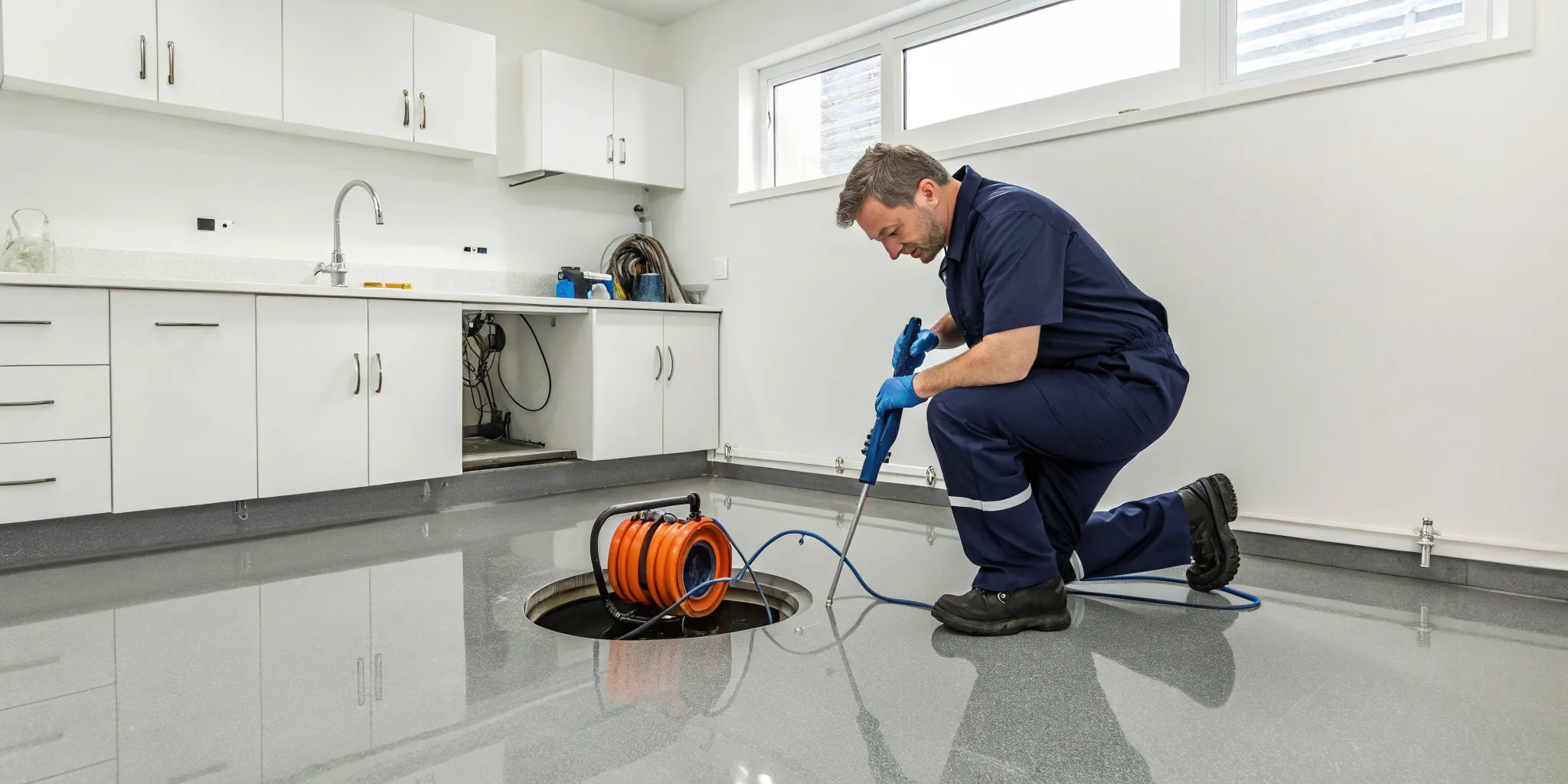
So, how do we replace a pipe without actually digging it up? It might sound like magic, but it’s a straightforward process. First, our technicians perform a camera inspection to get a clear look at the inside of your sewer line and pinpoint the exact location and nature of the problem. Once we have a diagnosis, we clear out any blockages or debris from the old pipe.
Next, we insert a flexible, resin-coated liner into the damaged pipe. This liner is inflated, pressing it against the walls of the existing pipe. The resin then cures and hardens, essentially creating a brand-new, seamless pipe right inside the old one. This new pipe is incredibly durable, corrosion-resistant, and has no joints, which eliminates weak spots where roots can enter. The entire job is often completed in a day, restoring your plumbing with minimal fuss.
Pipe Bursting vs. Pipe Lining: What’s the Difference?
“Trenchless” actually covers a couple of different techniques, but the two most common are pipe lining and pipe bursting. The method we choose depends on the condition of your existing sewer line.
Pipe lining, also known as Cured-in-Place Pipe (CIPP), is the process I just described. It’s ideal when the existing pipe is still structurally sound but has cracks, leaks, or root intrusion. It effectively creates a new pipe within the old one.
Pipe bursting is used when the original pipe is too damaged or collapsed to be lined. With this method, we pull a new, high-density polyethylene pipe through the old one while simultaneously fracturing the old pipe outward. It’s a powerful way to replace a severely compromised line without digging a trench. A quick professional consultation can help determine which approach is the perfect fit for your home.
Why Go Trenchless? The Top Benefits
When you hear “sewer replacement,” you probably picture a giant trench running through your front yard, destroying your landscaping and driveway in the process. For years, that was the only option. Thankfully, trenchless technology offers a modern alternative that solves your sewer problems without turning your property into a construction zone. This no-dig approach has become a go-to for savvy homeowners for a few key reasons.
Instead of excavating your entire sewer line, trenchless methods use small, targeted access points to repair or replace the pipe from the inside. It’s a cleaner, smarter way to handle a tough job. If you’re looking for a solution that respects your home and your time, it’s worth understanding the significant advantages that trenchless replacement brings to the table. From saving your lawn to providing a durable, long-term fix, the benefits are hard to ignore.
Say Goodbye to a Torn-Up Lawn
The most immediate and obvious benefit of trenchless sewer replacement is that it leaves your yard intact. Traditional sewer repair requires digging a long, deep trench from your house to the street, which means tearing up your lawn, garden beds, walkways, and even your driveway. With trenchless methods, our team can access the damaged pipe through a couple of small entry points. This means your beautiful landscaping and hardscaping are preserved. You won’t have to spend extra time and money on costly restoration work after the plumbing job is done. It’s a less invasive approach that protects the property you’ve worked so hard to maintain.
Get Your Plumbing Back to Normal, Faster
A major sewer line issue can bring your entire household to a halt. The last thing you want is a repair that drags on for days or even weeks. Because trenchless replacement doesn’t involve extensive excavation, the entire process is significantly faster. In many cases, the job can be completed in a single day, compared to the several days required for traditional methods. This means less downtime for your plumbing system and a quicker return to your normal routine. When you’re facing a plumbing crisis, getting a fast and effective emergency plumbing solution minimizes stress and inconvenience for your family.
Comparing Timelines: Days vs. a Week
When you’re facing a major plumbing repair, the timeline isn’t just a number—it’s a measure of how long your life will be turned upside down. Traditional methods, with all their heavy machinery and excavation, can be a lengthy ordeal. In fact, conventional sewer line repairs can take up to a week to complete, often leaving your home without running water during that entire time. That’s a significant disruption to your family’s routine, turning a plumbing problem into a week-long headache that affects everything from morning showers to doing the dishes.
This is where trenchless sewer replacement really shines. It’s designed to be incredibly efficient, allowing our team to complete the entire repair in as little as one day. By using small access points and specialized equipment, we avoid the time-consuming process of digging a massive trench. This approach not only speeds up the job but also dramatically reduces the overall disruption to your home and yard. If you’re looking for a fast and effective fix, you can contact us to see how quickly we can solve your sewer line issues.
Choosing trenchless technology means you can get your plumbing back to normal with minimal hassle. Instead of planning your life around a week-long construction project, you can have a durable, long-lasting solution in a fraction of the time. It’s a smart choice for any homeowner who wants to avoid the stress and inconvenience of a prolonged repair, letting you get back to what matters most without the wait.
A Repair That’s Built to Last
Trenchless replacement isn’t just a quick fix; it’s a high-quality, long-term investment in your home’s plumbing system. The new pipe lining materials used in this process are incredibly durable and seamless. This creates a smooth, joint-free pipe that resists corrosion, rust, and tree root intrusion—some of the most common causes of sewer line failure. These modern pipes are designed to last for 50 years or more, giving you peace of mind that you won’t be dealing with the same problem again anytime soon. When you contact us for a trenchless replacement, you’re getting a reliable solution that stands the test of time.
Are There Any Downsides to Trenchless Repair?
Trenchless sewer replacement often sounds like a dream come true, and for many homeowners, it absolutely is. The idea of fixing a major plumbing issue without turning your beautiful lawn into a construction site is incredibly appealing. But it’s not a magic wand for every single sewer problem. Like any specialized home repair, it has its own set of limitations and potential drawbacks that are just as important to understand as the benefits. Being realistic about what trenchless technology can and can’t do will help you have a much more productive conversation with your plumber and make the right choice for your home, your property, and your budget.
It’s easy to get excited about the pros, but a smart decision comes from looking at the full picture. The success of a trenchless repair is highly dependent on specific conditions, starting with the state of your existing pipes. The upfront investment can also be a significant factor, and it’s crucial to weigh that against the long-term value. Furthermore, this is not a job for a general handyman; it requires specialized equipment and a high level of expertise. An incorrect assessment or flawed installation can lead to failure, potentially leaving you back at square one. We believe in giving you all the information—the good and the not-so-good—so you can feel confident moving forward.
When Trenchless Repair Won’t Work
The biggest limitation of trenchless repair is the condition of your existing sewer line. Methods like pipe lining need a host pipe to work—if the original pipe is completely collapsed or has severe sags (known as “bellies”), there’s simply nothing left to line. In these cases, the damage is too extensive, and a traditional excavation is often the only way to solve the problem. Similarly, if the pipe has significant joint damage or is made of certain older materials, it might not be a good candidate. A thorough camera inspection is crucial to determine if your pipes are stable enough for a trenchless solution, especially in an emergency plumbing situation.
When Traditional Digging Is the Better Option
While trenchless technology is a fantastic solution, it isn’t a one-size-fits-all fix. There are times when the traditional method of digging a trench is not just the better option—it’s the only responsible one. This is the case when a sewer line has completely collapsed or developed a severe “belly,” which is a sag in the pipe that disrupts flow and collects debris. In these scenarios, the original pipe is too damaged to act as a host for a new liner. Trying to force a trenchless repair here would be like trying to build on a crumbling foundation; it’s a short-term patch that’s bound to fail. A full excavation allows a professional to completely remove the compromised section and install a brand-new pipe with the proper grade and support. This ensures your system works correctly and reliably, which is critical when you’re dealing with an emergency plumbing situation.
A Look at the Upfront Cost
While trenchless replacement saves you from costly landscape repairs, the initial price tag can sometimes be higher than traditional digging. The process requires specialized equipment and highly trained technicians, which can be reflected in the quote. It’s also important to consider that, while rare with experienced professionals, the repair can fail. If that happens, you might face the cost of a traditional replacement on top of the initial investment. This is why it’s so important to work with a trusted, family-owned company that stands by its work. We believe in transparency and providing cost-effective, reliable solutions that last, which is central to our customer-first approach.
Dealing with Tight Spaces or Limited Access
“Trenchless” doesn’t mean “no digging at all.” The process still requires small access pits at the beginning and end of the damaged pipe section. If your property layout is tight or has extensive hardscaping like patios and retaining walls, creating these access points can be challenging or even impossible. The success of the repair also hinges entirely on the skill of the crew. An incorrect diagnosis or improper installation can lead to major problems down the road. That’s why it’s essential to have a professional assess your specific situation to see if trenchless is truly feasible. If you have concerns, it’s always best to schedule an inspection with an experienced team.
How Much Does Trenchless Sewer Replacement Cost?
Let’s talk about the bottom line. When you’re facing a major plumbing repair, the cost is understandably a top concern. Trenchless sewer replacement is a significant investment in your home’s infrastructure, and the price can vary quite a bit. Unlike a simple faucet fix, there isn’t a one-size-fits-all price tag. The final cost depends on several unique factors specific to your property and the condition of your pipes.
The good news is that while the upfront quote for trenchless methods might seem higher than some traditional estimates, it often proves to be more cost-effective in the long run. Why? Because the price typically includes the entire job from start to finish, without the hidden costs of rebuilding your yard, driveway, or patio. When you get a quote, you’re not just paying for a new pipe; you’re paying for a solution that keeps your landscape intact. We believe in transparent pricing and will walk you through every line item, so you know exactly where your money is going.
Trenchless vs. Traditional: A Price Comparison
When you compare quotes, it’s crucial to look at the whole picture. Trenchless replacement often runs from $55 to $250 per foot. For a typical repair, this could land somewhere between $1,100 and $5,000. On the other hand, traditional dig-and-replace methods might start with a lower initial quote for the plumbing work itself. However, they don’t include the thousands of dollars you’ll spend on post-project restoration. Once you factor in the cost of excavation, repairing your lawn, fixing concrete, and rebuilding flower beds, the total for a traditional repair can easily climb to between $12,000 and $25,000. Trenchless methods help you avoid those massive secondary expenses.
What Affects the Final Price?
Several key factors will shape your final quote. The length and diameter of the pipe are the most obvious, but the condition of the existing line is just as important. If the pipe is severely damaged or has completely collapsed, it can make the job more complex. The specific trenchless method used—whether it’s pipe bursting or pipe lining—also affects the price. Finally, any necessary prep work, like a thorough camera inspection or hydro jetting to clear the line, will be included in the cost. To get a clear and accurate number for your home, the best step is to get in touch with a professional for a detailed inspection and estimate.
Financial Risks and Long-Term Considerations
Investing in a trenchless sewer replacement is a major decision, and being a savvy homeowner means looking at the full financial picture. Beyond the initial quote, it’s important to think about the long-term value and potential risks. A trustworthy plumber will always be upfront about these considerations, ensuring you have all the information you need to feel confident. Weighing the upfront investment against the durability and peace of mind it offers is key. Factors like warranties, the possibility of a failed repair, and hidden costs like permits all play a role in determining the true value of the project for your home.
The Potential for Failed Linings
It’s important to be realistic: trenchless repair is a highly effective technique, but it’s not foolproof. In rare cases, a pipe lining can fail, especially if the job isn’t handled by an experienced crew. If this happens, you could find yourself in a tough spot, potentially having to pay for the failed attempt and then again for a traditional excavation. This is precisely why the expertise of the team you hire is non-negotiable. Choosing a company with a proven track record and a commitment to quality workmanship, like our team at Mr. Pipey, dramatically reduces this risk and ensures your investment is protected from the start.
Warranties and Permit Costs
On the flip side of risk is the incredible long-term security that trenchless replacement offers. The new, seamless pipe is designed to be incredibly durable, won’t rust, and often comes with a warranty of up to 50 years. This is a lasting fix that provides decades of peace of mind. However, it’s also important to account for all potential costs. Depending on where the repair is located, you may need permits to do any work that affects a public sidewalk or street, and these can be surprisingly expensive. We make sure to discuss all these factors with you upfront so there are no surprises along the way.
Is It Time to Replace Your Sewer Line?
Sewer line problems are some of the most stressful issues a homeowner can face. Because the pipes are buried underground, it’s not always obvious when trouble is brewing. But your home will give you clues. Paying attention to these early warnings can help you catch a major problem before it leads to a messy and expensive disaster. If you notice several of these signs, it’s probably time to call in a professional to see what’s happening with your sewer line.
Understanding Your Home’s Sewer Line
Before you can decide on the right repair, it helps to know a little about what’s going on underground. Your home’s sewer line is the main artery of your plumbing system, responsible for carrying all the wastewater away from your house. It’s out of sight, so it’s usually out of mind—until something goes wrong. Understanding the basics of its construction and the common issues it faces can help you spot trouble early and have a more informed conversation with your plumber. It’s not about becoming an expert overnight, but about knowing enough to protect your home and make smart decisions when it matters most.
Common Pipe Materials and Problems
Most sewer lines, especially in established areas like Metro Detroit, are made from durable materials like cast iron, clay, or concrete. While built to last, they aren’t invincible. Over decades, these pipes face a constant battle against buildup from grease and waste, corrosion from minerals in the water, and the immense pressure of the surrounding soil. One of the biggest culprits we see is root intrusion, where tree roots find their way into tiny cracks in the pipe, causing blockages and eventually breaking the line apart. These issues can lead to slow drains, backups, and eventually, a complete system failure, which is why addressing them is a core part of our comprehensive plumbing solutions.
Minor Clogs vs. Major Damage
It’s important to know the difference between a simple clog and a sign of major sewer line damage. A single slow drain in a sink or shower is often just a minor clog that can be cleared with standard tools or hydro-jetting. However, if you’re experiencing recurring backups, multiple fixtures clogging at once, or strange gurgling sounds from your toilets, you’re likely dealing with a bigger problem in the main line. These are symptoms of more serious issues like cracks, heavy rust, or severe root damage that require professional repair. This distinction is critical because a trenchless repair like pipe lining needs a stable host pipe to work. If the pipe has already collapsed, a different approach will be needed, which is why a camera inspection is always the first step in any emergency plumbing situation.
Don’t Ignore These Red Flags
Your sewer line works hard, but it doesn’t last forever. Older pipes, often made of cast iron or clay, can break down over time from corrosion, cracks, or pressure from the soil above. One of the most common culprits is tree roots, which can sneak into tiny openings and cause massive blockages.
You might notice several drains in your house are slow, hear gurgling noises from your toilets, or smell sewage in your yard or basement. Frequent backups are another huge red flag. These issues happen when the line is no longer clear, causing wastewater to back up into your home. Ignoring them can lead to serious property damage and health hazards.
Why a Professional Inspection Is a Must
When you suspect a sewer line issue, trying to diagnose it yourself is a risky move. Sewer problems are complex and require an expert eye to identify the true source of the trouble. A professional plumber can perform a camera inspection, sending a small, high-resolution camera down the pipe to see exactly what’s going on. This takes all the guesswork out of the equation.
This step is critical because the right solution depends entirely on the specific problem. Is it a simple clog, or are the pipes collapsing? A professional diagnosis ensures you get the correct repair, whether it’s a trenchless replacement or another solution. If you’re dealing with backups or other urgent signs, calling for emergency plumbing services is the safest and most effective way to protect your home.
How to Hire the Right Trenchless Contractor
Choosing the right repair method is only half the battle; finding the right professional to do the work is just as crucial. Trenchless sewer replacement is a specialized field that requires specific equipment and a high level of expertise. The contractor you hire will determine the quality and longevity of your new sewer line, so it’s a decision worth taking your time on. A great plumber will not only have the technical skills but will also act as a trusted partner, guiding you through the process and ensuring you feel confident in your investment. Think of it as hiring a specialist for a critical part of your home’s health—you want someone with a proven track record and a commitment to getting it right.
What to Look for in a Plumbing Pro
When you’re searching for a contractor, experience should be at the top of your list. Trenchless sewer repair requires more skill than traditional digging, so you’ll want a team that has successfully completed many of these projects. They need to correctly diagnose the problem with your sewer line, often using camera inspections to get a clear picture of the damage. Always hire a plumbing company you trust, one that is transparent about the process and your options. Look for local professionals with deep roots in the community and a reputation for standing by their work. They should be licensed, insured, and happy to provide references from other homeowners in the Metro Detroit area.
Questions to Ask Before Making a Decision
Before you sign any contracts, it’s important to ask a few key questions to make sure you’re hiring the right team for the job. This conversation will tell you a lot about their expertise and customer service approach.
Start with these questions:
- Is trenchless repair the best solution for my specific problem? A good contractor will confirm if this method is suitable for your pipe material, the type of damage, and your property’s layout.
- Can you provide a detailed, itemized quote? Ask for a breakdown that includes labor, materials, permits, and any potential costs for restoring landscaping or pavement.
- What is your experience with this type of work? Don’t be shy about asking how many trenchless replacements they’ve performed.
- What warranties do you offer on materials and workmanship? A reliable company will stand behind their work with a solid guarantee.
Having these answers will help you make an informed decision. If you’re ready to discuss your project, feel free to reach out to our team with your questions.
What to Expect During the Replacement
Knowing what’s coming can make a big project like a sewer line replacement feel much more manageable. Once you’ve decided that a trenchless repair is the right move for your home, the process is actually quite straightforward and designed to minimize disruption to your daily life. Our team at Mr. Pipey handles everything from the initial inspection to the final checks, ensuring the job is done right and your property is respected every step of the way. We believe in clear communication, so we’ll walk you through each phase, answer all your questions, and make sure you’re comfortable before we begin. The goal is to get your plumbing system back in top shape quickly and efficiently, so you can get back to normal without the stress of a torn-up yard.
Your Trenchless Project: A Step-by-Step Guide
The first thing we’ll do is perform a detailed camera inspection to get a clear picture of the problem inside your existing sewer line. This lets us pinpoint the exact location and extent of the damage. After clearing any blockages, we’ll use a method called Cured-in-Place Pipe (CIPP) lining. We insert a flexible, resin-coated liner into the old pipe from a small access point. Once it’s in place, we inflate the liner so it presses against the walls of the original pipe. The resin then cures and hardens, creating a brand-new, seamless pipe right inside the old one. This new pipe is incredibly durable and joint-free, which prevents future root intrusion and leaks. The entire process is one of our most effective plumbing solutions.
How to Care for Your New Sewer Line
Your new trenchless sewer line is built to last, but a little preventative care will go a long way in protecting your investment. The most important thing you can do is be mindful of what goes down your drains. Avoid flushing anything other than toilet paper and human waste. It’s also wise to steer clear of harsh chemical drain cleaners, as they can damage the new pipe lining over time. If you notice a slow drain, don’t wait for it to become a major clog. Acting quickly can prevent bigger problems down the road. For persistent issues or routine maintenance, it’s always best to call a professional instead of attempting a DIY fix. If you ever suspect a problem, our emergency plumbing services are here to help keep your system flowing smoothly.
Homeowner Responsibilities for Sewer Laterals
It’s a common misconception, but your responsibility for your home’s plumbing doesn’t end at your foundation. As a homeowner, you are in charge of maintaining the sewer line—often called the sewer lateral—that runs from your house all the way to the city’s main connection under the street. This means that if that pipe cracks, gets clogged with roots, or collapses, the responsibility for the repair falls on you. Understanding this is the first step in tackling any sewer issue. Regular maintenance and timely repairs are key to preventing a small problem from turning into a major, messy backup. Knowing where your responsibility lies helps you make proactive decisions about your home’s plumbing solutions and protect your property from unexpected damage.
Tips for Long-Term Pipe Health
Once your new trenchless pipe is installed, you’ve made a fantastic long-term investment. To make sure it lasts for decades to come, it’s important to adopt a few pipe-friendly habits. Be mindful of what you send down your drains—avoid pouring grease, coffee grounds, and harsh chemical cleaners down the sink, and only flush toilet paper. It’s also a great idea to schedule regular check-ups and cleanings. This preventative care helps catch potential clogs or other issues before they become serious problems. For routine maintenance, it’s always best to contact a professional instead of attempting a DIY fix. Taking these simple steps will help protect your new sewer line and ensure it continues to function perfectly for years.
Is Trenchless Replacement the Right Choice for You?
Deciding on a major home repair like a sewer line replacement can feel overwhelming. Trenchless technology offers a compelling alternative to traditional digging, but it’s important to weigh the benefits against your specific situation. By looking at the long-term value and understanding when it’s the best fit, you can make a confident choice for your home and your budget. It’s all about having the right information to feel good about your decision.
Is It a Good Long-Term Investment?
When you’re looking at the numbers, it’s helpful to think beyond the initial quote. Trenchless sewer replacement is a modern approach that fixes pipes without having to dig a large trench across your yard. While the cost of the repair itself can be similar to traditional methods, the real savings come from what you don’t have to pay for later. Think about it: no costs for re-sodding your lawn, repaving your driveway, or rebuilding a patio. Plus, the materials used in trenchless repairs are incredibly durable, often lasting for 50 years or more. This isn’t just a quick fix; it’s a long-term investment in your property’s plumbing and peace of mind.
Making the Right Call for Your Property
Sewer problems are serious and definitely not a DIY project. The first step is always to get a professional opinion. While trenchless repair is a fantastic solution for many homeowners, it isn’t suitable for every situation. For example, if a pipe is severely damaged or has completely collapsed, there might not be enough of the original pipe left for a trenchless method to work. That’s why a thorough inspection from a trusted plumber is so important. An expert can assess the condition of your sewer line and determine if trenchless is a viable option. Getting a clear picture of the problem helps you avoid paying for a repair that might fail, ensuring you choose the most effective and lasting solution for your home. If you’re facing a plumbing issue, you can always contact our team for an honest assessment.
Frequently Asked Questions
How long does a trenchless sewer repair usually take? One of the best parts of this technology is how quickly it works. While traditional sewer replacements can take several days and leave your plumbing out of commission, most trenchless repairs are completed in just a day. This means less disruption to your routine and a faster return to a fully functional home.
Will my yard be completely torn up? Not at all. This is the primary reason so many homeowners choose a trenchless solution. Instead of digging a long trench from your house to the street, the process only requires one or two small access points. Your lawn, garden, driveway, and patio remain safe and sound, saving you the headache and expense of major landscape restoration.
Is trenchless repair always more expensive upfront? Sometimes the initial quote for a trenchless repair can be higher than a traditional one, but it’s important to look at the total cost. A traditional quote doesn’t include the thousands of dollars you’d have to spend later to fix your lawn, repair your driveway, or rebuild a walkway. When you factor in those restoration costs, trenchless methods are often the more cost-effective choice overall.
What happens if my old pipe is completely collapsed? This is a great question, as trenchless repair isn’t a one-size-fits-all solution. If a pipe is severely crushed or has a major sag, pipe lining won’t work because it needs a host pipe to form against. In these cases, a different method like pipe bursting might be an option, or a traditional excavation may be necessary. A professional camera inspection is the only way to know for sure which solution is right for your home.
How can I be sure this new pipe will last? The materials used in trenchless replacement are incredibly advanced and durable. The seamless liner that is installed is resistant to corrosion and, most importantly, has no joints. This eliminates the weak spots where tree roots typically invade and cause blockages. These modern pipes are designed to last for 50 years or more, making this a reliable, long-term investment in your home.