
Let’s clear up a common myth: trenchless sewer repair is not always the most expensive option. Many homeowners get sticker shock from an initial quote without realizing what they’re saving on. A traditional dig-and-replace estimate won’t include the thousands of dollars you might spend restoring your property after the plumbers leave. When you factor in the cost of landscaping, hardscaping repairs, and the sheer time saved, the numbers start to look very different. This article will break down the real factors that determine the trenchless sewer line replacement cost, helping you see beyond the myths and understand the incredible long-term value it provides.
Last updated: June 2026
Key Takeaways
- Factor in restoration costs to see the true value: Trenchless repair often proves more affordable than traditional methods because you avoid the significant expense of rebuilding your landscaping, driveway, or patio after the job is done.
- Your pipe’s condition determines the right solution and price: The final cost depends on factors like pipe length and the extent of the damage. Minor cracks might only need a simple liner, while a collapsed pipe requires a more involved method like pipe bursting.
- A camera inspection is non-negotiable for an accurate quote: Before agreeing to any work, ensure your plumber performs a camera inspection to diagnose the exact problem. This is the only way to get a transparent, itemized estimate and avoid surprise fees.
What Is Trenchless Sewer Repair?
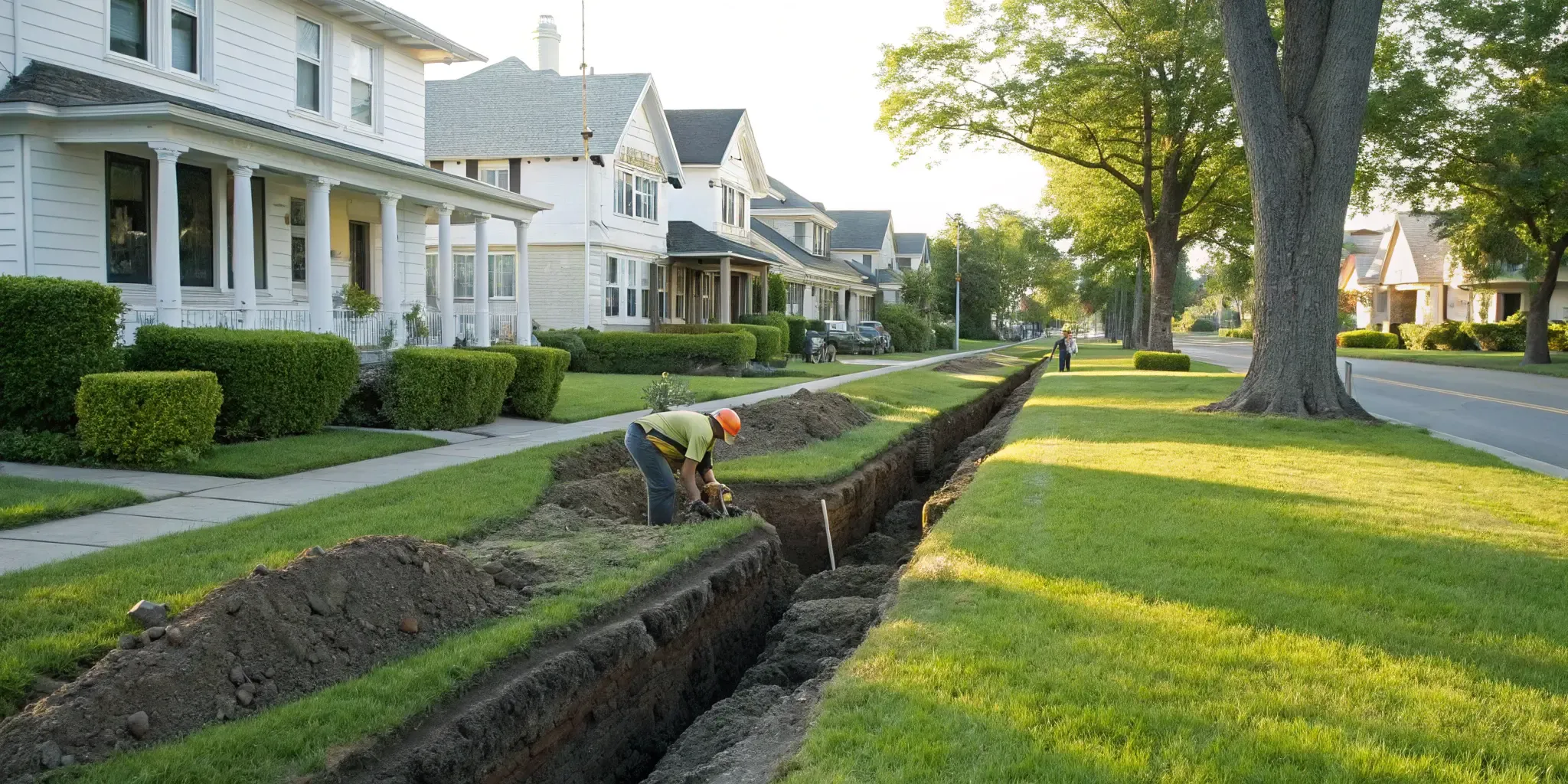
Dealing with a sewer line problem is stressful enough without picturing your beautiful lawn getting torn up by heavy machinery. For years, the only solution was to dig a massive trench from your house to the street just to access the damaged pipe. Thankfully, there’s a much better way. Trenchless sewer repair is a modern approach that allows us to fix or replace underground pipes with minimal digging. It’s a less invasive, more efficient method that solves the problem without destroying your yard, driveway, or garden beds.
Think of it as surgery for your pipes. Instead of a huge, open incision, we use small, strategic access points to get the job done. This technique is perfect for fixing all sorts of common issues, like cracks from shifting soil, leaks, blockages from invasive tree roots, and general deterioration from age. By using advanced technology, we can restore your sewer line’s function and give you a durable, long-lasting solution that’s built to last for decades. It’s one of the most popular plumbing services we offer because it saves homeowners time, money, and the major headache of landscape restoration.
How Does It Work Without Digging Up Your Yard?
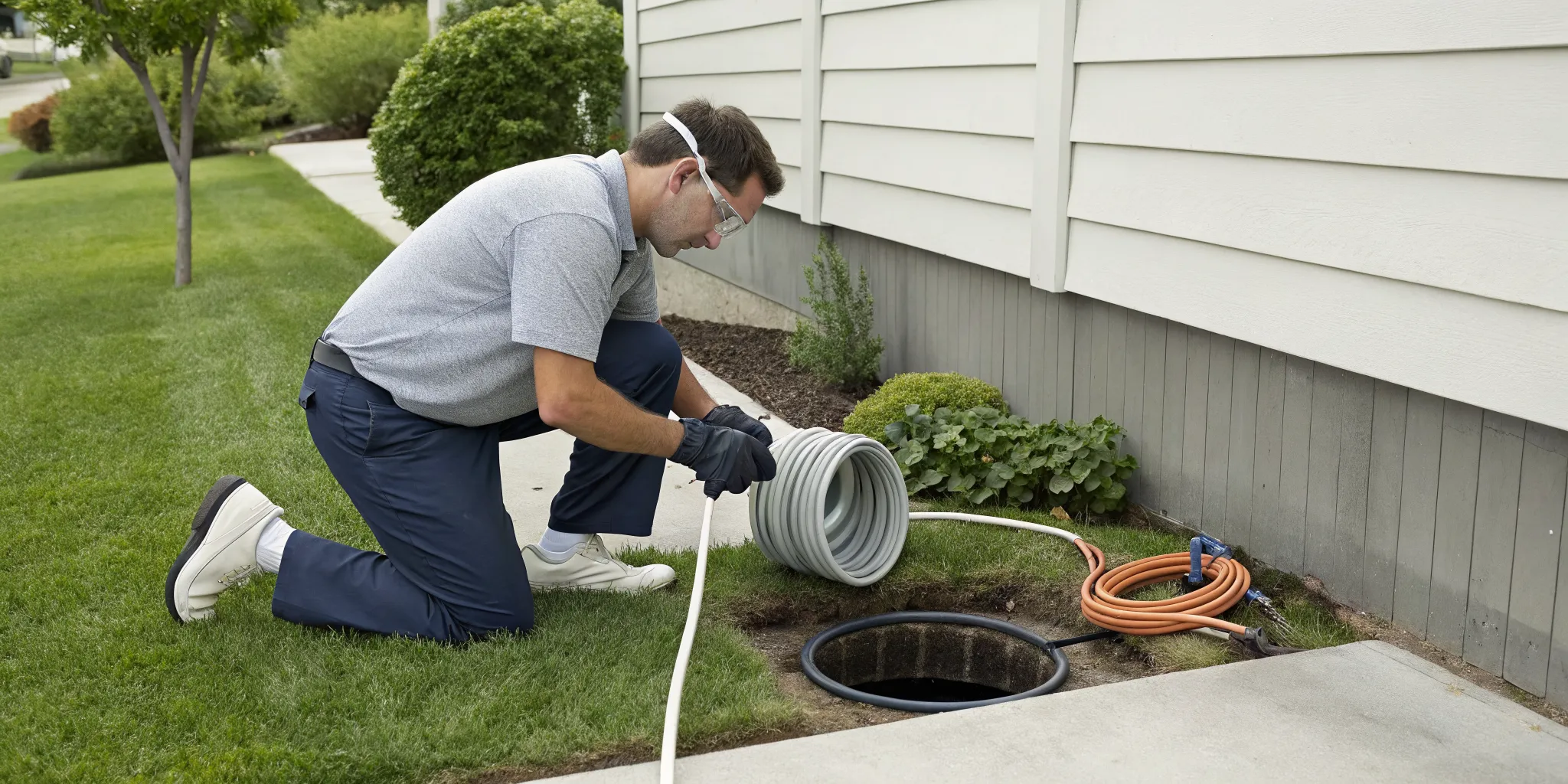
It might sound too good to be true, but the process is surprisingly straightforward. First, we always start with a camera inspection to get a clear look inside your pipes and pinpoint the exact problem and its location. Then, instead of digging a long trench, we create one or two small access holes. Through these openings, we can use a few different techniques. One common method is inserting a flexible, resin-coated liner into the old pipe. We inflate it, and the resin hardens to create a brand-new, seamless pipe right inside the old one. Another method involves pulling a new pipe through the old one, bursting the damaged pipe out of the way. Both methods leave you with a fully functional sewer line and your yard almost completely untouched.
The Main Benefits Over Traditional Methods
The most obvious advantage of trenchless repair is that it preserves your landscaping. Your lawn, garden, driveway, and patio remain intact, saving you thousands in potential restoration costs. This method is also much faster than traditional excavation, often taking just a day or two to complete instead of a week or more. Because it requires less labor and heavy equipment, it can be more cost-effective, especially for pipes that run deep underground or under hardscaping. The new pipe materials are also incredibly durable and resistant to corrosion and root intrusion, giving you a reliable fix that will last for decades. When you’re facing an emergency plumbing situation, a faster, cleaner solution makes all the difference.
How Much Does Trenchless Sewer Line Replacement Cost?
National estimates commonly place trenchless sewer line replacement between $1,900 and $6,000, but the final cost depends on line length, pipe condition, access, and the method used. A sewer camera inspection is the best way to determine which method fits and obtain an accurate Metro Detroit quote.
When you’re facing a major plumbing issue, the cost is often the first thing on your mind. The great news is that trenchless sewer repair is often more affordable than people think, especially when you consider the big picture. It saves you from the headache and expense of tearing up your yard, driveway, or garden. Let’s break down what you can expect.
Understanding the Typical Price Range
Let’s get straight to the numbers. Nationally, trenchless sewer line replacement typically costs between $1,900 and $6,000, with the average project landing around $2,900. The final price depends heavily on the length of the pipe and the specific method we use. For example, lining an existing pipe generally runs from $135 to $150 per foot. If your pipes require the more intensive pipe bursting method, the cost is usually between $150 and $190 per foot. These cost estimates give you a solid baseline for what to expect based on the scope of your project.
Is It Cheaper Than Major Excavation?
This is the million-dollar question, and the answer might surprise you. While the upfront quote for trenchless repair can sometimes seem higher than traditional excavation, it can be more cost-effective when access, restoration, line condition, and the complete project cost are considered. Why? Because traditional methods come with a lot of hidden costs. You’re not just paying for the pipe repair; you’re also paying for the extensive labor to dig a trench and, more importantly, the cost to restore your property afterward. Think about replanting your lawn, fixing your landscaping, or repaving a damaged driveway. Trenchless repair avoids all that, saving you from those secondary expenses and making it a smarter investment for any emergency plumbing situation.
Need a trenchless sewer quote in Metro Detroit? Call Mr. Pipey at (313) 900-0700 or request an inspection online.
What Factors Influence the Final Price?
When you’re facing a major plumbing issue, the first question on your mind is usually, “How much is this going to cost?” With trenchless sewer repair, there isn’t a simple, flat-rate answer. The final price depends entirely on the unique conditions of your property and your specific sewer line problem. Think of it like a custom-tailored suit—the final cost reflects the specific materials and adjustments needed to get the perfect fit.
Several key factors come into play, from the length of your pipes to the type of soil in your yard. Each element can affect the materials, labor, and equipment required to get the job done right. Understanding these variables will help you see what goes into a professional estimate and why a thorough inspection is so important before any work begins. The only way to get a truly accurate number is to have a professional plumber assess the situation firsthand. We’ll break down the main components that influence the cost of trenchless sewer line piping so you can feel more prepared for the conversation.
The Length and Depth of Your Sewer Line
It makes sense that the longer and deeper your sewer line is, the more the repair will cost. A longer pipe requires more lining material and more labor to install it. For perspective, a line that’s 75 to 100 feet long can have a wide cost range depending on other factors. The depth of the pipe also plays a major role. A shallow pipe is relatively easy to access, but one that’s buried deep underground requires more extensive work for the access points, specialized equipment, and additional safety measures. This complexity naturally adds to the overall project cost.
The Current Condition of Your Pipes
The state of your existing sewer line is one of the biggest cost drivers. Is it a simple case of a few cracks and leaks, or has the pipe completely collapsed? A line with minor damage can often be fixed with Cured-in-Place Pipe (CIPP) lining, which is a very efficient method. However, if the old pipe is severely damaged or has collapsed, a more intensive technique called pipe bursting might be necessary. This process involves breaking apart the old pipe while simultaneously pulling a new one into its place. Because it’s a more involved procedure, it typically costs more per foot than simple lining.
Your Property’s Location and Accessibility
Where your sewer line is located on your property can make a big difference. If the access points are in an open, easy-to-reach part of your yard, the job is much simpler. But what if your line runs under a deck, a custom stone patio, or a mature tree with a complex root system? Obstacles like these can complicate the process. While trenchless repair avoids digging a large trench, we still need to create small access points. Clearing anything in the way, like stubborn tree roots, adds to the labor time and overall cost of your emergency plumbing repair.
The Type of Soil We’re Working With
You might not think about the dirt in your yard, but it’s a crucial factor for our team. Metro Detroit has a lot of dense, clay-based soil, which is much more difficult to dig through than soft, sandy soil. Rocky or compacted ground requires more powerful equipment and takes more time to excavate, even for the small access holes needed for trenchless methods. The soil condition, combined with the depth of the pipe, determines how much effort is needed to safely and effectively access your sewer line. This is another reason why an on-site inspection is essential for an accurate quote.
How Do Trenchless Sewer Replacement Methods Compare in Cost?
Pipe lining reinforces a structurally suitable existing line, while pipe bursting pulls a new pipe through a badly damaged one. Published national estimates often price lining around $135 to $150 per foot and pipe bursting around $150 to $190 per foot, but site conditions and access can change the total.
Not all trenchless repairs are the same. The right approach for your home depends on the condition of your existing pipes, your property layout, and your budget. Think of “trenchless” as a category of solutions rather than a single technique. Each method has its own process and price point, but all of them save your lawn from large-scale excavation. Understanding the differences can help you have a more informed conversation with your plumber about which option is best for your specific sewer line issue.
Here’s a look at the three most common trenchless methods we use and how they compare.
Cured-in-Place Pipe (CIPP) Lining
Cured-in-Place Pipe (CIPP) lining is one of the most popular trenchless solutions available. The process involves creating a brand-new pipe directly inside your old, damaged one. We insert a flexible tube saturated with a special epoxy resin into the existing line and inflate it. Once the epoxy cures and hardens, it forms a seamless, durable pipe that is often stronger than the original. This method can reduce excavation and restoration work, but the complete project cost depends on access, pipe condition, and site-specific requirements. The new pipe is built to last, with a lifespan of up to 50 years, making it a fantastic long-term investment for your home’s plumbing system.
The Pipe Bursting Method
If your old pipe is too damaged for a liner, pipe bursting is an excellent alternative. This method involves pulling a new, high-density polyethylene (HDPE) pipe through the old one. A specialized “bursting head” is attached to the front of the new pipe, which fractures the old, compromised pipe outward as the new one takes its place. It requires very little digging—usually just two small access points at either end of the line. Pipe bursting is often more affordable than CIPP and results in a brand-new, robust pipe that can last anywhere from 50 to 100 years. It’s a powerful solution for severely collapsed or broken lines, and it’s one of our go-to emergency plumbing techniques.
Slip Lining Explained
Slip lining is a time-tested trenchless method that works by sliding a slightly smaller pipe into the existing damaged one. Once the new pipe is in place, we fill the space between the old and new pipes with grout to secure it. This technique is particularly effective for repairing larger-diameter pipes and straight sections without significant bends. Like other trenchless options, it avoids major digging and is generally faster and less expensive than traditional excavation. The new HDPE pipes used in slip lining are incredibly resilient, offering a service life of 50 to 100 years. If you think this might be the right fit, you can always contact us for a professional assessment.
Are There Other Costs to Budget For?
When you’re planning a major home project like a sewer line replacement, the main quote is just one piece of the puzzle. To get a full picture of your budget and avoid any last-minute surprises, it’s smart to account for a few additional items that are often part of the process. These aren’t hidden fees, but rather necessary steps to ensure the job is done right, meets local codes, and protects your home for years to come. Thinking about these ahead of time will help you feel more prepared and confident as you move forward with your project.
City Permits and Inspection Fees
Before any major plumbing work can begin, we need to get the green light from your local municipality. Securing city permits is a standard and non-negotiable step that ensures all work complies with Metro Detroit’s building codes and safety regulations. The cost for these permits and the required inspections can sometimes add $1,000 or more to the total project cost, depending on your specific city. While it might seem like just another expense, this process protects you by verifying that the job is done correctly. A professional plumbing team will handle all the paperwork and scheduling for you, making the process seamless.
The Initial Camera Inspection
To truly understand what’s happening inside your pipes, a camera inspection is the essential first step. Think of it as a diagnostic tool that lets us see the exact location and extent of the damage without any guesswork. This inspection typically costs between $175 and $350, and it’s money well spent. The detailed view allows us to confirm if trenchless repair is the right solution and helps us provide you with the most accurate quote possible. In many cases, it’s a required step that prevents unnecessary work and ensures we’re tackling the root of the problem from the start.
Connecting the New Line to Your System
Once the new sewer line is in place, it needs to be properly connected to your home’s existing plumbing system. For most homes, this is a straightforward part of the job. However, if your system is older or has a more complex layout with multiple connection points, it may require extra time and labor. This additional work is usually billed at an hourly rate, which can range from $60 to $250 per hour. Your plumber should be able to identify any potential complexities during the initial inspection and include an estimate for this work in your quote, so you know what to expect.
Installing a Backflow Preventer
While your sewer line is being replaced, it’s the perfect time to consider adding a layer of protection to your home. A backflow preventer is a device that stops sewage from backing up into your house during heavy rains or city sewer main blockages. It’s a smart investment that can save you from incredibly messy and expensive water damage down the road. The cost to install one, including parts and labor, generally falls between $150 and $1,150. Adding this to your project provides peace of mind and is a proactive step toward safeguarding your property from future plumbing emergencies.
Warning Signs Your Sewer Line Needs Attention
Most homeowners don’t realize their sewer line is failing until something dramatic happens — a full backup, a foul smell that won’t quit, or a mysterious wet patch in the yard. The frustrating part is that sewer line damage usually builds slowly over months or even years. Catching it early can mean the difference between a straightforward trenchless repair and a much larger emergency job.
Watch for these signs that something is wrong underground:
- Multiple slow drains at once. One sluggish sink usually means a local clog. But when your kitchen, bathroom, and laundry room all drain slowly at the same time, the blockage is almost certainly in the main sewer line — not in a single branch.
- Gurgling sounds from toilets or floor drains. That bubbling noise after you flush is trapped air being pushed back through the system — a classic sign of a partial blockage or collapsing pipe further down the line.
- Sewage odors inside or outside the home. A properly functioning sewer line is completely sealed. If you’re getting that unmistakable smell near floor drains, in the yard, or in the basement, the pipe has almost certainly cracked somewhere.
- A suspiciously green or soggy patch in the yard. A leaking sewer line fertilizes the soil above it. A random strip of unusually lush, bright grass — especially over where your lateral line runs — is one of the most reliable visual clues.
- Recurring backups even after clearing. If you’ve had a plumber snake the same drain two or three times in the past year, the root cause likely isn’t a simple clog. It’s usually tree root intrusion or pipe deterioration that a snake can’t permanently fix. Our guide on what to do when your sewer backs up walks through exactly what steps to take when it happens.
- Water pooling around the basement floor drain. This often gets dismissed as a minor issue, but it can signal that sewage is reversing direction and pushing back up through the lowest drain in your home. If you’re seeing standing water in your basement floor drain, it’s worth investigating before it gets worse.
If any of these sound familiar, a camera inspection is the logical next step — it takes the guesswork out completely and tells you exactly what you’re dealing with before any money is spent on repairs.
When Hydrojetting Makes Sense First
Not every sewer line problem requires replacement — trenchless or otherwise. Before jumping to a full repair, it’s worth knowing when a less invasive solution might resolve the issue first. Hydrojetting is one of the most powerful cleaning methods available, and in the right situation, it can clear a badly clogged or root-infested line and restore full flow without any pipe work at all.
Hydrojetting uses a high-pressure water stream — up to 4,000 PSI — to blast through grease buildup, mineral scale, and even moderate tree root intrusion. It’s far more thorough than a standard drain snake, which punches a hole through a clog but leaves buildup on the pipe walls. After hydrojetting, a follow-up camera inspection will show clearly whether the pipe itself is structurally sound or whether damage underneath the buildup now calls for a trenchless repair.
This two-step approach — hydrojet first, inspect after — often saves homeowners from committing to a full replacement when a deep clean is all that’s needed. It’s also a smart way to extend the life of an aging line that’s structurally intact but running slow due to buildup. Our full breakdown of hydrojetting drain cleaning explains how the process works, what it costs, and which situations it’s best suited for.
That said, hydrojetting has its limits. If your pipe is cracked, collapsed, or has significant root intrusion that’s physically deforming the pipe wall, no amount of pressure will fix the underlying structure. That’s where trenchless replacement becomes the right call — and where the cost comparison covered earlier in this article really matters.
Common Myths About Trenchless Costs
When it comes to sewer line repairs, the cost is often the first thing on everyone’s mind. Trenchless technology sounds advanced—and for many homeowners, “advanced” sounds expensive. This leads to a lot of confusion and some common myths about what you’ll actually end up paying. It’s easy to get sticker shock from an initial quote without understanding what’s included (and, more importantly, what’s not included with other methods).
The truth is, comparing trenchless repair to traditional excavation is rarely an apples-to-apples situation. Traditional methods come with a whole host of secondary costs that don’t show up on the plumber’s invoice, like rebuilding your retaining wall, repaving your driveway, or replanting the beautiful garden you spent years cultivating. When you factor in the time, mess, and restoration expenses, the most affordable option isn’t always the one with the lowest initial price tag. Let’s clear up some of the biggest misconceptions so you can make a decision that’s right for your home and your budget.
Myth: It’s Always More Expensive Upfront
One of the most persistent myths is that trenchless sewer repair will always cost more than the old-school dig-and-replace method. It’s understandable why people think this; the technology is more sophisticated, and the equipment is specialized. While some trenchless quotes might appear higher at first glance, this view is often shortsighted. It fails to account for the significant “hidden” costs of excavation. A traditional repair estimate won’t include the price of hiring a landscaper to fix your torn-up yard or a contractor to repair a damaged patio. When you consider the total project cost, trenchless methods are often much more competitive than they seem.
Fact: It Offers Incredible Long-Term Value
Think of trenchless repair as an investment in your property’s future. The real savings come from what you don’t have to do. You won’t spend thousands of dollars on landscape restoration, and you won’t have to live with a construction zone in your yard for weeks. Beyond that, the materials used in trenchless repairs, like epoxy-resin liners, are incredibly durable and resistant to root intrusion, corrosion, and leaks. This means you’re getting a brand-new pipe with a long lifespan, reducing the likelihood of future problems and maintenance calls. When you look at the complete picture, the long-term value and peace of mind make it a smart financial choice for many homeowners looking for reliable expert plumbing solutions.
Is Trenchless Sewer Repair Worth It?
Trenchless repair can be worth it when avoiding damage to a driveway, patio, landscaping, or other hardscape reduces restoration work. It is not right for every line, so the decision should follow a camera inspection and a comparison of the complete project cost, not just the installation price.
Deciding on a major home repair can feel overwhelming, but figuring out if trenchless is for you comes down to a few key things. While it’s a fantastic solution for many homeowners in Metro Detroit, it’s not a one-size-fits-all fix. The best choice depends on the specific condition of your pipes and the unique layout of your property. Let’s walk through what makes a home a great candidate for this modern, less-invasive repair method.
When Your Pipes Are a Good Candidate
Trenchless repair is an excellent option as long as your existing sewer line hasn’t completely collapsed. If the pipe is cracked, leaking, or clogged with tree roots but still structurally intact, methods like CIPP lining or pipe bursting can work wonders. Think of it as a long-term investment in your home’s health. The materials used in trenchless repairs are incredibly durable and typically last for at least 50 years. When you consider the cost of trenchless sewer line replacement against its longevity and the headaches it prevents, the value becomes clear. It’s a reliable way to secure your plumbing for decades to come.
How Your Property Layout Makes a Difference
Take a look around your yard. Do you have a beautiful garden, mature trees, a new driveway, or a detached garage? If so, trenchless repair is your best friend. The biggest advantage of this method is that it avoids digging up your property, preserving your landscaping and hardscaping. This saves you the extra cost and hassle of restoration work after the job is done. The depth of your pipes also matters. While trenchless methods can handle deep pipes, lines buried more than eight feet deep might require different equipment, which can affect the final price. We can assess all these factors during a professional consultation.
How to Get an Accurate Quote for Your Project
Getting a quote for a trenchless sewer repair can feel overwhelming, but it doesn’t have to be. The goal is to find a plumber who provides a clear, comprehensive estimate so you know exactly what you’re paying for—no surprises. A detailed quote is more than just a number; it’s a sign that you’re working with a professional who is transparent and thorough. It reflects their understanding of the job and their commitment to doing it right. This isn’t just about finding the lowest price; it’s about finding the best value from a team you can trust to be in and around your home.
For a Metro Detroit home, an accurate trenchless sewer quote starts with a sewer camera inspection. The inspection shows the line’s condition, length, access points, and whether lining, pipe bursting, or another trenchless sewer line repair is appropriate. Mr. Pipey can explain the recommended method and provide a project-specific quote before work begins.
Think of the consultation as a two-way interview. You’re not just getting a price; you’re assessing their expertise and customer service. A trustworthy plumber will take the time to explain the process, answer your questions, and provide a breakdown of all potential costs. They should be able to walk you through the camera inspection findings and show you exactly what needs to be fixed and why trenchless repair is the recommended solution. This initial interaction sets the tone for the entire project, so it’s important to feel confident and informed from the very beginning.
Key Questions to Ask Your Plumber
When a plumber comes to your home, having a few key questions ready can make all the difference. Start by asking if they guarantee their work. A reputable company will always stand behind their services, giving you peace of mind that the job will be done correctly. You should also ask about their experience with trenchless repairs specifically, as it’s a specialized skill.
One of the most important questions is about the diagnostic process. Ask if they will perform a professional camera inspection first to understand exactly what’s wrong with your pipes. This step is crucial for an accurate diagnosis and prevents unnecessary work. Finally, ask for a detailed, itemized quote that breaks down the costs for labor, materials, and any potential additional services. This transparency helps you understand the full scope of the project and compare offers effectively.
Red Flags to Watch for in an Estimate
A quote that seems unusually low or is delivered without a thorough inspection should raise a red flag. Some estimates might not include potential complications that can drive up the final price. For example, if the old pipe needs to be broken apart using a technique called “pipe bursting,” the cost per foot can increase significantly.
Be wary of vague line items or verbal-only quotes. A professional estimate will be in writing and should account for potential extra work, such as the need for additional digging or removing tree roots, which can add to labor costs. If a plumber is hesitant to put everything in writing or pressures you to make an immediate decision, it’s best to get a second opinion. Unexpected issues can turn a standard job into an emergency plumbing situation, so clarity upfront is key.
Preparing for a Professional Consultation
To get the most out of your consultation, a little preparation goes a long way. Before the plumber arrives, make a list of any issues you’ve noticed, like slow drains, gurgling sounds, or foul odors. If you can, clear the area around your sewer cleanout access point to make the inspection easier. Trenchless sewer work is complex, and hiring a team with the right tools and skills ensures the job is done correctly with minimal disruption to your yard.
We always recommend getting a few quotes from different contractors to compare prices and find the best fit for your needs. When you contact us for an estimate, we provide a thorough evaluation and a clear, upfront quote. We believe in building trust through transparency, ensuring you have all the information you need to make a confident decision about your home’s plumbing.
Related Articles
Frequently Asked Questions
How much does trenchless sewer line replacement cost?
National estimates commonly range from $1,900 to $6,000, but length, access, damage, permits, and the chosen method can move the total higher or lower. Mr. Pipey provides a project-specific quote after inspecting the line.
How much does trenchless pipe bursting cost?
Published national estimates often place pipe bursting around $150 to $190 per linear foot. The final price depends on pipe length, diameter, access points, soil conditions, and whether obstacles or extra connections require additional work.
Is trenchless sewer repair worth it?
It can be, especially when a sewer line runs under a driveway, patio, mature landscaping, or another area that would be expensive to restore after excavation. A camera inspection is needed to confirm that a trenchless method suits the pipe.
What are the disadvantages of trenchless sewer replacement?
Trenchless work still requires access points, can cost more upfront in some situations, and is not appropriate for every collapsed or poorly aligned pipe. The line must be inspected before a plumber can recommend the right method.
Does a trenchless sewer quote include permits and camera inspection?
Not always. Ask for an itemized written quote that states whether camera inspection, permits, access pits, root removal, connections, cleanup, and restoration are included.
How do I get an accurate trenchless sewer quote in Metro Detroit?
Start with a sewer camera inspection. It helps identify the damage, measure the affected line, locate access points, and determine whether lining, pipe bursting, or another repair is the best fit.
Need a trenchless sewer quote in Metro Detroit? Call Mr. Pipey at (313) 900-0700 or request an inspection online.
Mr. Pipey is a Detroit-based, licensed and insured plumbing contractor backed by a 100% satisfaction guarantee and no overtime charges.