

For years, fixing a broken underground pipe meant using brute force to dig it up and replace it. But just as medicine has advanced with minimally invasive surgery, plumbing has evolved with trenchless sewer repair. This innovative method uses specialized equipment to fix your sewer line through just a couple of small access points. It’s a precise, efficient, and powerful solution that addresses the problem at its source without turning your yard into a construction zone. A new trenchless line is incredibly durable, resistant to root intrusion, and designed to last for over 50 years, making it a truly modern fix for a stressful, age-old problem.
Key Takeaways
- Save Your Yard and Avoid Hidden Costs: Trenchless repair fixes your sewer line from underground, preventing the destruction of your lawn, patio, or driveway. This method helps you avoid the significant expense of restoring your property after the job is done.
- A Camera Inspection Is the First Step: Before any work begins, a professional must inspect your sewer line with a camera to diagnose the problem accurately. This crucial step determines if your pipes are stable enough for a trenchless solution or if they are too collapsed or damaged.
- Know the Warning Signs and Act Promptly: Persistent slow drains, gurgling sounds from toilets, and foul odors are clear indicators of a sewer line issue. Addressing these symptoms early by contacting a qualified professional can prevent more severe damage and costly emergency repairs.
How Does Trenchless Sewer Repair Actually Work?
When you hear “sewer repair,” you probably picture a giant trench cutting through your beautiful lawn, turning your yard into a muddy construction zone for days or even weeks. For a long time, that was the only way to fix underground pipes. Thankfully, technology has given us a much better option: trenchless sewer repair. This modern approach fixes your pipes from the inside out, saving your yard, your time, and often, your money. Instead of a massive excavation project, the process is more like minimally invasive surgery for your sewer line. It’s a smarter, cleaner way to handle a stressful problem.
The core idea is to repair or replace your damaged sewer line without digging it up. This method avoids destroying your landscaping, driveway, or patio, which are often the biggest casualties of traditional sewer work. Our team uses specialized techniques to access the pipe through a couple of small, manageable points. From there, we can address everything from cracks and leaks to severe blockages caused by tree roots. It all starts with a clear diagnosis and uses advanced tools to get the job done with precision. Let’s walk through how our team handles these expert plumbing solutions without disrupting your life.
What Does ‘No-Dig’ Really Mean?
Trenchless sewer repair is a clever method that allows us to fix damaged sewer lines without digging a long, disruptive trench across your property. Instead, our plumbers work from just one or two small entry points. Think of these as small access holes, often strategically placed at the beginning and end of the damaged pipe section. This minimal digging means your driveway, garden, and mature trees stay exactly where they are. We use these access points to guide specialized equipment through the old pipe, either repairing it from within or replacing it entirely. It’s a cleaner, faster, and far less destructive method that delivers durable, long-lasting results you can count on for decades.
The First Step: A Look Inside Your Pipes
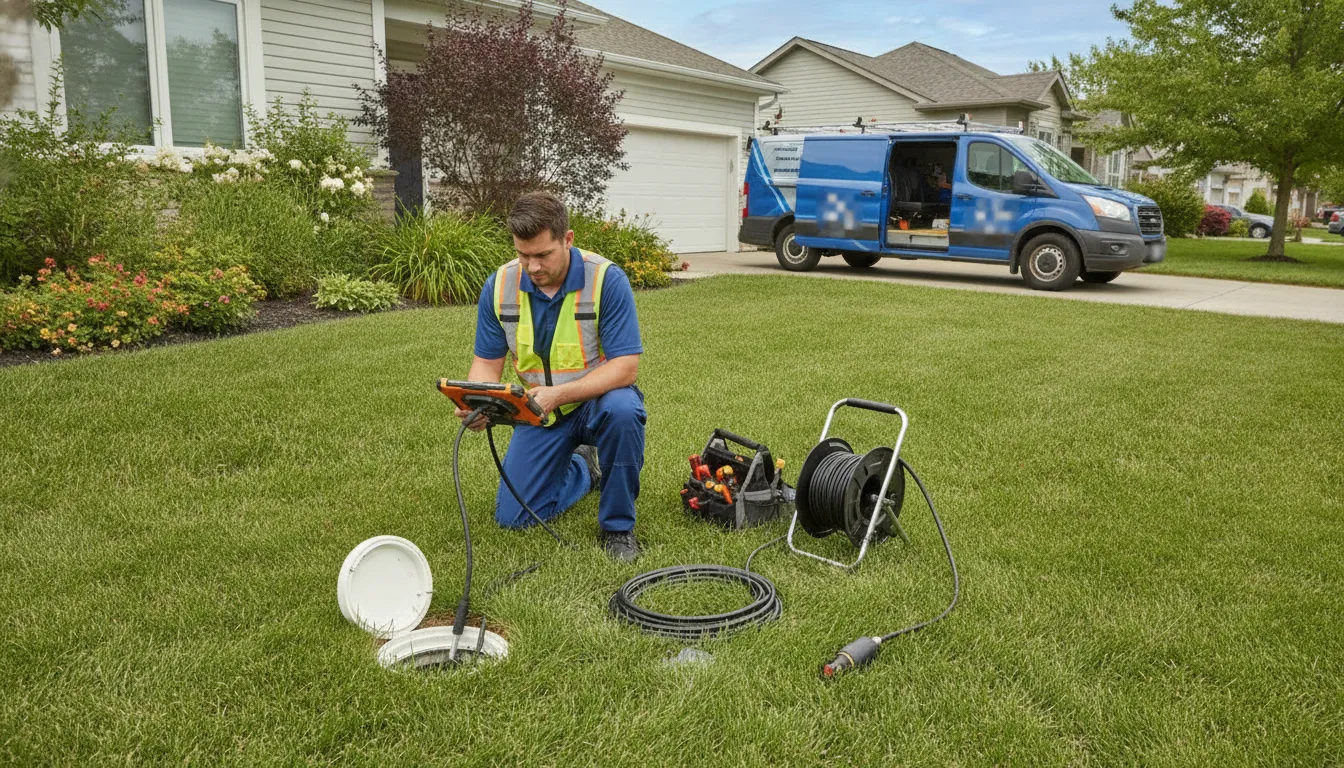
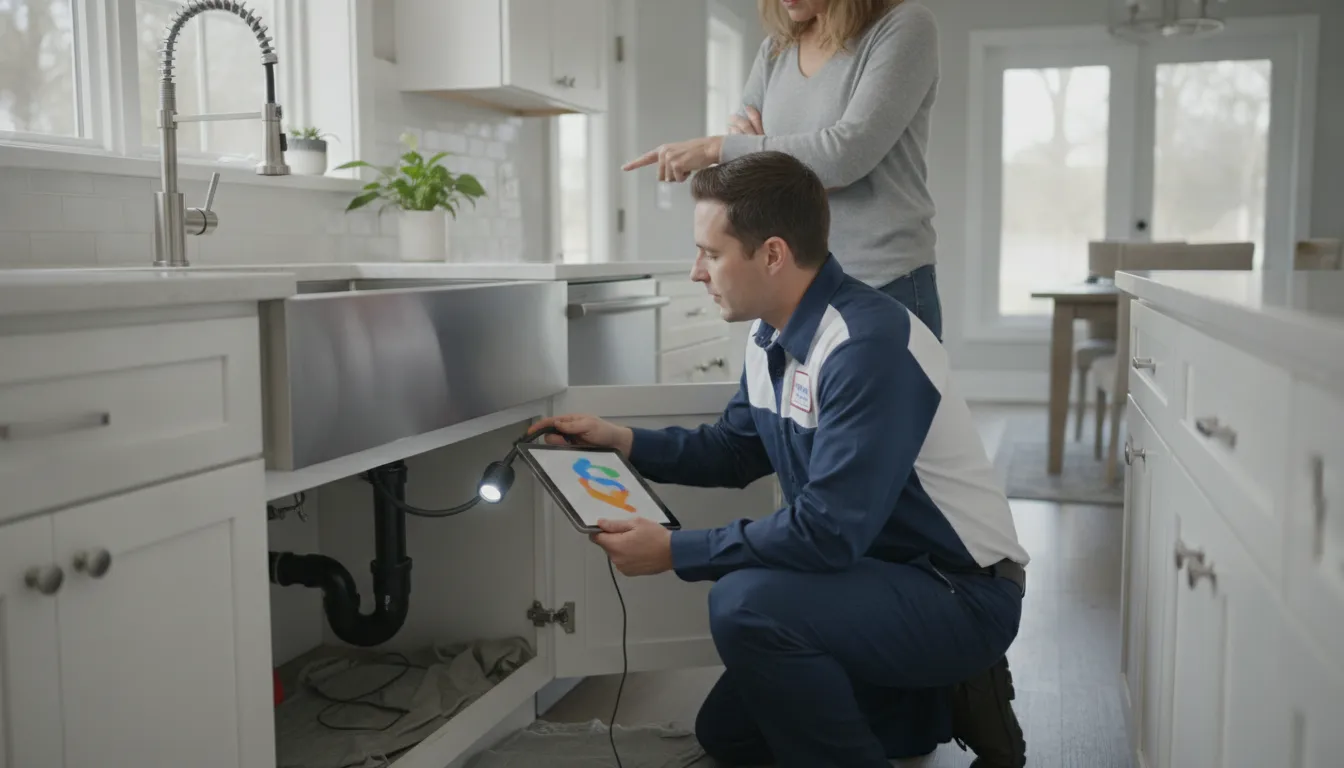
Before we do any work, we need to see exactly what’s going on inside your pipes. The first and most important step is always a video camera inspection. We guide a small, high-resolution waterproof camera through your sewer line to get a clear, real-time view of the problem. This lets us pinpoint the exact location of cracks, blockages, tree root intrusion, or collapsed sections. This diagnostic step is crucial because it helps us determine the pipe’s overall condition and confirm if trenchless repair is the right solution for you. It takes all the guesswork out of the process, ensuring we choose the most effective and cost-efficient course of action for your home.
Preparing the Pipe for Repair
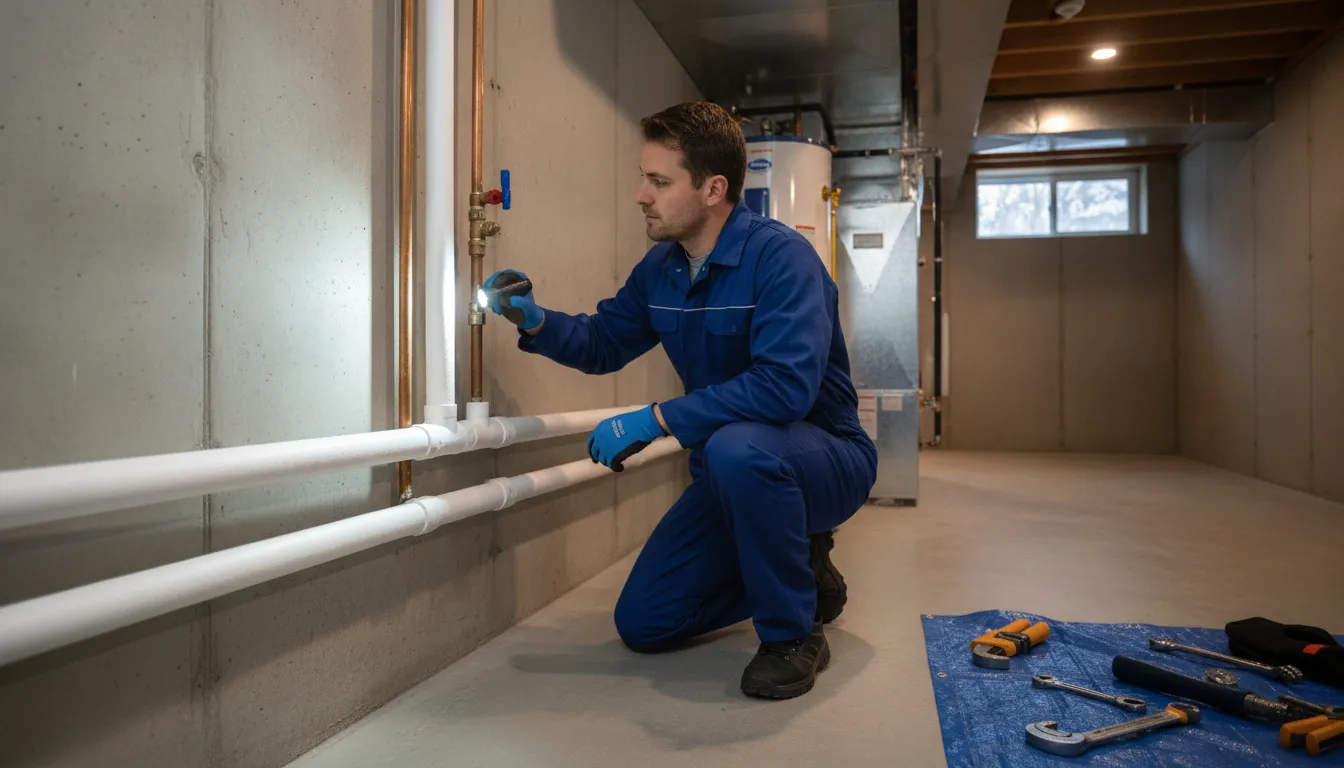
Once the camera inspection gives us a clear picture of the problem, the next step is to prepare the existing pipe for its renewal. You can’t just install a new liner into a dirty, obstructed pipe; that would be like trying to paint over a dusty, cracked wall. To ensure the trenchless repair is successful and lasts for decades, the host pipe needs to be thoroughly cleaned. This preparation phase is non-negotiable for a quality job. It involves removing any debris, tree roots, or built-up scale that could interfere with the new lining. Our team uses specialized equipment to make sure the interior surface is smooth and ready, creating the perfect foundation for the new pipe to bond to.
The Pipe Cleaning Step
To get the pipe ready, we use a powerful technique called hydro-jetting. This process involves sending a high-pressure stream of water through the sewer line to scour it clean from the inside. It’s strong enough to cut through stubborn tree roots, wash away years of grease and sludge buildup, and clear out any other debris that’s causing blockages. This step is essential because it creates a clean, uniform surface for the new pipe liner to adhere to. A properly cleaned pipe ensures the new lining will be smooth, seamless, and perfectly bonded, restoring full flow and function to your sewer system without any issues.
The Final Inspection: Ensuring a Perfect Fit
After the new pipe lining is installed and cured in place, our work isn’t quite finished. We believe in verifying every job to ensure it meets our high standards for quality and durability. To do this, we perform a final video camera inspection. We run the camera through the newly lined pipe one last time to get a clear view of the finished product. This allows us to confirm that the liner is perfectly smooth, free of any defects, and that all connections to the rest of your home’s plumbing system are open and clear. This final check gives you—and us—complete peace of mind, knowing your new sewer line is built to last. It’s a critical part of our commitment to providing reliable, long-lasting plumbing solutions.
The Tools That Make No-Dig Repair Possible
Trenchless sewer repair relies on some impressive, specialized equipment to get the job done right. Depending on the specific issue, we might use Cured-in-Place Pipelining (CIPP) systems or pipe bursting tools. With CIPP, we insert a flexible, resin-coated liner into the existing pipe and inflate it. The resin then hardens, creating a brand-new, seamless pipe directly inside the old one. For pipe bursting, a powerful machine pulls a new pipe through the old one, fracturing the old pipe outward while simultaneously laying the new one in its place. These advanced tools allow us to handle complex repairs, including many emergency plumbing situations, with incredible efficiency and minimal disruption to your property.
Your Guide to Trenchless Repair Methods
Trenchless repair isn’t a single solution; it’s a family of techniques designed for specific pipe problems. The right method depends on your existing sewer line’s condition, the extent of the damage, and your property’s layout. Here are four common approaches our team uses to fix sewer lines without turning your yard upside down.
CIPP Lining: Creating a New Pipe Within the Old
Think of CIPP as creating a new, seamless pipe right inside the old one. We insert a flexible, resin-saturated liner into the damaged pipe from an access point. Once in place, we inflate it and use a special curing process to make it hard and durable. This effectively seals cracks, stops leaks, and prevents root intrusion. It’s an excellent fix for pipes that are still structurally intact but are causing problems, often resolving issues that could lead to an emergency plumbing situation.
Specific Curing Methods
Once the resin-saturated liner is inflated inside the old pipe, the curing process begins. This is where the real transformation happens. We use a controlled method, often involving hot water, steam, or UV light, to heat the resin, causing it to harden and bond with the host pipe. The result is a solid, jointless, and incredibly tough new pipe lining that is often stronger than the original PVC or cast iron pipe was. This new pipe is built to last for 50 years or more, providing a long-term solution that resists corrosion, cracks, and future tree root invasions. It’s a permanent fix that restores your sewer system’s integrity, a core goal of all our plumbing services.
Pipe Bursting: Replacing Your Pipe from the Inside
When a sewer line is too damaged for lining, pipe bursting is the answer. This technique breaks apart the old pipe while simultaneously pulling a brand-new one into its place. It’s a full replacement that gives you a completely new sewer line with the same or even larger diameter. This is a powerful solution for pipes that are beyond simple repair and is one of the many expert plumbing solutions we provide to Metro Detroit homeowners.
Slip Lining: Sliding a New Pipe into Place
Slip lining is a straightforward method where we slide a new, smaller-diameter pipe into the existing damaged one. It’s one of the original trenchless techniques and works well for pipes that are still structurally sound but have leaks or corrosion. After the new pipe is inserted, the space between the old and new pipes is filled with grout to hold it securely in place. This creates a strong, reliable new pipeline with minimal disruption, restoring flow and function for years to come.
Directional Drilling: Installing New Lines Without a Trench
Sometimes the best solution is to install a completely new pipe along a different path. Directional drilling allows us to do just that. We use specialized equipment to drill a new underground path for a pipe, bypassing obstacles like driveways, landscaping, or even buildings. Once the path is created, we pull the new pipe through. This method is perfect for installing new lines or rerouting existing ones when digging a traditional trench isn’t an option. If you have a complex issue, contact us to see if this is the right choice for you.
Why Choose Trenchless Sewer Repair?
When you hear “sewer repair,” you probably picture a giant trench cutting through your yard. For years, that was the only option. But modern plumbing has a much smarter, cleaner solution. Trenchless technology offers a way to fix your pipes from the inside out, avoiding the massive disruption of traditional digging. This approach isn’t just about convenience; it comes with a whole list of benefits that protect your property, your wallet, and your peace of mind. When you need expert plumbing solutions, understanding these perks can help you make the best choice for your home.
Keep Your Landscaping Intact
You’ve spent countless hours and a lot of money making your yard look just right. The thought of a backhoe tearing through your beautiful lawn, flower beds, or brand-new patio is heartbreaking. This is where trenchless repair truly shines. Instead of digging a long, destructive trench, this method only requires one or two small access points. Our team can repair your sewer line from underground, leaving your landscape almost completely untouched. That means no massive piles of dirt, no ruined gardens, and no costly bills to re-sod your lawn or rebuild your walkway. Your property stays beautiful while we fix the problem beneath the surface.
A Faster, More Efficient Process
A major plumbing repair can turn your life upside down, with crews and equipment taking over your property for days. Traditional sewer replacement is a lengthy process, from excavation to backfilling and final cleanup. Trenchless repair, on the other hand, is remarkably efficient. Most jobs can be completed in just one day. This means less noise, less mess, and far less disruption to your family’s daily routine. You won’t have to navigate a construction zone for a week just to get to your front door. We can get in, solve the problem, and get out, letting you get back to normal life as quickly as possible.
Speed of Return to Service
One of the biggest reliefs with trenchless repair is how quickly you get your plumbing back. It’s one thing for the work crew to be gone in a day, but it’s another to be able to flush your toilets and run your dishwasher again without worry. With traditional digging, your sewer line could be out of commission for several days, forcing your family to handle a major inconvenience. Trenchless methods, however, are designed for a rapid return to service. In many cases, your pipes are operational again within just a few hours after the work is done. This incredible speed is a core part of our expert plumbing solutions, because we know how important it is to minimize downtime and get your home back to normal almost immediately.
How It Saves You Money Over Time
At first glance, the upfront cost of trenchless repair might seem comparable to or slightly more than traditional methods. However, it’s crucial to look at the total expense. Traditional digging comes with a lot of hidden costs that add up quickly. Think about the price of repairing your driveway, re-sodding your lawn, or fixing a sprinkler system that was damaged during excavation. With trenchless repair, these secondary costs are completely eliminated. By preserving your property, you save a significant amount of money on restoration work, making it the more cost-effective choice in the long run. You can always get a quote to see how the numbers stack up for your specific situation.
A More Sustainable Repair Option
Choosing trenchless sewer repair is also a choice to be kinder to the environment. Large-scale digging disrupts the natural landscape, tears up soil, and can damage the root systems of mature trees. It also requires heavy, fuel-burning machinery that increases your carbon footprint. Because trenchless methods are minimally invasive, they keep your local ecosystem intact. There’s less displaced soil, less fuel consumption, and less old pipe material being hauled off to a landfill. It’s a smarter, more sustainable approach to plumbing that protects your property and the planet at the same time. It’s a small way to make a big difference.
A Repair That’s Built to Last
When you invest in a sewer line repair, you want a solution that will last. Trenchless methods deliver exactly that. The materials we use, like cured-in-place pipe liners, create a brand-new, seamless pipe inside your old one. This new pipe is incredibly durable and resistant to corrosion, cracks, and invasive tree roots. In fact, these modern pipe materials are designed to last for 50 years or more. This isn’t a temporary patch; it’s a permanent fix that provides decades of worry-free performance. You get the peace of mind that comes from knowing your sewer system is secure, protecting you from future backups and costly emergency plumbing calls.
What Problems Can Trenchless Repair Solve?
Trenchless technology is incredibly versatile and can tackle a wide range of common and complex sewer line issues. It’s the go-to solution for problems like cracks caused by shifting soil, persistent blockages from grease or debris, and pipes that have started to corrode with age. One of the most frequent problems we see is aggressive tree root intrusion, where roots find their way into pipes and cause major backups. Trenchless methods effectively seal off these entry points and create a new, seamless pipe that roots can’t penetrate. This approach addresses everything from minor leaks at the joints to more severe damage, providing a durable fix that can last for over 50 years. If you’re facing any of these frustrating issues, our expert plumbing solutions can restore your system without destroying your yard.
When Is Trenchless Repair Not the Answer?
Trenchless sewer repair is a fantastic solution for many pipe problems, but it’s not a magic wand for every situation. Understanding its limitations is just as important as knowing its benefits. While it can save your lawn and your time, certain types of damage and specific property conditions can make traditional excavation the better, or only, option. Knowing when trenchless repair isn’t the right fit helps you ask the right questions and work with your plumber to find the most effective and long-lasting fix for your home. It’s all about matching the repair method to the specific problem you’re facing.
The goal is always to choose the right tool for the job. Sometimes, that means a minimally invasive approach, and other times, it requires digging. A thorough inspection by a qualified professional is the first step to figuring out which path is right for you. They can assess the unique factors of your plumbing system and property to recommend one of the many expert plumbing solutions available. Making an informed decision starts with understanding that even the best technology has its limits, and a good plumber will be honest about what will truly solve your issue for good, not just for now.
When Traditional Digging is Unavoidable
Trenchless methods are designed to repair or replace a pipe that still has its basic shape. If your sewer line is completely crushed or has collapsed, there’s no host pipe left to reline or burst. Similarly, if a section of the pipe has sagged significantly (creating what’s called a “belly”), lining it won’t fix the grading issue, and waste will continue to collect in the low spot. In these severe cases, the only way to properly fix the problem is to dig up the damaged section, remove it, and install a new pipe with the correct slope. A collapsed sewer line is a serious issue that often requires immediate attention, falling under the category of emergency plumbing.
Does Your Sewer Line Qualify?
The success of trenchless repair depends heavily on the condition of the existing pipe. Think of the old pipe as a mold for the new one. If it’s extremely brittle, severely corroded, or has large holes or missing sections, it may not be stable enough to support the relining or bursting process. Pipes made from older materials like cast iron or clay can deteriorate to a point where they are too fragile. A professional camera inspection is essential to determine if your pipe has enough structural integrity to qualify for a trenchless solution. If it doesn’t, excavation may be the only way to ensure a durable, long-term repair.
Types of Pipes Repaired
One of the best things about trenchless technology is its versatility. It’s not a one-size-fits-all fix but a collection of smart techniques that can handle a wide range of pipe materials and problems. Whether your Metro Detroit home has older cast iron or clay pipes, or more modern PVC lines, there’s likely a trenchless method that can address the issue. This flexibility allows us to choose the most effective and least invasive repair for your specific situation, ensuring a durable fix that protects your property. Here are some of the most common expert plumbing solutions we use to repair different types of pipes.
- Cured-in-Place Pipelining (CIPP): This is an excellent solution for pipes that are still structurally sound but have developed cracks, leaks, or root intrusion. We insert a flexible, resin-coated liner into the damaged pipe, which then hardens to form a brand-new, seamless pipe inside the old one. It’s an incredibly effective way to restore pipes made from PVC, clay, and cast iron without any digging.
- Pipe Bursting: When a sewer line is too damaged or has collapsed, pipe bursting is the perfect solution. This powerful technique breaks apart the old, failing pipe while simultaneously pulling a completely new, high-density pipe into its place. It’s a full replacement that works well for materials like clay and cast iron that are beyond a simple repair.
- Slip Lining: This method involves sliding a new, slightly smaller pipe into the existing one. It’s a great option for pipes that are still in decent shape but are suffering from leaks or corrosion. We fill the space between the old and new pipes with grout to secure it, creating a strong and reliable new pipeline that will last for decades.
- Directional Drilling: If we need to install a new line or reroute an existing one around obstacles like a garage or mature trees, directional drilling is the answer. This technique allows us to create a new underground path and install a new pipe without digging a trench, making it a flexible option for complex plumbing needs.
Why Access Points Are So Important
While trenchless repair saves your yard from a long, disruptive trench, it’s not entirely dig-free. The process requires at least one, and often two, small access points to be dug at either end of the pipe section being repaired. These pits allow technicians to feed the new lining or bursting head into the old pipe. If your property layout makes it difficult or impossible to create these access points, trenchless repair might not be feasible. Obstacles like a garage, a large tree with a complex root system, or other underground utilities could block the necessary access, making traditional excavation the more practical choice.
Trenchless Repair Myths, Busted
One of the biggest misconceptions about trenchless repair is that it’s a simple process anyone can handle. This couldn’t be further from the truth. Trenchless technology requires highly specialized, expensive equipment and technicians with extensive training to operate it correctly. It is absolutely not a DIY project. Furthermore, not every plumbing company offers this service. It’s a specialized field, so you’ll need to find a provider with proven experience. When you’re facing a major sewer line issue, it’s always best to contact a professional who can accurately diagnose the problem and confirm they have the right tools and expertise for the job.
Trenchless vs. Traditional: A Cost Breakdown
When you get quotes for sewer repair, the traditional dig-and-replace method might look cheaper on paper. But that initial number rarely tells the whole story. The quote for traditional repair typically only covers the plumbing work itself, leaving you to foot the bill for restoring your property afterward. Trenchless repair, on the other hand, often has a more inclusive upfront cost. While the initial figure might seem higher, it accounts for the fact that your lawn, driveway, and garden beds will remain intact. It’s important to look beyond the initial estimate and consider the total project cost from start to finish.
What Influences the Final Price?
The final price for any sewer repair depends heavily on your specific situation. Factors like the length and depth of the damaged pipe, its material, and the severity of the problem all play a role. For example, a simple crack is easier to fix than a major blockage caused by tree roots. The best method really depends on the unique conditions of your property. Trenchless repair isn’t a magic bullet for every issue; if a pipe is completely collapsed or severely misaligned, traditional excavation might be the only viable solution. A thorough inspection is the first step to determining the right approach and getting an accurate price for all our plumbing services.
Where You’ll Find the Real Savings
The real value of trenchless repair often lies in the hidden savings. With traditional methods, you have to budget for post-project restoration, which can include anything from replanting your garden to repaving a section of your driveway. These costs add up quickly. Trenchless repair eliminates almost all of this extra expense and effort. Plus, it’s much faster. Most trenchless jobs are completed in a day or less, meaning less disruption for your family and a quicker return to normal life. You save money not just on landscaping, but also on the time and stress associated with a major construction project on your property.
Will My Insurance Cover This?
This is one of the most common questions we get, and the answer isn’t always straightforward. Generally, homeowner’s insurance coverage depends on *why* your sewer line failed, not *how* it’s being fixed. Most policies are designed to cover sudden and accidental damage, but they typically exclude problems that develop over time from wear and tear or lack of maintenance. For example, if a sudden ground shift causes a pipe to break, you might have a strong case for coverage. However, if the damage is from years of tree root intrusion or slow corrosion, your insurer will likely view it as a maintenance issue. It’s always best to review your policy documents or speak directly with your insurance agent to understand what’s covered. We can provide a detailed diagnosis from our camera inspection to help you with your claim.
Could Traditional Repair Be Cheaper?
While trenchless technology is impressive, sometimes the classic approach is the best and most cost-effective choice. If your sewer line has collapsed or is too damaged for lining or bursting, traditional excavation is necessary. In these severe cases, digging provides our plumbers with direct access to the pipe, allowing them to handle complex issues and ensure the new line is perfectly installed. While it’s more invasive, it guarantees a thorough fix for the most serious problems. We always provide a complete assessment to help you understand your options and choose the most reliable and cost-effective plumbing solution for your home.
Is Trenchless Sewer Repair Right for Your Home?
Deciding on a major home repair can feel overwhelming, especially when it’s happening underground. Trenchless sewer repair is a fantastic modern solution, but it’s not a one-size-fits-all fix. Understanding when it’s the right call for your property starts with recognizing the problem and knowing your options. Let’s walk through how to determine if this no-dig method is the best path forward for you.
Signs You Need Sewer Line Repair
Your home often gives you clues when something is wrong with the sewer line. The key is knowing what to look for. Common signs of sewer line issues include slow drains throughout your house, strange gurgling sounds from the toilet after flushing, and persistent foul odors coming from your drains or yard. You might also notice unusually green patches of grass or water pooling in your yard, even when it hasn’t rained. If you’re experiencing any of these problems, it’s a clear signal to get your plumbing checked. Ignoring them can lead to bigger, more expensive issues, so it’s best to address them quickly. These symptoms can sometimes point to a serious blockage or break that requires emergency plumbing services.
How to Decide if Trenchless is for You
Trenchless sewer repair is a way to fix or replace damaged sewer pipes without digging up your whole yard. Instead, plumbers use special tools to work from small entry points, preserving your landscaping, driveway, and patio. So, when is it the best choice? Consider trenchless repair if you want to avoid major excavation, if your pipes are cracked or leaking but not completely collapsed, or if you need a lasting fix for an older system. It’s an excellent, durable solution for pipes that have been damaged by tree roots or have developed cracks over time. A professional inspection is the only way to know for sure, but these are good indicators that you’re a prime candidate for a less invasive repair.
How to Hire a Pro You Can Trust
Once you suspect a sewer line problem, the next step is to find a reliable expert. Always talk to a professional plumber who specializes in trenchless methods. They can perform a camera inspection to see exactly what’s going on inside your pipes and confirm if this is the best solution for your home. Not all plumbing companies offer this service, so you’ll want to find a team with the right experience and equipment. At Mr. Pipey, we treat every client like family and are happy to answer all your questions. Feel free to contact us to schedule an inspection and get an honest assessment of your sewer line’s condition.
Related Articles
- Trenchless Pipe Repair: The Ultimate Guide
- Trenchless Sewer Replacement: A Complete Guide
- Trenchless Sewer Line Repair: The No-Dig Guide
Frequently Asked Questions
How long does a typical trenchless sewer repair job take? One of the biggest advantages of trenchless repair is its speed. While traditional excavation can disrupt your home for several days or even a week, most trenchless projects are completed in just one day. We can typically get the job done from start to finish within hours, which means less time with a crew on your property and a much faster return to your normal routine.
Is the new pipe liner as strong as a traditional replacement pipe? Absolutely. The materials used in trenchless methods, like cured-in-place liners, create a new pipe that is seamless, joint-free, and incredibly durable. This new pipe is resistant to corrosion, cracks, and invasive tree roots. It’s not a temporary fix; it’s a long-term solution designed to last for 50 years or more, giving you peace of mind for decades.
My sewer line runs under my driveway and patio. Can trenchless repair still work? Yes, this is exactly the kind of situation where trenchless repair is the perfect solution. Because the process only requires small access points, we can repair the pipe running directly beneath your driveway, patio, or mature trees without having to demolish and rebuild them. This saves you from the significant cost and headache of restoring your valuable landscaping and hardscaping.
What’s the first step if I suspect a sewer line problem? If you notice slow drains, gurgling toilets, or foul odors, the first step is to schedule a professional video camera inspection. This is the only way to get a clear look at what’s happening inside your pipes. The camera feed allows us to pinpoint the exact location and cause of the problem, which helps us determine if trenchless repair is the right approach for your home.
Will trenchless repair fix a sewer line that has a sag or “belly” in it? This is an important distinction. Trenchless lining follows the path of the existing pipe. If your pipe has a significant sag, or “belly,” the new liner will also have that sag, which won’t solve the underlying drainage issue caused by the improper slope. In these specific cases, traditional excavation is often necessary to dig up the affected section and correct the pipe’s grading.