
A running toilet is more than just a background noise; it’s a constant reminder that something isn’t right in your bathroom. That weak flush you have to hit twice? It’s a daily frustration. These common toilet troubles can seem like minor annoyances, but they often signal bigger issues that waste water, drive up your bills, and risk causing serious water damage. When a small problem becomes a messy emergency, you need a reliable fix, fast. Finding a trustworthy toilet repair plumber in Troy, MI, is key to protecting your home. This guide will walk you through common toilet problems, help you decide when to call for help, and show you how to choose the right professional for the job.
Key Takeaways
- Handle Small Fixes, but Know Your Limits: You can often fix a tangled chain or adjust the float yourself, but leave persistent clogs, leaks at the base, and strange gurgling sounds to a professional to avoid a much bigger problem.
- Choose Your Plumber Wisely: Protect your home by verifying your plumber is licensed, insured, and has positive local reviews. A trustworthy pro will offer transparent pricing and stand behind their work with a satisfaction guarantee.
- Prevent Problems and Make Smart Choices: Keep your toilet healthy by only flushing toilet paper and performing simple checks for silent leaks. When faced with a big repair, ask your plumber to compare the cost against installing a new, water-efficient toilet; it might save you money in the long run.
Common Toilet Problems in Troy, MI
A malfunctioning toilet can disrupt your entire household. From strange noises to leaks, these issues are more than just minor annoyances; they can be signs of bigger problems that waste water and risk property damage. Knowing what to look for is the first step in getting a fast, effective fix. Most toilet troubles fall into a few common categories, many of which are familiar to homeowners here in Troy. If you spot any of these signs, it might be time to call in a professional to get your bathroom back in working order.
Stubborn or Frequent Clogs
We’ve all dealt with a clog, but if you’re reaching for the plunger several times a week, you have a bigger issue on your hands. Frequent clogs often mean there’s a deeper obstruction in your drainpipe that a plunger can’t reach. It could be an accumulation of non-flushable items (like wipes or paper towels) or even a problem with the sewer line itself. Trying to force the clog can damage your pipes or toilet. Addressing the root cause with a professional is the best way to stop the cycle of plunging and prevent a messy backup.
A Constantly Running Toilet
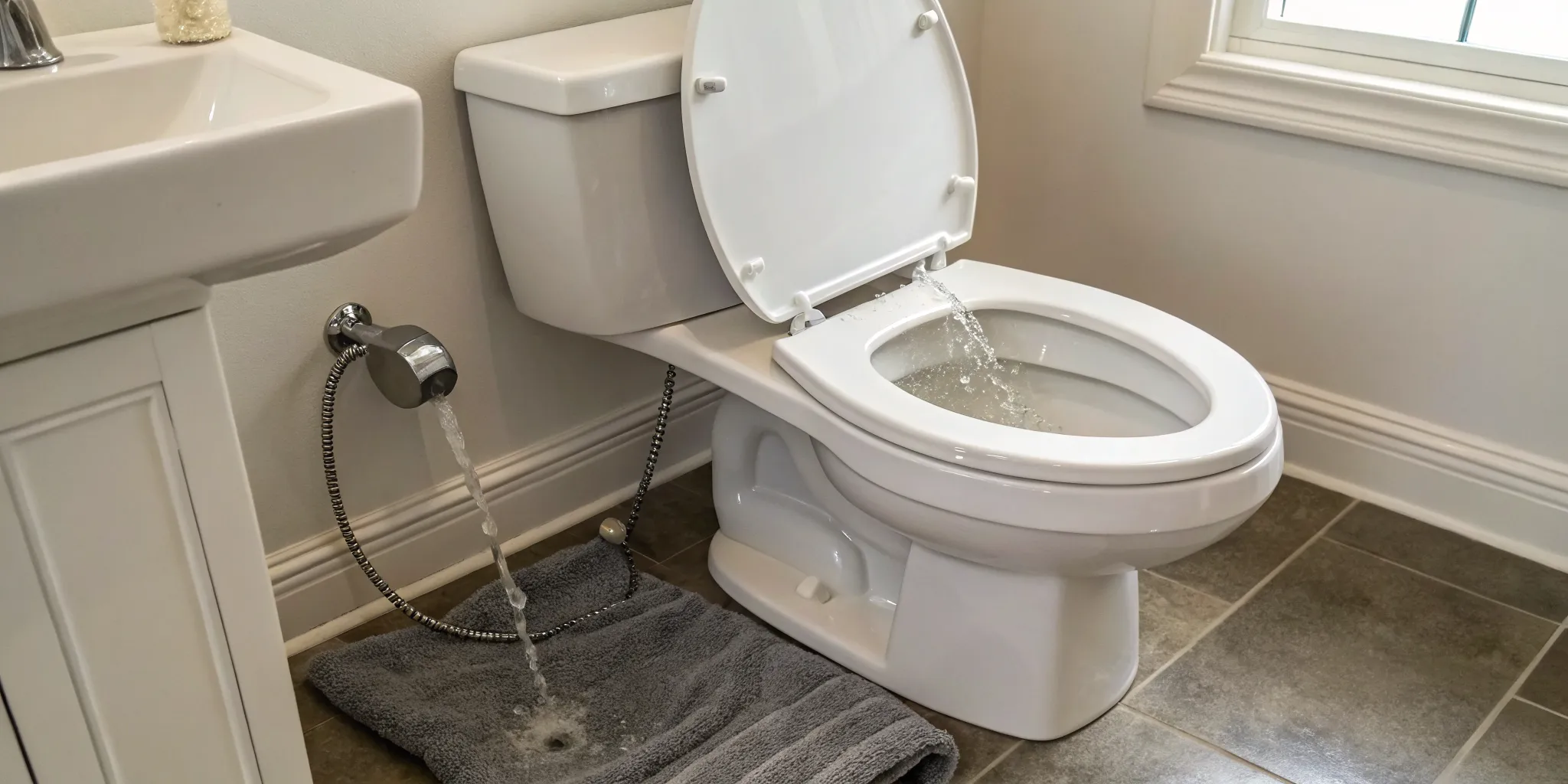
That hissing sound you hear long after you’ve flushed is the sound of money going down the drain. A constantly running toilet can waste hundreds of gallons of water each month, leading to a surprisingly high water bill. This issue is almost always caused by a faulty part inside the tank. Most often, the culprit is a worn-out flapper that no longer creates a tight seal or a fill valve that isn’t shutting off properly. A plumber can quickly identify the broken component and perform a toilet repair to stop the water waste.
Leaks Around the Base or Tank
Never ignore a puddle of water around the base of your toilet. Even a small leak can cause serious water damage to your floor, subfloor, and the ceiling of the room below. A leak at the base usually points to a failed wax ring, which is the seal between the toilet and the drainpipe. You might also see leaks from the tank bolts or the water supply line. If you spot water, it’s best to call for help right away. A persistent leak can quickly become a plumbing emergency that requires immediate attention.
Weak or Incomplete Flushing
Does your toilet require two or three flushes to clear the bowl? A weak flush is not only frustrating but also unsanitary. This problem can stem from several issues. You might have a low water level in the tank, meaning there isn’t enough force to push waste down. Alternatively, the small siphon jets under the rim of the bowl could be clogged with mineral deposits, restricting water flow. It could also be that the flapper is closing too quickly. A professional can diagnose the exact cause and restore your toilet’s flushing power.
Broken Internal Parts (Flappers, Fill Valves)
The mechanical parts inside your toilet tank are constantly submerged in water and eventually wear out. Flappers can become brittle and lose their seal, fill valves can get stuck, and the chain connecting the handle can break or become tangled. These components are crucial for proper flushing and filling. While it might seem like an easy DIY fix, choosing the wrong replacement part or installing it incorrectly can lead to more leaks or flushing problems. A professional plumber has the right parts on hand to ensure a reliable, long-lasting fix.
DIY Fix or Call a Pro?
When your toilet acts up, it’s tempting to roll up your sleeves and try to fix it yourself. And sometimes, a simple adjustment is all it takes. But how do you know when a quick fix will do the trick versus when it’s time to call in a professional? Let’s walk through what you can safely try on your own and which signs mean you should pick up the phone. Knowing the difference can save you from a small headache turning into a major, costly repair.
Quick Fixes You Can Try First
Before you panic, lift the tank lid and take a peek inside. Many common flushing problems are surprisingly easy to fix. If your flush is weak, the water level in the tank might be too low. You can adjust the float mechanism to allow more water to fill the tank after each flush. Also, check the flapper chain. If it has too much slack or is disconnected, the flapper won’t lift properly for a full flush. A simple re-hook or adjustment can often solve the problem in minutes. These small tweaks don’t require special tools and are great first steps for any homeowner.
Common DIY Mistakes to Avoid
While it feels great to solve a problem yourself, some DIY attempts can make things worse. A big mistake is ignoring a toilet that constantly runs. That phantom running sound isn’t just annoying; it’s a sign of faulty internal parts wasting gallons of water and driving up your utility bill. Another common error is over-relying on harsh chemical drain cleaners for clogs, which can damage your pipes over time. If you’re not confident about diagnosing the issue or feel like you might be getting in over your head, it’s best to pause. A botched repair can lead to bigger leaks and more complex issues, so it’s wise to avoid tackling a toilet repair that feels too complex.
Signs It’s Time to Call a Plumber
If you’ve tried the simple fixes and your toilet still isn’t working right, it’s time to call a professional. Persistent clogs that a plunger can’t handle often point to a deeper blockage in your plumbing line. Water pooling around the base of your toilet is another red flag, signaling a failing wax ring that can lead to water damage in your subfloor. If your toilet overflows frequently or you hear gurgling sounds from other drains when you flush, these are clear signs of a bigger problem that needs an expert. Don’t hesitate to contact a professional to prevent a small issue from becoming a messy emergency.
How Much Does Toilet Repair Cost in Troy?
Let’s talk about one of the biggest questions on every homeowner’s mind when something goes wrong: how much is this going to cost? When it comes to toilet trouble, the price can vary quite a bit. The final bill depends on what’s wrong, whether new parts are needed, and the plumber you choose. A simple fix is one thing, but a more complex problem will naturally cost more.
The good news is that a trustworthy plumber will always be upfront about their pricing. They should be able to give you a clear idea of the costs before they start any work. Understanding the different parts of a plumbing bill can help you feel more confident when you make that call. We’ll break down what you can expect to pay for a toilet repair in Troy, so you can budget accordingly and know what to look for in an estimate.
Understanding Service Fees
The first thing to know about is the service fee, sometimes called a trip charge. This is a standard fee most plumbers charge just to come to your home, inspect the toilet, and diagnose the problem. Think of it as the cost for their time, expertise, and travel. In the Troy area, you can generally expect this fee to be around $70. It’s a baseline cost before any actual work begins. Many reputable companies, including our team at Mr. Pipey, will often apply this service fee toward the total cost of the repair if you decide to move forward with the recommended work. Always ask about this policy when you call.
Costs for Minor vs. Major Repairs
Once your plumber figures out the problem, the repair cost will depend on its complexity. A minor issue, like a stubborn clog that a snake can fix, is usually on the lower end of the price scale, typically costing between $60 and $240. These are often quick jobs that don’t require new parts. However, if the problem is more serious, like a hidden leak or broken internal components, the cost will be higher. Repairs involving the replacement of parts like flappers, fill valves, or the wax ring could start at around $100 and go up from there, depending on the specific parts and labor involved.
Repair or Replace: Which Is More Cost-Effective?
Sometimes, the big question isn’t just about the repair cost, but whether it’s more cost-effective to replace the toilet entirely. If your toilet is old, inefficient, or needs frequent repairs, investing that money in a new one might be the smarter long-term decision. A major repair could end up costing nearly as much as a new toilet, and modern toilets are much more water-efficient, which can save you money on your utility bills over time. A good plumber will give you an honest assessment and a detailed estimate for both options. They can help you weigh the pros and cons so you can make the best choice for your home and budget. For a transparent quote, you can always contact our team.
Choosing the Right Plumber in Troy
When your toilet is acting up, your first instinct might be to call the first plumber you find on Google. But taking a few extra minutes to find the right professional can save you from future headaches, surprise costs, and shoddy work. Think of it as finding a trusted partner for your home. A great plumber doesn’t just fix the immediate issue; they provide peace of mind and quality workmanship that lasts. When you find a company that treats you like family, you’ll know who to call for any plumbing problem that comes your way. To make sure you’re hiring a true professional in Troy, look for a few key qualities that separate the experts from the rest.
Verify Licensing and Insurance
Before you let anyone work on your home’s plumbing, always confirm they are licensed and insured. A valid license means the plumber has met Michigan’s standards for training and expertise, so you know they have the right skills for the job. Just as important is insurance, which protects you. If an accident causes damage to your property or a worker gets injured on the job, the company’s insurance should cover it, not your homeowner’s policy. Any reputable plumber will be happy to provide proof of their credentials. It’s a fundamental sign of professionalism and accountability that ensures your plumbing services are handled correctly and safely.
Look for Local Experience
Hiring a plumber with deep roots in the Troy area offers some distinct advantages. A local professional is familiar with the specific plumbing challenges common in our Metro Detroit communities, from issues caused by hard water to the types of pipes used in older homes. They understand local building codes inside and out, ensuring any repair or installation is done right the first time. Because their reputation is built right here in our community, local plumbers are more invested in providing excellent service. They know that happy neighbors lead to a successful business, so you can count on them for reliable and effective frozen pipe repair when Michigan winters get harsh.
Check for Emergency Availability
A toilet that won’t stop overflowing doesn’t wait for business hours. Plumbing emergencies can strike at any time, which is why it’s smart to find a plumber who offers 24/7 service before you’re in the middle of a crisis. Scrambling to find a reliable plumber late at night or on a holiday adds unnecessary stress to an already difficult situation. Do yourself a favor and identify a trusted plumber now who provides emergency plumbing services. Save their number in your phone so you know exactly who to call when a disaster strikes. You’ll be grateful you planned ahead.
Insist on Transparent Pricing
No one likes a surprise on their final bill. A trustworthy plumber will always be upfront and transparent about their pricing. Before work begins, they should clearly explain their service fees, hourly rates, and the estimated cost of any parts. For anything beyond a simple fix, don’t hesitate to ask for a written estimate. This helps you understand the full scope of the work and prevents any misunderstandings about the cost. A company that is confident in its value and respects its customers will have no problem providing clear, honest pricing. You can always contact us for a straightforward quote.
Read Reviews and Ask About Guarantees
One of the best ways to gauge a plumber’s quality is to see what past customers have to say. Check online reviews on sites like Google to get a feel for their reliability, professionalism, and the quality of their work. Consistent positive feedback is a strong indicator that you’re dealing with a reputable company. Beyond reviews, ask if they offer a satisfaction guarantee. A plumber who stands behind their work with a guarantee shows they are confident in their skills and committed to making things right if you’re not completely satisfied. It’s a promise that reflects a true customer-first approach.
How to Spot a Qualified Plumber
When your toilet is acting up, it’s tempting to call the first plumber you find. But taking a few extra minutes to verify their qualifications can save you from shoddy work, future headaches, and unexpected costs. A truly qualified plumber brings more than just a toolbox; they bring proven expertise, a commitment to safety, and the peace of mind that comes with knowing the job is done right the first time. In Michigan, there are specific credentials that separate the pros from the amateurs. Knowing what to look for is the key to protecting your home and your wallet.
Michigan’s State Licensing Requirements
In Michigan, a plumbing license isn’t just a piece of paper; it’s proof that a plumber has met strict state requirements for training and experience. You’ll typically find plumbers at different levels of licensure: apprentices, journeymen, and master plumbers. An apprentice learns the trade under supervision, while a journeyman is fully qualified to work independently. A master plumber has the highest level of experience and can supervise others. Hiring a licensed and insured plumber is non-negotiable. It ensures they understand local building codes and perform repairs that are both safe and effective, protecting your home from potential water damage or code violations down the line.
Other Certifications That Matter
Beyond a state license, additional certifications show a plumber is dedicated to their craft and has specialized knowledge. For example, if you need work on certain systems, you’ll want a plumber with specific credentials. The city of Troy requires that all backflow preventer tests are performed by a plumber certified by the American Society of Sanitary Engineering (ASSE). This type of certification demonstrates that a plumber is up-to-date on the latest industry standards and practices for protecting your drinking water. When a plumber invests in extra training, it’s a great sign that they are a true professional committed to providing high-quality service.
Preventing Future Toilet Troubles
Once your toilet is fixed, the last thing you want is another problem cropping up. A little bit of preventative care can save you from future headaches, water waste, and unexpected repair bills. Many common toilet issues can be managed with simple DIY checks, but the real key is knowing what to look for. Catching a small issue early often prevents it from turning into a major plumbing emergency. By paying a little attention to how your toilet operates day-to-day, you can keep it running smoothly and efficiently for years to come.
Simple Maintenance Tips for Your Toilet
Keeping your toilet in good working order doesn’t require a toolbox or any special skills. Start by being mindful of what you flush; only human waste and toilet paper should go down the drain. So-called “flushable” wipes are a common cause of stubborn clogs. Every few months, take a moment to listen for any sounds of running water long after you’ve flushed. You can also try the food coloring test: add a few drops to the tank, wait 20 minutes without flushing, and check if any color has seeped into the bowl. If it has, you have a leaky flapper that’s wasting water. These simple habits help you spot problems before they get worse and require a professional toilet repair.
Early Warning Signs to Watch For
Your toilet will often give you subtle hints that something is wrong. If you hear water running constantly, it’s a clear sign that a part inside the tank is faulty and needs to be fixed to stop wasting water. Another sign is a “phantom flush,” where the toilet refills on its own as if it was just flushed. This indicates a slow leak from the tank into the bowl. If your toilet gurgles or flushes weakly, it could mean a deep clog is forming that a plunger can’t reach. Don’t ignore any water pooling around the base of the toilet, as this points to a failing wax seal that can cause serious water damage to your floor. Addressing these early warnings can prevent a small issue from becoming a big one, but if you spot them, it’s time to call for professional plumbing services.
Why Troy Homeowners Choose Mr. Pipey for Toilet Repair
When your toilet stops working, you need a solution fast. For homeowners in Troy, the choice is clear. Mr. Pipey has become the trusted name for toilet repair because we combine professional expertise with a genuine, neighborly approach. As a family-owned business, we understand the importance of trust and reliability. We’re not just contractors; we’re part of your community, and our goal is to provide service that makes you feel valued and respected from the moment you call.
Our team is equipped to handle any issue, from a toilet that won’t stop running to a stubborn clog or a leak that threatens your flooring. We offer comprehensive toilet repair and replacement services, so you never have to wonder if the job is too big or too small. We diagnose the problem accurately and explain your options clearly, ensuring you get a long-lasting fix, not just a temporary patch. Our commitment is to quality workmanship that gives you peace of mind.
We also know that plumbing problems don’t stick to a 9-to-5 schedule. A broken toilet can quickly become a household crisis, which is why we offer responsive emergency plumbing services. What truly sets us apart, however, is our customer-first promise. We stand behind every repair with a 100% satisfaction guarantee, a reflection of the values our company was built on. When you choose Mr. Pipey, you’re choosing a plumber who treats your home like their own and ensures the job is done right.
Related Articles
- Toilet Repair Plumber in Birmingham | Mr. Pipey® Plumbing
- Toilet Button Flush Running? Here’s How to Fix It
- How to Fix a Toilet Running When Not in Use
- Toilet Keeps Running After Flush? 5 Easy DIY Fixes
- Toilet Push Button Flush Valve: An Expert Guide
Frequently Asked Questions
My toilet runs constantly. Is it really a big deal? Yes, it’s a bigger deal than most people think. That constant hissing sound is a sign that water is continuously leaking from the tank into the bowl, which can waste hundreds of gallons of water every month. This not only drives up your water bill but also puts unnecessary wear on your toilet’s internal parts. While it’s often caused by a simple faulty flapper, it’s a problem you’ll want to fix right away to stop the water waste.
What’s one DIY toilet fix I should definitely not try myself? If you see water pooling around the base of your toilet, you should avoid trying to replace the wax ring yourself. While it might seem straightforward, getting a perfect seal between the toilet and the drainpipe is tricky. An improper seal can cause hidden leaks that damage your subfloor, lead to unpleasant odors, and create a much bigger, more expensive problem down the road. This is one job that is best left to a professional.
When is it better to just replace my old toilet instead of repairing it? You should consider a replacement if your toilet requires frequent or expensive repairs. If a single repair costs nearly half as much as a new toilet, it’s often more cost-effective to invest in a new one. This is especially true for older, inefficient models. A modern toilet uses significantly less water per flush, which can lead to long-term savings on your utility bills and provide more reliable performance for years to come.
How can I tell if a small toilet problem is about to become a big one? Pay attention to changes in performance and new sounds. A toilet that starts flushing weakly, gurgles when you flush (or when you use other drains), or needs plunging more often is usually signaling a deeper blockage in the drain line. Likewise, any moisture you spot around the base, even a small amount, is a red flag for a failing seal. Addressing these early signs promptly can prevent a messy backup or serious water damage.
What counts as a true plumbing emergency that needs a 24/7 call? A true plumbing emergency is any issue that threatens to cause significant water damage or leaves you without a functioning toilet, especially in a home with only one bathroom. This includes a toilet that is actively overflowing and won’t stop, a major crack in the tank or bowl that is leaking water, or a complete inability to flush or drain. In these situations, don’t wait; it’s best to call for help immediately to protect your home.