

Hard water scaling in Metro Detroit ruins tankless heaters faster than almost any other home plumbing problem.
Tankless water heater maintenance is the only way to prevent hard water minerals from clogging your heat exchanger and causing an expensive and premature system failure. In Metro Detroit, high mineral levels mean you must flush your unit at least once every year to keep it running at peak performance and efficiency. According to the Environmental Protection Agency, mineral scale reduces heat conductivity and forces your heater to use much more energy to provide hot water. This vital service removes scale, cleans all filters, and checks the burner to help your unit reach its full 25 year lifespan while lowering your bills. Professional care also protects your manufacturer warranty and prevents the need for a costly replacement that can disrupt your home life and your family budget.
Many homeowners wonder if they can skip a year of service, but local water quality and extreme weather make a proactive plan vital. Learning why Metro Detroit homes need a smarter maintenance schedule starts with the facts. The path begins with
Tankless Water Heater Maintenance: Why Metro Detroit homes need a smarter maintenance schedule
Most homeowners in Metro Detroit rely on groundwater or local city supplies that have high levels of minerals. While these minerals are safe to drink, they can cause big issues for plumbing. Standard guides often suggest one flush per year, but local water often needs a more frequent approach to professional tankless water heater maintenance.
The impact of Michigan hard water
Hard water is very common in the Midwest, including areas around Detroit that use groundwater sources. This water often has a hardness level above 120 mg/L, which the EPA considers hard. When this water heats up inside a tankless unit, minerals like calcium form a solid scale. This buildup acts as an insulator, which forces your unit to work much harder to get to the right heat.
If you ignore this scaling, it can lead to a drop in water pressure or even uneven heating. Over time, heavy scale reduces how well your system can move heat. This makes your heater less efficient and can shorten its life by years. Following a strict plan helps you avoid water heater failure signs and keeps your bills low.
Factors that change your flush frequency
You should not just follow the basic sticker on the side of your unit. A smarter schedule looks at your specific water quality and how much hot water you use every day. Homes with very hard water may need a flush every six months instead of once a year. You can check your local water report to find the exact hardness levels in your area.
Usage also plays a big role. A large family that runs many showers will see scale build up much faster than a small home. If your unit shows error codes on the screen, it often means the unit needs fast care. Regular checks of the air filter and burner can also prevent issues from causing a shutdown during a cold Michigan winter.
A simple plan for Detroit homeowners
To keep your system running for 20 years or more, you need a plan that goes beyond just flushing the unit. A full routine should also include cleaning the water inlet filter and testing the relief valve. These steps ensure that water flows well and that the unit stays safe for your family.
A well-kept tankless system can be 24% to 34% more energy efficient than a standard tank style. By sticking to a custom plan, you protect your tankless water heater installation and ensure it gives steady hot water. If you are unsure about your water, a pro can test it and set a schedule that fits your home’s exact needs.
What can homeowners safely check themselves?
Keeping your system in top shape does not always need an expert. You can do some simple checks at home to help your unit last longer. Proper professional tankless water heater maintenance is still needed once a year, but these quick tasks keep things running well between visits. By staying on top of small needs, you can stop big repairs later on.
Safety first: prep and shut-offs
Before you touch your unit, you must think about safety. Every model is a bit different, so you should always read your owner’s manual first. The manual gives clear steps for your exact model. If you plan to open any part of the unit case, you must shut off the power, gas, and water. This prevents leaks, fires, or shocks while you work. Always be sure the unit is cool to the touch before you start.
Visual checks and filter cleaning
A simple walk-by can tell you a lot about how your unit is doing. Look for any small drips or wet spots near the pipes and valves. Small leaks can lead to big water damage if you ignore them for too long. You should also look at the small screen on your unit. Modern units show error codes when a sensor finds a fault or when the system needs care. If you see a code, write it down so you can tell your plumber what is wrong. Your unit also needs clean air and water to work at its best. Most units have a water inlet filter screen that stops dirt from getting inside. You can pull this screen out and rinse it with plain water to keep the flow strong. You should also check the air intake filter. If this filter gets clogged with dust, the burner will not get enough air to heat the water. Cleaning these filters is a key part of tankless water heater maintenance. These simple tasks help prevent scale and clogs.
DIY versus expert care
Some tasks are safe for you to do, but others are too hard. Tankless units have complex parts that need a steady hand to clean. While you can clean a filter, an expert should handle the deep flush that removes scale. This is true in Metro Detroit, where hard water can build up fast and block the heat flow.
| Task Type | Safe for You | Best for an Expert |
|---|---|---|
| Filter Cleaning | Yes, clean screens often. | Only if parts are broken. |
| Leak Checks | Yes, look for drips weekly. | Yes, for pipe repairs. |
| System Flush | No, easy to damage parts. | Yes, use a special pump. |
| Gas Line Tests | No, very high risk. | Yes, check for safe flow. |
| Venting Check | Yes, look for blocks outside. | Yes, check internal vents. |
Pros have the right tools to flush out scale that white vinegar might miss. They also check the burner to make sure it fires as it should. These steps keep your home safe and help your heater reach its full life of 20 years or more.
What happens during a professional tankless water heater flush?
A professional flush is the most important part of professional tankless water heater maintenance. Over time, minerals like calcium and magnesium build up inside the pipes of your unit. This is common in Metro Detroit because our water is often hard. These minerals form a thick layer called scale. This layer makes it harder for the heater to warm your water. It also makes the unit work harder and use more energy. A professional plumber has the right tools to clear this buildup safely.
Preparing the unit for service
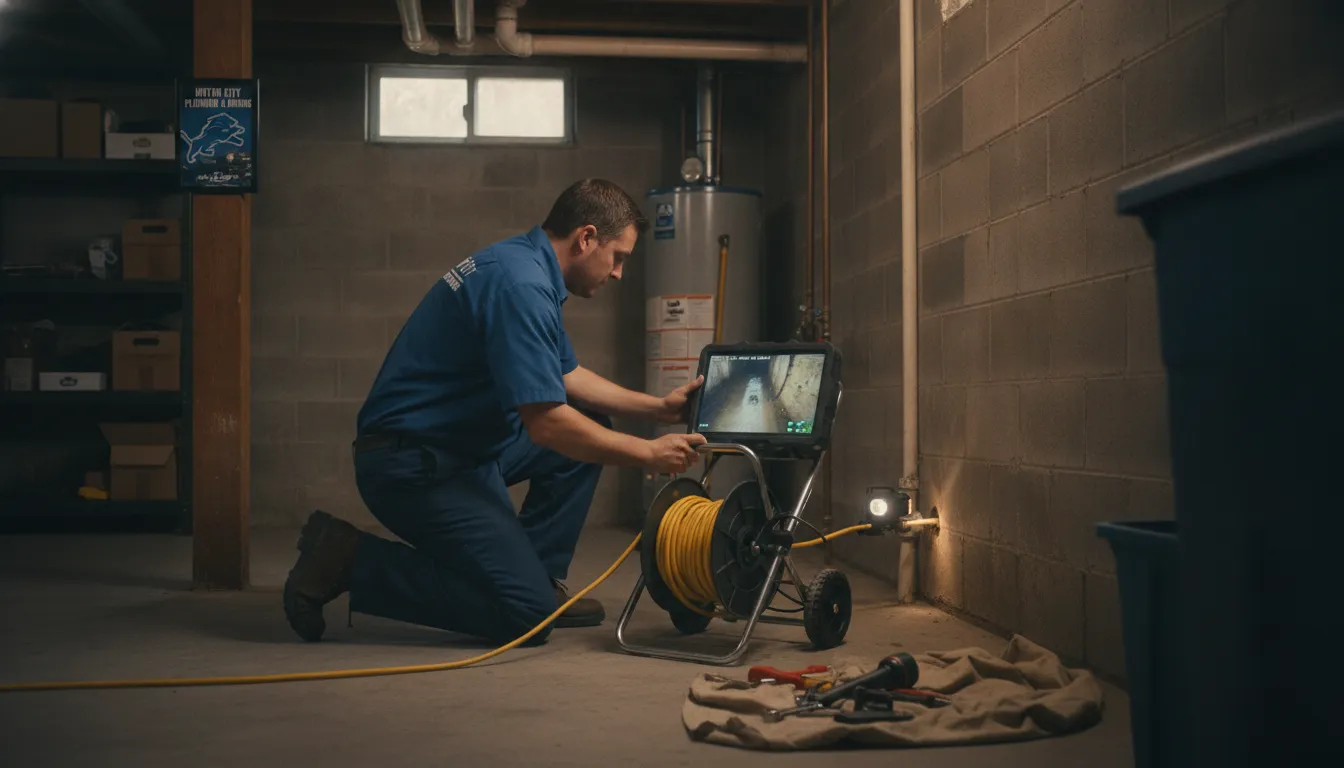
Before the flush starts, a plumber will turn off the power and gas to the unit. They will also close the main water valves to isolate the heater from your home plumbing. Tankless units have special service valves that allow a plumber to connect hoses without removing the unit from the wall. This setup keeps the cleaning process neat and fast. The plumber will check these valves for any signs of wear or leaks before they start the flush.
Descaling the heat exchanger
The core of the service is descaling the heat exchanger. The plumber uses a pump to move a cleaning solution through the unit for about an hour. This solution is usually food-grade vinegar or an approved chemical cleaner. As the liquid flows, it breaks down the hard scale that clings to the metal walls. According to the Environmental Protection Agency, scale buildup can greatly lower the energy output of your water heater. Removing this layer helps your unit heat water faster and lowers your utility bills.
Cleaning filters and inspecting parts
Once the flush is done, the plumber will clean the water inlet filter screen. This screen stops small rocks and debris from entering the heater. A clogged screen can cause low water pressure or error codes on your control panel. The plumber will also look at the air intake and the venting system. They check for blockages like dust or bird nests that could block airflow. Proper venting is a key part of keeping your home safe from gas fumes.
Testing the system
Finally, the plumber will restart the unit and watch it run. They check the error code history on the digital screen to see if there are any hidden problems. They also look for leaks around every connection and valve. Testing the unit ensures it is ready to give you hot water for the rest of the year. This step gives you peace of mind that your system is safe and works well. The following steps outline the standard process for a professional maintenance visit.
- Close the isolation valves to cut off the water supply to the heater.
- Connect a small pump and hoses to the service ports on the unit.
- Pump an approved descaling solution through the heater for at least 45 minutes.
- Flush the unit with clean water to remove any leftover cleaning solution.
- Remove and clean the water inlet screen to ensure proper water flow.
- Inspect the venting pipes and burner for any debris or signs of damage.
- Turn the power and gas back on and test the heater for leaks.
Warning signs your tankless water heater needs service
Tankless water heaters usually work well, but they still need care. Hard water minerals can build up inside your system over time. This process is called scaling. It can cause many small issues that lead to big repairs if you miss them.
People in Metro Detroit often have hard water. This makes professional tankless water heater maintenance even more vital. Knowing the warning signs can help you save money and keep your hot water running. Most units need a flush at least once each year to stay in top shape.
Swings in water temperature and flow
One common sign of a problem is a change in how your water feels. You may notice that the water gets hot and then turns cold fast. This often comes from scale buildup in the heat exchanger. These mineral spots act as an insulator, which makes it harder for the unit to heat water well.
The Environmental Protection Agency says scaling can lower heat flow. This makes your unit work much harder. You might also see a drop in water pressure. If scale clogs the pipes or intake screen, your water flow will feel weak and slow.
These changes are your system’s way of telling you that it needs a deep clean. If you notice these issues, it is best to act fast before the problem gets worse. A quick flush can often restore your system’s power and flow.
Strange sounds and system alerts
Listen for new or odd noises coming from your unit. You might hear a loud humming, ticking, or banging sound. These noises often mean there is a build-up of sediment or a part is starting to fail. Scale can break loose and rattle inside the pipes.
You should also check the digital screen on your unit for error codes. Most modern systems will show a specific code when they detect a fault or need service. These alerts are helpful. They tell you exactly what is wrong before the system shuts down for good.
If you ignore these signs, you may lose all hot water during a cold Michigan winter. It is much better to call for help when you first see an alert than to wait for a full breakdown. Early care can prevent a cold and costly night.
Visible leaks and unusual smells
It is a good idea to check your water heater for signs of water on the floor. Even a small drip can lead to rust, mold, or floor damage. Check the valves and pipes for any damp spots or white crusty marks. Those marks are often left behind by hard water minerals.
You should also pay attention to any smells near the unit. A gas smell or an odd exhaust odor is a serious sign that you need help right away. If you see leaks or smell gas, you should shut off the unit and call a pro right away.
Regular service keeps your home safe. It ensures your water heater failure signs do not lead to a huge mess. Small leaks can quickly grow into big floods if they are not fixed fast.
How should you prepare a tankless unit for winter?
Michigan winters are tough on your home’s pipes. As the air turns cold, your tankless water heater must work much harder. The water coming into your house from the ground is colder than in the summer. This means your unit needs more energy to reach the right heat. Cold weather also brings risks like snow blocking your vents. Good tankless water heater maintenance keeps your system running well all season long. It helps stop small issues from turning into big, costly breaks when you need hot water most.
Watch for high winter demand
In the winter, your water heater faces two big tests. First, the water coming into the unit is much colder. Second, most homes use more hot water for long showers or extra laundry. This extra stress makes high-efficiency units work near their limit. If your heater has mineral buildup from Detroit’s hard water, it will struggle even more.
Scale acts like a blanket on the parts that heat the water. According to the EPA, scaling stops the flow of heat and makes your system less efficient. You may notice your water takes longer to get hot. You might also see your energy bills go up. Checking your unit before the first frost ensures it can handle the cold water coming in.
Clear the vents from snow and ice
Your tankless unit needs to breathe to work safely. Most units use pipes that go through your wall to the outside. These pipes bring in fresh air and let out exhaust gas. In Metro Detroit, heavy snow or ice can block these vents. If the air cannot flow, your unit might shut down to stay safe. It could also lead to a dangerous build-up of gas in your home.
Check these spots often during the winter months:
- Look for snow piles against the side of your house where the pipes exit.
- Clear away any ice that forms on the vent screens or covers.
- Make sure no bushes or debris are near the pipes to keep the air moving freely.
Plan for your winter vacation
If you plan to leave your home for a long time during winter, you must care for your heater. Most new units have ways to protect themselves from freezing. But these systems only work if the unit has power. If the power goes out, the water inside the unit could freeze and crack the pipes. This is one of the common water heater failure signs that owners see too late.
If you go away, do not turn off the power to your unit. You should also keep your home’s heat at a safe level, often above 55 degrees. For long trips, you might want to drain the water from the unit. This is the best way to prevent damage. When spring comes, you should do a quick check to make sure everything is still in good shape.
How maintenance protects performance and service life
A tankless water heater can give you a steady flow of hot water for years, but only if you take care of it. Regular service is the best way to keep your unit running at its peak. When you stay on top of care, you make sure the system works as well as the day it was set up. This simple habit keeps your home comfortable and your energy bills low.
Maximize energy efficiency
One of the biggest perks of a tankless system is how it uses fuel. These units can be 24% to 34% more energy efficient than old tank-style heaters when you care for them well. But scale buildup from minerals like calcium can force the unit to work harder. This scaling lowers heat conductivity, which means the heater needs more energy to reach the same water temperature.
In Metro Detroit, hard water is a common challenge for many homeowners. If your water has a hardness level above 120 mg/L, it is considered hard and can lead to fast scale buildup. Using a water softener can help reduce these minerals, but it does not replace the need for an annual flush. You still need professional tankless water heater maintenance to clear out any hard deposits that form inside the heat exchanger.
Extend your system’s life
Skipping your yearly service can be a costly mistake. Without proper care, a unit that could last 20 years might fail much sooner. Replacing a tankless heater early can cost between $2,000 and $4,000. By choosing a routine maintenance schedule, you protect that investment and avoid the stress of a sudden breakdown. Regular checks also help you find small leaks or worn valves before they cause water damage to your home.
Keep a simple maintenance record
To keep your system in top shape, you should track every service visit. A simple log helps you remember when the last flush occurred and when the next one is due. Most experts suggest a full service at least once a year. If you have very hard water, you may need to flush the unit more often. Your record should include the date of the service, what was done, and any parts that were replaced. This history is very helpful if you ever need to file a warranty claim or sell your home.
When should you call a professional?
You can do some small tasks at home, but most tankless water heater maintenance needs an expert. These units are very complex. They have tiny parts and sensors that must work just right. If you make a mistake, you could break the unit or cause a leak. Most people find that calling a pro is the safest choice.
Safety with gas and vents
If your unit runs on gas, safety is a big deal. Gas units have burner parts and gas lines that can be risky. If the unit does not burn fuel right, it can lead to fire or gas leaks. An expert will check the burner for dust and dirt. They also look at the gas supply to make sure it is safe. This part of the job ensures the unit avoids gas hazards in your home.
Vents are also very important for your heater. Vents let out the hot air and smoke from the unit. If the vents get blocked, the unit can shut down or leak gas. A pro will check the pipes and vents to make sure the air flows well. They look for birds’ nests or debris that might block the vent. Keeping the air flowing helps the unit work well and stay safe for years.
Watching for codes and leaks
Your heater has a small screen that shows error codes. These codes often tell you when the unit needs care. A pro can read these codes and find the real problem fast. They have the right tools to test the sensors inside the box. If you ignore these codes, the unit might stop working when you need hot water most. A pro can find these water heater failure signs before they turn into big bills.
Leaks are another sign that you need to call an expert. Even a tiny drip can lead to water damage in your home. A pro will check all the pipes and valves for leaks. They also test the relief valve to make sure it works. If you see water near the unit, you should call a plumber right away. Fixing a leak early can save you from a big mess and high costs later.
Most makers also have rules about who can work on the unit. You often need professional tankless water heater maintenance to keep your warranty. If you do the work yourself, the maker might not pay for parts if the unit breaks. Always check your book to see the rules for your model. It is better to hire a pro than to lose your warranty coverage.
You should call an expert if you see these problems:
- You smell gas near the water heater.
- The unit makes loud banging or pop sounds.
- Water pressure in your home feels very low.
- The water stays cold even after the heater runs.
- The screen shows a code you do not know.
A pro from Mr. Pipey Plumbing can help you with these problems. We know how hard water in Metro Detroit can hurt your heater. Hard water has high levels of minerals like calcium. These minerals cause scaling, which makes the unit work harder. The EPA says this scale can lower how well your heater works. We can flush the unit and clean the parts so it lasts longer.
Frequently Asked Questions
What is the cost of tankless water heater maintenance?
Expert service for a tankless unit often costs between $150 and $300. This price depends on the brand of your heater and where you live. If you choose to do the work yourself, parts like hoses and descaling solution often cost about $30 to $50. According to Horizon Services, regular care prevents the need for a total replacement. A new system can cost between $2,000 and $4,000 if the old one fails too soon.
How long does a tankless water heater last with proper care?
A tankless water heater can last for 20 years or more if you maintain it well. This is much longer than the life of a standard tank-style heater. Without annual service, mineral scale builds up and causes the unit to fail much earlier. Regular flushing keeps the system running well and saves you money on energy bills. Experts at Roto-Rooter state that proper care is the key to reaching this long lifespan.
Can hard water damage a tankless water heater?
Yes, hard water can cause major damage to your system. Minerals like calcium and magnesium create scale inside the heat exchanger. This layer acts like a blanket and makes the heater work much harder to warm your water. Over time, this buildup can block water flow and lead to broken parts. The EPA notes that hard water makes appliances less efficient and leads to more frequent cleaning or repairs.
What should I do if my tankless water heater shows an error code?
If you see an error code on the digital screen, check your owner manual first. These codes often mean that the unit needs maintenance or that a sensor has found a problem. Common issues include a dirty air filter or scale buildup in the heat exchanger. You should call an expert if the code relates to gas lines or venting. Routine checks help the unit operate safely and avoid fire hazards, as noted by Roto-Rooter.
Ready to book tankless water heater service?
Hard water in Metro Detroit builds up scale inside your unit every day. Waiting can lead to big bills or system failure when the cold winter hits. You can save money and keep your home safe by cleaning your unit now. Do this before the deep freeze puts too much stress on your pipes. Our team helps with tankless water heater maintenance to keep your water hot. This simple step keeps your energy costs low for many years to come. Taking care of your heat exchanger now gives you peace of mind. You will avoid cold nights when the outside air turns very cold. We help you stay warm with our flat rate pricing and service plans. Fix these hard water issues today before they turn into costly repairs.
Ready to schedule? Call (313) 896-8874 to talk to a plumber and schedule tankless water heater service.