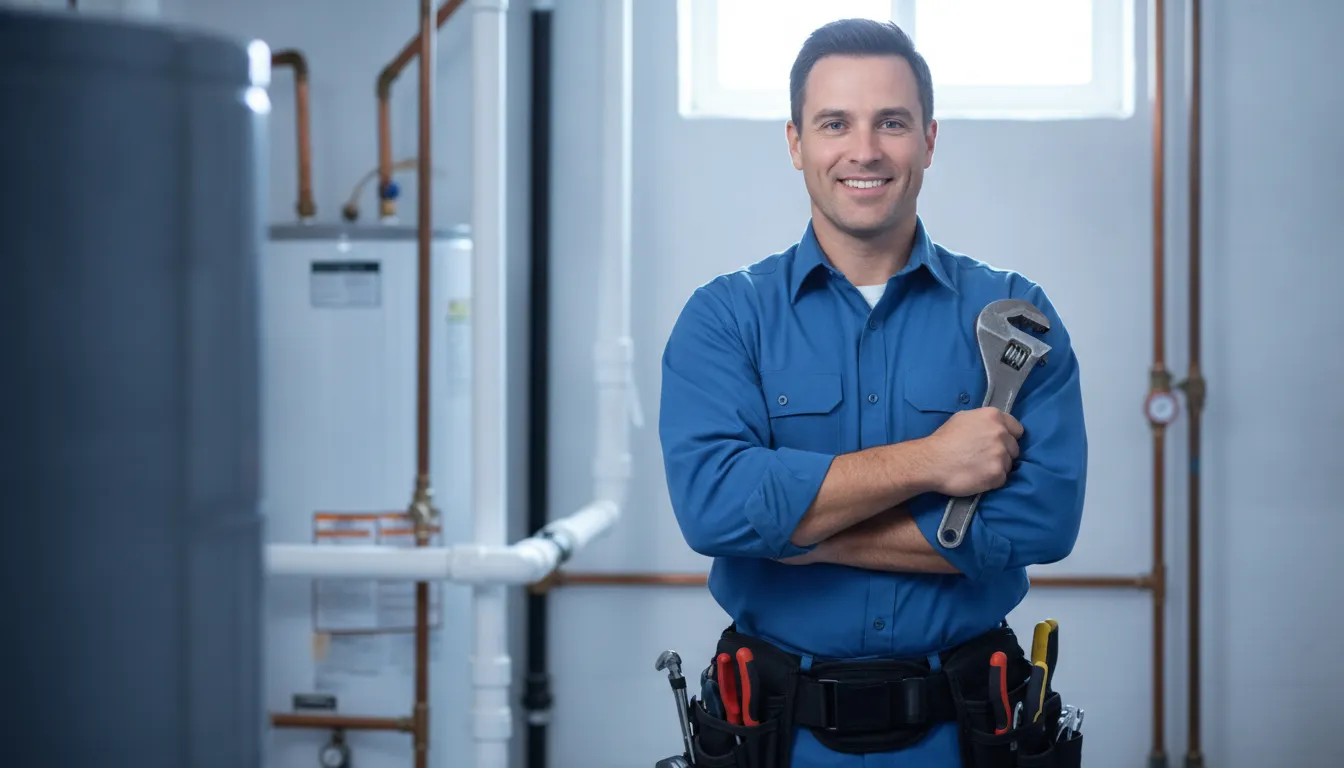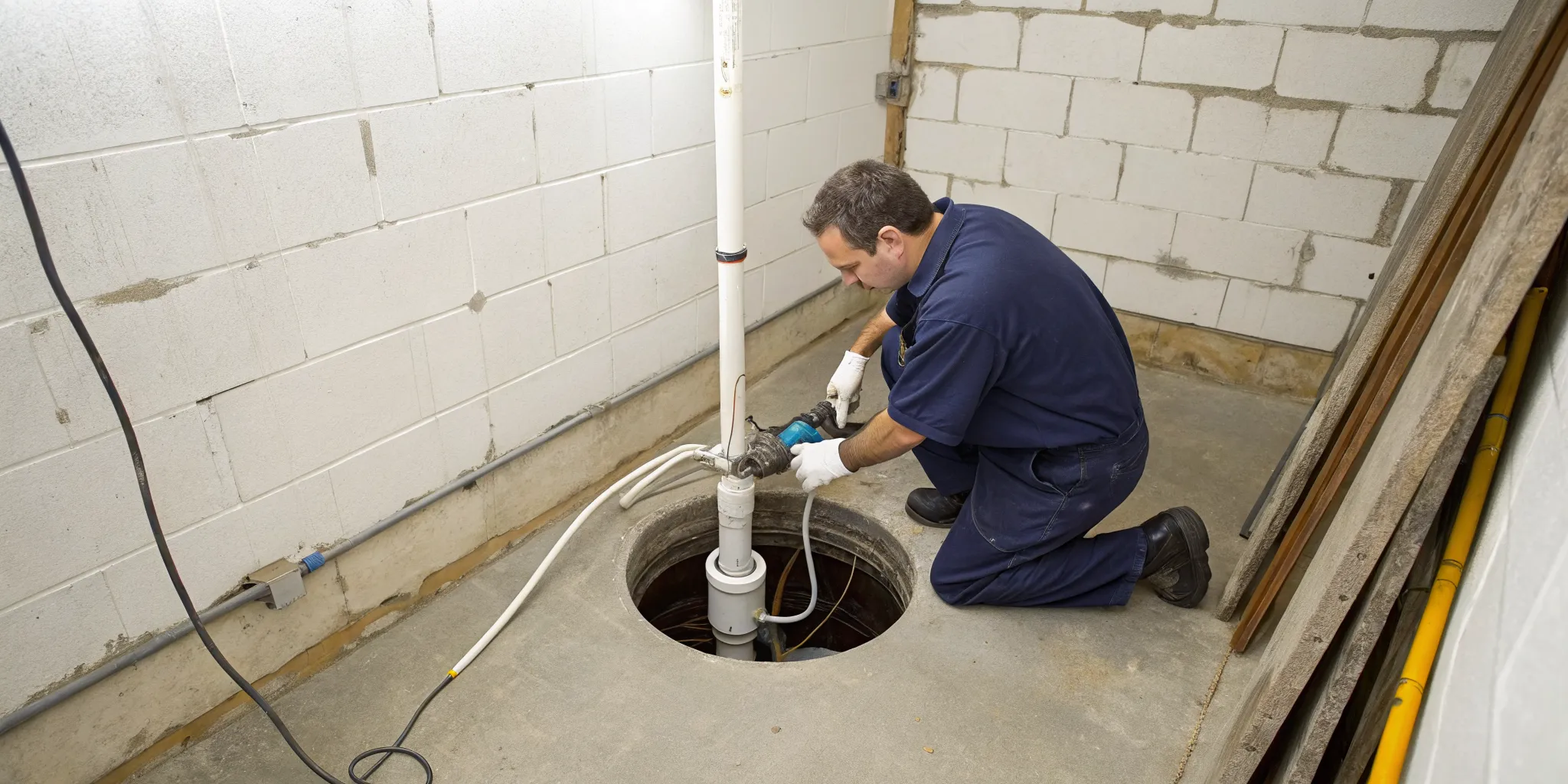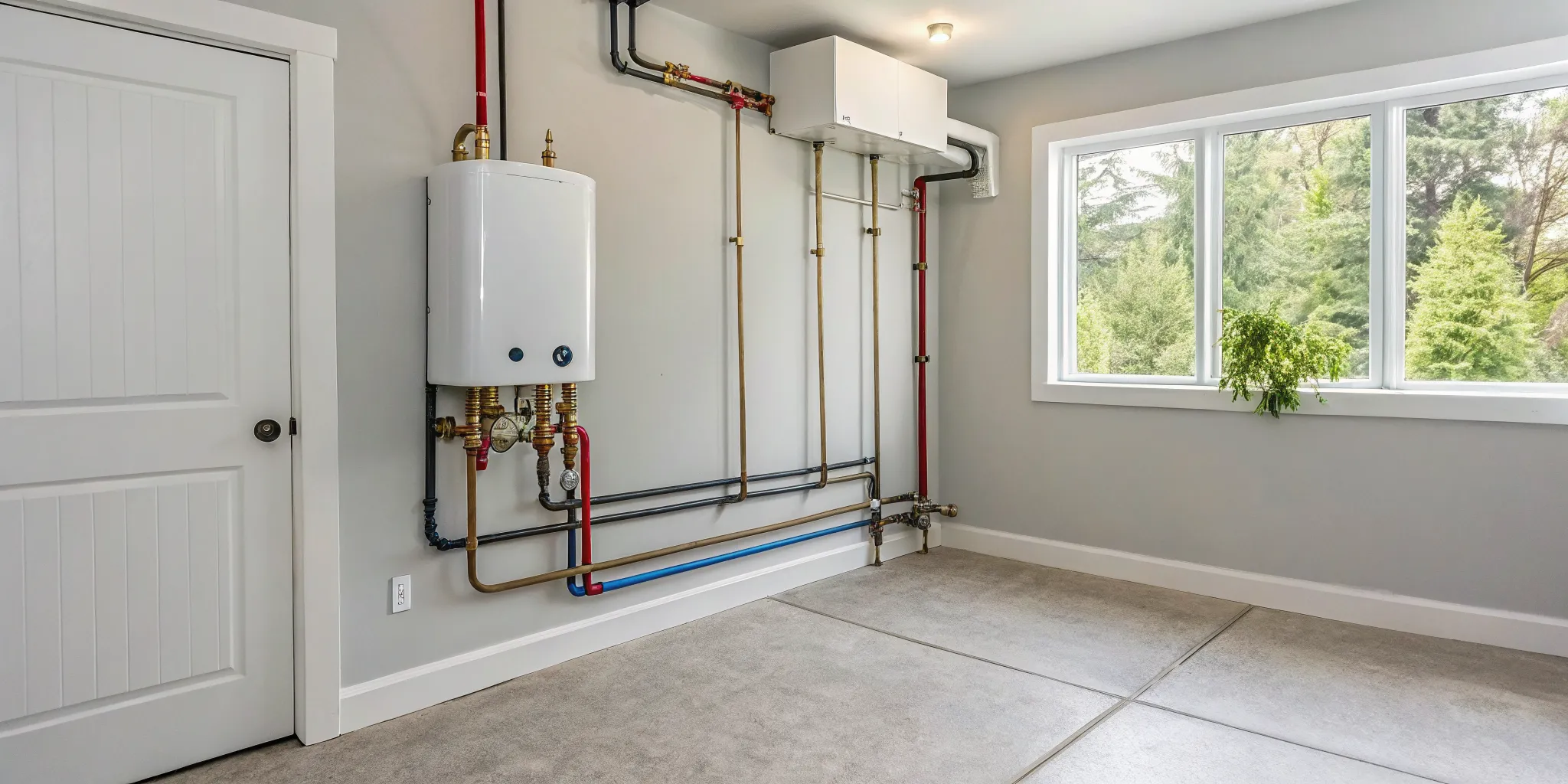


Think about the space your current water heater occupies. For most homes, it’s a bulky tank tucked away in a basement or utility closet, taking up valuable real estate. Now, what if you could reclaim that space for storage, a small workshop, or just a less cluttered room? That’s one of the most practical benefits of switching to a tankless water heater. These sleek, wall-mounted units are a fraction of the size, but their advantages don’t stop there. They are also far more energy-efficient, heating water on demand instead of wasting energy 24/7. A professional tankless water heater installation in Troy, MI, can transform your utility area while providing endless hot water. Let’s look at how this compact technology delivers big results.
Key Takeaways
- Enjoy endless hot water and lower energy bills: A tankless water heater provides hot water on demand, so you never run out mid-shower, and it stops you from paying to keep a large tank hot 24/7, saving you money and energy.
- Match the system to your home’s needs: The key to a successful switch is getting the right size and fuel type for your family. A professional assessment helps determine the correct flow rate and whether a gas or electric model is the best fit for your home.
- Prioritize professional installation for long-term value: The higher upfront cost pays off through longevity and efficiency, but only with a correct installation. Choosing a licensed, experienced plumber protects your investment and ensures your system operates safely for years.
Why Go Tankless? The Benefits for Your Home
If you’re tired of that giant, rumbling water tank in your basement, you might be thinking about making a change. Switching to a tankless water heater is a popular upgrade for Troy homeowners, and for good reason. These modern systems offer a completely different approach to heating your water, focusing on efficiency and convenience. While the initial thought of replacing a major appliance can feel overwhelming, understanding the benefits can make the decision much clearer. From an endless supply of hot water to lower energy bills and more usable space in your home, going tankless is an investment that pays off in comfort and savings. Let’s look at what makes these systems a smart choice for your family.
Enjoy an Endless Supply of Hot Water
There’s nothing worse than the hot water turning icy cold halfway through a shower. With a traditional tank heater, you’re always working with a limited supply. Once it’s gone, you have to wait for the tank to refill and reheat. A tankless water heater solves this problem completely. Instead of storing hot water, it heats it on demand, for as long as you need it. This means you can run the dishwasher, do a load of laundry, and still have a long, hot shower without any interruptions. Some people worry a tankless unit can’t keep up, but when a system is properly sized and installed by a professional, it can easily meet your household’s demands.
Lower Your Energy Bills and Save Money
That big tank of water in your basement isn’t just taking up space; it’s constantly using energy to stay hot, even when you’re not using it. This is called standby heat loss, and it adds up on your utility bills. Tankless water heaters, on the other hand, only fire up when you turn on a hot water tap. By heating water only when needed, they can be significantly more energy-efficient. According to the U.S. Department of Energy, this efficiency leads to lower operating costs over the life of the unit. While the initial purchase price is higher, the long-term energy savings can help offset that cost, making it a smart financial investment for your home.
Reclaim Space with a Compact Design
Traditional water heaters are bulky, often demanding a significant chunk of real estate in your basement, garage, or utility closet. A tankless water heater, in contrast, is a sleek, compact box that mounts directly to the wall. The size difference is dramatic, freeing up valuable floor space you can actually use. Imagine what you could do with that extra room: add storage shelves, set up a small workbench, or simply enjoy a less cluttered utility area. This space-saving benefit is especially valuable in homes with limited square footage, helping you make the most of every inch. It’s a simple change that can have a big impact on how you use your home.
Is a Tankless System Right for Your Troy Home?
Switching to a tankless water heater is a big decision, and while the benefits are compelling, it’s not a universal solution for every household. The best choice depends entirely on your family’s habits, your home’s setup, and your budget. Thinking through a few key factors will help you figure out if going tankless is the right move for you. It’s about matching the technology to your lifestyle to get the comfort and savings you’re looking for.
Sizing Up Your Household’s Hot Water Needs
A common worry is that a tankless system can’t keep up with a busy family’s needs, like running the shower and dishwasher at the same time. The truth is, a properly sized unit can handle it all without breaking a sweat. The key is matching the unit’s flow rate, measured in gallons per minute (GPM), to your home’s peak demand. You’ll want to add up the GPM for all the appliances and faucets you might use simultaneously. A professional assessment is the best way to get this right, ensuring you invest in a system that delivers an endless supply of hot water exactly when you need it. We can help you calculate your needs accurately.
Choosing Between Gas and Electric Models
When you choose a tankless water heater, one of the first decisions is the fuel type. Natural gas models typically offer a higher flow rate, making them a great fit for larger families with high hot water demands. If you already have a gas line, it’s often the more powerful option. Electric models, on the other hand, are usually less expensive to install since they don’t require new ventilation lines. They are compact and can be installed in more places, but they may have a lower flow rate and could require an upgrade to your home’s electrical panel to handle the load. Your home’s current infrastructure and your family’s water usage will point you toward the best fit.
Weighing the Upfront Cost vs. Long-Term Savings
There’s no getting around it: the initial cost of a tankless water heater is higher than a traditional tank model. However, it’s important to look at the bigger picture. According to the Department of Energy, tankless heaters have lower operating costs and a much longer lifespan. Because they only heat water on demand, you’ll see the savings on your monthly energy bills. Plus, these units can last 20 years or more, often double the lifespan of a storage tank heater. Think of it as an investment that pays you back over time through efficiency, reliability, and fewer replacement costs down the road.
Popular Tankless Water Heater Brands We Trust
When you decide to invest in a tankless water heater, choosing the right brand is just as important as choosing the right model. After years of installing and servicing these systems across Troy, we’ve seen which brands consistently deliver on their promises of efficiency, reliability, and longevity. We only recommend products we’d be comfortable putting in our own homes. Based on our hands-on experience, a few names stand out from the rest for their superior performance and build quality. These are the brands we trust to provide your family with dependable, on-demand hot water for years to come.
Rinnai
Rinnai is a name that frequently comes up in conversations about top-tier tankless water heaters, and for good reason. They are known for exceptional efficiency and robust performance. One model we often recommend is the Rinnai RX199iN, which is a fantastic gas-powered unit for a family of three to five people. It’s designed to handle high water demand without skipping a beat. According to a review from master plumbers, its condensing technology delivers hot water with incredible efficiency, especially when paired with a recirculation pump. For homeowners, this means long-term reliability, easier maintenance, and noticeable energy savings.
Navien
Navien is another industry leader that has earned our confidence through its commitment to advanced technology and high-efficiency performance. Their tankless water heaters are engineered with innovative features that are specifically designed to maximize energy savings while providing a consistent and endless supply of hot water. We appreciate Navien because their products are built to last and can comfortably meet the needs of various household sizes. When you choose a brand like Navien, you’re getting a system that reflects the latest advancements in home comfort. Our team at Mr. Pipey values this kind of forward-thinking engineering because it translates to better results for you.
Bosch
Bosch has built a global reputation for creating reliable, high-quality appliances, and their tankless water heaters are no exception. These units are celebrated for their dependable performance and energy-efficient operation, giving you hot water right when you need it without wasting power. One of the standout features of many Bosch models is their compact, space-saving design. This makes them an ideal choice for homes where utility space is limited, allowing you to reclaim areas once occupied by a bulky tank. If you’re looking for a trustworthy brand that combines efficiency with a smart, practical design, Bosch is a solid contender for any of your plumbing needs.
What to Expect for Installation Costs in Troy
Let’s talk about one of the biggest questions on everyone’s mind: the cost. Investing in a tankless water heater is a significant home upgrade, and it’s smart to have a clear picture of the budget before you start. The final price tag for a tankless water heater installation in Troy can vary quite a bit. It depends on the model you choose, your home’s existing plumbing and electrical setup, and any necessary modifications to make it all work perfectly. For instance, switching from a traditional tank to a tankless model might require new venting, upgraded gas lines, or a dedicated electrical circuit.
These variables are why a one-size-fits-all price doesn’t really exist. Think of it less as a simple purchase and more as a custom installation for your home. A professional plumber will need to assess your specific situation to give you an accurate quote. At Mr. Pipey, we believe in transparency, so we make sure you understand every part of the estimate. We’ll walk you through the costs and help you find a solution that fits your home and your budget. Our goal is to provide cost-effective solutions that deliver reliable, long-lasting results.
Understanding the Average Cost
When you start budgeting for a tankless water heater, it helps to have a baseline number in mind. For homeowners in the Troy area, the average cost for installation often lands around $1,500. This figure usually covers the basic installation service, but it’s important to know what might not be included. For example, additional expenses can come up for things like bringing plumbing or venting up to current building codes or securing necessary city permits. Think of this average as a solid starting point for your financial planning, not the final number. For a precise and detailed quote tailored to your home, it’s always best to contact a professional for an on-site assessment.
Factoring in Other Potential Expenses
Beyond the unit and basic installation, a few other factors can influence your total cost. If your new tankless system requires a different type of fuel source, like switching from electric to gas, you’ll need new lines installed. Upgrading electrical circuits or rerouting plumbing can also add to the final bill. It’s also wise to check if your current water heater is still under warranty. While it might not cover a full replacement, understanding your coverage can help you manage expectations and potential costs. A thorough inspection from a trusted plumber will uncover these potential needs, ensuring there are no surprises and that your new system is installed safely and correctly.
How Local Rebates Can Lower Your Final Price
Here’s some good news for your budget: you may be able to lower your final cost with rebates and tax credits. Many high-efficiency tankless water heaters qualify for local utility rebates, federal tax credits, and other incentive programs. Because these models use less energy, they often earn an Energy Star certification, which is a great indicator that they might be eligible for savings. Taking a little time to research these opportunities can make a big difference in your overall investment. We can help you identify which models qualify and point you in the right direction to claim these valuable incentives, making your upgrade even more affordable.
Common Tankless Water Heater Myths, Busted
Tankless water heaters are a fantastic upgrade for many homes, but there’s a lot of chatter out there that can be confusing. It’s easy to get tangled up in half-truths and outdated information. Let’s clear the air and look at some of the most common myths about tankless systems. Understanding the reality behind these claims will help you decide if going tankless is the right move for your Troy home.
Myth: You Get Hot Water Instantly
This is probably the most common misunderstanding about tankless water heaters. While they provide hot water “on demand,” that doesn’t mean it’s instantaneous. The unit starts heating the moment you turn on the tap, but that newly heated water still needs to travel through your home’s pipes to reach your faucet or showerhead. The time it takes is the same as it would be with a traditional tank heater. The real benefit isn’t instant water; it’s an endless supply. You never have to worry about running out of hot water mid-shower again, which is a luxury you’ll quickly appreciate.
Myth: They Can’t Handle High Demand
Some people worry that a small, compact tankless unit won’t be able to keep up with a busy family’s needs, especially if the dishwasher, a shower, and a load of laundry are all running. The truth is, a properly sized tankless water heater can absolutely handle high demand. The key phrase here is “properly sized.” An expert installer will assess your household’s peak hot water usage to recommend a unit with the right flow rate and heating capacity. This is why a professional assessment of your home’s needs is so critical. An undersized unit will struggle, but one that’s matched to your home will deliver a continuous flow of hot water to every tap that needs it.
Myth: Installation Is an Easy DIY Job
While it’s tempting to try and save money with a DIY project, installing a tankless water heater is a job best left to the pros. These systems are more complex than traditional tanks. Installation often requires upgrading gas lines for proper fuel supply, installing new and specific ventilation systems, and making precise electrical and plumbing connections. A small mistake can lead to poor performance, water leaks, or even dangerous gas or carbon monoxide issues. To ensure your system runs safely and efficiently, you need a licensed and experienced plumber who understands the specific requirements for these modern units.
Myth: They Cost Too Much to Run
It’s true that tankless water heaters have a higher upfront cost, but they are designed to save you money over the long run. Because they only heat water when you need it, they are significantly more energy-efficient than traditional tanks that constantly burn energy to keep 40 or 50 gallons of water hot. According to the Department of Energy, this can lead to considerable energy savings. Of course, your final utility bill depends on your usage. If you start taking much longer showers just because you can, you might not see as big of a drop. But with normal use, you’ll enjoy both endless hot water and a lower energy bill.
How to Choose the Right Installer in Troy
Picking the right tankless water heater is only half the battle; finding the right person to install it is just as crucial. A great installation ensures your new system runs efficiently and safely for years to come. But with so many options out there, how do you find a plumber you can trust? It comes down to asking the right questions and looking for a few key signs of a true professional. Think of it as hiring a partner for your home’s comfort.
Look for Proper Licensing and Insurance
First things first, make sure any installer you consider is fully licensed and insured. This isn’t just a formality; it’s your safety net. A license proves they meet state and local standards for plumbing work, while insurance protects you and your home from liability in case of accidents during the installation. Any reputable company will be upfront about their credentials. Don’t be shy about asking for proof. A professional who is proud of their qualifications, like our team at Mr. Pipey, will be happy to provide it, giving you confidence that you’re in good hands.
Check Their Experience and Read Reviews
When it comes to specialized equipment like tankless water heaters, experience matters. You want an installer who has a proven track record with these specific systems, not someone who is learning on the job. Look for a company that has been serving the Troy area for a while and has plenty of successful installations under its belt. Check their website for testimonials and read online reviews on sites like Google or Yelp. Hearing from other homeowners is one of the best ways to gauge the quality of a company’s plumbing services and their commitment to customer satisfaction.
Ask About Warranties on Parts and Labor
A solid warranty is a sign that your installer stands behind their work and the products they use. Before you agree to anything, ask what kind of warranties are offered. There are typically two types: a manufacturer’s warranty that covers the unit itself and a labor warranty from the installer that covers the installation work. A trustworthy plumber will be clear about what’s covered and for how long. This gives you peace of mind knowing that if something goes wrong, you won’t be left with unexpected repair bills. Feel free to contact us to learn about our commitment to quality workmanship.
Ensure They Provide a Professional Assessment
A tankless water heater isn’t a one-size-fits-all solution. The right installer will start with a thorough assessment of your home’s specific needs. They should evaluate your family’s hot water usage, check your existing plumbing and gas or electrical systems, and discuss the best placement for the unit. This professional evaluation ensures you get a system that’s properly sized and installed for optimal performance and energy savings. A plumber who rushes this step may not be the right fit. You need an expert who can handle any situation, from a standard installation to an emergency plumbing scenario.
Related Articles
- How to DIY a Tankless Water Heater Installation
- Water Heater Cost and Installation: A Complete Guide
- Water Heater Installation: A Step-by-Step Guide
Frequently Asked Questions
How long does a tankless water heater actually last compared to a traditional one? A tankless water heater is a long-term investment. You can expect a well-maintained unit to last 20 years or even longer. That’s often double the lifespan of a traditional tank heater, which typically needs to be replaced every 10 to 12 years. The extended lifespan is because tankless models don’t store corrosive water, so they experience less wear and tear over time.
What kind of maintenance does a tankless system require? While they are very reliable, tankless systems do need some care to perform their best. The most important task is having the unit professionally descaled about once a year. This process removes mineral buildup from the internal components, which keeps the water flowing freely and maintains energy efficiency. It’s a straightforward service that protects your investment for years to come.
Is my older Troy home suitable for a tankless water heater? Yes, an older home can absolutely be a great candidate for a tankless system. The age of the house isn’t as important as its existing infrastructure. During a professional assessment, we check things like the capacity of your gas line or electrical panel to ensure they can support the new unit. Sometimes minor upgrades are needed, but it’s almost always possible to find a tankless solution that fits.
Will a tankless unit really save me money if the upfront cost is so high? It’s true that the initial purchase and installation cost is higher, but the savings come over the life of the unit. Because a tankless heater only uses energy when you turn on the hot water, your monthly utility bills will be lower. When you combine those energy savings with the fact that you won’t have to pay for a replacement heater for 20 years or more, the long-term financial benefit becomes very clear.
How long does a typical installation take? The time it takes to install a tankless water heater depends on your home’s specific setup. A straightforward replacement where everything lines up might only take a few hours. However, if the job requires running new gas lines, upgrading electrical circuits, or installing new ventilation, it could take the better part of a day. A professional installer will give you a clear and accurate time estimate after assessing your home.