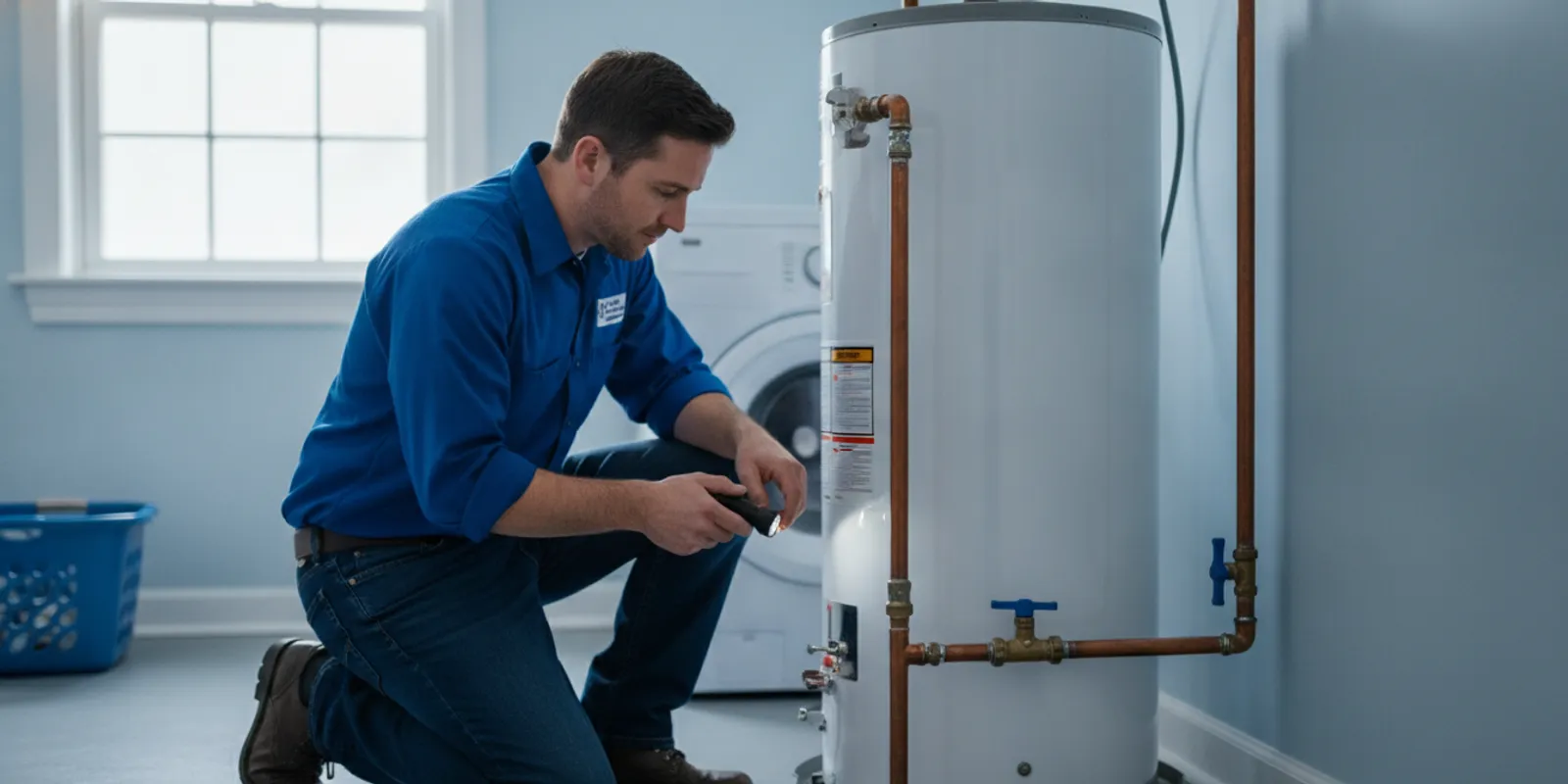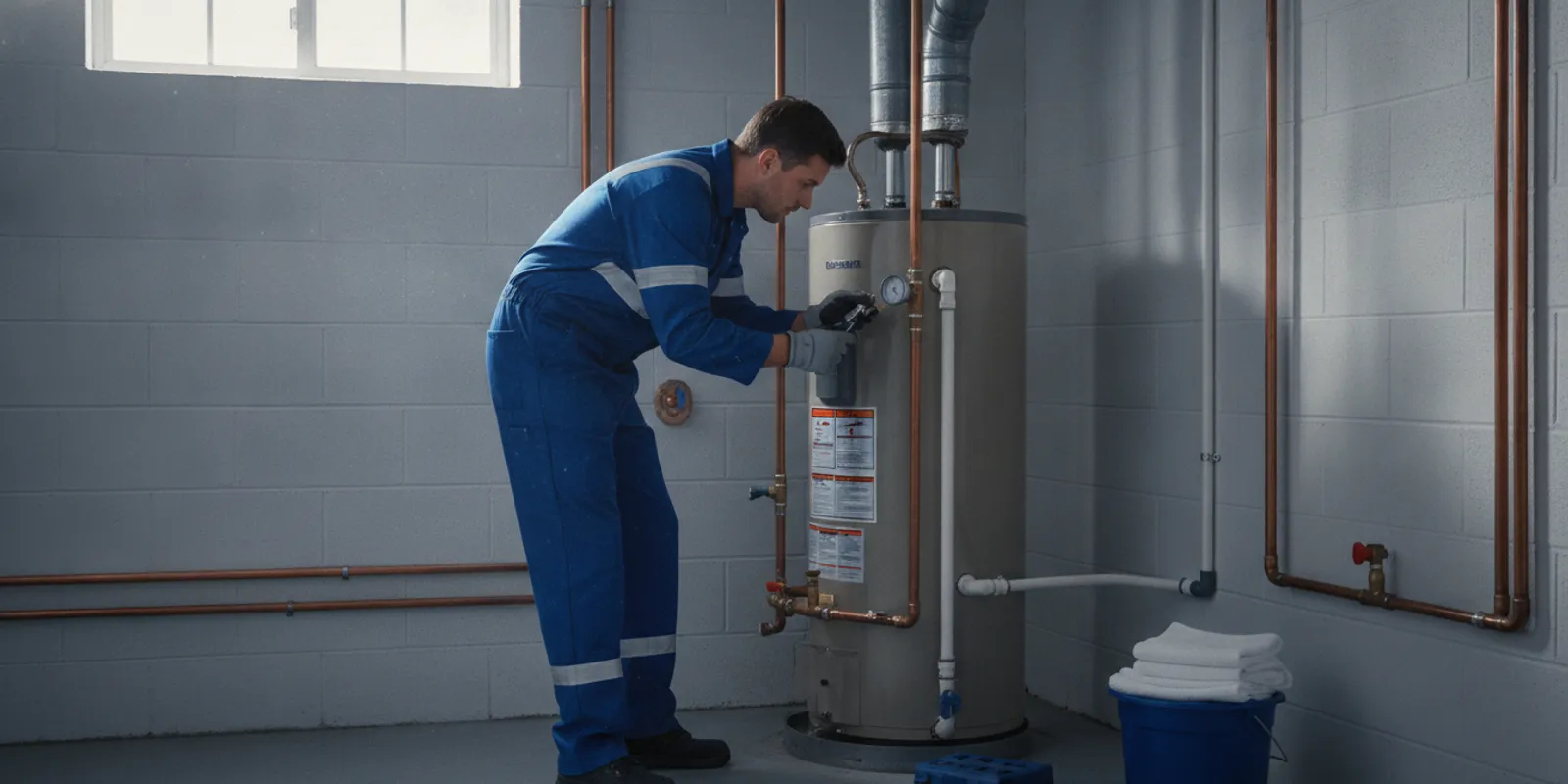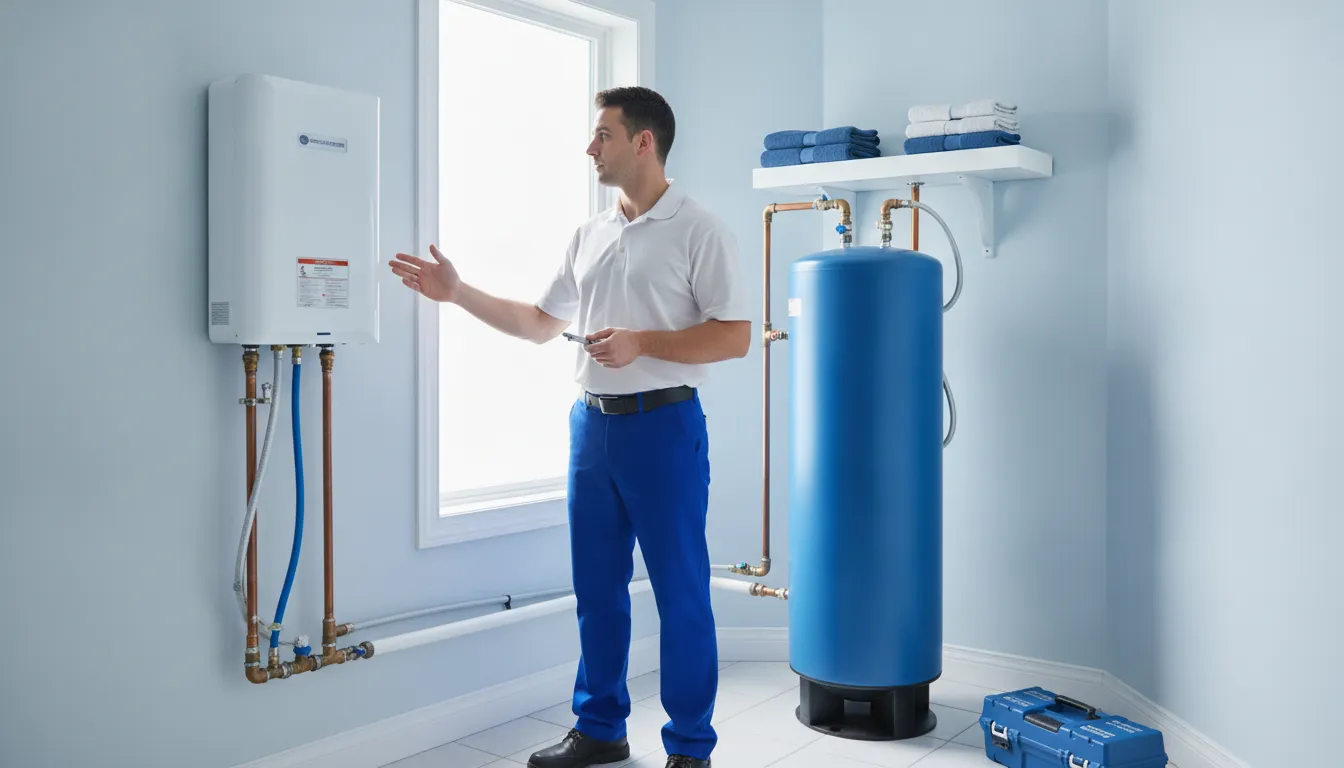

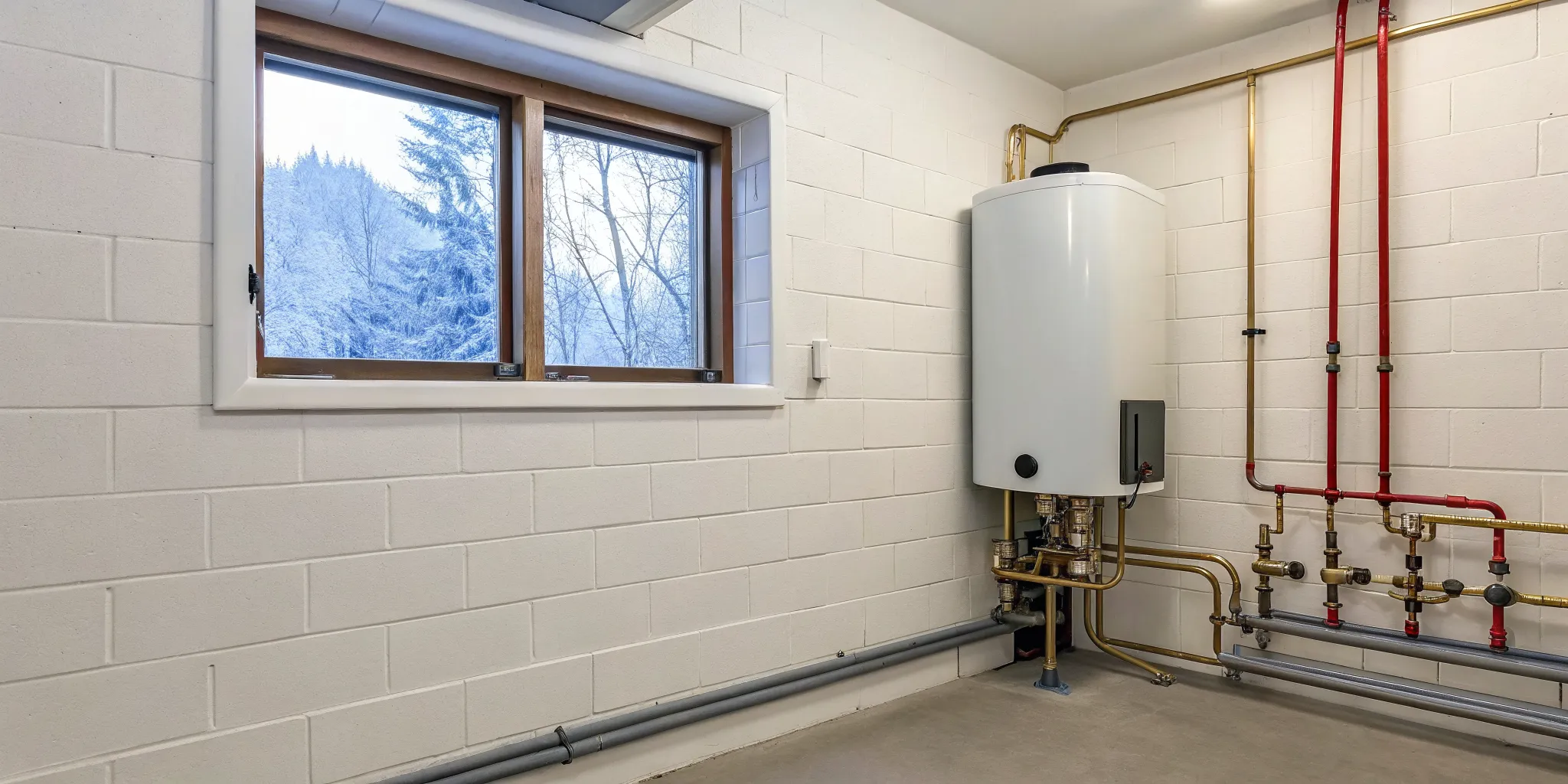
When you think about upgrading your home, you might picture a new kitchen or a finished basement. But one of the smartest, most impactful upgrades you can make is in your utility room. Switching from a bulky, inefficient storage tank to a modern tankless water heater is a forward-thinking move that pays dividends in comfort and savings. These compact units provide an endless supply of hot water on demand, reduce energy waste, and last nearly twice as long as their traditional counterparts. It’s an investment in your home’s value and your family’s daily routine. This guide is designed to give you a clear, honest look at what a tankless water heater installation in Pontiac MI involves, from choosing the right model to understanding the long-term benefits for your household.
Key Takeaways
- A tankless heater pays off in the long run: While the upfront cost is higher, you get the benefit of endless hot water and lower energy bills. These units can last 20 years or more, making the initial investment a practical choice for your home.
- Always hire a licensed plumber for installation: This is not a DIY project. A professional ensures your gas, electrical, and venting systems are configured correctly, which is critical for the heater to work safely and efficiently.
- Schedule yearly maintenance to prevent problems: Keep your tankless heater in top shape with an annual professional check-up. Descaling the unit once a year removes mineral buildup, which maintains efficiency and helps you avoid unexpected breakdowns.
Tankless vs. Traditional: Which Water Heater Is Right for You?
Choosing a new water heater is a bigger decision than most people realize. It’s not just about replacing an old appliance; it’s about investing in your home’s comfort and efficiency for the next decade or more. For years, the standard choice was a traditional storage-tank water heater. You know the one: a large, cylindrical tank that sits in a utility closet or basement, constantly heating a reservoir of water so it’s ready when you need it. It’s a familiar and reliable workhorse.
But now, there’s another option that’s gaining a lot of attention: the tankless water heater. Instead of storing hot water, these compact units heat water instantly, on demand, as it flows through your pipes. This fundamental difference is changing how homeowners think about their hot water supply. Making the switch from a traditional tank to a tankless system is a significant upgrade, and it’s important to understand what that means for your home, your lifestyle, and your budget. Both systems can get the job done, but they offer very different experiences. We’ll walk you through the key differences to help you decide which is the perfect fit for your Pontiac home. Mr. Pipey offers a comprehensive range of expert plumbing solutions to help you with installation and maintenance, no matter which you choose.
Why Your Pontiac Neighbors Are Going Tankless
If you’ve noticed more people in your neighborhood talking about tankless water heaters, there’s a good reason. Upgrading to a tankless model is one of the smartest investments you can make in your home. The biggest draw is energy efficiency. Because they only heat water when you need it, they can significantly lower your monthly energy bills compared to a traditional tank that runs all day.
Beyond the savings, tankless systems provide an endless supply of hot water. That means no more scheduling showers or worrying about running out of hot water after running the dishwasher. These units are also incredibly durable, often lasting 20 years or more, which is nearly double the lifespan of many tank models. Plus, their compact, wall-mounted design frees up valuable floor space in your basement or utility closet.
What Are the Benefits of a Tankless Water Heater?
If you’re tired of running out of hot water or cringing at your energy bills, a tankless water heater might be the perfect upgrade for your Pontiac home. Unlike traditional tank heaters that constantly use energy to keep a large volume of water hot, tankless models heat water on demand. This simple change in operation comes with some major advantages. From endless hot water for your whole family to significant long-term savings, going tankless is more than just a new appliance; it’s an investment in your home’s comfort and efficiency. Let’s look at the key benefits that have your neighbors making the switch.
Enjoy Endless Hot Water
There’s nothing worse than a hot shower turning icy cold because someone else ran the dishwasher. With a traditional tank, you’re limited to the 40 or 50 gallons it holds, and once that’s gone, you have to wait. A tankless water heater eliminates this problem completely. It works by passing cold water over a powerful heating element that warms it instantly as you turn on the tap. This means you get a steady, continuous stream of hot water for as long as you need it. You can run multiple appliances at once without worrying about drawing down the supply, making it perfect for busy families.
Save Energy and Lower Your Bills
Traditional water heaters are constantly working, reheating the water in their tank day and night to keep it ready. This standby heat loss can account for a noticeable chunk of your monthly energy bill. Because tankless heaters only activate when you need hot water, they are significantly more energy-efficient. According to the U.S. Department of Energy, they can be 24% to 34% more efficient than conventional storage tank models. Over time, this efficiency translates directly into lower utility bills and a smaller carbon footprint for your household.
Reclaim Your Space
Think about the bulky, oversized tank taking up valuable real estate in your basement, utility closet, or garage. Traditional water heaters are cumbersome and require a significant footprint. In contrast, tankless water heaters are incredibly compact. Most are about the size of a small suitcase and mount directly to the wall, freeing up precious floor space. This allows you to reclaim that area for storage, a small workshop, or simply a cleaner, more organized utility room. It’s a small change that can make a big difference in how you use your home.
Get a Longer-Lasting System
A water heater is a major home appliance, and you want it to last. Tankless water heaters have a much longer lifespan than their traditional counterparts. While a standard tank heater typically lasts between 10 to 15 years, a well-maintained tankless unit can operate efficiently for 20 years or more. This extended lifespan is due to their durable components and the fact that they aren’t constantly storing water, which reduces the risk of rust and corrosion. When you choose a tankless model, you’re making a long-term investment in your home’s plumbing infrastructure and getting a reliable system you can count on for decades.
Tankless Water Heater Myths, Busted
Tankless water heaters are a fantastic upgrade for any home, but they’re also surrounded by a lot of misinformation. It’s easy to get tripped up by rumors you hear from neighbors or read online. Let’s clear the air and look at the facts behind some of the most common myths. Getting the real story will help you make a confident and informed choice for your home’s hot water needs.
Myth #1: You Get Hot Water Instantly
This is probably the biggest misconception out there. While a tankless heater provides an endless supply of hot water, which is a huge plus, it isn’t truly instant. It still takes a few seconds for the heater to sense the water flow, kick on its heating element, and for that newly heated water to travel through your pipes to the faucet. Think of it as on-demand, not instant. You won’t have to worry about the hot water running out mid-shower, but you will have to wait a moment for it to arrive, just as you do with a traditional tank.
Myth #2: It Can’t Handle a Full House
Some people worry that a tankless system just can’t keep up with a busy family’s needs, from running the dishwasher to taking multiple showers. The good news is, that’s simply not true. Modern tankless water heaters are powerful and designed to handle high demand. The key is choosing the right size and flow rate for your household. A properly sized unit can easily run several hot water taps at once without breaking a sweat. We can help you figure out exactly what your home needs to ensure everyone gets a hot shower without any arguments.
Myth #3: Installation Is a DIY Project
With so many DIY tutorials available, it’s tempting to think you can install a tankless water heater yourself. Please, leave this one to the pros. Proper installation involves complex electrical wiring, gas line connections, and specific venting requirements that must be perfect for the unit to operate safely and efficiently. An incorrect installation can lead to poor performance, dangerous carbon monoxide leaks, or serious water damage. Our team has the training and tools to handle the job correctly, giving you peace of mind that your new system is installed safely and up to code.
How to Choose the Right Tankless Water Heater
Picking the right tankless water heater is about matching the technology to your home and lifestyle. It’s not a one-size-fits-all situation, but with a little guidance, you can find the perfect model. Think about your family’s hot water habits, your home’s existing utilities, and your budget. Getting these details right from the start ensures you’ll be happy with your endless hot water for years to come. Let’s walk through the key factors to consider.
Match the Flow Rate to Your Household’s Needs
A common worry is that a tankless system can’t keep up with a busy household. The truth is, a properly sized unit can handle multiple showers and appliances running at once. The key is matching the unit’s flow rate, measured in gallons per minute (GPM), to your home’s peak demand. To figure this out, add up the GPM for all the fixtures you might use simultaneously. For example, a standard showerhead is about 2.5 GPM and a dishwasher is 1.5 GPM. A professional can help you perform an exact calculation to ensure your new heater meets your family’s needs without a hitch.
Decide Between Gas and Electric Models
Your next choice is between a natural gas or an electric model. Gas heaters generally offer a higher flow rate, making them ideal for larger families in colder climates like ours in Michigan. However, they require proper venting and may need a new gas line installed. Electric models are typically more compact and don’t need venting, but they might require a dedicated high-amperage circuit. Properly upgrading the gas line or wiring is a critical part of the installation process, so it’s important to factor this into your decision. We can assess your home’s setup and help you weigh the pros and cons of each fuel type.
Know the Top Brands
When you invest in a new appliance, you want one that’s built to last. We’ve installed countless tankless water heaters and have seen which brands consistently deliver on performance and reliability. We recommend and service all the major players, including industry leaders like Rinnai, Navien, Noritz, and Rheem. These companies are known for their quality engineering and strong warranties. Choosing a trusted brand means you’re getting a product that has been rigorously tested and is supported by a company that stands behind its work. We can help you compare models from these top manufacturers to find the best fit.
Check for Energy-Efficient Ratings
One of the biggest draws of a tankless water heater is its energy efficiency. To easily compare models, look for the Uniform Energy Factor (UEF) rating. The higher the UEF number, the more efficient the heater. For a gas tankless water heater to earn the ENERGY STAR label, it needs a UEF of at least 0.87. Choosing a high-efficiency model not only reduces your carbon footprint but also translates directly into lower monthly utility bills, helping the unit pay for itself over time.
Find Local Rebates and Incentives
Did you know that installing a high-efficiency tankless water heater could put money back in your pocket? Many federal, state, and local utility programs offer rebates and tax credits for homeowners who make energy-saving upgrades. The UEF rating is what determines if a specific model qualifies for these incentives. We stay current on the available programs in the Pontiac area and can help you identify which models are eligible. It’s a fantastic way to reduce the initial investment and start saving even sooner.
What to Know About Installation in Pontiac, MI
Switching to a tankless water heater is an exciting upgrade, but the installation is a bit more involved than swapping out a traditional tank. Because these units work differently, they have unique requirements for power, venting, and plumbing. Getting these details right from the start is the key to a system that runs safely and efficiently for years. Here’s a straightforward look at what you should consider for a smooth installation in your Pontiac home.
Check Your Gas Line and Electrical Capacity
Think of it this way: a tankless heater needs a strong burst of energy to heat water on demand. For a gas model, this means it needs a larger gas line than your old tank heater probably used. For an electric model, it requires a significant amount of power, which might mean upgrading a circuit or even your home’s main electrical panel. This isn’t a DIY job; it’s a critical safety step. A professional plumber will make sure your home’s existing systems can handle the load and perform any necessary upgrades. This is one of the most important parts of a successful tankless water heater installation.
Understand Venting Requirements
Proper venting is non-negotiable, especially for gas tankless heaters. These units produce exhaust that needs to be safely directed outside your home. The right venting depends on the specific model you choose and where it’s located. Some units vent through a wall, while others might use existing chimney structures with some modification. Electric models don’t produce exhaust, so they don’t need the same kind of venting, which gives you more flexibility in where you can place them. An experienced installer will explain the options for your home and make sure everything is installed according to local codes and manufacturer specifications, keeping your family safe.
Consider Your Water Quality
Michigan is known for its hard water, and this can be tough on your plumbing appliances, including a new tankless water heater. Hard water contains minerals like calcium and magnesium that can build up inside the unit over time, creating what’s called scale. This buildup can reduce efficiency, restrict water flow, and shorten the heater’s lifespan. Before you install, it’s a great idea to ask us about your water quality. We can let you know if a water softener would be a good investment to protect your new heater. At a minimum, you’ll want to plan for regular descaling to keep your unit in top shape.
Plan for Upgrades and Permits in Older Homes
Pontiac has a wonderful mix of historic and modern homes. If you live in an older house, you should be prepared for a few extra steps during installation. The existing plumbing, gas lines, or electrical systems might not be up to the task of supporting a modern tankless heater. A professional assessment will identify any necessary upgrades upfront so there are no surprises with the final cost. A licensed plumber will also handle pulling any required permits for the job. As a trusted, family-owned company, we make sure every installation is done right and meets all local building codes, giving you total peace of mind.
What Does Tankless Water Heater Installation Cost in Pontiac?
Thinking about the price tag is a practical part of any home upgrade, and installing a tankless water heater is no different. While the initial investment is typically higher than for a traditional tank model, it’s important to look at the full picture. The total cost includes the price of the unit itself plus the professional installation, which can vary based on your home’s current setup.
The good news is that this upfront cost is often balanced by long-term savings on your energy bills and a much longer lifespan for the unit. As a family-owned business, we believe in providing clear, honest pricing so you can make the best decision for your home and budget. Let’s break down what goes into the cost of a tankless water heater installation in Pontiac.
Understand Unit vs. Installation Costs
When you get a quote for a tankless water heater, you’re looking at two main components: the cost of the unit and the cost of installation. Tankless units do cost more upfront than traditional water heaters, and the installation is where the details really matter. Your home might need upgrades to support the new system. For example, a gas model may require a larger gas line, while an electric one could need an updated electrical panel and wiring.
These modifications are crucial for safe and efficient operation, and they are a key reason why professional installation is so important. Our team at Mr. Pipey handles all aspects of the job, ensuring every part of your new system, from the plumbing to the venting, is installed correctly. We provide a full range of expert plumbing solutions to make sure your installation is seamless.
Factor in Your Long-Term Savings
One of the most compelling reasons to switch to a tankless system is the long-term financial benefit. Because these units only heat water on demand, they don’t waste energy keeping a large tank hot 24/7. This efficiency can lead to significant savings, with some studies showing you can reduce water heating costs by up to 30%. Over the years, those savings really add up.
On top of lower utility bills, tankless water heaters also last much longer than their traditional counterparts, often up to 20 years or more with proper maintenance. When you combine the energy savings with a longer lifespan, the initial investment becomes much more attractive. If you’re curious about what you could save, contact us for a personalized assessment of your home’s needs.
Ask About Our Discounts
We believe that everyone deserves access to efficient, reliable hot water. As part of our commitment to the Pontiac community, we always look for ways to make our services more affordable. We are proud to offer special discounts for seniors and veterans as a small thank you for their contributions. When you call for your estimate, please don’t hesitate to ask about any available discounts.
Being a family-owned business means we treat our customers like neighbors, not numbers. Providing cost-effective solutions without sacrificing quality is at the heart of what we do. We want you to feel confident and comfortable with your investment, and that starts with transparent pricing and exploring every opportunity to save.
What to Expect During Your Installation
Switching to a tankless water heater is an exciting upgrade, and knowing what happens during the installation can make the process feel much smoother. At Mr. Pipey, we follow a clear, professional process to get your new system up and running perfectly. Here’s a step-by-step look at what our installation day looks like.
Step 1: Site Assessment and Unit Selection
Before we start any work, our installation process begins with a complete assessment of your home. A Mr. Pipey technician will evaluate your current plumbing, gas lines, and electrical panel to understand your home’s specific setup. We’ll also talk with you about your family’s hot water habits, like how many showers, appliances, and faucets might run at once. This conversation helps us confirm that the tankless model you’ve chosen is the perfect fit for your needs. This initial step ensures the rest of the installation goes off without a hitch and is a key part of our comprehensive plumbing solutions.
Step 2: Removing Your Old Water Heater
Once we’ve confirmed the plan, it’s time to say goodbye to your old, bulky water heater. Our team will safely disconnect and drain your existing tank. You don’t have to worry about what to do with it, as we handle the removal and proper disposal of the old unit. This clears the way for your new, space-saving tankless system. It’s a simple but important step that officially makes room for a more efficient way to heat your water. We take care to protect your home during this process, leaving the space clean and ready for the upgrade.
Step 3: Connecting New Gas or Electrical Lines
This is where the technical magic happens. Depending on the model you’ve chosen, our certified technician will either connect the unit to your gas line or wire it into your electrical panel. For gas models, this might involve running a new, larger pipe to meet the unit’s demands. For electric models, it could mean adding a new dedicated circuit. Our team handles all of these expert plumbing solutions with precision and care, ensuring every connection is secure, up to code, and completely safe for your family and home.
Step 4: Testing and Final Inspection
Our job isn’t finished once the unit is on the wall. We conduct a thorough testing and inspection phase to guarantee everything is working flawlessly. We’ll turn on the system, run hot water at multiple faucets, and check for any leaks or pressure issues. After confirming that your new tankless heater is performing perfectly, we clean up our workspace completely. Finally, we’ll walk you through your new system, show you how it works, and answer any questions you have. We want you to feel confident and happy before we leave, so don’t hesitate to contact us with any follow-up questions.
How to Find a Qualified Installer in Pontiac
Choosing the right person for your tankless water heater installation is just as important as picking the right unit. This isn’t a simple plug-and-play appliance. Installing a tankless water heater requires careful planning and a high level of technical skill, especially when dealing with gas lines or significant electrical work. The last thing you want is an improper installation that leads to poor performance or, worse, a safety hazard.
Finding a qualified professional in Pontiac means looking for someone with proven experience, the right credentials, and a transparent process. You’re not just hiring someone to connect a few pipes; you’re trusting them with the safety and efficiency of your home’s hot water system. A great installer will assess your home’s specific needs, from your plumbing and electrical systems to your family’s hot water usage, ensuring your new heater works perfectly from day one. At Mr. Pipey, we treat every installation with this level of detail because we believe in getting the job done right the first time. Let’s walk through how to find a contractor you can feel confident about.
Verify Their Licenses and Certifications
Before you even start discussing quotes, your first step is to confirm that any potential installer is a licensed and insured plumber. In Michigan, a licensed plumber has proven their knowledge of state and local building codes, which are in place to protect you. Ask to see their license number and verify it with the state. This simple check ensures you’re working with a true professional, not just a handyman. Proper certification is a sign that an installer understands the complexities of the job and is committed to safety and quality workmanship.
Ask These Questions Before You Hire
Once you’ve confirmed their credentials, it’s time to ask a few questions to gauge their experience. A reputable installer will be happy to answer.
Here’s what to ask:
- How many tankless water heaters have you installed?
- Are you insured for this type of work?
- Can you provide a detailed, itemized quote?
- Do you handle the necessary permits for the city of Pontiac?
- What warranties do you offer on your labor?
You should always look to hire a licensed plumber for this job because of the challenges involved. Their answers will give you a clear picture of their expertise and professionalism.
Watch Out for These Red Flags
Just as important as knowing what to look for is knowing what to avoid. Be cautious of any installer who gives you a vague quote over the phone without seeing your home. A true professional knows that installing or upgrading the gas line or wiring the system to the electrical panel requires an in-person assessment. If an installer seems hesitant to discuss potential upgrades for plumbing, electrical, and venting systems, especially in an older home, consider it a major red flag. An unusually low bid can also be a warning sign of cut corners, which could lead to a call for emergency plumbing services down the road.
Maintain Your Tankless Water Heater
You’ve made a great investment in your home’s comfort and efficiency by choosing a tankless water heater. Now, let’s talk about how to protect that investment. Just like any other major appliance in your home, your tankless unit needs a little TLC to keep it running at its best for years to come. Regular maintenance is the key to ensuring you continue to enjoy all those benefits, from endless hot water to lower energy bills. Without it, mineral buildup can reduce performance and efficiency, leading to higher utility costs and a shorter lifespan for your unit.
The good news is that maintaining a tankless water heater isn’t complicated. It mainly comes down to two simple practices: regular descaling and an annual professional check-up. Taking these steps will prevent common issues, maintain your unit’s efficiency, and help you avoid unexpected breakdowns. Think of it as a simple, proactive way to ensure your system has a long and productive life, saving you money and headaches down the road. We can help you set up a simple maintenance plan to keep everything in top shape, so you don’t even have to think about it.
Why and How Often to Descale and Flush
If you live in Michigan, you’re probably familiar with hard water. Over time, minerals like calcium and magnesium build up inside your tankless water heater, a process called scaling. This buildup forces your unit to work harder, reducing its efficiency and potentially shortening its lifespan. Descaling is the process of flushing the system to remove these mineral deposits. We recommend you descale your tankless water heater at least once a year. If your water is particularly hard or you notice a drop in performance, you might need to do it more often. This simple step keeps the water flowing freely and your unit running like new.
Schedule Routine Professional Maintenance
While descaling is crucial, it’s also smart to have a professional inspect your unit annually. A routine maintenance check is like a wellness visit for your water heater. One of our expert technicians can look at components you might not see, like the burner, venting, and internal wiring. We can spot potential issues before they turn into costly emergencies, ensuring your system operates safely and efficiently. Scheduling a yearly check-up gives you peace of mind knowing your tankless water heater is in excellent hands. You can easily contact us to get your annual maintenance on the calendar.
Related Articles
- How to DIY a Tankless Water Heater Installation
- Water Heater Installation: A Step-by-Step Guide
- Water Heater Leak? Here’s What to Do Right Now
- 6 Signs You Need Water Heater Repair Now
- Water Heater Cost and Installation: A Complete Guide
Frequently Asked Questions
Is a tankless water heater really worth the higher initial cost? It’s true that the upfront price for a tankless system is higher, but it’s best to think of it as a long-term investment. Because these units are so much more energy-efficient, you’ll see the savings add up on your monthly utility bills. They also last nearly twice as long as traditional tank heaters. When you combine the energy savings with the extended lifespan, the initial cost becomes much more reasonable over the life of the unit.
How long does a typical installation take? For a straightforward installation, our team can usually have your new tankless water heater up and running in a single day. The timeline can sometimes be longer if your home needs significant upgrades, such as running a larger gas line or updating an electrical circuit to support the new unit. We will always give you a clear and realistic timeline after our initial site assessment so you know exactly what to expect.
Will a tankless water heater work if the power goes out? This is a great question. Since electric tankless models run on electricity, they will not work during a power outage. Most modern gas tankless heaters also require a small amount of electricity to power their electronic controls and ignition. This means that unless you have a battery backup system for the unit, your gas tankless heater will likely not function during a power outage either.
I have hard water. Do I absolutely need a water softener with my new tankless unit? While a water softener isn’t technically required, we strongly recommend it for homes in our area. Michigan’s hard water causes mineral scale to build up inside the heater, which reduces its efficiency and can shorten its life. A water softener protects your investment by preventing this buildup. At a minimum, you will need to commit to annual descaling maintenance to keep your unit in good working order.
How do I know if it’s time to replace my old water heater anyway? There are a few classic signs that your traditional water heater is nearing the end of its life. If you notice rusty or discolored water coming from your taps, hear rumbling or popping sounds from the tank, or see any moisture or leaks around the base of the unit, it’s time to call a professional. Another big clue is if you consistently run out of hot water much faster than you used to.